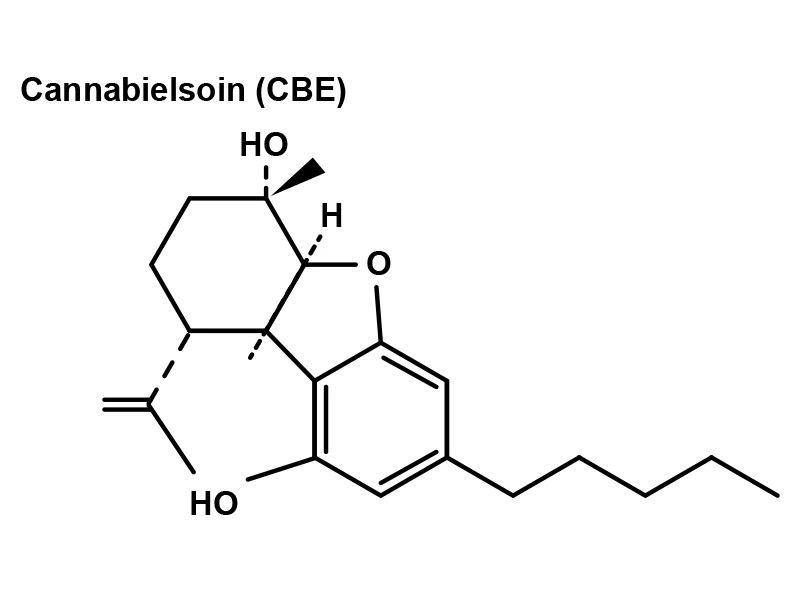
Cannabielsoin(CBE) (CAS 52025-76-0) is a phytocannabinoid derivative with potential analgesic and neuroprotective applications. Its structural complexity and lipophilicity present challenges in drug development but also offer opportunities for targeted therapeutic formulations.
Name :
CannabielsoinCAS No. :
52025-76-0MF :
C₂₁H₃₀O₃MW :
330.46Purity :
95%Appearance :
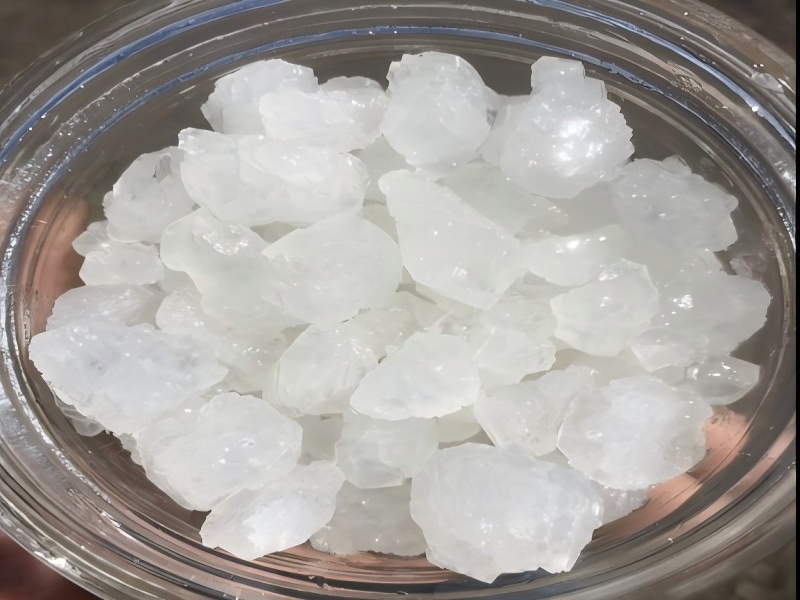
White to off-white crystalline solid .Storage Condition :
-20°C for long-term stability, Protect from light and moisture.Basic Information
Chemical Name: (5aS,6S,9R,9aR)-5a,6,7,8,9,9a-Hexahydro-6-methyl-9-(1-methylethenyl)-3-pentyl-1,6-dibenzofurandiol
CAS Number: 52025-76-0
Molecular Formula: C₂₁H₃₀O₃
Molecular Weight: 330.46 g/mol
Synonyms:
Cannabielsoin A
Cannabielsoin I
1,6-Dibenzofurandiol, 5a,6,7,8,9,9a-hexahydro-6-methyl-9-(1-methylethenyl)-3-pentyl-
CBE
Chemical Structure
Core Structure: A hexahydrodibenzo[b,d]furan derivative with a pentyl side chain and a methyl group at position 6.
Functional Groups:
Two phenolic hydroxyl (-OH) groups at positions 1 and 6.
A double bond (C=C) at position 9.
Stereochemistry: Four chiral centers (5aS, 6S, 9R, 9aR) confirmed by X-ray crystallography .
Physical and Chemical Properties
Appearance: White to off-white crystalline solid .
Melting Point: Not explicitly reported, but likely decomposes above 300°C.
Boiling Point: 426.5°C (predicted at 760 mmHg) .
Density: 1.089 g/cm³ (predicted) .
Solubility:
Poorly soluble in water (<1 mg/mL).
Moderately soluble in organic solvents (ethanol: 35 mg/mL, DMSO: 60 mg/mL).
LogP: 4.71 (highly lipophilic).
Biological Activities
CBE is primarily defined by its formation as a metabolite and has shown some distinct, though less potent, biological effects compared to its parent compound, CBD.
Pharmacology: It is non-psychoactive, lacking significant affinity for the CB1 cannabinoid receptor.
Metabolic Activity: It is a primary product of the cytochrome P450 (CYP)-mediated oxidation of CBD in the liver (e.g., in mice, rats, and humans).
Biological Effects: Studies (primarily from the 1980s-90s) indicate it possesses:
Anti-inflammatory Properties: Demonstrated in animal models, though often with lower potency than CBD or THC.
Possible Neuroprotective & Anxiolytic Effects: Suggested by its structural similarity to CBD and its activity in some models, but research is limited.
Reduced Receptor Affinity: Shows very low affinity for both CB1 and CB2 receptors, indicating its effects may be mediated through non-cannabinoid receptor pathways (e.g., interaction with other G-protein coupled receptors, ion channels).
Safety and Handling
Toxicity:
Acute toxicity data unavailable; classified as "Harmful if swallowed" (H303) based on structural similarity to other cannabinoids .
Requires PPE (gloves, goggles) during handling.
Storage:
Store at -20°C for long-term stability .
Protect from light and moisture.
Synthesis and Production
CBE is formed through biotransformation, not direct enzymatic biosynthesis in the cannabis plant.
In Vivo (Mammalian Metabolism): The primary route. CBD is metabolized in the liver, chiefly by cytochrome P450 enzymes (like CYP3A and CYP2C), via an epoxidation mechanism followed by intramolecular rearrangement, resulting in the formation of CBE and its isomers.
In Vitro (Chemical Synthesis): CBE can be produced synthetically or semi-synthetically via the photo-oxidation or chemical oxidation (e.g., with meta-chloroperbenzoic acid, mCPBA) of CBD. This mimics the metabolic pathway in a controlled laboratory setting.
Synthesis Routes:
Hydroxylation of CBV (Cannabivarin): Enzymatic or chemical modification to introduce hydroxyl groups.
Biocatalytic Methods: Use of microbial enzymes for selective functionalization.
Purification: Recrystallization from ethanol or column chromatography .
Applications




FAQ
Q1: Is Cannabielsoin (CBE) psychoactive like THC?
A: No. CBE has negligible affinity for the CB1 receptor in the brain and is considered non-psychoactive. It does not produce intoxication or a "high."
Q2: How is CBE different from CBD?
A: Structurally, CBE is an oxidized, cyclized metabolite of CBD with a more complex furano-fused ring system. Biologically, it is generally less potent than CBD in most assays and is formed afterCBD is ingested and processed by the body (liver metabolism).
Q3: Can CBE be found in the cannabis plant itself?
A: It is generally considered a trace component or artifact in the plant. While it can form from CBD via photo-oxidation during processing or storage, it is not a primary biosynthetic product. Its main natural source is as a metabolite inside the body of a consumer who has ingested CBD.
Q4: Why is CBE important in drug testing?
A: Because CBE is a major, specific metabolite of CBD, its presence in urine or blood is a clear indicator that a person has consumed CBD. This helps differentiate between CBD use and the use of illegal THC-dominant cannabis, although careful interpretation is required due to potential trace THC in some CBD products.
Q5: What are the potential therapeutic benefits of CBE?
A: Research is very limited. Early animal studies suggested anti-inflammatory and possibly mild anti-anxiety effects, but its therapeutic profile is not well-established. Its significance is currently more related to understanding CBD's metabolism rather than as a standalone therapeutic agent.
Q6: What is Cannabielsoin (CBE) and how is it related to CBD?
A: Cannabielsoin (CBE) is a oxidative metabolite of Cannabidiol (CBD). It is formed through a specific enzymatic or photochemical cyclization reaction, making it a minor cannabinoid of interest in pharmacokinetic and metabolic studies.
Q7: Does CBE have psychoactive effects like THC?
A: No. Current research indicates that CBE is non-psychoactive. Its structure and mechanism of action are distinct from THC, and it does not bind significantly to the CB1 receptor responsible for the psychoactive effects of cannabis.
Q8: What is the main research interest in this compound?
A: Primary research focuses on its potential bioactive properties, which may include anti-inflammatory, neuroprotective, or anti-anxiety effects. It is also studied as a metabolic marker for CBD consumption and biodegradation.
Q9: What is the typical purity available and how should it be stored?
A: It is typically available as a solid or in solution at high purity grades (e.g., >95% by HPLC). For stability, it should be stored sealed under inert gas (N₂ or Argon) at low temperatures (-20°C) and protected from light to prevent degradation.
Q10: Is Cannabielsoin considered a controlled substance?
A: The legal status of minor cannabinoids varies by jurisdiction. While often not explicitly listed, it may be considered an analog of CBD or THC under broader laws. It is the customer's responsibility to verify the regulatory status in their region prior to purchase.
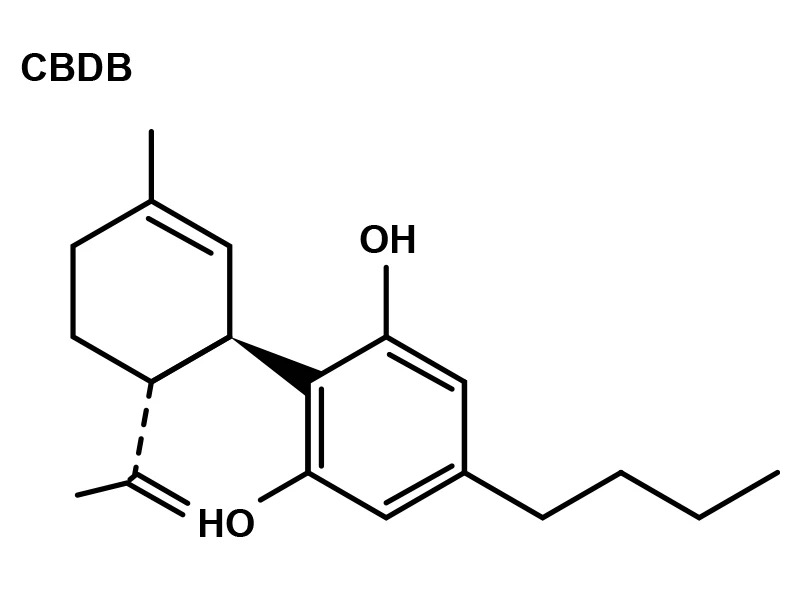
CBDB(CAS 60113-11-3)is an analytical reference standard categorized as a phytocannabinoid. CBDB has been found in strains of Cannabis and hemp. CBDB is considered an impurity in commercial extractions of cannabidiol (CBD) from hemp. This product is intended for research and forensic applications.
Details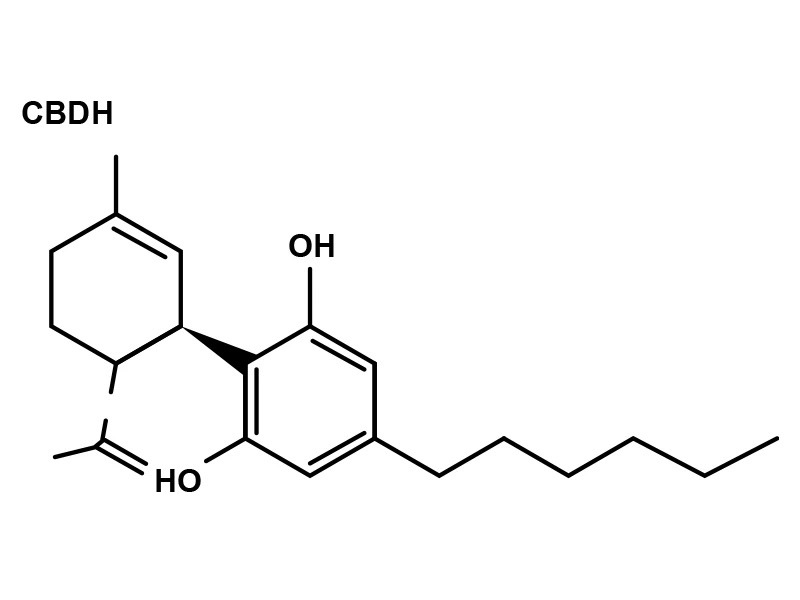
Cannabidihexol (CAS 2552798-21-5) is a novel phytocannabinoid derivative with promising analgesic and neuroprotective properties. While its pharmacological profile is promising, further research is needed to validate its therapeutic potential and optimize its pharmacokinetics.
Details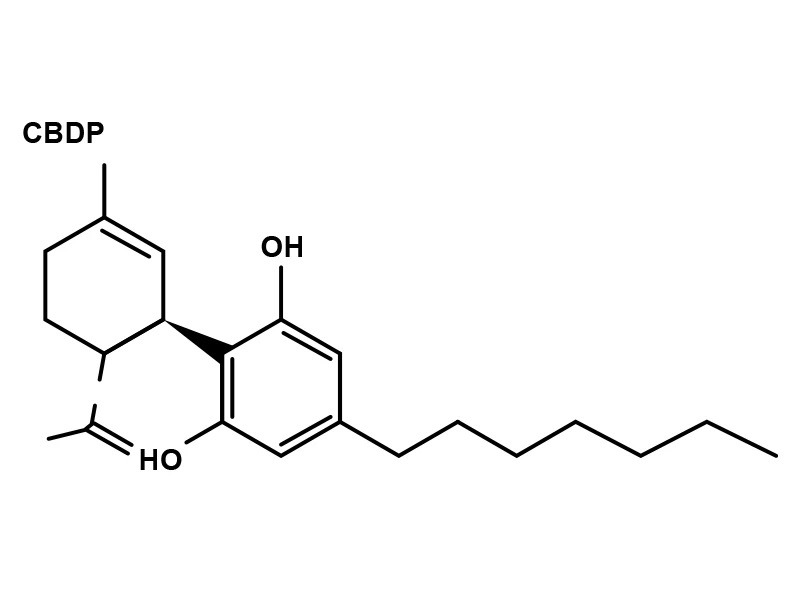
Cannabidiphorol (CAS 55824-13-0) is a novel phytocannabinoid derivative with promising analgesic and neuroprotective properties. Its high lipophilicity and structural complexity present challenges in drug development but also offer opportunities for targeted therapeutic applications.
Details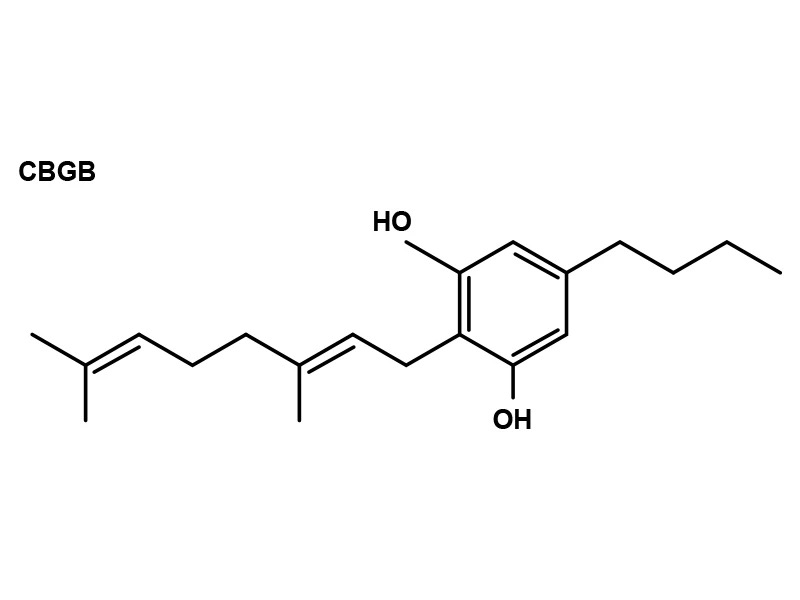
CBGB (CAS 2468125-69-9) represents a novel organic compound with potential applications in pharmaceuticals or materials science. Its structural complexity and lack of explicit data highlight the need for further experimental characterization and regulatory review.
Details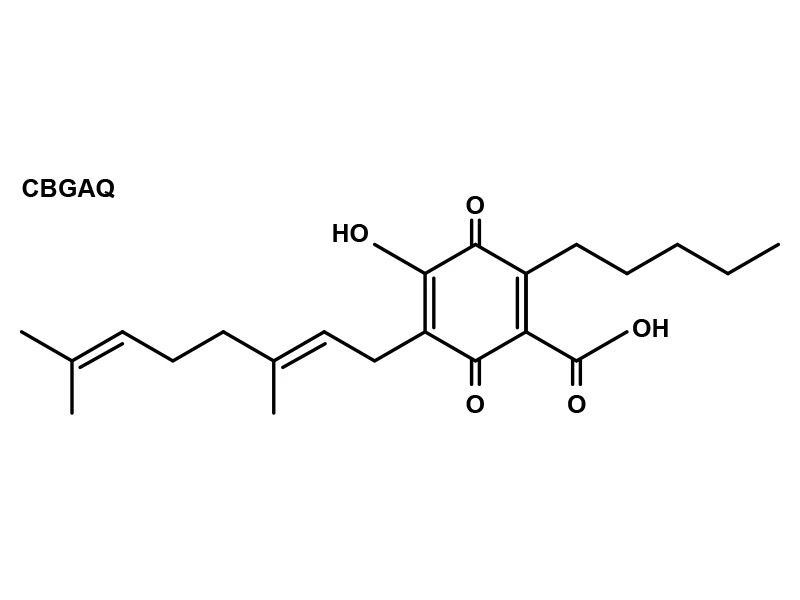
CBGAQ (CAS 2442482-70-2) is a key synthetic intermediate featuring a reactive diene core and a carboxylic acid functional group. It is primarily used in the synthesis of complex organic molecules, including cannabinoid precursors and other bioactive compounds.Cannabigerolic Acid Quinone (CBGAQ) is a unique, oxidized derivative of Cannabigerolic acid (CBGA), the central biosynthetic precursor to all major phytocannabinoids (like THCA, CBDA, CBCA). Structurally, CBGAQ is characterized by the conversion of the resorcinol (1,3-dihydroxybenzene) ring in CBGA into a para-quinone (2,5-dihydroxy-1,4-benzoquinone) moiety. This quinoid transformation significantly alters its chemical reactivity, redox potential, and biological activity, placing it in the emerging class of quinone cannabinoids.
Details
Cannabielsoin(CBE) (CAS 52025-76-0) is a phytocannabinoid derivative with potential analgesic and neuroprotective applications. Its structural complexity and lipophilicity present challenges in drug development but also offer opportunities for targeted therapeutic formulations.
Details
 Contact Us
 1st Floor, No. 477, Huancheng West Road, Nanqiao Town, Fengxian District, Shanghai,China
 sales@qxscientific.com
 +86 -13701740203


 IPv6 Network Supported |
Sitemap |
XML |
Blog |
Privacy Policy
IPv6 Network Supported |
Sitemap |
XML |
Blog |
Privacy Policy
Leave A Message
Scan to Wechat/Whatsapp :



 English
 English
 Español
 Português