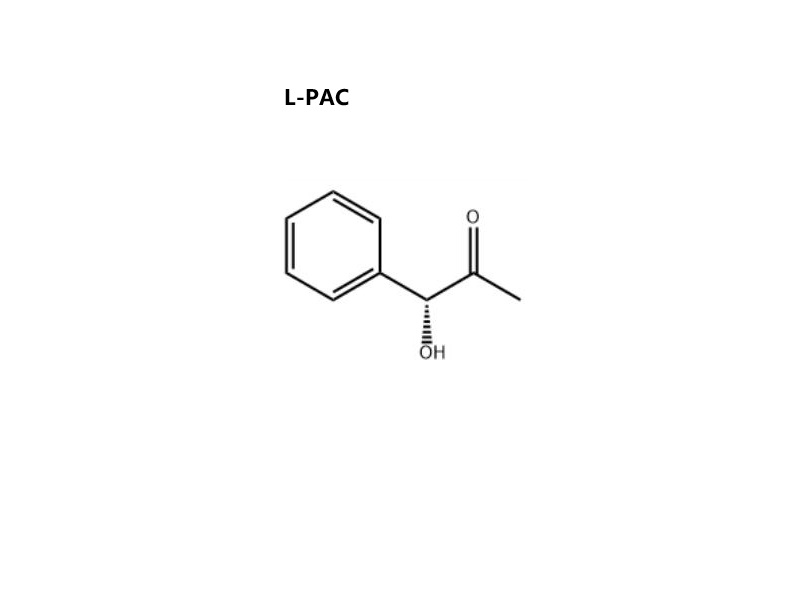

L-PAC CAS 1798-60-3(L-Phenylacetylcarbinol), also known as (R)-1-Hydroxy-1-phenylpropan-2-one, is a pivotal chiral pharmaceutical intermediate. It is most renowned as the key precursor in the industrial biosynthesis of L-ephedrine and pseudoephedrine, widely used decongestants and stimulants.
Name :
L-PACCAS No. :
1798-60-3MF :
C₉H₁₀O₂MW :
150.17Purity :
95%Appearance :
Typically a pale yellow to colorless viscous liquid or low-melting solid.Storage Condition :
Should be stored cool, under inert atmosphere, and protected from light.Chemical Properties
Chemical Name: (R)-1-Hydroxy-1-phenylpropan-2-one
IUPAC Name: (1R)-1-Hydroxy-1-phenylpropan-2-one
Synonyms: L-PAC; (R)-PAC; (R)-1-Hydroxy-1-phenyl-2-propanone; L-1-Phenyl-1-hydroxy-2-propanone
CAS Registry Number: 1798-60-3
Molecular Formula: C₉H₁₀O₂
Molecular Weight: 150.17 g/mol
Chemical Structure: It is an α-hydroxy ketone (acyloin) featuring a phenyl group and a chiral center at the benzylic carbon. The natural microbial product is almost exclusively the (R)-enantiomer, which is crucial for its biological activity and downstream utility.
Appearance: Typically a pale yellow to colorless viscous liquid or low-melting solid.
Boiling Point: Decomposes under atmospheric pressure.
Optical Rotation: [α]₂₀ᴰ ≈ -50° to -55° (c=1 in ethanol). This high negative optical rotation is a key identifier for the pure (R)-enantiomer.
Solubility: Soluble in most organic solvents (ethanol, acetone, ethyl acetate, chloroform). Slightly soluble in water.
Stability: The α-hydroxy ketone structure makes it somewhat sensitive. It can decompose upon heating and is susceptible to oxidation and racemization under strong acidic or basic conditions. Should be stored cool, under inert atmosphere, and protected from light.
Biological Activities
Primary Role: L-PAC itself is not a final therapeutic agent. Its primary significance lies in its biological activity as a metabolic intermediate in microbial fermentation.
Biosynthetic Precursor: It is the direct precursor in the microbial pathway for the synthesis of L-ephedrine alkaloids.
Enzymatic Activity: It is produced by the action of pyruvate decarboxylase (PDC), primarily from yeast (e.g., Saccharomyces cerevisiae), on benzaldehyde and pyruvate. This biotransformation is a classic example of a carboligation reaction.
Biosynthesis
L-PAC is almost exclusively produced via microbial biotransformation (fermentation), which is far more efficient and stereoselective than chemical synthesis for this molecule.
1.Microorganism: Bakers' yeast (Saccharomyces cerevisiae) is the most common and historical biocatalyst.
2.Process: In a fed-batch or continuous fermentation, benzaldehyde and a pyruvate source (often pyruvic acid or glucose) are fed to the yeast culture.
3.Key Enzyme: The enzyme Pyruvate Decarboxylase (PDC) catalyzes a two-step reaction: first, decarboxylation of pyruvate to acetaldehyde-thiamine pyrophosphate (TPP) anion; second, carboligation with benzaldehyde to form L-PAC with high enantiomeric excess (>95% (R)).
4.Product Recovery: L-PAC is recovered from the fermentation broth via solvent extraction.
ApplicationsApplications



FAQs
Q1: What is the primary commercial use of L-PAC (CAS 1798-60-3)?
A1: Its exclusive and major industrial use is as the critical biosynthetic precursor in the large-scale fermentation-based production of the decongestants L-ephedrine and pseudoephedrine. Over 80% of the world's pseudoephedrine is manufactured via the L-PAC route.
Q2: Why is the fermentation route preferred over chemical synthesis?
A2: Chemical synthesis of L-PAC typically results in a racemic mixture, requiring costly and inefficient resolution. The yeast biotransformation process is highly stereoselective, producing the desired (R)-enantiomer in high optical purity (>95% ee) in a single, efficient step from cheap starting materials (benzaldehyde and glucose).
Q3: What are the main challenges in L-PAC production?
A3:
Substrate Inhibition/Toxicity: Benzaldehyde is toxic to yeast cells at high concentrations, requiring careful fed-batch control.
By-product Formation: Yeast metabolism can reduce benzaldehyde to benzyl alcohol or reduce L-PAC to phenylpropanediol, reducing yield. Strain engineering and process optimization are used to minimize this.
Product Recovery: Efficient extraction from the aqueous fermentation broth is necessary.
Q4: Can you supply L-PAC, and what specifications are critical?
A4: Yes, it is available from specialized fine chemical and chiral intermediate suppliers. Key specifications include:
Purity (by HPLC/GC, typically >98%)
Enantiomeric Excess (e.e.) (Critical, should be >95% (R))
Optical Rotation (as a key physical constant for identity and purity)
Residual Solvents & Water Content
Q5: Are there any regulatory or safety concerns with L-PAC?
A5: As a direct precursor to pseudoephedrine/ephedrine (which are monitored/controlled substances in many jurisdictions due to potential misuse), the sale and transport of L-PAC are often highly regulated. Suppliers and buyers must comply with strict "know-your-customer" (KYC) procedures, licensing, and regulatory reporting to prevent diversion for illicit drug manufacturing.
Q6: Is there ongoing research to improve L-PAC production?
A6: Yes, significant research focuses on:
Metabolic Engineering: Developing engineered yeast or bacterial strains with higher PDC activity, reduced by-product formation, and greater benzaldehyde tolerance.
Enzyme Engineering: Creating improved PDC variants with broader substrate specificity or higher catalytic efficiency.
Process Intensification: Integrating fermentation with in-situ product removal (ISPR) techniques to overcome inhibition and improve productivity.
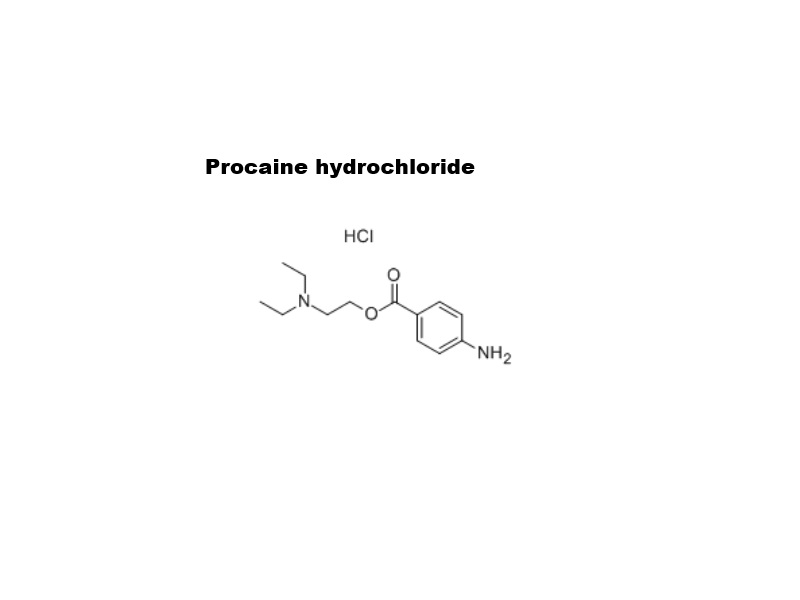
Procaine Hydrochloride CAS 51-05-8 is the water-soluble hydrochloride salt of procaine. It is the specific formulation used in clinical medicine, famously marketed under the brand name Novocain. While its use in mainstream practice has diminished, it remains a historically pivotal drug and is still employed in specific medical and therapeutic contexts.
Details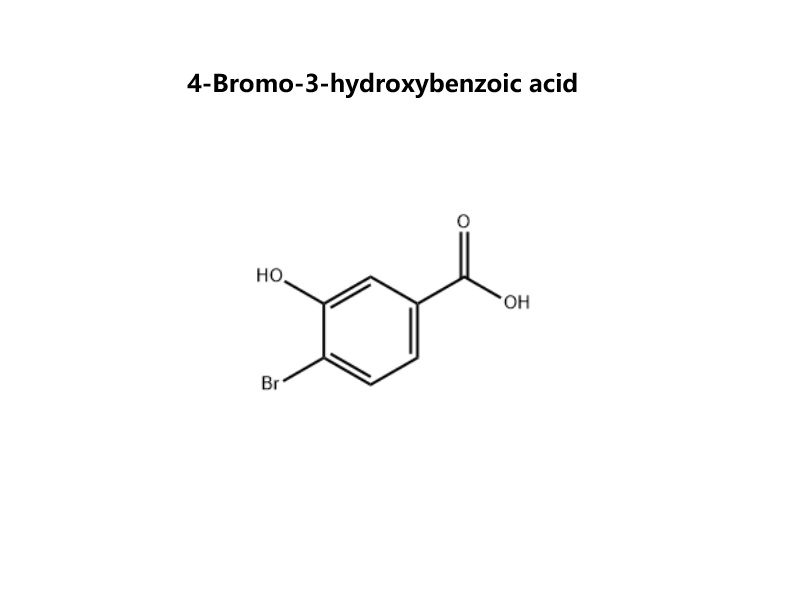
4-Bromo-3-hydroxybenzoic acid CAS 14348-38-0 is a premium, multifunctional aromatic building block engineered for complexity-driven synthesis. Its core value lies in the strategic placement of three distinct, orthogonally reactive functional groups on a benzene ring, making it an indispensable tool for convergent molecular construction in advanced research and development.
Details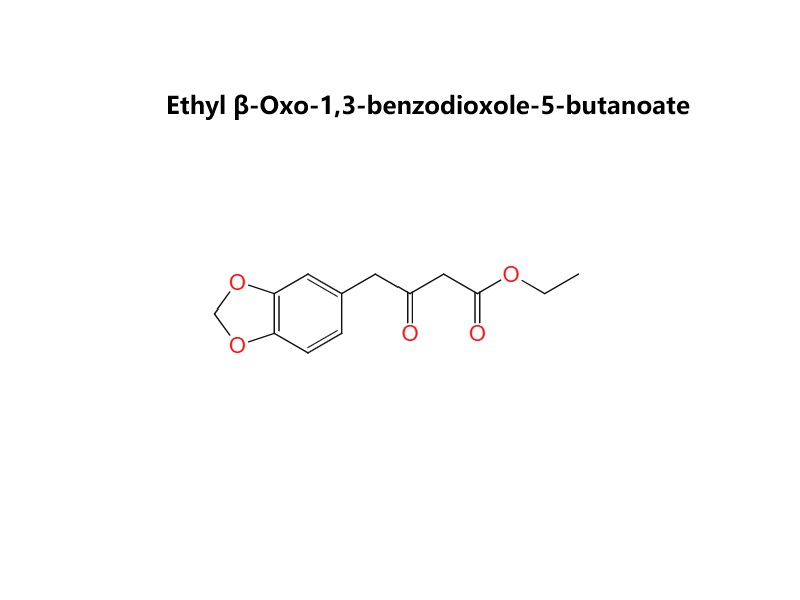
Ethyl β-Oxo-1,3-benzodioxole-5-butanoate CAS 31127-23-8 is a β-ketoester derivative featuring a 1,3-benzodioxole (methylenedioxyphenyl) aromatic system. Structurally, it consists of a benzodioxole ring attached through a three-carbon chain to an ethyl β-ketoester functional group (-CO-CH₂-COOEt). This makes it a versatile bifunctional building block for organic synthesis, combining the electronic properties of the benzodioxole group with the high reactivity of a β-ketoester.
Details![4-Nitrophenyl 3-(Benzo[d][1,3]dioxol-5-yl)-2-methylpropanoate](https://www.qixiolivetol.com/storage/uploads/images/202604/17/1776427287_qZy87IjHSQ.jpg)
4-Nitrophenyl 3-(Benzo[d][1,3]dioxol-5-yl)-2-methylpropanoate is a chirally defined, pre-activated acylating agent that combines a metabolically stable benzo[1,3]dioxole (piperonyl) pharmacophore with the exceptional reactivity of a 4-nitrophenyl ester. It enables the efficient, racemization-free introduction of a complex, chiral acid moiety under mild conditions, making it invaluable for advanced synthetic and bioconjugation chemistry. 4-Nitrophenyl 3-(Benzo[d][1,3]dioxol-5-yl)-2-methylpropanoate is a specialty ester designed as a reactive biochemical or synthetic intermediate. Its structure strategically combines three key units: (1)A 3-(benzo[1,3]dioxol-5-yl)-2-methylpropanoic acid (piperonyl-substituted, chiral acid) moiety. (2)A 4-nitrophenyl ester leaving group. This design makes it an activated ester, where the 4-nitrophenol is an excellent leaving group, facilitating efficient acyl transfer reactions under mild conditions.
Details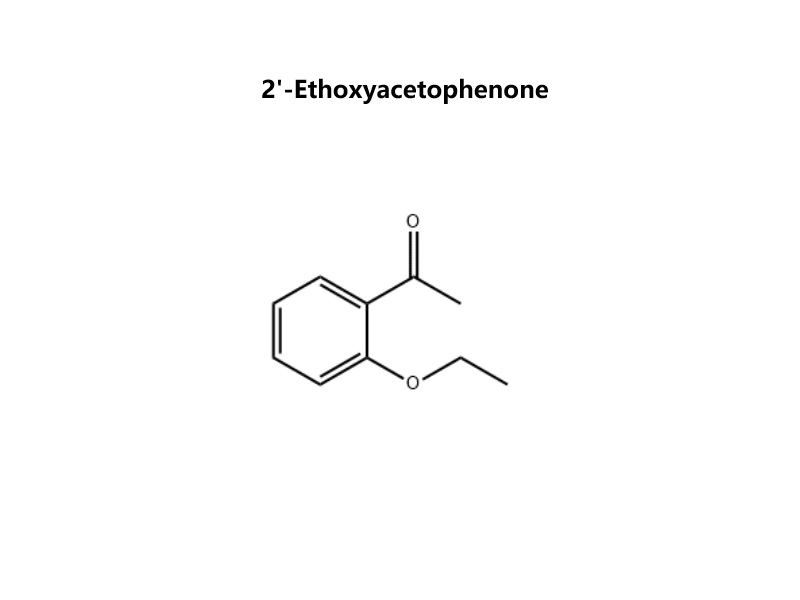
2'-Ethoxyacetophenone CAS 2142-67-8 is a specialized aromatic ketone characterized by an ethoxy substituent at the orthoposition relative to the acetyl group. This structural feature imparts distinct chemical and physical properties, making it a privileged building block for synthesizing complex molecules, particularly in the flavor/fragrance and pharmaceutical sectors.
Details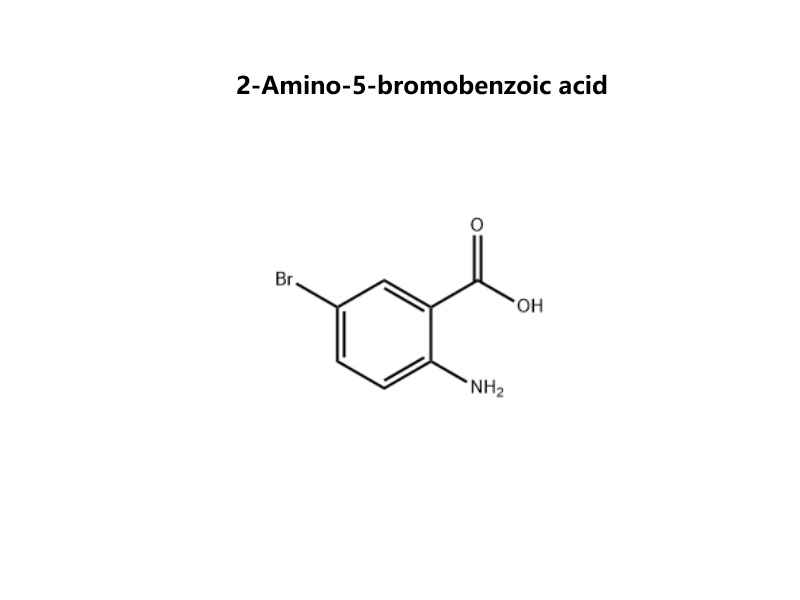
2-Amino-5-bromobenzoic acid CAS 5794-88-7 is a highly versatile aromatic building block that integrates three distinct functional groups—an amine, a carboxylic acid, and an aryl bromide—into a single, synthetically valuable scaffold. This multifunctionality makes it a crucial intermediate in pharmaceutical and advanced materials chemistry.
Details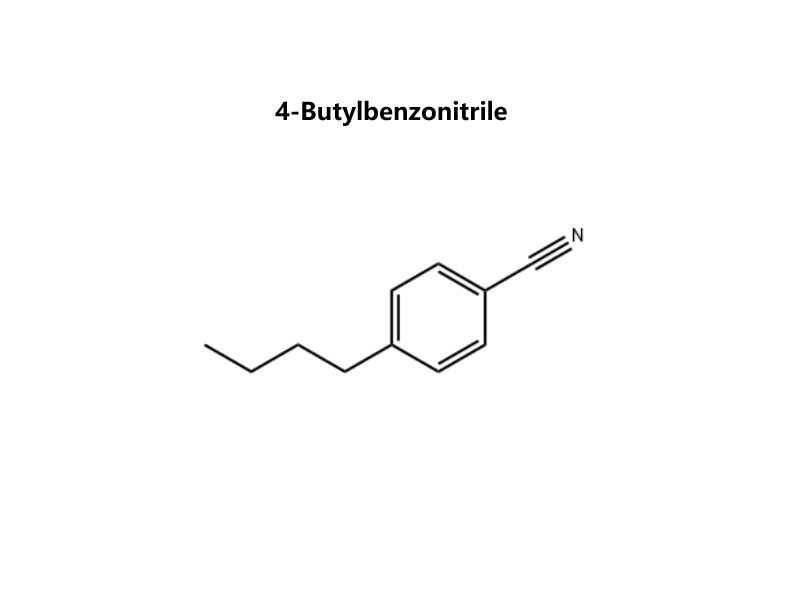
4-Butylbenzonitrile CAS 20651-73-4 is a strategically designed hydrophobic building block that combines a rigid aromatic core with a flexible linear alkyl chain and a highly versatile nitrile functional group. This triad of features makes it an exceptionally valuable intermediate for modulating physicochemical properties and enabling diverse synthetic pathways in advanced material and pharmaceutical and agrochemical research.
Details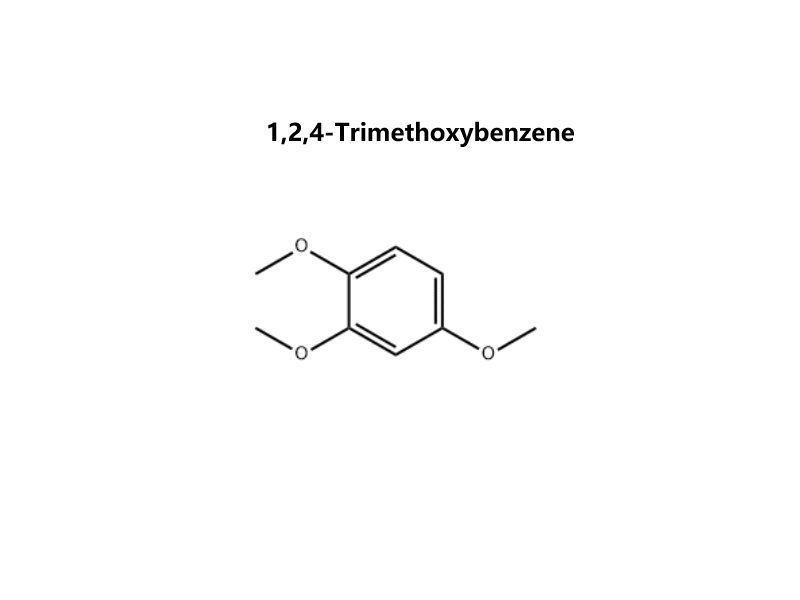
1,2,4-Trimethoxybenzene CAS 135-77-3 is a uniquely versatile, electron-rich aromatic building block. Its core value lies in its unsymmetrical yet highly predictable substitution pattern, which provides exceptional regiocontrol in synthetic chemistry. This makes it a privileged scaffold for constructing complex molecules in pharmaceuticals, agrochemicals, and advanced materials.
Details
 Contact Us
 1st Floor, No. 477, Huancheng West Road, Nanqiao Town, Fengxian District, Shanghai,China
 sales@qxscientific.com
 +86 -13701740203


 IPv6 Network Supported |
Sitemap |
XML |
Blog |
Privacy Policy
IPv6 Network Supported |
Sitemap |
XML |
Blog |
Privacy Policy
Leave A Message
Scan to Wechat/Whatsapp :



 English
 English
 Español
 Português