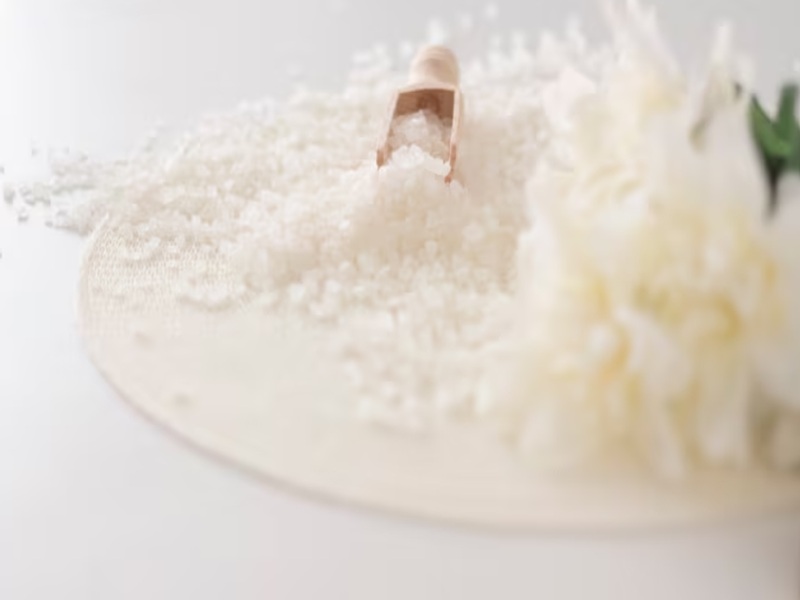
Procaine Hydrochloride CAS 51-05-8 is the water-soluble hydrochloride salt of procaine. It is the specific formulation used in clinical medicine, famously marketed under the brand name Novocain. While its use in mainstream practice has diminished, it remains a historically pivotal drug and is still employed in specific medical and therapeutic contexts.
Name :
Procaine hydrochlorideCAS No. :
51-05-8MF :
C₁₃H₂₁ClN₂O₂MW :
272.77Purity :
98%Appearance :
White crystalline powderStorage Condition :
Stored in a cool, dry place away from lightChemical Properties
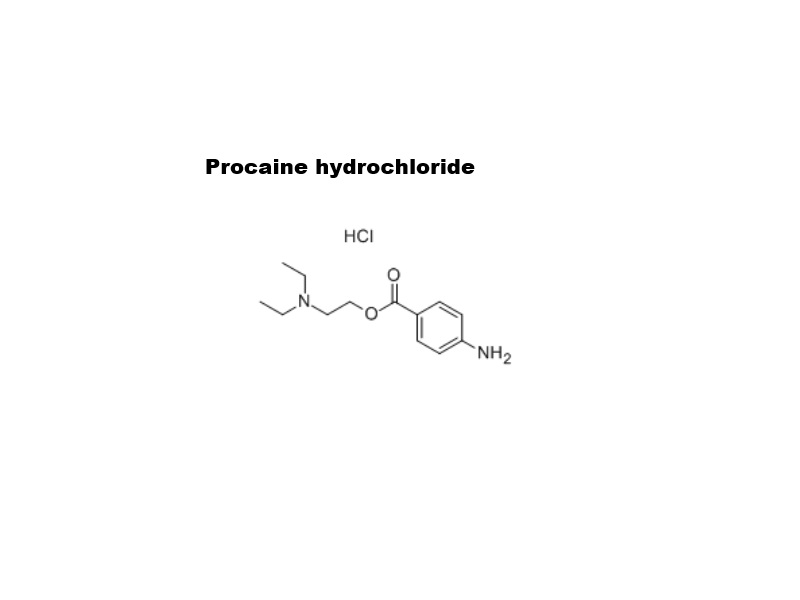
Chemical Name: 2-(Diethylamino)ethyl 4-aminobenzoate hydrochloride
IUPAC Name: 4-Aminobenzoic acid 2-(diethylamino)ethyl ester; hydrochloride
CAS Number: 51-05-8
Molecular Formula: C₁₃H₂₁ClN₂O₂
Molecular Weight: 272.77 g/mol
Chemical Structure: It consists of a procaine molecule (a benzoic acid ester with a terminal diethylamino group) in a salt formation with hydrochloric acid, resulting in a positively charged ammonium ion and a chloride counterion. This salt form is crucial for its solubility and stability in aqueous pharmaceutical preparations.
Appearance: A white, crystalline powder or colorless crystals.
Solubility: Very soluble in water, freely soluble in ethanol. The salt formation dramatically increases its water solubility compared to the procaine free base, making it suitable for injection.
Stability:
Stable in dry form and in acidic solutions (pH ~3.5-5.0 for injections).
The ester bond remains its primary site of instability. It undergoes hydrolysis in neutral or alkaline solutions, accelerated by heat, producing para-aminobenzoic acid (PABA) and diethylaminoethanol.
Solutions should be sterilized by methods that minimize heat exposure (e.g., filtration) and stored protected from light.
pKa: ~8.9 (of the conjugate acid). At physiological pH (7.4), a significant portion exists in the lipid-soluble, uncharged base form, allowing diffusion through nerve sheaths, while the charged cationic form is active at the sodium channel receptor.
Biological Activities
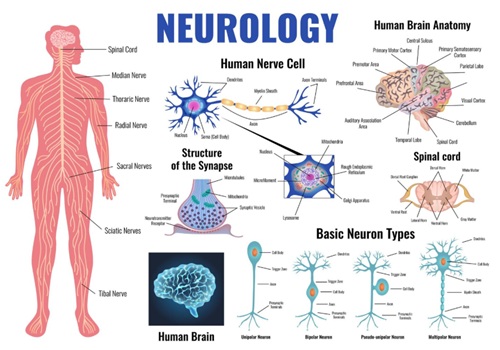
Mechanism of Action: Reversible sodium channel blocker. It diffuses to the neural membrane, and its cationic form binds to receptors within voltage-gated sodium channels, inhibiting sodium ion influx and preventing depolarization and propagation of the action potential, leading to a reversible loss of sensation.
Pharmacokinetics:
Onset: Relatively slow onset of action compared to modern agents like lidocaine.
Duration: Short duration (30-60 minutes for infiltration anesthesia) due to rapid hydrolysis by plasma pseudocholinesterase and significant vasodilation at the site of injection, which increases vascular absorption and removal.
Metabolism: Rapidly hydrolyzed in the plasma by esterases into the metabolites PABA (a known allergen) and diethylaminoethanol.
Toxicity Profile: Lower systemic toxicity than cocaine. Adverse effects (CNS: dizziness, tremors; Cardiovascular: hypotension) are usually associated with high plasma concentrations from intravascular injection or overdose. Allergic reactions, though rare, are primarily linked to sensitivity to PABA or other ester anesthetics.
Biosynthesis
Procaine hydrochloride is not biosynthesized; it is produced via chemical synthesis.
The standard industrial synthesis involves:
1.Esterification: Reaction of 4-aminobenzoic acid (PABA) with ethylene chlorohydrin (2-chloroethanol) to form the ester intermediate, 4-aminobenzoic acid 2-chloroethyl ester.
2.Amination: The chloro-intermediate is then reacted with diethylamine to form procaine free base.
3.Salt Formation: The procaine base is finally treated with hydrochloric acid to precipitate the stable, water-soluble procaine hydrochloride.
Applications



FAQs
Q1: What is the key difference between Procaine (CAS 59-46-1) and Procaine Hydrochloride (CAS 51-05-8)?
A1: Procaine is the free base, a lipophilic compound with limited water solubility. Procaine Hydrochloride is the water-soluble hydrochloride salt of procaine. This salt form is what is used in all injectable pharmaceutical formulations. The CAS numbers are different, confirming they are distinct chemical entities for regulatory and sourcing purposes.
Q2: Is Procaine HCl (Novocain) still commonly used by dentists?
A2: In most developed countries, its use in mainstream dentistry has been largely superseded by amide-type anesthetics like lidocaine, articaine, and mepivacaine. These newer agents have a faster onset, longer duration, and a lower incidence of allergic reactions. It may still be used in specific cases or regions.
Q3: Why is there an allergy warning associated with "caine" drugs, and does it apply to procaine?
A3: True allergy to local anesthetics is rare. However, ester-type anesthetics like procaine are metabolized to PABA. Allergic reactions (like dermatitis or anaphylaxis) are more likely due to sensitivity to PABA or the ester structure itself. Amide-type anesthetics (lidocaine, etc.) do not produce PABA and have no cross-reactivity with esters, making them safer for patients with known ester allergies.
Q4: Why is epinephrine often added to procaine HCl solutions?
A4: Procaine is a vasodilator, increasing local blood flow and causing it to be absorbed into the bloodstream too quickly. Epinephrine, a vasoconstrictor, is added to:
Prolong the anesthetic effect by reducing local blood flow.
Lower the systemic concentration of procaine, reducing the risk of toxicity.
Provide a bloodless field for surgery.
Q5: Can I purchase Procaine Hydrochloride (CAS 51-05-8) for research purposes?
A5: Yes, it is readily available from reputable chemical and biochemical suppliers for legitimate research and development use. Buyers must confirm they are compliant with all local regulations. It is sold as a chemical or pharmaceutical reference standard, not for human or veterinary therapeutic use unless appropriately licensed and formulated.
Q6: What are the main disadvantages that led to its reduced use?
A6: Key limitations include: 1) Short duration of action, 2) Slower onset compared to amides, 3) Potential for allergic reactions (PABA-related), 4) Vasodilatory property, requiring adjuncts like epinephrine, and 5) The development of superior alternatives (amides) with better pharmacokinetic profiles.
Procaine Hydrochloride CAS 51-05-8 is the water-soluble hydrochloride salt of procaine. It is the specific formulation used in clinical medicine, famously marketed under the brand name Novocain. While its use in mainstream practice has diminished, it remains a historically pivotal drug and is still employed in specific medical and therapeutic contexts.
Details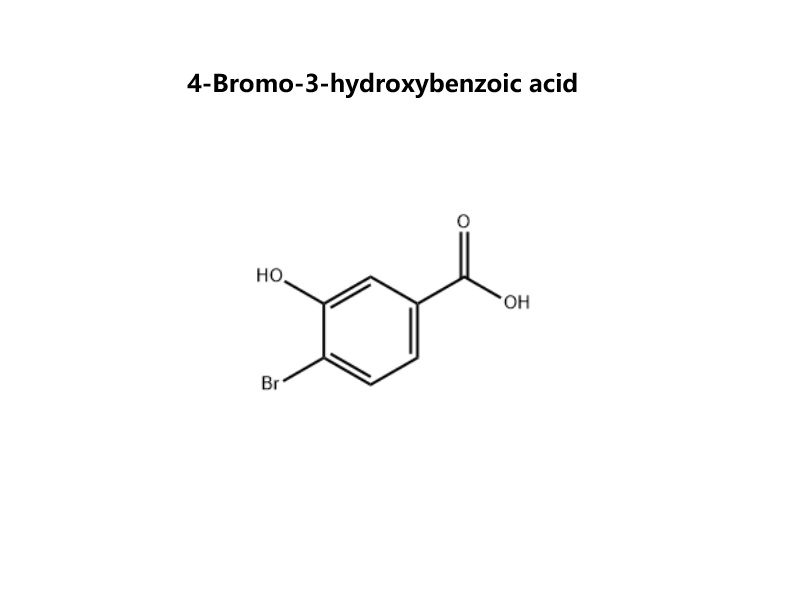
4-Bromo-3-hydroxybenzoic acid CAS 14348-38-0 is a premium, multifunctional aromatic building block engineered for complexity-driven synthesis. Its core value lies in the strategic placement of three distinct, orthogonally reactive functional groups on a benzene ring, making it an indispensable tool for convergent molecular construction in advanced research and development.
Details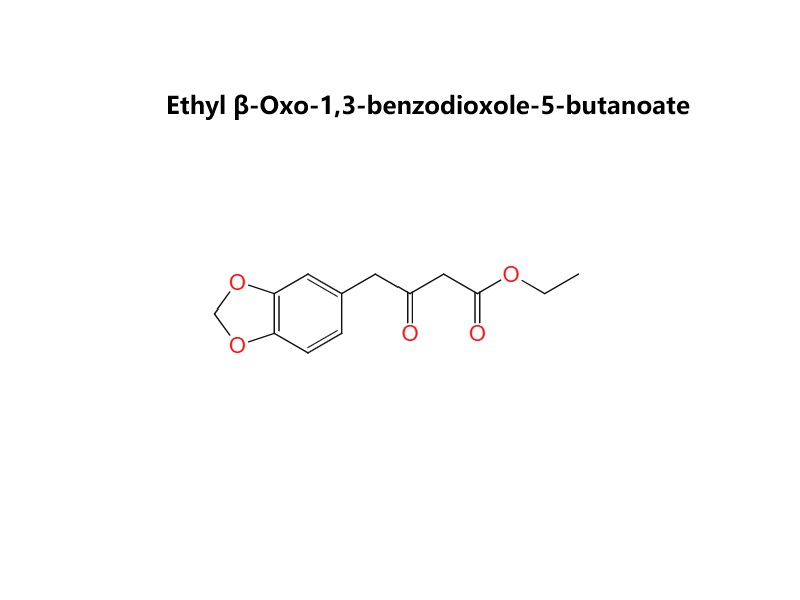
Ethyl β-Oxo-1,3-benzodioxole-5-butanoate CAS 31127-23-8 is a β-ketoester derivative featuring a 1,3-benzodioxole (methylenedioxyphenyl) aromatic system. Structurally, it consists of a benzodioxole ring attached through a three-carbon chain to an ethyl β-ketoester functional group (-CO-CH₂-COOEt). This makes it a versatile bifunctional building block for organic synthesis, combining the electronic properties of the benzodioxole group with the high reactivity of a β-ketoester.
Details![4-Nitrophenyl 3-(Benzo[d][1,3]dioxol-5-yl)-2-methylpropanoate](https://www.qixiolivetol.com/storage/uploads/images/202604/17/1776427287_qZy87IjHSQ.jpg)
4-Nitrophenyl 3-(Benzo[d][1,3]dioxol-5-yl)-2-methylpropanoate is a chirally defined, pre-activated acylating agent that combines a metabolically stable benzo[1,3]dioxole (piperonyl) pharmacophore with the exceptional reactivity of a 4-nitrophenyl ester. It enables the efficient, racemization-free introduction of a complex, chiral acid moiety under mild conditions, making it invaluable for advanced synthetic and bioconjugation chemistry. 4-Nitrophenyl 3-(Benzo[d][1,3]dioxol-5-yl)-2-methylpropanoate is a specialty ester designed as a reactive biochemical or synthetic intermediate. Its structure strategically combines three key units: (1)A 3-(benzo[1,3]dioxol-5-yl)-2-methylpropanoic acid (piperonyl-substituted, chiral acid) moiety. (2)A 4-nitrophenyl ester leaving group. This design makes it an activated ester, where the 4-nitrophenol is an excellent leaving group, facilitating efficient acyl transfer reactions under mild conditions.
Details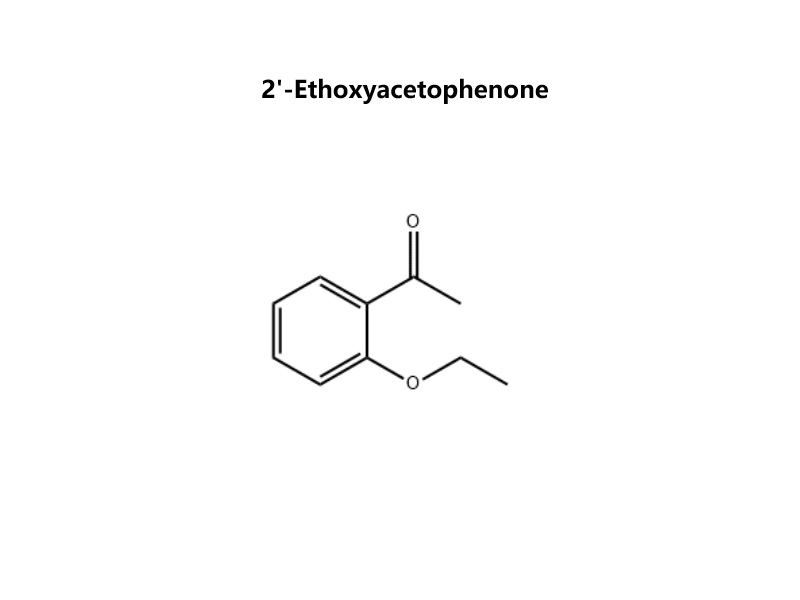
2'-Ethoxyacetophenone CAS 2142-67-8 is a specialized aromatic ketone characterized by an ethoxy substituent at the orthoposition relative to the acetyl group. This structural feature imparts distinct chemical and physical properties, making it a privileged building block for synthesizing complex molecules, particularly in the flavor/fragrance and pharmaceutical sectors.
Details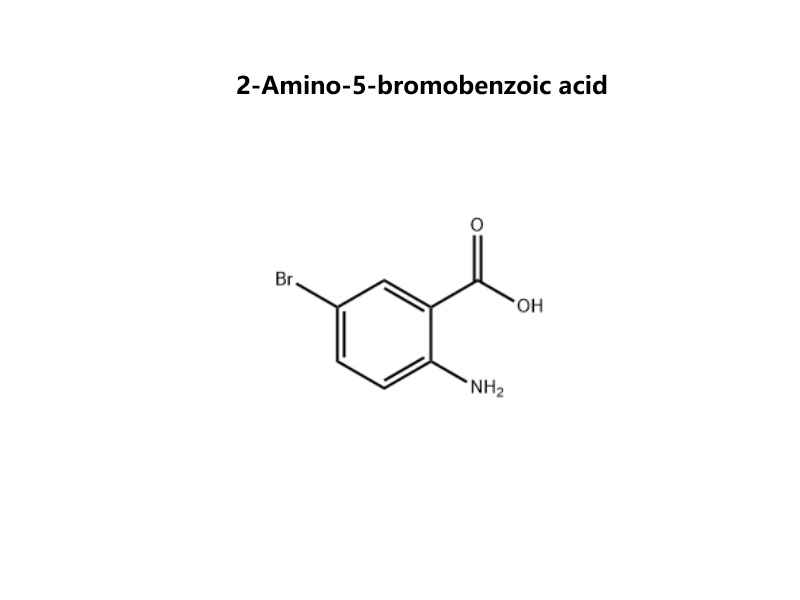
2-Amino-5-bromobenzoic acid CAS 5794-88-7 is a highly versatile aromatic building block that integrates three distinct functional groups—an amine, a carboxylic acid, and an aryl bromide—into a single, synthetically valuable scaffold. This multifunctionality makes it a crucial intermediate in pharmaceutical and advanced materials chemistry.
Details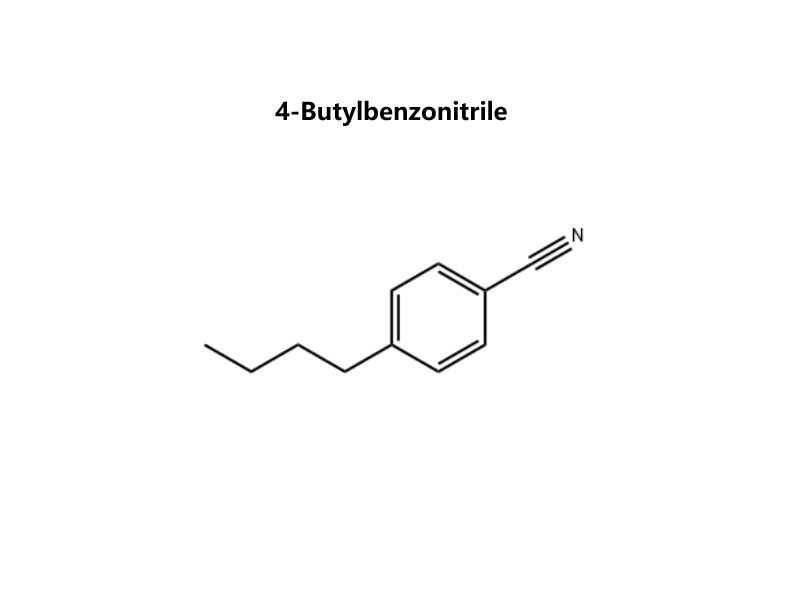
4-Butylbenzonitrile CAS 20651-73-4 is a strategically designed hydrophobic building block that combines a rigid aromatic core with a flexible linear alkyl chain and a highly versatile nitrile functional group. This triad of features makes it an exceptionally valuable intermediate for modulating physicochemical properties and enabling diverse synthetic pathways in advanced material and pharmaceutical and agrochemical research.
Details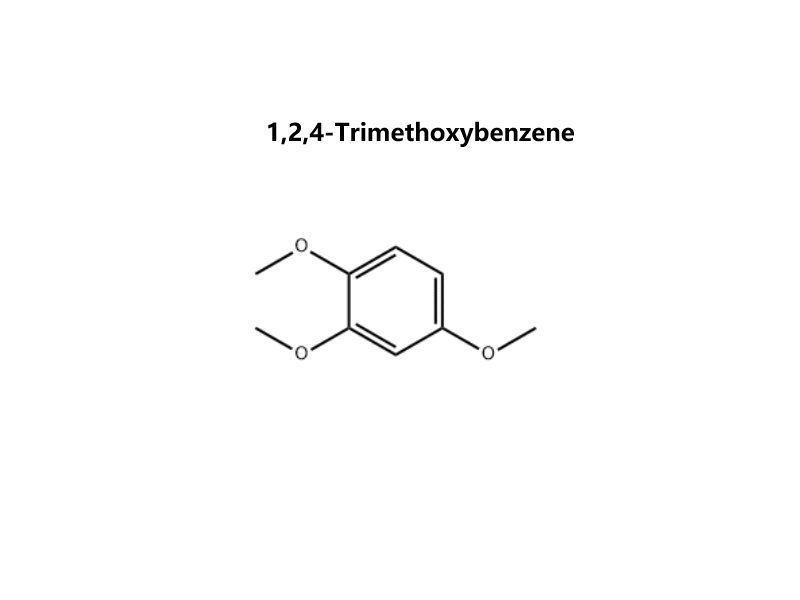
1,2,4-Trimethoxybenzene CAS 135-77-3 is a uniquely versatile, electron-rich aromatic building block. Its core value lies in its unsymmetrical yet highly predictable substitution pattern, which provides exceptional regiocontrol in synthetic chemistry. This makes it a privileged scaffold for constructing complex molecules in pharmaceuticals, agrochemicals, and advanced materials.
Details
 Contact Us
 1st Floor, No. 477, Huancheng West Road, Nanqiao Town, Fengxian District, Shanghai,China
 sales@qxscientific.com
 +86 -13701740203


 IPv6 Network Supported |
Sitemap |
XML |
Blog |
Privacy Policy
IPv6 Network Supported |
Sitemap |
XML |
Blog |
Privacy Policy
Leave A Message
Scan to Wechat/Whatsapp :



 English
 English
 Español
 Português