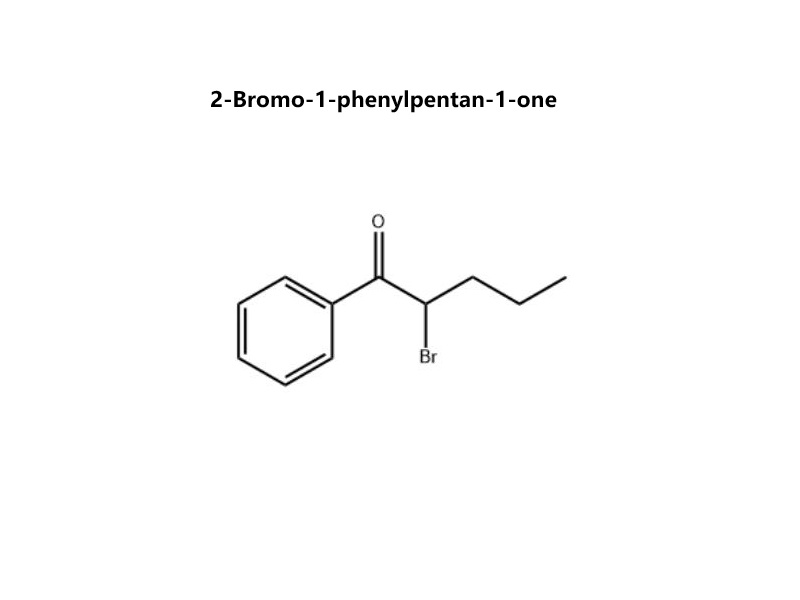
2-Bromo-1-phenylpentan-1-one CAS 49851-31-2 is an α-bromo aromatic ketone belonging to the class of α-halogenated alkyl aryl ketones. It is characterized by an elongated alkyl chain (pentyl) compared to its more common propiophenone analogs. This compound serves exclusively as a specialized and highly reactive synthetic intermediate in organic chemistry, and its possession and use are subject to stringent international controls due to its role as a precursor to controlled substances.
Name :
2-Bromo-1-phenylpentan-1-oneCAS No. :
49851-31-2MF :
C₁₁H₁₃BrOMW :
241.13Purity :
99%Appearance :
Typically a pale yellow to amber-colored oily liquid or low-melting solid. May crystallize upon cooling or standing.Storage Condition :
Must be stored refrigerated or frozen (-20°C) under an inert atmosphere (argon/nitrogen), protected from light and moisture.Chemical Properties
Chemical Name: 2-Bromo-1-phenylpentan-1-one
IUPAC Name: 2-Bromo-1-phenylpentan-1-one
CAS Registry Number: 49851-31-2
Molecular Formula: C₁₁H₁₃BrO
Molecular Weight: 241.13 g/mol
Chemical Structure: The molecule consists of a pentanone chain (5-carbon chain with a ketone) attached to a phenyl ring at the 1-position. The defining reactive feature is a bromine atom attached to the alpha carbon (the carbon adjacent to the carbonyl group).
Appearance: Typically a pale yellow to amber-colored oily liquid or low-melting solid. May crystallize upon cooling or standing.
Melting/Boiling Point: Data is less commonly reported than for shorter-chain analogs. It is expected to be a liquid at room temperature or have a low melting point (< 30°C).
Solubility: Soluble in all common organic solvents (dichloromethane, ether, ethyl acetate, acetone, DMF). Insoluble in water.
Stability: Highly unstable and reactive. As an α-bromo ketone, it is prone to:
Dehydrohalogenation: Loss of HBr to form the corresponding α,β-unsaturated ketone.
Hydrolysis: Conversion to the parent ketone (1-phenylpentan-1-one) and HBr.
Polymerization: Especially under heat or light exposure.
Storage Requirement: Must be stored refrigerated or frozen (-20°C) under an inert atmosphere (argon/nitrogen), protected from light and moisture. Shelf-life is limited.
Reactivity: The α-bromine is an excellent leaving group, making this compound a potent electrophile. It readily undergoes nucleophilic substitution reactions, most notably with amines to form aminoketones.
Biological Activities
2-Bromo-1-phenylpentan-1-one possesses no therapeutic biological activity itself. Its sole relevance is as a chemical precursor.
Intermediate Role: It is designed to be transformed. Its primary function in a biological context is to serve as a building block for synthesizing other compounds that may be screened for pharmacological activity.
Pharmacophore Link: The amine-substituted derivatives (e.g., cathinones) derived from such α-bromo ketones can have stimulant effects on the central nervous system, which is precisely why the precursor itself is strictly controlled.
Biosynthesis
This compound is not produced via biological pathways. It is synthesized through chemical synthesis on a laboratory scale.
Primary Synthetic Route: The standard method is the α-bromination of 1-phenylpentan-1-one (valerophenone).
Reagents: Bromine (Br₂) or N-Bromosuccinimide (NBS) are commonly used.
Conditions: Reaction is typically carried out in an anhydrous inert solvent (e.g., dichloromethane, chloroform) at low temperatures (0°C to room temperature), sometimes with catalytic initiation.
Precursor Synthesis: 1-Phenylpentan-1-one can be synthesized via Friedel-Crafts acylation of benzene with pentanoyl chloride.
Applications



FAQs
Q1: What is the difference between this compound and 2-bromopropiophenone (CAS 13057-72-2)?
A1: The core difference is the length of the alkyl chain. 2-Bromopropiophenone has a 3-carbon (propyl) chain, while this compound has a 5-carbon (pentyl) chain. This increases the lipophilicity (fat-solubility) and alters the physical properties (e.g., making it more oily). In terms of reactivity and regulatory status, they are analogous as α-bromo ketone precursors.
Q2: Is CAS 49851-31-2 legal to purchase for research?
A2: It is a strictly controlled substance in most jurisdictions. In the United States, it is a List I chemical under the Controlled Substances Act. In China, it is a Category I controlled precursor. In the EU and many other countries, it is similarly listed. Legal purchase requires:
A valid license/registration from the national drug control authority.
A demonstrable, legitimate need (e.g., forensic lab, licensed pharmaceutical research).
Adherence to strict reporting, storage, and security protocols. Unauthorized purchase or possession is a serious crime.
Q3: How should it be handled and disposed of safely?
A3:
Handling: Use only in a fume hood with full PPE: nitrile gloves, chemical-splash goggles, and a lab coat. It is a lachrymator and skin irritant.
Disposal: Must be treated as hazardous chemical waste. It cannot be poured down the drain. Consult your institution's Environmental Health and Safety (EHS) office for proper disposal as halogenated organic waste, in compliance with local regulations.
Q4: What purity and documentation can a legitimate supplier provide?
A4: A legitimate supplier (e.g., a certified reference material producer for forensic use) would provide:
Purity: Typically ≥95% to ≥98% for analytical standards, verified by GC-FID or HPLC.
Documentation: A Certificate of Analysis (CoA) with batch-specific data (chromatograms, NMR/IR confirmation) and a Safety Data Sheet (SDS). All transactions will have a complete audit trail.
Q5: Why is this specific compound so heavily regulated?
A5: It is a "direct precursor" whose chemical structure requires only a single, high-yield reaction (typically amination) to produce a potent psychoactive substance (a cathinone). Regulatory frameworks globally target such one-step precursors to disrupt illicit drug manufacturing at its source.
Disclaimer: This information is for forensic, regulatory, and chemical safety educational purposes only. 2-Bromo-1-phenylpentan-1-one (CAS 49851-31-2) is a controlled precursor chemical whose unauthorized manufacture, sale, or possession is illegal under international and national laws. This document does not constitute legal advice. All activities involving this substance must be conducted in full compliance with applicable laws by authorized entities.
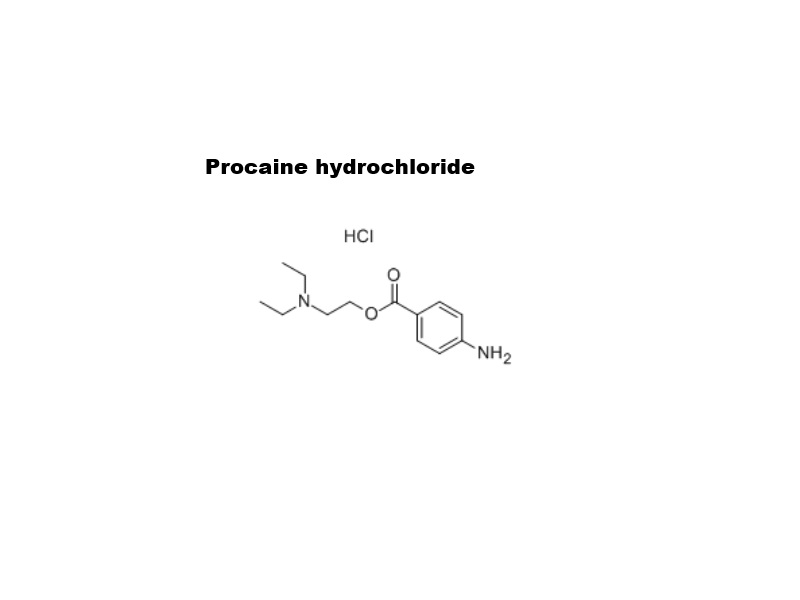
Procaine Hydrochloride CAS 51-05-8 is the water-soluble hydrochloride salt of procaine. It is the specific formulation used in clinical medicine, famously marketed under the brand name Novocain. While its use in mainstream practice has diminished, it remains a historically pivotal drug and is still employed in specific medical and therapeutic contexts.
Details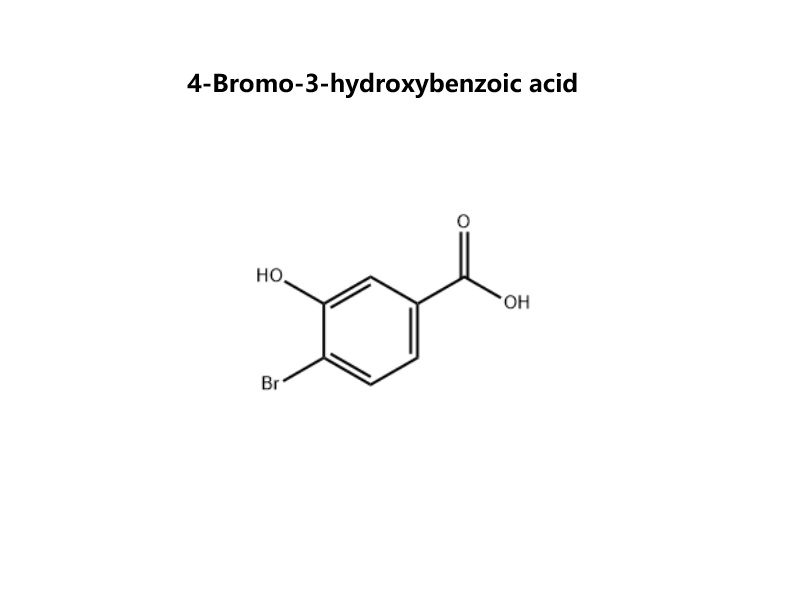
4-Bromo-3-hydroxybenzoic acid CAS 14348-38-0 is a premium, multifunctional aromatic building block engineered for complexity-driven synthesis. Its core value lies in the strategic placement of three distinct, orthogonally reactive functional groups on a benzene ring, making it an indispensable tool for convergent molecular construction in advanced research and development.
Details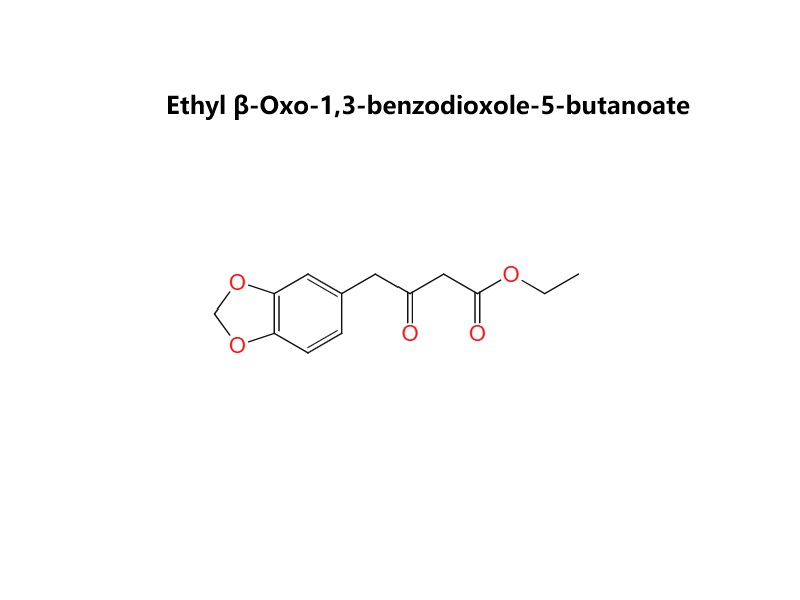
Ethyl β-Oxo-1,3-benzodioxole-5-butanoate CAS 31127-23-8 is a β-ketoester derivative featuring a 1,3-benzodioxole (methylenedioxyphenyl) aromatic system. Structurally, it consists of a benzodioxole ring attached through a three-carbon chain to an ethyl β-ketoester functional group (-CO-CH₂-COOEt). This makes it a versatile bifunctional building block for organic synthesis, combining the electronic properties of the benzodioxole group with the high reactivity of a β-ketoester.
Details![4-Nitrophenyl 3-(Benzo[d][1,3]dioxol-5-yl)-2-methylpropanoate](https://www.qixiolivetol.com/storage/uploads/images/202604/17/1776427287_qZy87IjHSQ.jpg)
4-Nitrophenyl 3-(Benzo[d][1,3]dioxol-5-yl)-2-methylpropanoate is a chirally defined, pre-activated acylating agent that combines a metabolically stable benzo[1,3]dioxole (piperonyl) pharmacophore with the exceptional reactivity of a 4-nitrophenyl ester. It enables the efficient, racemization-free introduction of a complex, chiral acid moiety under mild conditions, making it invaluable for advanced synthetic and bioconjugation chemistry. 4-Nitrophenyl 3-(Benzo[d][1,3]dioxol-5-yl)-2-methylpropanoate is a specialty ester designed as a reactive biochemical or synthetic intermediate. Its structure strategically combines three key units: (1)A 3-(benzo[1,3]dioxol-5-yl)-2-methylpropanoic acid (piperonyl-substituted, chiral acid) moiety. (2)A 4-nitrophenyl ester leaving group. This design makes it an activated ester, where the 4-nitrophenol is an excellent leaving group, facilitating efficient acyl transfer reactions under mild conditions.
Details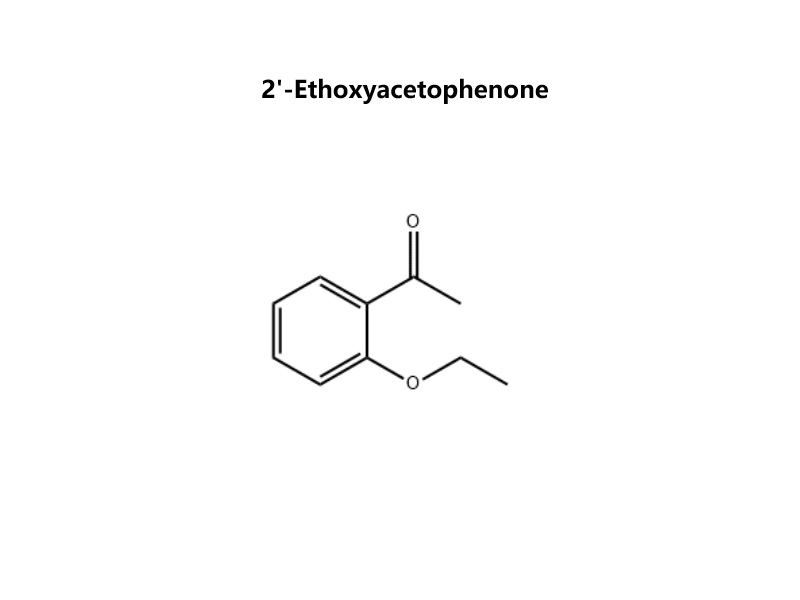
2'-Ethoxyacetophenone CAS 2142-67-8 is a specialized aromatic ketone characterized by an ethoxy substituent at the orthoposition relative to the acetyl group. This structural feature imparts distinct chemical and physical properties, making it a privileged building block for synthesizing complex molecules, particularly in the flavor/fragrance and pharmaceutical sectors.
Details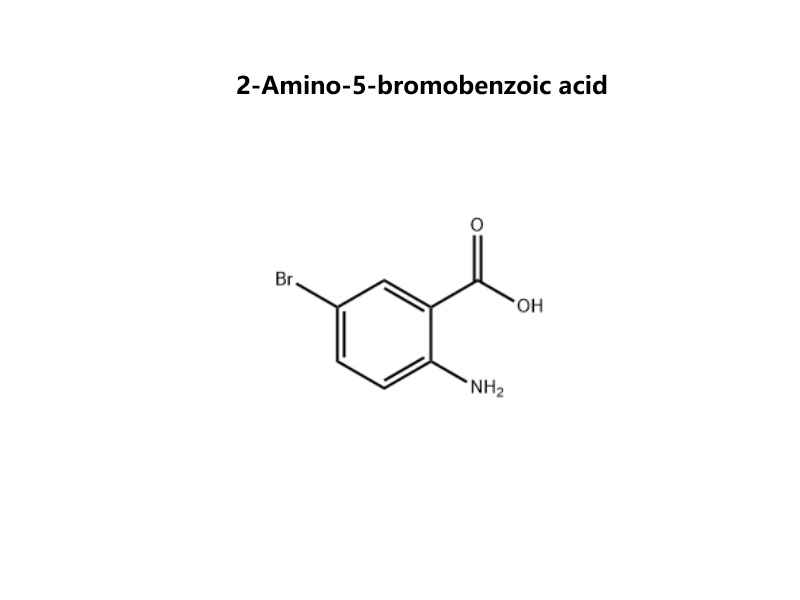
2-Amino-5-bromobenzoic acid CAS 5794-88-7 is a highly versatile aromatic building block that integrates three distinct functional groups—an amine, a carboxylic acid, and an aryl bromide—into a single, synthetically valuable scaffold. This multifunctionality makes it a crucial intermediate in pharmaceutical and advanced materials chemistry.
Details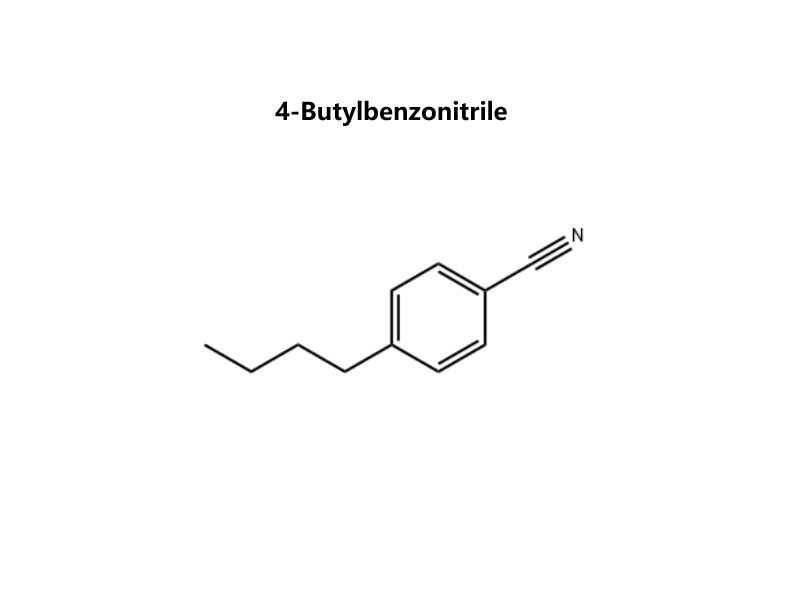
4-Butylbenzonitrile CAS 20651-73-4 is a strategically designed hydrophobic building block that combines a rigid aromatic core with a flexible linear alkyl chain and a highly versatile nitrile functional group. This triad of features makes it an exceptionally valuable intermediate for modulating physicochemical properties and enabling diverse synthetic pathways in advanced material and pharmaceutical and agrochemical research.
Details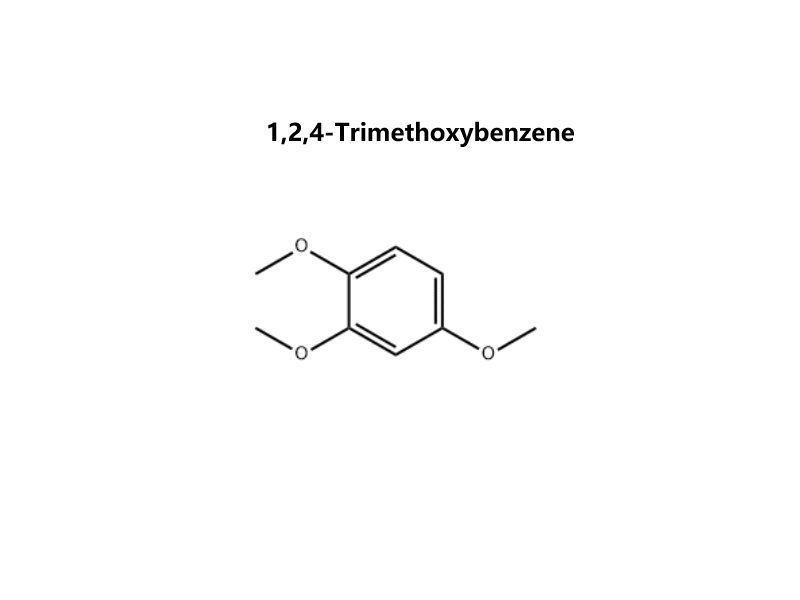
1,2,4-Trimethoxybenzene CAS 135-77-3 is a uniquely versatile, electron-rich aromatic building block. Its core value lies in its unsymmetrical yet highly predictable substitution pattern, which provides exceptional regiocontrol in synthetic chemistry. This makes it a privileged scaffold for constructing complex molecules in pharmaceuticals, agrochemicals, and advanced materials.
Details
 Contact Us
 1st Floor, No. 477, Huancheng West Road, Nanqiao Town, Fengxian District, Shanghai,China
 sales@qxscientific.com
 +86 -13701740203


 IPv6 Network Supported |
Sitemap |
XML |
Blog |
Privacy Policy
IPv6 Network Supported |
Sitemap |
XML |
Blog |
Privacy Policy
Leave A Message
Scan to Wechat/Whatsapp :



 English
 English
 Español
 Português