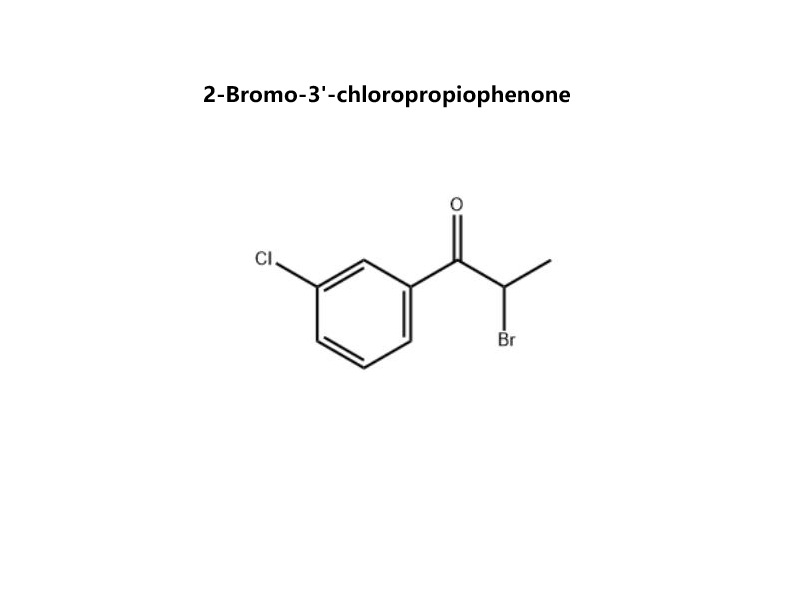
2-Bromo-3'-chloropropiophenone CAS 34911-51-8 is a halogenated aromatic ketone that serves as a specialized synthetic intermediate in organic and medicinal chemistry. Its structure, featuring both a reactive α-bromo ketone moiety and a halogenated aromatic ring, makes it a versatile but sensitive building block for constructing more complex molecules, particularly in pharmaceutical research.
Name :
2-Bromo-3'-chloropropiophenoneCAS No. :
34911-51-8MF :
C₉H₈BrClOMW :
247.52Purity :
99%Appearance :
Colorless to pale yellow liquidStorage Condition :
Store at 2-8°C (refrigerated) or lower for long-term stability.Chemical Properties
Chemical Name: 2-Bromo-1-(3-chlorophenyl)propan-1-one
IUPAC Name: 2-Bromo-1-(3-chlorophenyl)propan-1-one
CAS Registry Number: 34911-51-8
Molecular Formula: C₉H₈BrClO
Molecular Weight: 247.52 g/mol
Chemical Structure: It consists of a propiophenone backbone where the carbonyl group at the 1-position is attached to a 3-chlorophenyl ring, and the alpha-carbon (2-position) is substituted with a bromine atom. This α-halo ketone structure is key to its reactivity.
Appearance: Colorless to pale yellow liquid
Melting Point: ~45-48 °C (may vary based on purity).
Solubility: Soluble in common organic solvents such as dichloromethane, ethyl acetate, acetone, and dimethylformamide (DMF). Practically insoluble in water.
Stability: Highly sensitive. As an α-halo ketone, it is prone to degradation via hydrolysis, dehydrohalogenation, and polymerization, especially when exposed to heat, light, moisture, or bases. Requires stringent storage conditions.
Reactivity: The bromine at the alpha position is an excellent leaving group, making it highly electrophilic. It readily undergoes nucleophilic substitution reactions (e.g., with amines to form aminoketones) and is a common precursor in heterocyclic synthesis (e.g., for furans, pyrroles).
Biological Activities
2-Bromo-3'-chloropropiophenone is not an active pharmaceutical ingredient (API). Its biological significance is solely as a synthetic precursor.
Intermediate Activity: It is designed to be chemically transformed. Its primary "activity" is to introduce a 2-amino-1-(3-chlorophenyl)propan-1-one (a chloro-substituted cathinone) scaffold into molecules through nucleophilic displacement of the bromine.
Derivative Potential: Compounds derived from this intermediate may have various researched pharmacological profiles. The parent molecule itself has no established therapeutic use.
Biosynthesis
This compound is not produced via biological pathways. It is synthesized through classical organic synthesis on a laboratory or industrial scale.
Common Route: The most straightforward synthesis involves the α-bromination of 3'-chloropropiophenone. This is typically achieved using a brominating agent (e.g., bromine (Br₂) or N-bromosuccinimide (NBS)) in an inert solvent like dichloromethane or carbon tetrachloride, often under mild conditions or with catalytic initiation.
Precursor: 3'-Chloropropiophenone itself is usually synthesized via Friedel-Crafts acylation of chlorobenzene.
Applications


FAQs
Q1: What is the main purpose of this chemical?
A1: 2-Bromo-3'-chloropropiophenone is exclusively a research-grade chemical intermediate. Its sole legitimate purpose is to serve as a reactive building block in synthetic organic chemistry within licensed research and development laboratories, primarily for pharmaceutical or advanced material research.
Q2: How must this compound be stored to maintain stability?
A2: It requires strict storage protocols:
Temperature: Store at 2-8°C (refrigerated) or lower for long-term stability.
Atmosphere: Under an inert gas (argon or nitrogen) in a tightly sealed container.
Environment: Protect from light, moisture, and air. Desiccants are recommended.
Shelf Life: Even under optimal conditions, its shelf life is limited. Frequent quality reassessment is advised.
Q3: Is this compound a controlled substance or regulated?
A3: Yes, it is highly regulated. In numerous jurisdictions (including the USA, China, EU member states, and others), 2-Bromo-3'-chloropropiophenone is listed as a controlled precursor or a regulated chemical because it can be used in the illicit synthesis of controlled substances. Its purchase, sale, storage, and use are subject to strict legal controls, licensing, and reporting requirements.
Q4: Can you supply this product, and what documentation is required?
A4: We supply this product only to verified and legitimate entities (e.g., accredited research institutes, pharmaceutical companies) for approved research purposes. The process mandates:
Proof of end-user's legitimate business/license.
Completion of a compliance and end-use declaration.
Adherence to all applicable international and national regulations.
We provide a detailed Certificate of Analysis (CoA) and a Safety Data Sheet (SDS).
Q5: What is the typical purity available, and how is it analyzed?
A5: Standard purity grades are ≥97% to ≥99% (by HPLC or GC). The CoA includes purity assay, identity confirmation (by NMR or FTIR), and may include tests for specific impurities. Due to its instability, batch-specific data is crucial.
Q6: What safety precautions are necessary when handling it?
A6: It is a lachrymator (tear agent) and a skin/eye irritant. Handle only in a well-ventilated fume hood with appropriate personal protective equipment (PPE): nitrile or chemical-resistant gloves, safety goggles, and a lab coat. Avoid inhalation and contact. Consult the SDS for comprehensive first aid and fire-fighting measures.
Disclaimer: This information is for scientific and business-to-business communication only. 2-Bromo-3'-chloropropiophenone (CAS 34911-51-8) is a regulated chemical with significant legal restrictions. It is not for consumer use. All activities must comply with the laws and regulations of the country of purchase, sale, and use. The supplier and buyer assume full legal responsibility for compliance.
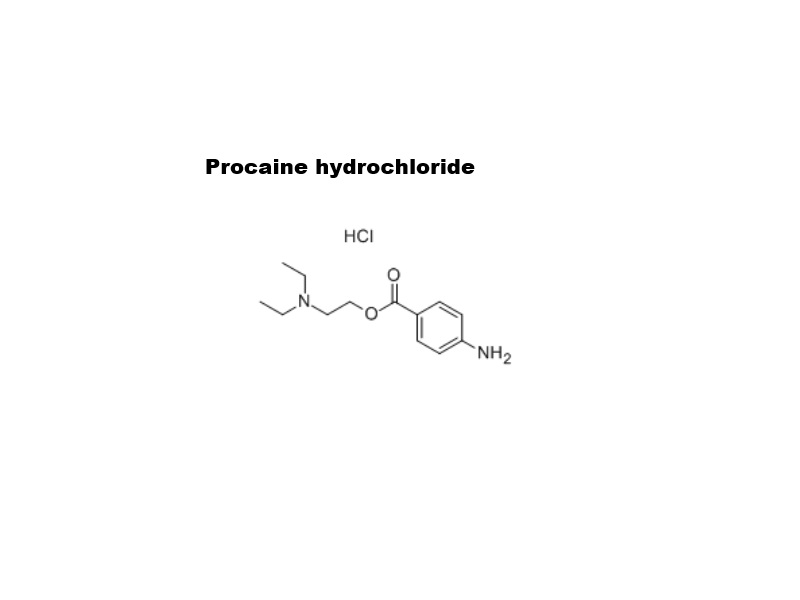
Procaine Hydrochloride CAS 51-05-8 is the water-soluble hydrochloride salt of procaine. It is the specific formulation used in clinical medicine, famously marketed under the brand name Novocain. While its use in mainstream practice has diminished, it remains a historically pivotal drug and is still employed in specific medical and therapeutic contexts.
Details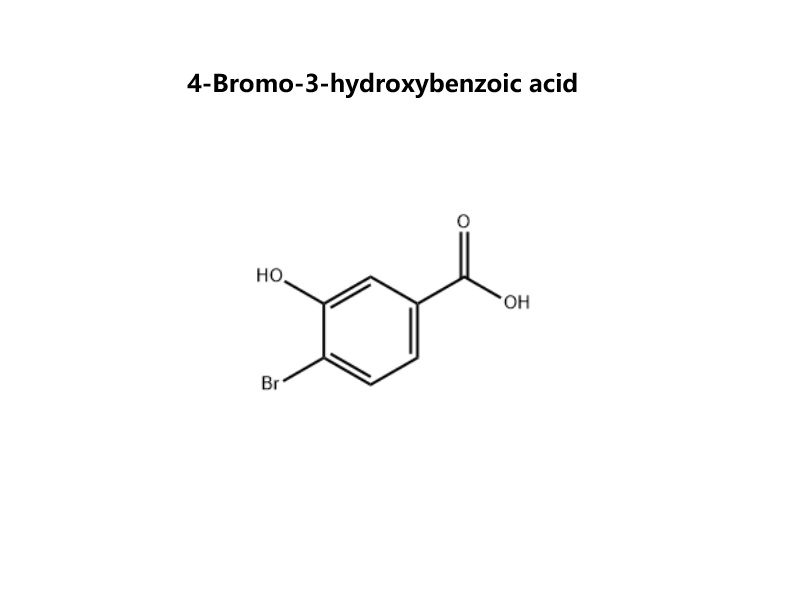
4-Bromo-3-hydroxybenzoic acid CAS 14348-38-0 is a premium, multifunctional aromatic building block engineered for complexity-driven synthesis. Its core value lies in the strategic placement of three distinct, orthogonally reactive functional groups on a benzene ring, making it an indispensable tool for convergent molecular construction in advanced research and development.
Details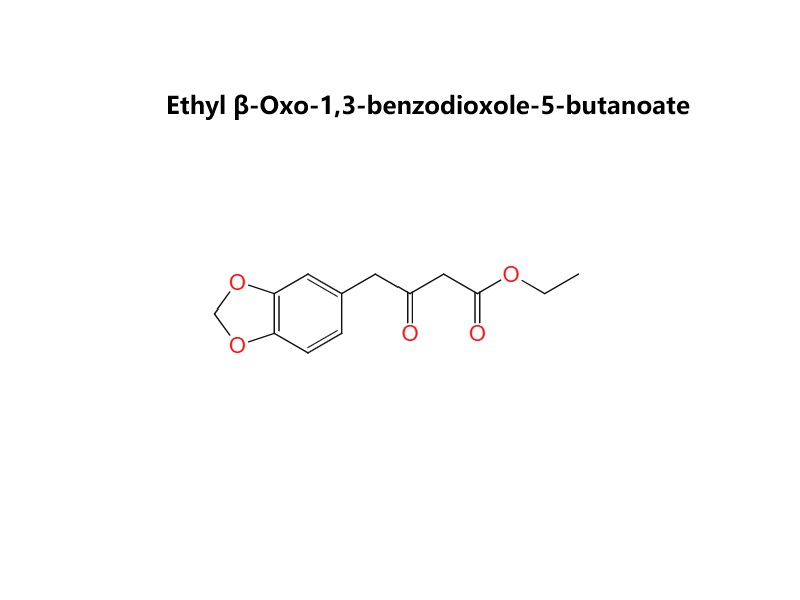
Ethyl β-Oxo-1,3-benzodioxole-5-butanoate CAS 31127-23-8 is a β-ketoester derivative featuring a 1,3-benzodioxole (methylenedioxyphenyl) aromatic system. Structurally, it consists of a benzodioxole ring attached through a three-carbon chain to an ethyl β-ketoester functional group (-CO-CH₂-COOEt). This makes it a versatile bifunctional building block for organic synthesis, combining the electronic properties of the benzodioxole group with the high reactivity of a β-ketoester.
Details![4-Nitrophenyl 3-(Benzo[d][1,3]dioxol-5-yl)-2-methylpropanoate](https://www.qixiolivetol.com/storage/uploads/images/202604/17/1776427287_qZy87IjHSQ.jpg)
4-Nitrophenyl 3-(Benzo[d][1,3]dioxol-5-yl)-2-methylpropanoate is a chirally defined, pre-activated acylating agent that combines a metabolically stable benzo[1,3]dioxole (piperonyl) pharmacophore with the exceptional reactivity of a 4-nitrophenyl ester. It enables the efficient, racemization-free introduction of a complex, chiral acid moiety under mild conditions, making it invaluable for advanced synthetic and bioconjugation chemistry. 4-Nitrophenyl 3-(Benzo[d][1,3]dioxol-5-yl)-2-methylpropanoate is a specialty ester designed as a reactive biochemical or synthetic intermediate. Its structure strategically combines three key units: (1)A 3-(benzo[1,3]dioxol-5-yl)-2-methylpropanoic acid (piperonyl-substituted, chiral acid) moiety. (2)A 4-nitrophenyl ester leaving group. This design makes it an activated ester, where the 4-nitrophenol is an excellent leaving group, facilitating efficient acyl transfer reactions under mild conditions.
Details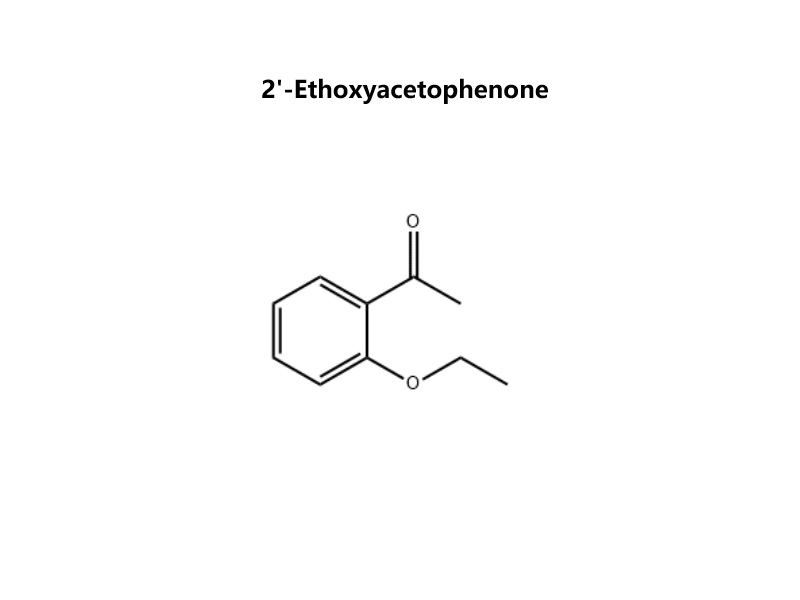
2'-Ethoxyacetophenone CAS 2142-67-8 is a specialized aromatic ketone characterized by an ethoxy substituent at the orthoposition relative to the acetyl group. This structural feature imparts distinct chemical and physical properties, making it a privileged building block for synthesizing complex molecules, particularly in the flavor/fragrance and pharmaceutical sectors.
Details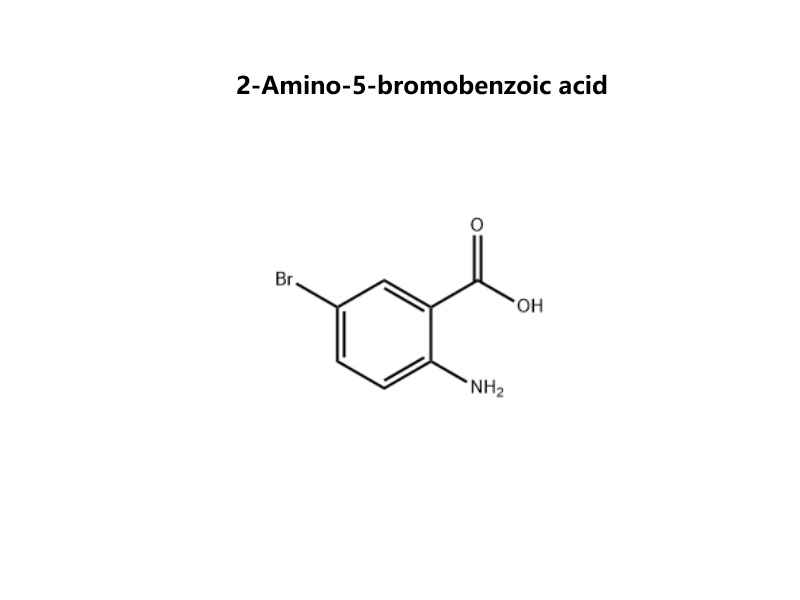
2-Amino-5-bromobenzoic acid CAS 5794-88-7 is a highly versatile aromatic building block that integrates three distinct functional groups—an amine, a carboxylic acid, and an aryl bromide—into a single, synthetically valuable scaffold. This multifunctionality makes it a crucial intermediate in pharmaceutical and advanced materials chemistry.
Details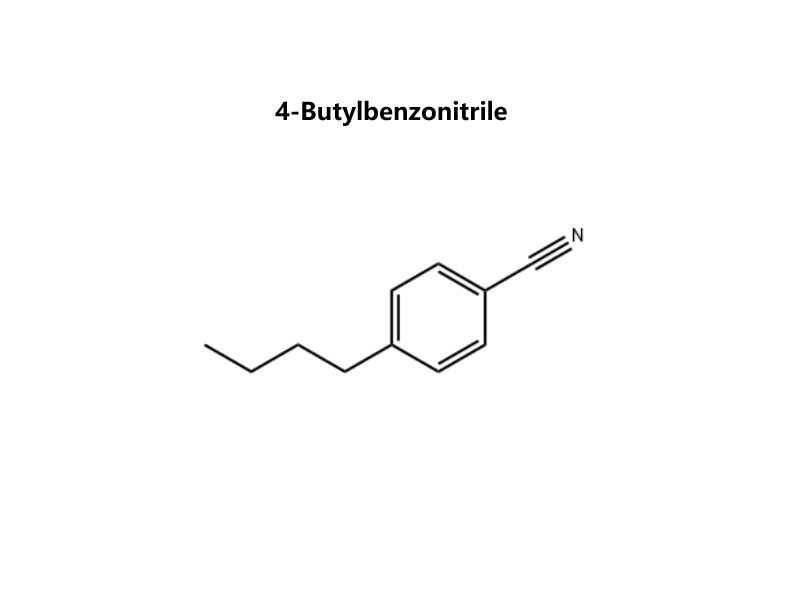
4-Butylbenzonitrile CAS 20651-73-4 is a strategically designed hydrophobic building block that combines a rigid aromatic core with a flexible linear alkyl chain and a highly versatile nitrile functional group. This triad of features makes it an exceptionally valuable intermediate for modulating physicochemical properties and enabling diverse synthetic pathways in advanced material and pharmaceutical and agrochemical research.
Details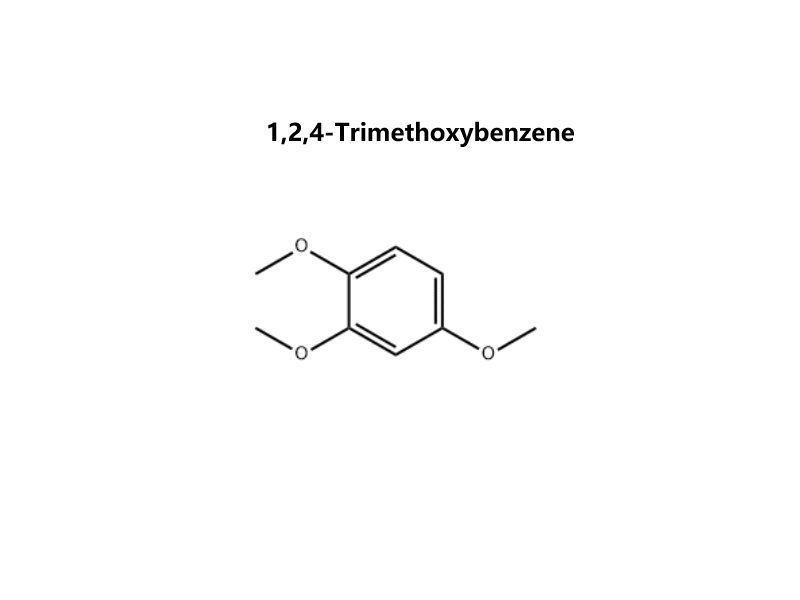
1,2,4-Trimethoxybenzene CAS 135-77-3 is a uniquely versatile, electron-rich aromatic building block. Its core value lies in its unsymmetrical yet highly predictable substitution pattern, which provides exceptional regiocontrol in synthetic chemistry. This makes it a privileged scaffold for constructing complex molecules in pharmaceuticals, agrochemicals, and advanced materials.
Details
 Contact Us
 1st Floor, No. 477, Huancheng West Road, Nanqiao Town, Fengxian District, Shanghai,China
 sales@qxscientific.com
 +86 -13701740203


 IPv6 Network Supported |
Sitemap |
XML |
Blog |
Privacy Policy
IPv6 Network Supported |
Sitemap |
XML |
Blog |
Privacy Policy
Leave A Message
Scan to Wechat/Whatsapp :



 English
 English
 Español
 Português