![4-Nitrophenyl 3-(Benzo[d][1,3]dioxol-5-yl)-2-methylpropanoate](https://www.qixiolivetol.com/storage/uploads/images/202604/17/1776427287_qZy87IjHSQ.jpg)

4-Nitrophenyl 3-(Benzo[d][1,3]dioxol-5-yl)-2-methylpropanoate is a chirally defined, pre-activated acylating agent that combines a metabolically stable benzo[1,3]dioxole (piperonyl) pharmacophore with the exceptional reactivity of a 4-nitrophenyl ester. It enables the efficient, racemization-free introduction of a complex, chiral acid moiety under mild conditions, making it invaluable for advanced synthetic and bioconjugation chemistry.
4-Nitrophenyl 3-(Benzo[d][1,3]dioxol-5-yl)-2-methylpropanoate is a specialty ester designed as a reactive biochemical or synthetic intermediate. Its structure strategically combines three key units:
(1)A 3-(benzo[1,3]dioxol-5-yl)-2-methylpropanoic acid (piperonyl-substituted, chiral acid) moiety.
(2)A 4-nitrophenyl ester leaving group.
This design makes it an activated ester, where the 4-nitrophenol is an excellent leaving group, facilitating efficient acyl transfer reactions under mild conditions.
Name :
4-Nitrophenyl 3-(Benzo[d][1,3]dioxol-5-yl)-2-methylpropanoateMF :
C₁₇H₁₅NO₆MW :
329.31Purity :
98%Appearance :
Typically a light yellow to off-white crystalline solid.Storage Condition :
Store in a tightly sealed container under an inert atmosphere (argon/nitrogen) at -20°C or 2-8°C, and protect from light.Chemical Properties
IUPAC Name: 4-Nitrophenyl 3-(1,3-benzodioxol-5-yl)-2-methylpropanoate
Molecular Formula: C₁₇H₁₅NO₆
Molecular Weight: 329.31 g/mol
Appearance: Typically a light yellow to off-white crystalline solid.
Reactivity as an Activated Ester: The primary chemical property is its high acylating reactivity. The electron-withdrawing nitro group on the phenol makes the ester carbonyl carbon highly electrophilic and the phenoxide a stable leaving group. It readily reacts with nucleophiles like amines, alcohols, or thiols to form amides, esters, or thioesters, releasing 4-nitrophenol (often visible as a yellow chromophore).
Solubility: Soluble in common organic solvents such as acetonitrile, dimethylformamide (DMF), dimethyl sulfoxide (DMSO), and dichloromethane. It has very low solubility in water.
Stability: Stable as a solid when stored properly. In solution, especially in the presence of nucleophiles or moisture, it will hydrolyze or react. The benzo[1,3]dioxole group is stable to bases but can be cleaved by strong acids.
Chirality: The propanoate chain contains a chiral center at the 2-methyl position. The compound may be supplied as a racemate or, if specified, as a single enantiomer, which is critical for biological applications.
Biological Activities
This compound is not typically a final drug molecule but a tool or precursor.
Mechanism-Based Probe: Its primary biological utility is as an acylating agent in biochemical research. It can be used to selectively modify active sites of enzymes (e.g., serine hydrolases, certain transferases) that have a reactive nucleophile, acting as an activity-based protein profiling (ABPP) probe or inhibitor precursor.
Prodrug Potential: The 4-nitrophenyl ester can serve as a prodrug strategy, where enzymatic or chemical cleavage in vivo releases the active drug (the carboxylic acid) and the benign 4-nitrophenol leaving group.
Inherent Activity: Any inherent bioactivity would derive from the released acid moiety (3-(benzo[1,3]dioxol-5-yl)-2-methylpropanoic acid), which is a structural analog of compounds that may interact with neurological or metabolic pathways, though this is not its primary use.
Biosynthesis
There is no biosynthetic route. It is produced via targeted organic synthesis.
A standard synthetic pathway involves:
1.Synthesis of the Acid: Preparation of 3-(benzo[1,3]dioxol-5-yl)-2-methylpropanoic acid, often via asymmetric hydrogenation or resolution of a precursor.
2.Activated Ester Formation: Coupling the carboxylic acid with 4-nitrophenol using a coupling agent like DCC (dicyclohexylcarbodiimide) or EDC (1-Ethyl-3-(3-dimethylaminopropyl)carbodiimide) in an inert solvent like dichloromethane or THF.
Applications




Key Advantages & Benefits
1. High-Efficiency Acyl Transfer with Built-In Reaction Monitoring
Benefit: The 4-nitrophenyl ester is a superb leaving group, facilitating rapid and clean acyl transfer to nucleophiles (amines, alcohols) at or below room temperature. The release of 4-nitrophenolate anion provides a distinct yellow color, allowing for real-time visual or spectrophotometric monitoring of reaction completion.
Application Scenario: In the solid-phase synthesis of a constrained peptide for drug discovery, a researcher needs to acylate a resin-bound amine with a sensitive, chiral acid. Using this pre-activated ester in DMF with a mild base, the coupling proceeds to >99% completion within 2 hours at 25°C. The yellow color in the solution confirms the reaction's progress, eliminating the need for harsh coupling reagents that could cause epimerization.
2. Preserves Chiral Integrity During Coupling
Benefit: As a pre-formed activated ester, it eliminates the need for in situ activation (e.g., via acid chlorides or carbodiimide reagents) under conditions that often promote racemization of α-substituted carboxylic acids. This ensures the stereochemical purity of the final product is maintained.
Application Scenario: A pharmaceutical chemist is synthesizing a library of chiral amide candidates targeting a G-protein-coupled receptor (GPCR). The 2-methyl chiral center is critical for activity. Using this enantiomerically pure (>99% ee) activated ester, they can couple it to diverse amine fragments with high yield and without loss of enantiomeric excess, accelerating the structure-activity relationship (SAR) study.
3. Delivers a "Privileged" Bioactive Motif
Benefit: The 3-(benzo[1,3]dioxol-5-yl)-2-methylpropanoate group is a sophisticated building block. The benzo[1,3]dioxole enhances lipophilicity and metabolic stability, while the methyl group provides steric definition. This compound delivers this entire, optimized fragment in a single, efficient coupling step.
Application Scenario: In developing a prodrug for a neurological agent, scientists conjugate the active drug (an amine) to this ester. The lipophilic piperonyl group improves blood-brain barrier penetration. Upon esterase cleavage in vivo, the active amine drug and the benign 4-nitrophenol are released, while the acid fragment may offer ancillary metabolic benefits.
4. Ideal for Sensitive or Multifunctional Systems
Benefit: Its reactivity profile allows for chemoselective acylations in the presence of other moderately reactive functional groups. It is more selective than highly reactive agents like acid chlorides and generates fewer and simpler byproducts than carbodiimide-mediated couplings.
Application Scenario: During the bioconjugation of a fluorescent probe to a targeting protein, a lysine residue must be selectively acylated. Using this compound in a mild aqueous-organic buffer allows for efficient labeling. The only byproduct, 4-nitrophenol, is easily separated via gel filtration or dialysis, avoiding contamination with urea byproducts common to other coupling methods.
4-Nitrophenyl 3-(Benzo[d][1,3]dioxol-5-yl)-2-methylpropanoate is a strategic, high-performance synthetic tool rather than a commodity reagent. Its advantages are most pronounced in complex molecule construction—particularly in medicinal chemistry and peptide science—where preserving chirality, monitoring reactions, and introducing sophisticated molecular fragments efficiently are critical. While NHS esters dominate bioconjugation and acid chlorides rule bulk synthesis, this compound fills a specialized niche: it is the optimal choice for the single-step, high-fidelity incorporation of a chiral, lipophilic, and metabolically robust acid derivative into a target molecule. For the chemist, it represents a guarantee of stereochemical integrity and operational simplicity in demanding synthetic sequences.
FAQs
Q1: What is the main purpose of this compound?
A: Its main purpose is as a highly reactive, pre-activated synthetic building block. It allows chemists and biochemists to easily attach the "3-(benzo[1,3]dioxol-5-yl)-2-methylpropanoate" group to a nucleophile (like an amine) under mild conditions, which is much more efficient than activating the carboxylic acid in situ.
Q2: Why is the 4-nitrophenyl group important?
A: The 4-nitrophenyl group is a superior leaving group. It makes this ester significantly more reactive than a standard alkyl ester (like a methyl or ethyl ester). This means reactions with nucleophiles proceed faster, at lower temperatures, and often in higher yields. The released 4-nitrophenol is also easy to detect (yellow color), useful for monitoring reaction progress.
Q3: How should I handle and store this material?
A: Handle as a moisture-sensitive compound. Store in a tightly sealed container under an inert atmosphere (argon/nitrogen) at -20°C or 2-8°C, and protect from light. Always use dry solvents and tools. Allow the vial to reach room temperature in a desiccator before opening to prevent condensation.
Q4: Is the chirality of the compound important?
A: Absolutely, if you are developing a bioactive molecule. The biological activity of the final product can depend entirely on which enantiomer is used. Please confirm the stereochemical specification (racemic, (R)-, or (S)-) with your supplier before purchase to ensure it matches your research needs.
Q5: Can you provide a typical reaction procedure?
A: A typical amidation: Dissolve the compound and your amine nucleophile (1.1-1.5 equivalents) in a dry, aprotic solvent like anhydrous DMF or acetonitrile. Add a base like N,N-diisopropylethylamine (DIPEA) or triethylamine (1-2 equivalents) to scavenge the released 4-nitrophenol acid. Stir at room temperature or gently heat (30-40°C). Reaction completion is often indicated by color change and can be monitored by TLC or HPLC. Purify the product by standard methods.
Q6: Where is this compound typically sourced from, and what purity is available?
A: It is a specialty research chemical available from suppliers focusing on advanced intermediates, chiral building blocks, and biochemical tools (e.g., BOC Sciences, Ambeed, Combi-Blocks). Standard purities for research range from 95% to 98%+, with chiral purity (ee) often >99% if specified. Always request the certificate of analysis (CoA).
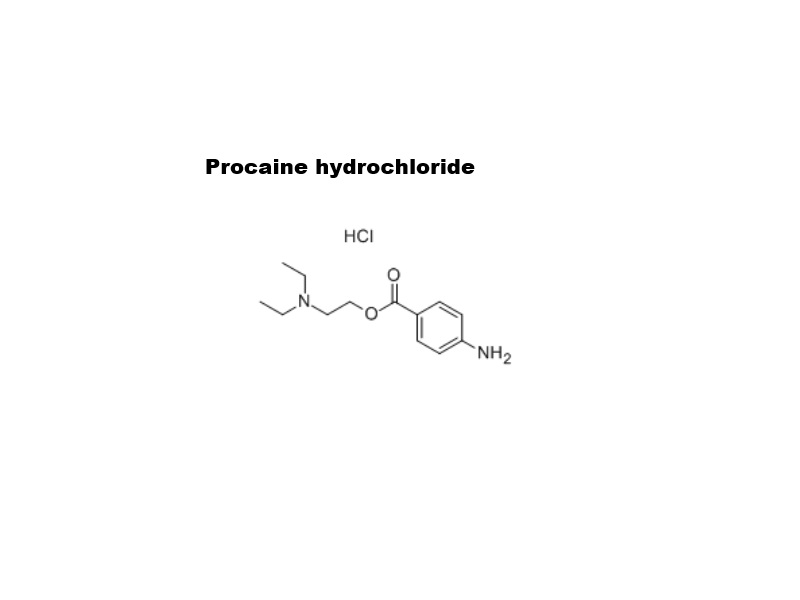
Procaine Hydrochloride CAS 51-05-8 is the water-soluble hydrochloride salt of procaine. It is the specific formulation used in clinical medicine, famously marketed under the brand name Novocain. While its use in mainstream practice has diminished, it remains a historically pivotal drug and is still employed in specific medical and therapeutic contexts.
Details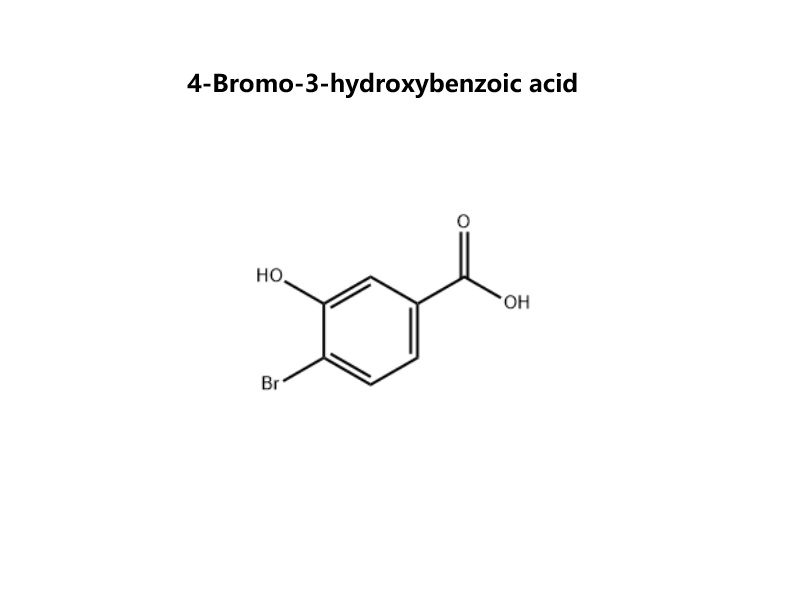
4-Bromo-3-hydroxybenzoic acid CAS 14348-38-0 is a premium, multifunctional aromatic building block engineered for complexity-driven synthesis. Its core value lies in the strategic placement of three distinct, orthogonally reactive functional groups on a benzene ring, making it an indispensable tool for convergent molecular construction in advanced research and development.
Details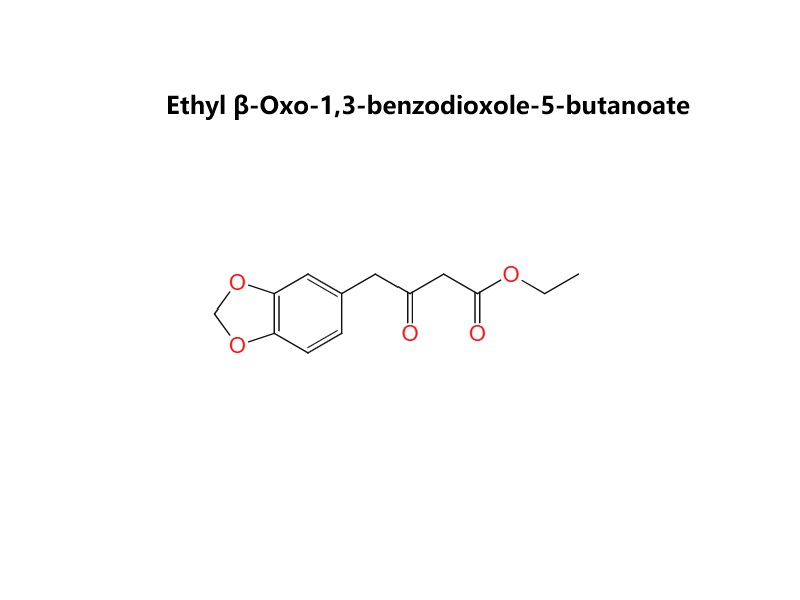
Ethyl β-Oxo-1,3-benzodioxole-5-butanoate CAS 31127-23-8 is a β-ketoester derivative featuring a 1,3-benzodioxole (methylenedioxyphenyl) aromatic system. Structurally, it consists of a benzodioxole ring attached through a three-carbon chain to an ethyl β-ketoester functional group (-CO-CH₂-COOEt). This makes it a versatile bifunctional building block for organic synthesis, combining the electronic properties of the benzodioxole group with the high reactivity of a β-ketoester.
Details
4-Nitrophenyl 3-(Benzo[d][1,3]dioxol-5-yl)-2-methylpropanoate is a chirally defined, pre-activated acylating agent that combines a metabolically stable benzo[1,3]dioxole (piperonyl) pharmacophore with the exceptional reactivity of a 4-nitrophenyl ester. It enables the efficient, racemization-free introduction of a complex, chiral acid moiety under mild conditions, making it invaluable for advanced synthetic and bioconjugation chemistry. 4-Nitrophenyl 3-(Benzo[d][1,3]dioxol-5-yl)-2-methylpropanoate is a specialty ester designed as a reactive biochemical or synthetic intermediate. Its structure strategically combines three key units: (1)A 3-(benzo[1,3]dioxol-5-yl)-2-methylpropanoic acid (piperonyl-substituted, chiral acid) moiety. (2)A 4-nitrophenyl ester leaving group. This design makes it an activated ester, where the 4-nitrophenol is an excellent leaving group, facilitating efficient acyl transfer reactions under mild conditions.
Details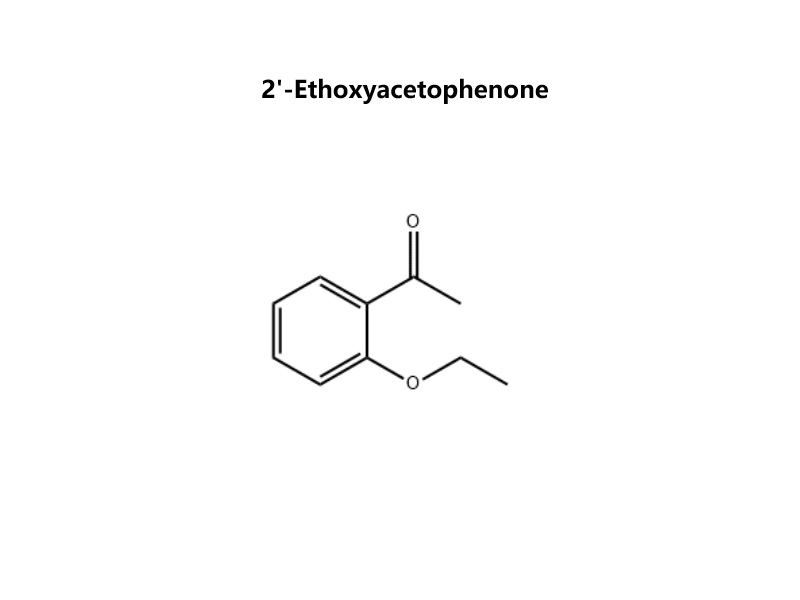
2'-Ethoxyacetophenone CAS 2142-67-8 is a specialized aromatic ketone characterized by an ethoxy substituent at the orthoposition relative to the acetyl group. This structural feature imparts distinct chemical and physical properties, making it a privileged building block for synthesizing complex molecules, particularly in the flavor/fragrance and pharmaceutical sectors.
Details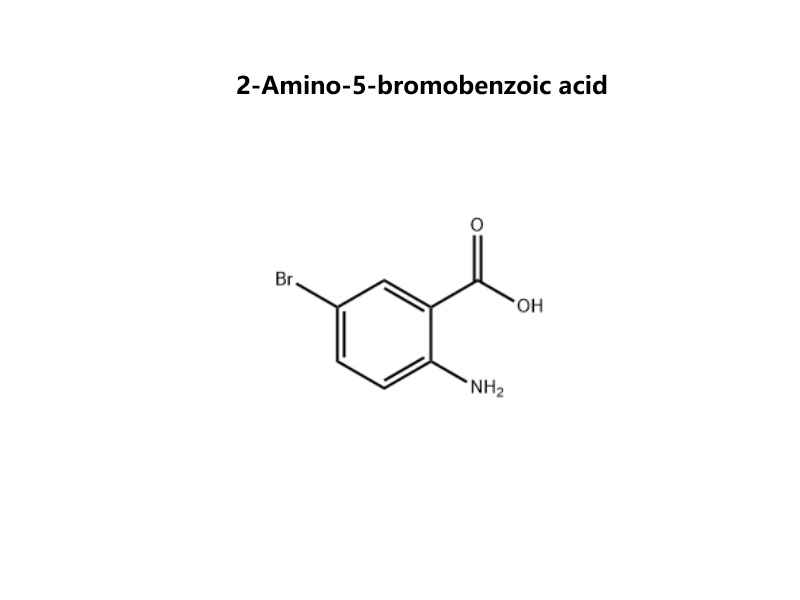
2-Amino-5-bromobenzoic acid CAS 5794-88-7 is a highly versatile aromatic building block that integrates three distinct functional groups—an amine, a carboxylic acid, and an aryl bromide—into a single, synthetically valuable scaffold. This multifunctionality makes it a crucial intermediate in pharmaceutical and advanced materials chemistry.
Details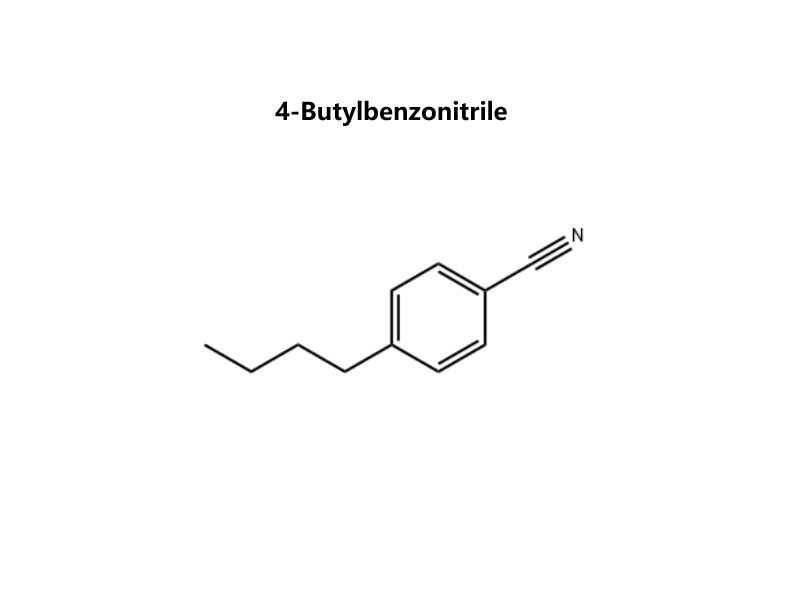
4-Butylbenzonitrile CAS 20651-73-4 is a strategically designed hydrophobic building block that combines a rigid aromatic core with a flexible linear alkyl chain and a highly versatile nitrile functional group. This triad of features makes it an exceptionally valuable intermediate for modulating physicochemical properties and enabling diverse synthetic pathways in advanced material and pharmaceutical and agrochemical research.
Details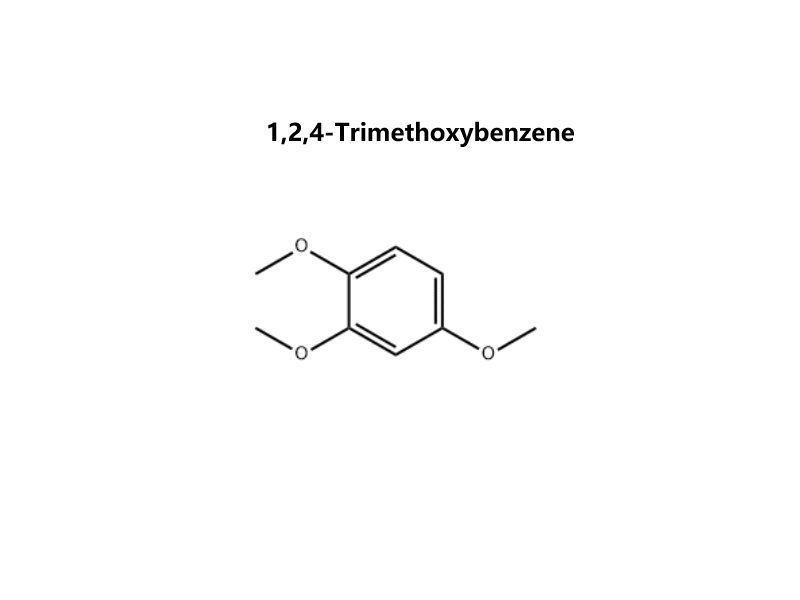
1,2,4-Trimethoxybenzene CAS 135-77-3 is a uniquely versatile, electron-rich aromatic building block. Its core value lies in its unsymmetrical yet highly predictable substitution pattern, which provides exceptional regiocontrol in synthetic chemistry. This makes it a privileged scaffold for constructing complex molecules in pharmaceuticals, agrochemicals, and advanced materials.
Details
 Contact Us
 1st Floor, No. 477, Huancheng West Road, Nanqiao Town, Fengxian District, Shanghai,China
 sales@qxscientific.com
 +86 -13701740203


 IPv6 Network Supported |
Sitemap |
XML |
Blog |
Privacy Policy
IPv6 Network Supported |
Sitemap |
XML |
Blog |
Privacy Policy
Leave A Message
Scan to Wechat/Whatsapp :



 English
 English
 Español
 Português