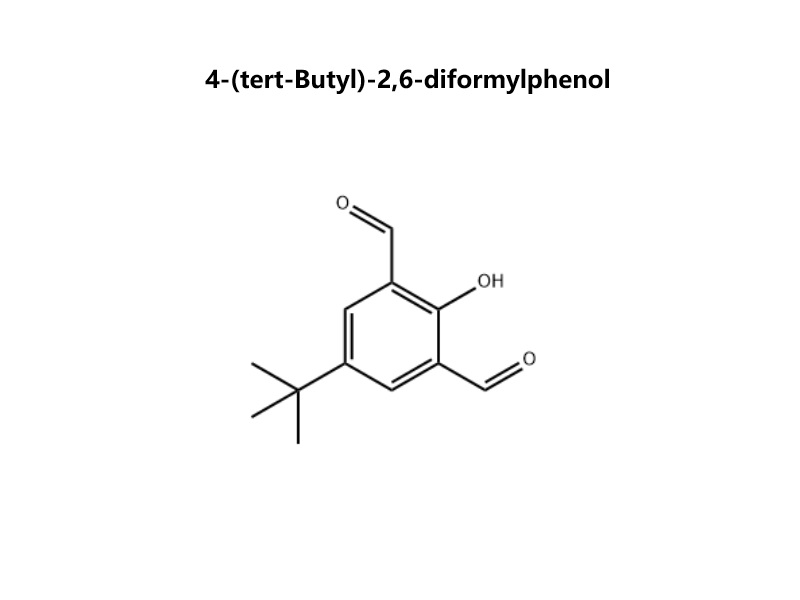
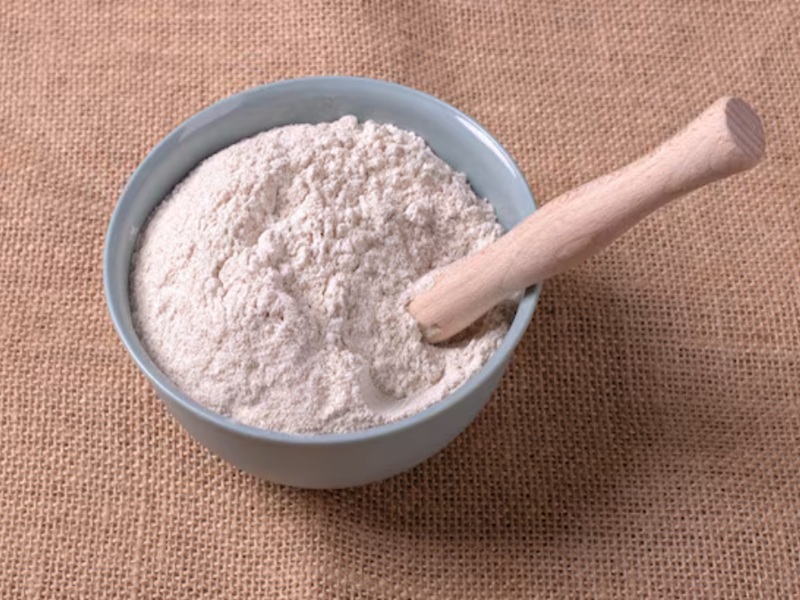
4-(tert-Butyl)-2,6-diformylphenol CAS 84501-28-0 is a premium bifunctional building block in organic and coordination chemistry. Its value lies not just in its reactivity, but in its specifically engineered structure that delivers superior performance in advanced applications.
Name :
4-(tert-Butyl)-2,6-diformylphenolCAS No. :
84501-28-0MF :
C₁₂H₁₄O₃MW :
206.24Purity :
99%Appearance :
Typically a pale yellow to off-white crystalline powder.Storage Condition :
It should be stored in a cool, dry place, protected from light.Chemical Properties
IUPAC Name: 4-(tert-Butyl)-2,6-diformylphenol
Common Name/Synonyms: 3,5-Diformyl-4-tert-butylphenol; 2,6-Diformyl-4-tert-butylphenol
Molecular Formula: C₁₂H₁₄O₃
Molecular Weight: 206.24 g/mol
CAS Registry Number: 84501-28-0
Chemical Structure: It is a phenol derivative with a tert-butyl group in the paraposition (carbon 4) and two aldehyde (-CHO) groups in the orthopositions (carbons 2 and 6) relative to the phenolic hydroxyl group. This 1,3,5-trisubstituted benzene pattern creates a symmetric, versatile ligand framework.
Appearance: Typically a pale yellow to off-white crystalline powder.
Melting Point: Approximately 118-122 °C (may vary slightly based on purity).
Solubility: Soluble in common organic solvents such as methanol, ethanol, dichloromethane, chloroform, tetrahydrofuran (THF), and dimethylformamide (DMF). It has limited solubility in water.
Key Reactivity:
Phenolic -OH: Can participate in hydrogen bonding, deprotonation to form phenoxides, and etherification.
Aldehyde (-CHO) Groups: Highly reactive. Their primary role is in condensation reactions with amines to form Schiff bases (imines). This makes the compound a quintessential precursor for salophen-type ligands (N₂O₂ donor set).
The presence of both hard (phenolic O) and soft (imine N) donor atoms, arranged in a pre-organized cavity, makes its Schiff base derivatives excellent chelating agents for a wide range of metal ions.----占位---------------
Biological Activities
The compound itself is primarily a synthetic intermediate and is not extensively studied for direct biological activity. However, its metal complexes (especially with transition metals like Cu, Zn, Co, Mn) derived from Schiff bases are of significant interest in bioinorganic chemistry, often exhibiting:
Antimicrobial Activity: Against various bacterial and fungal strains.
Antioxidant Activity: Via radical scavenging potential.
Anticancer/Cytotoxic Activity: Some complexes show promising activity against human cancer cell lines.
Enzyme Inhibition: Mimicking the activity of metalloenzymes (e.g., hydrolases, oxidases).
The biological activity is highly dependent on the metal ion and the structure of the final Schiff base ligand.
Biosynthesis
This compound is not known to occur naturally or be produced via biological biosynthesis. It is synthesized chemically in the laboratory. A common synthetic route involves the direct formylation of 4-tert-butylphenol. A standard method is the Duff reaction (hexamethylenetetramine as a formyl source under acidic conditions) or other formulations using reagents like dichloromethyl methyl ether in the presence of a Lewis acid catalyst (e.g., titanium tetrachloride).
Applications




Key Advantages & Benefits
1.Pre-Organized, Symmetric Architecture:
Benefit: The 1,3,5-substitution pattern (OH, tert-Bu, CHO) provides a rigid, C₂-symmetric framework. This pre-organization leads to higher selectivity and purity when synthesizing complex ligands and macrocycles, as it reduces the formation of isomeric by-products.
Application Scenario: In the synthesis of salen-type macrocycles for asymmetric catalysis, this symmetry is crucial for creating a well-defined chiral environment around a metal center, directly influencing enantioselectivity in reactions like epoxide ring-opening.
2.Dual Reactivity from Orthogonal Functional Groups:
Benefit: Possesses two distinct, highly reactive sites: the acidic phenolic -OH and two electrophilic aldehyde (-CHO) groups. This allows for sequential or simultaneous modifications, enabling the construction of sophisticated multifunctional ligands.
Application Scenario: A researcher can first deprotonate the phenol to bind a metal template, then use the aldehydes for [2+2] Schiff base condensation with a diamine, directly constructing a metal-templated macrocyclic complex in a one-pot procedure.
3.The tert-Butyl Group: A Critical Performance Enhancer
Solubility & Processability: Dramatically improves solubility in common organic solvents compared to its non-alkylated analogs, simplifying purification and handling.
Steric Control: The bulky group provides strategic steric shielding. This controls metal coordination geometry, prevents dimerization or oligomerization of complexes, and creates protected active sites in catalysts.
Electronic Influence: As an electron-donating group, it modulates the electron density of the phenolic oxygen and the aromatic system, fine-tuning the ligand's donor strength and the redox properties of its metal complexes.
Application Scenario: In designing a heterogeneous catalyst, anchoring this molecule onto a surface via its phenol group leaves the tert-butyl group to create a localized hydrophobic pocket. This pocket can selectively preconcentrate non-polar substrates, enhancing catalytic efficiency in aqueous-organic mixtures.
4.Versatile Platform for N₂O₂ Donor Ligands:
Benefit: The two aldehyde groups are perfectly positioned for condensation with diamines to form salophen-type ligands (tetradentate N₂O₂). This is the single most important application, providing a direct route to highly stable and tunable metal chelates.
Application Scenario: For developing a colorimetric sensor for copper(II) ions, condensing this compound with o-phenylenediamine yields a specific salophen ligand that undergoes a distinct color change from yellow to deep orange/red upon Cu²⁺ binding, enabling visual detection in environmental samples.
While simpler and cheaper analogs exist, 4-(tert-Butyl)-2,6-diformylphenol is the specialist's choice for demanding applications. Its unique combination of symmetry, solubility, steric control, and bifunctionality makes it an indispensable building block for synthesizing next-generation functional materials, selective catalysts, and sophisticated molecular sensors where performance cannot be compromised.
FAQs
Q1: I need to make a robust N₂O₂ Schiff base ligand for a catalysis project. Why should I choose your product over simpler, cheaper salicylaldehydes?
A: You are paying for controlled outcomes and performance. While you can attempt reactions with simpler aldehydes, our 4-(tert-Butyl)-2,6-diformylphenol offers decisive advantages:
Guarded Active Site: The tert-butyl group acts as a built-in steric shield in your final metal complex, reducing catalyst deactivation and improving selectivity, especially in oxidation reactions.
Superior Solubility: Your ligand and its metal complexes will be much easier to handle, purify, and characterize in common organic solvents, saving you time and frustration.
High-Purity Products: The symmetrical structure minimizes side reactions, leading to cleaner ligand synthesis and more reproducible catalytic results.
Q2: How should I store this compound to ensure it remains in optimal condition for sensitive reactions?
A: To maintain reactivity and purity:
Primary Packaging: Upon receipt, store in the original sealed container in a cool, dry place.
Long-Term Storage: For best practice, keep it in a desiccator at 2-8°C (refrigerated). The aldehydes are moisture-sensitive and can oxidize or form hydrates over time if exposed to humid air.
Handling: Always use dry, purged glassware when weighing and allow the container to equilibrate to room temperature before opening to prevent condensation.
Q3: What is a proven, reliable method for condensing this with amines to form Schiff bases?
A: A standard high-yield protocol is:
1.Dissolve equimolar amounts of the diformylphenol and your chosen diamine (e.g., ethylenediamine, o-phenylenediamine) in a dry, degassed solvent like methanol or ethanol.
2.Add a few drops of a catalytic acid (e.g., acetic acid) or molecular sieves to drive the imine formation by removing water.
3.Stir at room temperature or under gentle reflux for 1-4 hours. The product often precipitates directly in high purity.
4.For more sensitive or complex amines, using dichloromethane or THF as the solvent is equally effective.
Q4: Can one of the aldehyde groups be modified selectively without affecting the other?
A: While challenging due to their similar reactivity, sequential modification is possible with careful control. Strategies include:
Using one equivalent of a mono-amine to form a mono-imine, which can then be further functionalized.
Employing a protecting group for the phenol first, which can slightly alter the electronic environment of one aldehyde over the other.
Utilizing template-directed synthesis where a metal ion binds first, organizing the molecule for selective reaction.
We recommend consulting our technical data sheet or contacting our technical support for literature on specific sequential reactions.
Q5: We are scaling up for material synthesis (e.g., MOFs). Is this product available in bulk, and are there any special handling considerations?
A:
Availability: Yes, we offer scalable quantities. Please contact our sales team directly for custom bulk quotes and lead times.
Handling at Scale: Standard laboratory PPE (gloves, safety glasses, lab coat) is essential. Due to the potential for dust formation during large-scale transfers, we recommend using a fume hood and considering a dust mask/respirator (NIOSH N95 or equivalent) for powder handling. The compound is not classified as highly hazardous, but good industrial hygiene practices are mandatory.
Q6: What analytical data (NMR, HPLC, etc.) do you provide to guarantee purity and correct structure?
A: Every batch is fully characterized to ensure consistency for your research. Our Certificate of Analysis (CoA) typically includes:
Purity: ≥98% (by HPLC or NMR).
Structural Confirmation: ¹H NMR and ¹³C NMR spectra.
Physical Data: Melting point range.
Lot-Specific Data: All relevant batch numbers and traceability information.
Q7: My application is in aqueous-organic mixed solvents. Will the tert-butyl group help?
A: Absolutely. This is a key benefit. The hydrophobic tert-butyl group promotes solubility in the organic phase and can create local hydrophobic micro-environments in your final complexes or materials. This is particularly advantageous for catalysts or sensors that need to operate in or at the interface of aqueous systems, improving substrate binding and stability.
Q8: Do you offer any related products or custom synthesis services based on this molecule?
A: Yes. We offer a range of related advanced intermediates, including:
Pre-formed Schiff base ligands from this compound with common diamines.
The reduced diol derivative (dialcohol).
Custom modifications (e.g., etherification of the phenol, reduction to dialcohol). Please inquire about our custom synthesis capabilities to tailor this versatile scaffold to your exact project needs.
Q9: What is the main use of this compound?
A9: Its foremost use is as a key starting material for preparing tridentate and tetradentate Schiff base ligands in coordination chemistry. Researchers value it for its symmetrical structure and two highly reactive aldehyde groups.
Q10: How should it be stored and handled?
A10: It should be stored in a cool, dry place, protected from light (in an amber vial or desiccator). Aldehydes can be moisture-sensitive and may oxidize. Standard personal protective equipment (PPE) like gloves and safety glasses should be used, and operations should be conducted in a fume hood due to the potential for dust formation.
Q11: Is it available commercially?
A11: Yes, it is available from several chemical suppliers specializing in fine chemicals and advanced intermediates, though it is not a bulk commodity chemical.
Q12: Why is the tert-butyl group important in its structure?
A12: The bulky tert-butyl group serves multiple purposes: (1) It enhances the solubility of the compound and its derivatives in organic solvents. (2) It provides steric bulk around the metal center in resulting complexes, which can influence coordination geometry, stability, and catalytic selectivity. (3) It can prevent unwanted side reactions at the paraposition.
Q13: Can the aldehydes be reduced selectively without affecting the phenol?
A13: Yes, selective reduction of the aldehyde groups to alcohol groups (yielding a dialcohol derivative) is possible using reducing agents like sodium borohydride (NaBH₄) in methanol, which typically does not reduce the phenol.
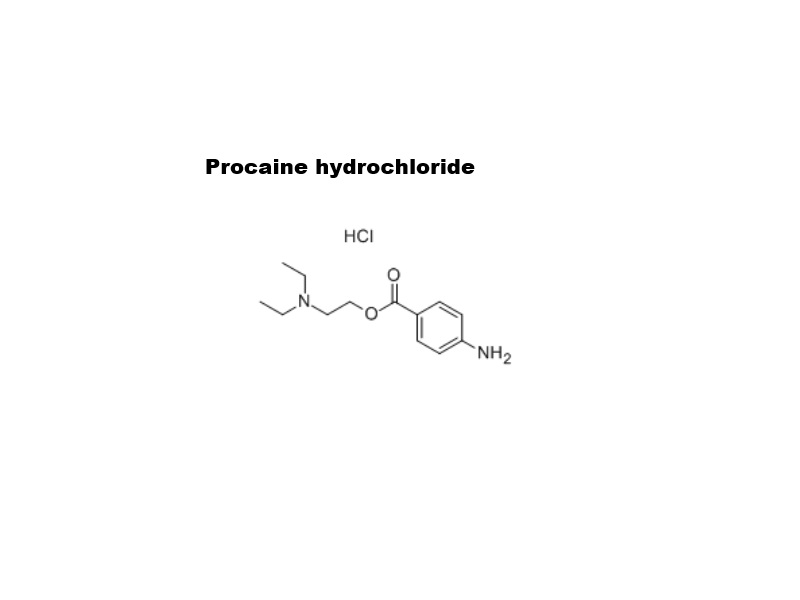
Procaine Hydrochloride CAS 51-05-8 is the water-soluble hydrochloride salt of procaine. It is the specific formulation used in clinical medicine, famously marketed under the brand name Novocain. While its use in mainstream practice has diminished, it remains a historically pivotal drug and is still employed in specific medical and therapeutic contexts.
Details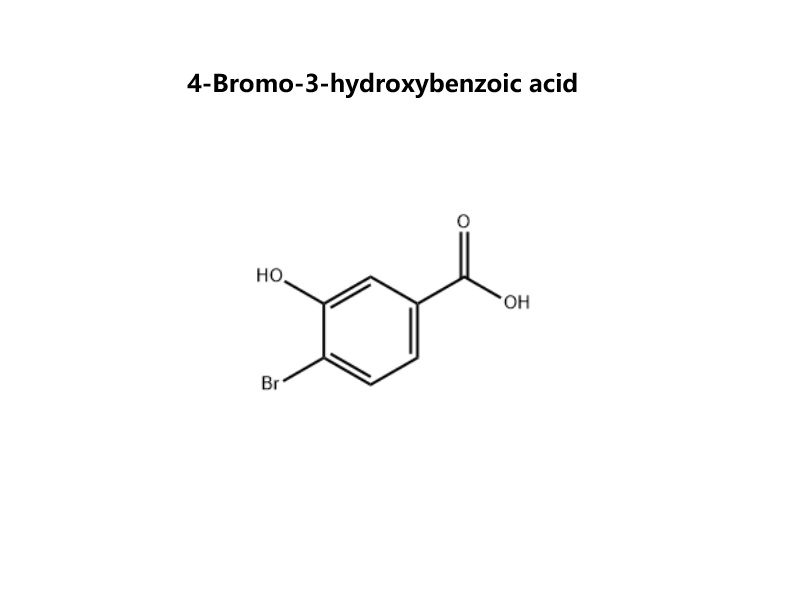
4-Bromo-3-hydroxybenzoic acid CAS 14348-38-0 is a premium, multifunctional aromatic building block engineered for complexity-driven synthesis. Its core value lies in the strategic placement of three distinct, orthogonally reactive functional groups on a benzene ring, making it an indispensable tool for convergent molecular construction in advanced research and development.
Details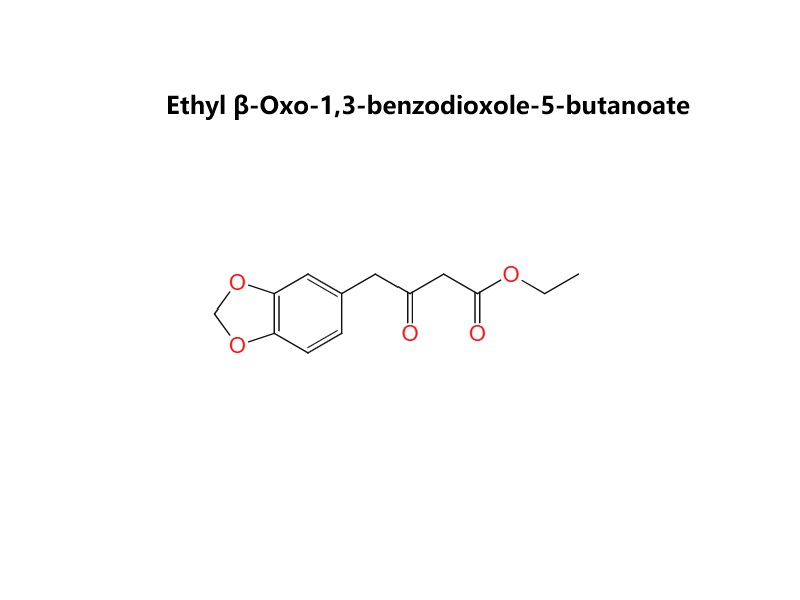
Ethyl β-Oxo-1,3-benzodioxole-5-butanoate CAS 31127-23-8 is a β-ketoester derivative featuring a 1,3-benzodioxole (methylenedioxyphenyl) aromatic system. Structurally, it consists of a benzodioxole ring attached through a three-carbon chain to an ethyl β-ketoester functional group (-CO-CH₂-COOEt). This makes it a versatile bifunctional building block for organic synthesis, combining the electronic properties of the benzodioxole group with the high reactivity of a β-ketoester.
Details![4-Nitrophenyl 3-(Benzo[d][1,3]dioxol-5-yl)-2-methylpropanoate](https://www.qixiolivetol.com/storage/uploads/images/202604/17/1776427287_qZy87IjHSQ.jpg)
4-Nitrophenyl 3-(Benzo[d][1,3]dioxol-5-yl)-2-methylpropanoate is a chirally defined, pre-activated acylating agent that combines a metabolically stable benzo[1,3]dioxole (piperonyl) pharmacophore with the exceptional reactivity of a 4-nitrophenyl ester. It enables the efficient, racemization-free introduction of a complex, chiral acid moiety under mild conditions, making it invaluable for advanced synthetic and bioconjugation chemistry. 4-Nitrophenyl 3-(Benzo[d][1,3]dioxol-5-yl)-2-methylpropanoate is a specialty ester designed as a reactive biochemical or synthetic intermediate. Its structure strategically combines three key units: (1)A 3-(benzo[1,3]dioxol-5-yl)-2-methylpropanoic acid (piperonyl-substituted, chiral acid) moiety. (2)A 4-nitrophenyl ester leaving group. This design makes it an activated ester, where the 4-nitrophenol is an excellent leaving group, facilitating efficient acyl transfer reactions under mild conditions.
Details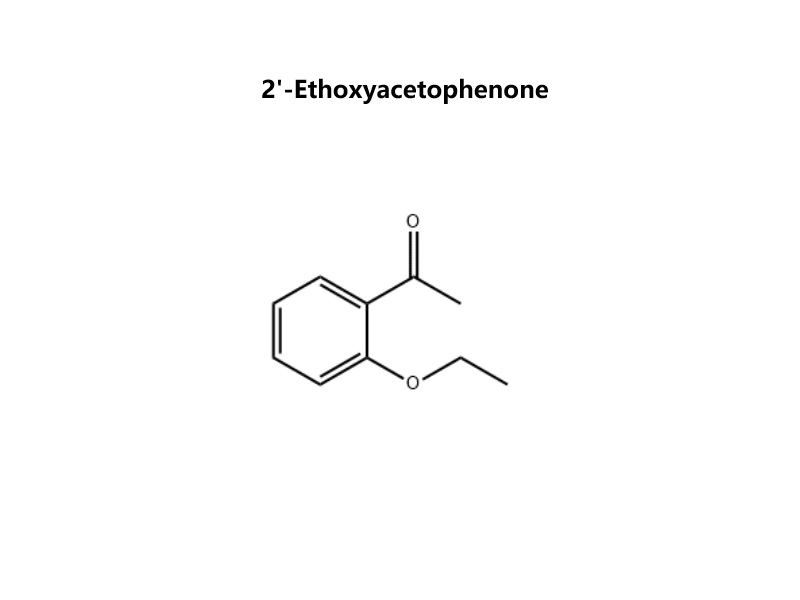
2'-Ethoxyacetophenone CAS 2142-67-8 is a specialized aromatic ketone characterized by an ethoxy substituent at the orthoposition relative to the acetyl group. This structural feature imparts distinct chemical and physical properties, making it a privileged building block for synthesizing complex molecules, particularly in the flavor/fragrance and pharmaceutical sectors.
Details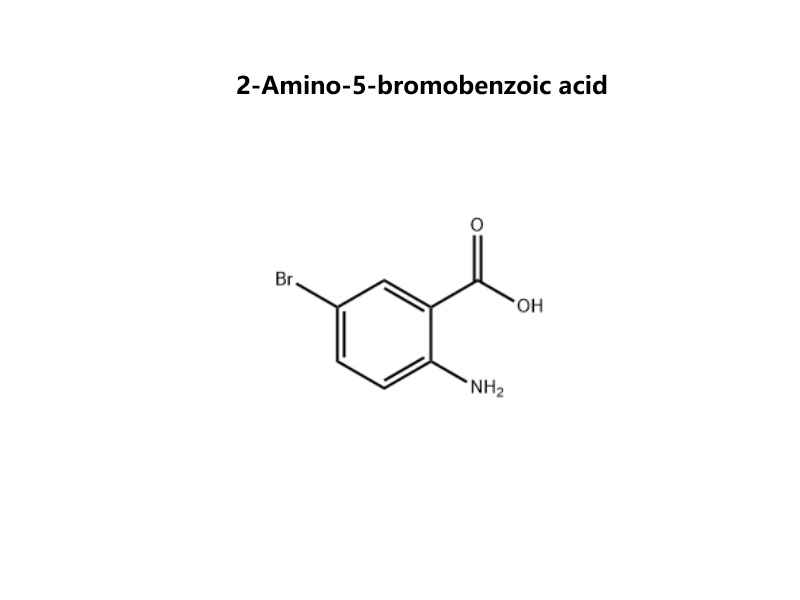
2-Amino-5-bromobenzoic acid CAS 5794-88-7 is a highly versatile aromatic building block that integrates three distinct functional groups—an amine, a carboxylic acid, and an aryl bromide—into a single, synthetically valuable scaffold. This multifunctionality makes it a crucial intermediate in pharmaceutical and advanced materials chemistry.
Details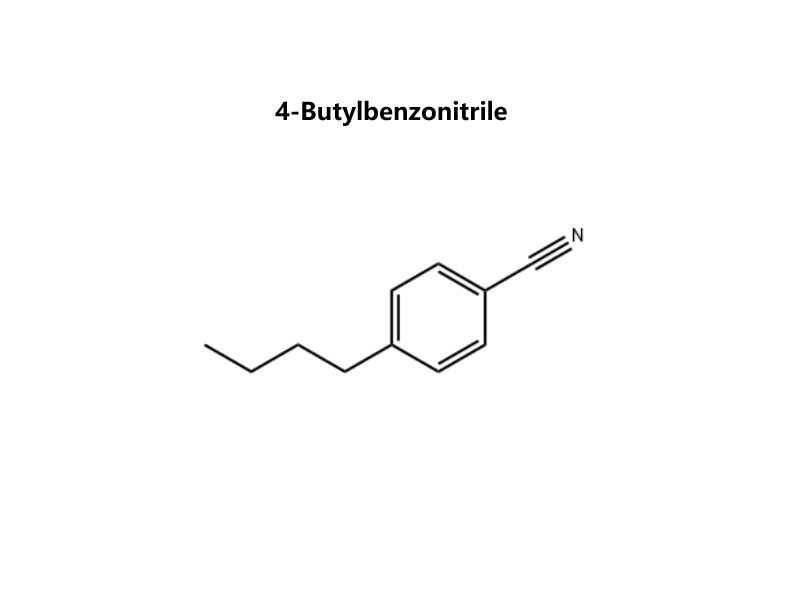
4-Butylbenzonitrile CAS 20651-73-4 is a strategically designed hydrophobic building block that combines a rigid aromatic core with a flexible linear alkyl chain and a highly versatile nitrile functional group. This triad of features makes it an exceptionally valuable intermediate for modulating physicochemical properties and enabling diverse synthetic pathways in advanced material and pharmaceutical and agrochemical research.
Details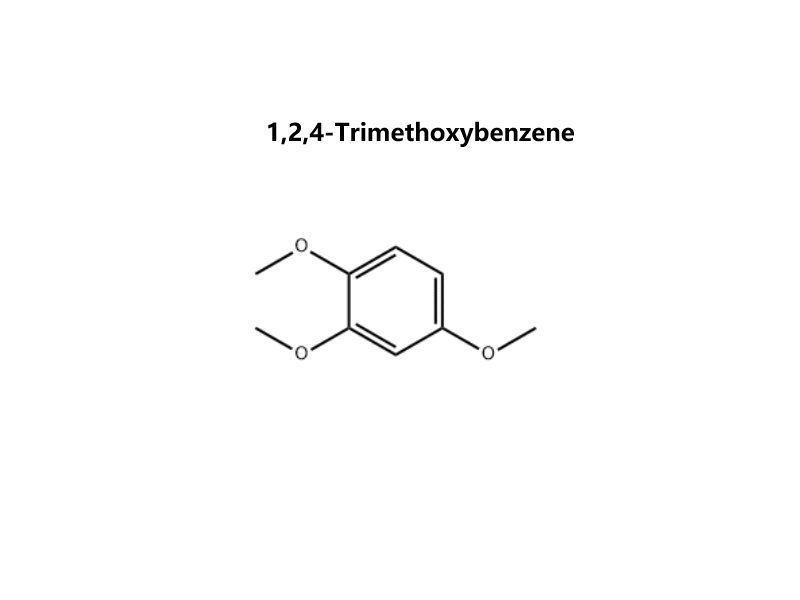
1,2,4-Trimethoxybenzene CAS 135-77-3 is a uniquely versatile, electron-rich aromatic building block. Its core value lies in its unsymmetrical yet highly predictable substitution pattern, which provides exceptional regiocontrol in synthetic chemistry. This makes it a privileged scaffold for constructing complex molecules in pharmaceuticals, agrochemicals, and advanced materials.
Details
 Contact Us
 1st Floor, No. 477, Huancheng West Road, Nanqiao Town, Fengxian District, Shanghai,China
 sales@qxscientific.com
 +86 -13701740203


 IPv6 Network Supported |
Sitemap |
XML |
Blog |
Privacy Policy
IPv6 Network Supported |
Sitemap |
XML |
Blog |
Privacy Policy
Leave A Message
Scan to Wechat/Whatsapp :



 English
 English
 Español
 Português