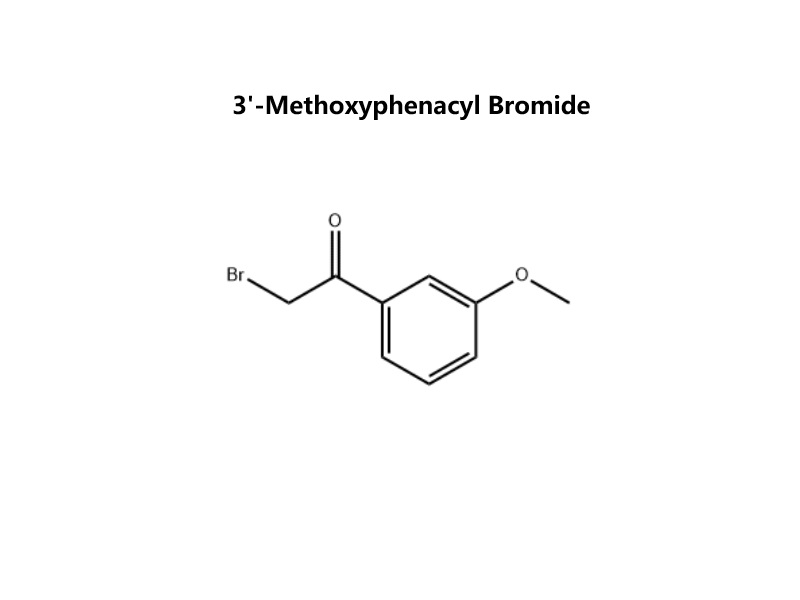
3′-Methoxyphenacyl Bromide CAS 5000-65-7 is a specialized, light-sensitive α-bromo ketone primarily valued as a photoremovable protecting group reagent for carboxylic acids and as an alkylating agent. Its meta-methoxy substitution can slightly alter its photolytic and electronic properties compared to the parent phenacyl bromide. Handling requires strict precautions due to its lachrymatory nature and sensitivity to light and moisture. For researchers in chemical biology, organic synthesis, and photochemistry, it provides a classic and effective tool for light-controlled deprotection and molecular conjugation.
Name :
3′-Methoxyphenacyl BromideCAS No. :
5000-65-7MF :
C₉H₉BrO₂MW :
229.07Purity :
98%Appearance :
White to off-white crystalline solid.Storage Condition :
Must be stored in the dark under inert atmosphere (argon/nitrogen) at -20°C or below. Exposure to light and moisture will lead to decomposition.Chemical Properties
IUPAC Name: 2-Bromo-1-(3-methoxyphenyl)ethan-1-one
Synonyms: 3-Methoxyphenacyl bromide; 3-Methoxy-α-bromoacetophenone
CAS Registry Number: 5000-65-7
Molecular Formula: C₉H₉BrO₂
Molecular Weight: 229.07 g/mol
Chemical Structure: Consists of a phenacyl bromide (α-bromoacetophenone) core with a methoxy group substituted at the meta position of the phenyl ring.
Appearance: White to off-white crystalline solid. May appear slightly yellow depending on purity and age.
Key Feature: A photoreactive α-halogenated ketone bearing a methoxy substituent, making it a versatile reagent for photo-labile protecting groups and alkylating agent applications.
Physical State: Solid at room temperature.
Melting Point: ~48-52 °C (may vary with purity).
Solubility:
Soluble in common organic solvents (acetone, ethyl acetate, DCM, DMSO, DMF, acetonitrile).
Low solubility in water; may slowly decompose in aqueous solutions.
Reactivity & Stability:
α-Halogenated Ketone Reactivity: The bromine α to the carbonyl is a good leaving group, making it an effective alkylating agent for nucleophiles (e.g., in the formation of esters, ethers, or C-alkylation). It can undergo substitution or act as a Michael acceptor precursor.
Photoreactivity: Under UV light (~350 nm), it can undergo photo-induced cleavage, a property exploited in photoremovable protecting groups (PPGs).
Sensitivity: Light-sensitive (store in the dark). Also moisture-sensitive; may hydrolyze to the corresponding acid or undergo debromination. Can be lachrymatory (tear-inducing).
Stability: Best stored cold, dry, dark, and under inert atmosphere. Short to medium shelf-life.
Spectroscopic Identifiers:
IR: Strong C=O stretch (~1680-1700 cm⁻¹), aromatic C-H and C-O stretches.
NMR (¹H): Characteristic singlet for the CH₂Br protons (~4.5-4.8 ppm), methoxy singlet (~3.8 ppm), and aromatic multiplet.
Biological Activities
Primary Role: A synthetic reagent and photochemical tool, not a therapeutic agent.
Photochemical Biology Tool: Used to cage biologically active molecules (e.g., carboxylates, phosphates, neurotransmitters). Upon irradiation, it releases the active molecule, allowing precise spatiotemporal control in biological studies (e.g., uncaging glutamate in neurons).
Alkylating Agent: As an alkylating agent, it may exhibit non-specific cytotoxicity at higher concentrations by reacting with cellular nucleophiles (thiols, amines).
Research Use: Primarily used in vitroas a reagent for synthesis and photochemical applications.
Biosynthesis
Natural Occurrence: Not a natural product.
Industrial/Lab Synthesis: Produced via chemical synthesis. Common route:
1.Friedel-Crafts Acylation: 3-Methoxyacetophenone is synthesized from anisole and acetyl chloride with a Lewis acid catalyst.
2.α-Bromination: The key step—bromination of 3-methoxyacetophenone at the α-position using bromine (Br₂) or a brominating agent (e.g., NBS, CuBr₂) in a solvent like acetic acid or DCM.
Purification: Typically purified by recrystallization (e.g., from hexane/ethyl acetate).
Applications


Key Advantages & Benefits
1.Enhanced Photoreactivity with Tunable Properties: The meta-methoxy substituent fine-tunes the electronic properties of the phenacyl core. This can lead to improved quantum yields for photolysis and modification of the optimal uncaging wavelength compared to the unsubstituted analog, providing better control and efficiency in light-triggered applications.
2.Superior Stability & Handling Profile: While all phenacyl bromides are light-sensitive, the methoxy group can offer slightly improved stability in crystalline form and altered solubility profiles (e.g., better solubility in polar organic solvents), facilitating easier handling and formulation in synthetic protocols.
3.Dual-Function Synthon: It functions simultaneously as a potent alkylating agent (via S_N2 displacement of bromide) and a photolabile protecting group precursor. This allows researchers to first use it for synthetic conjugation (e.g., forming an ester) and subsequently exploit its photolability for controlled release, all from a single reagent.
4.Proven, Cost-Effective Photochemical Tool: As a member of the classic phenacyl bromide family, it offers a well-understood, reliable, and cost-effective solution for photoremovable protecting group (PPG) chemistry, avoiding the complexity and higher cost of more exotic (e.g., coumarin-based) photocaging groups.
🎯 Specific Application Scenarios
For a Neurobiologist: Studying synaptic plasticity requires precise, millisecond-scale release of glutamate. The researcher synthesizes a "caged glutamate" compound by coupling 3′-Methoxyphenacyl Bromide to the carboxylate of glutamate, creating a phenacyl ester. Using a focused pulse of UV light (≈350 nm) through a microscope, they can uncage glutamate at a single dendritic spine to map receptor distribution and function with exceptional spatial and temporal precision.
For an Organic Chemist: Needing a temporary, orthogonal protecting group for a carboxylic acid during a multi-step synthesis. They use this reagent to form the phenacyl ester, which is stable to a wide range of subsequent reactions (e.g., Grignard, reductions). Upon completion of the synthesis, the ester is cleanly cleaved in a final, high-yielding photolysis step without affecting other sensitive functional groups, streamlining the protective strategy.
For a Materials Scientist: Developing a light-responsive polymer coating. The scientist incorporates this compound as a cross-linker via its alkylating ability. Upon exposure to patterned UV light, the phenacyl bonds cleave, changing the polymer's solubility and enabling high-resolution, photo-patterned surface structures for microfluidic device fabrication.
3′-Methoxyphenacyl Bromide is the strategically optimized variant within the phenacyl bromide class. It retains all the proven utility and cost-effectiveness of the classic photoreactive alkylating agent while offering the subtle tunability and enhanced functionality conferred by the meta-methoxy group. For researchers who find the basic phenacyl bromide slightly limiting but do not wish to venture into entirely different, more complex photochemical systems, this compound represents the perfect evolutionary step—delivering improved performance without sacrificing familiarity or practicality. It is the intelligent choice for advanced, yet reliable, photochemical and synthetic applications.
FAQs
Q1: What is the primary use of this compound?
A: It is predominantly used as a photolabile protecting group reagent for carboxylic acids (forming phenacyl esters) and as a general alkylating agent in organic synthesis. Its ability to be cleaved by UV light makes it valuable in photochemical uncaging applications.
Q2: How light-sensitive is it, and how should it be stored?
A: It is highly light-sensitive. Must be stored in the dark (amber glass or foil-wrapped containers) under inert atmosphere (argon/nitrogen) at -20°C or below. Exposure to light and moisture will lead to decomposition (discoloration, reduced reactivity).
Q3: What purity do you supply?
A: We offer ≥97% purity (by HPLC or NMR) for research use. Purity is critical for photochemical applications to avoid side reactions. A Certificate of Analysis (CoA) is provided.
Q4: What are the typical uncaging conditions?
A: Photolysis is typically performed using UV light at ~350 nm. The exact conditions (solvent, light intensity, time) depend on the specific caged molecule. Buffered aqueous or mixed organic-aqueous solutions are common. Always optimize for your system.
Q5: Is it hazardous to handle?
A: Yes. It is a lachrymator (causes eye irritation/tearing) and a skin irritant. It is also moisture-sensitive. Handle in a fume hood with proper PPE (safety goggles, nitrile gloves, lab coat). Avoid inhalation and contact.
Q6: Can it be used in aqueous biological buffers?
A: It has low aqueous solubility and may hydrolyze over time. For biological uncaging experiments, the caged molecule (e.g., the phenacyl ester of your bioactive compound) is typically prepared first in an organic solvent, then diluted into the aqueous buffer just before use.
Q7: Do you offer other phenacyl bromide derivatives?
A: Yes. We offer a range of derivatives for tuning photolytic properties:
2-Bromoacetophenone (basic, no methoxy).
4,5-Dimethoxy-2-nitrobenzyl bromide (DMNB-Br, different photolytic wavelength).
Custom substitutions on the phenyl ring are available upon request.
Q8: What is the shelf life and how should I assess purity upon receipt?
A: When stored properly (dark, cold, dry, inert), shelf life is typically 6-12 months. Upon receipt, check the appearance (should be white crystals) and ideally run a quick ¹H NMR in CDCl₃ to confirm the integrity of the CH₂Br signal and absence of hydrolyzed byproducts.
Q9: What is the lead time and minimum order quantity (MOQ)?
A:
R&D Samples (1g, 5g): Often in stock or shipped within 1-2 weeks.
Bulk Orders (25g+): Lead time of 3-4 weeks.
MOQ: 1g.
Q10: Are there alternative photoreactive protecting groups?
A: Yes. Common alternatives include:
o-Nitrobenzyl-based groups (cleave at longer wavelengths ~365 nm).
Coumarin-based groups (cleave with visible light).
Desyl bromide (another α-haloketone).
The choice depends on the required wavelength, cleavage rate, and solubility.
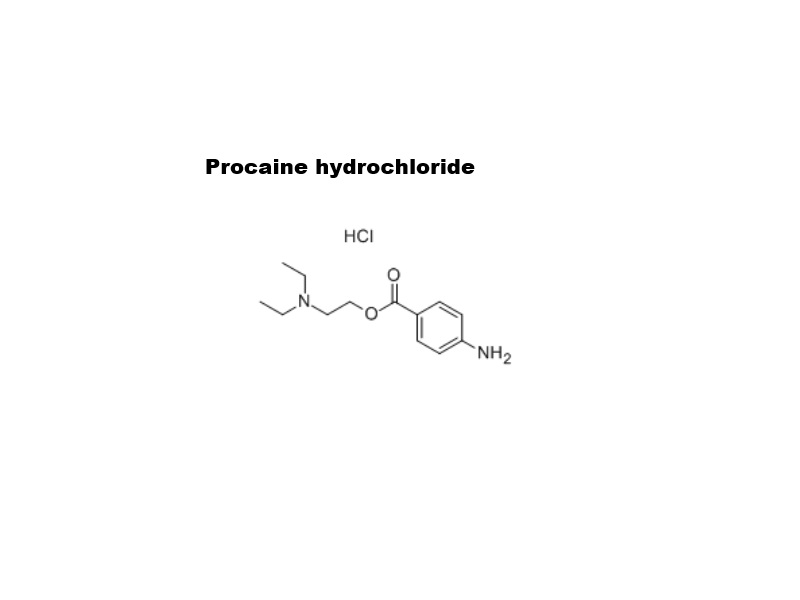
Procaine Hydrochloride CAS 51-05-8 is the water-soluble hydrochloride salt of procaine. It is the specific formulation used in clinical medicine, famously marketed under the brand name Novocain. While its use in mainstream practice has diminished, it remains a historically pivotal drug and is still employed in specific medical and therapeutic contexts.
Details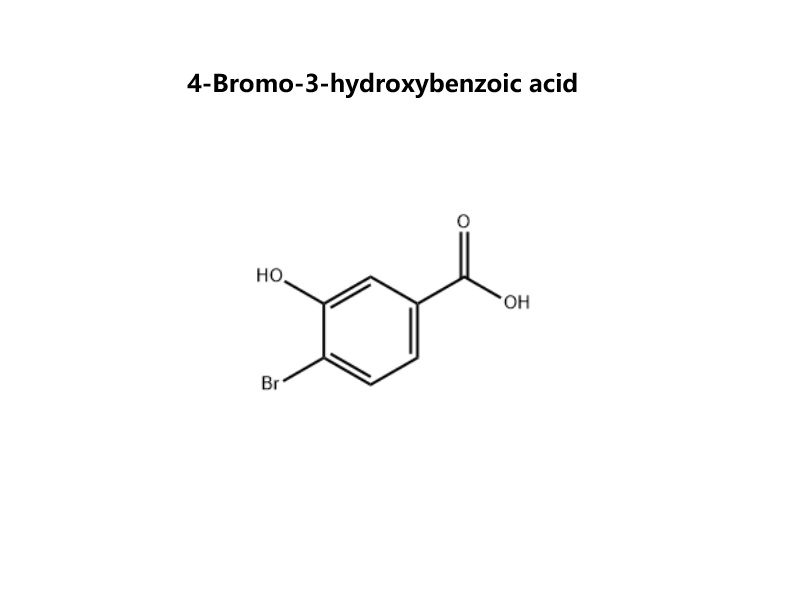
4-Bromo-3-hydroxybenzoic acid CAS 14348-38-0 is a premium, multifunctional aromatic building block engineered for complexity-driven synthesis. Its core value lies in the strategic placement of three distinct, orthogonally reactive functional groups on a benzene ring, making it an indispensable tool for convergent molecular construction in advanced research and development.
Details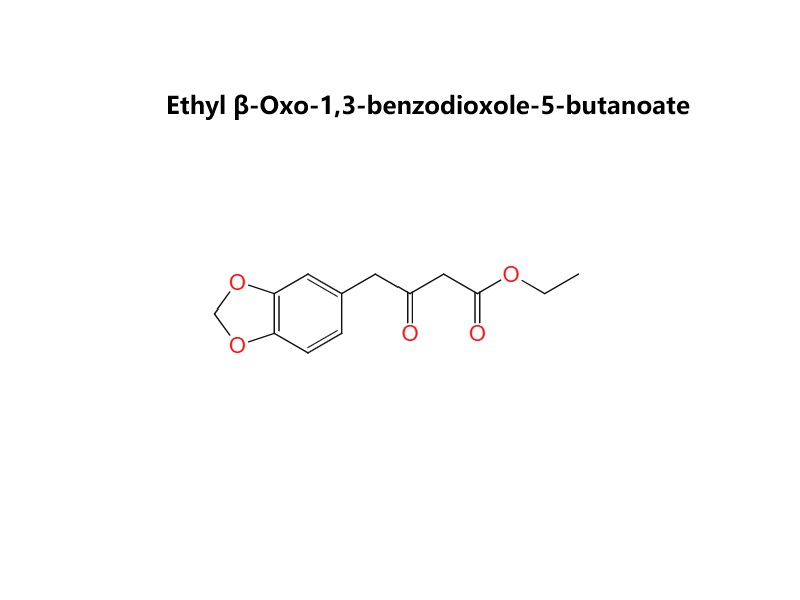
Ethyl β-Oxo-1,3-benzodioxole-5-butanoate CAS 31127-23-8 is a β-ketoester derivative featuring a 1,3-benzodioxole (methylenedioxyphenyl) aromatic system. Structurally, it consists of a benzodioxole ring attached through a three-carbon chain to an ethyl β-ketoester functional group (-CO-CH₂-COOEt). This makes it a versatile bifunctional building block for organic synthesis, combining the electronic properties of the benzodioxole group with the high reactivity of a β-ketoester.
Details![4-Nitrophenyl 3-(Benzo[d][1,3]dioxol-5-yl)-2-methylpropanoate](https://www.qixiolivetol.com/storage/uploads/images/202604/17/1776427287_qZy87IjHSQ.jpg)
4-Nitrophenyl 3-(Benzo[d][1,3]dioxol-5-yl)-2-methylpropanoate is a chirally defined, pre-activated acylating agent that combines a metabolically stable benzo[1,3]dioxole (piperonyl) pharmacophore with the exceptional reactivity of a 4-nitrophenyl ester. It enables the efficient, racemization-free introduction of a complex, chiral acid moiety under mild conditions, making it invaluable for advanced synthetic and bioconjugation chemistry. 4-Nitrophenyl 3-(Benzo[d][1,3]dioxol-5-yl)-2-methylpropanoate is a specialty ester designed as a reactive biochemical or synthetic intermediate. Its structure strategically combines three key units: (1)A 3-(benzo[1,3]dioxol-5-yl)-2-methylpropanoic acid (piperonyl-substituted, chiral acid) moiety. (2)A 4-nitrophenyl ester leaving group. This design makes it an activated ester, where the 4-nitrophenol is an excellent leaving group, facilitating efficient acyl transfer reactions under mild conditions.
Details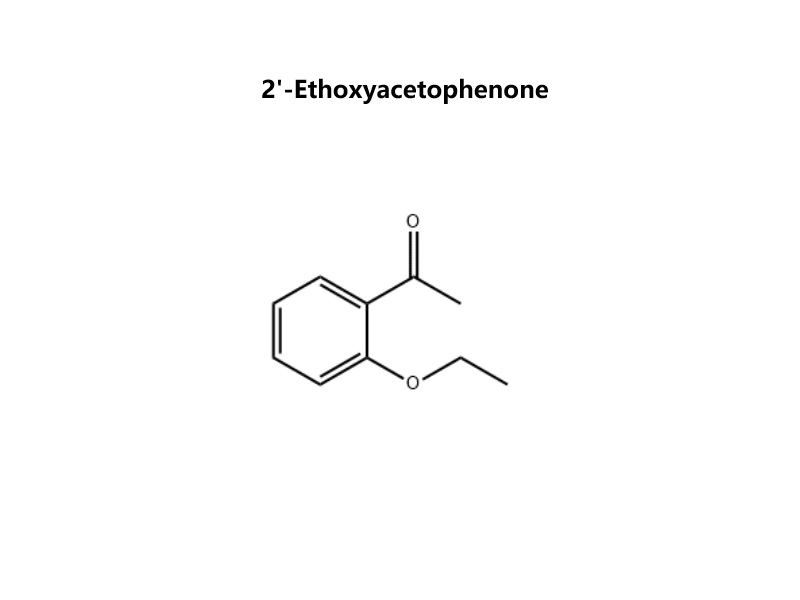
2'-Ethoxyacetophenone CAS 2142-67-8 is a specialized aromatic ketone characterized by an ethoxy substituent at the orthoposition relative to the acetyl group. This structural feature imparts distinct chemical and physical properties, making it a privileged building block for synthesizing complex molecules, particularly in the flavor/fragrance and pharmaceutical sectors.
Details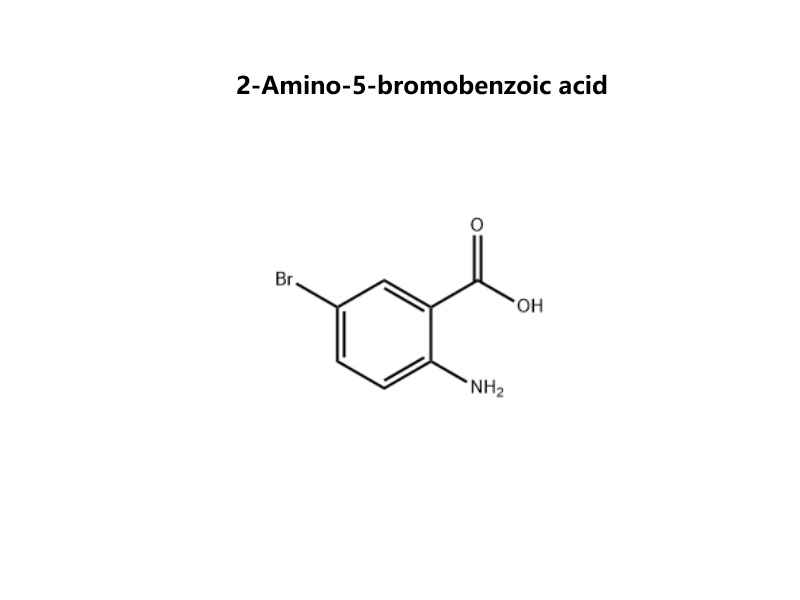
2-Amino-5-bromobenzoic acid CAS 5794-88-7 is a highly versatile aromatic building block that integrates three distinct functional groups—an amine, a carboxylic acid, and an aryl bromide—into a single, synthetically valuable scaffold. This multifunctionality makes it a crucial intermediate in pharmaceutical and advanced materials chemistry.
Details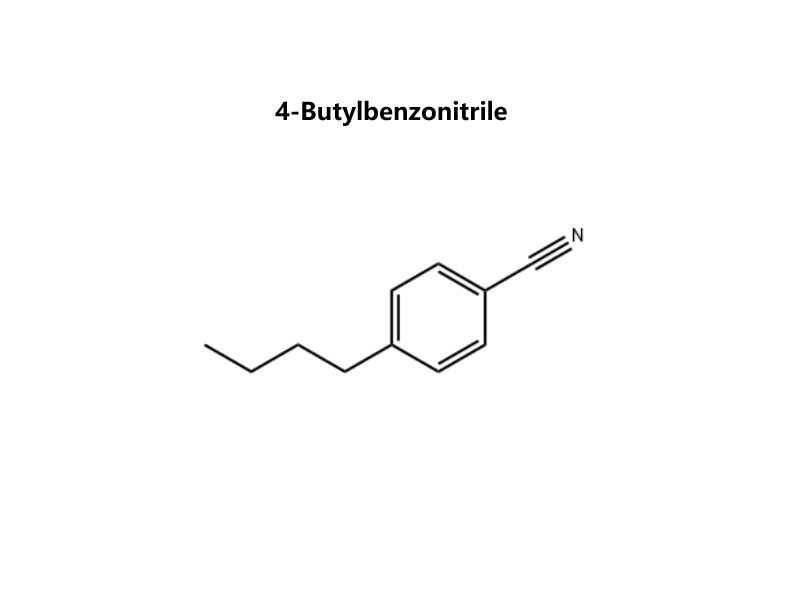
4-Butylbenzonitrile CAS 20651-73-4 is a strategically designed hydrophobic building block that combines a rigid aromatic core with a flexible linear alkyl chain and a highly versatile nitrile functional group. This triad of features makes it an exceptionally valuable intermediate for modulating physicochemical properties and enabling diverse synthetic pathways in advanced material and pharmaceutical and agrochemical research.
Details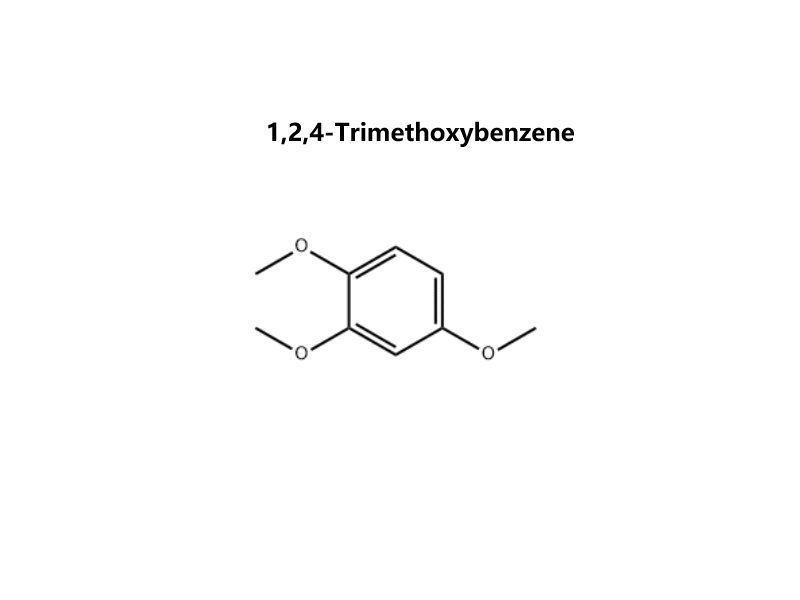
1,2,4-Trimethoxybenzene CAS 135-77-3 is a uniquely versatile, electron-rich aromatic building block. Its core value lies in its unsymmetrical yet highly predictable substitution pattern, which provides exceptional regiocontrol in synthetic chemistry. This makes it a privileged scaffold for constructing complex molecules in pharmaceuticals, agrochemicals, and advanced materials.
Details
 Contact Us
 1st Floor, No. 477, Huancheng West Road, Nanqiao Town, Fengxian District, Shanghai,China
 sales@qxscientific.com
 +86 -13701740203


 IPv6 Network Supported |
Sitemap |
XML |
Blog |
Privacy Policy
IPv6 Network Supported |
Sitemap |
XML |
Blog |
Privacy Policy
Leave A Message
Scan to Wechat/Whatsapp :



 English
 English
 Español
 Português