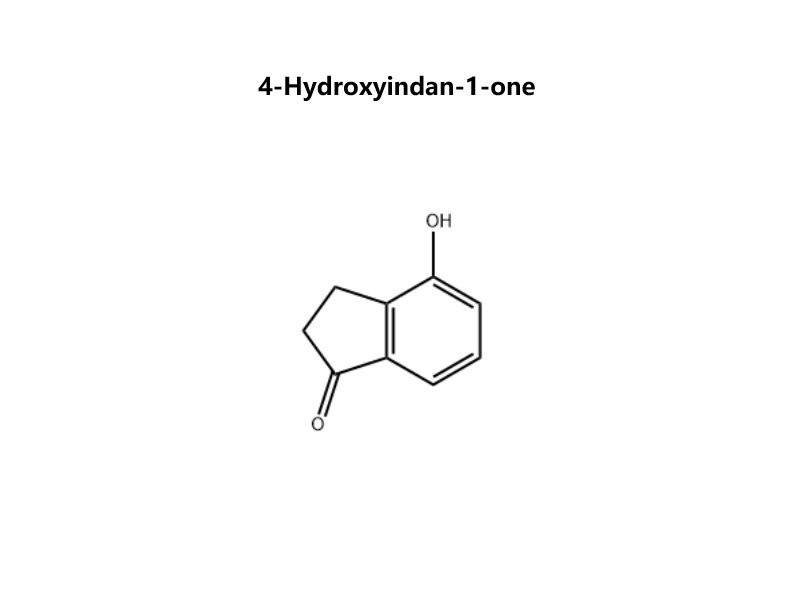
4-Hydroxyindan-1-one CAS 40731-98-4 is a valuable bifunctional bicyclic building block that merges the reactivity of a phenolic hydroxyl with an aliphatic ketone. Its primary strength lies in its versatility as a key intermediate for pharmaceutical synthesis, enabling access to diverse heterocyclic and polycyclic structures with potential bioactivity. While stable when stored properly, its susceptibility to oxidation and light requires careful handling. For researchers in medicinal chemistry and organic synthesis, it offers a strategic entry point to novel chemical space.
Name :
4-Hydroxyindan-1-oneCAS No. :
40731-98-4MF :
C₉H₈O₂MW :
148.16Purity :
98%Appearance :
Off-white to light yellow crystalline powder.Storage Condition :
Store in a tightly sealed container under an inert atmosphere (argon/nitrogen), protected from light, and refrigerated at 2-8°C.Chemical Properties
IUPAC Name: 4-Hydroxy-2,3-dihydro-1H-inden-1-one
Synonyms: 4-Hydroxy-1-indanone; 4-Hydroxyindanone
CAS Registry Number: 40731-98-4
Molecular Formula: C₉H₈O₂
Molecular Weight: 148.16 g/mol
Chemical Structure: A bicyclic compound consisting of a benzene ring fused to a five-membered ketone ring (indan-1-one core), with a hydroxyl group substituted at the 4-position of the benzene ring.
Appearance: Off-white to light yellow crystalline powder.
Key Feature: A hydroxylated indanone that combines a phenolic hydroxyl group (moderately acidic) with an aliphatic ketone, making it a versatile bifunctional intermediate capable of tautomerism and chelation.
Physical State: Solid at room temperature.
Melting Point: ~150-155 °C (may vary with purity and crystalline form).
Solubility:
Soluble in polar organic solvents (methanol, ethanol, acetone, DMSO, DMF).
Sparingly soluble in water, but solubility increases in alkaline aqueous solutions due to phenolate formation.
Reactivity & Stability:
Tautomerism: Can exist as a keto-enol tautomer, with the enol form potentially stabilized by intramolecular hydrogen bonding with the ketone.
Phenolic Reactivity: The hydroxyl group can undergo alkylation, acylation, and oxidation.
Ketone Reactivity: The carbonyl group can undergo nucleophilic addition (e.g., Grignard reactions), reduction, condensation, and oxime/hydrazone formation.
Chelation: Can act as a bidentate ligand for metal ions via the phenolate and carbonyl oxygens.
Stability: Sensitive to prolonged exposure to light, air, and strong oxidizing agents. Best stored under inert atmosphere at low temperature.
Spectroscopic Identifiers:
IR: Strong O–H stretch (~3200-3400 cm⁻¹), C=O stretch (~1680-1710 cm⁻¹), aromatic C=C stretches.
NMR (¹H in DMSO-d₆): Characteristic aromatic proton patterns for the 1,2,4,5-tetrasubstituted benzene ring; methylene protons of the five-membered ring appear as multiplets around δ 2.5-3.5 ppm.
Biological Activities
Primary Role: Primarily a synthetic intermediate and pharmacophore building block in medicinal chemistry.
Potential Bioactivities (Based on Structural Motif):
Antioxidant Potential: The phenolic hydroxyl group may confer radical scavenging activity.
Enzyme Inhibition: The indanone core is present in inhibitors of various enzymes (e.g., kinase, phosphodiesterase, aldose reductase).
Anti-inflammatory & Analgesic: Related hydroxyindanone derivatives have shown such activities in research settings.
Neuroprotective Activity: The scaffold is found in some compounds investigated for neurodegenerative diseases.
Research Tool: Used to study structure-activity relationships (SAR) and as a precursor for bioactive molecules.
Biosynthesis
Natural Occurrence: Not a major natural product, but related hydroxyindanones can be found as minor plant metabolites or microbial transformation products.
Synthetic Routes (Commercial/Lab Scale):
1.Friedel-Crafts Acylation: Intramolecular cyclization of appropriate 3-arylpropanoic acid derivatives under acidic conditions.
2.Oxidation: Oxidation of 4-hydroxyindane using suitable oxidants.
3.Multi-step Synthesis: From substituted benzoic acids or phthalic anhydrides via reduction and cyclization steps.
Key Consideration: Synthesis requires regioselective introduction of the hydroxyl group, often involving protection/deprotection strategies.
Applications




Key Advantages & Benefits
1.Bifunctional & Orthogonal Reactivity: The phenolic –OH and the ketone C=O groups provide two distinct, orthogonal handles for chemical modification. This enables sequential or parallel derivatization—such as etherification/acylation of the phenol followed by nucleophilic addition to the ketone—allowing rapid generation of diverse compound libraries from a single core structure.
2.Constrained, Bioactive Scaffold: The fused bicyclic indanone core imposes structural rigidity and a defined three-dimensional shape. This is highly valued in medicinal chemistry as it can enhance binding affinity, selectivity, and metabolic stability compared to flexible, linear analogs. It serves as a direct mimic of structural motifs found in many natural products and pharmaceuticals.
3.Tautomerization & Chelation Potential: It can exhibit keto-enol tautomerism, stabilized by intramolecular hydrogen bonding. This chelate-like structure also allows it to act as a bidentate ligand for metal ions, opening applications in catalysis, materials science, and metallodrug development.
4.Synthetic Versatility with Directionality: The electron-donating hydroxyl group activates specific positions on the aromatic ring for electrophilic substitution, while the ketone is amenable to a wide range of carbonyl chemistry. This predictable reactivity provides clear synthetic pathways for further elaboration.
🎯 Specific Application Scenarios
For a Medicinal Chemist in CNS Drug Discovery: Designing a new class of MAO-B inhibitors for Parkinson's disease. Using 4-Hydroxyindan-1-one as a core, the chemist first alkylates the phenol with a propargyl group (a known pharmacophore for MAO inhibition). Next, they perform a Grignard reaction at the ketone to introduce a chiral alkyl side chain, rapidly creating a focused set of novel, conformationally constrained candidates for screening.
For a Materials Chemist Designing an OLED Ligand: Creating a new europium(III) complex for red-emitting OLEDs. The chemist uses this compound as the primary ligand, where the deprotonated phenolate and ketone carbonyl chelate the Eu³⁺ ion to form a stable, luminescent complex. The rigid indanone scaffold helps prevent vibrational quenching, enhancing the luminescence efficiency of the final material.
For a Synthetic Organic Chemist: Developing a concise total synthesis of a natural product with an indanone subunit. This compound serves as a key advanced intermediate, where the ketone is selectively reduced to an alcohol, and the phenol is used to form a cyclic ether bridge in a subsequent step, leveraging its pre-installed functionality to save multiple synthetic steps.
4-Hydroxyindan-1-one is not merely a chemical intermediate; it is a strategic, value-added scaffold. Its superiority lies in the synergistic combination of a rigid, privileged bicyclic structure with two perfectly positioned, reactive functional groups. While simpler, cheaper analogs like 4-hydroxyacetophenone are suitable for basic synthesis, they cannot impart the conformational restraint and synthetic directionality essential for modern drug design and advanced materials. For researchers aiming to efficiently explore complex chemical space and develop high-performance molecules, this compound provides an unmatched foundational platform that accelerates innovation and enhances the quality of final targets.
FAQs
Q1: What is the main application of 4-Hydroxyindan-1-one?
A: It is primarily used as a versatile synthetic intermediate in medicinal chemistry and organic research. Its bifunctional indanone-phenol structure makes it a valuable scaffold for constructing bioactive molecules, particularly in drug discovery programs targeting CNS diseases, inflammation, and enzyme inhibition.
Q2: What purity do you supply, and how is it characterized?
A: We supply Research Grade (≥95%) and High Purity Grade (≥98%). Each batch is characterized by HPLC, ¹H/¹³C NMR, and MS to confirm identity and purity. A Certificate of Analysis (CoA) is provided.
Q3: How should it be stored to ensure stability?
A: Store in a tightly sealed container under an inert atmosphere (argon/nitrogen), protected from light, and refrigerated at 2-8°C. This minimizes oxidation, decomposition, and color change. For long-term storage, consider -20°C.
Q4: Is it suitable for biological screening directly?
A: While it has a promising scaffold, it is primarily a building block. Direct biological screening data is limited. It is typically functionalized (e.g., alkylated, acylated, or used in condensation reactions) to create libraries of compounds for screening.
Q5: Can both functional groups (OH and C=O) be selectively modified?
A: Yes, with appropriate conditions. The phenolic OH can be selectively alkylated/acylated using mild bases. The ketone can undergo selective reactions like nucleophilic addition or condensation. Multi-step synthesis with protecting groups (e.g., protecting the phenol as an ether before reacting the ketone) is common to achieve full differentiation.
Q6: Is it soluble in aqueous buffers for biochemical assays?
A: It has very low solubility in pure water. For biological testing, it is typically dissolved in a water-miscible organic solvent (e.g., DMSO) first, then diluted into the aqueous buffer. Final DMSO concentrations should be kept low (e.g., <1%) to avoid solvent effects.
Q7: Do you offer custom synthesis of derivatives?
A: Yes. We specialize in custom synthesis and can provide:
Derivatization (ethers, esters, oximes, etc.).
Analog synthesis (different substitution patterns on the indanone ring).
Scale-up from gram to kilogram quantities.
Q8: What is the lead time and minimum order quantity (MOQ)?
A:
R&D Samples (100mg, 500mg, 1g): Typically shipped within 1-2 weeks.
Bulk Orders (10g+): Lead time of 4-6 weeks for synthesis and QC.
MOQ: 100mg for Research Grade.
Q9: Are there any specific handling hazards?
A: It may cause irritation to eyes, skin, and respiratory system. Use in a well-ventilated area with appropriate PPE (gloves, safety glasses). It is not classified as highly toxic but should be handled with care. Refer to the Safety Data Sheet (SDS) for complete details.
Q10: What similar compounds do you offer?
A: We offer a range of related indanone and hydroxylated aromatic ketones:
5-Hydroxyindan-1-one
Indan-1-one (unsubstituted)
5,6-Dimethoxyindan-1-one
Custom indanone derivatives upon request.
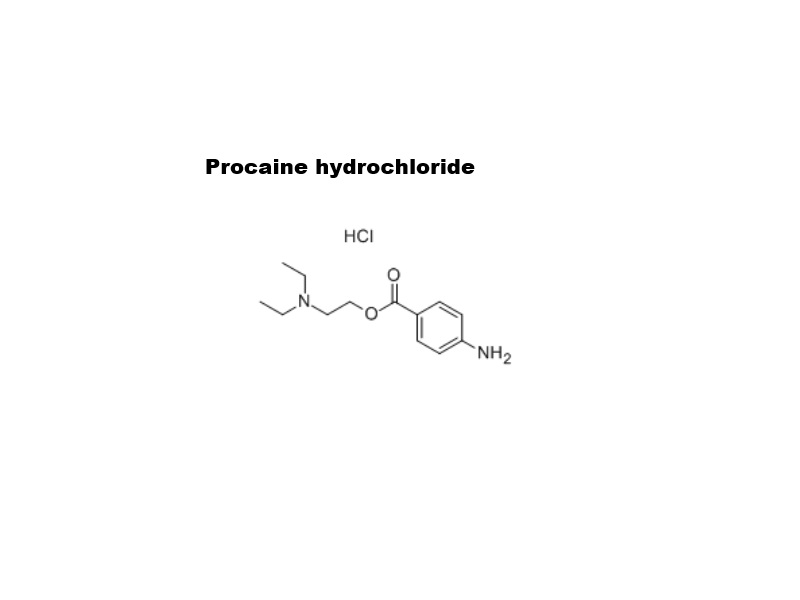
Procaine Hydrochloride CAS 51-05-8 is the water-soluble hydrochloride salt of procaine. It is the specific formulation used in clinical medicine, famously marketed under the brand name Novocain. While its use in mainstream practice has diminished, it remains a historically pivotal drug and is still employed in specific medical and therapeutic contexts.
Details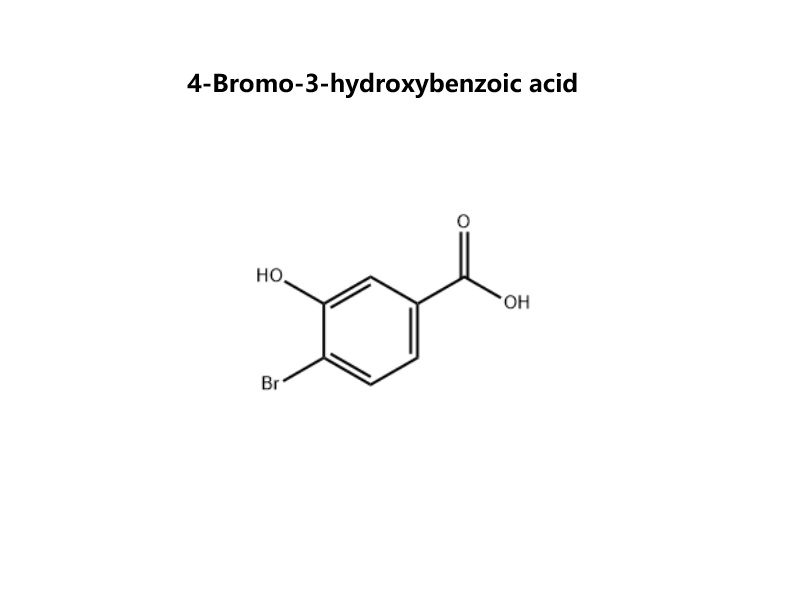
4-Bromo-3-hydroxybenzoic acid CAS 14348-38-0 is a premium, multifunctional aromatic building block engineered for complexity-driven synthesis. Its core value lies in the strategic placement of three distinct, orthogonally reactive functional groups on a benzene ring, making it an indispensable tool for convergent molecular construction in advanced research and development.
Details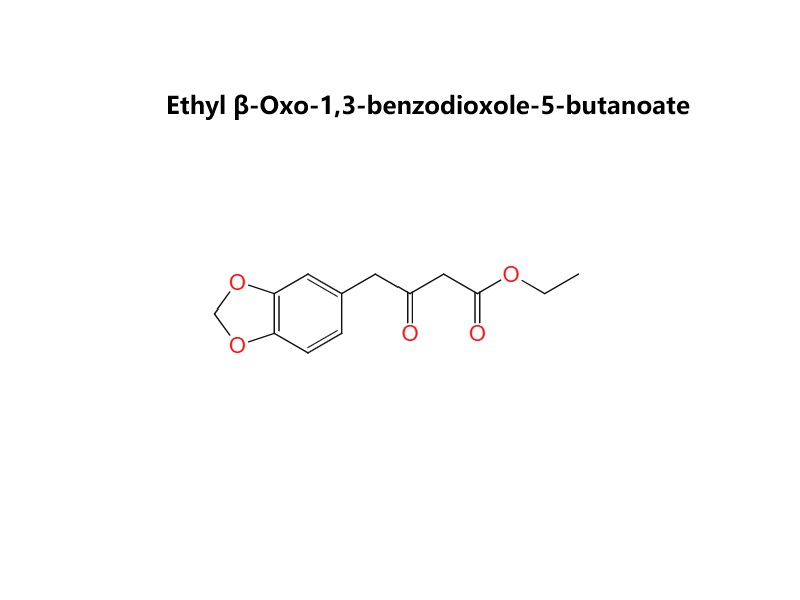
Ethyl β-Oxo-1,3-benzodioxole-5-butanoate CAS 31127-23-8 is a β-ketoester derivative featuring a 1,3-benzodioxole (methylenedioxyphenyl) aromatic system. Structurally, it consists of a benzodioxole ring attached through a three-carbon chain to an ethyl β-ketoester functional group (-CO-CH₂-COOEt). This makes it a versatile bifunctional building block for organic synthesis, combining the electronic properties of the benzodioxole group with the high reactivity of a β-ketoester.
Details![4-Nitrophenyl 3-(Benzo[d][1,3]dioxol-5-yl)-2-methylpropanoate](https://www.qixiolivetol.com/storage/uploads/images/202604/17/1776427287_qZy87IjHSQ.jpg)
4-Nitrophenyl 3-(Benzo[d][1,3]dioxol-5-yl)-2-methylpropanoate is a chirally defined, pre-activated acylating agent that combines a metabolically stable benzo[1,3]dioxole (piperonyl) pharmacophore with the exceptional reactivity of a 4-nitrophenyl ester. It enables the efficient, racemization-free introduction of a complex, chiral acid moiety under mild conditions, making it invaluable for advanced synthetic and bioconjugation chemistry. 4-Nitrophenyl 3-(Benzo[d][1,3]dioxol-5-yl)-2-methylpropanoate is a specialty ester designed as a reactive biochemical or synthetic intermediate. Its structure strategically combines three key units: (1)A 3-(benzo[1,3]dioxol-5-yl)-2-methylpropanoic acid (piperonyl-substituted, chiral acid) moiety. (2)A 4-nitrophenyl ester leaving group. This design makes it an activated ester, where the 4-nitrophenol is an excellent leaving group, facilitating efficient acyl transfer reactions under mild conditions.
Details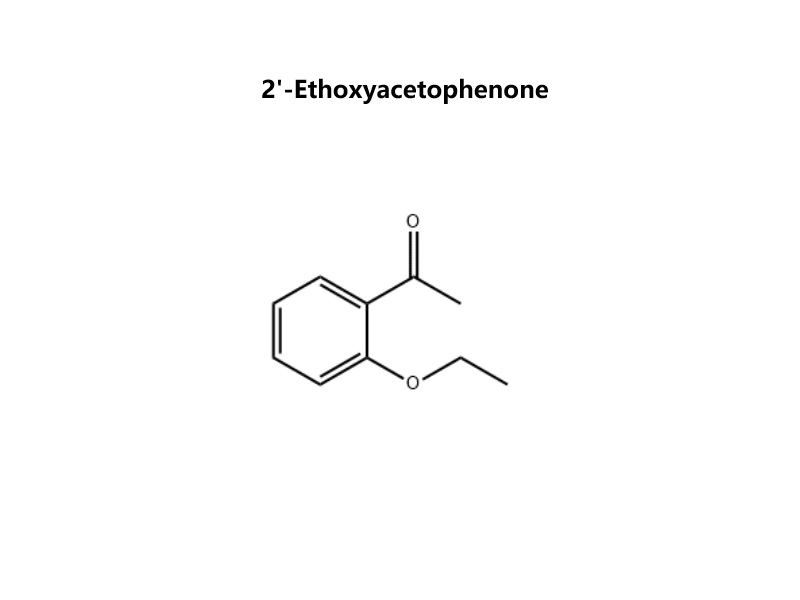
2'-Ethoxyacetophenone CAS 2142-67-8 is a specialized aromatic ketone characterized by an ethoxy substituent at the orthoposition relative to the acetyl group. This structural feature imparts distinct chemical and physical properties, making it a privileged building block for synthesizing complex molecules, particularly in the flavor/fragrance and pharmaceutical sectors.
Details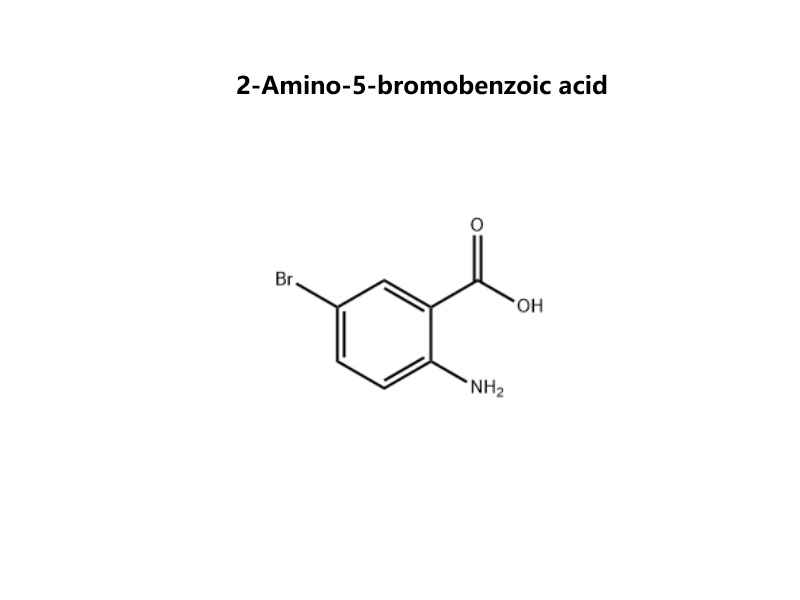
2-Amino-5-bromobenzoic acid CAS 5794-88-7 is a highly versatile aromatic building block that integrates three distinct functional groups—an amine, a carboxylic acid, and an aryl bromide—into a single, synthetically valuable scaffold. This multifunctionality makes it a crucial intermediate in pharmaceutical and advanced materials chemistry.
Details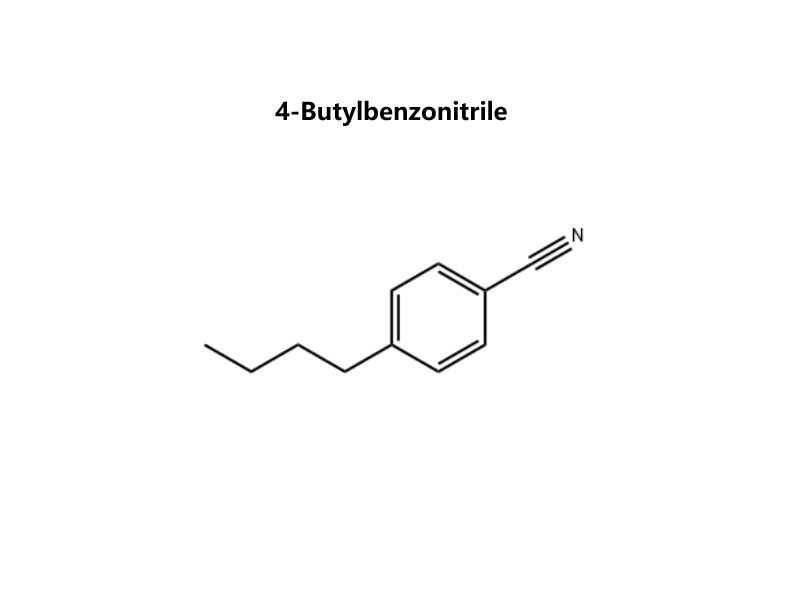
4-Butylbenzonitrile CAS 20651-73-4 is a strategically designed hydrophobic building block that combines a rigid aromatic core with a flexible linear alkyl chain and a highly versatile nitrile functional group. This triad of features makes it an exceptionally valuable intermediate for modulating physicochemical properties and enabling diverse synthetic pathways in advanced material and pharmaceutical and agrochemical research.
Details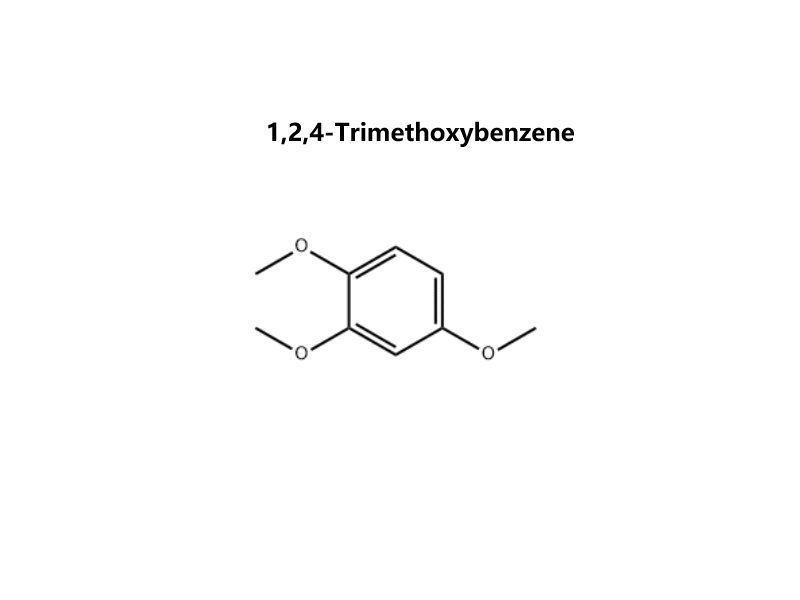
1,2,4-Trimethoxybenzene CAS 135-77-3 is a uniquely versatile, electron-rich aromatic building block. Its core value lies in its unsymmetrical yet highly predictable substitution pattern, which provides exceptional regiocontrol in synthetic chemistry. This makes it a privileged scaffold for constructing complex molecules in pharmaceuticals, agrochemicals, and advanced materials.
Details
 Contact Us
 1st Floor, No. 477, Huancheng West Road, Nanqiao Town, Fengxian District, Shanghai,China
 sales@qxscientific.com
 +86 -13701740203


 IPv6 Network Supported |
Sitemap |
XML |
Blog |
Privacy Policy
IPv6 Network Supported |
Sitemap |
XML |
Blog |
Privacy Policy
Leave A Message
Scan to Wechat/Whatsapp :



 English
 English
 Español
 Português