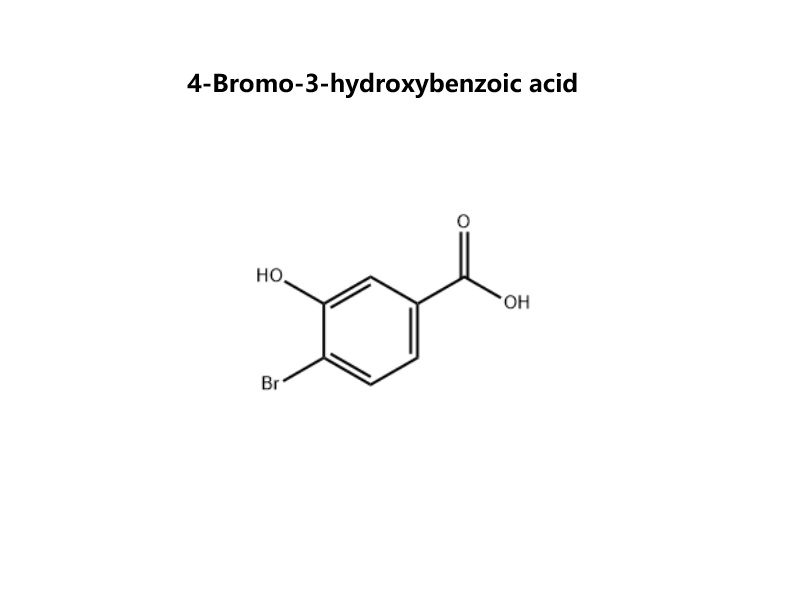
4-Bromo-3-hydroxybenzoic acid CAS 14348-38-0 is a premium, multifunctional aromatic building block engineered for complexity-driven synthesis. Its core value lies in the strategic placement of three distinct, orthogonally reactive functional groups on a benzene ring, making it an indispensable tool for convergent molecular construction in advanced research and development.
Name :
4-Bromo-3-hydroxybenzoic acidCAS No. :
14348-38-0MF :
C₇H₅BrO₃MW :
217.02Purity :
98%Appearance :
Typically an off-white to light beige or pinkish crystalline powder.Storage Condition :
Store in a tightly sealed container, protected from light, in a cool, dry place (preferably at 2-8°C).Chemical Properties
IUPAC Name: 4-Bromo-3-hydroxybenzoic acid
Common Synonyms: 3-Hydroxy-4-bromobenzoic acid
Molecular Formula: C₇H₅BrO₃
Molecular Weight: 217.02 g/mol
CAS Registry Number: 14348-38-0
Chemical Structure: A benzoic acid derivative with a bromine atom at the paraposition and a phenolic hydroxyl group at the metaposition, relative to the carboxylic acid group. This creates a versatile, bifunctional aromatic building block with three distinct reactive sites.
Appearance: Typically an off-white to light beige or pinkish crystalline powder.
Melting Point: ~218-222 °C (decomposition may occur).
Solubility:
Soluble in: Polar organic solvents (e.g., methanol, ethanol, dimethylformamide (DMF), dimethyl sulfoxide (DMSO)), and aqueous bases (due to deprotonation of the acid and phenol).
Poorly soluble in: Non-polar organic solvents (e.g., hexane, toluene) and water under acidic conditions.
Acidity: Possesses two acidic protons (pKa₁ ~4 for carboxylic acid, pKa₂ ~9 for the phenol), allowing for selective deprotonation.
Key Reactivity:
Carboxylic Acid (-COOH): Can undergo typical reactions such as esterification, amide coupling (e.g., with EDC/DCC), and reduction to alcohol.
Phenolic -OH: Can be alkylated, acylated, or participate in hydrogen bonding and metal chelation.
Aryl Bromide (-Br): Relatively inert under basic conditions but highly amenable to palladium-catalyzed cross-coupling reactions (e.g., Suzuki, Heck, Sonogashira) for C-C bond formation. This is its most valuable synthetic feature.
Biological Activities
The compound itself is primarily a synthetic intermediate. Biological activity is usually associated with its derivatives:
Antimicrobial/Antifungal: Some of its ester, amide, and complex derivatives have shown modest activity in screenings.
Enzyme Inhibition: It serves as a core scaffold in designing inhibitors for various enzymes, where the bromine and hydroxyl groups contribute to target binding.
Metabolite & Probe: May be found as a metabolite or used as a standard in analytical studies of brominated aromatic compounds.
Biosynthesis
4-Bromo-3-hydroxybenzoic acid is not known to be produced commercially via biological pathways. It is synthesized chemically through several standard laboratory methods:
(1)Bromination of 3-Hydroxybenzoic Acid: Direct electrophilic aromatic bromination using bromine (Br₂) or N-bromosuccinimide (NBS) in a suitable solvent (e.g., acetic acid, DMF), often requiring careful control of regioselectivity and stoichiometry.
(2)Hydrolysis of Functionalized Precursors: Hydrolysis of esters (e.g., methyl 4-bromo-3-hydroxybenzoate) or nitriles derived from pre-brominated phenols.
(3)Diazotization/Bromination: Starting from 4-amino-3-hydroxybenzoic acid via diazonium salt formation and subsequent Sandmeyer-type bromination.
Applications



Key Advantages & Benefits
1.Trifunctional Synergy for Convergent Synthesis:
Benefit: Possesses three independent reactive handles (COOH, Br, OH) that can be modified in a controlled, sequential manner. This enables highly efficient, convergent synthesis of complex targets from a single, simple starting material.
Application Scenario: In drug discovery, a medicinal chemist can:
(1)Couple the acid with a primary amine scaffold via amide bond formation.
(2)Perform a Suzuki reaction on the bromine to install a biaryl fragment for potency/selectivity.
(3)Alkylate or acylate the phenol to fine-tune solubility and metabolic stability. This sequential diversification rapidly generates a focused library from one core.
2.The Aryl Bromide as a Versatile "Molecular Handle":
Benefit: The bromine atom is not just a substituent; it's a direct gateway to C-C bond formation via reliable, high-yielding palladium-catalyzed cross-coupling reactions (Suzuki, Heck, Sonogashira). This transforms the molecule from an end product into a pivotal intermediatefor structural expansion.
Application Scenario: A materials scientist can use this compound in a Suzuki polymerization with a diboronic ester to create a novel conjugated co-polymer, where the hydroxyl and acid groups provide pending functionality for solubility tuning or post-polymerization modification.
3.Orthogonal Reactivity and Protecting Group Strategy:
Benefit: The carboxylic acid (reacts with nucleophiles) and phenol (reacts with electrophiles/acids) have complementary chemistries. Their reactivity can be independently toggled using standard protecting groups (e.g., methyl ester for -COOH, benzyl ether for -OH), allowing for exquisite synthetic control.
Application Scenario: Synthesizing a chelating ligand, a researcher can protect the phenol, couple the acid to an amine backbone, deprotect the phenol, and finally use the bromine in a cross-coupling to attach a fluorophore—creating a multifunctional metal sensor.
4.Built-in Coordination Site and Polarity:
Benefit: The meta-oriented hydroxyl and carboxyl groups can act together as a bidentate O,O-donor ligand, facilitating the synthesis of metal complexes directly or after minor modification. The polarity imparted by these groups also improves crystallinity and aids in purification.
Application Scenario: It can serve as a direct precursor to salicylate-type ligands for catalytic metal centers. The bromine allows for further elaboration of the ligand's periphery to create sterically or electronically tuned catalyst environments.
4-Bromo-3-hydroxybenzoic acid is not merely a substituted benzoic acid; it is a strategically designed synthesis platform. Its superior value over simpler analogs lies in its trifunctional nature and the unique, meta-relationship of its polar groups, which provide unparalleled flexibility for parallel and sequential synthesis. For researchers aiming to efficiently build molecular complexity, explore structure-activity relationships (SAR), or create multifunctional materials, this compound offers a critical advantage in synthetic efficiency and design freedom.
FAQs
Q1: What is the main advantage of using this specific brominated benzoic acid?
A1: Its primary advantage is its multifunctionality with orthogonal reactivity. You can perform metal-catalyzed cross-coupling on the bromine, modify the acid into esters/amides, and functionalize the phenol—all independently or sequentially. This makes it a highly versatile scaffold for parallel and combinatorial library synthesis in drug discovery.
Q2: Is the bromine atom stable under typical amide coupling conditions for the acid?
A2: Generally, yes. Standard peptide coupling reagents like EDC, DCC, HATU, or T3P in the presence of bases like DMAP or DIPEA are compatible with the aryl bromide. However, high temperatures and strongly nucleophilic conditions should be avoided to prevent potential displacement of the bromide.
Q3: How should I store this compound, and what is its typical shelf life?
A3: Store in a tightly sealed container, protected from light, in a cool, dry place (preferably at 2-8°C). Under these conditions, it is stable for several years. The compound may discolor (yellow/pink) over time upon exposure to light or air, but this often does not significantly impact its reactivity for coupling reactions.
Q4: Can you recommend a solvent for an efficient Suzuki coupling with this substrate?
A4: Common and effective solvent systems include:
Dioxane/Water or Toluene/Ethanol/Water mixtures with bases like K₂CO₃ or Cs₂CO₃.
DMF or DME are also suitable for many Pd-catalyzed protocols.
Tip: Ensure the compound is fully dissolved (may require gentle heating or use of DMF) for homogeneous reaction conditions and optimal coupling yields.
Q5: Is this product available in bulk quantities for process development?
A5: Yes, it is commercially available from several fine chemical suppliers on gram to multi-kilogram scale. For bulk procurement ( >1 kg), contacting suppliers directly for custom quotes and lead times is recommended.
Q6: What analytical data should I expect to confirm purity and identity?
A6: A reliable supplier should provide a Certificate of Analysis (CoA) including:
Purity: ≥97% (by HPLC or NMR).
¹H NMR Spectrum: Characteristic signals for the aromatic protons in a distinct pattern (often an ABX system).
Melting Point Range.
FT-IR Data: Confirming the presence of both broad -OH (acid & phenol) and carbonyl (C=O) stretches.
Q7: Are there safer or more readily available alternatives if I only need the carboxylic acid functionality?
A7: If the bromine is not essential for your synthesis, consider using 3-hydroxybenzoic acid (CAS 99-06-9), which is cheaper and more readily available. However, if you require a site for subsequent cross-coupling to build molecular complexity, the bromine atom in this compound is a critical and valuable feature.
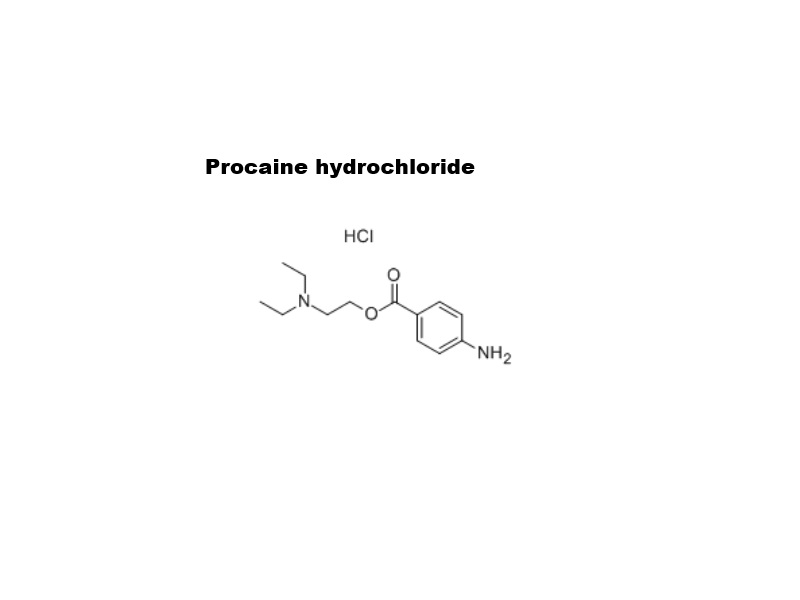
Procaine Hydrochloride CAS 51-05-8 is the water-soluble hydrochloride salt of procaine. It is the specific formulation used in clinical medicine, famously marketed under the brand name Novocain. While its use in mainstream practice has diminished, it remains a historically pivotal drug and is still employed in specific medical and therapeutic contexts.
Details
4-Bromo-3-hydroxybenzoic acid CAS 14348-38-0 is a premium, multifunctional aromatic building block engineered for complexity-driven synthesis. Its core value lies in the strategic placement of three distinct, orthogonally reactive functional groups on a benzene ring, making it an indispensable tool for convergent molecular construction in advanced research and development.
Details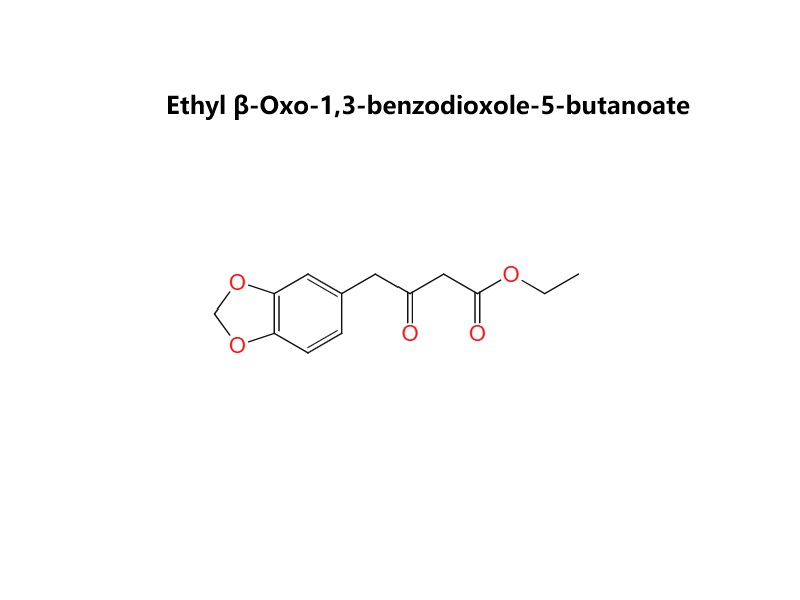
Ethyl β-Oxo-1,3-benzodioxole-5-butanoate CAS 31127-23-8 is a β-ketoester derivative featuring a 1,3-benzodioxole (methylenedioxyphenyl) aromatic system. Structurally, it consists of a benzodioxole ring attached through a three-carbon chain to an ethyl β-ketoester functional group (-CO-CH₂-COOEt). This makes it a versatile bifunctional building block for organic synthesis, combining the electronic properties of the benzodioxole group with the high reactivity of a β-ketoester.
Details![4-Nitrophenyl 3-(Benzo[d][1,3]dioxol-5-yl)-2-methylpropanoate](https://www.qixiolivetol.com/storage/uploads/images/202604/17/1776427287_qZy87IjHSQ.jpg)
4-Nitrophenyl 3-(Benzo[d][1,3]dioxol-5-yl)-2-methylpropanoate is a chirally defined, pre-activated acylating agent that combines a metabolically stable benzo[1,3]dioxole (piperonyl) pharmacophore with the exceptional reactivity of a 4-nitrophenyl ester. It enables the efficient, racemization-free introduction of a complex, chiral acid moiety under mild conditions, making it invaluable for advanced synthetic and bioconjugation chemistry. 4-Nitrophenyl 3-(Benzo[d][1,3]dioxol-5-yl)-2-methylpropanoate is a specialty ester designed as a reactive biochemical or synthetic intermediate. Its structure strategically combines three key units: (1)A 3-(benzo[1,3]dioxol-5-yl)-2-methylpropanoic acid (piperonyl-substituted, chiral acid) moiety. (2)A 4-nitrophenyl ester leaving group. This design makes it an activated ester, where the 4-nitrophenol is an excellent leaving group, facilitating efficient acyl transfer reactions under mild conditions.
Details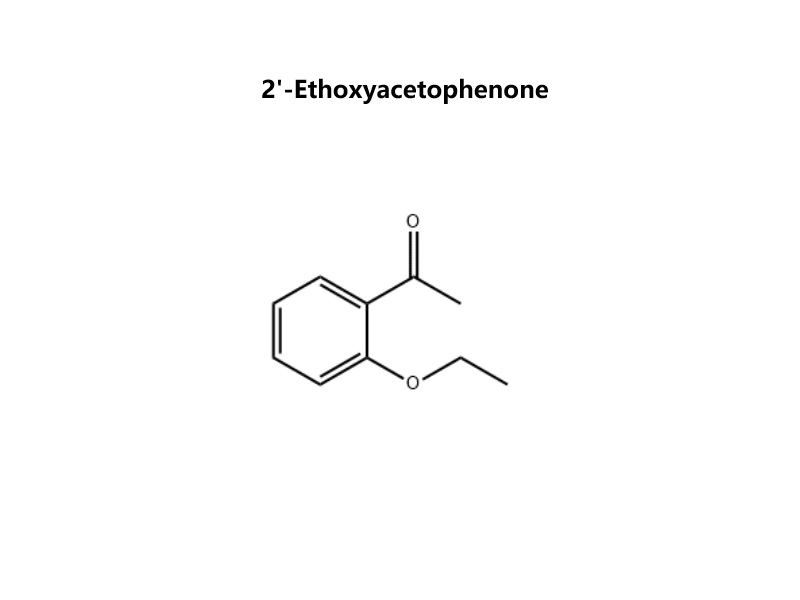
2'-Ethoxyacetophenone CAS 2142-67-8 is a specialized aromatic ketone characterized by an ethoxy substituent at the orthoposition relative to the acetyl group. This structural feature imparts distinct chemical and physical properties, making it a privileged building block for synthesizing complex molecules, particularly in the flavor/fragrance and pharmaceutical sectors.
Details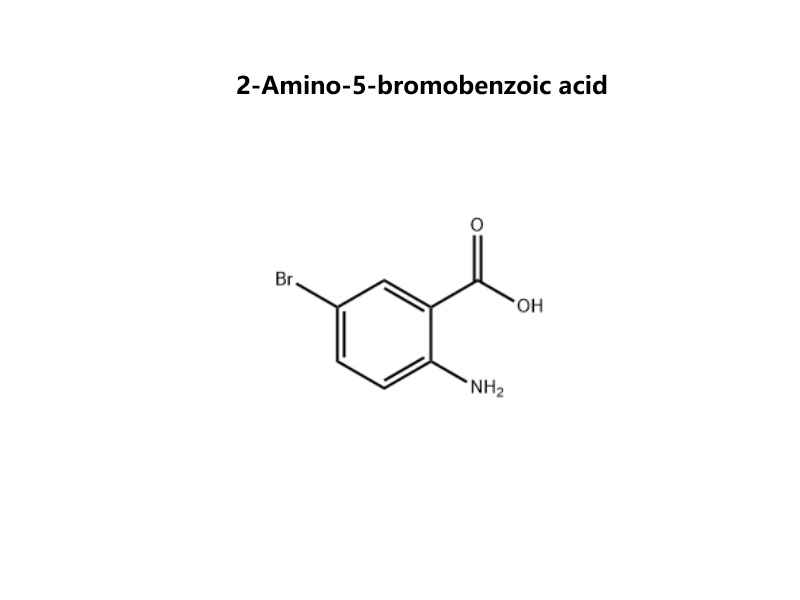
2-Amino-5-bromobenzoic acid CAS 5794-88-7 is a highly versatile aromatic building block that integrates three distinct functional groups—an amine, a carboxylic acid, and an aryl bromide—into a single, synthetically valuable scaffold. This multifunctionality makes it a crucial intermediate in pharmaceutical and advanced materials chemistry.
Details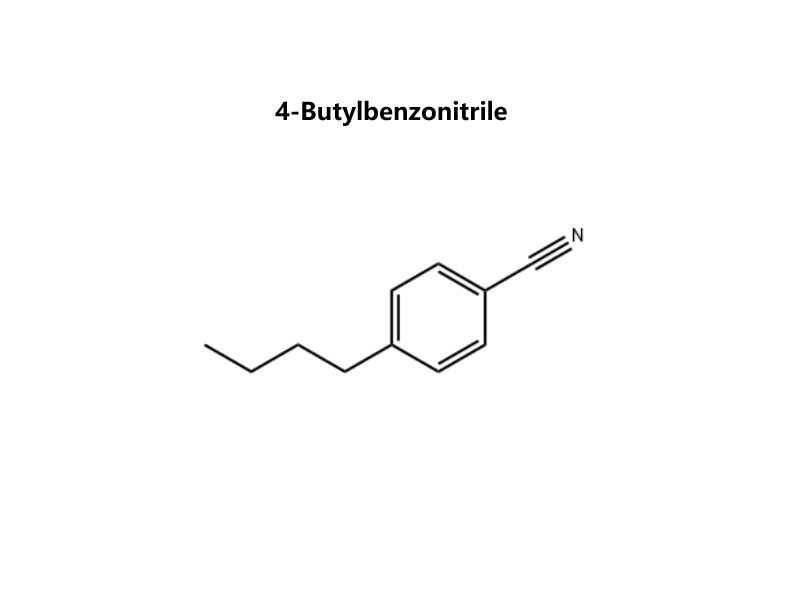
4-Butylbenzonitrile CAS 20651-73-4 is a strategically designed hydrophobic building block that combines a rigid aromatic core with a flexible linear alkyl chain and a highly versatile nitrile functional group. This triad of features makes it an exceptionally valuable intermediate for modulating physicochemical properties and enabling diverse synthetic pathways in advanced material and pharmaceutical and agrochemical research.
Details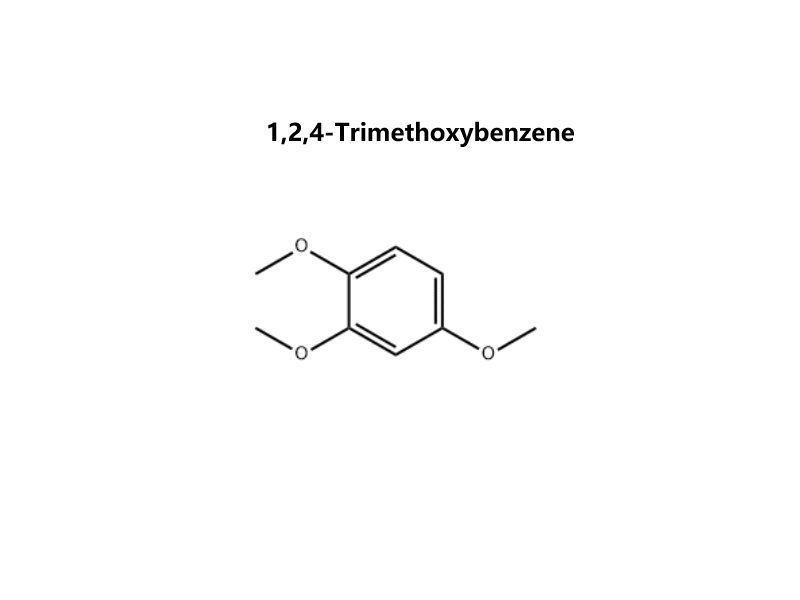
1,2,4-Trimethoxybenzene CAS 135-77-3 is a uniquely versatile, electron-rich aromatic building block. Its core value lies in its unsymmetrical yet highly predictable substitution pattern, which provides exceptional regiocontrol in synthetic chemistry. This makes it a privileged scaffold for constructing complex molecules in pharmaceuticals, agrochemicals, and advanced materials.
Details
 Contact Us
 1st Floor, No. 477, Huancheng West Road, Nanqiao Town, Fengxian District, Shanghai,China
 sales@qxscientific.com
 +86 -13701740203


 IPv6 Network Supported |
Sitemap |
XML |
Blog |
Privacy Policy
IPv6 Network Supported |
Sitemap |
XML |
Blog |
Privacy Policy
Leave A Message
Scan to Wechat/Whatsapp :



 English
 English
 Español
 Português