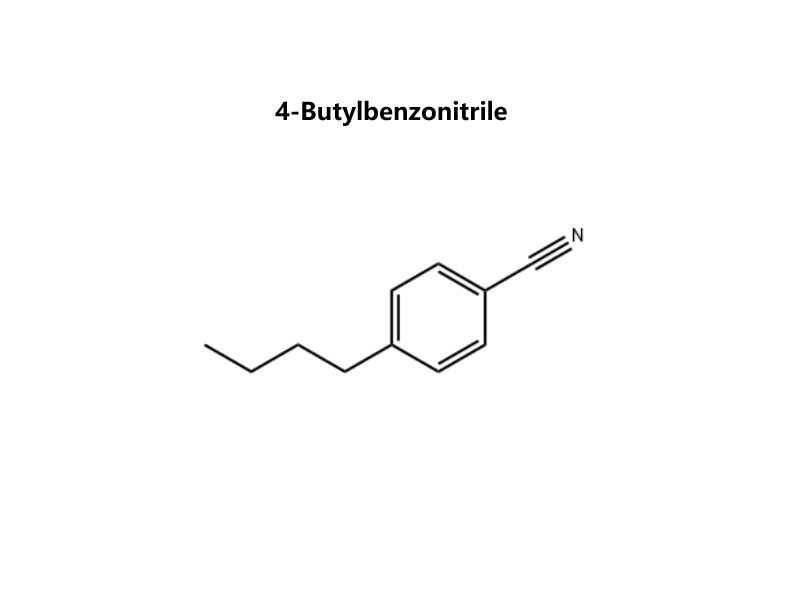

4-Butylbenzonitrile CAS 20651-73-4 is a strategically designed hydrophobic building block that combines a rigid aromatic core with a flexible linear alkyl chain and a highly versatile nitrile functional group. This triad of features makes it an exceptionally valuable intermediate for modulating physicochemical properties and enabling diverse synthetic pathways in advanced material and pharmaceutical and agrochemical research.
Name :
4-ButylbenzonitrileCAS No. :
20651-73-4MF :
C₁₁H₁₃NMW :
159.23Purity :
98%Appearance :
Clear, colorless to pale yellow liquid.Storage Condition :
Store in a tightly sealed container under an inert atmosphere (nitrogen or argon) in a cool, dry, well-ventilated area, away from strong oxidizers and acids.Chemical Properties
IUPAC Name: 4-Butylbenzonitrile
Common Synonyms: p-Butylbenzonitrile
Molecular Formula: C₁₁H₁₃N
Molecular Weight: 159.23 g/mol
CAS Registry Number: 20651-73-4
Chemical Structure: This compound consists of a benzene ring with a nitrile group (-CN) and an n-butyl chain (-CH₂CH₂CH₂CH₃) attached at the 1 and 4 positions, respectively, making it a para-disubstituted, linearly structured aromatic nitrile.
Appearance: Clear, colorless to pale yellow liquid.
Boiling Point: ~265-270 °C (at atmospheric pressure)
Density: ~0.95 - 0.97 g/cm³
Refractive Index: n²⁰/D ~1.515 - 1.520
Solubility: Miscible with most common organic solvents (e.g., ethanol, ether, acetone, chloroform). Insoluble in water.
Key Reactivity:
Nitrile Group (-CN): The primary site of reactivity. It can be hydrolyzed to the corresponding carboxylic acid (4-butylbenzoic acid), reduced to a primary amine (via hydrogenation to form 4-butylbenzylamine), or participate in nucleophilic additions. It is also a key functional group in the formation of heterocycles like tetrazoles.
Aromatic Ring: The ring is moderately deactivated by the electron-withdrawing nitrile group. Electrophilic aromatic substitution is difficult but can occur under forcing conditions, primarily yielding meta-substituted products.
Butyl Chain: Can undergo standard alkyl chain reactions such as free-radical halogenation (typically at the benzylic position) or oxidation to a carboxylic acid under harsh conditions.
Biological Activities
4-Butylbenzonitrile is primarily an industrial and synthetic intermediate. It is not typically studied as a bioactive compound itself but is a crucial precursor to molecules with significant biological activity:
Pharmaceutical Intermediates: The nitrile moiety is a key functional group in the synthesis of various active pharmaceutical ingredients (APIs), including angiotensin-converting enzyme (ACE) inhibitors, non-steroidal anti-inflammatory drugs (NSAIDs), and other agents where the benzonitrile core serves as a rigid, hydrophobic pharmacophore element.
Agrochemical Intermediates: Used in the synthesis of herbicides and fungicides.
General Toxicology: As with many nitriles, it should be handled with care as some nitrile compounds can metabolize to release cyanide ions, though this is highly structure-dependent.
Biosynthesis
This compound is not known to be produced by biological systems. It is synthesized industrially and in the laboratory through standard chemical methods:
1.Cyanation of 4-Butylhalobenzene: A common route involves the Rosenmund-von Braun reaction, where 1-bromo-4-butylbenzene is treated with copper(I) cyanide (CuCN) at elevated temperatures.
2.Sandmeyer Reaction: Starting from 4-butylaniline via diazotization followed by treatment with a cyanide source like copper(I) cyanide or sodium cyanide with a copper catalyst.
3.Alkylation of p-Cyanophenyl Precursors: Alkylation of a suitable p-substituted benzonitrile derivative with a butyl halide under basic conditions.
Applications

Key Advantages & Benefits
1. Ideal Hydrophobicity & Lipophilicity Tuner
Benefit: The linear n-butyl chain provides a calibrated boost in lipophilicity (logP) without excessive steric bulk. This is crucial for fine-tuning the absorption, distribution, and permeability properties of candidate molecules in drug discovery, helping to navigate the "chemical space" defined by rules like Lipinski's Rule of Five.
Application Scenario: A medicinal chemist optimizing a CNS-active drug candidate needs to increase brain penetration. Incorporating the 4-butylbenzonitrile moiety into a lead structure effectively raises its logP, enhancing passive diffusion across the blood-brain barrier, while the nitrile offers a synthetic handle for further modification.
2. The Nitrile as a Versatile & Stable Synthetic Handle
Benefit: The -CN group is a compact, linear, and chemically robust functional group that serves as a masked precursor to multiple valuable functionalities. It is stable under a wide range of reaction conditions (e.g., basic, nucleophilic, radical) but can be cleanly transformed into acids, amides, amines, or heterocycles like tetrazoles in a final step.
Application Scenario: In the synthesis of a protein kinase inhibitor library, the nitrile group in 4-butylbenzonitrile-derived intermediates remains inert during Pd-catalyzed cross-couplings and other transformations. Post-assembly, it can be selectively hydrolyzed to the corresponding carboxylic acid, a common pharmacophore for forming key hydrogen bonds in the ATP-binding pocket.
3. Linear para-Substitution for Ordered Assembly
Benefit: The para-disubstituted, linear molecular geometry promotes predictable packing and self-assembly. This is advantageous in material science for creating organized structures, such as in liquid crystals or crystalline polymers, where intermolecular interactions need to be controlled.
Application Scenario: A materials scientist designing a nematic liquid crystal for display technology uses 4-butylbenzonitrile as a core intermediate. Its linear shape and strong dipole moment (from the nitrile) contribute to a stable, wide-temperature-range mesophase, which is essential for consistent electro-optical performance.
4-Butylbenzonitrile is the optimized workhorse for applications demanding a precise synergy of hydrophobicity, synthetic versatility, and manageable sterics. Its linear n-butyl chain delivers ideal lipophilicity for pharmaceutical property-tuning without introducing disruptive bulk, while its nitrile group acts as a stable, multi-purpose synthetic linchpin. For researchers navigating the critical balance between molecular properties and synthetic feasibility—whether in crafting the next drug candidate or engineering advanced organic materials—4-butylbenzonitrile offers a superior, performance-driven profile over both simpler and more sterically encumbered analogs.
FAQs
Q1: What is the main advantage of using a benzonitrile like this in synthesis over a benzoic acid derivative?
A1: The nitrile group (-CN) acts as a masked carboxyl group that is inert to many reaction conditions that would affect a free acid or ester. It allows you to perform transformations elsewhere on the molecule (e.g., on the butyl chain or the ring) and then hydrolyze the nitrile to the acid in a final step. It's also a linear group that doesn't carry the steric bulk of an ester, which can be beneficial.
Q2: How should this compound be stored to maintain its stability?
A2: Store in a tightly sealed container under an inert atmosphere (nitrogen or argon) in a cool, dry, well-ventilated area, away from strong oxidizers and acids. It is stable for years under these conditions. Although relatively stable, exposure to moisture and strong acids over time can lead to slow hydrolysis.
Q3: Can the nitrile be selectively reduced to an aldehyde?
A3: Yes, selective partial reduction of the nitrile to the corresponding aldehyde (4-butylbenzaldehyde) can be achieved using diisobutylaluminum hydride (DIBAL-H) at low temperatures (-78°C to 0°C) in solvents like toluene or dichloromethane. This is a valuable transformation for accessing another important functional group.
Q4: What safety precautions are necessary when handling this material?
A4: Standard laboratory PPE (gloves, safety glasses, lab coat) is essential. Although not among the most toxic nitriles, it should be treated with caution. Avoid ingestion, inhalation of vapors/mists, and skin contact. Use in a fume hood. Have appropriate cyanide antidote kits available in the workplace if handling large quantities, as a general precaution for nitrile compounds.
Q5: Is this compound available in high purity for research and development?
A5: Yes, it is readily available from major fine chemical suppliers in research quantities (mg to 100g) with typical purities of 97-99% (GC). For process-scale development (kg to ton quantities), it can be sourced from custom synthesis manufacturers. Request a Certificate of Analysis (CoA) for specific purity data.
Q6: What is a common method to confirm the identity and purity of this compound?
A6: Gas Chromatography (GC) is the standard method for assessing purity and detecting volatile impurities. ¹H NMR and ¹³C NMR spectroscopy are definitive for structural confirmation, showing characteristic signals for the aromatic protons (a distinctive AA'XX' pattern for the para-disubstituted ring), the methylene groups of the butyl chain, and the nitrile carbon.
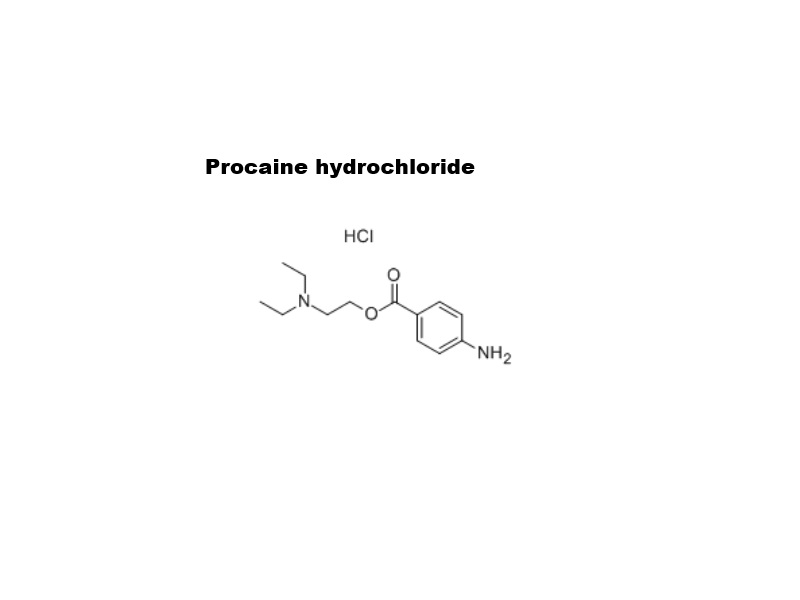
Procaine Hydrochloride CAS 51-05-8 is the water-soluble hydrochloride salt of procaine. It is the specific formulation used in clinical medicine, famously marketed under the brand name Novocain. While its use in mainstream practice has diminished, it remains a historically pivotal drug and is still employed in specific medical and therapeutic contexts.
Details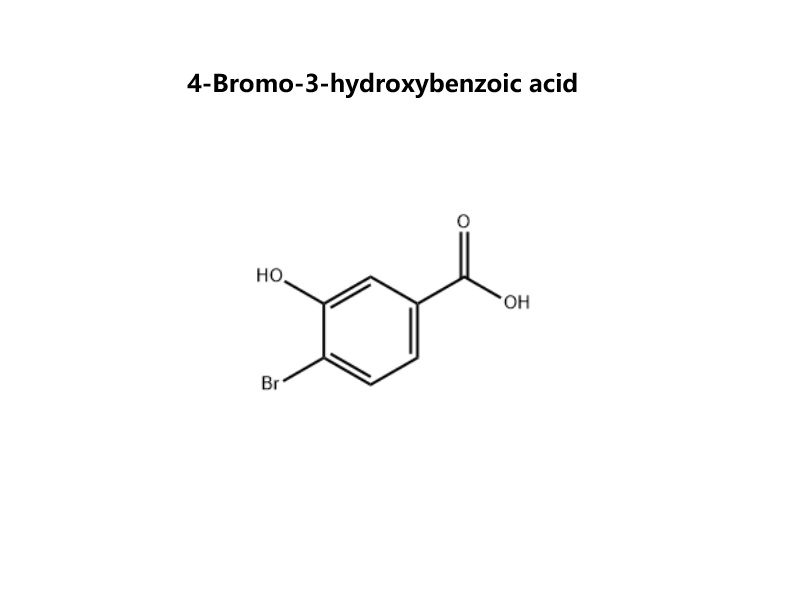
4-Bromo-3-hydroxybenzoic acid CAS 14348-38-0 is a premium, multifunctional aromatic building block engineered for complexity-driven synthesis. Its core value lies in the strategic placement of three distinct, orthogonally reactive functional groups on a benzene ring, making it an indispensable tool for convergent molecular construction in advanced research and development.
Details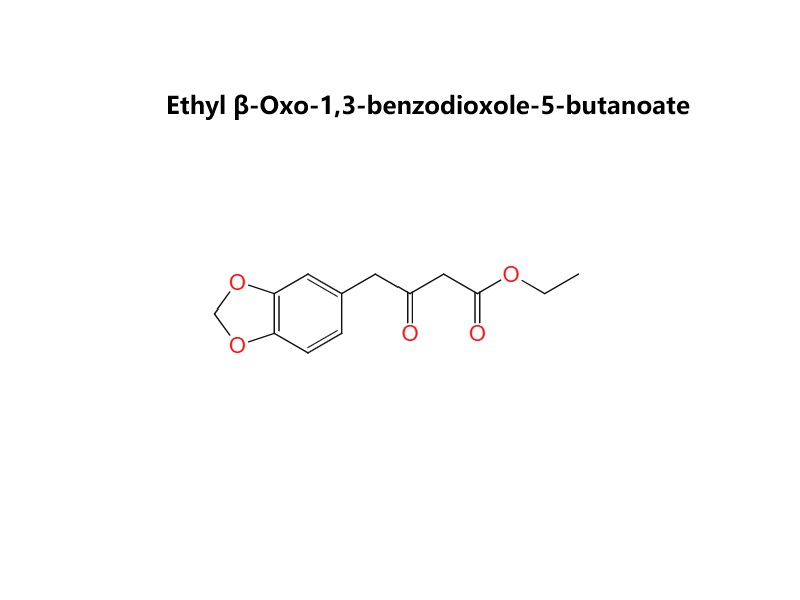
Ethyl β-Oxo-1,3-benzodioxole-5-butanoate CAS 31127-23-8 is a β-ketoester derivative featuring a 1,3-benzodioxole (methylenedioxyphenyl) aromatic system. Structurally, it consists of a benzodioxole ring attached through a three-carbon chain to an ethyl β-ketoester functional group (-CO-CH₂-COOEt). This makes it a versatile bifunctional building block for organic synthesis, combining the electronic properties of the benzodioxole group with the high reactivity of a β-ketoester.
Details![4-Nitrophenyl 3-(Benzo[d][1,3]dioxol-5-yl)-2-methylpropanoate](https://www.qixiolivetol.com/storage/uploads/images/202604/17/1776427287_qZy87IjHSQ.jpg)
4-Nitrophenyl 3-(Benzo[d][1,3]dioxol-5-yl)-2-methylpropanoate is a chirally defined, pre-activated acylating agent that combines a metabolically stable benzo[1,3]dioxole (piperonyl) pharmacophore with the exceptional reactivity of a 4-nitrophenyl ester. It enables the efficient, racemization-free introduction of a complex, chiral acid moiety under mild conditions, making it invaluable for advanced synthetic and bioconjugation chemistry. 4-Nitrophenyl 3-(Benzo[d][1,3]dioxol-5-yl)-2-methylpropanoate is a specialty ester designed as a reactive biochemical or synthetic intermediate. Its structure strategically combines three key units: (1)A 3-(benzo[1,3]dioxol-5-yl)-2-methylpropanoic acid (piperonyl-substituted, chiral acid) moiety. (2)A 4-nitrophenyl ester leaving group. This design makes it an activated ester, where the 4-nitrophenol is an excellent leaving group, facilitating efficient acyl transfer reactions under mild conditions.
Details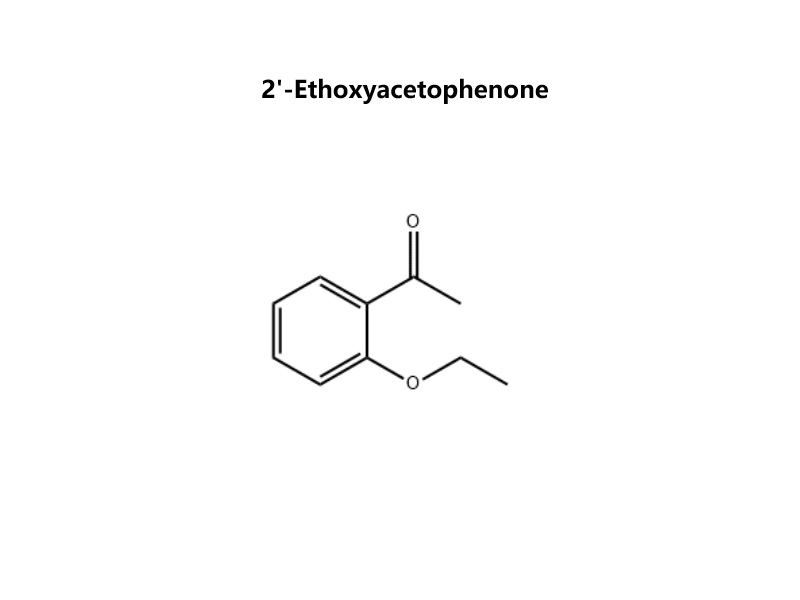
2'-Ethoxyacetophenone CAS 2142-67-8 is a specialized aromatic ketone characterized by an ethoxy substituent at the orthoposition relative to the acetyl group. This structural feature imparts distinct chemical and physical properties, making it a privileged building block for synthesizing complex molecules, particularly in the flavor/fragrance and pharmaceutical sectors.
Details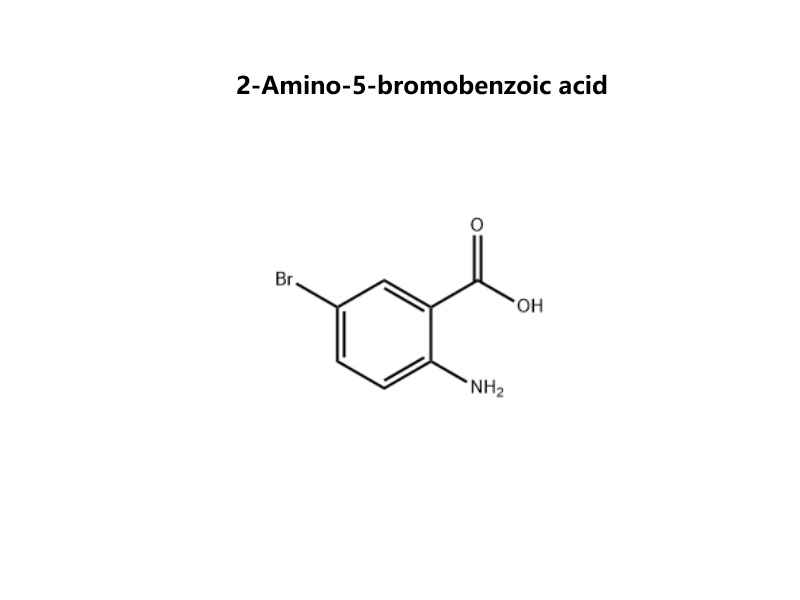
2-Amino-5-bromobenzoic acid CAS 5794-88-7 is a highly versatile aromatic building block that integrates three distinct functional groups—an amine, a carboxylic acid, and an aryl bromide—into a single, synthetically valuable scaffold. This multifunctionality makes it a crucial intermediate in pharmaceutical and advanced materials chemistry.
Details
4-Butylbenzonitrile CAS 20651-73-4 is a strategically designed hydrophobic building block that combines a rigid aromatic core with a flexible linear alkyl chain and a highly versatile nitrile functional group. This triad of features makes it an exceptionally valuable intermediate for modulating physicochemical properties and enabling diverse synthetic pathways in advanced material and pharmaceutical and agrochemical research.
Details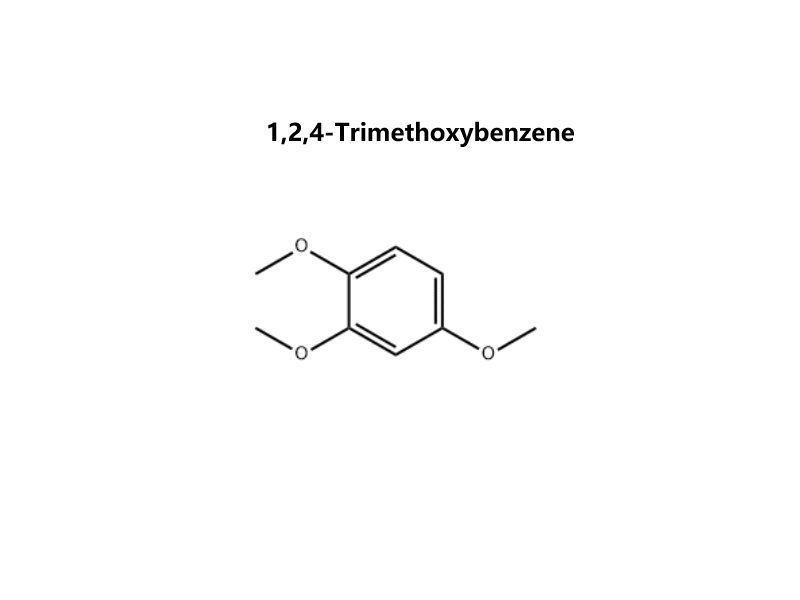
1,2,4-Trimethoxybenzene CAS 135-77-3 is a uniquely versatile, electron-rich aromatic building block. Its core value lies in its unsymmetrical yet highly predictable substitution pattern, which provides exceptional regiocontrol in synthetic chemistry. This makes it a privileged scaffold for constructing complex molecules in pharmaceuticals, agrochemicals, and advanced materials.
Details
 Contact Us
 1st Floor, No. 477, Huancheng West Road, Nanqiao Town, Fengxian District, Shanghai,China
 sales@qxscientific.com
 +86 -13701740203


 IPv6 Network Supported |
Sitemap |
XML |
Blog |
Privacy Policy
IPv6 Network Supported |
Sitemap |
XML |
Blog |
Privacy Policy
Leave A Message
Scan to Wechat/Whatsapp :



 English
 English
 Español
 Português