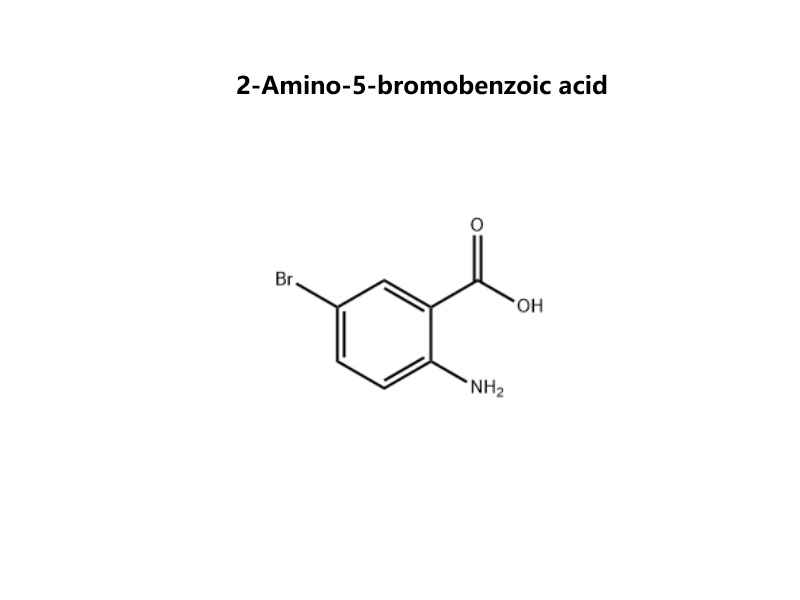
2-Amino-5-bromobenzoic acid CAS 5794-88-7 is a highly versatile aromatic building block that integrates three distinct functional groups—an amine, a carboxylic acid, and an aryl bromide—into a single, synthetically valuable scaffold. This multifunctionality makes it a crucial intermediate in pharmaceutical and advanced materials chemistry.
Name :
2-Amino-5-bromobenzoic acidCAS No. :
5794-88-7MF :
C₇H₆BrNO₂MW :
216.04Purity :
98%Appearance :
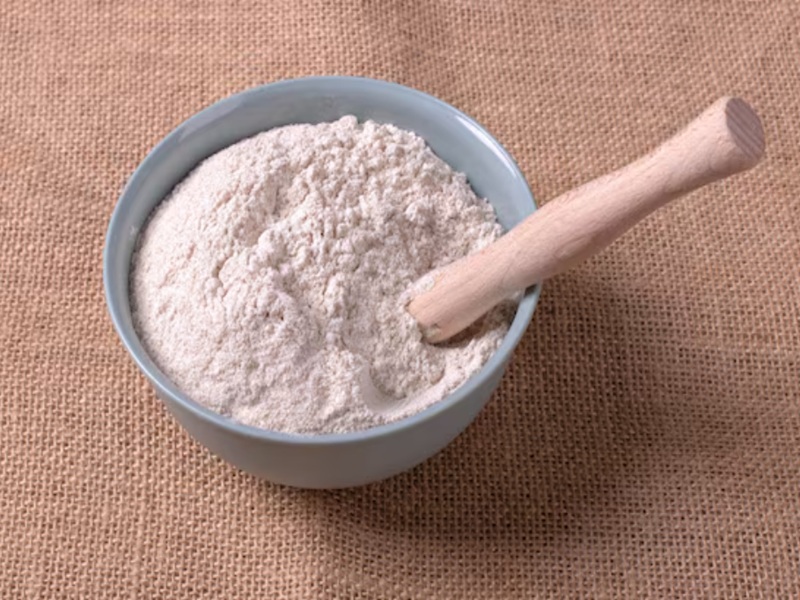
Typically a light tan to pinkish or beige crystalline powder.Storage Condition :
Store in a tightly sealed container, under an inert atmosphere (argon/nitrogen), protected from light at 2-8°C.Chemical Properties
IUPAC Name: 2-Amino-5-bromobenzoic acid
Common Synonyms: 5-Bromoanthranilic acid
Molecular Formula: C₇H₆BrNO₂
Molecular Weight: 216.04 g/mol
CAS Registry Number: 5794-88-7
Chemical Structure: A benzoic acid derivative with an amino (-NH₂) group at the orthoposition (carbon 2) and a bromine atom at the metaposition (carbon 5) relative to the carboxylic acid group. This 1,2,5-trisubstitution pattern defines its reactivity.
Appearance: Typically a light tan to pinkish or beige crystalline powder.
Melting Point: ~195-200 °C (decomposition may be observed).
Solubility:
Soluble in: Polar organic solvents (DMSO, DMF, methanol, ethanol), and aqueous bases (forming ammonium and carboxylate salts).
Poorly soluble in: Non-polar organic solvents (hexane, toluene), cold water, and dilute acids (where it exists as a zwitterion).
Acidity/Basicity: Exhibits amphoteric behavior due to the basic aniline-type amine (pKb ~9-10) and the acidic carboxylic acid (pKa ~4-5). It can exist as a zwitterion in neutral aqueous media.
Key Reactivity:
Carboxylic Acid (-COOH): Can undergo standard derivatization to esters, amides, and acid chlorides.
Aromatic Amine (-NH₂): Can be acylated, alkylated, diazotized, and used in condensation reactions.
Aryl Bromide (-Br): The most synthetically powerful feature, enabling palladium-catalyzed cross-coupling reactions (Suzuki, Heck, Sonogashira) for direct C-C bond formation. The bromine is activated towards coupling by the electron-donating amine group.
Biological Activities
The compound itself is primarily a synthetic intermediate. Its derivatives are significant:
Pharmacophore Core: Serves as a direct precursor to numerous non-steroidal anti-inflammatory drugs (NSAIDs) and other active pharmaceutical ingredients (APIs). For example, it is a key intermediate in the synthesis of Bromfenac, a potent NSAID used in ophthalmology.
Antimicrobial & Anticancer Agents: Incorporated into the structure of various compounds screened for these activities.
Enzyme Inhibitors: Used in designing inhibitors where the benzoic acid moiety mimics natural substrates.
Biosynthesis
This compound is not produced via commercial biosynthesis. It is synthesized chemically through several established routes:
1.Bromination of 2-Aminobenzoic Acid (Anthranilic Acid): Direct electrophilic bromination using bromine (Br₂) or N-bromosuccinimide (NBS), often requiring careful control of conditions (solvent, temperature) to achieve selective mono-bromination at the 5-position.
2.Sequential from 1,4-Disubstituted Benzenes: Via nitration, reduction, and bromination sequences starting from para-substituted benzoic acids.
3.Sandmeyer Reaction: Starting from 2-amino-5-aminobenzoic acid via diazotization and treatment with cuprous bromide (CuBr).
Applications
Key Advantages & Benefits
1. Trifunctional Synthon for Convergent, Sequential Synthesis
Benefit: The three distinct functional groups allow for highly efficient, stepwise diversification in any order. This enables medicinal chemists to build complex molecules from a simple, common core using straightforward protection/deprotection and coupling strategies, dramatically accelerating lead optimization.
Application Scenario: In the parallel synthesis of a library of kinase inhibitor candidates, a researcher can:
(1)First, perform a Suzuki coupling on the bromine to install diverse aryl/heteroaryl groups (exploring hinge-binding region interactions).
(2)Second, acylate the amine with various sulfonyl chlorides or acid chlorides (exploring solvent-exposed region binding).
(3)Finally, convert the acid to an amide with diverse amines (targeting the affinity pocket).
This sequential approach from a single core saves significant time and resources.
2. The "Activated" Aryl Bromide for Reliable Cross-Coupling
Benefit: The bromine is attached to a benzene ring that is electronically activated by the ortho-amino group. This makes it exceptionally reactive in palladium-catalyzed cross-coupling reactions (Suzuki, Buchwald-Hartwig), enabling the formation of C–C and C–N bonds under mild conditions with high yields and excellent functional group tolerance.
Application Scenario: For a process chemist scaling up the synthesis of an advanced pharmaceutical intermediate, the reliability and robustness of Suzuki coupling with this substrate reduce process development risk, improve yield consistency, and minimize metal catalyst loading compared to less-activated bromoarenes.
3. Direct Precursor to Privileged Pharmacophores
Benefit: Its structure is a direct substructure of numerous bioactive molecules. It serves as the immediate, high-purity precursor to the 2-aminobenzoic acid (anthranilic acid) core, a well-known pharmacophore in NSAIDs and other therapeutic agents.
Application Scenario: This compound is the key registered starting material (RSM) in the commercial synthesis of Bromfenac, a potent NSAID used in ophthalmology. Its defined quality and specific substitution pattern are critical for regulatory filings and ensuring the final drug's purity profile.
2-Amino-5-bromobenzoic acid is the strategist's choice for efficient drug discovery and development. Its superiority over simpler analogs lies in its perfectly balanced trifunctionality, which provides a direct, high-yield entry into the powerful toolbox of modern cross-coupling chemistry. For pharmaceutical chemists tasked with rapidly exploring chemical space, optimizing lead compounds, or manufacturing key NSAID intermediates, this compound offers an unmatched combination of reactivity, reliability, and strategic flexibility that translates directly into faster timelines and more robust processes.
FAQs
Q1: This compound has three reactive groups. What is a recommended synthetic strategy to functionalize them selectively?
A1: A common and effective strategy is sequential protection/deprotection:
(1)Protect the amine as an acetyl amide using acetic anhydride. This deactivates the ring slightly and prevents side reactions.
(2)Perform a Suzuki coupling on the now-stabilized aryl bromide.
(3)Hydrolyze the acetamide back to the free amine.
(4)Finally, modify the carboxylic acid (e.g., form an amide) or the regenerated amine as needed. This approach offers maximum control.
Q2: How stable is the aryl bromide toward hydrolysis or amine displacement?
A2: The bromide is relatively stable under standard acidic or basic hydrolysis conditions due to its attachment to an electron-rich benzene ring (activated by the amine). It is not prone to simple nucleophilic displacement by the amine under normal storage or mild reaction conditions, preventing intramolecular cyclization to unwanted by-products.
Q3: What are the best storage conditions to prevent discoloration and decomposition?
A3: Store in a tightly sealed container, under an inert atmosphere (argon/nitrogen), protected from light at 2-8°C. The amine group can oxidize over time, leading to darkening. Refrigerated, desiccated storage is ideal for long-term stability. Discard any material that has turned dark brown or black.
Q4: What solvent system is recommended for amide coupling reactions involving the carboxylic acid?
A4: Due to its amphoteric nature and potential zwitterion formation, success often requires polar aprotic solvents like DMF or DMSO. Pre-activation of the acid (e.g., forming an acid chloride with SOCl₂ in THF, or using coupling agents like HATU/DIPEA in DMF) is highly effective. Ensure the amine (if free) is either protected or accounted for in stoichiometry.
Q5: Is it available in bulk for process chemistry development?
A5: Yes. As a key intermediate in pharmaceutical manufacturing (e.g., for Bromfenac), it is produced on a multi-kilogram to ton scale by several fine chemical manufacturers. For large project inquiries (>10 kg), direct engagement with suppliers for detailed technical packages is essential.
Q6: How is purity typically assessed, and what is the common impurity profile?
A6: Standard purity analysis is by HPLC (UV detection). Common impurities include:
Starting material (2-aminobenzoic acid).
Di-brominated by-products (e.g., 2-amino-3,5-dibromobenzoic acid).
Oxidation products of the amine.
A high-quality CoA should specify ≥98% purity (HPLC) and include ¹H NMR data confirming the substitution pattern and absence of major isomers.
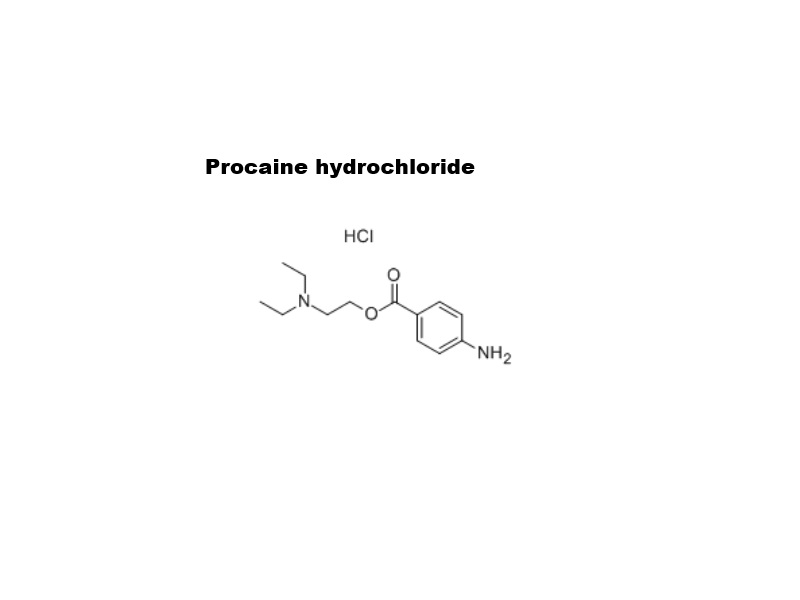
Procaine Hydrochloride CAS 51-05-8 is the water-soluble hydrochloride salt of procaine. It is the specific formulation used in clinical medicine, famously marketed under the brand name Novocain. While its use in mainstream practice has diminished, it remains a historically pivotal drug and is still employed in specific medical and therapeutic contexts.
Details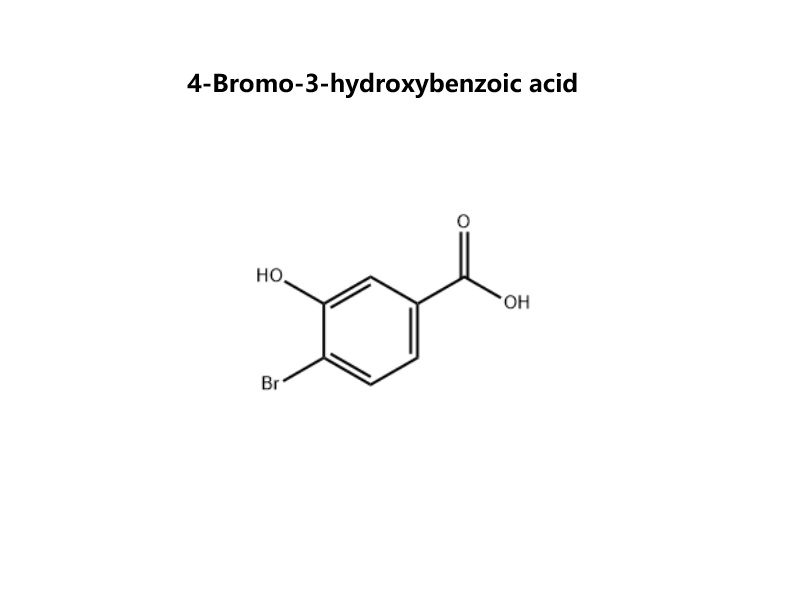
4-Bromo-3-hydroxybenzoic acid CAS 14348-38-0 is a premium, multifunctional aromatic building block engineered for complexity-driven synthesis. Its core value lies in the strategic placement of three distinct, orthogonally reactive functional groups on a benzene ring, making it an indispensable tool for convergent molecular construction in advanced research and development.
Details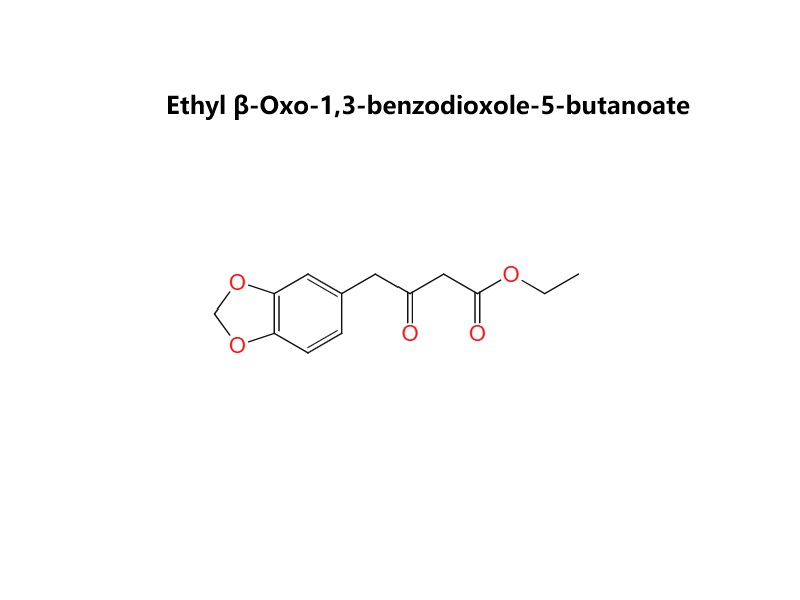
Ethyl β-Oxo-1,3-benzodioxole-5-butanoate CAS 31127-23-8 is a β-ketoester derivative featuring a 1,3-benzodioxole (methylenedioxyphenyl) aromatic system. Structurally, it consists of a benzodioxole ring attached through a three-carbon chain to an ethyl β-ketoester functional group (-CO-CH₂-COOEt). This makes it a versatile bifunctional building block for organic synthesis, combining the electronic properties of the benzodioxole group with the high reactivity of a β-ketoester.
Details![4-Nitrophenyl 3-(Benzo[d][1,3]dioxol-5-yl)-2-methylpropanoate](https://www.qixiolivetol.com/storage/uploads/images/202604/17/1776427287_qZy87IjHSQ.jpg)
4-Nitrophenyl 3-(Benzo[d][1,3]dioxol-5-yl)-2-methylpropanoate is a chirally defined, pre-activated acylating agent that combines a metabolically stable benzo[1,3]dioxole (piperonyl) pharmacophore with the exceptional reactivity of a 4-nitrophenyl ester. It enables the efficient, racemization-free introduction of a complex, chiral acid moiety under mild conditions, making it invaluable for advanced synthetic and bioconjugation chemistry. 4-Nitrophenyl 3-(Benzo[d][1,3]dioxol-5-yl)-2-methylpropanoate is a specialty ester designed as a reactive biochemical or synthetic intermediate. Its structure strategically combines three key units: (1)A 3-(benzo[1,3]dioxol-5-yl)-2-methylpropanoic acid (piperonyl-substituted, chiral acid) moiety. (2)A 4-nitrophenyl ester leaving group. This design makes it an activated ester, where the 4-nitrophenol is an excellent leaving group, facilitating efficient acyl transfer reactions under mild conditions.
Details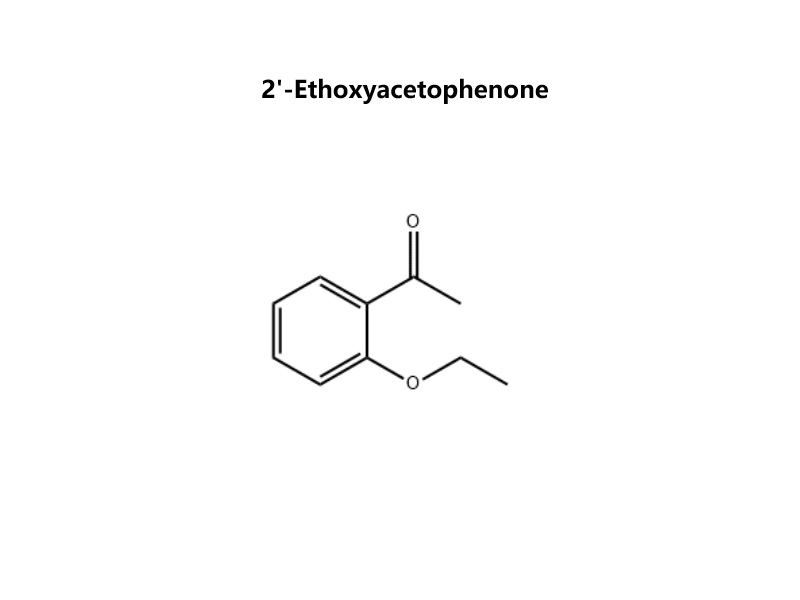
2'-Ethoxyacetophenone CAS 2142-67-8 is a specialized aromatic ketone characterized by an ethoxy substituent at the orthoposition relative to the acetyl group. This structural feature imparts distinct chemical and physical properties, making it a privileged building block for synthesizing complex molecules, particularly in the flavor/fragrance and pharmaceutical sectors.
Details
2-Amino-5-bromobenzoic acid CAS 5794-88-7 is a highly versatile aromatic building block that integrates three distinct functional groups—an amine, a carboxylic acid, and an aryl bromide—into a single, synthetically valuable scaffold. This multifunctionality makes it a crucial intermediate in pharmaceutical and advanced materials chemistry.
Details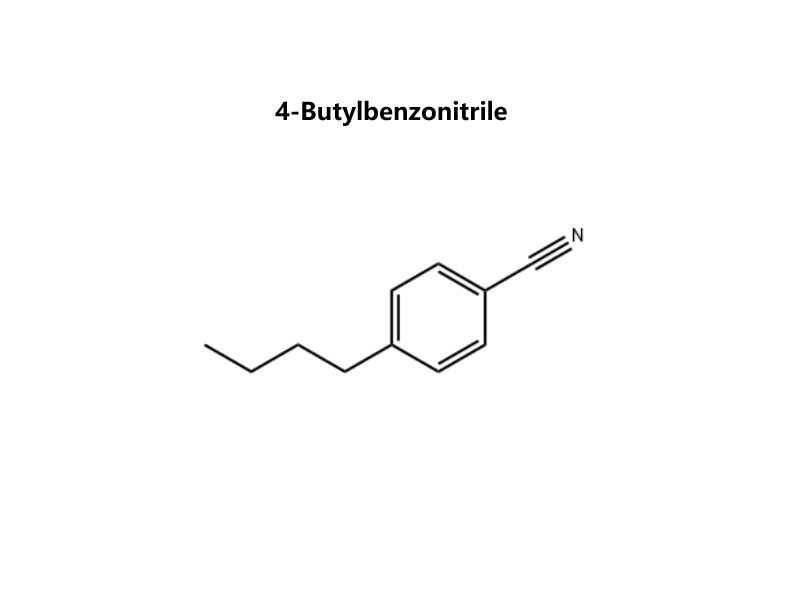
4-Butylbenzonitrile CAS 20651-73-4 is a strategically designed hydrophobic building block that combines a rigid aromatic core with a flexible linear alkyl chain and a highly versatile nitrile functional group. This triad of features makes it an exceptionally valuable intermediate for modulating physicochemical properties and enabling diverse synthetic pathways in advanced material and pharmaceutical and agrochemical research.
Details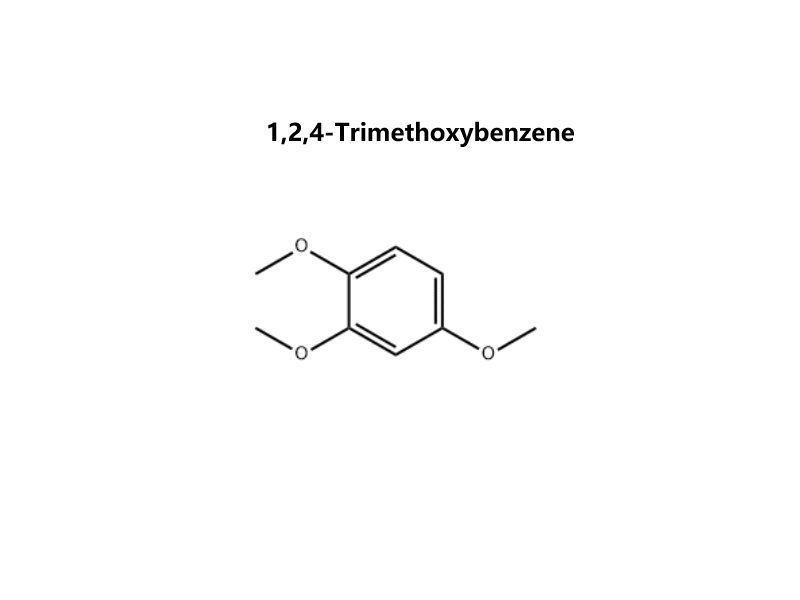
1,2,4-Trimethoxybenzene CAS 135-77-3 is a uniquely versatile, electron-rich aromatic building block. Its core value lies in its unsymmetrical yet highly predictable substitution pattern, which provides exceptional regiocontrol in synthetic chemistry. This makes it a privileged scaffold for constructing complex molecules in pharmaceuticals, agrochemicals, and advanced materials.
Details
 Contact Us
 1st Floor, No. 477, Huancheng West Road, Nanqiao Town, Fengxian District, Shanghai,China
 sales@qxscientific.com
 +86 -13701740203


 IPv6 Network Supported |
Sitemap |
XML |
Blog |
Privacy Policy
IPv6 Network Supported |
Sitemap |
XML |
Blog |
Privacy Policy
Leave A Message
Scan to Wechat/Whatsapp :



 English
 English
 Español
 Português