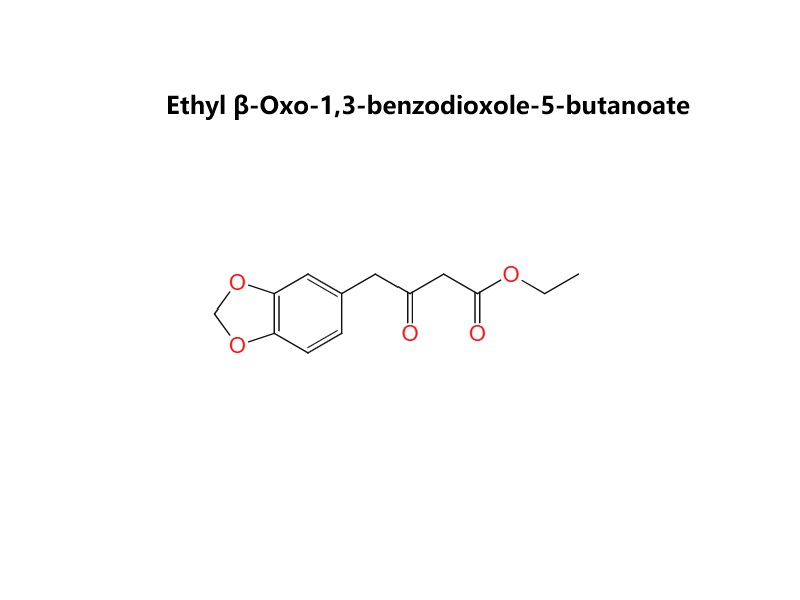
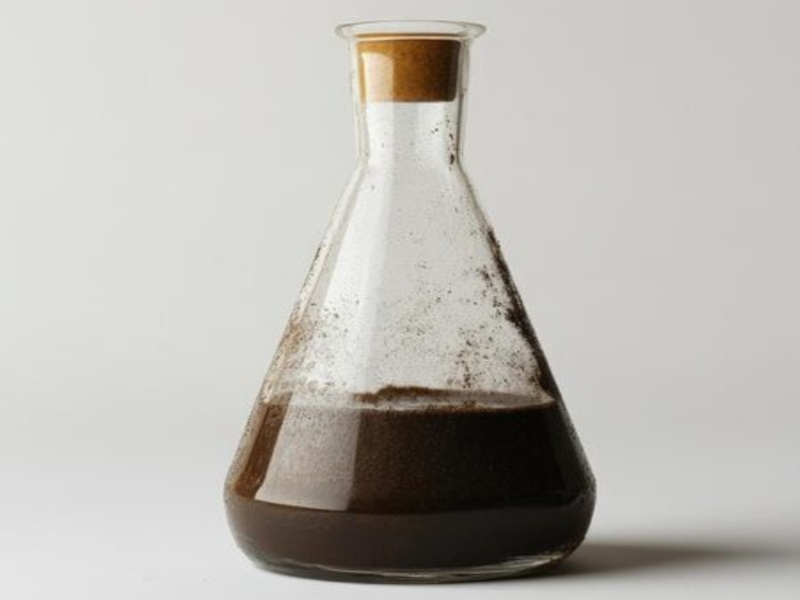
Ethyl β-Oxo-1,3-benzodioxole-5-butanoate CAS 31127-23-8 is a β-ketoester derivative featuring a 1,3-benzodioxole (methylenedioxyphenyl) aromatic system. Structurally, it consists of a benzodioxole ring attached through a three-carbon chain to an ethyl β-ketoester functional group (-CO-CH₂-COOEt). This makes it a versatile bifunctional building block for organic synthesis, combining the electronic properties of the benzodioxole group with the high reactivity of a β-ketoester.
Name :
Ethyl β-Oxo-1,3-benzodioxole-5-butanoateCAS No. :
31127-23-8MF :
C₁₃H₁₄O₅MW :
250.25Purity :
97%Appearance :
Brownish liquidStorage Condition :
Store in a tightly sealed container, protected from light and moisture, in a cool (2-8°C) and dry place, preferably under an inert atmosphere (argon/nitrogen).Chemical Properties
IUPAC Name: Ethyl 4-(1,3-benzodioxol-5-yl)-4-oxobutanoate
Alternative Name: Ethyl 3-(1,3-benzodioxol-5-yl)-3-oxopropanoate (tautomeric form)
Molecular Formula: C₁₃H₁₄O₅
Molecular Weight: 250.25 g/mol
Appearance: Brownish liquid
Tautomerism: Exists predominantly in the enol form (as a β-ketoester) in solution and often in the solid state, stabilized by intramolecular hydrogen bonding, which influences its reactivity.
Reactivity: The active methylene group (-CH₂-) between the two carbonyls is highly acidic and can be easily deprotonated to form a stable enolate anion. This enolate is a key nucleophile for alkylation, condensation (e.g., Knorr pyrrole synthesis), and Michael addition reactions. The ketone and ester groups are also electrophilic sites.
Solubility: Soluble in common organic solvents such as ethanol, methanol, ethyl acetate, chloroform, and dimethylformamide (DMF). It has very low solubility in water.
Stability: Stable under normal storage conditions but may be sensitive to strong bases, acids, and oxidizing agents. Should be protected from prolonged exposure to light and moisture.
Biological Activities
This compound is primarily a synthetic intermediate and is not typically an end product with direct commercial biological use. Its biological profile is defined by the 1,3-benzodioxole (piperonyl) moiety, which is known in other contexts for:
Synergistic Activity: In agrochemistry, the piperonyl group is famous for its role as a synergist that inhibits insect cytochrome P450 enzymes, enhancing the potency of insecticides like pyrethrins.
Pharmacophore Fragment: The benzodioxole structure is a common feature in various bioactive molecules, contributing to metabolic stability and lipophilicity. Therefore, this compound serves as a precursor for molecules with potential central nervous system (CNS) activity, anticancer, or antimicrobial properties.
Biosynthesis
There is no commercial biosynthetic route. It is produced via classical organic synthesis.
A standard synthetic pathway involves:
1.Friedel-Crafts Acylation: Reaction of 1,3-benzodioxole (safrole derivative) with a suitable derivative of succinic acid (e.g., succinic anhydride) in the presence of a Lewis acid catalyst (e.g., aluminum chloride, AlCl₃) to yield the corresponding β-aroylpropionic acid.
2.Esterification: The resulting acid is then esterified with ethanol in the presence of an acid catalyst (e.g., sulfuric acid) or via a coupling agent to produce the final ethyl ester.
Applications


Key Advantages & Benefits
1. Dual Reactivity for Convergent Heterocycle Synthesis
Benefit: The active methylene group flanked by two carbonyls serves as a potent nucleophile upon deprotonation, while both the ketone and ester carbonyls act as electrophiles. This allows for sequential or tandem cyclization reactions with various binucleophiles.
Application Scenario: In the synthesis of a novel benzodioxole-fused pyrrole library for screening as kinase inhibitors, a medicinal chemist reacts this compound with diverse α-aminoketones via a Paal-Knorr reaction. The pre-installed benzodioxole ring becomes an integral part of the final scaffold in a single, high-yielding step, rapidly generating chemical diversity for biological testing.
2. Built-In "Privileged" Pharmacophore Fragment
Benefit: The 1,3-benzodioxole (piperonyl) group is a classic "privileged structure" in medicinal and agrochemistry. Incorporating it at the outset of a synthesis ensures the final products possess inherent properties of enhanced lipophilicity, metabolic stability (via P450 inhibition potential), and specific π-stacking interactions with biological targets.
Application Scenario: A research team developing a next-generation insecticide synergist uses this compound as a key intermediate. By derivatizing the β-ketoester portion, they create analogs that maintain the potent cytochrome P450 inhibition of the piperonyl group while optimizing physicochemical properties for improved environmental profile and formulation stability.
3. Excellent Substrate for Regioselective Functionalization
Benefit: The acidity of the methylene protons allows for clean regioselective alkylation at the central carbon. This enables the precise introduction of side chains to create quaternary centers or elaborate the molecular backbone in a controlled manner, a task more challenging with simpler aromatic ketones.
Application Scenario: During the asymmetric synthesis of a complex natural product analog, chemists deprotonate this compound with a chiral base and perform a stereoselective alkylation. The resulting product, bearing a new chiral center adjacent to the benzodioxole ring, serves as a critical intermediate for constructing the target molecule's core with high enantiomeric purity.
4. Stability and Crystalline Nature for Process Chemistry
Benefit: Compared to more sensitive β-diketones, this β-ketoester is relatively stable and often crystallizes well. This facilitates its isolation, purification, and long-term storage, making it a reliable starting material for multi-step, scale-up synthesis.
Application Scenario: In a pilot-scale GMP synthesis of a drug candidate containing the benzodioxole motif, this compound is purchased in high purity as a crystalline solid. Its stability allows for accurate weighing and consistent performance in the key cyclocondensation step, ensuring robust and reproducible process yields critical for regulatory filings.
Ethyl β-Oxo-1,3-benzodioxole-5-butanoate (CAS 31127-23-8) is a specialized, high-value bifunctional building block designed for efficiency in medicinal and agrochemical discovery. Its principal advantage is the strategic pre-assembly of a bioactive aromatic motif with a highly versatile reactive handle. This eliminates synthetic steps, accelerates the exploration of structure-activity relationships (SAR) around the benzodioxole pharmacophore, and provides a reliable, crystalline entry point to complex molecular architectures. For chemists targeting benzodioxole-containing active ingredients, it offers a more direct and convergent route compared to constructing the β-ketoester chain onto a pre-formed benzodioxole core, making it a powerful tool for accelerating lead optimization and development.
FAQs
Q1: What is the primary use of this chemical?
A: It is predominantly used as a versatile synthetic building block in research laboratories. Its main value lies in its two highly reactive functional groups (the enolizable β-ketoester and the aromatic benzodioxole ring), which allow chemists to efficiently construct more complex, often biologically relevant, molecular architectures.
Q2: How should it be stored, and what is its shelf life?
A: Store in a tightly sealed container, protected from light and moisture, in a cool (2-8°C) and dry place, preferably under an inert atmosphere (argon/nitrogen) for long-term storage. Under these conditions, it can remain stable for several years. Always allow the container to reach room temperature before opening to prevent condensation.
Q3: Can you give a specific example of a reaction it's used in?
A: A classic example is its use in the Knorr Pyrrole Synthesis. When reacted with a α-aminoketone in the presence of an acid catalyst, it condenses to form a substituted pyrrole ring, a core structure found in many pharmaceuticals and porphyrins. The benzodioxole group becomes part of the final pyrrole's substituent.
Q4: Is this compound considered hazardous?
A: As with many fine chemicals, it requires careful handling. It may be an irritant to skin, eyes, and the respiratory system. You must consult the Safety Data Sheet (SDS) for the specific lot before use for detailed hazard information, personal protective equipment (PPE) requirements (gloves, safety glasses, lab coat), and proper disposal procedures.
Q5: Where can I source this compound, and what purity is typical?
A: It is a specialty chemical available from suppliers specializing in advanced intermediates and building blocks for medicinal chemistry (e.g., BLD Pharmatech, Combi-Blocks, Apollo Scientific). Typical purities for research use range from 95% to 98%+, often confirmed by HPLC or NMR. For process-scale quantities, custom synthesis is usually arranged.
Q6: What are the key analytical methods for characterizing and confirming its purity?
A: Standard methods include:
¹H and ¹³C NMR Spectroscopy: To confirm structure and check for tautomeric forms.
High-Performance Liquid Chromatography (HPLC): To determine chemical purity.
Mass Spectrometry (MS): To confirm molecular weight.
Melting Point Determination: As a basic purity check.
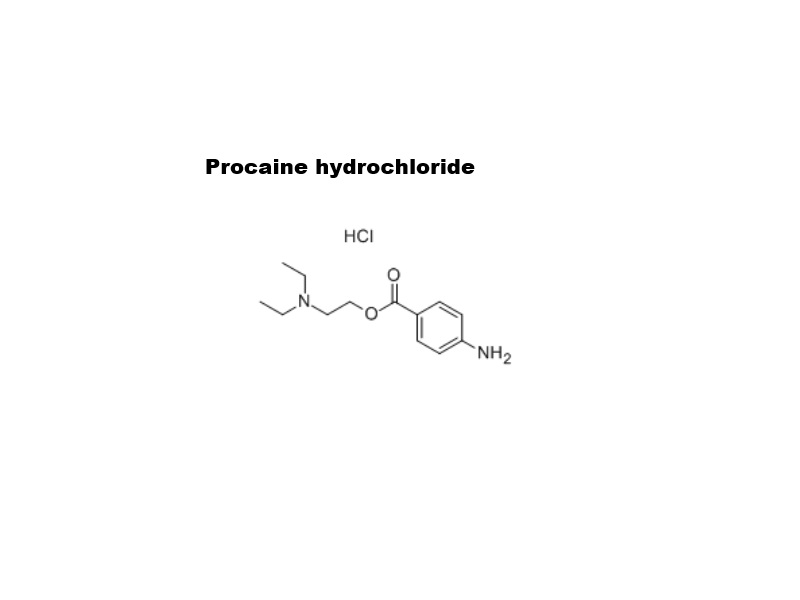
Procaine Hydrochloride CAS 51-05-8 is the water-soluble hydrochloride salt of procaine. It is the specific formulation used in clinical medicine, famously marketed under the brand name Novocain. While its use in mainstream practice has diminished, it remains a historically pivotal drug and is still employed in specific medical and therapeutic contexts.
Details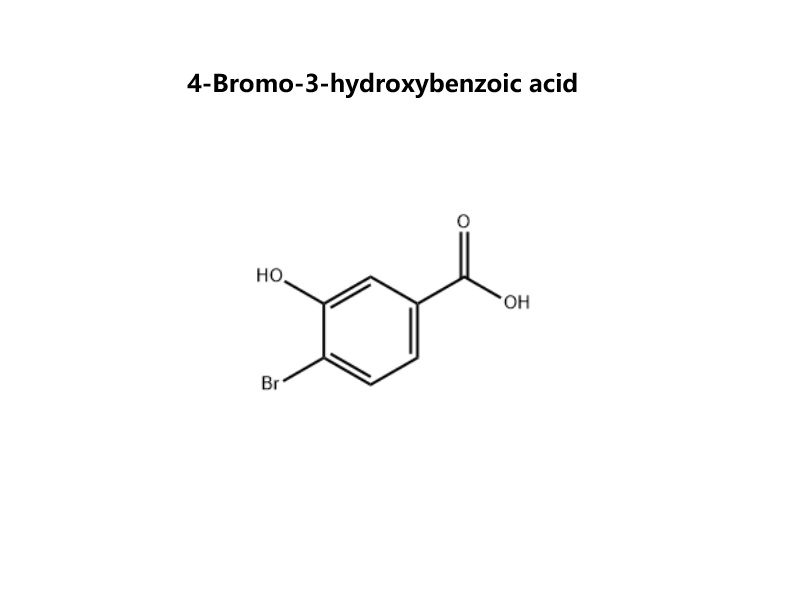
4-Bromo-3-hydroxybenzoic acid CAS 14348-38-0 is a premium, multifunctional aromatic building block engineered for complexity-driven synthesis. Its core value lies in the strategic placement of three distinct, orthogonally reactive functional groups on a benzene ring, making it an indispensable tool for convergent molecular construction in advanced research and development.
Details
Ethyl β-Oxo-1,3-benzodioxole-5-butanoate CAS 31127-23-8 is a β-ketoester derivative featuring a 1,3-benzodioxole (methylenedioxyphenyl) aromatic system. Structurally, it consists of a benzodioxole ring attached through a three-carbon chain to an ethyl β-ketoester functional group (-CO-CH₂-COOEt). This makes it a versatile bifunctional building block for organic synthesis, combining the electronic properties of the benzodioxole group with the high reactivity of a β-ketoester.
Details![4-Nitrophenyl 3-(Benzo[d][1,3]dioxol-5-yl)-2-methylpropanoate](https://www.qixiolivetol.com/storage/uploads/images/202604/17/1776427287_qZy87IjHSQ.jpg)
4-Nitrophenyl 3-(Benzo[d][1,3]dioxol-5-yl)-2-methylpropanoate is a chirally defined, pre-activated acylating agent that combines a metabolically stable benzo[1,3]dioxole (piperonyl) pharmacophore with the exceptional reactivity of a 4-nitrophenyl ester. It enables the efficient, racemization-free introduction of a complex, chiral acid moiety under mild conditions, making it invaluable for advanced synthetic and bioconjugation chemistry. 4-Nitrophenyl 3-(Benzo[d][1,3]dioxol-5-yl)-2-methylpropanoate is a specialty ester designed as a reactive biochemical or synthetic intermediate. Its structure strategically combines three key units: (1)A 3-(benzo[1,3]dioxol-5-yl)-2-methylpropanoic acid (piperonyl-substituted, chiral acid) moiety. (2)A 4-nitrophenyl ester leaving group. This design makes it an activated ester, where the 4-nitrophenol is an excellent leaving group, facilitating efficient acyl transfer reactions under mild conditions.
Details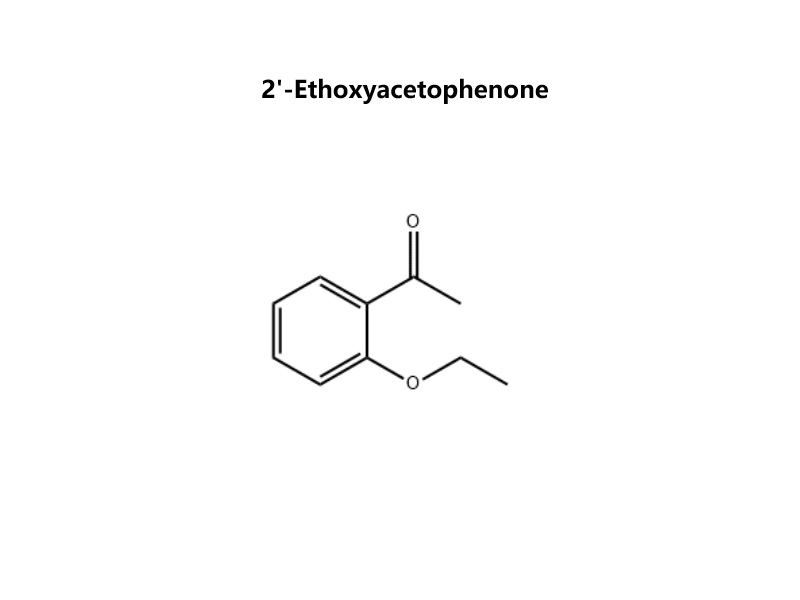
2'-Ethoxyacetophenone CAS 2142-67-8 is a specialized aromatic ketone characterized by an ethoxy substituent at the orthoposition relative to the acetyl group. This structural feature imparts distinct chemical and physical properties, making it a privileged building block for synthesizing complex molecules, particularly in the flavor/fragrance and pharmaceutical sectors.
Details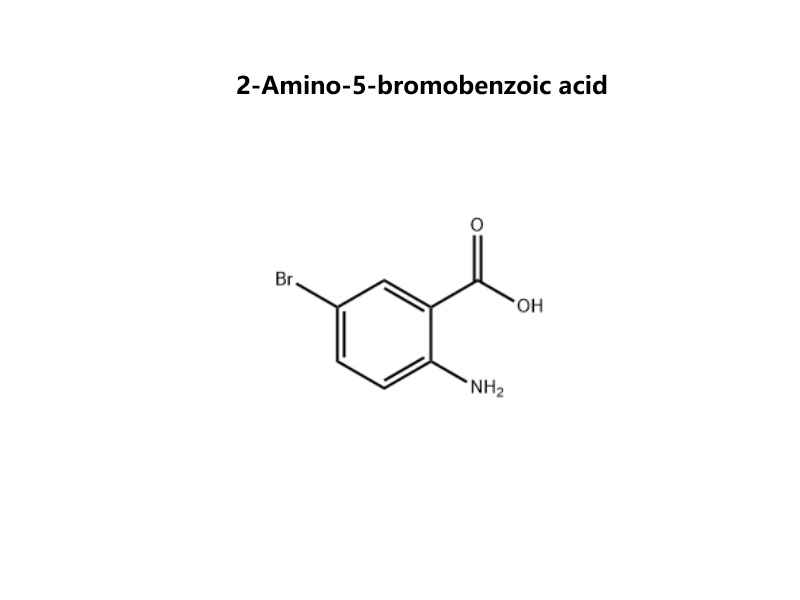
2-Amino-5-bromobenzoic acid CAS 5794-88-7 is a highly versatile aromatic building block that integrates three distinct functional groups—an amine, a carboxylic acid, and an aryl bromide—into a single, synthetically valuable scaffold. This multifunctionality makes it a crucial intermediate in pharmaceutical and advanced materials chemistry.
Details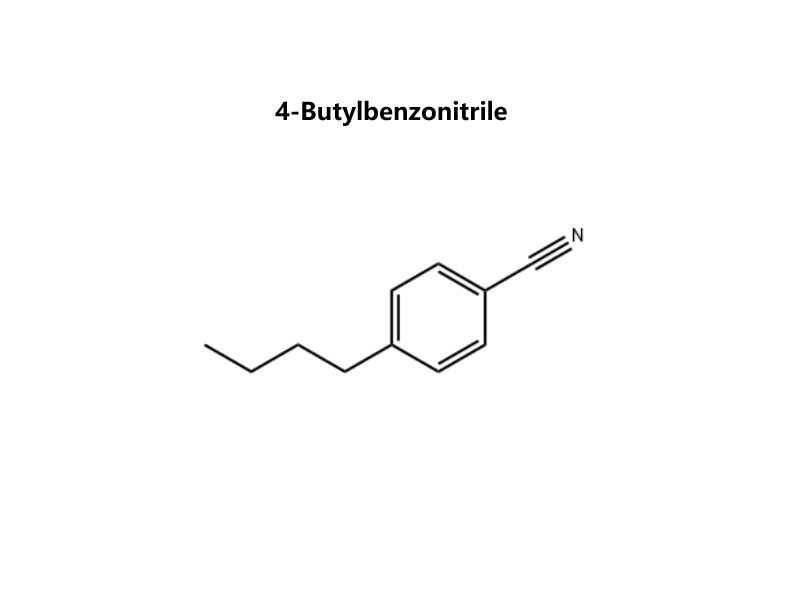
4-Butylbenzonitrile CAS 20651-73-4 is a strategically designed hydrophobic building block that combines a rigid aromatic core with a flexible linear alkyl chain and a highly versatile nitrile functional group. This triad of features makes it an exceptionally valuable intermediate for modulating physicochemical properties and enabling diverse synthetic pathways in advanced material and pharmaceutical and agrochemical research.
Details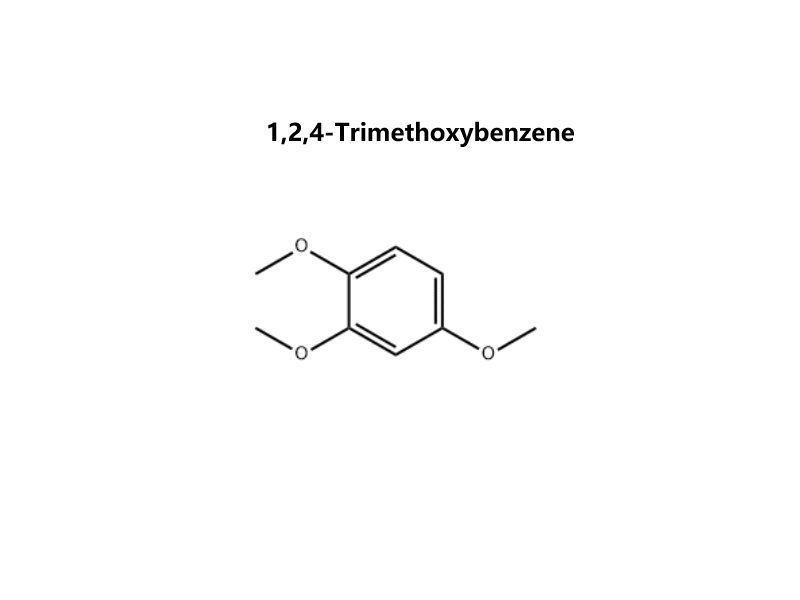
1,2,4-Trimethoxybenzene CAS 135-77-3 is a uniquely versatile, electron-rich aromatic building block. Its core value lies in its unsymmetrical yet highly predictable substitution pattern, which provides exceptional regiocontrol in synthetic chemistry. This makes it a privileged scaffold for constructing complex molecules in pharmaceuticals, agrochemicals, and advanced materials.
Details
 Contact Us
 1st Floor, No. 477, Huancheng West Road, Nanqiao Town, Fengxian District, Shanghai,China
 sales@qxscientific.com
 +86 -13701740203


 IPv6 Network Supported |
Sitemap |
XML |
Blog |
Privacy Policy
IPv6 Network Supported |
Sitemap |
XML |
Blog |
Privacy Policy
Leave A Message
Scan to Wechat/Whatsapp :



 English
 English
 Español
 Português