3,5-Dimethylanisole CAS 874-63-5 is a symmetrical, meta-substituted aromatic ether valued for its stable, sweet-floral odor in fragrances and its utility as a reactive intermediate in organic synthesis. Its combination of a strongly activating methoxy group and two activating methyl groups makes its aromatic ring highly receptive to electrophilic substitution. While safe to handle with standard precautions, users must verify its regulatory status for specific applications. It is a versatile and effective ingredient for both sensory and chemical applications.
Name :
3,5-DimethylanisoleCAS No. :
874-63-5MF :
C₉H₁₂OMW :
136.19Purity :
99%Appearance :
Colorless to pale yellow liquid.Storage Condition :
Store in a tightly sealed, light-resistant container in a cool, well-ventilated area away from heat, sparks, and open flames.Chemical Properties
IUPAC Name: 1-Methoxy-3,5-dimethylbenzene
Synonyms: 3,5-Dimethylanisole; 3,5-Dimethyl-1-methoxybenzene; m-Xylenol methyl ether
CAS Registry Number: 874-63-5
Molecular Formula: C₉H₁₂O
Molecular Weight: 136.19 g/mol
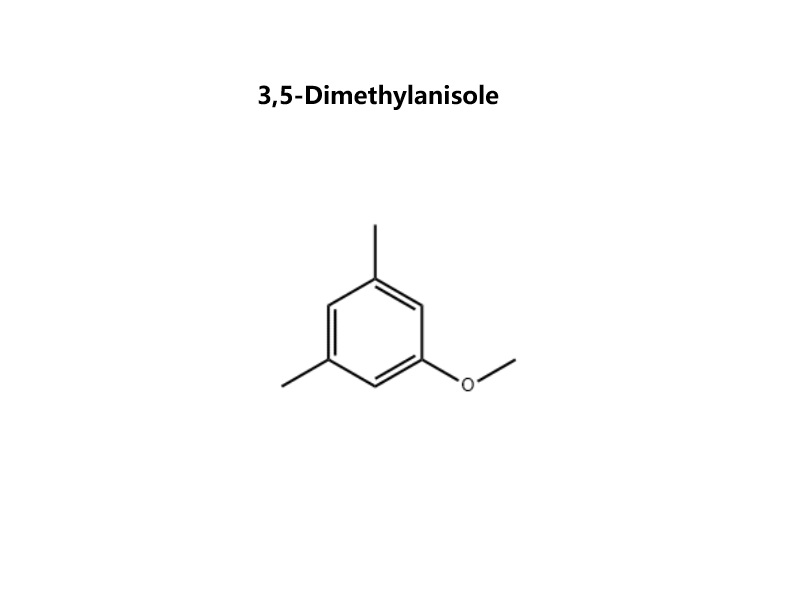
Chemical Structure: A benzene ring with a methoxy (–OCH₃) group at position 1 and two methyl (–CH₃) groups at the meta positions (3 and 5).
Appearance: Colorless to pale yellow liquid with a characteristic aromatic, slightly sweet odor.
Key Feature: A symmetrically substituted aromatic ether, combining the electron-donating properties of an alkoxy group with the steric effects of two meta-methyl groups.
Physical State: Liquid at room temperature.
Boiling Point: ~196-198 °C (at atmospheric pressure).
Melting Point: ~ -15 °C (estimated).
Density: ~0.96-0.98 g/mL at 20 °C.
Refractive Index: n²⁰/D ~1.505-1.510.
Solubility:
Miscible with common organic solvents (ethanol, diethyl ether, acetone, benzene).
Very low solubility in water.
Reactivity & Stability:
Electrophilic Aromatic Substitution: The methoxy group is strongly activating and ortho/para-directing, while the meta-methyl groups provide moderate activation. Reactions like nitration, halogenation, or Friedel-Crafts alkylation/acylation occur readily, primarily at the positions orthoto the methoxy group (positions 2 and 6).
Ether Cleavage: The methoxy group can be cleaved under harsh conditions (e.g., with HI or BBr₃) to yield the corresponding phenol (3,5-dimethylphenol).
Oxidation: The methyl groups can be oxidized to carboxylic acids under strong conditions.
Stability: Stable under normal storage conditions. Combustible liquid. Incompatible with strong oxidizing agents.
Biological Activities
Primary Role: Primarily valued as a fragrance and flavor ingredient and a chemical intermediate, with no significant direct therapeutic use.
Sensory Properties: Contributes sweet, floral, anisic, and slightly woody odor notes. Used in perfumery for its tenacity and modifying effects.
Toxicology: Generally regarded as low in acute toxicity based on similar alkyl anisoles. May cause skin and eye irritation upon direct contact. Expected to have low environmental persistence and bioaccumulation potential.
Metabolism: In biological systems, it would likely undergo O-demethylation (yielding 3,5-dimethylphenol) and oxidation of methyl groups, followed by conjugation and excretion.
Biosynthesis
Natural Occurrence: Can occur as a minor component in some essential oils or as a microbial metabolite, but not a major natural product.
Industrial Synthesis: Produced predominantly via chemical synthesis. Common routes include:
1.Williamson Ether Synthesis: Reaction of 3,5-dimethylphenol with methyl halide (e.g., methyl iodide) in the presence of a base (e.g., K₂CO₃).
2.Methylation: Using dimethyl sulfate or methanol with an acid catalyst on 3,5-dimethylphenol.
Applications




Key Advantages & Benefits
1.Optimal Balance of Stability & Reactivity: The symmetrical 1,3,5-substitution pattern creates a uniquely balanced molecule. The strongly activating methoxy (–OCH₃) group provides high reactivity for electrophilic substitution, while the two meta-methyl groups offer steric protection and electronic stabilization, resulting in a compound that is reactive where desired yet stable against oxidation and polymerization.
2.Superior Olfactory Performance: It delivers a clean, sweet, floral-anisic odor with excellent tenacity. Its symmetrical structure and lack of reactive side chains contribute to exceptional stability in alkaline media (e.g., soaps, detergents) and under various storage conditions, making it a reliable fragrance ingredient for challenging applications.
3.Predictable and Selective Chemistry: In synthesis, the symmetrical ring and clear directing effects lead to predictable reaction outcomes, primarily at the unsubstituted positions orthoto the methoxy group (positions 2 and 6). This minimizes byproduct formation and simplifies purification—a significant advantage over non-symmetrical isomers.
4.Dual-Identity as a Building Block: It serves as both a direct fragrance molecule and a protected form of 3,5-dimethylphenol. The methoxy group can act as a versatile handle, either left intact for its properties or cleanly cleaved (e.g., with BBr₃) to reveal a phenolic hydroxyl group for further chemistry.
🎯 Specific Application Scenarios
For a Senior Perfumer: Creating a long-lasting, stable floral bouquet for a luxury fabric softener. Incorporating 3,5-Dimethylanisole at 2-3% provides a foundational sweet-floral note that resists degradation in the alkaline, high-heat laundry environment, maintaining scent integrity from bottle to dry cloth, where less stable esters might hydrolyze.
For a Medicinal Chemist: Needing to introduce a substituted aromatic ring into a new drug candidate. Using this compound as a starting material, they perform a regioselective Friedel-Crafts acylation to install an acetyl group at the 2-position. The reaction proceeds cleanly thanks to the symmetry, yielding a single major isomer of the ketone intermediate for subsequent steps toward a target kinase inhibitor.
For a Flavorist Enhancing a Berry Profile: Building a more complex, jammy berry flavor for a beverage. Adding a trace amount (10-50 ppm) of 3,5-Dimethylanisole imparts a subtle, sweet, wine-like nuance that rounds out artificial top notes and adds a natural-tasting depth to the overall profile.
3,5-Dimethylanisole is the industrially optimized isomer in the dimethylanisole family. It successfully bridges the gap between the excessive reactivity of anisole and the extreme steric hindrance of the 2,6-isomer. Its symmetry delivers chemical predictability and clean odor, while its substitution pattern provides exceptional stability. For chemists and perfumers seeking a reliable, multi-purpose aromatic building block that performs consistently under diverse conditions, 3,5-Dimethylanisole represents the strategically superior and most dependable choice. It is the epitome of functional elegance in molecular design.
FAQs
Q1: What is the primary use of 3,5-Dimethylanisole?
A: Its primary use is as a fragrance ingredient and a chemical intermediate. In perfumery, it acts as a modifier with sweet, anisic, and floral notes. In synthesis, it's a versatile starting material due to its activated aromatic ring.
Q2: What does it smell like, and at what concentration is it used?
A: It has a sweet, floral, slightly anisic (licorice-like), and woody odor. In fragrance compositions, it is typically used at low concentrations, often 0.1% to 5%, depending on the desired effect.
Q3: What purity grades are available?
A: We supply:
F&F Grade (Fragrance & Flavor): ≥98% purity (by GC), with organoleptic certification for odor quality and stability.
Technical Grade: ≥95% purity, suitable for synthesis applications.
All batches include a Certificate of Analysis (CoA).
Q4: How should it be stored?
A: Store in a tightly sealed, light-resistant container in a cool, well-ventilated area away from heat, sparks, and open flames. Under these conditions, it has a shelf life of at least 2 years. Refrigeration is recommended for long-term storage to maintain optimal odor quality (F&F grade).
Q5: Is it approved for use in cosmetics and flavors?
A: It is not listed on the IFRA Standards' prohibited or restricted list for fragrances and is generally considered safe for use when conforming to good manufacturing practices. For flavors, its status should be verified against local regulations (e.g., FEMA GRAS, EU Flavoring Regulation). Final compliance is the responsibility of the end-user.
Q6: What safety precautions are necessary?
A: It is a combustible liquid and may cause skin, eye, and respiratory irritation. Use with adequate ventilation and wear appropriate PPE (gloves, safety glasses). Avoid contact with strong oxidizers. Refer to the Safety Data Sheet (SDS) for complete details.
Q7: Can you produce custom derivatives or isomers?
A: Yes. We offer custom synthesis services for:
Other alkyl anisoles (e.g., 2,6-dimethylanisole).
Functionalized derivatives (e.g., aldehydes, carboxylic acids synthesized from it).
Scale-up production to commercial quantities.
Q8: What is the lead time and minimum order quantity (MOQ)?
A:
Samples (50g, 100g): Usually available from stock or within 1-2 weeks.
Bulk Orders (1kg+): Lead time of 3-4 weeks.
MOQ: 1 kg for Technical Grade, 100 g for F&F Grade.
Q9: How does it compare to anisole or other methylanisoles?
A: Compared to anisole, it is less volatile and has a sweeter, more complex odor due to the two methyl groups. Compared to 2,6-dimethylanisole, it is less sterically hindered around the methoxy group, making its aromatic ring more reactive in electrophilic substitutions. Its symmetry (3,5-substitution) often leads to simpler product mixtures in synthesis compared to unsymmetrical isomers.
Q10: Is it readily biodegradable?
A: Based on its structure, it is expected to be readily biodegradable under standard environmental conditions. However, specific test data should be consulted for definitive classification in regulatory submissions.
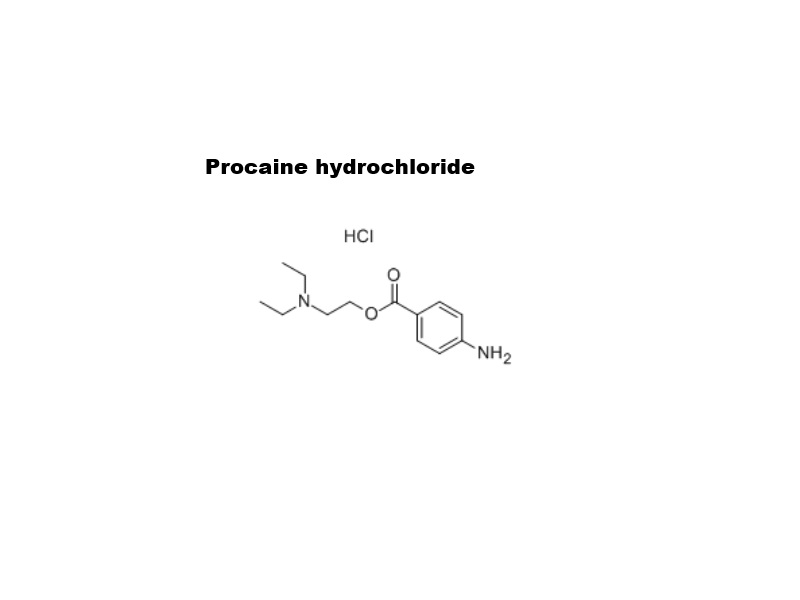
Procaine Hydrochloride CAS 51-05-8 is the water-soluble hydrochloride salt of procaine. It is the specific formulation used in clinical medicine, famously marketed under the brand name Novocain. While its use in mainstream practice has diminished, it remains a historically pivotal drug and is still employed in specific medical and therapeutic contexts.
Details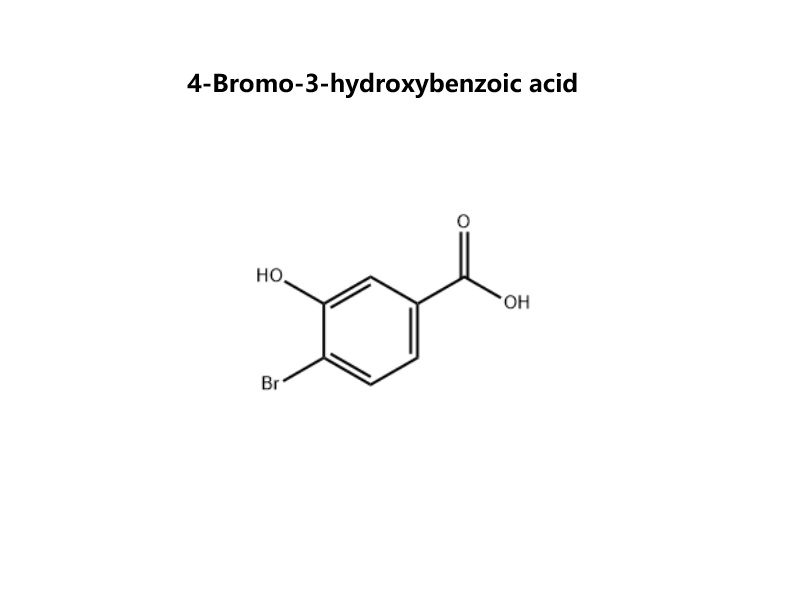
4-Bromo-3-hydroxybenzoic acid CAS 14348-38-0 is a premium, multifunctional aromatic building block engineered for complexity-driven synthesis. Its core value lies in the strategic placement of three distinct, orthogonally reactive functional groups on a benzene ring, making it an indispensable tool for convergent molecular construction in advanced research and development.
Details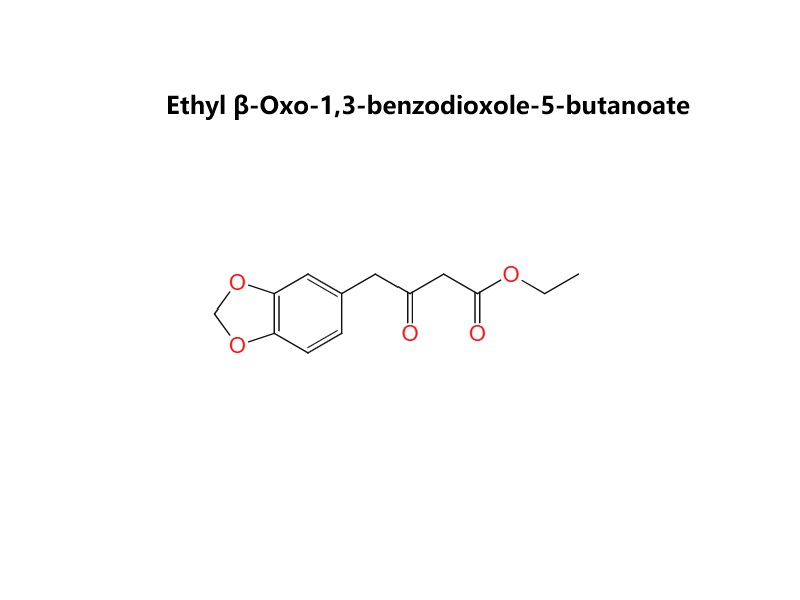
Ethyl β-Oxo-1,3-benzodioxole-5-butanoate CAS 31127-23-8 is a β-ketoester derivative featuring a 1,3-benzodioxole (methylenedioxyphenyl) aromatic system. Structurally, it consists of a benzodioxole ring attached through a three-carbon chain to an ethyl β-ketoester functional group (-CO-CH₂-COOEt). This makes it a versatile bifunctional building block for organic synthesis, combining the electronic properties of the benzodioxole group with the high reactivity of a β-ketoester.
Details![4-Nitrophenyl 3-(Benzo[d][1,3]dioxol-5-yl)-2-methylpropanoate](https://www.qixiolivetol.com/storage/uploads/images/202604/17/1776427287_qZy87IjHSQ.jpg)
4-Nitrophenyl 3-(Benzo[d][1,3]dioxol-5-yl)-2-methylpropanoate is a chirally defined, pre-activated acylating agent that combines a metabolically stable benzo[1,3]dioxole (piperonyl) pharmacophore with the exceptional reactivity of a 4-nitrophenyl ester. It enables the efficient, racemization-free introduction of a complex, chiral acid moiety under mild conditions, making it invaluable for advanced synthetic and bioconjugation chemistry. 4-Nitrophenyl 3-(Benzo[d][1,3]dioxol-5-yl)-2-methylpropanoate is a specialty ester designed as a reactive biochemical or synthetic intermediate. Its structure strategically combines three key units: (1)A 3-(benzo[1,3]dioxol-5-yl)-2-methylpropanoic acid (piperonyl-substituted, chiral acid) moiety. (2)A 4-nitrophenyl ester leaving group. This design makes it an activated ester, where the 4-nitrophenol is an excellent leaving group, facilitating efficient acyl transfer reactions under mild conditions.
Details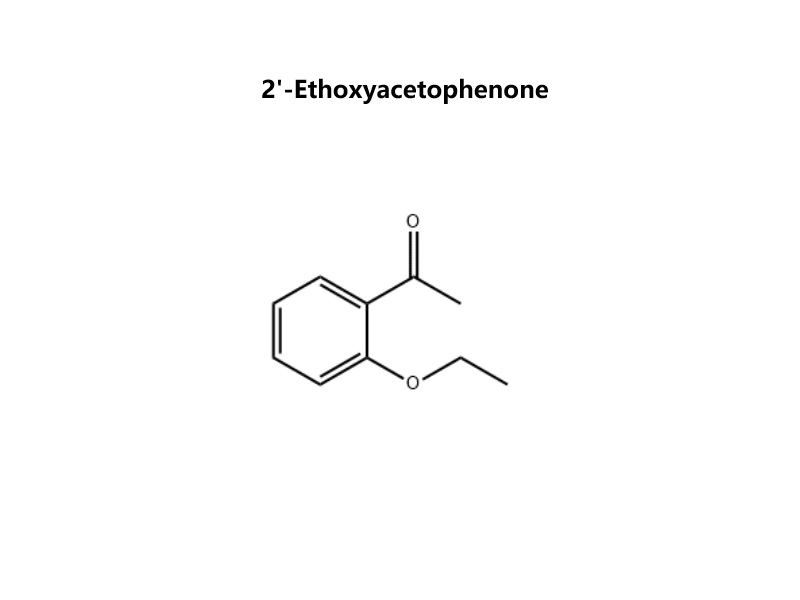
2'-Ethoxyacetophenone CAS 2142-67-8 is a specialized aromatic ketone characterized by an ethoxy substituent at the orthoposition relative to the acetyl group. This structural feature imparts distinct chemical and physical properties, making it a privileged building block for synthesizing complex molecules, particularly in the flavor/fragrance and pharmaceutical sectors.
Details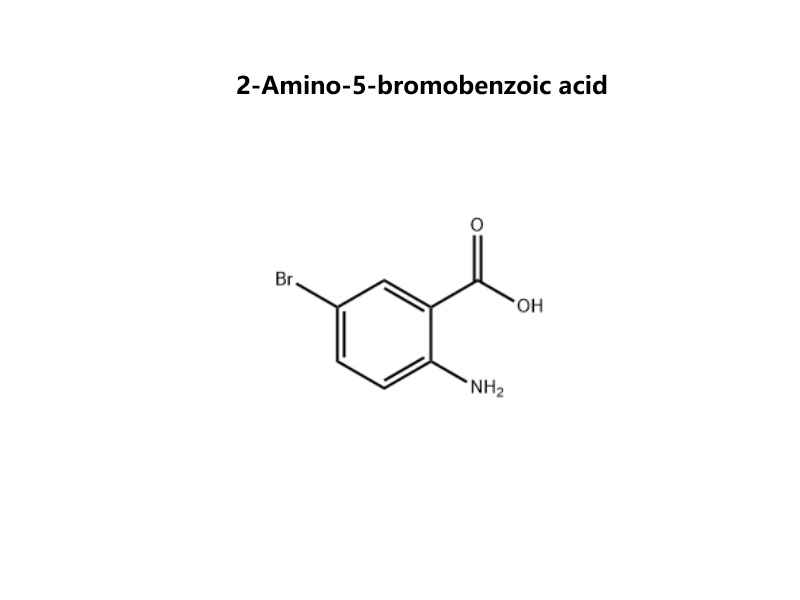
2-Amino-5-bromobenzoic acid CAS 5794-88-7 is a highly versatile aromatic building block that integrates three distinct functional groups—an amine, a carboxylic acid, and an aryl bromide—into a single, synthetically valuable scaffold. This multifunctionality makes it a crucial intermediate in pharmaceutical and advanced materials chemistry.
Details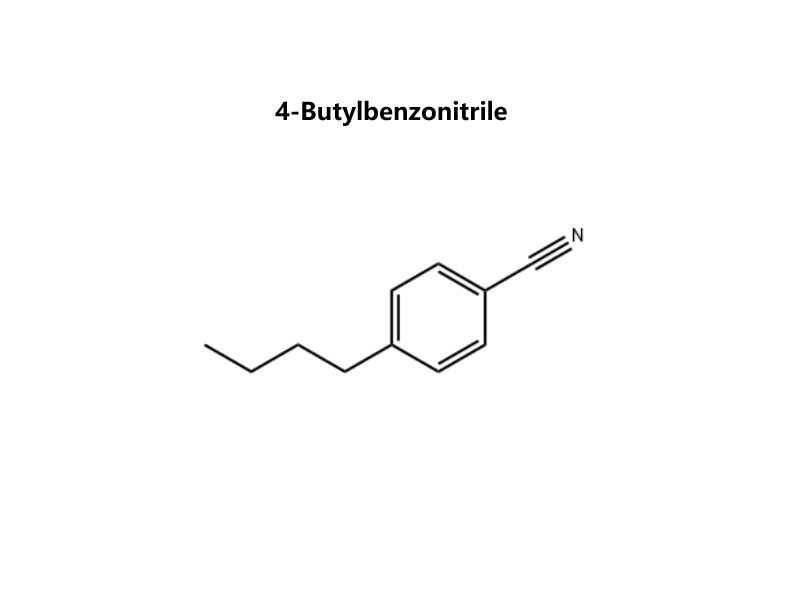
4-Butylbenzonitrile CAS 20651-73-4 is a strategically designed hydrophobic building block that combines a rigid aromatic core with a flexible linear alkyl chain and a highly versatile nitrile functional group. This triad of features makes it an exceptionally valuable intermediate for modulating physicochemical properties and enabling diverse synthetic pathways in advanced material and pharmaceutical and agrochemical research.
Details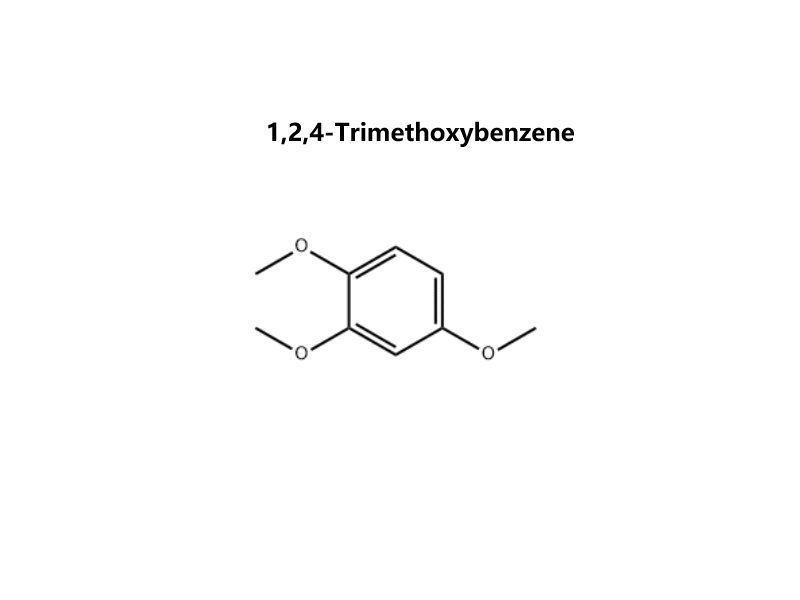
1,2,4-Trimethoxybenzene CAS 135-77-3 is a uniquely versatile, electron-rich aromatic building block. Its core value lies in its unsymmetrical yet highly predictable substitution pattern, which provides exceptional regiocontrol in synthetic chemistry. This makes it a privileged scaffold for constructing complex molecules in pharmaceuticals, agrochemicals, and advanced materials.
Details
 Contact Us
 1st Floor, No. 477, Huancheng West Road, Nanqiao Town, Fengxian District, Shanghai,China
 sales@qxscientific.com
 +86 -13701740203


 IPv6 Network Supported |
Sitemap |
XML |
Blog |
Privacy Policy
IPv6 Network Supported |
Sitemap |
XML |
Blog |
Privacy Policy
Leave A Message
Scan to Wechat/Whatsapp :



 English
 English
 Español
 Português