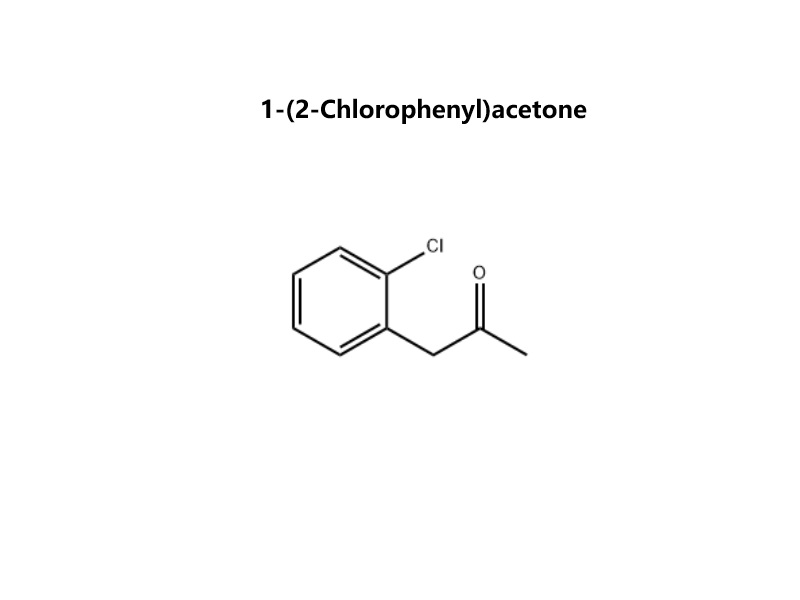
1-(2-Chlorophenyl)acetone (CAS 6305-95-9) is a specialized chlorinated aromatic ketone serving as a valuable intermediate in regulated chemical synthesis. Its utility lies in the orthogonal reactivity of its ketone and aromatic chloro groups, enabling the construction of complex molecules for legitimate research in pharmaceuticals and agrochemicals. Due to its status as a regulated precursor, all transactions require strict legal compliance and documentation. When handled with appropriate safety and regulatory diligence, it is a powerful tool for advanced synthetic chemistry.
Name :
1-(2-Chlorophenyl)acetoneCAS No. :
6305-95-9MF :
C₉H₉ClOMW :
168.62Purity :
95%Appearance :
Colorless to pale yellow liquid.Storage Condition :
Store in a tightly sealed container under an inert atmosphere (nitrogen/argon) at 2-8°C, protected from light and moisture.Chemical Properties
IUPAC Name: 1-(2-Chlorophenyl)propan-2-one
Synonyms: 2-Chlorophenylacetone; 1-(o-Chlorophenyl)-2-propanone
CAS Registry Number: 6305-95-9
Molecular Formula: C₉H₉ClO
Molecular Weight: 168.62 g/mol
Chemical Structure: A phenylacetone derivative consisting of a benzene ring with a chlorine atom at the ortho position and an acetone moiety (CH₃COCH₂-) attached to the ring.
Appearance: Colorless to pale yellow liquid.
Key Feature: A chlorinated aromatic ketone combining a reactive methyl ketone group with an electron-deficient (deactivated) aromatic ring due to the ortho-chloro substituent.
Physical State: Liquid at room temperature.
Boiling Point: ~240-245 °C (at atmospheric pressure, estimated).
Density: ~1.15-1.18 g/mL at 20 °C (estimated).
Refractive Index: n²⁰/D ~1.530-1.540 (estimated).
Solubility:
Soluble in common organic solvents (ethanol, diethyl ether, acetone, chloroform, benzene).
Very low solubility in water.
Reactivity & Stability:
Ketone Reactivity: Can undergo typical reactions such as reduction to secondary alcohols, formation of imines (oximes, hydrazones), and α-alkylation via enolates.
Aromatic Ring Reactivity: The chlorine atom is moderately deactivating but can participate in nucleophilic aromatic substitution under forcing conditions or in metal-catalyzed cross-couplings (e.g., Suzuki, Stille).
Stability: Stable under normal storage but may be sensitive to strong oxidizers, bases, and reducing agents. Should be protected from prolonged exposure to light.
Biological Activities
Primary Role: Primarily used as a synthetic intermediate with no significant direct therapeutic use. It is a precursor in the synthesis of more complex bioactive molecules.
Potential Activity: The structure suggests it could serve as a building block for pharmaceuticals, including:
Amphetamine analogs (though strictly regulated due to potential misuse).
Agrochemicals such as herbicides or fungicides.
Ligands for pharmaceutical or chemical applications.
Toxicity: Likely irritant to skin, eyes, and mucous membranes. Specific toxicity data may be limited; handle with standard laboratory precautions.
Biosynthesis
Natural Occurrence: Not known as a natural product.
Industrial Synthesis: Produced exclusively via chemical synthesis. Common routes include:
1.Friedel-Crafts Acylation: Reaction of chlorobenzene with chloroacetyl chloride in the presence of a Lewis acid catalyst (e.g., AlCl₃), followed by reduction or hydrolysis steps.
2.Alpha-Halogenation & Alkylation: Starting from phenylacetone, direct chlorination at the ortho position is challenging due to selectivity issues; thus, stepwise synthesis from pre-chlorinated precursors is preferred.
3.Multi-step sequences from 2-chlorobenzaldehyde or 2-chlorobenzoic acid derivatives.
Applications



Key Advantages & Benefits
1.Dual-Functionality for Convergent Synthesis: This molecule integrates two highly useful functional groups in one scaffold: a reactive methyl ketone for condensation, reduction, or nucleophilic addition, and an aromatic chloride for metal-catalyzed cross-coupling or nucleophilic substitution. This enables streamlined, multi-directional synthetic routes from a single starting material.
2.Strategic ortho-Substitution Effect: The chlorine atom in the ortho position exerts significant steric and electronic influence. This can be used to direct regioselectivity in subsequent reactions on the ring, stabilize certain reaction intermediates, or induce conformational constraints in the final target molecule—features not available with para- or meta-substituted analogs.
3.Regulated-Precursor Status for Secure Sourcing: Its classification as a controlled precursor necessitates strict sales compliance (e.g., DEA regulations in the USA). This ensures it is supplied exclusively to verified, legitimate research entities, providing a layer of security and quality control often absent from general chemical suppliers.
4.Proven Stability and Handling Profile: When stored correctly (under inert atmosphere, refrigerated), it offers a long shelf-life and reliable performance in synthetic sequences, reducing waste and ensuring reproducible results in multi-step research projects.
🎯 Specific Application Scenarios
For a Medicinal Chemist: Developing a novel dopamine receptor ligand library. Using 1-(2-Chlorophenyl)acetone, the chemist first performs a reductive amination on the ketone to introduce a diverse set of amine tails, creating a primary scaffold. Subsequently, they use the chloro group for a Suzuki coupling with a pyrazole boronic ester, rapidly generating a focused array of novel, constrained heterobiaryl compounds for biological screening—all in minimal steps from one core.
For an Agrochemical Researcher: Designing a new class of fungicides with a chlorinated diphenyl ether core. This compound serves as the perfect bridging unit. The ketone can be converted to an oxime ether functionality, known for agrochemical activity. Simultaneously, the chloro group undergoes a nucleophilic aromatic substitution with a phenol, efficiently constructing the crucial ether linkage in the target molecule.
For a Methodology Chemist: Studying the steric effects of ortho-substituents on enolate chemistry. The researcher uses this compound as a model substrate to investigate the selectivity of alkylation reactions at the alpha-position of the ketone, comparing results with the meta- and para-chloro isomers to quantify the unique directing influence of the ortho-chlorine.
1-(2-Chlorophenyl)acetone is a strategically superior, albeit regulated, synthetic intermediate. Its unique value lies in the synergistic combination of a flexible ketone and a sterically influential ortho-chloro substituent. While its regulated status necessitates compliance, this also ensures a secure supply chain for qualified researchers. For chemists designing next-generation pharmaceuticals or agrochemicals where three-dimensional shape is critical, it offers a direct and efficient route to constrained, functionalized architectures that simpler, non-ortho-substituted analogs cannot provide. It is a powerful tool for convergent synthesis in legitimate, advanced research settings.
FAQs
Q1: What is the main application of this compound?
A: Its primary application is as a specialized synthetic intermediate in organic and medicinal chemistry research, particularly for the preparation of chlorinated aromatic target molecules in pharmaceutical and agrochemical development.
Q2: What purity grades are available?
A: We supply:
Research Grade: ≥95% purity (by GC or HPLC).
High Purity Grade: ≥98% purity (with GC-MS and NMR verification).
Each batch includes a Certificate of Analysis (CoA).
Q3: How should this compound be stored?
A: Store in a tightly sealed container under an inert atmosphere (nitrogen/argon) at 2-8°C, protected from light and moisture. Under these conditions, it is typically stable for over 12 months.
Q4: Is this compound regulated or controlled?
A: Yes, it is regulated in many jurisdictions. Due to its potential use as a precursor in the synthesis of controlled substances (e.g., certain amphetamine analogs), it may be subject to strict legal controls. Customers are responsible for understanding and complying with all applicable local, national, and international laws (e.g., DEA regulations in the USA, Precursor Control Regulations in the EU) before purchase and use.
Q5: What safety precautions are necessary for handling?
A: It is likely irritating and potentially harmful if inhaled or absorbed through the skin. Always use in a well-ventilated fume hood, and wear appropriate PPE (nitrile gloves, chemical splash goggles, lab coat). Avoid contact with strong oxidizers, bases, and reducing agents. Refer to the Safety Data Sheet (SDS) for complete details.
Q6: Can it be used in common reactions like Grignard additions or reductions?
A: Yes. The ketone group is amenable to Grignard reactions (to form tertiary alcohols) and standard reductions (e.g., with NaBH₄ to the secondary alcohol). The ortho-chloro substituent may influence reactivity and selectivity.
Q7: Do you offer custom synthesis or larger-scale quantities?
A: Yes, but under strict compliance protocols. We can provide:
Scale-up synthesis from gram to kilogram scale.
Custom analogs (e.g., different halogen or ring substitutions).
All such orders require complete legal and end-use documentation.
Q8: What is the lead time and minimum order quantity (MOQ)?
A:
Research Samples (1g, 5g): Typically shipped within 2-3 weeks after compliance verification.
Bulk Quantities: Lead time of 4-6 weeks.
MOQ: 1g for Research Grade.
Q9: How do you ensure regulatory compliance for shipping?
A: We conduct thorough customer verification and require all necessary import/export permits and end-use declarations before processing any order. Shipping is coordinated with certified carriers in full compliance with transportation regulations.
Q10: Can the chlorine atom be used for further functionalization?
A: Yes, but it is relatively inert under mild conditions. It can participate in palladium-catalyzed cross-coupling reactions (e.g., Suzuki coupling) or be transformed via nucleophilic aromatic substitution under appropriate conditions (high temperature, strong nucleophiles).
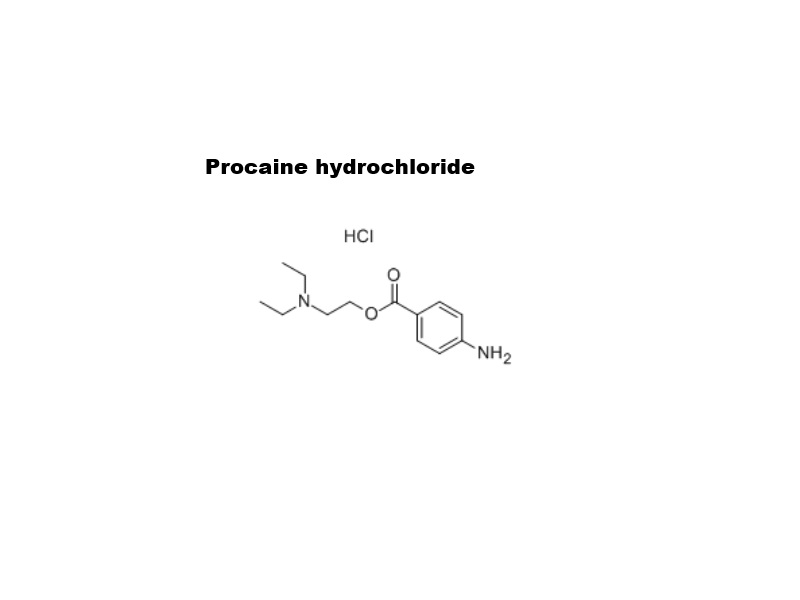
Procaine Hydrochloride CAS 51-05-8 is the water-soluble hydrochloride salt of procaine. It is the specific formulation used in clinical medicine, famously marketed under the brand name Novocain. While its use in mainstream practice has diminished, it remains a historically pivotal drug and is still employed in specific medical and therapeutic contexts.
Details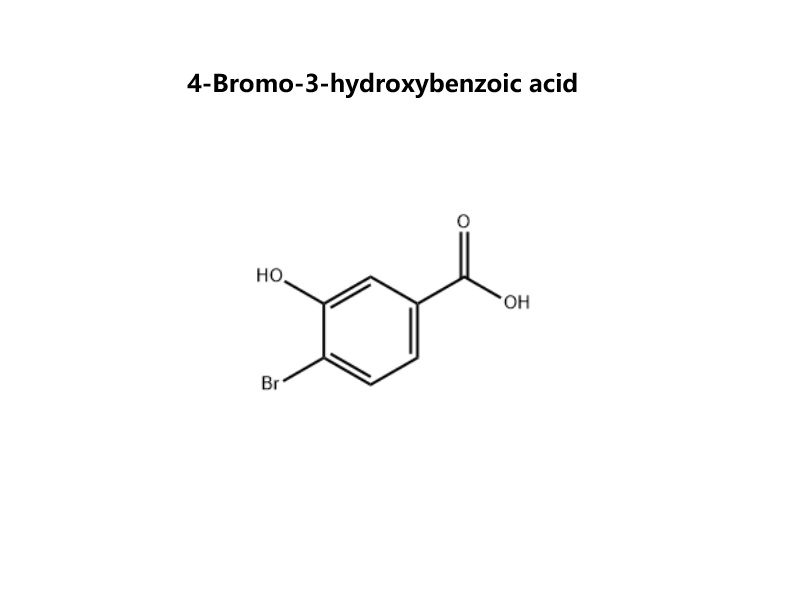
4-Bromo-3-hydroxybenzoic acid CAS 14348-38-0 is a premium, multifunctional aromatic building block engineered for complexity-driven synthesis. Its core value lies in the strategic placement of three distinct, orthogonally reactive functional groups on a benzene ring, making it an indispensable tool for convergent molecular construction in advanced research and development.
Details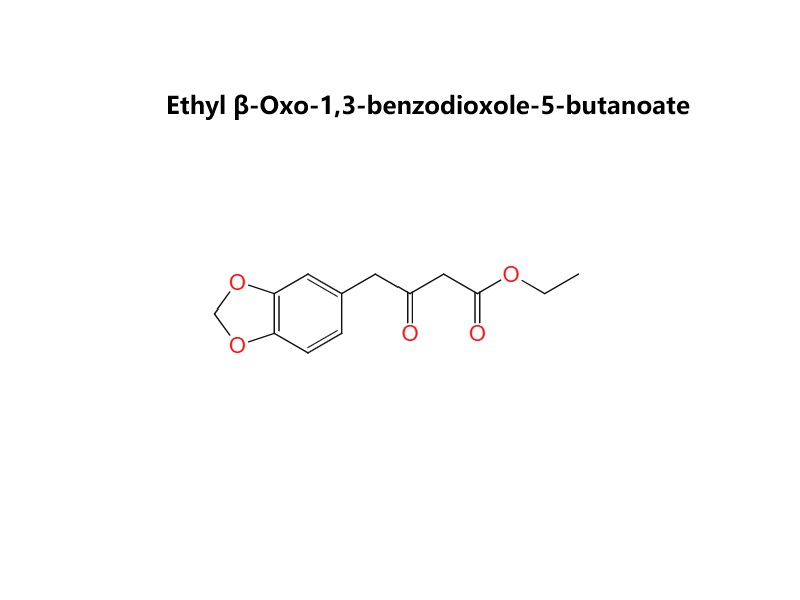
Ethyl β-Oxo-1,3-benzodioxole-5-butanoate CAS 31127-23-8 is a β-ketoester derivative featuring a 1,3-benzodioxole (methylenedioxyphenyl) aromatic system. Structurally, it consists of a benzodioxole ring attached through a three-carbon chain to an ethyl β-ketoester functional group (-CO-CH₂-COOEt). This makes it a versatile bifunctional building block for organic synthesis, combining the electronic properties of the benzodioxole group with the high reactivity of a β-ketoester.
Details![4-Nitrophenyl 3-(Benzo[d][1,3]dioxol-5-yl)-2-methylpropanoate](https://www.qixiolivetol.com/storage/uploads/images/202604/17/1776427287_qZy87IjHSQ.jpg)
4-Nitrophenyl 3-(Benzo[d][1,3]dioxol-5-yl)-2-methylpropanoate is a chirally defined, pre-activated acylating agent that combines a metabolically stable benzo[1,3]dioxole (piperonyl) pharmacophore with the exceptional reactivity of a 4-nitrophenyl ester. It enables the efficient, racemization-free introduction of a complex, chiral acid moiety under mild conditions, making it invaluable for advanced synthetic and bioconjugation chemistry. 4-Nitrophenyl 3-(Benzo[d][1,3]dioxol-5-yl)-2-methylpropanoate is a specialty ester designed as a reactive biochemical or synthetic intermediate. Its structure strategically combines three key units: (1)A 3-(benzo[1,3]dioxol-5-yl)-2-methylpropanoic acid (piperonyl-substituted, chiral acid) moiety. (2)A 4-nitrophenyl ester leaving group. This design makes it an activated ester, where the 4-nitrophenol is an excellent leaving group, facilitating efficient acyl transfer reactions under mild conditions.
Details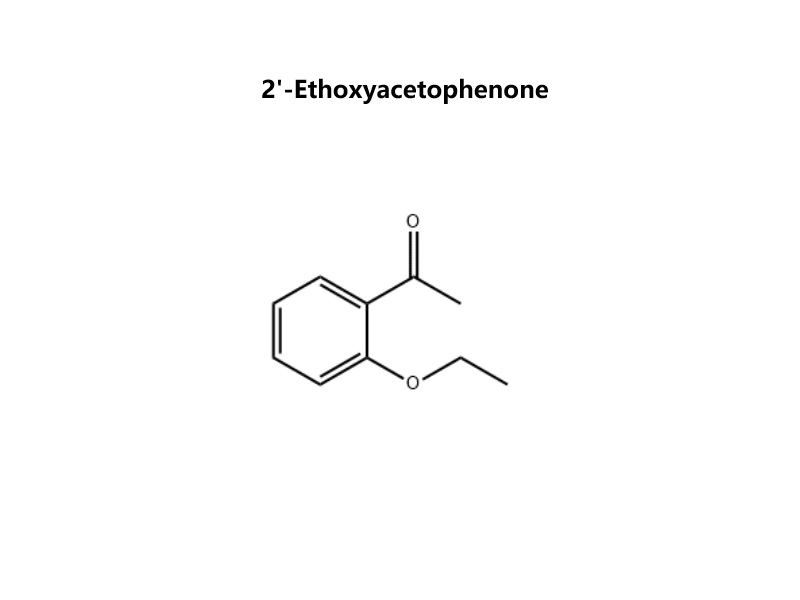
2'-Ethoxyacetophenone CAS 2142-67-8 is a specialized aromatic ketone characterized by an ethoxy substituent at the orthoposition relative to the acetyl group. This structural feature imparts distinct chemical and physical properties, making it a privileged building block for synthesizing complex molecules, particularly in the flavor/fragrance and pharmaceutical sectors.
Details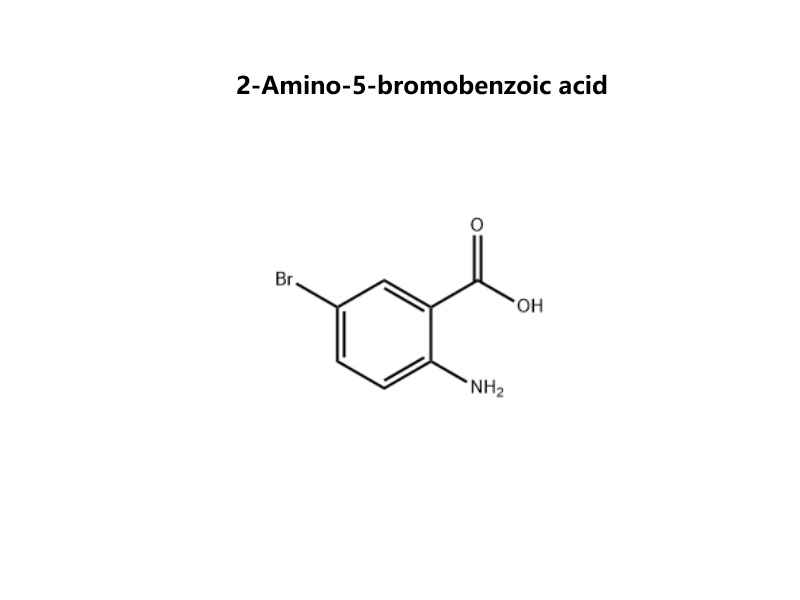
2-Amino-5-bromobenzoic acid CAS 5794-88-7 is a highly versatile aromatic building block that integrates three distinct functional groups—an amine, a carboxylic acid, and an aryl bromide—into a single, synthetically valuable scaffold. This multifunctionality makes it a crucial intermediate in pharmaceutical and advanced materials chemistry.
Details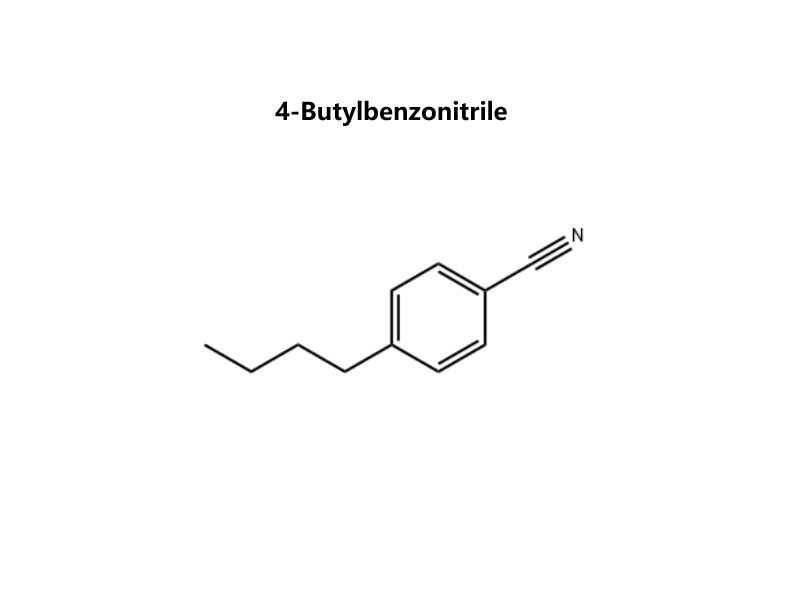
4-Butylbenzonitrile CAS 20651-73-4 is a strategically designed hydrophobic building block that combines a rigid aromatic core with a flexible linear alkyl chain and a highly versatile nitrile functional group. This triad of features makes it an exceptionally valuable intermediate for modulating physicochemical properties and enabling diverse synthetic pathways in advanced material and pharmaceutical and agrochemical research.
Details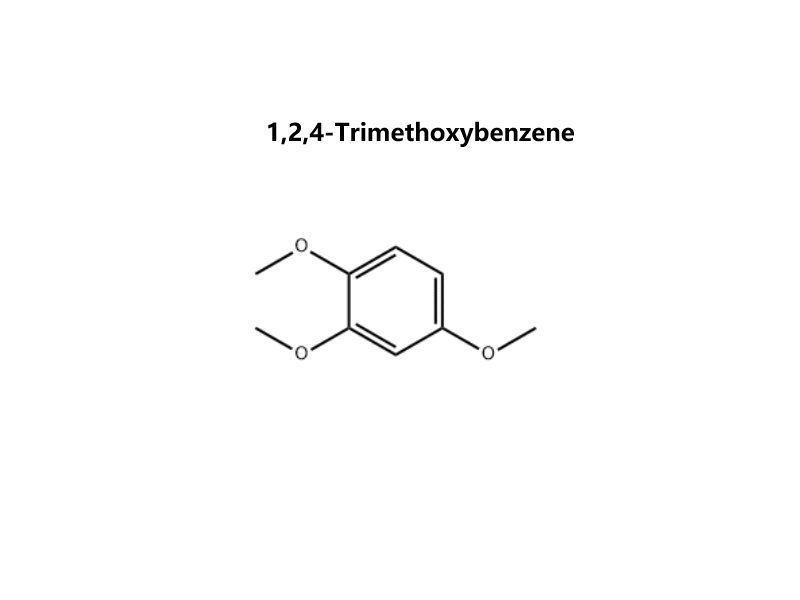
1,2,4-Trimethoxybenzene CAS 135-77-3 is a uniquely versatile, electron-rich aromatic building block. Its core value lies in its unsymmetrical yet highly predictable substitution pattern, which provides exceptional regiocontrol in synthetic chemistry. This makes it a privileged scaffold for constructing complex molecules in pharmaceuticals, agrochemicals, and advanced materials.
Details
 Contact Us
 1st Floor, No. 477, Huancheng West Road, Nanqiao Town, Fengxian District, Shanghai,China
 sales@qxscientific.com
 +86 -13701740203


 IPv6 Network Supported |
Sitemap |
XML |
Blog |
Privacy Policy
IPv6 Network Supported |
Sitemap |
XML |
Blog |
Privacy Policy
Leave A Message
Scan to Wechat/Whatsapp :



 English
 English
 Español
 Português