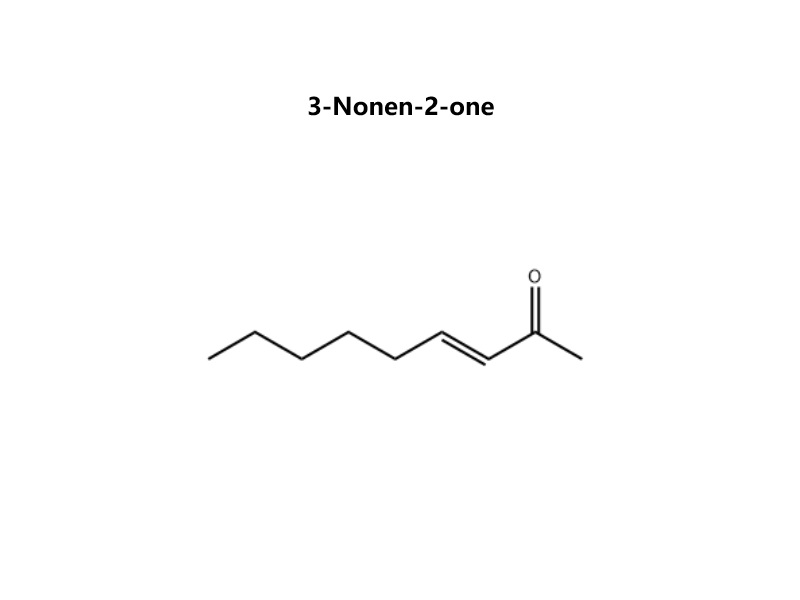

3-Nonen-2-one CAS 18402-83-0 is a potent, unsaturated flavor and fragrance ketone essential for creating fresh, green, and cucumber-like notes. Its high potency and unique sensory profile make it invaluable for achieving naturalness in flavors and modernity in fragrances. Proper storage under inert, cold conditions is critical to maintaining its stability and odor quality. When used at the recommended low levels, it is a safe and effective ingredient compliant with major flavor and fragrance regulations.
Name :
3-Nonen-2-oneCAS No. :
18402-83-0MF :
C₉H₁₆OMW :
140.22Purity :
97%Appearance :
Colorless to pale yellow liquid.Storage Condition :
Store in airtight, sealed containers under an inert atmosphere (nitrogen), protected from light, and refrigerated (2-8°C).Chemical Properties
IUPAC Name: (E)-Non-3-en-2-one (major isomer); often referred to as 3-Nonen-2-one
CAS Registry Number: 18402-83-0
Molecular Formula: C₉H₁₆O
Molecular Weight: 140.22 g/mol
Chemical Structure: An unsaturated methyl ketone featuring a carbon-carbon double bond between carbons 3 and 4, and a ketone group at carbon 2. Typically exists as a mixture of Eand Zgeometric isomers, with the Eisomer being more common and organoleptically significant.
Appearance: Colorless to pale yellow liquid.
Key Feature: An α,β-unsaturated ketone (enone) with a medium-chain alkyl tail, combining the reactivity of an enone with the volatility and odor properties of a flavor/fragrance ketone.
Physical State: Liquid at room temperature.
Boiling Point: ~80-82 °C at 15 mmHg; ~200-202 °C at atmospheric pressure (estimated).
Density: ~0.84-0.86 g/mL at 20 °C.
Refractive Index: n²⁰/D ~1.440-1.445.
Solubility:
Soluble in alcohols, oils, and most organic solvents (ethanol, diethyl ether, acetone, fatty oils).
Very low solubility in water.
Odor: Characteristic fatty, green, cucumber-like, and melon rind odor with waxy undertones. The Eisomer is often described as more fresh and cucumber-like.
Reactivity & Stability:
α,β-Unsaturated Ketone: Can undergo Michael additions, Diels-Alder reactions, and reductions.
Light and Oxygen Sensitivity: May polymerize or degrade upon prolonged exposure to air and light. Recommended to store under inert gas.
Flammability: Combustible liquid.
Biological Activities
Natural Occurrence & Sensory Role: Found as a trace volatile component in cucumbers, melons, and some other fruits. Contributes to the characteristic fresh, green aroma of these foods.
Flavor & Fragrance Perception: Acts as a key aroma compound with a very low odor threshold, imparting fresh, fatty-green, and cucumber-like notes.
Potential Antimicrobial Activity: Some medium-chain enones exhibit mild antimicrobial properties, but specific data for this compound is limited.
Toxicity: Expected to have low to moderate acute toxicity based on similar ketones. May cause skin and eye irritation. Not classified as a major environmental hazard.
Biosynthesis
Natural Biosynthesis: In plants like cucumbers, it is believed to be formed through the lipoxygenase pathway followed by cleavage of fatty acid hydroperoxides (e.g., from linoleic or linolenic acid).
Industrial Synthesis: Produced via chemical synthesis. Common routes include:
1.Aldol Condensation: Between heptanal and acetone, followed by dehydration.
2.Oxidation of 3-Nonen-2-ol.
3.Specialized routes to control E/Zisomer ratio for specific odor profiles.
Applications
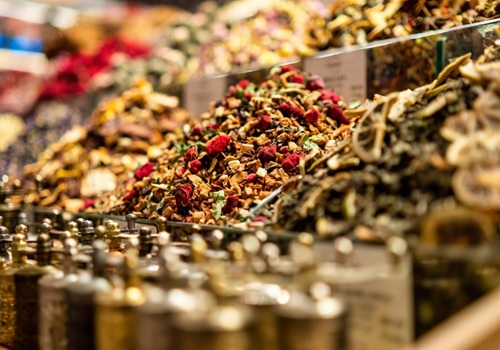


Key Advantages & Benefits
1.Unique, Dual-Impact Olfactory Profile: As an α,β-unsaturated ketone (enone), it delivers a complex blend of fresh cucumber/melon rind top notes with a deep, fatty-waxy body. This dual character allows it to impart both immediate freshness and lasting mouthfeel or scent depth from a single ingredient.
2.Exceptional Potency & Efficiency: It has an extremely low odor and flavor threshold. Effective concentrations are typically in the low parts-per-million (ppm) range, ensuring high cost-in-use and minimal interference with other delicate notes in a formulation.
3.Critical for Natural Authenticity: As a key character impact compound naturally found in cucumbers and melons, its use is essential for creating realistic, high-quality natural flavors. It provides an authenticity that generic "green" notes cannot replicate.
4.Versatile Performance Across Media: It exhibits good stability and performance in both oil-based and alcohol-based systems, making it suitable for a wide range of applications from beverage flavors to fine perfumery.
🎯 Specific Application Scenarios
For a Flavorist Creating a Plant-Based Product: Developing a realistic, fresh cucumber flavor for a yogurt alternative. Adding 3-Nonen-2-one at 2-5 ppm provides the crucial, recognizable green rind note that makes the flavor authentic and distinguishable from a bland "green vegetable" profile, directly impacting consumer preference.
For a Perfumer Crafting a Modern Fragrance: Building a refreshing aquatic or "dewy green" accord for a personal care product. Using a trace amount (~0.05%) of this ketone adds a naturalistic, watery cucumber nuance that lifts the entire composition, evoking cleanliness and freshness without a soapy or synthetic character.
For a Savory Flavor Application: Enhancing the "fresh cream" or "buttery" note in a savory flavor for snacks or sauces. Used at a sub-threshold level (0.5-2 ppm), it rounds out fatty profiles, adding a layer of natural dairy-like richness and complexity that enhances overall flavor fullness.
3-Nonen-2-one is a specialist's tool for authenticity, not just another green note. While trans-2-Hexenaldelivers a sharp, transient grassiness and generic esters offer simple fruitiness, this ketone provides the specific, nuanced, and enduring fresh-fatty character that defines premium cucumber and melon flavors. Its unique chemical structure translates directly into a unique sensory impact, making it irreplaceable for achieving naturalism in sophisticated flavor and fragrance work. For the creative formulator, it is the key to unlocking true-to-nature freshness and complexity.
FAQs
Q1: What is the primary use of 3-Nonen-2-one?
A: Its primary use is as a high-impact aroma chemical in flavors and fragrances. It is essential for replicating the fresh, green, cucumber-like notes found in nature and is used to add realistic top notes and complexity to formulas.
Q2: What is the typical odor description and use level?
A: It has a strong, fatty-green, cucumber/melon rind odor. In flavors, typical use levels are extremely low, often between 0.1 and 10 ppm. In fragrances, it is used in trace amounts (<0.1%) due to its potency.
Q3: What purity and isomeric ratio do you supply?
A: We supply:
F&F Grade: ≥95% purity (by GC), with a specified E/Zisomeric ratio (e.g., Eisomer ≥85%) to ensure consistent odor profile.
Technical Grade: ≥90% purity for synthetic applications.
All batches include a Certificate of Analysis (CoA) with GC data and organoleptic evaluation for F&F grade.
Q4: How should it be stored to maintain stability and odor quality?
A: Store in airtight, sealed containers under an inert atmosphere (nitrogen), protected from light, and refrigerated (2-8°C). This minimizes oxidation and polymerization, preserving its fresh odor profile. Shelf life is typically 12-18 months under these conditions.
Q5: Is it approved for use in food and cosmetics?
A: It is listed on the FEMA GRAS (FEMA No. 4672) and is approved by JECFA for use as a flavoring agent. For fragrances, it is compliant with IFRA guidelines. However, final compliance is the responsibility of the end-user according to local regulations (e.g., FDA, EU).
Q6: Is the natural isomer available?
A: The natural (E)-3-Nonen-2-one is found in nature but is costly to isolate. Our standard product is synthetically produced and optimized for odor. We can discuss sourcing or synthesizing a "nature-identical" material that meets regulatory criteria for "natural" labeling in certain jurisdictions, subject to feasibility.
Q7: Can you provide custom isomeric ratios or derivatives?
A: Yes. We offer:
Custom E/Zisomeric ratios tailored to your specific odor requirements.
Scale-up production from grams to kilograms.
Related derivatives like 3-Nonen-2-ol (the corresponding alcohol).
Q8: What are the handling and safety precautions?
A: It is a combustible liquid and may cause skin and eye irritation. Use with adequate ventilation and wear appropriate PPE (gloves, safety glasses). Avoid contact with strong oxidizers. Refer to the provided Safety Data Sheet (SDS) for complete details.
Q9: What is the lead time and minimum order quantity (MOQ)?
A:
Samples (5g, 25g): Available from stock or within 1-2 weeks.
Bulk Orders (100g+): Lead time of 3-4 weeks.
MOQ: 25g for F&F Grade, 100g for Technical Grade.
Q10: How does it perform in different media (oils, water, ethanol)?
A: It is soluble in oils and ethanol, making it suitable for both oil-based and alcoholic flavor/fragrance concentrates. In aqueous systems, it has very low solubility and requires appropriate solubilizers or emulsion technology for effective use.
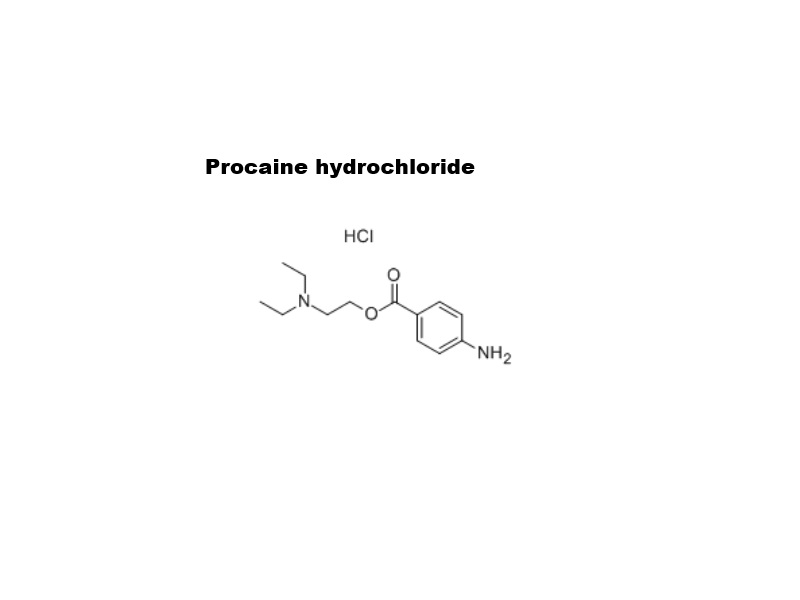
Procaine Hydrochloride CAS 51-05-8 is the water-soluble hydrochloride salt of procaine. It is the specific formulation used in clinical medicine, famously marketed under the brand name Novocain. While its use in mainstream practice has diminished, it remains a historically pivotal drug and is still employed in specific medical and therapeutic contexts.
Details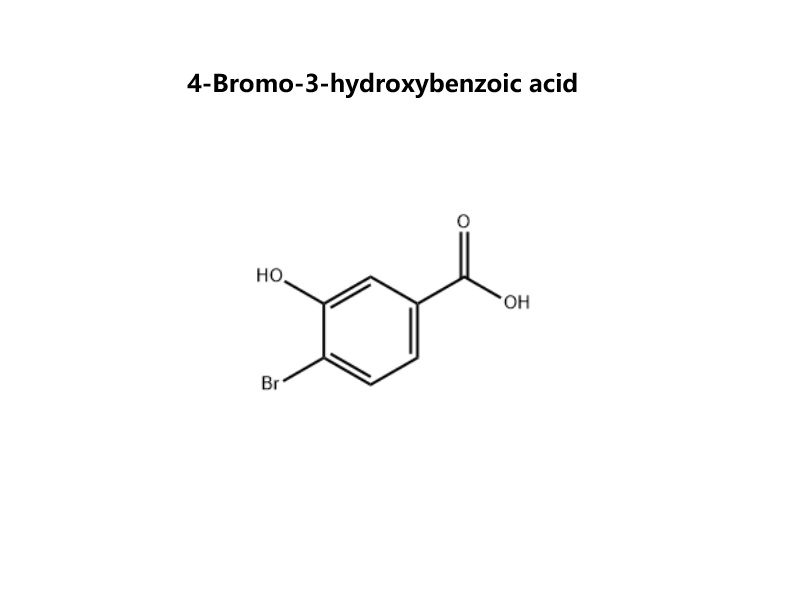
4-Bromo-3-hydroxybenzoic acid CAS 14348-38-0 is a premium, multifunctional aromatic building block engineered for complexity-driven synthesis. Its core value lies in the strategic placement of three distinct, orthogonally reactive functional groups on a benzene ring, making it an indispensable tool for convergent molecular construction in advanced research and development.
Details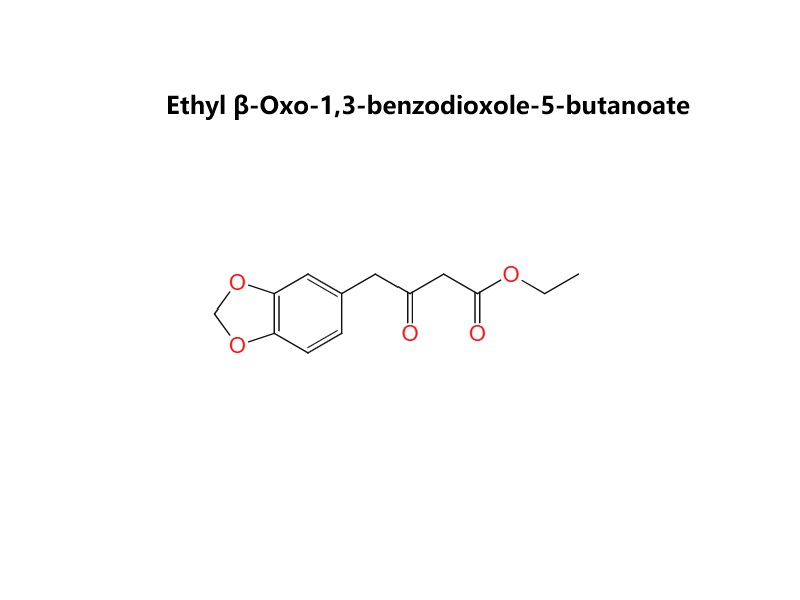
Ethyl β-Oxo-1,3-benzodioxole-5-butanoate CAS 31127-23-8 is a β-ketoester derivative featuring a 1,3-benzodioxole (methylenedioxyphenyl) aromatic system. Structurally, it consists of a benzodioxole ring attached through a three-carbon chain to an ethyl β-ketoester functional group (-CO-CH₂-COOEt). This makes it a versatile bifunctional building block for organic synthesis, combining the electronic properties of the benzodioxole group with the high reactivity of a β-ketoester.
Details![4-Nitrophenyl 3-(Benzo[d][1,3]dioxol-5-yl)-2-methylpropanoate](https://www.qixiolivetol.com/storage/uploads/images/202604/17/1776427287_qZy87IjHSQ.jpg)
4-Nitrophenyl 3-(Benzo[d][1,3]dioxol-5-yl)-2-methylpropanoate is a chirally defined, pre-activated acylating agent that combines a metabolically stable benzo[1,3]dioxole (piperonyl) pharmacophore with the exceptional reactivity of a 4-nitrophenyl ester. It enables the efficient, racemization-free introduction of a complex, chiral acid moiety under mild conditions, making it invaluable for advanced synthetic and bioconjugation chemistry. 4-Nitrophenyl 3-(Benzo[d][1,3]dioxol-5-yl)-2-methylpropanoate is a specialty ester designed as a reactive biochemical or synthetic intermediate. Its structure strategically combines three key units: (1)A 3-(benzo[1,3]dioxol-5-yl)-2-methylpropanoic acid (piperonyl-substituted, chiral acid) moiety. (2)A 4-nitrophenyl ester leaving group. This design makes it an activated ester, where the 4-nitrophenol is an excellent leaving group, facilitating efficient acyl transfer reactions under mild conditions.
Details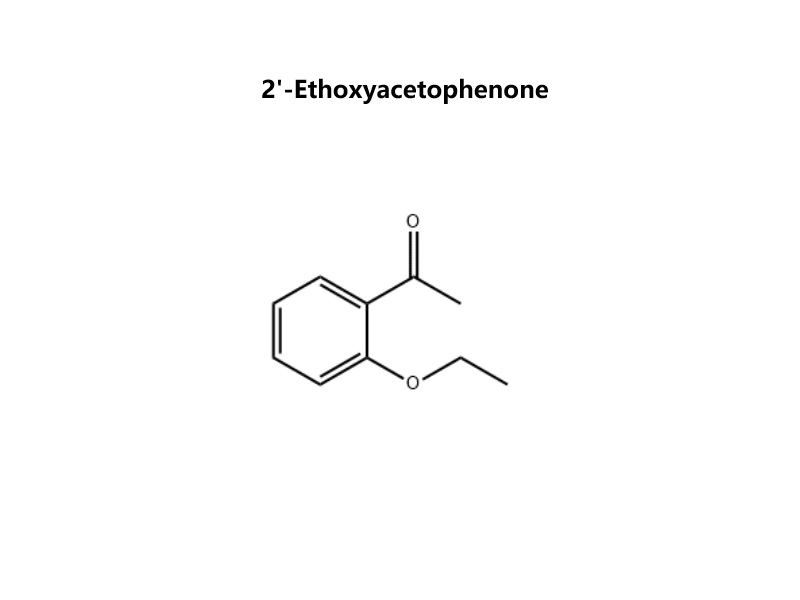
2'-Ethoxyacetophenone CAS 2142-67-8 is a specialized aromatic ketone characterized by an ethoxy substituent at the orthoposition relative to the acetyl group. This structural feature imparts distinct chemical and physical properties, making it a privileged building block for synthesizing complex molecules, particularly in the flavor/fragrance and pharmaceutical sectors.
Details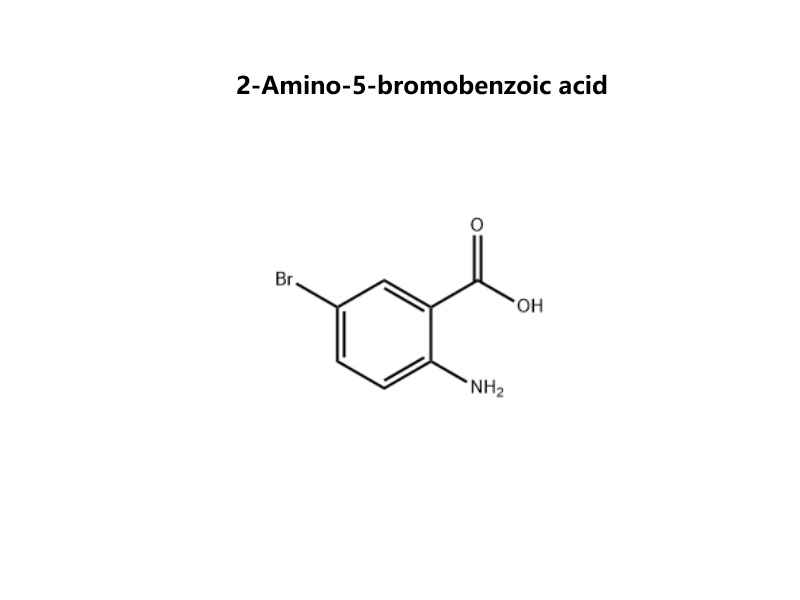
2-Amino-5-bromobenzoic acid CAS 5794-88-7 is a highly versatile aromatic building block that integrates three distinct functional groups—an amine, a carboxylic acid, and an aryl bromide—into a single, synthetically valuable scaffold. This multifunctionality makes it a crucial intermediate in pharmaceutical and advanced materials chemistry.
Details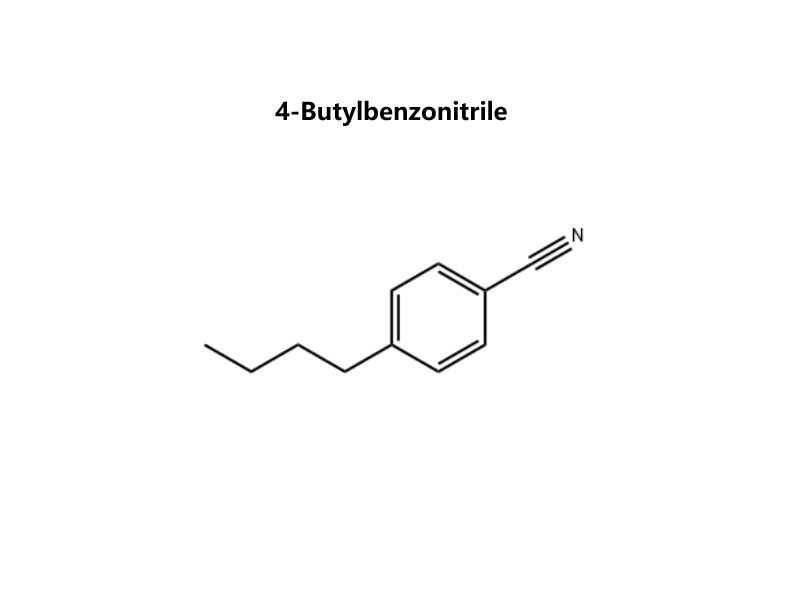
4-Butylbenzonitrile CAS 20651-73-4 is a strategically designed hydrophobic building block that combines a rigid aromatic core with a flexible linear alkyl chain and a highly versatile nitrile functional group. This triad of features makes it an exceptionally valuable intermediate for modulating physicochemical properties and enabling diverse synthetic pathways in advanced material and pharmaceutical and agrochemical research.
Details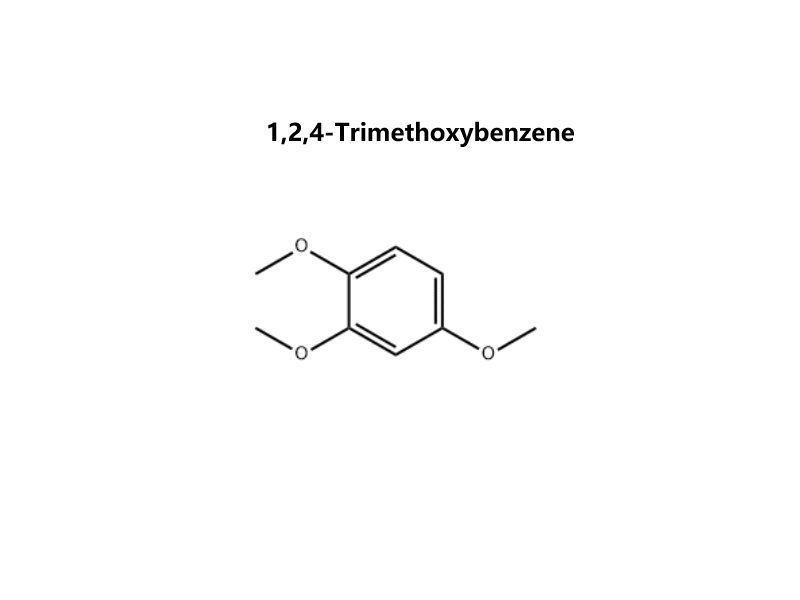
1,2,4-Trimethoxybenzene CAS 135-77-3 is a uniquely versatile, electron-rich aromatic building block. Its core value lies in its unsymmetrical yet highly predictable substitution pattern, which provides exceptional regiocontrol in synthetic chemistry. This makes it a privileged scaffold for constructing complex molecules in pharmaceuticals, agrochemicals, and advanced materials.
Details
 Contact Us
 1st Floor, No. 477, Huancheng West Road, Nanqiao Town, Fengxian District, Shanghai,China
 sales@qxscientific.com
 +86 -13701740203


 IPv6 Network Supported |
Sitemap |
XML |
Blog |
Privacy Policy
IPv6 Network Supported |
Sitemap |
XML |
Blog |
Privacy Policy
Leave A Message
Scan to Wechat/Whatsapp :



 English
 English
 Español
 Português