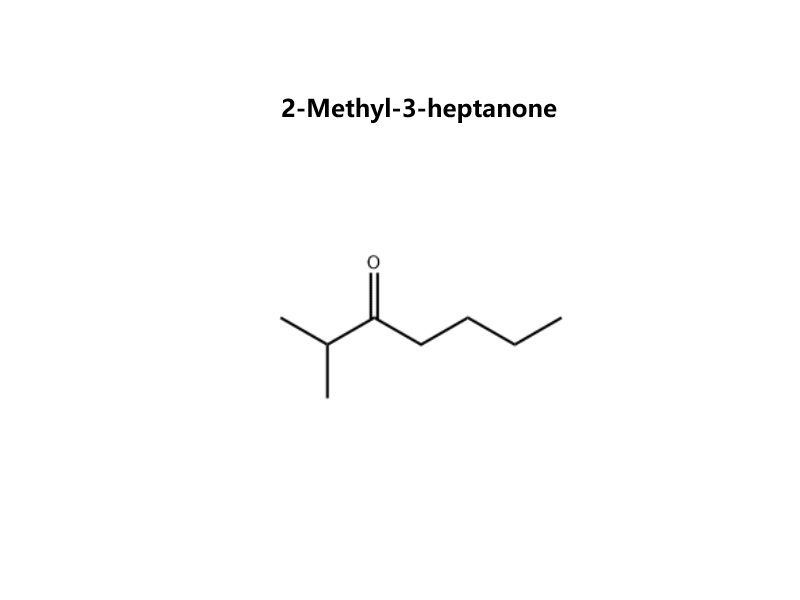

2-Methyl-3-heptanone CAS 13019-20-0 is a branched-chain aliphatic ketone prized primarily for its unique sensory properties in the flavor and fragrance industry. It serves as a versatile ingredient for creating earthy, cheesy, and fruity nuances. As a chemical intermediate, it offers utility in organic synthesis. Its safe handling requires attention to its flammability and irritant potential, and regulatory compliance must be verified for its intended use.
Name :
2-Methyl-3-heptanoneCAS No. :
13019-20-0MF :
C₈H₁₆OMW :
128.21Purity :
97%Appearance :
Colorless to pale yellow liquid.Storage Condition :
Store in a tightly sealed, light-resistant container in a cool, well-ventilated area.Chemical Properties
IUPAC Name: 2-Methylheptan-3-one
CAS Registry Number: 13019-20-0
Molecular Formula: C₈H₁₆O
Molecular Weight: 128.21 g/mol
Chemical Structure: A branched-chain aliphatic ketone featuring a methyl group at the alpha position (C2) and a pentyl chain extending from the carbonyl group at C3.
Appearance: Colorless to pale yellow liquid.
Key Feature: A methyl alkyl ketone with a distinct, fruity-musty odor, structurally related to simpler ketones like 2-heptanone but with branching that alters its physical and olfactory properties.
Physical State: Liquid at room temperature.
Boiling Point: ~160-165 °C (approximate, varies with purity).
Density: ~0.82 g/mL at 20 °C (estimated).
Solubility:
Miscible with common organic solvents (ethanol, diethyl ether, acetone, chloroform).
Very low solubility in water.
Odor: Characteristic fruity, earthy, or musty odor, often described as similar to blue cheese or mushrooms in dilution.
Reactivity & Stability:
Ketone Reactivity: Can undergo typical ketone reactions such as reduction to secondary alcohols, formation of oximes/hydrazones, and Grignard additions.
Acidity of Alpha-Hydrogens: The alpha-hydrogens (especially those adjacent to the carbonyl) are somewhat acidic and can undergo enolization or aldol condensation under basic conditions.
Stability: Stable under normal storage conditions. Flammable liquid. Incompatible with strong oxidizing agents, strong bases, and strong reducing agents.
Biological Activities
Natural Occurrence & Role: Found as a volatile component in certain foods (e.g., blue cheese, mushrooms) and is a trace constituent in some fruits. Also identified as a component of insect pheromones.
Sensory Activity: Primarily known for its olfactory properties, contributing to complex flavor and fragrance profiles. Perceived as earthy, fungal, or fruity.
Potential Antimicrobial Activity: Some short-chain methyl ketones exhibit mild antimicrobial properties, though specific data for this compound may be limited.
Toxicity Profile: Expected to have low to moderate acute toxicity based on similar ketones. May cause irritation to eyes, skin, and respiratory system upon exposure. Not known to be a significant environmental hazard.
Biosynthesis
Natural Biosynthesis: In nature, such methyl ketones can be produced via:
Microbial pathways: Especially by fungi (e.g., Penicilliummolds in cheese) through beta-oxidation of fatty acids or specific enzymatic decarboxylation pathways.
Plant/Insect metabolism: As minor products of lipid metabolism or pheromone synthesis.
Industrial Synthesis: Produced commercially via chemical synthesis. Common routes include:
1.Oxidation of 2-Methyl-3-heptanol.
2.Acylation reactions, such as the reaction of pentyl magnesium bromide with 2-bromopropionyl derivatives.
3.Hydrolysis/decarboxylation of appropriate beta-keto ester precursors.
Applications



Key Advantages & Benefits
1.Unique & Complex Sensory Profile: The methyl branch at the alpha carbon creates a distinctive odor character not found in linear ketones. It delivers a pungent, cheesy-mushroom note at higher concentrations that transforms into a rich, fruity-ester-like nuance in extreme dilution, offering a wide spectrum of creative possibilities from a single ingredient.
2.High Impact & Formulation Efficiency: It is a potent aroma chemical with very low odor and flavor thresholds. This allows formulators to achieve significant sensory effects at concentrations as low as 1-10 ppm, making it highly cost-effective and minimizing interference with other ingredients in a complex blend.
3.Versatile Natural Authenticity: As a naturally occurring compound in foods like blue cheese and mushrooms, its use lends a crucial element of authenticity and complexity to natural flavor reconstructions and "clean label" products. It helps bridge the gap between synthetic flavor chemistry and consumer demand for natural taste.
4.Stable & Formulation-Friendly: It exhibits good chemical stability under standard storage conditions and is compatible with a wide range of solvents and bases used in flavor and fragrance concentrates, ensuring consistent performance in finished products over time.
🎯 Specific Application Scenarios
For a Dairy Flavorist: Creating a premium, authentic blue cheese flavor for snacks or dressings. Adding 2-Methyl-3-heptanone at 5-20 ppm provides the essential, characteristic "fermented" and slightly funky top note that linear fatty-acid ketones cannot replicate, making the flavor profile instantly recognizable and high-quality.
For a Perfumer: Developing a niche fragrance with a truffle or damp forest accord. Using a trace amount (<0.1%) of this ketone in the heart/base notes imparts a subtle, earthy, and slightly animalic depth that evokes soil, mushrooms, and natural richness, adding a layer of intriguing complexity to woody or chypre compositions.
For a Savory Application Scientist: Enhancing a meaty or umami flavor system for plant-based proteins. Incorporating this compound at sub-threshold levels (1-5 ppm) can boost the overall "savory" and "brothy" character, contributing to a more rounded and satisfying flavor profile without a distinct cheesy note.
2-Methyl-3-heptanone is a flavor and fragrance modifier of exceptional nuance, not just another methyl ketone. Its branched structure confers a unique and evolving sensory profile that linear isomers cannot match. While 2-Heptanone delivers a straightforward cheesy punch, this compound provides the earthy, fungal, and fruity subtleties that define authenticity and sophistication in premium savory flavors and avant-garde fragrances. For the creative formulator, it is an indispensable tool for building depth, complexity, and natural character.
FAQs
Q1: What is the primary use of 2-Methyl-3-heptanone?
A: Its primary use is as a specialty aroma chemical in the flavor and fragrance industry. It is valued for contributing earthy, fungal, and ripe fruity notes to complex scent and taste profiles, especially in savory flavors and sophisticated perfumes.
Q2: What is the odor description and typical use level?
A: It has a pungent, blue-cheese-like, musty odor at higher concentrations, which becomes fruity and more pleasant in high dilution. In finished products, typical use levels are very low, often in the ppm (parts per million) range (e.g., 1-100 ppm in flavors, even less in fragrances).
Q3: What purity grades are available?
A: We supply:
F&F Grade (Food & Flavor): ≥98% purity (by GC), meeting organoleptic specifications for odor and taste.
Technical Grade: ≥95% purity, suitable for synthesis or non-critical applications.
All batches come with a Certificate of Analysis (CoA) including GC purity and organoleptic assessment.
Q4: How should it be stored, and what is its shelf life?
A: Store in a tightly sealed, light-resistant container in a cool, well-ventilated area (preferably below 25°C). Keep away from heat, sparks, and open flame. Under these conditions, the shelf life is typically ≥2 years. Refrigeration can extend stability.
Q5: Is it approved for use in food or cosmetics?
A: Status varies by region. It is listed on the FEMA GRAS (Generally Recognized As Safe) list for use as a flavoring agent. It may also be compliant with IFRA standards for use in fragrances. However, customers are responsible for verifying compliance with their local regulations (e.g., FDA, EU Flavor Directive, CosIng).
Q6: What safety precautions are necessary?
A: It is a flammable liquid and may cause eye, skin, and respiratory irritation. Use with adequate ventilation and wear appropriate PPE (safety glasses, gloves). Refer to the Safety Data Sheet (SDS) for detailed hazard and first-aid information. Avoid release into the environment.
Q7: Can you provide custom synthesis or derivative production?
A: Yes. We offer custom synthesis services for:
Scale-up production (kg to ton scale).
Isomeric purity enhancement or specific impurity profile adjustment.
Related derivatives (e.g., the corresponding alcohol 2-methyl-3-heptanol, or oxime).
Q8: What is the lead time and minimum order quantity (MOQ)?
A:
Samples (5g, 25g, 100g): Typically available from stock or within 1-2 weeks.
Bulk Orders (1kg+): Lead time of 3-5 weeks.
MOQ: 100g for F&F Grade, 1kg for Technical Grade.
Q9: How is the quality, especially odor, controlled?
A: For F&F Grade, every batch undergoes rigorous organoleptic evaluation by trained panelists to ensure consistent odor profile and absence of off-notes, in addition to standard GC purity analysis.
Q10: Is it a natural product, and do you offer a natural version?
A: It can be found in nature, but the standard commercial product is synthetically produced. We can discuss sourcing or synthesizing it through natural processes (if available) for "natural" certification according to relevant standards (e.g., ISO 9235), subject to feasibility and cost.
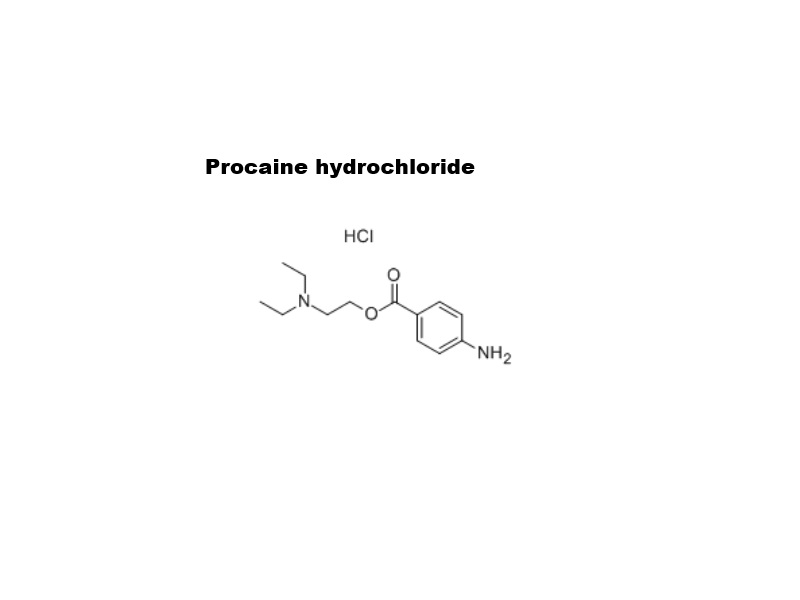
Procaine Hydrochloride CAS 51-05-8 is the water-soluble hydrochloride salt of procaine. It is the specific formulation used in clinical medicine, famously marketed under the brand name Novocain. While its use in mainstream practice has diminished, it remains a historically pivotal drug and is still employed in specific medical and therapeutic contexts.
Details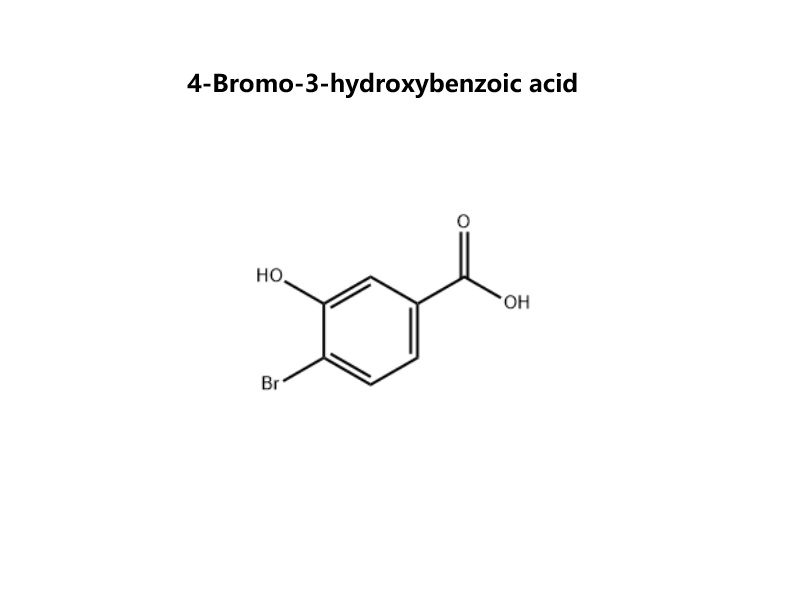
4-Bromo-3-hydroxybenzoic acid CAS 14348-38-0 is a premium, multifunctional aromatic building block engineered for complexity-driven synthesis. Its core value lies in the strategic placement of three distinct, orthogonally reactive functional groups on a benzene ring, making it an indispensable tool for convergent molecular construction in advanced research and development.
Details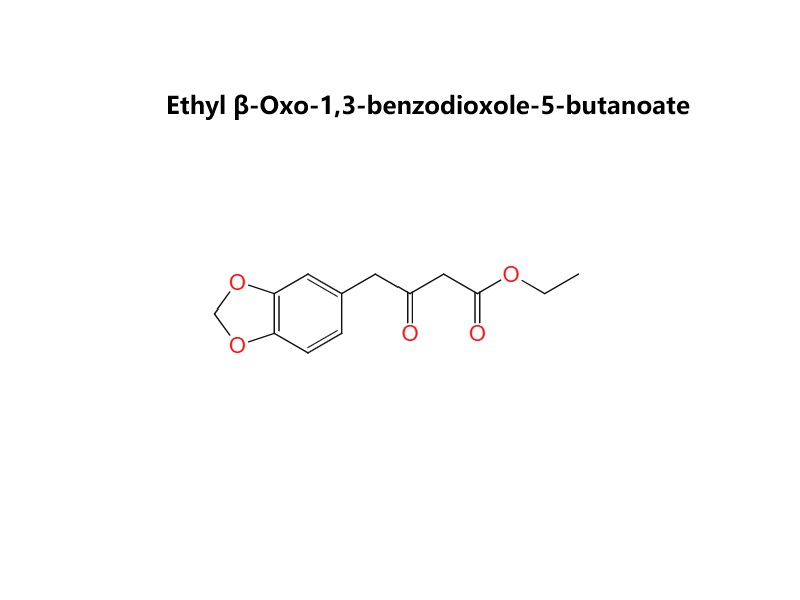
Ethyl β-Oxo-1,3-benzodioxole-5-butanoate CAS 31127-23-8 is a β-ketoester derivative featuring a 1,3-benzodioxole (methylenedioxyphenyl) aromatic system. Structurally, it consists of a benzodioxole ring attached through a three-carbon chain to an ethyl β-ketoester functional group (-CO-CH₂-COOEt). This makes it a versatile bifunctional building block for organic synthesis, combining the electronic properties of the benzodioxole group with the high reactivity of a β-ketoester.
Details![4-Nitrophenyl 3-(Benzo[d][1,3]dioxol-5-yl)-2-methylpropanoate](https://www.qixiolivetol.com/storage/uploads/images/202604/17/1776427287_qZy87IjHSQ.jpg)
4-Nitrophenyl 3-(Benzo[d][1,3]dioxol-5-yl)-2-methylpropanoate is a chirally defined, pre-activated acylating agent that combines a metabolically stable benzo[1,3]dioxole (piperonyl) pharmacophore with the exceptional reactivity of a 4-nitrophenyl ester. It enables the efficient, racemization-free introduction of a complex, chiral acid moiety under mild conditions, making it invaluable for advanced synthetic and bioconjugation chemistry. 4-Nitrophenyl 3-(Benzo[d][1,3]dioxol-5-yl)-2-methylpropanoate is a specialty ester designed as a reactive biochemical or synthetic intermediate. Its structure strategically combines three key units: (1)A 3-(benzo[1,3]dioxol-5-yl)-2-methylpropanoic acid (piperonyl-substituted, chiral acid) moiety. (2)A 4-nitrophenyl ester leaving group. This design makes it an activated ester, where the 4-nitrophenol is an excellent leaving group, facilitating efficient acyl transfer reactions under mild conditions.
Details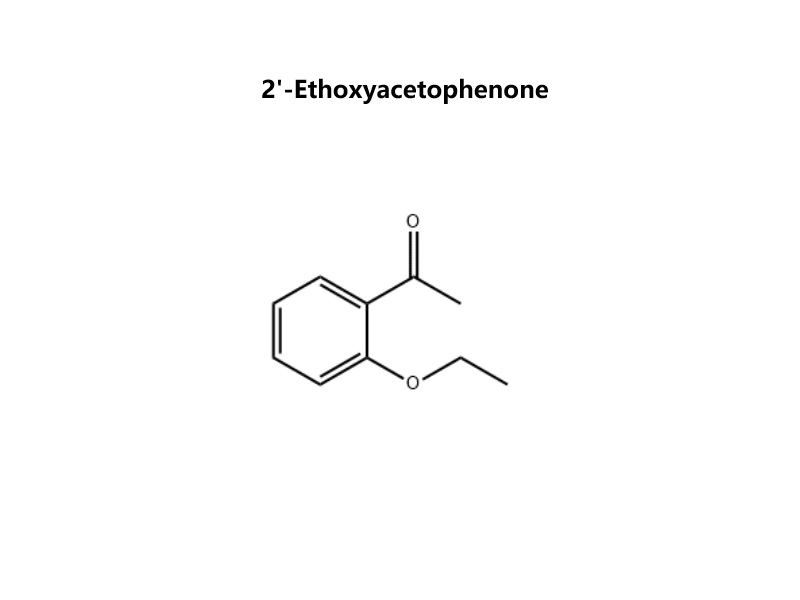
2'-Ethoxyacetophenone CAS 2142-67-8 is a specialized aromatic ketone characterized by an ethoxy substituent at the orthoposition relative to the acetyl group. This structural feature imparts distinct chemical and physical properties, making it a privileged building block for synthesizing complex molecules, particularly in the flavor/fragrance and pharmaceutical sectors.
Details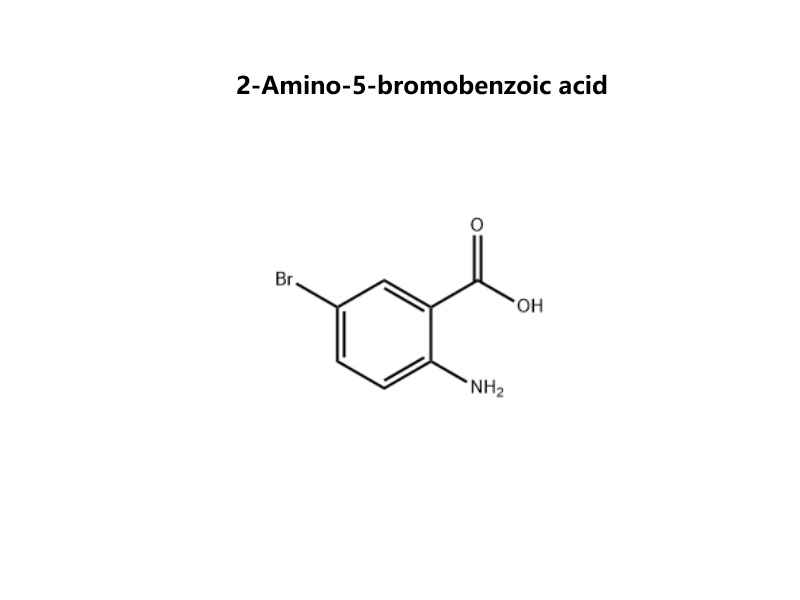
2-Amino-5-bromobenzoic acid CAS 5794-88-7 is a highly versatile aromatic building block that integrates three distinct functional groups—an amine, a carboxylic acid, and an aryl bromide—into a single, synthetically valuable scaffold. This multifunctionality makes it a crucial intermediate in pharmaceutical and advanced materials chemistry.
Details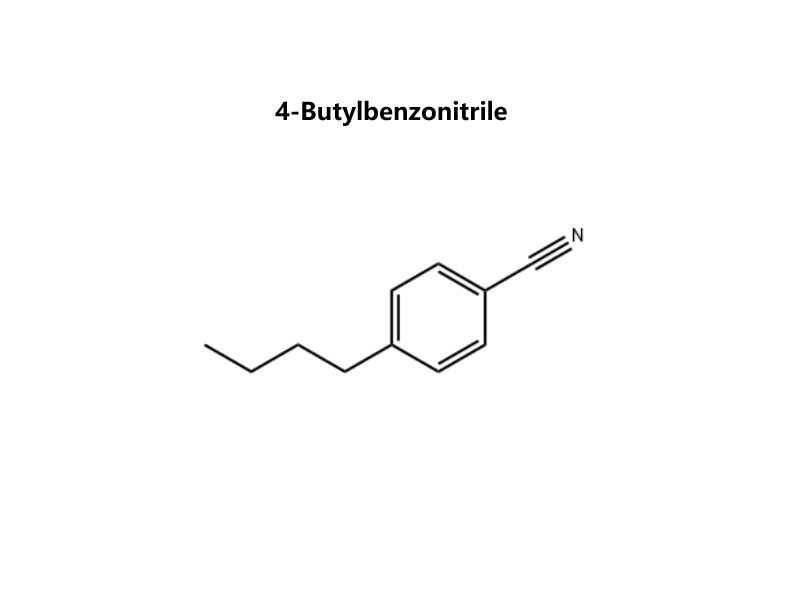
4-Butylbenzonitrile CAS 20651-73-4 is a strategically designed hydrophobic building block that combines a rigid aromatic core with a flexible linear alkyl chain and a highly versatile nitrile functional group. This triad of features makes it an exceptionally valuable intermediate for modulating physicochemical properties and enabling diverse synthetic pathways in advanced material and pharmaceutical and agrochemical research.
Details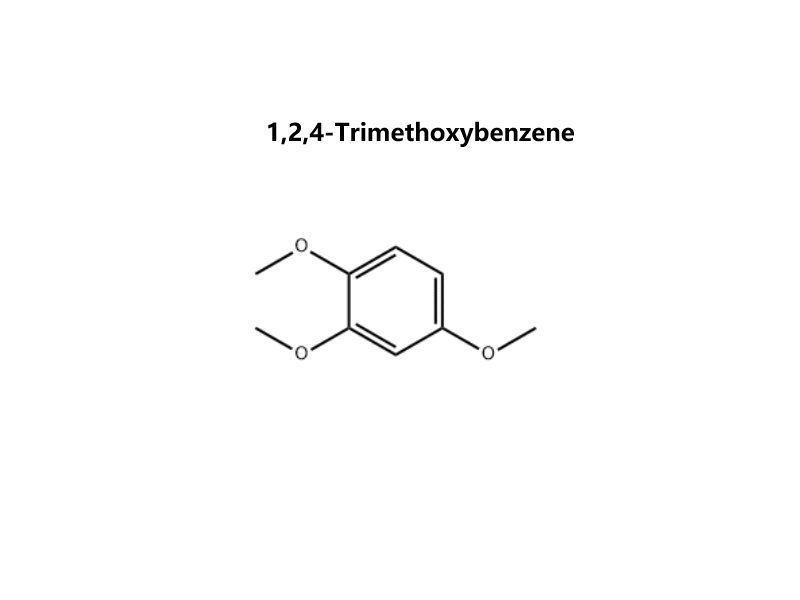
1,2,4-Trimethoxybenzene CAS 135-77-3 is a uniquely versatile, electron-rich aromatic building block. Its core value lies in its unsymmetrical yet highly predictable substitution pattern, which provides exceptional regiocontrol in synthetic chemistry. This makes it a privileged scaffold for constructing complex molecules in pharmaceuticals, agrochemicals, and advanced materials.
Details
 Contact Us
 1st Floor, No. 477, Huancheng West Road, Nanqiao Town, Fengxian District, Shanghai,China
 sales@qxscientific.com
 +86 -13701740203


 IPv6 Network Supported |
Sitemap |
XML |
Blog |
Privacy Policy
IPv6 Network Supported |
Sitemap |
XML |
Blog |
Privacy Policy
Leave A Message
Scan to Wechat/Whatsapp :



 English
 English
 Español
 Português