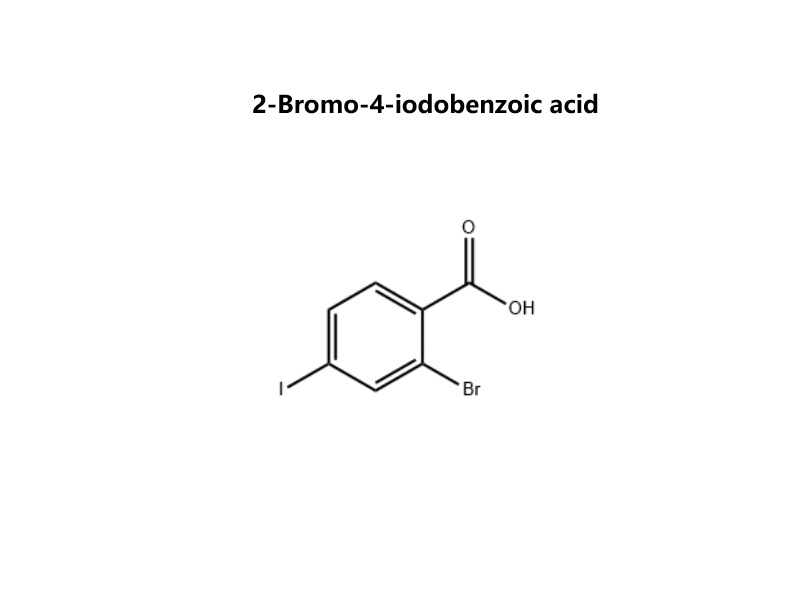
2-Bromo-4-iodobenzoic acid CAS 28547-29-7 is a premium, tri-functional aromatic building block designed for efficiency and strategic complexity in advanced organic synthesis. Its unique combination of two distinct halogen atoms and a carboxylic acid group enables sophisticated multi-step molecular construction from a single starting point.
Name :
2-Bromo-4-iodobenzoic acidCAS No. :
28547-29-7MF :
C₇H₄BrIO₂MW :
326.91Purity :
99%Appearance :
Off-white to light yellow crystalline powder.Storage Condition :
Store in a tightly sealed container, protected from light, at 2-8°C.Chemical Properties
IUPAC Name: 2-Bromo-4-iodobenzoic acid
Molecular Formula: C₇H₄BrIO₂
Molecular Weight: 326.91 g/mol
CAS Registry Number: 28547-29-7
Chemical Structure: A benzoic acid derivative with bromine and iodine atoms substituted at the ortho (2-) and para (4-) positions relative to the carboxylic acid group.
Appearance: Off-white to light yellow crystalline powder.
Key Feature: A difunctional halogenated aromatic building block containing two different halogen atoms (Br and I) with distinct reactivity profiles, attached to a versatile carboxylic acid moiety.
Physical State: Solid at room temperature.
Melting Point: ~180-185°C (may vary with purity).
Solubility:
Soluble: In polar organic solvents (DMSO, DMF, methanol, ethanol, acetone).
Partially Soluble: In ethyl acetate, dichloromethane.
Insoluble: In water (but can form salts with bases).
Reactivity & Stability:
Halogen Reactivity: The iodine atom is more reactive in metal-catalyzed cross-couplings (e.g., Sonogashira, Negishi) due to weaker C–I bond. The bromine atom offers a secondary, more stable site for sequential or selective coupling reactions.
Carboxylic Acid Reactivity: Can form esters, amides, or be reduced to aldehydes/alcohols.
Electrophilic Aromatic Substitution: Further substitution is deactivated and directed by the existing electron-withdrawing groups.
Stability: Stable under standard conditions but may be light-sensitive. Store in a cool, dark place. Avoid strong oxidizers.
Spectroscopic Identifiers:
IR: Broad O–H stretch (2500-3300 cm⁻¹ for acid dimer), sharp C=O stretch (~1680-1720 cm⁻¹).
NMR (¹H in DMSO-d₆): Characteristic aromatic pattern showing three distinct protons, with one strongly deshielded by the carboxylic acid group.
Biological Activities
This compound is primarily a synthetic intermediate with no significant direct biological activity profile. Its value lies in its incorporation into bioactive molecules.
1.Potential as a Pharmacophore Fragment: The halogenated benzoic acid structure is found in some enzyme inhibitors and antimicrobial agents.
2.Role in Prodrug Synthesis: The carboxylic acid allows conjugation to form prodrugs.
3.Research Tool: Used to synthesize molecular probes or tags where halogens serve as spectroscopic labels or for further derivatization.
Biosynthesis
Natural Occurrence: Not a naturally occurring compound.
Synthetic Route: Commercially produced via chemical synthesis. Common methods include:
1.Halogenation of Benzoic Acid Derivatives: Sequential regioselective halogenation (iodination then bromination, or vice-versa) of a suitably protected or activated benzoic acid derivative (e.g., 4-iodobenzoic acid).
2.Diazotization/Sandmeyer Reaction: Starting from 2-bromo-4-aminobenzoic acid, via diazotization and subsequent treatment with potassium iodide.
Applications


Key Advantages & Benefits
1.Orthogonal Reactivity for Sequential Functionalization: Features iodine (highly reactive) and bromine (moderately reactive) on the same ring, allowing for temporally controlled, sequential cross-coupling reactions. This enables the precise, stepwise introduction of two different molecular fragments without the need for additional protection/deprotection steps.
2.Tri-Functional Synthetic Handle: Offers three distinct reactive sites:
C–I Bond: For rapid, selective couplings (e.g., Sonogashira, Heck).
C–Br Bond: For subsequent, complementary couplings (e.g., Suzuki, Negishi).
–COOH Group: For easy conversion to esters, amides, or reduction to other functionalities, adding a third vector for diversification.
3.Unmatched Synthetic Efficiency: Drastically reduces the total number of synthetic steps required to build complex, highly substituted biaryl or aryl-alkyne systems compared to using simpler, mono-functionalized precursors.
🎯 Specific Application Scenarios
For a Medicinal Chemist: Designing a novel kinase inhibitor library requiring a central, diversely substituted phenyl ring. Using this compound, you perform a Sonogashira coupling at the C–I site with a terminal alkyne to install an alkyne side-chain in Step 1. In Step 2, you execute a Suzuki coupling at the C–Br site with a heteroaryl boronic acid. Finally, you convert the carboxylic acid to an amide with a diverse amine set. This three-component diversification from one core is achieved in minimal steps.
For a Materials Scientist: Developing a new asymmetric organic semiconductor molecule for OLEDs. You use the iodine for a selective Stille coupling with a stannylated electron-donor unit. The bromine is then used in a Buchwald-Hartwig amination to attach an electron-transporting amine moiety. The acid group is esterified to fine-tune solubility and film-forming properties—all from one key intermediate.
For a Methodology Chemist: Developing a new one-pot sequential coupling protocol. This compound serves as the perfect test substrate to demonstrate catalyst systems capable of selectively activating C–I in the presence of C–Br, enabling tandem difunctionalization in a single reaction vessel.
2-Bromo-4-iodobenzoic acid is a powerhouse of synthetic potential, not just another halogenated benzoic acid. Its unique combination of orthogonal halogen reactivity and a versatile carboxylic acid group makes it the most strategic starting material for chemists building complex, multi-functional aromatic architectures. It provides a clear, decisive advantage in efficiency and strategic flexibility over any single-halogen or identical-dihalogen analog, enabling shorter, smarter synthetic routes to high-value targets in pharmaceuticals, agrochemicals, and functional materials.
FAQs
Q1: What is the main advantage of using this dihalogenated acid over a mono-halogenated one?
A: It offers orthogonal reactivity. You can often perform a selective cross-coupling reaction (e.g., a Sonogashira coupling) at the more reactive C–I bond first, leaving the C–Br bond intact for a subsequent, different transformation (e.g., Suzuki coupling), all on the same molecule. This enables efficient synthesis of highly functionalized, complex targets from a single starting material.
Q2: What is the typical purity, and how is it analyzed?
A: We supply ≥97% purity (HPLC) as standard. Purity is verified by HPLC, ¹H/¹³C NMR, and elemental analysis. A Certificate of Analysis (CoA) is provided with each batch, detailing halogen content and impurity profiles.
Q3: How should it be stored to maintain stability?
A: Store in a tightly sealed container, protected from light, at 2-8°C (refrigerated). For long-term storage, consider under inert atmosphere (argon/nitrogen) to prevent potential degradation. The compound is generally stable for years when stored properly.
Q4: Is it compatible with common cross-coupling conditions?
A: Yes, extensively. It is an excellent substrate for:
Palladium-catalyzed couplings: Suzuki (with Br or I), Stille, Negishi, Sonogashira (preferentially at I).
Copper-mediated couplings: Ullmann-type reactions.
Always confirm reaction selectivity (I vs. Br) for your specific catalyst system.
Q5: Can the carboxylic acid be functionalized in the presence of the halogens?
A: Yes. Standard transformations like esterification, amide coupling, or reduction can typically be performed without affecting the aromatic C–Br or C–I bonds. Use mild conditions to avoid potential dehalogenation side-reactions.
Q6: Do you offer custom synthesis of similar dihalogenated benzoic acids?
A: Absolutely. We specialize in custom halogenated building blocks. We can provide:
Isomeric variants (e.g., 3-Bromo-5-iodobenzoic acid).
Different halogen combinations (e.g., Br/Cl, I/F).
Scale-up from gram to multi-kilogram quantities.
Protected derivatives (e.g., methyl esters).
Q7: What is the lead time for orders and the minimum order quantity (MOQ)?
A:
R&D Samples (1g, 5g, 10g): In stock or shipped within 5-7 business days.
Bulk Orders (100g+): Typically 3-4 weeks for synthesis and QC.
MOQ: 1g for catalog products.
Q8: Are there any significant handling hazards?
A: It is not highly toxic but may cause irritation to eyes, skin, and respiratory system. Standard laboratory PPE (gloves, safety glasses) is recommended. As with all organoiodides, avoid generating and inhaling dust. Refer to the provided Safety Data Sheet (SDS) for complete handling and disposal guidelines.
Q9: Can it be used in aqueous-phase chemistry?
A: Its free acid form has low water solubility. However, it can be dissolved in aqueous base (forming the water-soluble carboxylate salt) for certain reactions, though this may limit compatibility with some coupling catalysts. Alternatively, use water-miscible co-solvents like DMF or dioxane.
Q10: What related products do you offer?
A: Our portfolio includes a wide range of halogenated aromatic acids and esters:
2,4-Dibromobenzoic acid (CAS 611-00-7)
4-Bromo-2-iodobenzoic acid (isomer)
Methyl 2-bromo-4-iodobenzoate (ester derivative for different solubility/reactivity)
Custom halogenated scaffolds upon request.
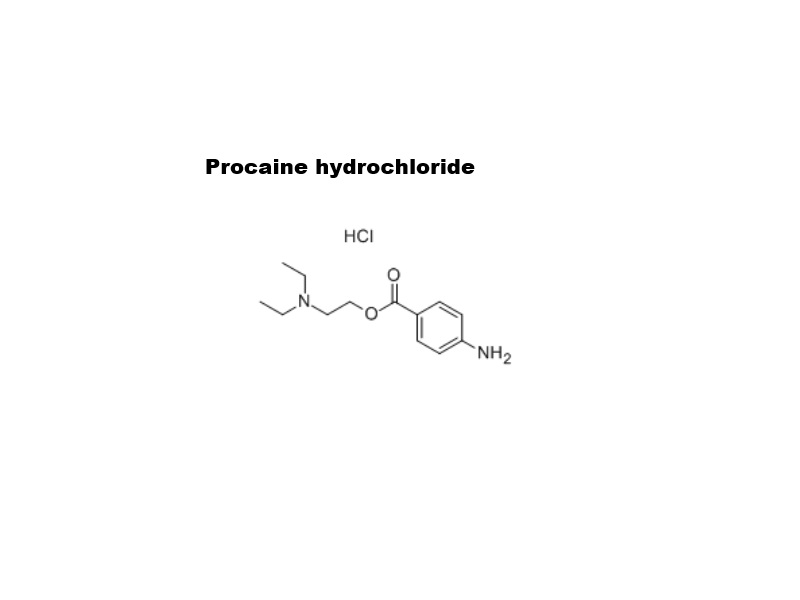
Procaine Hydrochloride CAS 51-05-8 is the water-soluble hydrochloride salt of procaine. It is the specific formulation used in clinical medicine, famously marketed under the brand name Novocain. While its use in mainstream practice has diminished, it remains a historically pivotal drug and is still employed in specific medical and therapeutic contexts.
Details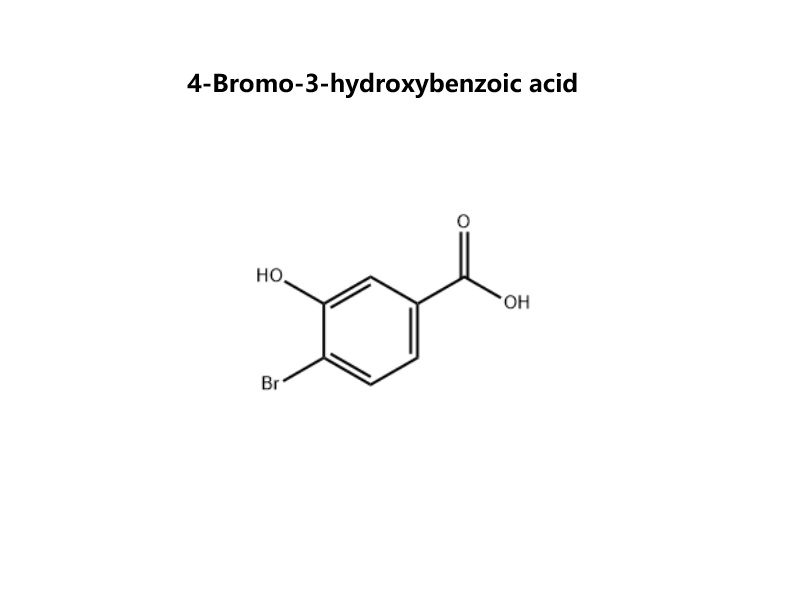
4-Bromo-3-hydroxybenzoic acid CAS 14348-38-0 is a premium, multifunctional aromatic building block engineered for complexity-driven synthesis. Its core value lies in the strategic placement of three distinct, orthogonally reactive functional groups on a benzene ring, making it an indispensable tool for convergent molecular construction in advanced research and development.
Details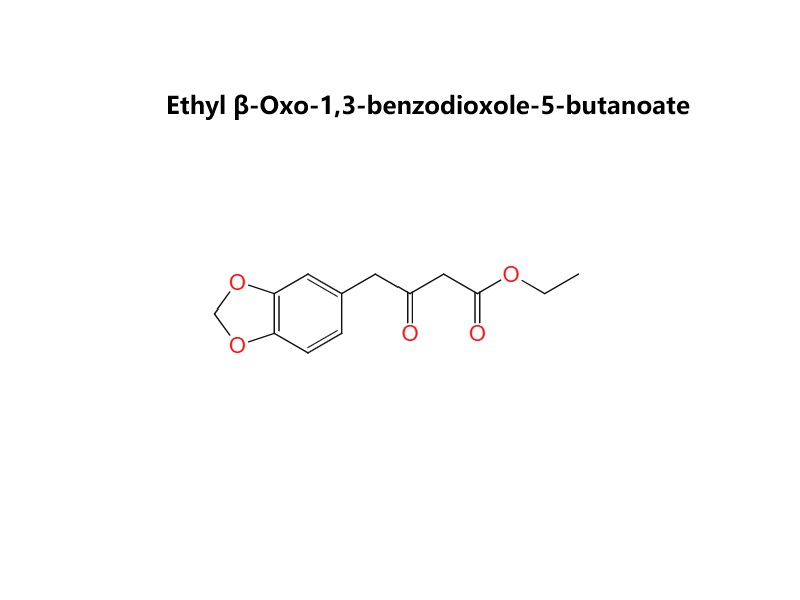
Ethyl β-Oxo-1,3-benzodioxole-5-butanoate CAS 31127-23-8 is a β-ketoester derivative featuring a 1,3-benzodioxole (methylenedioxyphenyl) aromatic system. Structurally, it consists of a benzodioxole ring attached through a three-carbon chain to an ethyl β-ketoester functional group (-CO-CH₂-COOEt). This makes it a versatile bifunctional building block for organic synthesis, combining the electronic properties of the benzodioxole group with the high reactivity of a β-ketoester.
Details![4-Nitrophenyl 3-(Benzo[d][1,3]dioxol-5-yl)-2-methylpropanoate](https://www.qixiolivetol.com/storage/uploads/images/202604/17/1776427287_qZy87IjHSQ.jpg)
4-Nitrophenyl 3-(Benzo[d][1,3]dioxol-5-yl)-2-methylpropanoate is a chirally defined, pre-activated acylating agent that combines a metabolically stable benzo[1,3]dioxole (piperonyl) pharmacophore with the exceptional reactivity of a 4-nitrophenyl ester. It enables the efficient, racemization-free introduction of a complex, chiral acid moiety under mild conditions, making it invaluable for advanced synthetic and bioconjugation chemistry. 4-Nitrophenyl 3-(Benzo[d][1,3]dioxol-5-yl)-2-methylpropanoate is a specialty ester designed as a reactive biochemical or synthetic intermediate. Its structure strategically combines three key units: (1)A 3-(benzo[1,3]dioxol-5-yl)-2-methylpropanoic acid (piperonyl-substituted, chiral acid) moiety. (2)A 4-nitrophenyl ester leaving group. This design makes it an activated ester, where the 4-nitrophenol is an excellent leaving group, facilitating efficient acyl transfer reactions under mild conditions.
Details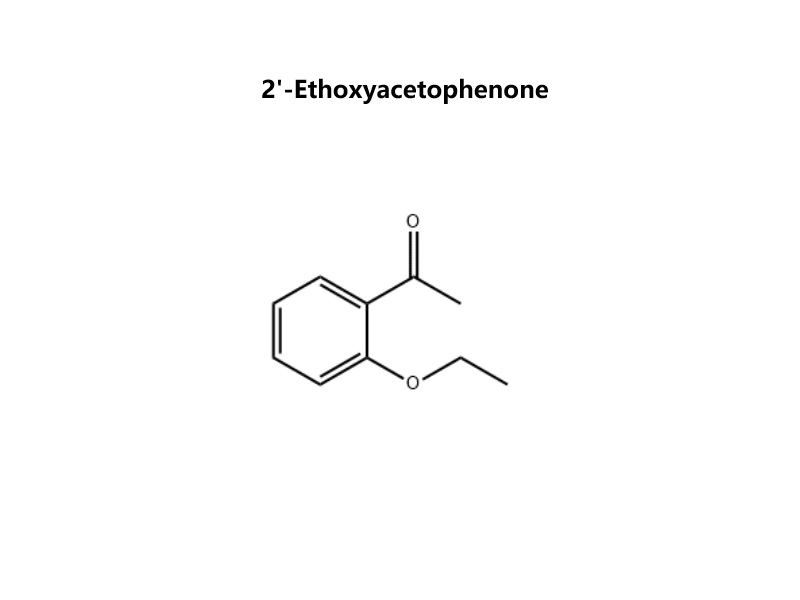
2'-Ethoxyacetophenone CAS 2142-67-8 is a specialized aromatic ketone characterized by an ethoxy substituent at the orthoposition relative to the acetyl group. This structural feature imparts distinct chemical and physical properties, making it a privileged building block for synthesizing complex molecules, particularly in the flavor/fragrance and pharmaceutical sectors.
Details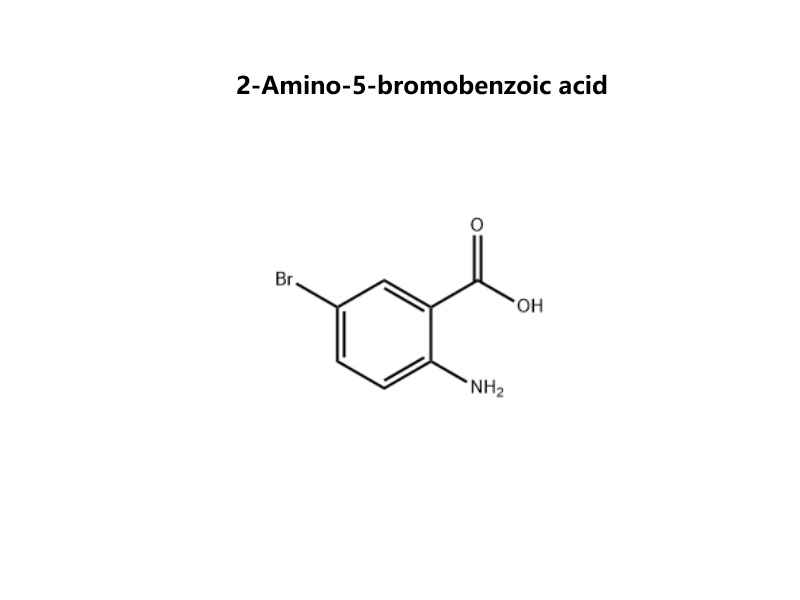
2-Amino-5-bromobenzoic acid CAS 5794-88-7 is a highly versatile aromatic building block that integrates three distinct functional groups—an amine, a carboxylic acid, and an aryl bromide—into a single, synthetically valuable scaffold. This multifunctionality makes it a crucial intermediate in pharmaceutical and advanced materials chemistry.
Details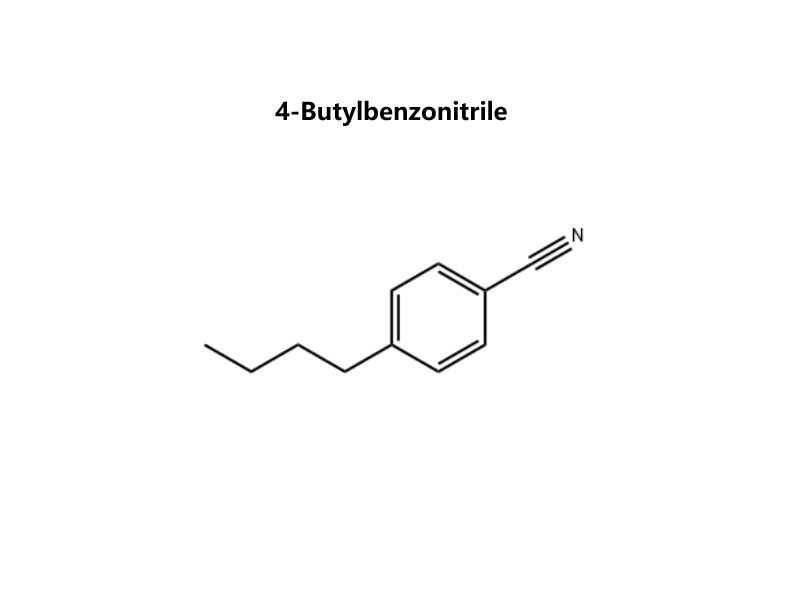
4-Butylbenzonitrile CAS 20651-73-4 is a strategically designed hydrophobic building block that combines a rigid aromatic core with a flexible linear alkyl chain and a highly versatile nitrile functional group. This triad of features makes it an exceptionally valuable intermediate for modulating physicochemical properties and enabling diverse synthetic pathways in advanced material and pharmaceutical and agrochemical research.
Details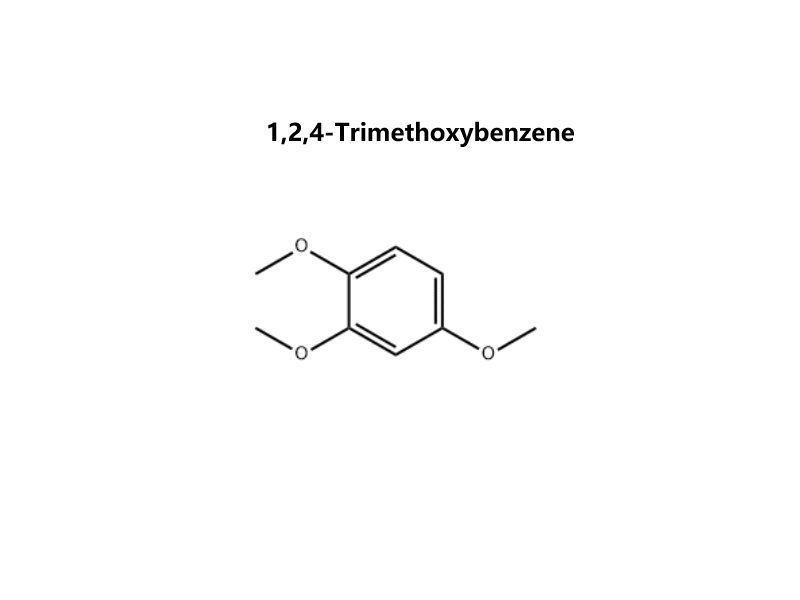
1,2,4-Trimethoxybenzene CAS 135-77-3 is a uniquely versatile, electron-rich aromatic building block. Its core value lies in its unsymmetrical yet highly predictable substitution pattern, which provides exceptional regiocontrol in synthetic chemistry. This makes it a privileged scaffold for constructing complex molecules in pharmaceuticals, agrochemicals, and advanced materials.
Details
 Contact Us
 1st Floor, No. 477, Huancheng West Road, Nanqiao Town, Fengxian District, Shanghai,China
 sales@qxscientific.com
 +86 -13701740203


 IPv6 Network Supported |
Sitemap |
XML |
Blog |
Privacy Policy
IPv6 Network Supported |
Sitemap |
XML |
Blog |
Privacy Policy
Leave A Message
Scan to Wechat/Whatsapp :



 English
 English
 Español
 Português