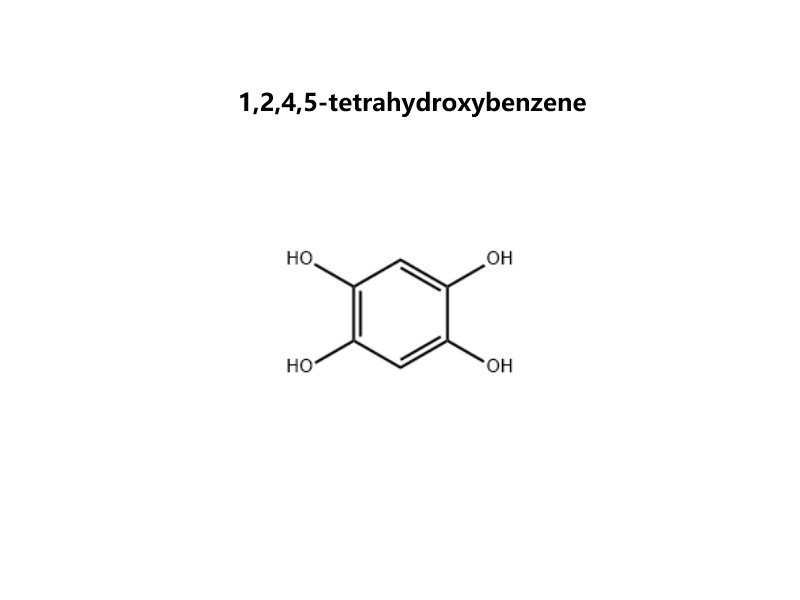
1,2,4,5‑Tetrahydroxybenzene CAS 636-32-8 is a versatile, redox‑active polyphenol that serves as a valuable reducing agent, metal chelator, and synthetic building block. Its high reactivity demands careful handling, but its unique symmetry and multifunctionality make it indispensable for advanced chemical and biochemical research.
Name :
1,2,4,5-TetrahydroxybenzeneCAS No. :
636-32-8MF :
C₆H₆O₄MW :
142.11Purity :
97%Appearance :
Typically appears as light beige to brown crystalline powder or solid.Storage Condition :
Store under inert atmosphere (argon or nitrogen), in a tightly sealed container, at –20°C or lower, and protected from light.Chemical Properties
IUPAC Name: Benzene-1,2,4,5-tetrol
Synonyms: Tetrahydroxyquinone (common); 1,2,4,5-Tetrahydroxybenzene; THB
CAS Registry Number: 636-32-8
Molecular Formula: C₆H₆O₄
Molecular Weight: 142.11 g/mol
Chemical Structure: Benzene ring with hydroxyl groups at the 1, 2, 4, and 5 positions, making it a highly functionalized, symmetrical polyphenol.
Appearance: Typically appears as light beige to brown crystalline powder or solid. Often isolated as a hydrate or solvate due to high polarity.
Key Feature: A strong reducing agent and chelating compound with four phenolic hydroxyl groups arranged in a para-dihydroxy (hydroquinone) pattern at two opposing sites on the ring.
Physical State: Solid at room temperature.
Melting Point: Decomposes upon heating without a clear melting point (typically >250°C with charring).
Solubility:
Highly soluble in water, alcohols (methanol, ethanol), and polar aprotic solvents (DMSO, DMF).
Poorly soluble in non-polar organic solvents (hexane, toluene, chloroform).
Reactivity & Stability:
1)Strong Reducing Agent: Readily oxidizes in air, especially in alkaline solution, turning yellow/brown. Must be handled under inert atmosphere.
2)Acidity: The four phenolic hydroxyls make it a polyprotic acid with multiple pKa values (estimated ~9–11 for phenols).
3)Chelation: Can act as a multidentate ligand for metal ions (e.g., Fe³⁺, Cu²⁺), forming colored complexes.
4)Electrophilic Substitution: The ring is highly activated; reactions like nitration or halogenation occur readily.
5)Sensitivity: Light- and oxygen-sensitive. Should be stored cold, dark, and under argon/nitrogen.
Spectroscopic Identifiers:
1)UV-Vis: Strong absorption in the UV region; may show visible absorption upon oxidation.
2)IR: Broad O-H stretch (~3200-3400 cm⁻¹), aromatic C=C and C-O stretches.
3)NMR (in DMSO-d₆): ¹H NMR shows aromatic singlet(s) for the two equivalent protons (if symmetrical) around δ 6.0-7.0 ppm and broad hydroxyl peaks (~8-10 ppm).
Biological Activities
This polyphenolic compound exhibits several bioactivities, primarily due to its redox and metal-chelating properties:
Potent Antioxidant: Strong radical scavenging activity via donation of hydrogen atoms from multiple phenolic groups.
Pro-oxidant Potential: In the presence of redox-active metals (e.g., Fe, Cu), it can generate reactive oxygen species (ROS) via redox cycling.
Enzyme Inhibition: May inhibit certain oxidoreductases or metalloenzymes by binding to active site metals or interacting with catalytic residues.
Antimicrobial Activity: Moderate activity against some bacteria and fungi, likely due to oxidative stress induction or membrane disruption.
Cytotoxicity: At higher concentrations, it may show toxicity to cells, related to its pro-oxidant activity.
Research Use: Primarily a tool compound in studying redox biology, oxidative stress, and as a precursor for organic synthesis.
Biosynthesis
Natural Occurrence: Not a major natural product, but related hydroxyphenols and quinones are widespread.
Biosynthetic Pathway (if applicable): In nature, polyhydroxylated benzenes are often derived from the shikimate pathway via intermediates like chorismate, or through polyketide pathways. Specific biosynthesis of 1,2,4,5-tetrol is not a common route.
Commercial Source: Almost exclusively produced via chemical synthesis, not isolation from natural sources.
Applications


Key Advantages & Benefits
1.Potent & Symmetrical Redox Power: The four hydroxyl groups are arranged in two ortho-dihydroxy (catechol) pairs, making it a strong, multi-electron reducing agent. This unique symmetrical structure provides superior radical scavenging and electron-donating capacity compared to simpler phenols.
2.Versatile Multi‑Dentate Ligand: It acts as an excellent chelating agent for a wide range of metal ions (e.g., Fe³⁺, Cu²⁺, Al³⁺). Its symmetrical structure allows for the formation of stable, well-defined complexes crucial for catalysis, materials synthesis, and metal sequestration.
3.High Water Solubility with Organic Reactivity: Unlike many polyphenols, it is highly soluble in water, enabling its use in aqueous-phase chemistry and biochemistry. This bridges the gap between organic synthesis and bio-compatible applications.
4.Unique Symmetrical Building Block: Its C2 symmetry and four modifiable hydroxyl groups make it a prized precursor for synthesizing symmetrical molecules, polymers, and frameworks in materials science and supramolecular chemistry.
🎯 Specific Application Scenarios
1.For an Analytical Chemist: Developing a highly sensitive colorimetric sensor for iron contamination in water. Using 1,2,4,5‑Tetrahydroxybenzene as the chelating agent, you create a test that forms a distinct, stable blue-black complex with Fe³⁺ at ppb levels, outperforming traditional phenanthroline-based tests in stability and detection limit.
2.For a Battery Materials Researcher: Designing a redox-active organic cathode material for sustainable lithium-ion batteries. You polymerize this compound to create a biologically derived, high-capacity polymer that leverages its multi-electron redox capability for efficient energy storage, offering an alternative to cobalt-based cathodes.
3.For a Polymer Scientist: Creating a novel self-healing hydrogel for biomedical applications. You use this tetrol as a multifunctional cross-linking unit, coordinating with Fe³⁺ ions to form reversible, dynamic coordination bonds that give the gel its self-repairing properties and injectability.
1,2,4,5‑Tetrahydroxybenzene is a specialist's tool, not a general-purpose phenol. Its value lies in its unique combination of high symmetry, potent multi-electron redox chemistry, and powerful chelation ability—properties unmatched by common di- or tri-hydroxybenzenes. While its handling demands care, it unlocks capabilities in symmetric molecule design, advanced energy materials, and next-generation chelation technologies that simpler analogs cannot provide. It is the definitive choice for researchers pushing the boundaries of functional organic materials and precise metal-ion management.
FAQs
Q1: What is the main use of this compound in the lab?
A: Its primary use is as a strong reducing agent (antioxidant model) and chelating ligand in research. It is also a key synthetic precursor to quinones and functionalized aromatic molecules in organic and materials chemistry.
Q2: Why is it so sensitive, and how should it be stored and handled?
A: It is highly prone to oxidation by atmospheric oxygen, especially in solution. It must be stored under inert atmosphere (argon or nitrogen), in a tightly sealed container, at –20°C or lower, and protected from light. Solutions should be prepared freshly and used immediately under inert gas.
Q3: What purity do you offer, and how do you ensure quality?
A: We offer Research Grade (≥95% purity) and High Purity Grade (≥98% purity). Quality is verified by HPLC, NMR, and titration methods to assess redox purity. A Certificate of Analysis (CoA) with storage guidelines is provided.
Q4: Can it be used in biological (cell culture) assays?
A: Yes, but with caution. It can be used as a pro-oxidant/antioxidant tool in cell studies. Important: Prepare stock solutions in degassed buffer or media immediately before use, and consider its potential cytotoxicity at higher doses.
Q5: Is it soluble in buffer for biochemical assays?
A: Yes, it is highly water-soluble. However, dissolution in aqueous buffers (especially at neutral to high pH) will accelerate its oxidation. Use oxygen-free buffers and keep solutions on ice under inert gas if possible.
Q6: Do you offer stabilized formulations?
A: We can provide it as a solid under argon in sealed ampules for maximum stability. Stabilized solutions are not typically offered due to their short shelf-life, but we can advise on preparation methods.
Q7: Can it chelate metal ions in my experimental system?
A: Yes, strongly. It can chelate many transition metal ions (Fe³⁺, Cu²⁺, etc.), which may interfere with assays involving these metals. This property can also be exploited for metal sensing or sequestration.
Q8: What is the lead time and minimum order quantity (MOQ)?
A:
R&D Samples (100 mg – 1 g): Usually shipped within 1–2 weeks.
Bulk Quantities (5 g+): Typically 3–5 weeks for synthesis and quality control.
MOQ: 100 mg for the High Purity Grade.
Q9: Is it hazardous?
A: It is not highly toxic but may be irritating to eyes, skin, and respiratory system. Its main hazard is as a strong reducing agent, which can react vigorously with oxidizers. Consult the Safety Data Sheet (SDS) for full details.
Q10: What similar compounds do you offer?
A: We offer a range of polyhydroxybenzenes and quinones, including:
(1)Hydroquinone (1,4-dihydroxybenzene)
(2)Pyrogallol (1,2,3-trihydroxybenzene)
(3)Tetrahydroxy-1,4-benzoquinone (the oxidized form)
(4)Custom polyphenolic compounds.
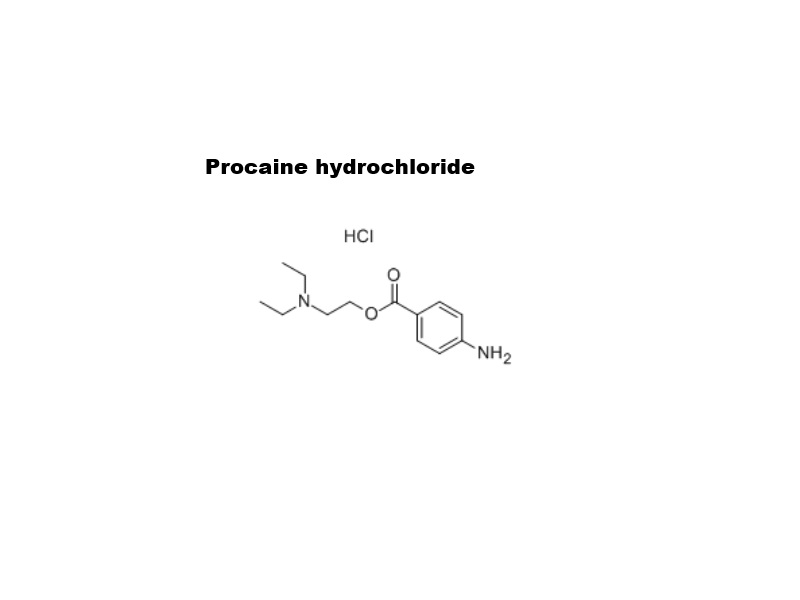
Procaine Hydrochloride CAS 51-05-8 is the water-soluble hydrochloride salt of procaine. It is the specific formulation used in clinical medicine, famously marketed under the brand name Novocain. While its use in mainstream practice has diminished, it remains a historically pivotal drug and is still employed in specific medical and therapeutic contexts.
Details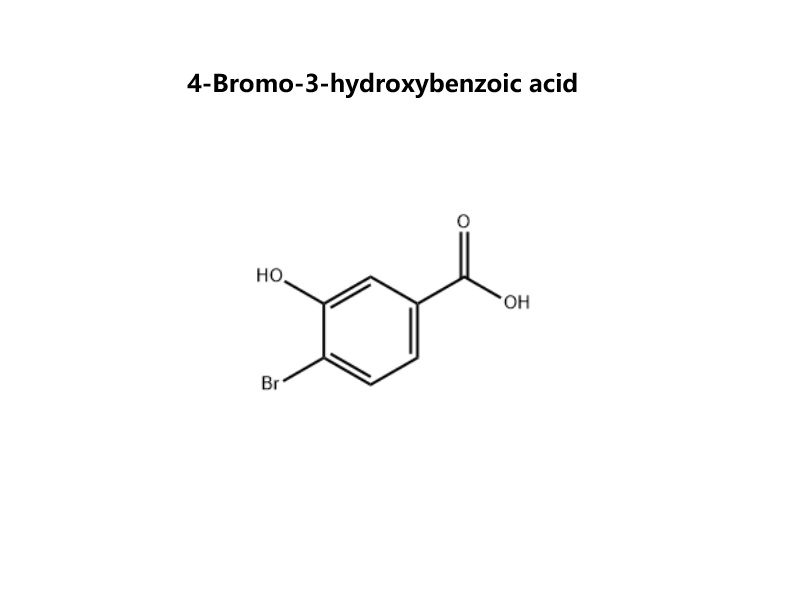
4-Bromo-3-hydroxybenzoic acid CAS 14348-38-0 is a premium, multifunctional aromatic building block engineered for complexity-driven synthesis. Its core value lies in the strategic placement of three distinct, orthogonally reactive functional groups on a benzene ring, making it an indispensable tool for convergent molecular construction in advanced research and development.
Details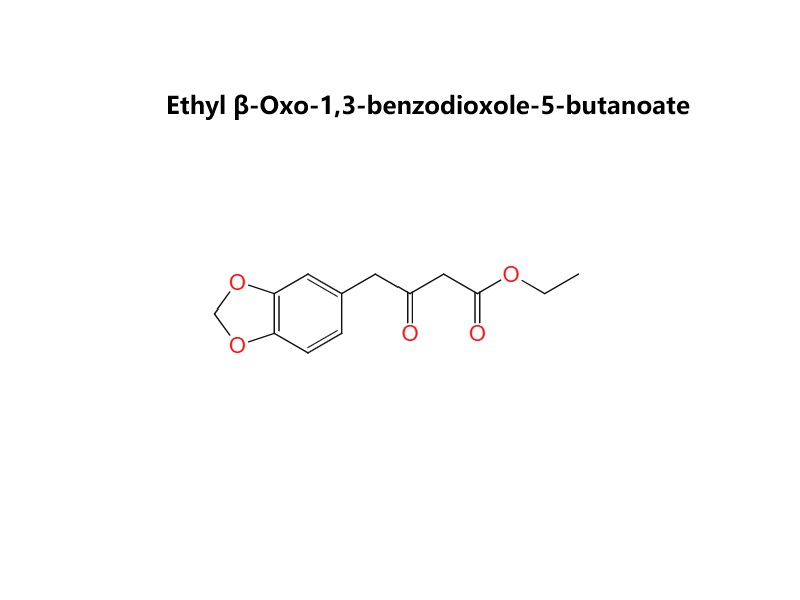
Ethyl β-Oxo-1,3-benzodioxole-5-butanoate CAS 31127-23-8 is a β-ketoester derivative featuring a 1,3-benzodioxole (methylenedioxyphenyl) aromatic system. Structurally, it consists of a benzodioxole ring attached through a three-carbon chain to an ethyl β-ketoester functional group (-CO-CH₂-COOEt). This makes it a versatile bifunctional building block for organic synthesis, combining the electronic properties of the benzodioxole group with the high reactivity of a β-ketoester.
Details![4-Nitrophenyl 3-(Benzo[d][1,3]dioxol-5-yl)-2-methylpropanoate](https://www.qixiolivetol.com/storage/uploads/images/202604/17/1776427287_qZy87IjHSQ.jpg)
4-Nitrophenyl 3-(Benzo[d][1,3]dioxol-5-yl)-2-methylpropanoate is a chirally defined, pre-activated acylating agent that combines a metabolically stable benzo[1,3]dioxole (piperonyl) pharmacophore with the exceptional reactivity of a 4-nitrophenyl ester. It enables the efficient, racemization-free introduction of a complex, chiral acid moiety under mild conditions, making it invaluable for advanced synthetic and bioconjugation chemistry. 4-Nitrophenyl 3-(Benzo[d][1,3]dioxol-5-yl)-2-methylpropanoate is a specialty ester designed as a reactive biochemical or synthetic intermediate. Its structure strategically combines three key units: (1)A 3-(benzo[1,3]dioxol-5-yl)-2-methylpropanoic acid (piperonyl-substituted, chiral acid) moiety. (2)A 4-nitrophenyl ester leaving group. This design makes it an activated ester, where the 4-nitrophenol is an excellent leaving group, facilitating efficient acyl transfer reactions under mild conditions.
Details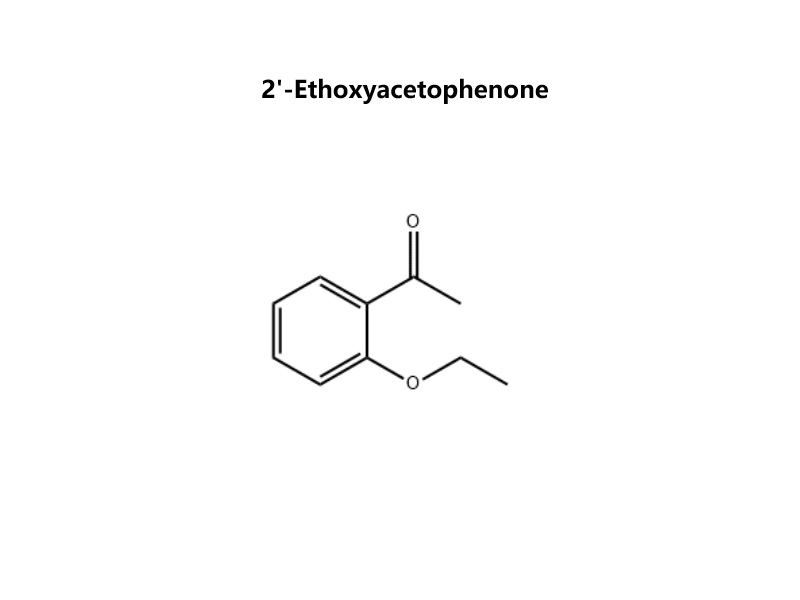
2'-Ethoxyacetophenone CAS 2142-67-8 is a specialized aromatic ketone characterized by an ethoxy substituent at the orthoposition relative to the acetyl group. This structural feature imparts distinct chemical and physical properties, making it a privileged building block for synthesizing complex molecules, particularly in the flavor/fragrance and pharmaceutical sectors.
Details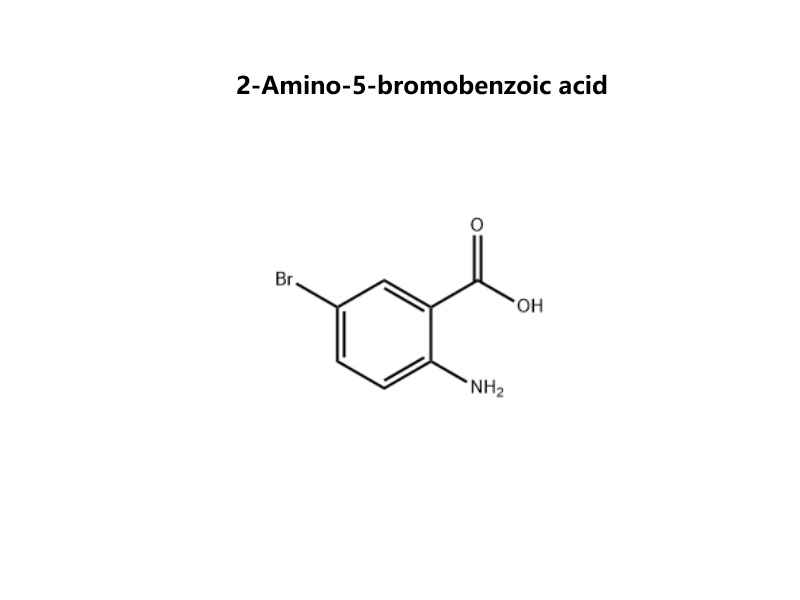
2-Amino-5-bromobenzoic acid CAS 5794-88-7 is a highly versatile aromatic building block that integrates three distinct functional groups—an amine, a carboxylic acid, and an aryl bromide—into a single, synthetically valuable scaffold. This multifunctionality makes it a crucial intermediate in pharmaceutical and advanced materials chemistry.
Details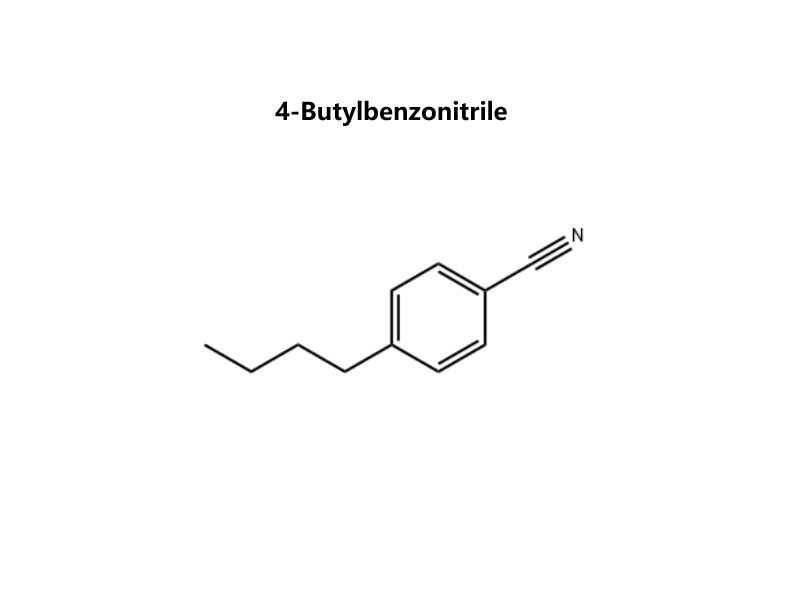
4-Butylbenzonitrile CAS 20651-73-4 is a strategically designed hydrophobic building block that combines a rigid aromatic core with a flexible linear alkyl chain and a highly versatile nitrile functional group. This triad of features makes it an exceptionally valuable intermediate for modulating physicochemical properties and enabling diverse synthetic pathways in advanced material and pharmaceutical and agrochemical research.
Details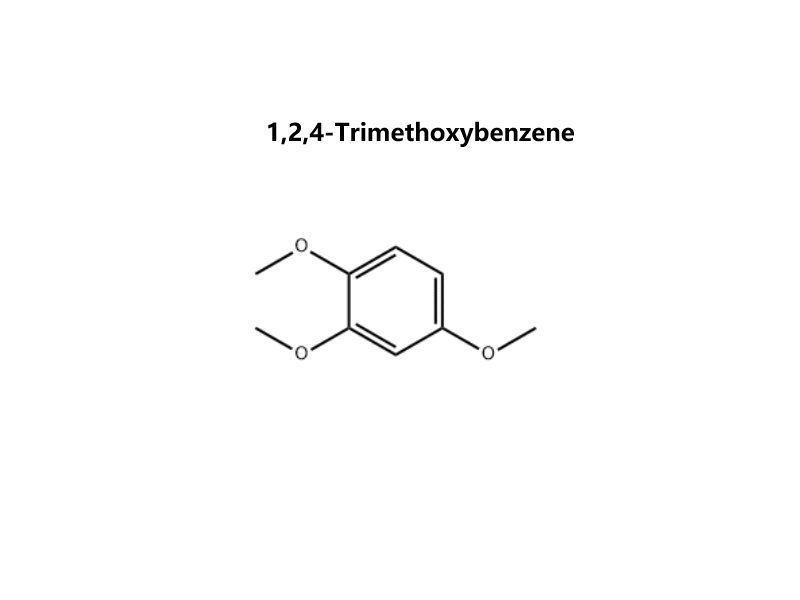
1,2,4-Trimethoxybenzene CAS 135-77-3 is a uniquely versatile, electron-rich aromatic building block. Its core value lies in its unsymmetrical yet highly predictable substitution pattern, which provides exceptional regiocontrol in synthetic chemistry. This makes it a privileged scaffold for constructing complex molecules in pharmaceuticals, agrochemicals, and advanced materials.
Details
 Contact Us
 1st Floor, No. 477, Huancheng West Road, Nanqiao Town, Fengxian District, Shanghai,China
 sales@qxscientific.com
 +86 -13701740203


 IPv6 Network Supported |
Sitemap |
XML |
Blog |
Privacy Policy
IPv6 Network Supported |
Sitemap |
XML |
Blog |
Privacy Policy
Leave A Message
Scan to Wechat/Whatsapp :



 English
 English
 Español
 Português