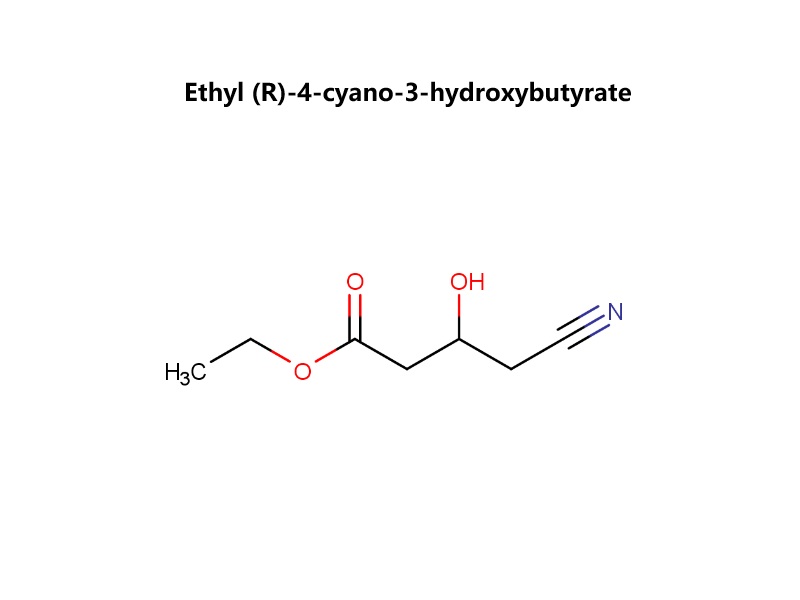

Ethyl (R)-4-cyano-3-hydroxybutyrate CAS 141942-85-0 is a chiral, bifunctional building block of significant importance in asymmetric synthesis. It contains a stereogenic center with (R)-configuration, an ethyl ester group, and a terminal nitrile group, making it a versatile precursor for constructing complex chiral molecules, particularly in pharmaceutical applications. This compound is a stereodefined, multifunctional chiral building block where the (R)-configured alcohol and versatile cyano group provide unique synthetic leverage. It serves as a privileged precursor for high-value pharmaceutical intermediates, particularly statin side chains, by offering superior and orthogonal reactivity compared to its chloro analog.
Name :
Ethyl (R)-4-cyano-3-hydroxybutyrateCAS No. :
141942-85-0MF :
C₇H₁₁NO₃MW :
157.17Purity :
99%Appearance :
Colorless to pale yellow liquid.Storage Condition :
Store under an inert atmosphere (N₂ or Ar) in a tightly sealed, moisture-proof container.Chemical Properties
IUPAC Name: Ethyl (3R)-4-cyano-3-hydroxybutanoate
Other Common Names: (R)-4-Cyano-3-hydroxybutyric acid ethyl ester; (R)-CHBE-CN
Chemical Formula: C₇H₁₁NO₃
Molecular Weight: 157.17 g/mol
Structure: NC-CH₂-CH(OH)-CH₂-COO-CH₂-CH₃. The chiral center at the 3-carbon bears the hydroxyl group in the (R)-configuration.
Appearance: Colorless to pale yellow liquid.
Boiling Point: Decomposes upon distillation at atmospheric pressure; typically used below 150°C.
Density: ~1.12 g/cm³ (estimated)
Refractive Index: n²⁰/D ~1.445 - 1.455 (estimated)
Specific Optical Rotation: [α]²⁰/D typically ranges from +10° to +15° (c=1 in ethanol), confirming the (R)-configuration.
Solubility: Soluble in most common organic solvents (ethyl acetate, dichloromethane, acetone, ethanol). Partially soluble in water.
Stability: Moisture-sensitive. The nitrile group can hydrolyze under acidic or basic conditions, especially at elevated temperatures. The chiral center is susceptible to racemization under strongly basic conditions. Store under inert atmosphere (nitrogen/argon) at 2-8°C.
Key Reactivity:
1.Nitrile Group: Can be hydrolyzed to a carboxylic acid, reduced to an amine, or participate in cycloaddition reactions (e.g., forming tetrazoles).
2.Ester Group: Can be hydrolyzed, reduced, or transesterified.
3.Hydroxyl Group: Can be protected, oxidized, or used to direct stereoselective reactions. The presence of both nitrile and ester groups offers multiple pathways for ring closure to form lactones or lactams.
Biological Activities
Primary Role: This compound is a synthetic intermediate and not a biologically active compound itself. Its significance lies in its role as a chiral precursor to pharmacologically active molecules.
Metabolic Relevance: It is a key chiral precursor in the synthesis of statins (HMG-CoA reductase inhibitors). The (R)-configuration is essential for the biological activity of certain statin side-chain intermediates.
Toxicity: Expected to be harmful if swallowed, inhaled, or absorbed through the skin. Nitriles can release cyanide ions upon metabolism, posing a risk of systemic cyanide toxicity. Likely causes skin and eye irritation.
Biosynthesis
Natural Occurrence: Does not occur naturally.
Industrial Synthesis: Produced via asymmetric synthesis or biocatalytic methods.
1.Enzymatic/Biocatalytic Route: The most efficient method involves the enantioselective reduction of ethyl 4-cyano-3-oxobutyrate using a ketoreductase enzyme or engineered microorganism (e.g., yeast). This approach can achieve high enantiomeric excess (>99% ee).
2.Chemical Catalysis: Asymmetric hydrogenation or transfer hydrogenation of the corresponding β-ketoester using chiral metal complexes (e.g., Ru-BINAP) is also feasible.
3.Chiral Pool Strategy: Derivation from natural chiral starting materials like ascorbic acid or malic acid is possible but less common for large-scale production.
Applications



Key Advantages & Benefits
1. Versatile Nitrile Functionality for Diverse Molecular Elaboration
Benefit: The cyano (-CN) group is a highly versatile synthetic handle that can be cleanly transformed into a carboxylic acid, primary amine (via reduction), amide, or heterocycle (e.g., tetrazole). This enables a wider range of downstream transformations than the chloro group in the analogous chloride compound.
Application Scenario: In the synthesis of a novel GABAergic pharmaceutical candidate, medicinal chemists use this ester as the starting point. They first protect the alcohol, then reduce the nitrile to a primary amine, and finally cyclize it with the ester to form a chiral γ-lactam core structure—a transformation that is more direct and higher-yielding than routes requiring multiple steps from the chloride analog.
2. Critical Chiral Precursor for Advanced Statin APIs
Benefit: It is a key, stereospecific intermediate in the commercial synthesis of Rosuvastatin and other next-generation statins. The (R)-configuration at the hydroxy center is essential for optimal binding to the HMG-CoA reductase enzyme target.
Application Scenario: In the large-scale GMP manufacturing of Rosuvastatin Calcium, this compound is produced via a highly enantioselective biocatalytic reduction. It then undergoes a series of controlled reactions where the nitrile is selectively hydrolyzed to an acid and subsequently elaborated into the complete, pharmacologically active dihydroxy acid side chain with exceptional stereofidelity.
3. Enables Efficient, Convergent Synthetic Strategies
Benefit: The presence of three differentiable functional groups (ester, alcohol, nitrile) allows for sequential and orthogonal modifications. This facilitates convergent synthesis, where complex fragments can be assembled efficiently, saving steps and improving overall yield.
Application Scenario: During the research-phase synthesis of a complex natural product analog, chemists use this molecule as a central hub. They couple the acid derived from ester hydrolysis to one fragment via amide bond formation, while the nitrile is converted to a tetrazole bioisostere to interact with a specific enzyme pocket, rapidly generating a targeted library for screening from a single chiral source.
4. Favorable Stability Profile for Process Chemistry
Benefit: While still requiring careful handling, the cyano group is generally more stable toward displacement by weak nucleophiles than a chloro group under process conditions. This allows for greater flexibility in reaction sequence design and minimizes side reactions during the protection of the alcohol or manipulations of the ester.
Application Scenario: In a pilot plant synthesis, a reaction step requires heating in a polar aprotic solvent like DMF with a mild base. Using the cyano analog prevents the formation of elimination byproducts or ethers that could plague the process if the more labile chloro analog were used, leading to a cleaner reaction profile and simpler purification.
Ethyl (R)-4-Cyano-3-hydroxybutyrate (CAS 141942-85-0) is a specialized, high-value chiral synthon whose advantage lies in its strategic nitrogen incorporation. It is not merely an alternative to the ubiquitous chloro analog but a deliberate choice for synthetic routes demanding the unique reactivity of the nitrile group. Its role as the preferred intermediate for Rosuvastatin underscores its industrial importance, while its three functional groups offer medicinal chemists a powerful toolkit for parallel diversification. For projects where the synthetic target lies "beyond the chloride"—requiring an amine, a tetrazole bioisostere, or other nitrogenous motifs—this compound provides the most efficient and stereocontrolled entry point, justifying its status as a premium building block in asymmetric synthesis.
FAQs
Q1: What is the key advantage of this nitrile-containing analog over the more common chloro analog (Ethyl (S)-4-chloro-3-hydroxybutyrate)?
A: The primary advantage is chemical diversification. The nitrile group is more versatile than the chloro group. It allows for:
Direct conversion to an amine (via reduction) or a tetrazole (via cycloaddition).
Hydrolysis to a carboxylic acid, offering an alternative path to diacids.
Participation in different cyclization reactions to form heterocycles that the chloro analog cannot easily access. The choice depends on the target molecule's required functional groups.
Q2: How do I verify the enantiomeric purity (ee) and (R)-configuration?
A:
Enantiomeric Excess (ee): Must be determined by chiral HPLC or GC analysis. Request a Certificate of Analysis (CoA) showing a chromatogram and calculated ee%. For pharmaceutical use, ≥99% ee is standard.
Configuration: The specific optical rotation is a quick confirmation. A positive rotation value (e.g., +10° to +15°) confirms the (R)-enantiomer, as the (S)-enantiomer would have a negative rotation.
Q3: What is the recommended storage condition to prevent racemization or degradation?
A: Due to its sensitivity to moisture and potential for racemization:
Store under an inert atmosphere (N₂ or Ar) in a tightly sealed, moisture-proof container.
Keep refrigerated (2-8°C) for short-term use; for long-term stability, store at -20°C.
Protect from light. Always warm sealed containers to room temperature before opening to prevent condensation.
Q4: What are the critical quality specifications I should require from a supplier?
A: A comprehensive CoA should include:
1.Identity: Confirmation by FT-IR or NMR.
2.Purity: Chemical purity ≥98% by HPLC/GC.
3.Enantiomeric Purity: ee% ≥99% by chiral HPLC.
4.Specific Optical Rotation: Measured value with solvent and concentration specified.
5.Water Content: <0.5% by Karl Fischer titration.
6.Residual Solvents: Meets ICH guidelines.
7.Heavy Metals: Below pharmacopeial limits.
Q5: What are the main safety hazards, and what PPE is required?
A:
Primary Hazards: Acute toxicity (oral, dermal, inhalation) due to nitrile content, skin corrosion/irritation, and serious eye damage.
PPE: Mandatory use in a fume hood. Wear chemical-resistant gloves (nitrile/neoprene), chemical splash goggles, and a lab coat. Consider a face shield for splash risk.
Q6: Can this compound be used directly in aqueous reactions?
A: No. It is moisture-sensitive. The nitrile group will hydrolyze, and the chiral center may racemize. Reactions should be conducted in anhydrous organic solvents (THF, DMF, DCM) under an inert atmosphere. Aqueous work-up, if necessary, should be brief and performed under neutral pH at low temperature.
Q7: Who are the typical manufacturers, and what affects its market price?
A:
Manufacturers: Specialized fine chemical and custom synthesis companies with expertise in asymmetric hydrogenation or biocatalysis, particularly in regions with strong pharmaceutical manufacturing (e.g., Asia, Europe, North America).
Price Drivers:
1.Enantiomeric Purity: Price increases significantly for ≥99% ee material.
2.Scale: Substantial price reduction for multi-kilogram/multi-ton orders.
3.Regulatory Grade: cGMP-grade material with full regulatory support (DMF, CMC) commands a significant premium.
4.Synthetic Route: Biocatalytically produced material, while highly pure, may have different cost structures compared to chemical catalysis.
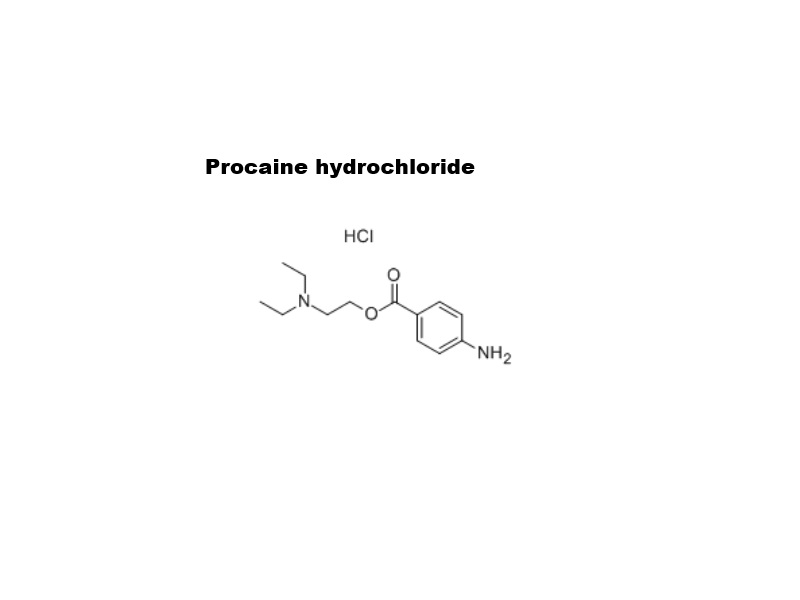
Procaine Hydrochloride CAS 51-05-8 is the water-soluble hydrochloride salt of procaine. It is the specific formulation used in clinical medicine, famously marketed under the brand name Novocain. While its use in mainstream practice has diminished, it remains a historically pivotal drug and is still employed in specific medical and therapeutic contexts.
Details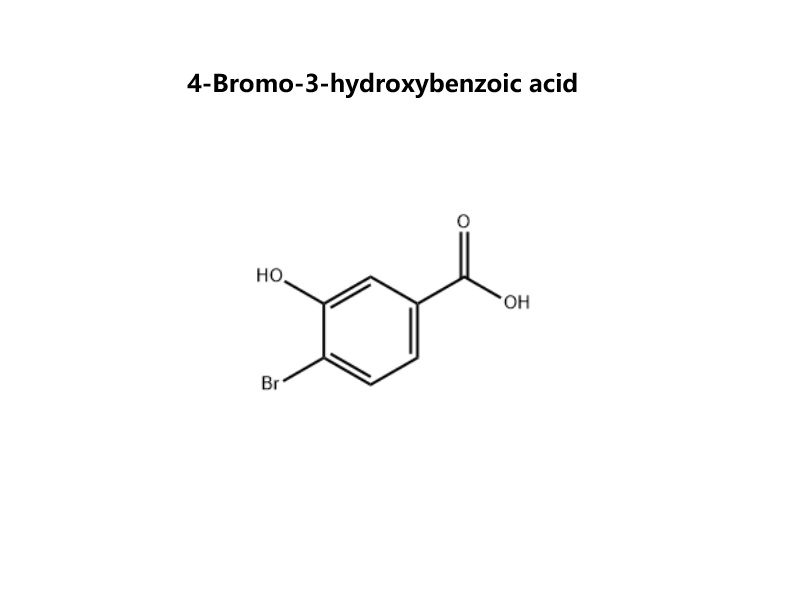
4-Bromo-3-hydroxybenzoic acid CAS 14348-38-0 is a premium, multifunctional aromatic building block engineered for complexity-driven synthesis. Its core value lies in the strategic placement of three distinct, orthogonally reactive functional groups on a benzene ring, making it an indispensable tool for convergent molecular construction in advanced research and development.
Details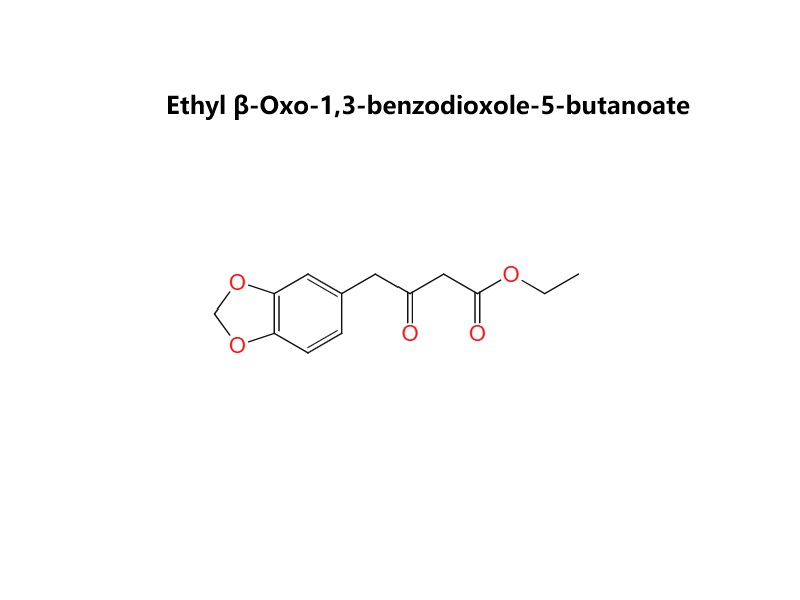
Ethyl β-Oxo-1,3-benzodioxole-5-butanoate CAS 31127-23-8 is a β-ketoester derivative featuring a 1,3-benzodioxole (methylenedioxyphenyl) aromatic system. Structurally, it consists of a benzodioxole ring attached through a three-carbon chain to an ethyl β-ketoester functional group (-CO-CH₂-COOEt). This makes it a versatile bifunctional building block for organic synthesis, combining the electronic properties of the benzodioxole group with the high reactivity of a β-ketoester.
Details![4-Nitrophenyl 3-(Benzo[d][1,3]dioxol-5-yl)-2-methylpropanoate](https://www.qixiolivetol.com/storage/uploads/images/202604/17/1776427287_qZy87IjHSQ.jpg)
4-Nitrophenyl 3-(Benzo[d][1,3]dioxol-5-yl)-2-methylpropanoate is a chirally defined, pre-activated acylating agent that combines a metabolically stable benzo[1,3]dioxole (piperonyl) pharmacophore with the exceptional reactivity of a 4-nitrophenyl ester. It enables the efficient, racemization-free introduction of a complex, chiral acid moiety under mild conditions, making it invaluable for advanced synthetic and bioconjugation chemistry. 4-Nitrophenyl 3-(Benzo[d][1,3]dioxol-5-yl)-2-methylpropanoate is a specialty ester designed as a reactive biochemical or synthetic intermediate. Its structure strategically combines three key units: (1)A 3-(benzo[1,3]dioxol-5-yl)-2-methylpropanoic acid (piperonyl-substituted, chiral acid) moiety. (2)A 4-nitrophenyl ester leaving group. This design makes it an activated ester, where the 4-nitrophenol is an excellent leaving group, facilitating efficient acyl transfer reactions under mild conditions.
Details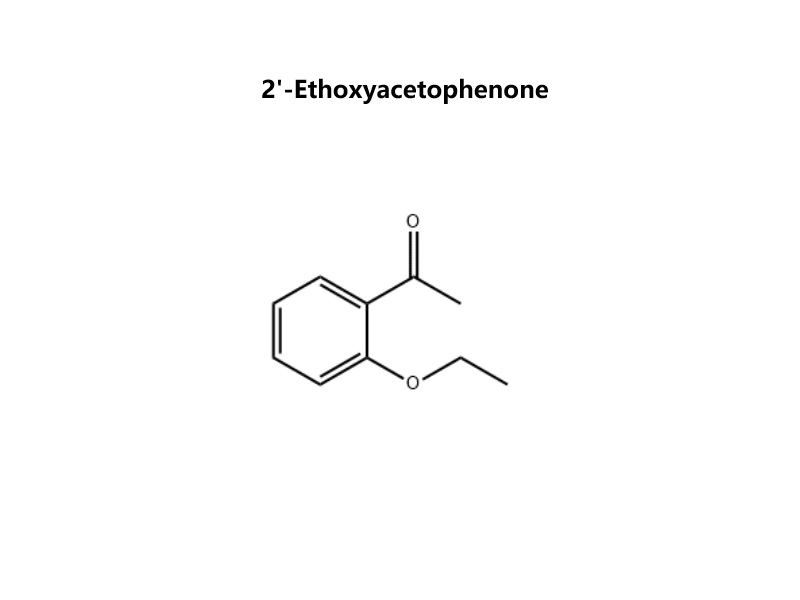
2'-Ethoxyacetophenone CAS 2142-67-8 is a specialized aromatic ketone characterized by an ethoxy substituent at the orthoposition relative to the acetyl group. This structural feature imparts distinct chemical and physical properties, making it a privileged building block for synthesizing complex molecules, particularly in the flavor/fragrance and pharmaceutical sectors.
Details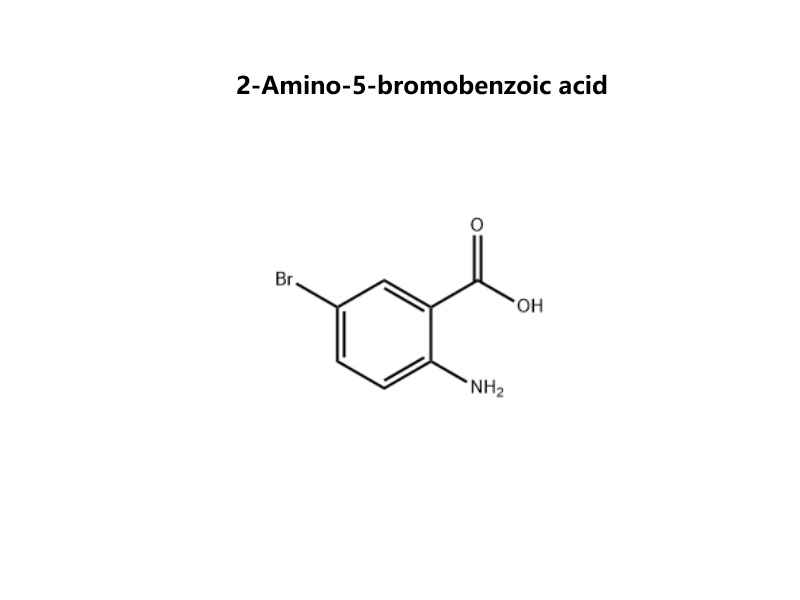
2-Amino-5-bromobenzoic acid CAS 5794-88-7 is a highly versatile aromatic building block that integrates three distinct functional groups—an amine, a carboxylic acid, and an aryl bromide—into a single, synthetically valuable scaffold. This multifunctionality makes it a crucial intermediate in pharmaceutical and advanced materials chemistry.
Details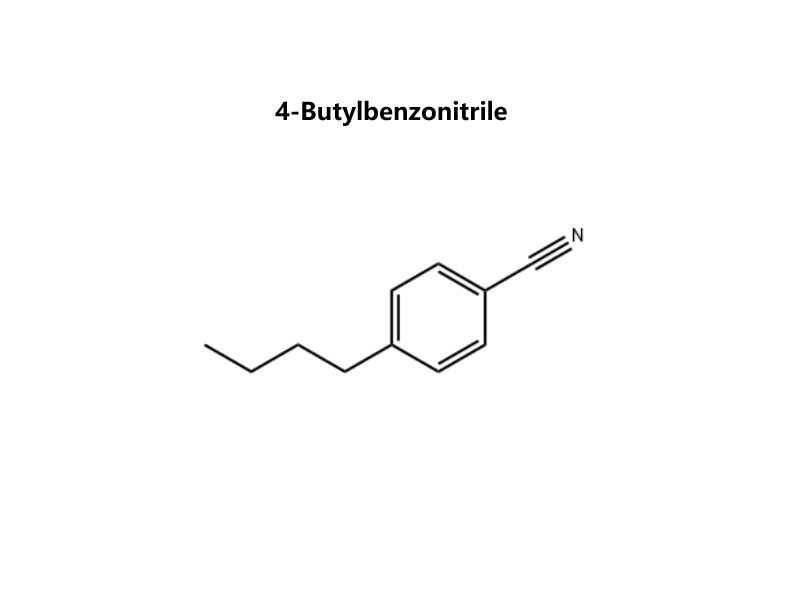
4-Butylbenzonitrile CAS 20651-73-4 is a strategically designed hydrophobic building block that combines a rigid aromatic core with a flexible linear alkyl chain and a highly versatile nitrile functional group. This triad of features makes it an exceptionally valuable intermediate for modulating physicochemical properties and enabling diverse synthetic pathways in advanced material and pharmaceutical and agrochemical research.
Details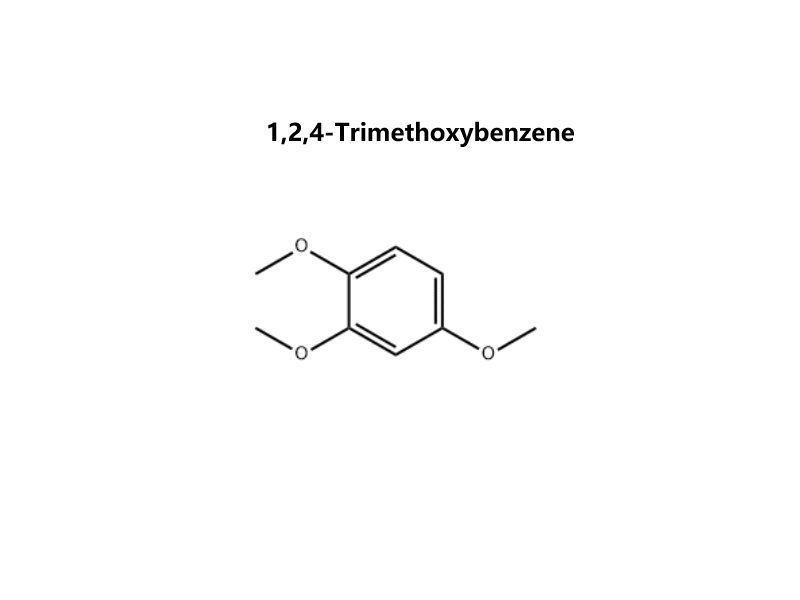
1,2,4-Trimethoxybenzene CAS 135-77-3 is a uniquely versatile, electron-rich aromatic building block. Its core value lies in its unsymmetrical yet highly predictable substitution pattern, which provides exceptional regiocontrol in synthetic chemistry. This makes it a privileged scaffold for constructing complex molecules in pharmaceuticals, agrochemicals, and advanced materials.
Details
 Contact Us
 1st Floor, No. 477, Huancheng West Road, Nanqiao Town, Fengxian District, Shanghai,China
 sales@qxscientific.com
 +86 -13701740203


 IPv6 Network Supported |
Sitemap |
XML |
Blog |
Privacy Policy
IPv6 Network Supported |
Sitemap |
XML |
Blog |
Privacy Policy
Leave A Message
Scan to Wechat/Whatsapp :



 English
 English
 Español
 Português