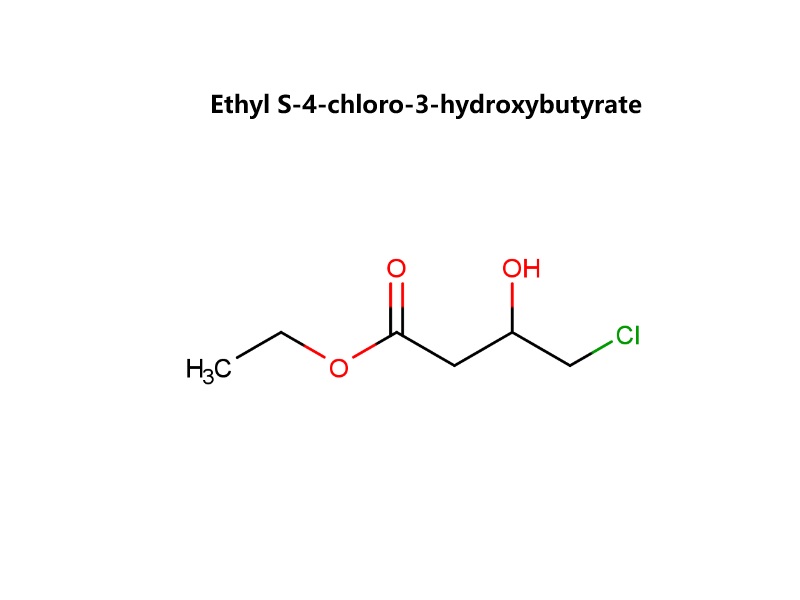

Ethyl (S)-4-chloro-3-hydroxybutyrate CAS 86728-85-0 is a chiral, bifunctional ester and a highly valuable building block in asymmetric synthesis. It features a terminal chloro group, a secondary alcohol with defined (S)-stereochemistry, and an ethyl ester, providing three distinct reactive handles for chemical transformation from a single enantiomerically pure scaffold. This compound is a chirally pure, trifunctional building block that integrates a reactive ethyl ester, a stereodefined secondary alcohol, and a terminal chloride into a compact C4 skeleton. It is the preferred industrial precursor for synthesizing the chiral side chain of blockbuster statin drugs due to its optimal balance of reactivity, stability, and efficient biocatalytic production.
Name :
Ethyl (S)-4-chloro-3-hydroxybutyrateCAS No. :
86728-85-0MF :
C₆H₁₁ClO₃MW :
166.60Purity :
99%Appearance :
Typically a colorless to pale yellow liquid.Storage Condition :
Store under an inert atmosphere (N₂ or Argon) in a tightly sealed container and refrigerate (2-8°C).Chemical Properties
IUPAC Name: Ethyl (3S)-4-chloro-3-hydroxybutanoate
Other Common Names: (S)-4-Chloro-3-hydroxybutyric acid ethyl ester; (S)-CHBE
Chemical Formula: C₆H₁₁ClO₃
Molecular Weight: 166.60 g/mol
Structure: CH₂Cl-CH(OH)-CH₂-COO-CH₂-CH₃. The chiral center at the 3-carbon bears the hydroxyl group in the (S)-configuration.
Appearance: Typically a colorless to pale yellow liquid.
Boiling Point: ~95-100°C at 1 mmHg (decomposes at higher pressures).
Density: ~1.18 g/cm³ at 20°C
Refractive Index: n²⁰/D ~1.455 - 1.465
Specific Optical Rotation: [α]²⁰/D typically ranges from -15° to -20° (c=1 in ethanol).
Solubility: Soluble in most common organic solvents (ethyl acetate, dichloromethane, ether, ethanol). Sparingly soluble in water.
Stability: Moisture-sensitive. The chloro group is susceptible to hydrolysis, especially under acidic or basic conditions. The chiral center can racemize under strongly basic conditions. It is recommended to store under inert atmosphere (nitrogen/argon) at low temperature (2-8°C) to prevent degradation and racemization.
Key Reactivity:
1.Ester Group: Can be hydrolyzed to the carboxylic acid, reduced to an alcohol, or transesterified.
2.Chloro Group: A good leaving group for nucleophilic substitution (Sɴ2) reactions with nucleophiles such as azide, cyanide, amines, or alkoxides.
3.Hydroxyl Group: Can be protected (e.g., as a silyl ether or acetal), oxidized, or used to direct stereoselective reactions.
Biological Activities
Primary Role: This compound is exclusively a synthetic intermediate with no intrinsic therapeutic activity. Its significance lies in its role as a chiral precursor to biologically active molecules.
Metabolic Relevance: It is a direct chiral precursor to (R)-4-amino-3-hydroxybutyric acid (GABOB), a neurotransmitter analog, and to the side chain of Hydroxymethylglutaryl-CoA (HMG-CoA) reductase inhibitors (statins).
Toxicity: Expected to be harmful if swallowed, inhaled, or absorbed through the skin. Likely causes skin and eye irritation. Standard precautions for handling halogenated compounds should be observed.
Biosynthesis
Natural Occurrence: Does not occur naturally.
Industrial Synthesis: Produced via enantioselective catalytic routes.
1.Asymmetric Reduction: The most common and efficient method involves the enantioselective bioreduction of ethyl 4-chloroacetoacetate (COBE) using engineered yeast cells (e.g., Geotrichum candidum, Candida magnoliae) or recombinant ketoreductase enzymes. This biocatalytic process offers high enantioselectivity (>99% ee), excellent yield, and is environmentally friendly.
2.Chemical Catalysis: Asymmetric hydrogenation of ethyl 4-chloroacetoacetate using chiral transition metal catalysts (e.g., Ru-BINAP complexes) is also feasible but may be less selective or require more stringent conditions than biocatalysis.
3.Chiral Pool: Derivation from natural chiral sources like L-malic acid or ascorbic acid is possible but less economical for large-scale production.
Applications


Key Advantages & Benefits
1. Optimized for High-Yield, Scalable Biocatalytic Production
Benefit: It is produced with exceptional efficiency via microbial whole-cell or enzymatic asymmetric reduction of ethyl 4-chloroacetoacetate (COBE). This "green" process delivers the product in >99% enantiomeric excess (ee), eliminates heavy metal catalysts, and is ideal for large-scale cGMP manufacturing.
Application Scenario: A pharmaceutical manufacturer uses a fermentation-based process with engineered Candidayeast to produce multi-ton quantities of this ester. The high stereoselectivity eliminates the need for costly chiral separations, and the aqueous work-up yields a product of exceptional purity, directly feeding into the synthesis of Atorvastatin (Lipitor®) with minimal waste and maximum atom economy.
2. Trifunctional Design for Strategic, Convergent Synthesis
Benefit: The three functional groups (chloride, alcohol, ester) are orthogonal and can be modified sequentially, enabling the rapid construction of complex chiral targets through convergent synthetic routes.
Application Scenario: In the synthesis of a potent γ-lactone protease inhibitor, a medicinal chemist first protects the (S)-alcohol as a silyl ether. The chloride is then displaced with a thiol nucleophile, and finally, the ethyl ester is selectively reduced to an aldehyde, which undergoes spontaneous cyclization to form the desired lactone with perfect stereocontrol—all from this single, versatile starting material.
3. Superior Process Stability and Handling Characteristics
Benefit: Compared to the more labile free acid or nitrile analogs, the ethyl ester offers enhanced stability against dimerization and polymerization during storage and under process conditions. Its liquid form allows for precise volumetric or gravimetric dosing in large reactors.
Application Scenario: In a continuous flow manufacturing setup for a statin intermediate, this ester is pumped reliably without crystallization or viscosity issues. Its stability ensures consistent reaction performance over long production campaigns, reducing downtime and validation complexity compared to handling solid or highly reactive alternatives.
4. Direct Precursor to High-Value Chiral Intermediates
Benefit: Serves as the direct feedstock for synthesizing commercial chiral synthons like (R)-4-amino-3-hydroxybutyrate (GABOB) and the critical statin side-chain aldehyde, enabling streamlined multi-step syntheses without protecting group manipulations at early stages.
Application Scenario: A fine chemical supplier uses this compound to produce (S)-3-hydroxy-γ-butyrolactone via a simple intramolecular cyclization. This high-value lactone is then sold as a building block for pharmaceuticals and advanced materials, creating a profitable derivative product line from a single, scalable source.
Ethyl (S)-4-Chloro-3-hydroxybutyrate (CAS 86728-85-0) is the cornerstone intermediate for the industrial synthesis of multi-billion dollar statin therapies. Its advantages are defined by its role in a perfectly optimized supply chain: it is produced via a scalable, sustainable biocatalytic process that guarantees the stereochemical purity required for pharmaceutical efficacy. For manufacturers, it represents a reliable, high-quality building block that minimizes production complexity and risk. For synthetic chemists, its trifunctional design offers unmatched flexibility in constructing complex chiral architectures. While alternatives exist for niche applications, this compound remains the unrivaled champion for efficient, cost-effective, and high-purity production of the world's most important cholesterol-lowering drugs.
FAQs
Q1: What is the main advantage of the ethyl ester form compared to the free acid or nitrile analog?
A: The ethyl ester offers an optimal balance of reactivity and stability. It is more stable to handling and storage than the free acid, yet the ester group is easier to hydrolyze under milder conditions compared to reducing a nitrile. It provides a direct, protected route to the carboxylic acid functionality essential for statin side-chain synthesis.
Q2: What is the most critical quality parameter to specify?
A: Enantiomeric Excess (ee) is paramount. For pharmaceutical applications, ≥99% ee is typically required. This should be verified by chiral HPLC or GC analysis. Also crucial are chemical purity (by GC/HPLC, typically ≥98%) and water content (by Karl Fischer, should be low, e.g., <0.5%).
Q3: How should it be stored, and what is its shelf life?
A: Due to sensitivity to moisture and potential racemization, store under an inert atmosphere (N₂ or Argon) in a tightly sealed container and refrigerate (2-8°C). For long-term storage, freezing at -20°C is recommended. Under these conditions, shelf life can exceed 24 months. Always bring to room temperature in a closed container before use to avoid condensation.
Q4: What are the key differences between biocatalytic and chemical catalytic production?
A:
Biocatalytic (Yeast/Enzyme): Offers superior enantioselectivity (often >99.5% ee), operates under mild conditions (aqueous buffer, room temperature), and is highly sustainable. It is the preferred industrial method.
Chemical Catalytic (Chiral Metal Complexes): Can offer high throughput but may require high pressure (H₂), sensitive catalysts, and often results in slightly lower ee, necessitating purification. The choice depends on scale, existing infrastructure, and desired purity.
Q5: What is a typical downstream transformation in statin synthesis?
A: A classic sequence involves: 1) Protection of the alcohol (e.g., as a tert-butyldimethylsilyl ether), 2) Nucleophilic displacement of the chloride with a suitable carbon nucleophile (e.g., a dianion derived from a statin backbone precursor), and 3) Hydrolysis of the ethyl ester to reveal the carboxylic acid needed for the final lactonization or coupling step.
Q6: What are the main safety and handling precautions?
A: Handle in a well-ventilated fume hood with appropriate PPE (nitrile/neoprene gloves, safety goggles, lab coat). It is flammable, moisture-sensitive, and likely toxic. Avoid contact with skin, eyes, and clothing. Avoid inhalation of vapors/mist. Have appropriate fire-fighting equipment and spill containment materials (inert absorbent) readily available.
Q7: Who are the typical suppliers, and what drives its price?
A: It is supplied by specialty fine chemical manufacturers and custom synthesis houses, particularly those with strong capabilities in biocatalysis and asymmetric synthesis. Key price drivers include:
Enantiomeric Purity (ee%): Significantly higher cost for >99% ee material.
Scale: Price per kg decreases substantially with volume.
Synthetic Route: Biocatalytically produced material may command a premium due to its "green" credentials and superior purity.
Regulatory Support: Suppliers who can provide cGMP-grade material and full regulatory documentation (DMF, CMC) for pharmaceutical use charge higher prices.
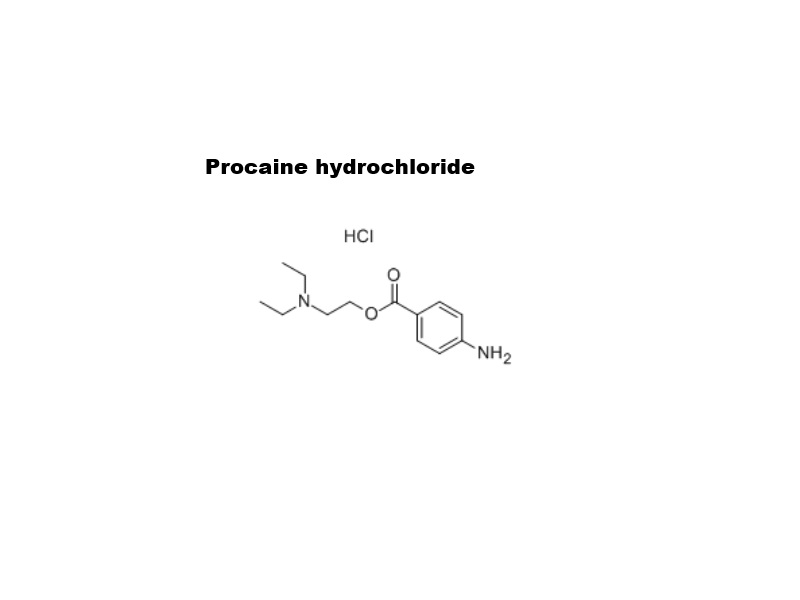
Procaine Hydrochloride CAS 51-05-8 is the water-soluble hydrochloride salt of procaine. It is the specific formulation used in clinical medicine, famously marketed under the brand name Novocain. While its use in mainstream practice has diminished, it remains a historically pivotal drug and is still employed in specific medical and therapeutic contexts.
Details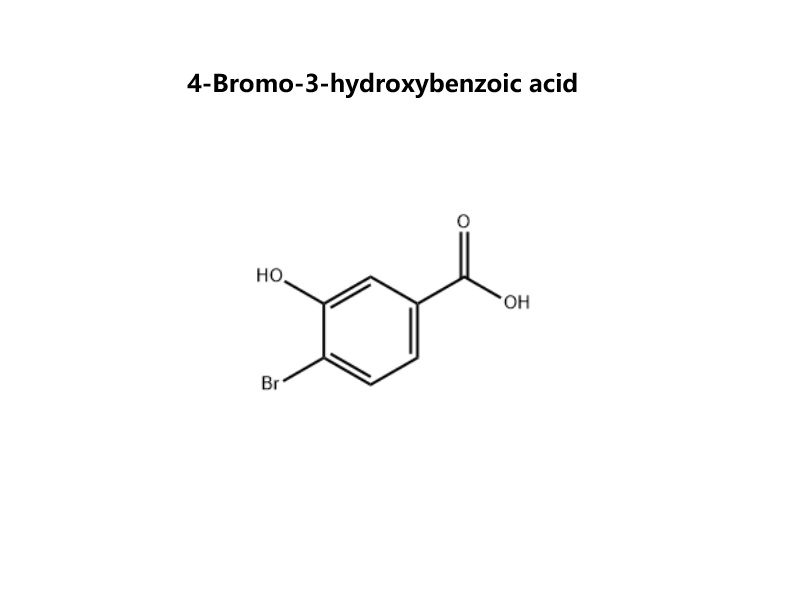
4-Bromo-3-hydroxybenzoic acid CAS 14348-38-0 is a premium, multifunctional aromatic building block engineered for complexity-driven synthesis. Its core value lies in the strategic placement of three distinct, orthogonally reactive functional groups on a benzene ring, making it an indispensable tool for convergent molecular construction in advanced research and development.
Details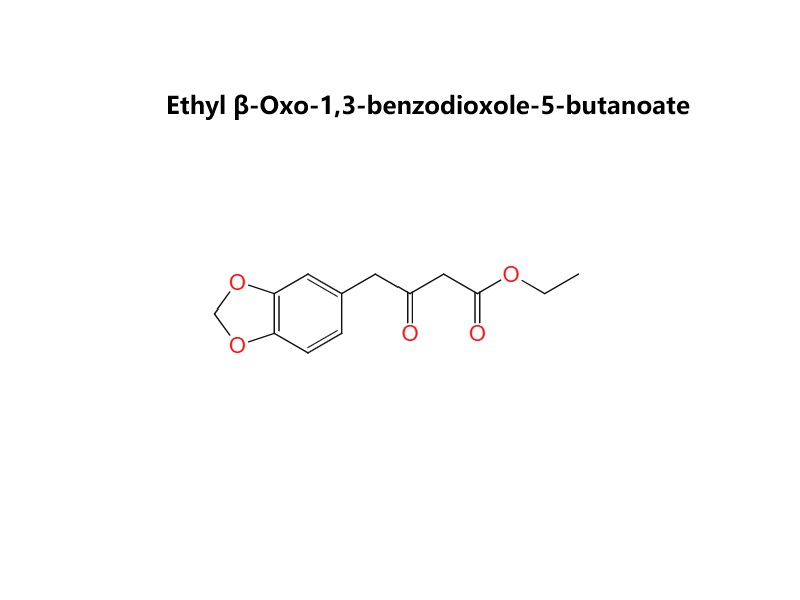
Ethyl β-Oxo-1,3-benzodioxole-5-butanoate CAS 31127-23-8 is a β-ketoester derivative featuring a 1,3-benzodioxole (methylenedioxyphenyl) aromatic system. Structurally, it consists of a benzodioxole ring attached through a three-carbon chain to an ethyl β-ketoester functional group (-CO-CH₂-COOEt). This makes it a versatile bifunctional building block for organic synthesis, combining the electronic properties of the benzodioxole group with the high reactivity of a β-ketoester.
Details![4-Nitrophenyl 3-(Benzo[d][1,3]dioxol-5-yl)-2-methylpropanoate](https://www.qixiolivetol.com/storage/uploads/images/202604/17/1776427287_qZy87IjHSQ.jpg)
4-Nitrophenyl 3-(Benzo[d][1,3]dioxol-5-yl)-2-methylpropanoate is a chirally defined, pre-activated acylating agent that combines a metabolically stable benzo[1,3]dioxole (piperonyl) pharmacophore with the exceptional reactivity of a 4-nitrophenyl ester. It enables the efficient, racemization-free introduction of a complex, chiral acid moiety under mild conditions, making it invaluable for advanced synthetic and bioconjugation chemistry. 4-Nitrophenyl 3-(Benzo[d][1,3]dioxol-5-yl)-2-methylpropanoate is a specialty ester designed as a reactive biochemical or synthetic intermediate. Its structure strategically combines three key units: (1)A 3-(benzo[1,3]dioxol-5-yl)-2-methylpropanoic acid (piperonyl-substituted, chiral acid) moiety. (2)A 4-nitrophenyl ester leaving group. This design makes it an activated ester, where the 4-nitrophenol is an excellent leaving group, facilitating efficient acyl transfer reactions under mild conditions.
Details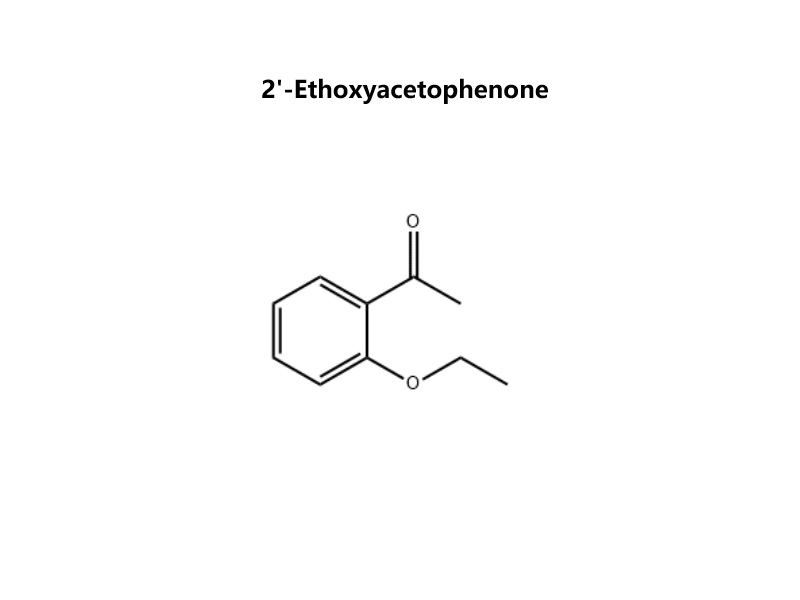
2'-Ethoxyacetophenone CAS 2142-67-8 is a specialized aromatic ketone characterized by an ethoxy substituent at the orthoposition relative to the acetyl group. This structural feature imparts distinct chemical and physical properties, making it a privileged building block for synthesizing complex molecules, particularly in the flavor/fragrance and pharmaceutical sectors.
Details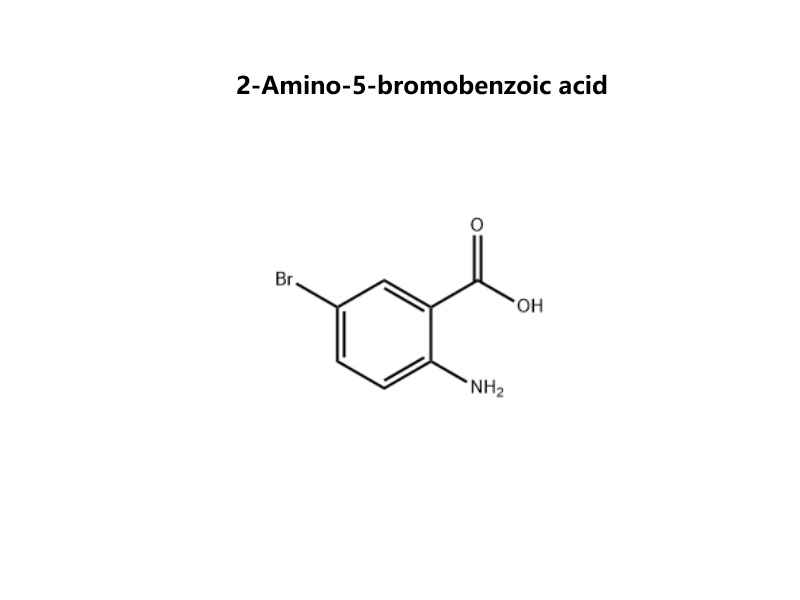
2-Amino-5-bromobenzoic acid CAS 5794-88-7 is a highly versatile aromatic building block that integrates three distinct functional groups—an amine, a carboxylic acid, and an aryl bromide—into a single, synthetically valuable scaffold. This multifunctionality makes it a crucial intermediate in pharmaceutical and advanced materials chemistry.
Details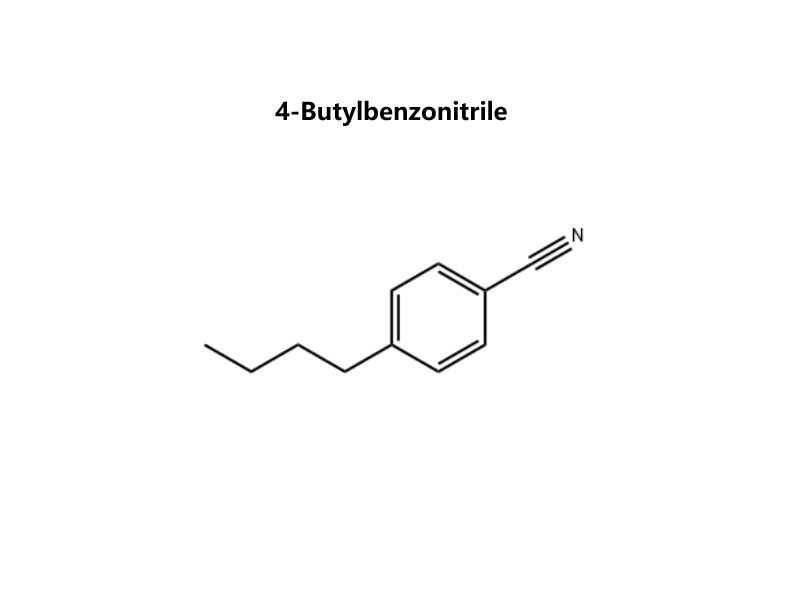
4-Butylbenzonitrile CAS 20651-73-4 is a strategically designed hydrophobic building block that combines a rigid aromatic core with a flexible linear alkyl chain and a highly versatile nitrile functional group. This triad of features makes it an exceptionally valuable intermediate for modulating physicochemical properties and enabling diverse synthetic pathways in advanced material and pharmaceutical and agrochemical research.
Details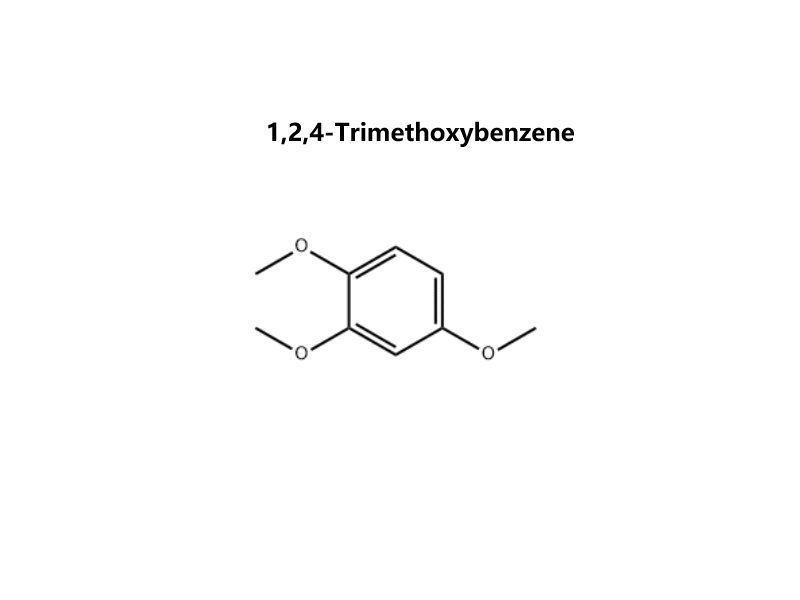
1,2,4-Trimethoxybenzene CAS 135-77-3 is a uniquely versatile, electron-rich aromatic building block. Its core value lies in its unsymmetrical yet highly predictable substitution pattern, which provides exceptional regiocontrol in synthetic chemistry. This makes it a privileged scaffold for constructing complex molecules in pharmaceuticals, agrochemicals, and advanced materials.
Details
 Contact Us
 1st Floor, No. 477, Huancheng West Road, Nanqiao Town, Fengxian District, Shanghai,China
 sales@qxscientific.com
 +86 -13701740203


 IPv6 Network Supported |
Sitemap |
XML |
Blog |
Privacy Policy
IPv6 Network Supported |
Sitemap |
XML |
Blog |
Privacy Policy
Leave A Message
Scan to Wechat/Whatsapp :



 English
 English
 Español
 Português