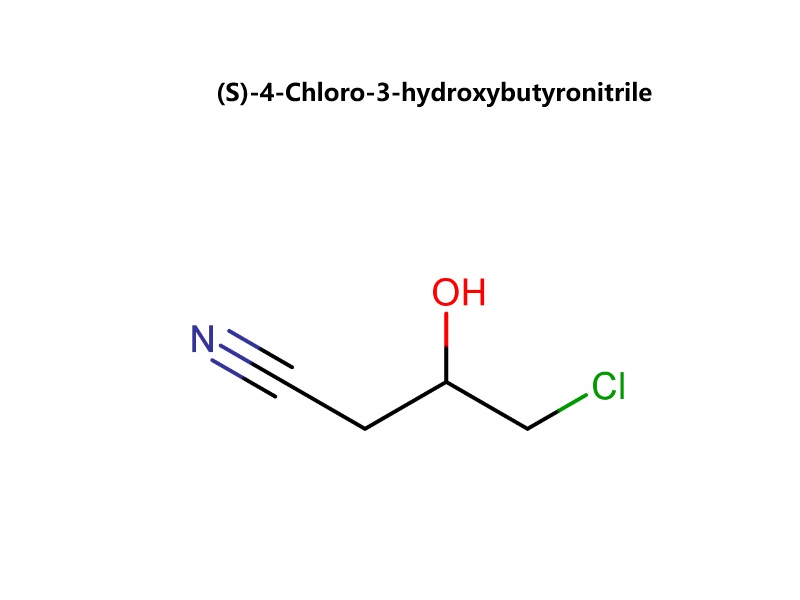
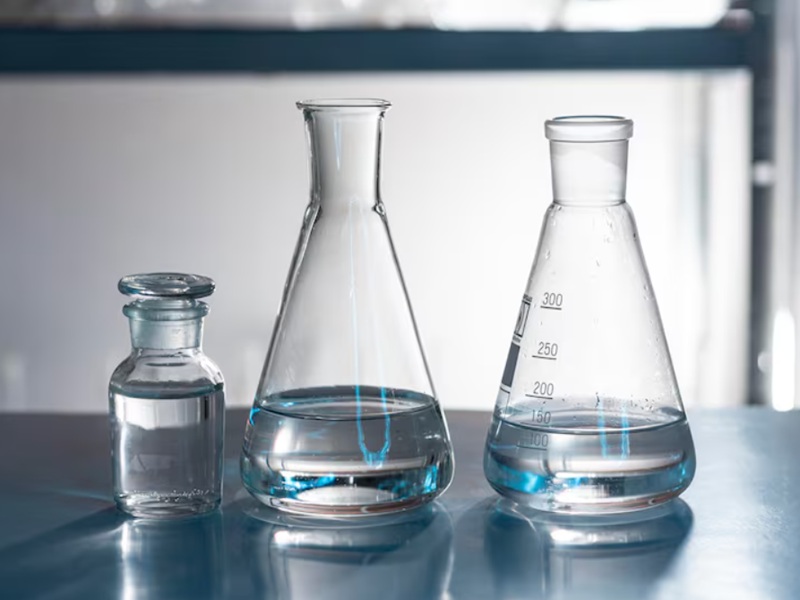
(S)-4-Chloro-3-hydroxybutyronitrile CAS 127913-44-4 is a chiral, bifunctional organic molecule serving as a versatile building block in asymmetric synthesis. It features a nitrile group, a secondary alcohol with defined (S)-stereochemistry, and a terminal chloro substituent, allowing for multiple divergent chemical transformations from a single, enantiomerically pure scaffold.(S)-4-Chloro-3-hydroxybutyronitrile is a privileged, enantiomerically pure chiral building block that provides a compact, multifunctional scaffold with three differentiable reaction sites. Its core value lies in enabling the efficient, stereocontrolled synthesis of complex chiral molecules, particularly pharmacologically active intermediates, with high atom economy and strategic flexibility.
Name :
(S)-4-Chloro-3-hydroxybutyronitrileCAS No. :
127913-44-4MF :
C₄H₆ClNOMW :
119.55Purity :
99%Appearance :
Typically a colorless to pale yellow liquid.Storage Condition :
Store under an inert atmosphere (nitrogen or argon) in a tightly sealed container.Chemical Properties
IUPAC Name: (3S)-4-Chloro-3-hydroxybutanenitrile
Other Common Names: (S)-3-Hydroxy-4-chlorobutyronitrile; (S)-CHBN
Chemical Formula: C₄H₆ClNO
Molecular Weight: 119.55 g/mol
Structure: NC-CH₂-CH(OH)-CH₂-Cl. The chiral center at the 3-carbon bears the hydroxyl group in the (S)-configuration.
Appearance: Typically a colorless to pale yellow liquid.
Boiling Point: Approximately 110-115°C at reduced pressure (e.g., 10 mmHg). Decomposes if distilled at atmospheric pressure.
Density: ~1.25 g/cm³
Refractive Index: n²⁰/D ~1.470 - 1.480
Solubility: Miscible with most common organic solvents (dichloromethane, ethyl acetate, acetone, ethanol). Slightly soluble in water.
Stability: Moisture-sensitive. The chloro and nitrile groups can be hydrolyzed under acidic or basic aqueous conditions, especially at elevated temperatures. It is also prone to racemization under basic conditions. Store under inert atmosphere (N₂/Ar) and refrigerated.
Key Reactivity:
1.Nitrile Group: Can be hydrolyzed to a carboxylic acid, reduced to an amine, or reacted with organometallics (Grignard reagents) to form ketones.
2.Chloro Group: A good leaving group for nucleophilic substitution (Sɴ2) reactions with various nucleophiles (e.g., azide, amines, thiols).
3.Hydroxyl Group: Can be protected (as silyl ethers, acetals), oxidized, or used to direct stereoselective reactions.
Biological Activities
Primary Role: This compound is not used as a bioactive agent itself. Its value lies exclusively as a synthetic intermediate.
Toxicity: Expected to be toxic if swallowed, inhaled, or absorbed through the skin. Like many nitriles, it may release cyanide ions upon metabolism, posing systemic toxicity risks. It is also likely a skin and eye irritant. Must be handled with extreme care in a fume hood with appropriate PPE.
Metabolism: No therapeutic metabolism data. As a nitrile, its potential toxicity is a critical safety consideration during handling.
Biosynthesis
Natural Occurrence: Does not occur naturally.
Industrial/Chemical Synthesis: Produced via asymmetric synthesis or kinetic resolution.
1.Asymmetric Catalytic Reduction: The most common modern route involves the enantioselective reduction of 4-chloro-3-oxobutyronitrile using a chiral catalyst (e.g., a Noyori-type ruthenium complex or a chiral oxazaborolidine/CBS catalyst) with high enantiomeric excess (ee).
2.Enzymatic Resolution: Racemic 4-chloro-3-hydroxybutyronitrile can be resolved using lipases or esterases that selectively acetylate or hydrolyze one enantiomer.
3.Chiral Pool Starting Material: Synthesis from a natural chiral precursor like ascorbic acid or a sugar derivative is possible but less common commercially.
Applications


Key Advantages & Benefits
1. Multifunctional, Orthogonally Reactive Scaffold for Divergent Synthesis
Benefit: Integrates three highly useful functional groups—a chloride (excellent leaving group), a secondary alcohol (stereocenter with protecting/oxidizing potential), and a nitrile (versatile precursor to acids, amines, or ketones)—in a single, small molecule. This allows for sequential, orthogonal transformations to build molecular complexity from a common, chiral starting point.
Application Scenario: In the modular synthesis of a library of chiral γ-lactams (potential kinase inhibitors), a medicinal chemist can: 1) Protect the alcohol as a TBS ether, 2) displace the chloride with sodium azide, 3) reduce the azide to an amine and the nitrile to an aldehyde in one pot, triggering spontaneous cyclization to form the desired lactam core with defined stereochemistry, all from this single starting material.
2. Critical Chiral Synthon for Blockbuster Pharmaceutical Intermediates
Benefit: Serves as the definitive chiral precursor for the dihydroxy acid side chain of statin drugs. Its (S)-configuration directly sets the required stereochemistry for biological activity in the final Active Pharmaceutical Ingredient (API).
Application Scenario: In the commercial production of Atorvastatin, this compound is used in a multi-step sequence to construct the critical chiral C3-C7 fragment of the molecule. Its precise stereochemistry ensures the final drug possesses the correct 3D shape to potently inhibit HMG-CoA reductase, the target enzyme for cholesterol control.
3. Enables High Stereochemical Fidelity and Purity
Benefit: Available in high enantiomeric excess (typically >99% ee), it allows synthetic routes to bypass costly and inefficient resolution steps later in the synthesis. This guarantees the stereochemical integrity of the final product, which is non-negotiable for regulatory approval of chiral drugs.
Application Scenario: When developing a generic version of Rosuvastatin, a manufacturer sources high-purity (S)-isomer to ensure their synthetic route yields an API that is stereochemically identical to the originator drug. Using this pre-chiral building block eliminates the risk of costly batches failing enantiomeric purity specifications.
4. Ideal for Scalable, Catalytic Asymmetric Production
Benefit: Can be produced efficiently on scale via catalytic asymmetric hydrogenation or biocatalytic routes of prochiral precursors like 4-chloroacetoacetate nitrile. This makes it a cost-effective and sustainable entry point for large-scale pharmaceutical manufacturing.
Application Scenario: A contract manufacturing organization (CMO) invests in a continuous flow hydrogenation reactor with a chiral ligand system to produce metric tons of this intermediate. The high catalyst turnover number (TON) and excellent enantioselectivity of the process make it economically viable for supplying multiple statin API manufacturers.
(S)-4-Chloro-3-hydroxybutyronitrile (CAS 127913-44-4) is a high-value, strategic intermediate in asymmetric synthesis, particularly within the pharmaceutical industry. Its superiority stems from its unique trifunctional design and impeccable chiral purity, which provide a concise and powerful platform for constructing complex, bioactive molecules. For synthetic chemists, it represents a "Lego brick" of exceptional utility, enabling convergent routes to statins and beyond with high efficiency and stereocontrol. While alternatives exist for specific target structures, few offer the same combination of pre-installed stereochemistry, functional group density, and transformability that make this compound a cornerstone of modern chiral synthesis.
FAQs
Q1: What is the most critical specification to check when ordering this compound?
A: Enantiomeric Excess (ee) is paramount. For use in pharmaceutical synthesis, a minimum of ≥98% ee is typically required, with ≥99% ee being the standard for final intermediate steps. Always request a Certificate of Analysis (CoA) with the specific optical rotation and chiral HPLC/GC data. The absolute configuration (S)- must be confirmed.
Q2: How should it be stored to maintain its chiral integrity and chemical stability?
A: It is hygroscopic, light-sensitive, and prone to racemization. For optimal stability:
Store under an inert atmosphere (nitrogen or argon) in a tightly sealed container.
Keep refrigerated (2-8°C) or, for long-term storage, frozen (-20°C).
Protect from light (use amber glass or opaque packaging).
Allow the sealed container to reach room temperature before opening to prevent moisture condensation.
Q3: What is a typical next-step transformation in synthesis?
A: A highly common and strategic transformation is the nucleophilic displacement of the chloro group. For example, reaction with a sodium azide (NaN₃) yields (S)-4-azido-3-hydroxybutyronitrile, which can then be reduced to a 1,4-diamine precursor. Alternatively, the nitrile can be selectively reduced to an aldehyde or hydrolyzed to the acid while preserving the other functionalities.
Q4: What are the major handling hazards and required safety precautions?
A: Treat it as a highly toxic and moisture-sensitive compound.
Primary Hazards: Acute toxicity (oral, dermal, inhalation), skin corrosion/irritation, serious eye damage.
PPE: Always handle in a fume hood. Wear appropriate gloves (e.g., nitrile rubber), chemical splash goggles, and a lab coat.
Spill Procedure: Absorb with inert material (sand, vermiculite), place in a sealed container for hazardous waste, and ventilate the area. Avoid contact with skin and eyes.
Q5: Can it be used directly in aqueous reactions or in the presence of bases?
A: Generally, no. The chloro group is susceptible to hydrolysis, and the chiral center can racemize under basic conditions. Reactions should be carried out in anhydrous organic solvents (THF, DMF, DCM) under inert atmosphere. If aqueous work-up is needed, it should be performed quickly at neutral pH and low temperature.
Q6: What are common analytical methods for quality control?
A:
Chiral HPLC/GC: Essential for determining enantiomeric purity (ee%).
¹H and ¹³C NMR: Confirms chemical structure and assesses chemical purity.
Optical Rotation: [α]²⁰/D measurement (specific value depends on solvent and concentration) is a quick chiral purity check.
Karl Fischer Titration: Measures water content, which should be low (<0.5%).
Q7: What are its main competitors or alternative starting materials?
A:
(R)-Enantiomer: Used for synthesizing the mirror-image series of compounds.
Protected Derivatives: Such as (S)-4-chloro-3-(tert-butyldimethylsilyloxy)butyronitrile, which offers improved stability for certain synthetic sequences.
Epichlorohydrin-derived routes: Alternative synthetic pathways to similar statin side chains that start from chiral epichlorohydrin.
The choice depends on the specific target molecule and the optimal convergent point in the synthetic route.
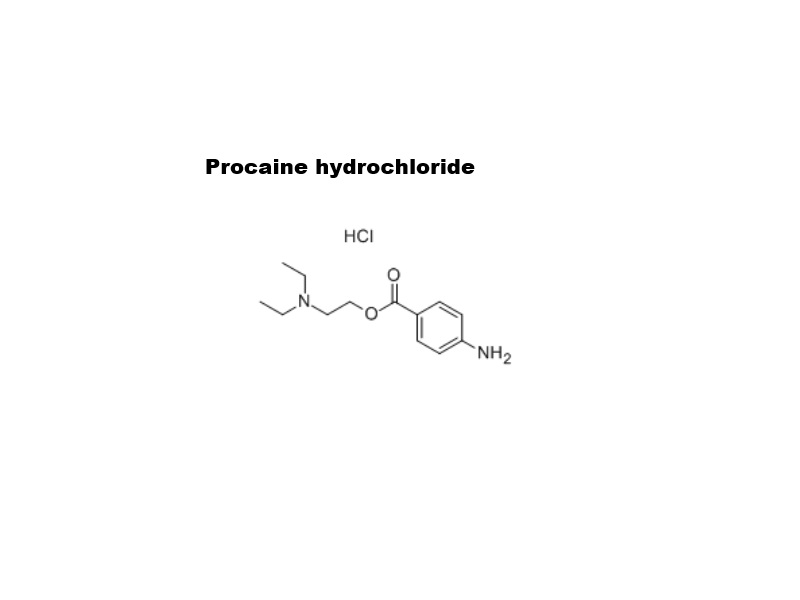
Procaine Hydrochloride CAS 51-05-8 is the water-soluble hydrochloride salt of procaine. It is the specific formulation used in clinical medicine, famously marketed under the brand name Novocain. While its use in mainstream practice has diminished, it remains a historically pivotal drug and is still employed in specific medical and therapeutic contexts.
Details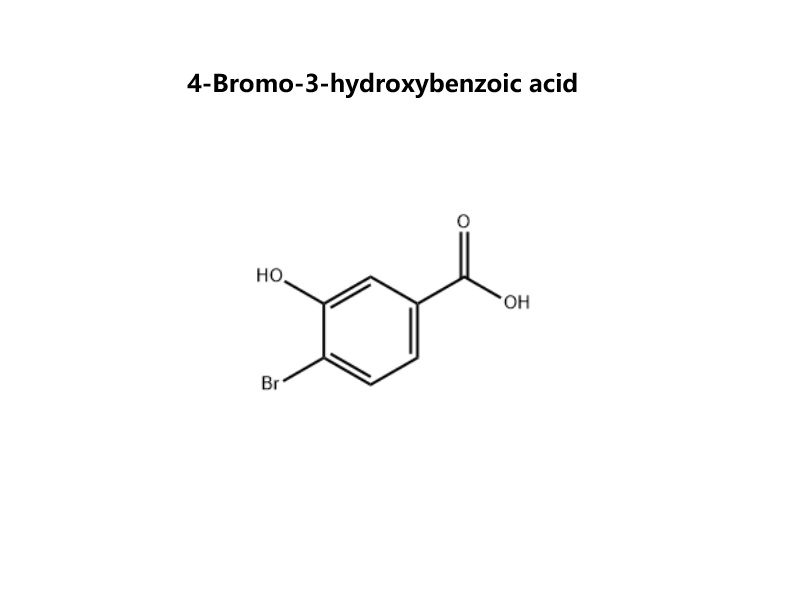
4-Bromo-3-hydroxybenzoic acid CAS 14348-38-0 is a premium, multifunctional aromatic building block engineered for complexity-driven synthesis. Its core value lies in the strategic placement of three distinct, orthogonally reactive functional groups on a benzene ring, making it an indispensable tool for convergent molecular construction in advanced research and development.
Details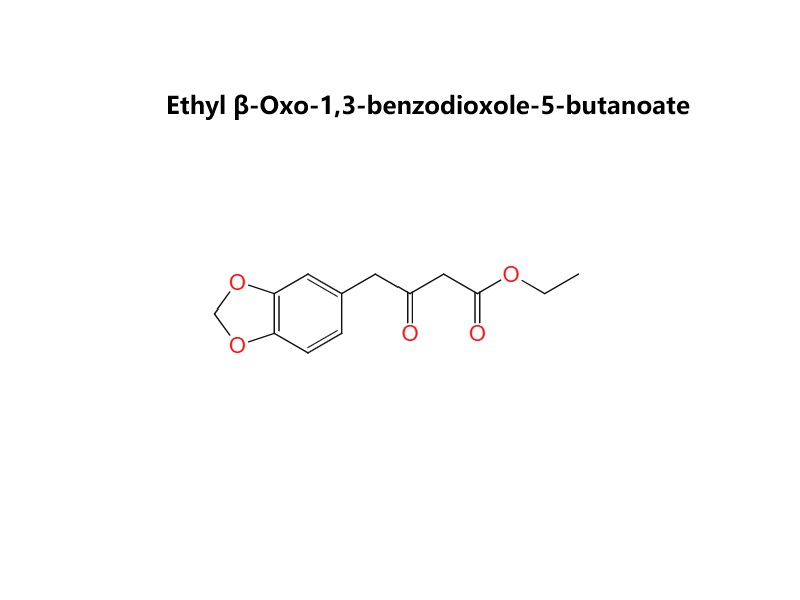
Ethyl β-Oxo-1,3-benzodioxole-5-butanoate CAS 31127-23-8 is a β-ketoester derivative featuring a 1,3-benzodioxole (methylenedioxyphenyl) aromatic system. Structurally, it consists of a benzodioxole ring attached through a three-carbon chain to an ethyl β-ketoester functional group (-CO-CH₂-COOEt). This makes it a versatile bifunctional building block for organic synthesis, combining the electronic properties of the benzodioxole group with the high reactivity of a β-ketoester.
Details![4-Nitrophenyl 3-(Benzo[d][1,3]dioxol-5-yl)-2-methylpropanoate](https://www.qixiolivetol.com/storage/uploads/images/202604/17/1776427287_qZy87IjHSQ.jpg)
4-Nitrophenyl 3-(Benzo[d][1,3]dioxol-5-yl)-2-methylpropanoate is a chirally defined, pre-activated acylating agent that combines a metabolically stable benzo[1,3]dioxole (piperonyl) pharmacophore with the exceptional reactivity of a 4-nitrophenyl ester. It enables the efficient, racemization-free introduction of a complex, chiral acid moiety under mild conditions, making it invaluable for advanced synthetic and bioconjugation chemistry. 4-Nitrophenyl 3-(Benzo[d][1,3]dioxol-5-yl)-2-methylpropanoate is a specialty ester designed as a reactive biochemical or synthetic intermediate. Its structure strategically combines three key units: (1)A 3-(benzo[1,3]dioxol-5-yl)-2-methylpropanoic acid (piperonyl-substituted, chiral acid) moiety. (2)A 4-nitrophenyl ester leaving group. This design makes it an activated ester, where the 4-nitrophenol is an excellent leaving group, facilitating efficient acyl transfer reactions under mild conditions.
Details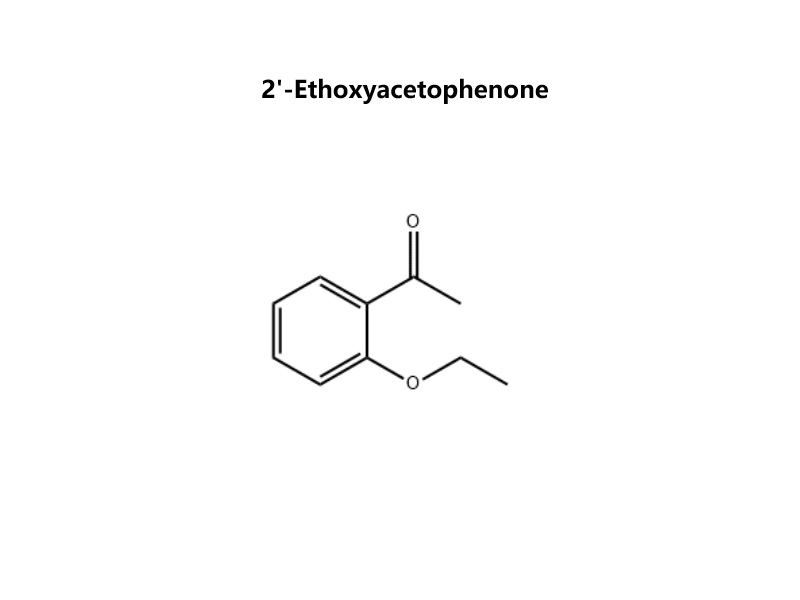
2'-Ethoxyacetophenone CAS 2142-67-8 is a specialized aromatic ketone characterized by an ethoxy substituent at the orthoposition relative to the acetyl group. This structural feature imparts distinct chemical and physical properties, making it a privileged building block for synthesizing complex molecules, particularly in the flavor/fragrance and pharmaceutical sectors.
Details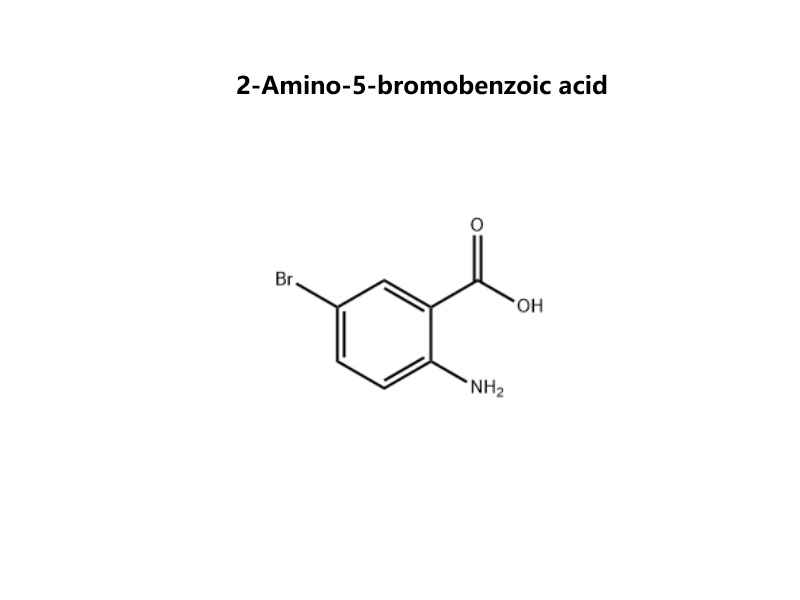
2-Amino-5-bromobenzoic acid CAS 5794-88-7 is a highly versatile aromatic building block that integrates three distinct functional groups—an amine, a carboxylic acid, and an aryl bromide—into a single, synthetically valuable scaffold. This multifunctionality makes it a crucial intermediate in pharmaceutical and advanced materials chemistry.
Details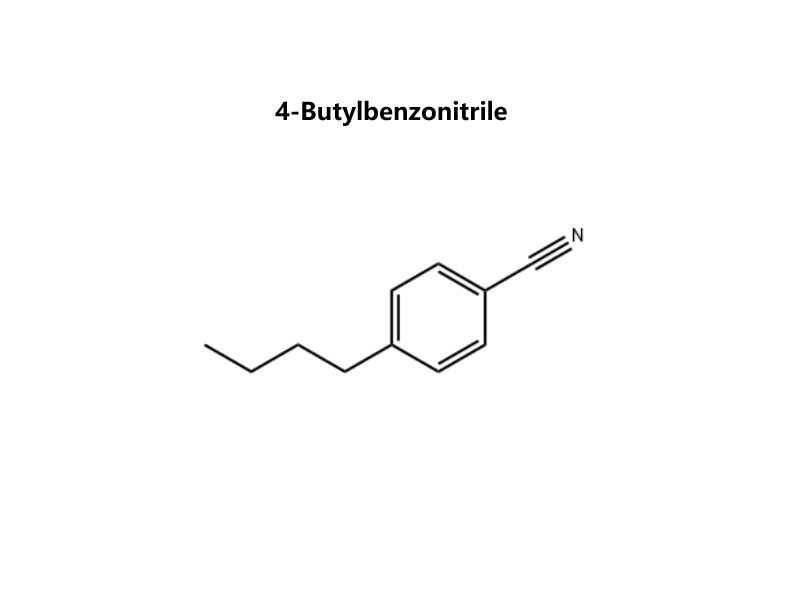
4-Butylbenzonitrile CAS 20651-73-4 is a strategically designed hydrophobic building block that combines a rigid aromatic core with a flexible linear alkyl chain and a highly versatile nitrile functional group. This triad of features makes it an exceptionally valuable intermediate for modulating physicochemical properties and enabling diverse synthetic pathways in advanced material and pharmaceutical and agrochemical research.
Details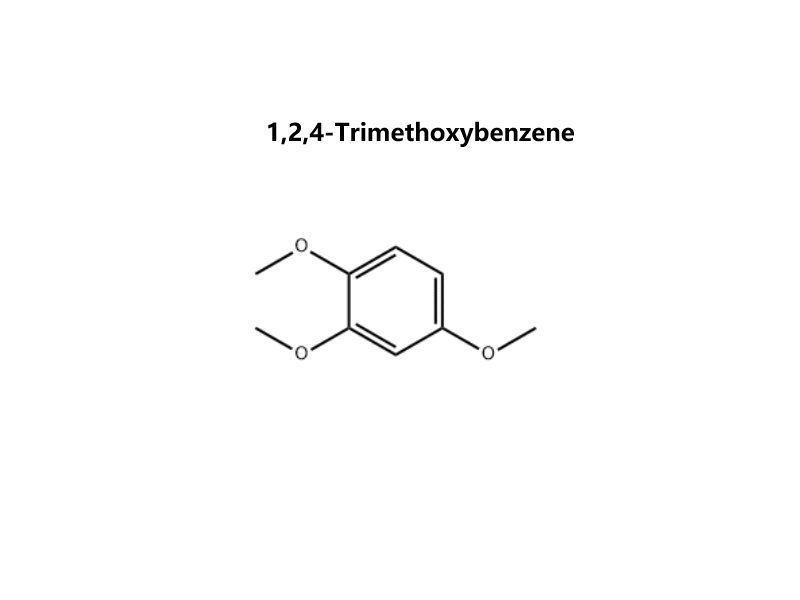
1,2,4-Trimethoxybenzene CAS 135-77-3 is a uniquely versatile, electron-rich aromatic building block. Its core value lies in its unsymmetrical yet highly predictable substitution pattern, which provides exceptional regiocontrol in synthetic chemistry. This makes it a privileged scaffold for constructing complex molecules in pharmaceuticals, agrochemicals, and advanced materials.
Details
 Contact Us
 1st Floor, No. 477, Huancheng West Road, Nanqiao Town, Fengxian District, Shanghai,China
 sales@qxscientific.com
 +86 -13701740203


 IPv6 Network Supported |
Sitemap |
XML |
Blog |
Privacy Policy
IPv6 Network Supported |
Sitemap |
XML |
Blog |
Privacy Policy
Leave A Message
Scan to Wechat/Whatsapp :



 English
 English
 Español
 Português