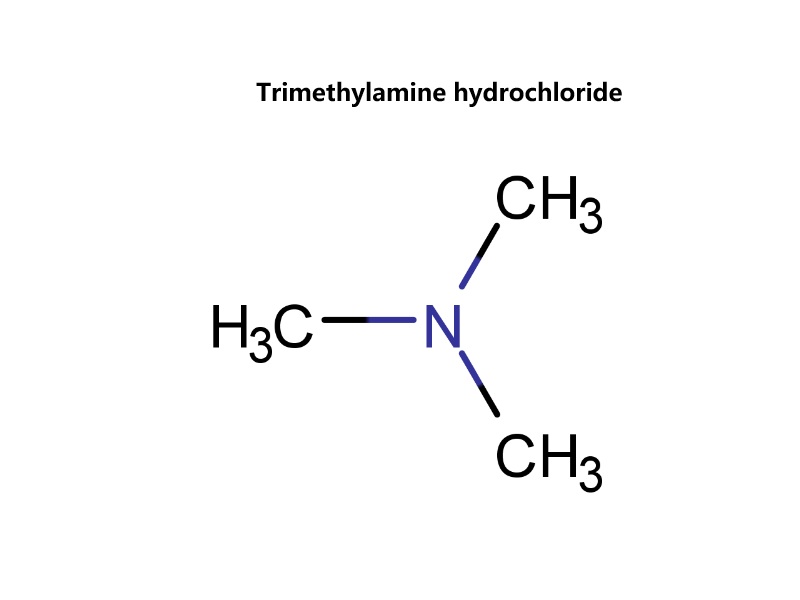
Trimethylamine hydrochloride (TMA·HCl) CAS 593-81-7 is the hydrochloride salt of trimethylamine (TMA), a simple tertiary alkylamine. It is a solid, crystalline form of the normally gaseous and foul-smelling trimethylamine, which makes it much more convenient to handle, store, and weigh precisely.Trimethylamine Hydrochloride is the safe, stable, and precisely weighable solid equivalent of gaseous trimethylamine (TMA). It transforms a hazardous, malodorous gas into a controllable reagent, eliminating the major handling and safety challenges while enabling exact stoichiometry in critical synthetic steps.
Name :
Trimethylamine hydrochlorideCAS No. :
593-81-7MF :
C₃H₁₀ClN or (CH₃)₃N·HClMW :
95.57Purity :
99%Appearance :
White to off-white, crystalline solid or powder.Storage Condition :
Store in a tightly sealed container in a cool, dry place.Chemical Properties
IUPAC Name: Trimethylammonium chloride
Other Common Names: TMA hydrochloride
Chemical Formula: C₃H₁₀ClN or (CH₃)₃N·HCl
Molecular Weight: 95.57 g/mol
Structure: A hygroscopic salt consisting of a trimethylammonium cation [(CH₃)₃NH⁺] and a chloride anion [Cl⁻].
Appearance: White to off-white, crystalline solid or powder.
Melting Point: Decomposes upon melting, typically around ~258-262 °C.
Solubility: Freely soluble in water and lower alcohols (methanol, ethanol). Slightly soluble in chloroform. Insoluble in non-polar solvents like diethyl ether or hexane.
Stability: Stable under normal storage conditions. Hygroscopic (absorbs moisture from air). Upon heating, it can sublime. When dissolved in water or treated with a base (e.g., NaOH), it liberates free gaseous trimethylamine, which has an intensely pungent, fishy odor.
pH: Aqueous solutions are acidic due to the hydrolysis of the ammonium ion.
Key Reactivity: Serves as a convenient, solid source of the trimethylamine nucleophile. It can be used in alkylation reactions or, more commonly, it is deprotonated in situwith a base (e.g., K₂CO₃) to generate free TMA for reactions like reductive amination or as a base/scavenger.
Biological Activities
Natural Occurrence: Free trimethylamine (TMA) is a product of the bacterial decomposition of choline, carnitine, and trimethylamine N-oxide (TMAO) in nature. It is responsible for the odor of rotting fish.
Human Metabolism: In humans, TMA produced by gut bacteria from dietary precursors is oxidized in the liver to trimethylamine N-oxide (TMAO), a metabolite that has been extensively studied and linked to an increased risk of cardiovascular diseases.
Odor & Sensory: The free amine (TMA) has an extremely low odor threshold and is perceived as highly unpleasant (pungent, fishy, ammoniacal). The salt form itself is relatively odorless when dry but releases the foul-smelling amine upon contact with moisture or base.
Toxicity: The compound itself is considered an irritant to eyes, skin, and respiratory system. The primary hazard arises from its potential to release the volatile and flammable TMA gas.
Biosynthesis
Natural Biosynthesis: Not biosynthesized as the hydrochloride salt in nature. Free trimethylamine (TMA) is produced by anaerobic bacteria in environments rich in organic matter (e.g., marine sediments, animal guts) via the enzymatic reduction of trimethylamine N-oxide (TMAO) or degradation of choline and related compounds.
Industrial/Commercial Synthesis: Produced by the direct reaction of gaseous trimethylamine (TMA) with hydrochloric acid (HCl).
1.Process: Gaseous TMA is bubbled through an aqueous solution of HCl or reacted in a controlled manner.
2.Isolation: The reaction mixture is concentrated, and the product is crystallized out, often from an alcohol like ethanol or isopropanol, then filtered and dried.
3.Purpose: This process converts the highly volatile, malodorous, and hard-to-handle TMA gas into a stable, odorless solid for commercial distribution.
Applications



Key Advantages & Benefits
1. Safe & Convenient Handling of a Volatile Base
Benefit: Eliminates the need for pressurized gas cylinders, specialized regulators, and complex gas-bubbling apparatus. It allows for the safe use of TMA on the standard laboratory benchtop.
Application Scenario: In a multigram-scale synthesis of a pharmaceutical intermediate requiring trimethylamine as a base, a chemist accurately weighs TMA·HCl directly into the reaction flask. This avoids the risks of handling TMA gas (flammability, toxicity, intense odor) and ensures precise control over the amount of base added, critical for reaction reproducibility and yield.
2. Precise Stoichiometric Control for Reproducible Results
Benefit: As a stable, non-volatile solid, it enables exact molar dosing, a task that is difficult and imprecise with a gas. This is crucial for reactions where TMA is a reactant, not just a scavenger.
Application Scenario: During the synthesis of a chiral quaternary ammonium salt catalyst, TMA·HCl is used as the alkylating agent. The exact 1.05 equivalents required for complete conversion can be weighed to the milligram, ensuring consistent catalyst quality and activity from batch to batch, which is impossible with gaseous feed.
3. In-Situ Generation of Anhydrous TMA Under Controlled Conditions
Benefit: When treated with a stronger base (e.g., KOH or NaOH), it cleanly liberates anhydrous TMA directly within the reaction mixture. This method provides the reactive gas exactly where needed, minimizing exposure and loss.
Application Scenario: In a reductive amination using sodium triacetoxyborohydride in dichloromethane, adding solid TMA·HCl along with powdered NaOH pellets generates TMA in situto scavenge the acetic acid byproduct. This drives the equilibrium forward and purifies the reaction medium without introducing water from aqueous amine solutions.
4. Ideal for Automated and High-Throughput Synthesis
Benefit: Its solid, free-flowing nature makes it perfectly suited for automated powder dispensing systems used in modern parallel synthesis and high-throughput experimentation (HTE) platforms.
Application Scenario: In a drug discovery lab using automated synthesis reactors, TMA·HCl can be portioned accurately by robotic systems from a standard powder vial into dozens of reaction wells simultaneously. This enables the rapid exploration of reaction conditions using TMA as a variable, a process prohibitively complex with gaseous TMA.
Trimethylamine Hydrochloride (CAS 593-81-7) is a strategic reagent that solves a fundamental handling problem in synthetic chemistry. Its value lies not in being a universal base, but in being the definitive delivery system for the trimethylamine moiety when safety, precision, and operational simplicity are priorities. For process chemists scaling up a route, medicinal chemists optimizing a library, or any researcher needing reliable access to TMA without its associated hazards, TMA·HCl is the indispensable, solid-form solution that bridges the gap between the utility of TMA and the practicalities of modern lab work. It turns a logistical and safety challenge into a routine, weighable step.
FAQs
Q1: What is the main advantage of using the hydrochloride salt over gaseous trimethylamine?
A: Handling, safety, and precision. Gaseous TMA requires pressurized cylinders, specialized equipment, and poses significant inhalation and flammability risks. TMA·HCl is a stable, weighable solid that can be safely handled on the benchtop and used to generate TMA in situexactly when and where it's needed in a reaction.
Q2: How do I safely handle and store this material to prevent odor release?
A: The key is to keep it dry and away from bases.
Storage: Store in a tightly sealed container in a cool, dry place. A desiccator is recommended for long-term storage.
Handling: Use in a well-ventilated fume hood. Wear appropriate PPE (gloves, lab coat, safety glasses). Avoid creating dust.
Waste: Dispose of as hazardous chemical waste. Do not mix with strong bases, as this will release gaseous TMA.
Q3: How do I liberate free trimethylamine from this salt for a reaction?
A: The most common method is to treat it with a strong base in situ. For example, add TMA·HCl to your reaction mixture along with an excess of a mild inorganic base like potassium carbonate (K₂CO₃) or a stronger base like sodium hydroxide (NaOH) in the solvent. The free TMA gas is generated directly in the reaction vessel.
Q4: What purity grade should I look for, and what are common impurities?
A:
Technical Grade (~98%): Suitable for industrial applications like choline chloride synthesis.
Reagent/Purified Grade (≥99%): Required for most synthetic chemistry applications.
Common Impurities: May include water (due to hygroscopicity), residual solvents (from crystallization), and slight discoloration. For sensitive applications, check the supplier's CoA for heavy metals and other specific tests.
Q5: Are there any compatibility or stability issues in formulations?
A: Absolutely.
Incompatible with: Strong oxidizing agents and, most importantly, strong bases (which will release TMA gas).
Stability in Solution: Aqueous solutions are acidic and will slowly hydrolyze, potentially releasing some TMA over time, especially if warm. Solutions should be used fresh.
Hygroscopicity: Will clump if exposed to humid air, so keep containers sealed.
Q6: What are the key regulatory and safety classifications?
A:
GHS Hazards: Typically classified as Acute Tox. 4 (Oral), Skin Corr. 1B, Eye Dam. 1, and STOT SE 3. The liberated TMA gas is flammable and toxic.
Transport: May be classified as a Corrosive substance (Class 8), UN 2923 depending on concentration and form.
Always consult the specific Safety Data Sheet (SDS) from your supplier for the most accurate and current hazard information.
Q7: What are the main alternatives to this reagent?
A: Alternatives depend on the application:
As a TMA Source: Aqueous or alcoholic solutions of trimethylamine (e.g., ~25-45% in water, ethanol, or THF) are available. These are easier to dose than gas but still volatile and smelly. The solid salt is preferred for exact stoichiometry and minimal odor during setup.
As a Base: Other tertiary amine bases like triethylamine (TEA) or N,N-diisopropylethylamine (DIPEA) are more commonly used as non-nucleophilic bases. TMA·HCl is used specifically when the trimethylammonium moiety is needed in the product.
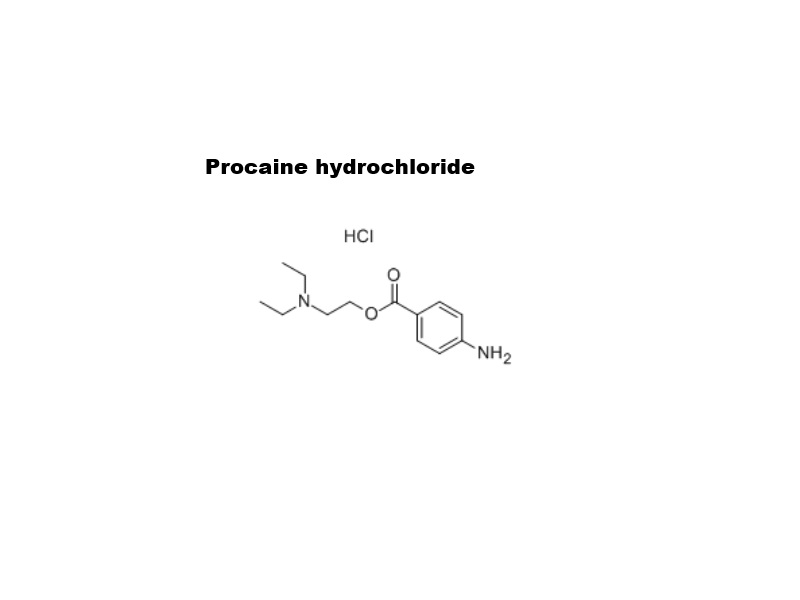
Procaine Hydrochloride CAS 51-05-8 is the water-soluble hydrochloride salt of procaine. It is the specific formulation used in clinical medicine, famously marketed under the brand name Novocain. While its use in mainstream practice has diminished, it remains a historically pivotal drug and is still employed in specific medical and therapeutic contexts.
Details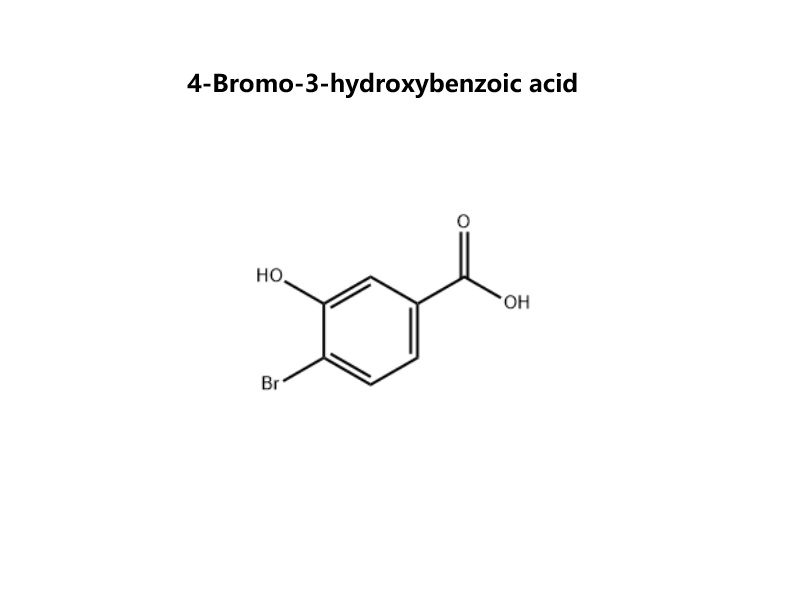
4-Bromo-3-hydroxybenzoic acid CAS 14348-38-0 is a premium, multifunctional aromatic building block engineered for complexity-driven synthesis. Its core value lies in the strategic placement of three distinct, orthogonally reactive functional groups on a benzene ring, making it an indispensable tool for convergent molecular construction in advanced research and development.
Details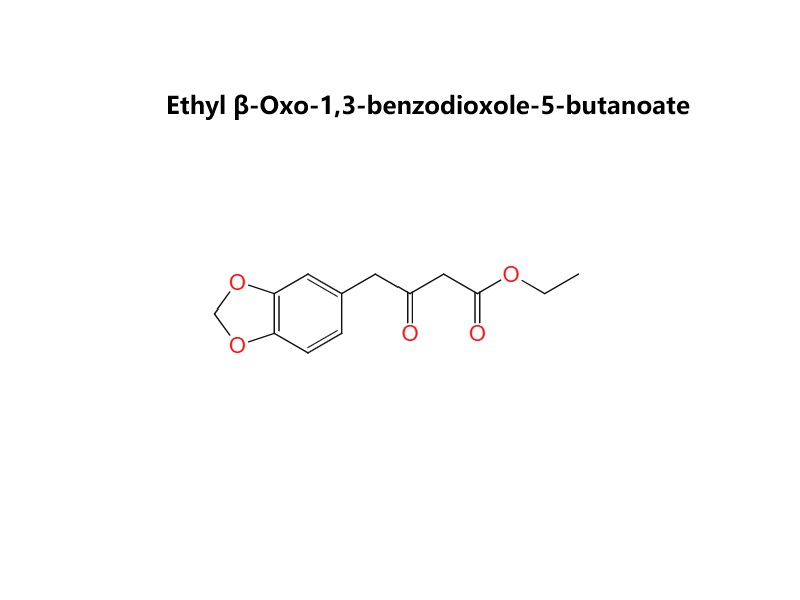
Ethyl β-Oxo-1,3-benzodioxole-5-butanoate CAS 31127-23-8 is a β-ketoester derivative featuring a 1,3-benzodioxole (methylenedioxyphenyl) aromatic system. Structurally, it consists of a benzodioxole ring attached through a three-carbon chain to an ethyl β-ketoester functional group (-CO-CH₂-COOEt). This makes it a versatile bifunctional building block for organic synthesis, combining the electronic properties of the benzodioxole group with the high reactivity of a β-ketoester.
Details![4-Nitrophenyl 3-(Benzo[d][1,3]dioxol-5-yl)-2-methylpropanoate](https://www.qixiolivetol.com/storage/uploads/images/202604/17/1776427287_qZy87IjHSQ.jpg)
4-Nitrophenyl 3-(Benzo[d][1,3]dioxol-5-yl)-2-methylpropanoate is a chirally defined, pre-activated acylating agent that combines a metabolically stable benzo[1,3]dioxole (piperonyl) pharmacophore with the exceptional reactivity of a 4-nitrophenyl ester. It enables the efficient, racemization-free introduction of a complex, chiral acid moiety under mild conditions, making it invaluable for advanced synthetic and bioconjugation chemistry. 4-Nitrophenyl 3-(Benzo[d][1,3]dioxol-5-yl)-2-methylpropanoate is a specialty ester designed as a reactive biochemical or synthetic intermediate. Its structure strategically combines three key units: (1)A 3-(benzo[1,3]dioxol-5-yl)-2-methylpropanoic acid (piperonyl-substituted, chiral acid) moiety. (2)A 4-nitrophenyl ester leaving group. This design makes it an activated ester, where the 4-nitrophenol is an excellent leaving group, facilitating efficient acyl transfer reactions under mild conditions.
Details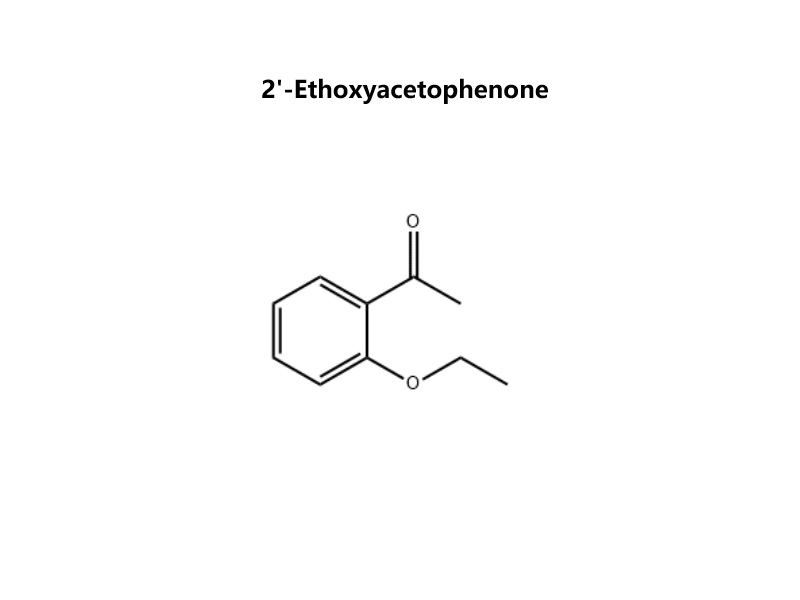
2'-Ethoxyacetophenone CAS 2142-67-8 is a specialized aromatic ketone characterized by an ethoxy substituent at the orthoposition relative to the acetyl group. This structural feature imparts distinct chemical and physical properties, making it a privileged building block for synthesizing complex molecules, particularly in the flavor/fragrance and pharmaceutical sectors.
Details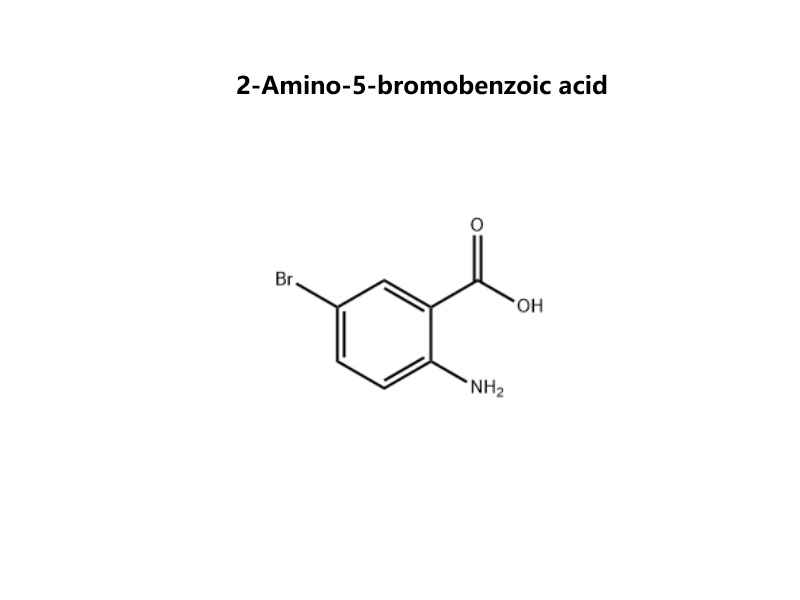
2-Amino-5-bromobenzoic acid CAS 5794-88-7 is a highly versatile aromatic building block that integrates three distinct functional groups—an amine, a carboxylic acid, and an aryl bromide—into a single, synthetically valuable scaffold. This multifunctionality makes it a crucial intermediate in pharmaceutical and advanced materials chemistry.
Details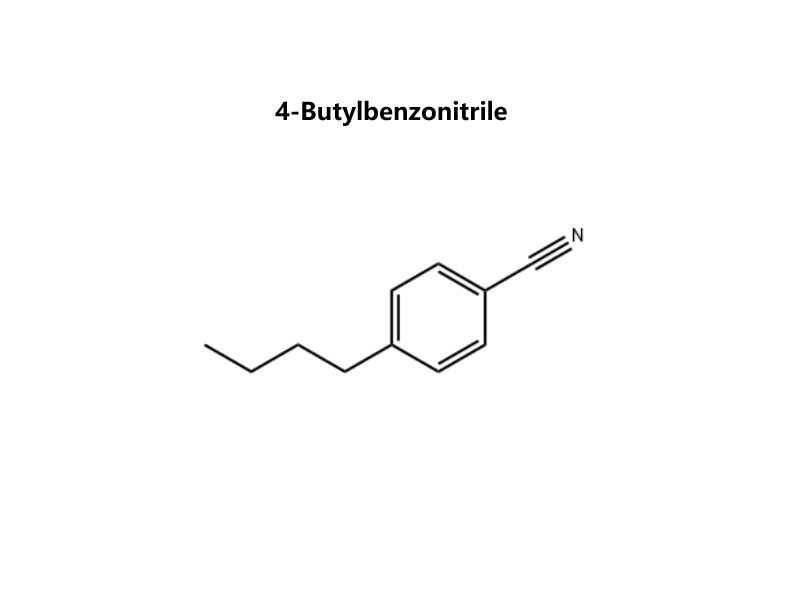
4-Butylbenzonitrile CAS 20651-73-4 is a strategically designed hydrophobic building block that combines a rigid aromatic core with a flexible linear alkyl chain and a highly versatile nitrile functional group. This triad of features makes it an exceptionally valuable intermediate for modulating physicochemical properties and enabling diverse synthetic pathways in advanced material and pharmaceutical and agrochemical research.
Details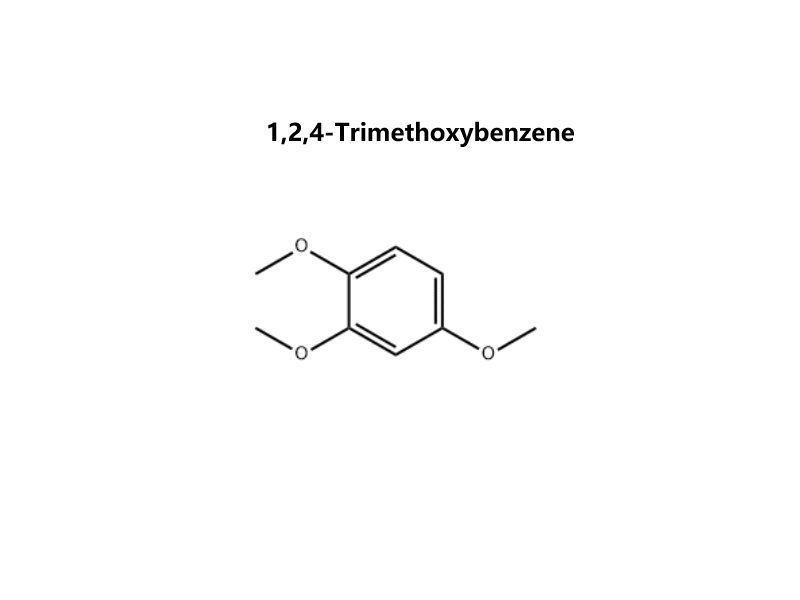
1,2,4-Trimethoxybenzene CAS 135-77-3 is a uniquely versatile, electron-rich aromatic building block. Its core value lies in its unsymmetrical yet highly predictable substitution pattern, which provides exceptional regiocontrol in synthetic chemistry. This makes it a privileged scaffold for constructing complex molecules in pharmaceuticals, agrochemicals, and advanced materials.
Details
 Contact Us
 1st Floor, No. 477, Huancheng West Road, Nanqiao Town, Fengxian District, Shanghai,China
 sales@qxscientific.com
 +86 -13701740203


 IPv6 Network Supported |
Sitemap |
XML |
Blog |
Privacy Policy
IPv6 Network Supported |
Sitemap |
XML |
Blog |
Privacy Policy
Leave A Message
Scan to Wechat/Whatsapp :



 English
 English
 Español
 Português