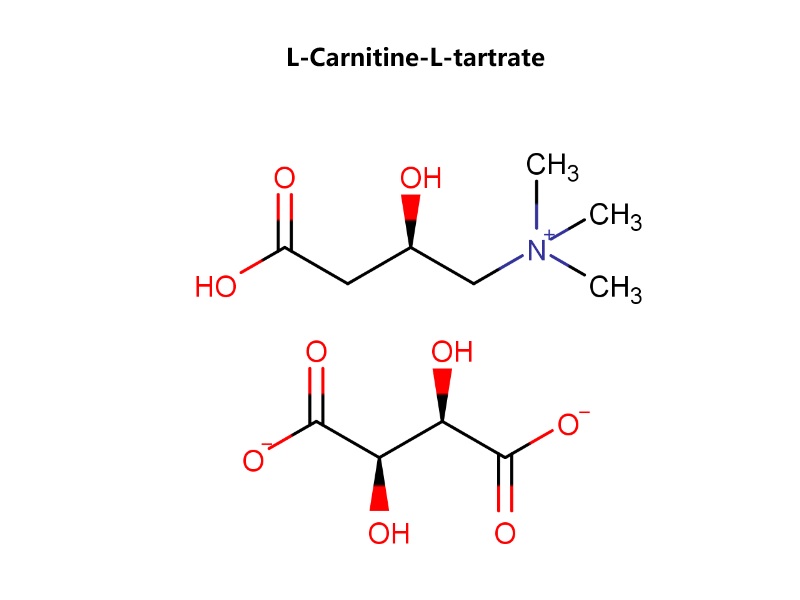
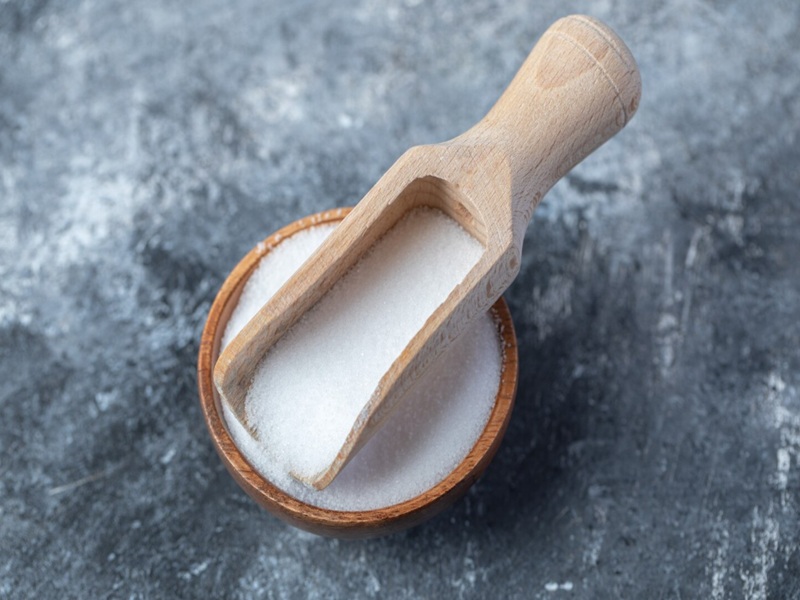
L-Carnitine-L-tartrate CAS 36687-82-8 is a well-defined, crystalline salt formed through the ionic bonding of one molecule of L-carnitine (the biologically active enantiomer) and one molecule of L-tartaric acid (the naturally occurring enantiomer). It is specifically engineered as a superior solid form of carnitine for dietary supplements and functional foods. L-Carnitine-L-tartrate is a non-hygroscopic, highly stable salt form of L-carnitine, specifically engineered for superior manufacturing and performance. It delivers the essential metabolic benefits of L-carnitine with added advantages for physical recovery, excelling in solid-dose and powdered supplement formulations where stability and clinical validation are paramount.
Name :
L-Carnitine-L-tartrateCAS No. :
36687-82-8MF :
C₁₁H₁₉NO₈MW :
293.27Purity :
99%Appearance :
White to off-white,crystalline powder.Storage Condition :
Sealed in dry,Room Temperature.Chemical Properties
IUPAC Name: (3R)-3-Hydroxy-4-(trimethylazaniumyl)butanoate; (2R,3R)-2,3-dihydroxybutanedioate (1:1)
Chemical Formula: C₁₁H₁₉NO₈
Molecular Weight: 293.27 g/mol
Structure: A 1:1 molar salt. The cationic species is L-carnitine (often represented in its zwitterionic form at physiological pH). The anionic species is the bitartrate (or hydrogen tartrate) ion derived from L-tartaric acid. It is typically produced and supplied as a fine, crystalline powder.
Appearance: White to off-white, free-flowing, crystalline powder. It is odorless or has a very faint, characteristic odor.
Melting Point: Decomposes at approximately 185-195 °C.
Solubility: Highly soluble in water (> 500 g/L). Very low solubility in organic solvents like ethanol, acetone, or ether.
Stability: Excellent physical and chemical stability. Its defining advantage is extremely low hygroscopicity, meaning it does not absorb moisture from the air. This prevents caking, ensures long-term powder flowability, and protects against degradation, making it ideal for manufacturing.
pH of Solution: A 1% aqueous solution typically has a pH of 3.0 - 4.0, due to the tartaric acid component.
Specific Rotation: [α]²⁰/D = Approximately -20° to -24° (c = 5 in H₂O). This confirms the high optical purity of both the L-carnitine and L-tartrate components.
Active Content: Contains approximately 68-70% by weight of L-carnitine-L-tartrate salt, delivering ~54% elemental L-carnitine.
Biological Activities
The biological activity is conferred solely by the L-carnitine moiety. The tartrate anion improves the compound's physicochemical properties and may slightly enhance absorption but is not considered pharmacologically active in this context.
Primary Metabolic Role: Serves as an essential cofactor for the transport of long-chain fatty acids (LCFAs) into the mitochondrial matrix. This process is mandatory for LCFA β-oxidation, a major pathway for ATP (energy) production, especially in skeletal and cardiac muscle.
Clinically Researched Benefits in Exercise Physiology:
(1)Accelerates Recovery: Robust clinical trials show it significantly reduces biochemical markers of muscle damage (e.g., serum creatine kinase) and decreases the perception of delayed onset muscle soreness (DOMS) following strenuous exercise.
(2)Reduces Metabolic Stress: Attenuates exercise-induced oxidative stress and improves the clearance of metabolic waste products.
(3)Supports Oxygen Utilization: Some studies indicate a role in enhancing the efficiency of oxygen-dependent energy production in muscles.
Safety Profile: Inherits the excellent safety and tolerability of L-carnitine. No serious adverse effects are associated with supplementation at recommended doses.
Biosynthesis
L-Carnitine-L-tartrate is not a natural product; it is produced via controlled industrial synthesis.
Step 1: Production of L-Carnitine. Achieved through:
1.Microbial Fermentation (Preferred): Using genetically optimized strains of bacteria (e.g., Escherichia coli). This method yields the pure, bio-identical L-enantiomer and aligns with natural/organic market preferences.
2.Chemical Synthesis: Starting from precursors like epichlorohydrin, followed by chiral resolution to isolate the L-form.
Step 2: Salt Formation with L-Tartaric Acid. High-purity L-carnitine is reacted with an equimolar amount of food-grade L-tartaric acid (typically derived from natural sources like grapes or produced via fermentation) in an aqueous solution under controlled pH and temperature.
Step 3: Isolation & Purification. The resulting L-Carnitine-L-tartrate is crystallized out of solution, then washed, dried, and milled to achieve the desired particle size distribution and bulk density for consistent use in formulations.
Applications



Key Advantages & Benefits
1. Superior Physical Stability for Flawless Manufacturing
Benefit: Its non-hygroscopic, free-flowing crystalline nature prevents moisture absorption, caking, and clumping. This ensures consistent powder flow in automated equipment, precise dosing, and long-term shelf stability without special packaging.
Application Scenario: In a high-speed encapsulation line for a post-workout recovery supplement, L-Carnitine-L-tartrate flows smoothly from hoppers without bridging or sticking, guaranteeing each capsule contains the exact 1-gram dose. This eliminates production downtime for cleaning and minimizes product waste, directly improving manufacturing yield and cost-effectiveness.
2. Clinically Validated for Exercise Recovery & Performance
Benefit: This specific salt form is backed by peer-reviewed human clinical trials demonstrating its efficacy in reducing markers of muscle damage (creatine kinase), decreasing oxidative stress, and alleviating delayed onset muscle soreness (DOMS).
Application Scenario: A sports nutrition brand formulates a premium recovery powder targeting elite athletes. By using L-Carnitine-L-tartrate at the clinically studied 2g/day dose, they can make a "Reduces Muscle Soreness" structure/function claim supported by scientific evidence, providing a competitive edge and building trust with informed consumers.
3. Optimized for End-User Experience
Benefit: The tartrate salt contributes a mild, pleasant tartness that can enhance the flavor profile of drink mixes, and its high solubility ensures a clear, grit-free solution. It is also associated with excellent gastrointestinal tolerance at effective doses.
Application Scenario: In a refreshing citrus-flavored intra-workout electrolyte drink, L-Carnitine-L-tartrate dissolves instantly without residue. Its subtle tartness complements the flavor system, while its tolerance profile prevents any gastric discomfort during intense training, supporting both hydration and recovery in a single product.
4. Supply Chain Reliability & Clean-Label Appeal
Benefit: Produced via fermentation (non-animal source) and paired with naturally derived L-tartaric acid, it aligns with vegan, vegetarian, and clean-label trends. Its consistent quality and stability simplify inventory management and reduce risk of batch failure.
Application Scenario: A vegan supplement company sourcing ingredients can confidently use L-Carnitine-L-tartrate, verifying its microbial origin for their marketing. Its stability allows for longer warehouse storage and international shipping without degradation, ensuring product potency from factory to consumer.
L-Carnitine-L-tartrate (CAS 36687-82-8) is the formulator's choice for sports recovery supplements and the athlete's choice for evidence-based results. Its advantages are twofold: practical and performance-based. From a manufacturing perspective, it solves the critical stability and handling problems associated with base L-carnitine. From a consumer and marketing perspective, it delivers clinically substantiated benefits for muscle recovery and metabolic support. For brands creating high-quality performance nutrition products, it represents the optimal intersection of scientific validation, production reliability, and end-user efficacy, justifying its position as the premium L-carnitine source for the sports nutrition industry.
FAQs
Q1: What is the single biggest advantage of using L-Carnitine-L-tartrate in my supplement formula?
A: Unmatched Manufacturing Stability. Unlike L-carnitine base (which is highly hygroscopic, sticky, and prone to caking), L-Carnitine-L-tartrate is a dry, free-flowing, non-hygroscopic powder. This ensures consistent mixing, accurate dosing in automated encapsulation/tableting lines, and long-term product integrity without the need for special humidity-controlled processing.
Q2: How does it differ from Acetyl-L-Carnitine (ALCAR), and which is better for muscle recovery?
A: They have distinct applications.
1.L-Carnitine-L-tartrate is optimized for physical recovery. Its research specifically demonstrates reduced muscle damage and soreness post-exercise. It's the form of choice for sports recovery products.
2.Acetyl-L-Carnitine (ALCAR) is optimized for cognitive function. The acetyl group allows it to cross the blood-brain barrier more efficiently, supporting brain energy and focus. It is not the primary form for muscle recovery.
3.For recovery, L-Carnitine-L-tartrate is the clinically supported choice.
Q3: What is the proven, effective daily dosage for recovery benefits?
A: The dosage used in key clinical studies showing significant reductions in muscle damage markers and soreness is 2 grams (2000 mg) of L-Carnitine-L-tartrate per day. This is typically consumed as a single serving, often within the post-workout period.
Q4: Is this ingredient vegan and allergen-friendly?
A: Typically, yes. Modern production via microbial fermentation for L-carnitine and microbial or plant-based sourcing for L-tartaric acid means it is free from animal derivatives. It is also generally gluten-free, soy-free, and allergen-neutral. Always confirm with your supplier's allergen and vegan statements for absolute certainty.
Q5: Are there any known side effects or interactions?
A: It is Very Well-Tolerated (GRAS status). At the standard 2g/day dosage, side effects are uncommon. A very small percentage of individuals may experience mild gastrointestinal discomfort (e.g., nausea) at very high intakes. It does not interact with stimulants like caffeine and is not a stimulant itself.
Q6: What are the key specifications I must request from a supplier?
A: Insist on a Certificate of Analysis (CoA) that specifies:
1.Identity & Purity: HPLC assay confirming ≥98% L-Carnitine-L-tartrate.
2.Elemental Content: Specification for L-carnitine content (~54%).
3.Chiral Purity: Specific optical rotation within the negative range (confirming L-form).
4.Physical Properties: Particle size analysis and bulk density for blending consistency.
5.Safety: Full compliance with limits for heavy metals, residual solvents, and microbiological contaminants per relevant pharmacopoeia (USP/EP).
Q7: Why might a formulator choose this over the cheaper L-carnitine base?
A: Total Cost of Ownership. While the base form has a lower price per kilo, its hygroscopic nature leads to hidden costs: clogged machinery, inconsistent tablet weights, product clumping, shortened shelf life, and potential reformulation. L-Carnitine-L-tartrate offers predictable performance, reliability, and superior final product quality, reducing waste and production headaches, which often makes it more cost-effective overall.
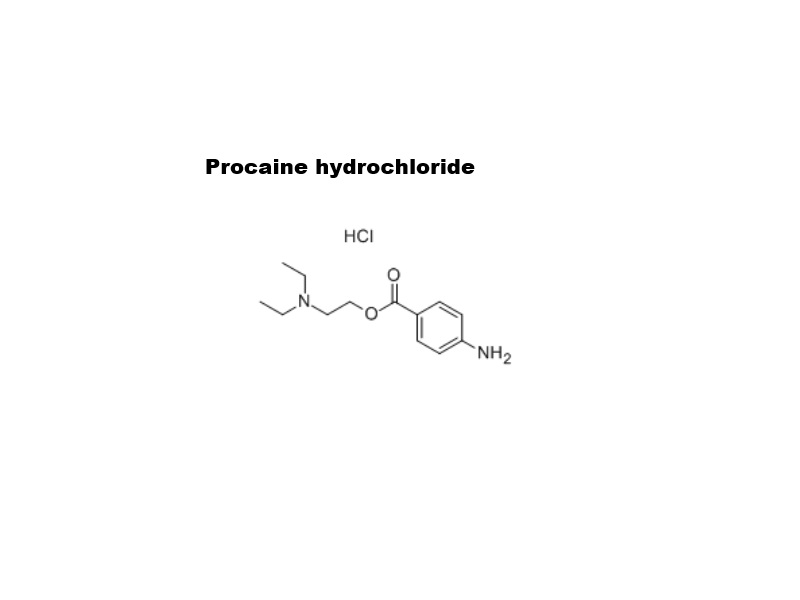
Procaine Hydrochloride CAS 51-05-8 is the water-soluble hydrochloride salt of procaine. It is the specific formulation used in clinical medicine, famously marketed under the brand name Novocain. While its use in mainstream practice has diminished, it remains a historically pivotal drug and is still employed in specific medical and therapeutic contexts.
Details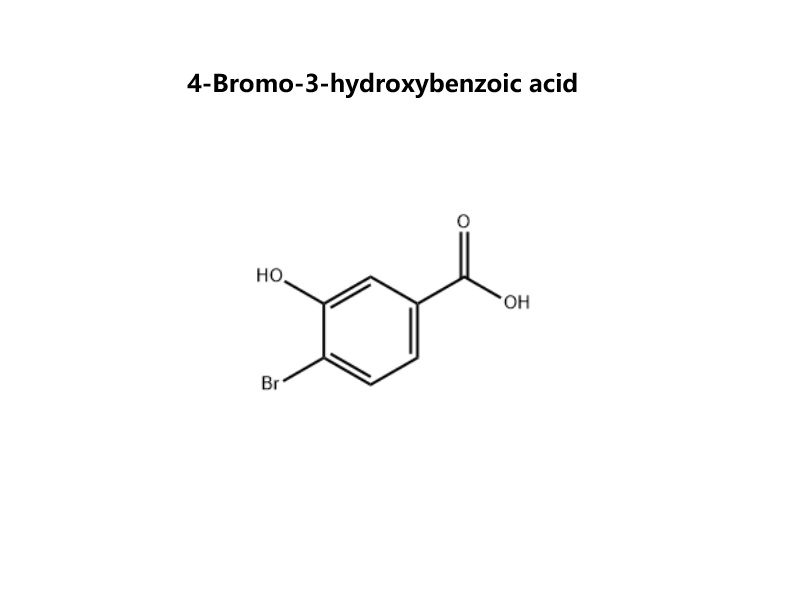
4-Bromo-3-hydroxybenzoic acid CAS 14348-38-0 is a premium, multifunctional aromatic building block engineered for complexity-driven synthesis. Its core value lies in the strategic placement of three distinct, orthogonally reactive functional groups on a benzene ring, making it an indispensable tool for convergent molecular construction in advanced research and development.
Details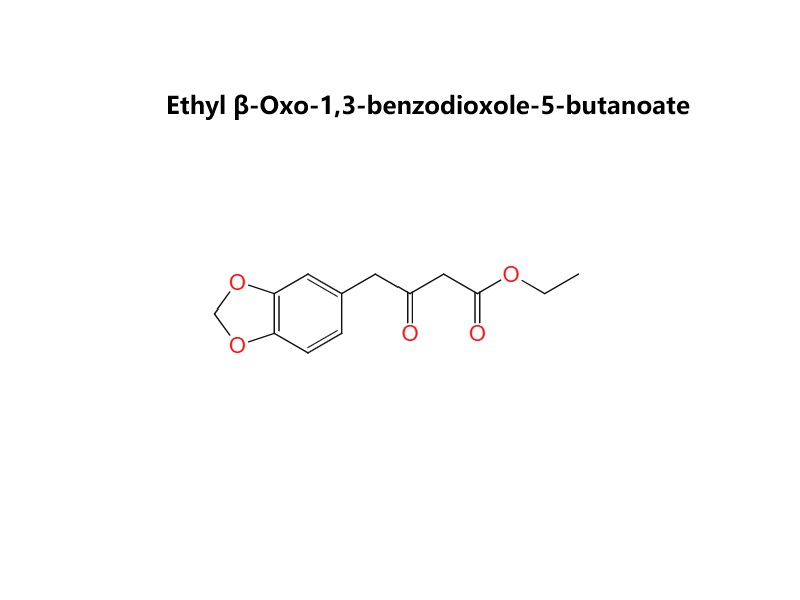
Ethyl β-Oxo-1,3-benzodioxole-5-butanoate CAS 31127-23-8 is a β-ketoester derivative featuring a 1,3-benzodioxole (methylenedioxyphenyl) aromatic system. Structurally, it consists of a benzodioxole ring attached through a three-carbon chain to an ethyl β-ketoester functional group (-CO-CH₂-COOEt). This makes it a versatile bifunctional building block for organic synthesis, combining the electronic properties of the benzodioxole group with the high reactivity of a β-ketoester.
Details![4-Nitrophenyl 3-(Benzo[d][1,3]dioxol-5-yl)-2-methylpropanoate](https://www.qixiolivetol.com/storage/uploads/images/202604/17/1776427287_qZy87IjHSQ.jpg)
4-Nitrophenyl 3-(Benzo[d][1,3]dioxol-5-yl)-2-methylpropanoate is a chirally defined, pre-activated acylating agent that combines a metabolically stable benzo[1,3]dioxole (piperonyl) pharmacophore with the exceptional reactivity of a 4-nitrophenyl ester. It enables the efficient, racemization-free introduction of a complex, chiral acid moiety under mild conditions, making it invaluable for advanced synthetic and bioconjugation chemistry. 4-Nitrophenyl 3-(Benzo[d][1,3]dioxol-5-yl)-2-methylpropanoate is a specialty ester designed as a reactive biochemical or synthetic intermediate. Its structure strategically combines three key units: (1)A 3-(benzo[1,3]dioxol-5-yl)-2-methylpropanoic acid (piperonyl-substituted, chiral acid) moiety. (2)A 4-nitrophenyl ester leaving group. This design makes it an activated ester, where the 4-nitrophenol is an excellent leaving group, facilitating efficient acyl transfer reactions under mild conditions.
Details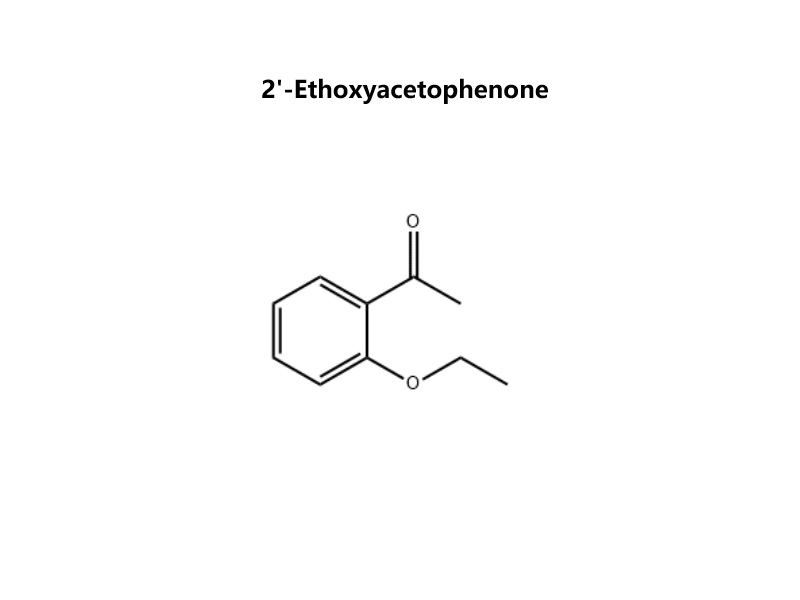
2'-Ethoxyacetophenone CAS 2142-67-8 is a specialized aromatic ketone characterized by an ethoxy substituent at the orthoposition relative to the acetyl group. This structural feature imparts distinct chemical and physical properties, making it a privileged building block for synthesizing complex molecules, particularly in the flavor/fragrance and pharmaceutical sectors.
Details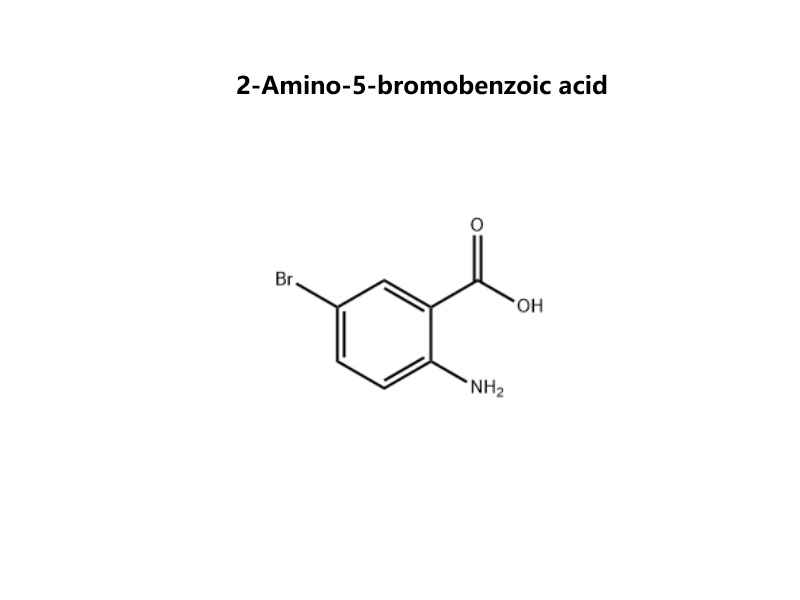
2-Amino-5-bromobenzoic acid CAS 5794-88-7 is a highly versatile aromatic building block that integrates three distinct functional groups—an amine, a carboxylic acid, and an aryl bromide—into a single, synthetically valuable scaffold. This multifunctionality makes it a crucial intermediate in pharmaceutical and advanced materials chemistry.
Details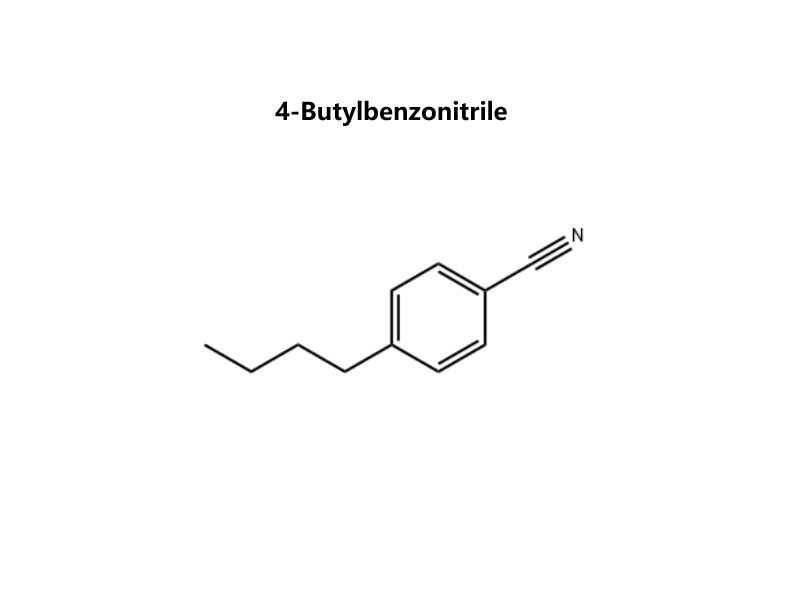
4-Butylbenzonitrile CAS 20651-73-4 is a strategically designed hydrophobic building block that combines a rigid aromatic core with a flexible linear alkyl chain and a highly versatile nitrile functional group. This triad of features makes it an exceptionally valuable intermediate for modulating physicochemical properties and enabling diverse synthetic pathways in advanced material and pharmaceutical and agrochemical research.
Details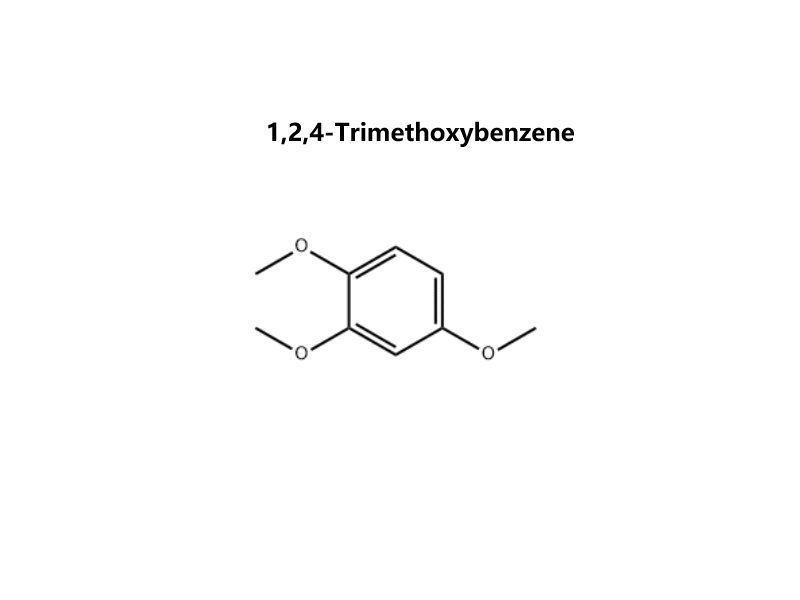
1,2,4-Trimethoxybenzene CAS 135-77-3 is a uniquely versatile, electron-rich aromatic building block. Its core value lies in its unsymmetrical yet highly predictable substitution pattern, which provides exceptional regiocontrol in synthetic chemistry. This makes it a privileged scaffold for constructing complex molecules in pharmaceuticals, agrochemicals, and advanced materials.
Details
 Contact Us
 1st Floor, No. 477, Huancheng West Road, Nanqiao Town, Fengxian District, Shanghai,China
 sales@qxscientific.com
 +86 -13701740203


 IPv6 Network Supported |
Sitemap |
XML |
Blog |
Privacy Policy
IPv6 Network Supported |
Sitemap |
XML |
Blog |
Privacy Policy
Leave A Message
Scan to Wechat/Whatsapp :



 English
 English
 Español
 Português