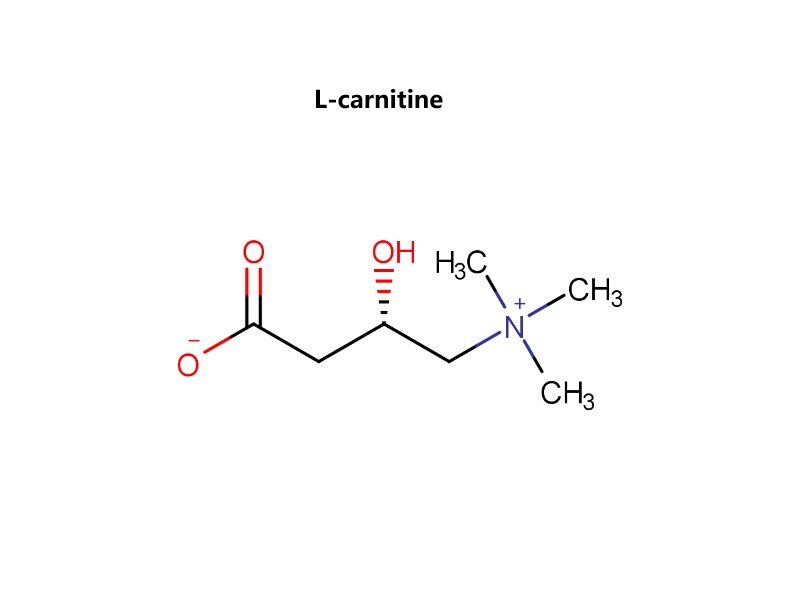
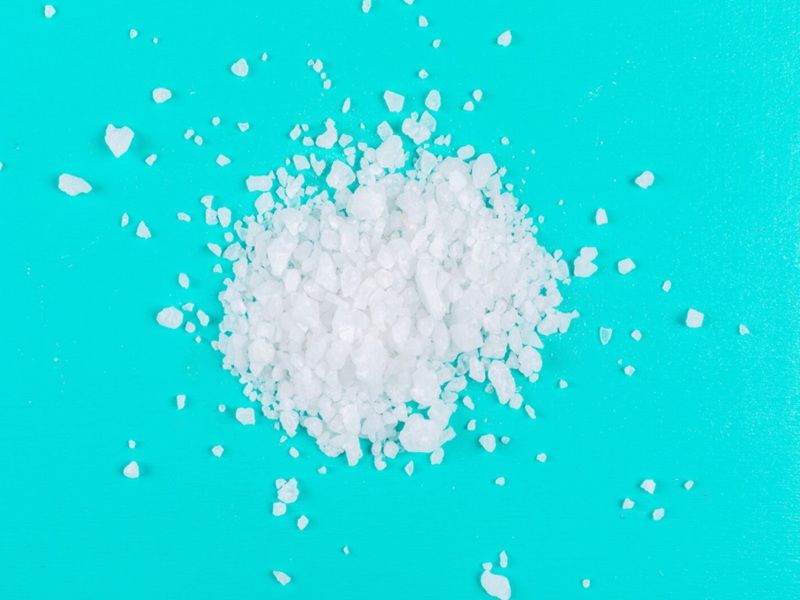
L-Carnitine CAS 541-15-1 is a naturally occurring, quaternary ammonium compound biosynthesized from the amino acids lysine and methionine. It is a chiral molecule, with the L-enantiomer being the biologically active form. Structurally, it functions as a carrier molecule for long-chain fatty acids. L-Carnitine is the essential biological shuttle required for transporting long-chain fatty acids into the mitochondria for energy production. It is a conditionally essential nutrient that optimizes cellular energy metabolism, making it fundamental for muscular, cardiovascular, and metabolic health.
Name :
L-CarnitineCAS No. :
541-15-1MF :
C₇H₁₅NO₃MW :
161.20Purity :
99%Appearance :
White, crystalline, hygroscopic powderStorage Condition :
Store in a tightly sealed container in a cool, dry place.Chemical Properties
IUPAC Name: (3R)-3-Hydroxy-4-(trimethylazaniumyl)butanoate
Other Common Names: Levocarnitine, Vitamin B₇ (obsolete), L-Carnitine
Chemical Formula: C₇H₁₅NO₃
Molecular Weight: 161.20 g/mol
Structure: A small, water-soluble molecule with a hydroxyl group (-OH) and a trimethylammonium group [-N⁺(CH₃)₃] at opposite ends of a short carbon chain.
Appearance: White, crystalline, hygroscopic powder. It is commonly supplied as the base or in salt forms like L-carnitine-L-tartrate or L-carnitine fumarate for improved stability.
Melting Point: Decomposes at ~197-212°C.
Solubility: Highly soluble in water (~2500 g/L). Soluble in hot ethanol, practically insoluble in acetone or ether.
Stability: Stable under dry, cool conditions. It is hygroscopic (absorbs moisture from air). Aqueous solutions are stable at acidic pH but are susceptible to microbial growth.
Optical Activity: The naturally occurring and bioactive form is the L-enantiomer. The D-enantiomer is biologically inactive and may even inhibit the function of L-carnitine.
Key Reactivity: Its primary biological function is to form esters (acyl-carnitines) with fatty acids via its hydroxyl group, a reaction catalyzed by carnitine palmitoyltransferase enzymes.
Biological Activities
L-Carnitine plays an indispensable role in cellular energy metabolism.
Essential Role in Fatty Acid Oxidation: Its primary and most critical function is to transport long-chain fatty acids (LCFAs) from the cytosol into the mitochondrial matrix, where they undergo β-oxidation to produce acetyl-CoA and energy (ATP). Carnitine acts as a molecular shuttle.
Mitochondrial Health & Bioenergetics: By facilitating fat burning for fuel, it helps maintain energy homeostasis, supports mitochondrial function, and prevents the toxic accumulation of fatty acids in the cytoplasm.
Buffer for Acetyl Groups: It modulates the intramitochondral acetyl-CoA/CoA ratio by forming acetyl-L-carnitine, which can transport acetyl groups out of the mitochondria. This is crucial for maintaining metabolic flexibility.
Antioxidant & Cell Signaling: Exhibits indirect antioxidant properties by improving mitochondrial efficiency and reducing oxidative stress. It may also influence gene expression related to fat metabolism.
Deficiency: Can be primary (genetic defects in biosynthesis or transport) or secondary (due to conditions like liver disease, pregnancy, or valproate therapy). Deficiency leads to muscle weakness, hypoglycemia, cardiomyopathy, and fatigue due to impaired energy production.
Biosynthesis
Endogenous Production: Humans synthesize L-carnitine primarily in the liver and kidneys from the essential amino acids lysine (which provides the carbon backbone) and methionine (which provides the methyl groups), with essential cofactors Vitamin C (ascorbic acid), iron (Fe²⁺), Vitamin B₆ (pyridoxine), and niacin.
Dietary Sources: Rich sources include red meat (especially lamb and beef), poultry, fish, and dairy products. Plant-based foods contain very little. An average omnivorous diet provides about 60-180 mg per day.
Absorption & Transport: Dietary L-carnitine is absorbed in the small intestine via both passive diffusion and active transport (OCTN2 transporter). It is distributed to tissues, with the highest concentrations found in cardiac and skeletal muscle.
Applications


Key Advantages & Benefits
1. Fundamental Role in Cellular Energy Production
Benefit: Serves as the indispensable carrier molecule that enables long-chain fatty acids to cross the inner mitochondrial membrane, where they are oxidized to produce ATP. This process is critical for sustained energy, especially in tissues with high energy demands like cardiac and skeletal muscle.
Application Scenario: For an endurance athlete like a marathon runner, supplemental L-Carnitine helps maximize the utilization of fat stores as fuel during prolonged exercise. This spares muscle glycogen (carbohydrate stores), potentially delaying fatigue and "hitting the wall," leading to improved performance and endurance.
2. Clinically Validated for Specific Deficiencies & Conditions
Benefit: It is the standard, life-saving therapy for primary systemic carnitine deficiency and effectively manages secondary deficiencies. Its role in cardiac energy metabolism provides adjunctive support in validated clinical contexts.
Application Scenario: In a clinical setting for a patient with congestive heart failure, adjunctive L-Carnitine supplementation (as prescribed) supports the heart's compromised energy production by enhancing fatty acid oxidation in cardiac myocytes, potentially improving symptoms like exercise intolerance and quality of life.
3. Supports Metabolic Detoxification & Homeostasis
Benefit: Acts as a metabolic buffer by facilitating the removal of excess acyl groups from mitochondria. This prevents the accumulation of toxic metabolic intermediates and helps maintain a healthy acetyl-CoA/CoA ratio, crucial for efficient function of mitochondrial enzymes.
Application Scenario: For patients undergoing hemodialysis, who are prone to carnitine depletion, supplementation helps prevent the buildup of fatty acid metabolites, reducing complications such as muscle weakness, cardiomyopathy, and intradialytic cramps, thereby improving patient outcomes.
4. Safe, Well-Tolerated, and Versatile in Formulation
Benefit: As a naturally occurring substance, it exhibits an excellent safety profile at recommended doses. Its high solubility and stability allow for versatile delivery in tablets, capsules, powders, liquids, and functional beverages.
Application Scenario: A sports nutrition company formulating a post-workout recovery powder uses L-Carnitine base due to its neutral taste, excellent mixability, and compatibility with other ingredients like carbohydrates and protein, creating a convenient product aimed at reducing muscle soreness and enhancing recovery.
L-Carnitine (CAS 541-15-1) is not a mere "fat burner" supplement but a fundamental micronutrient that optimizes a core metabolic pathway. Its greatest advantage lies in its physiological necessity and role in energy homeostasis, particularly under conditions of high demand or deficiency. While specialized forms like ALCAR excel for brain health, base L-Carnitine remains the most cost-effective and well-researched form for systemic metabolic and muscular support. For athletes, it is a recovery and endurance aid; for clinicians, a therapeutic agent; and for the general health-conscious individual, a safe means to support cellular energy production. Its value is rooted in science, not stimulant-driven hype.
FAQs
Q1: What are the proven benefits of L-carnitine supplementation?
A: The strongest evidence supports its use for:
1)Treating diagnosed carnitine deficiency.
2)Improving symptoms in patients with angina or heart failure.
3)Enhancing recovery (reducing muscle soreness and damage markers) in athletes.
Evidence for direct performance enhancement or fat loss in healthy, well-nourished individuals is more mixed and often shows modest effects at best.
Q2: Is L-carnitine safe? Are there any side effects?
A: It is generally very safe at recommended doses (500-2000 mg/day). High doses (>3-5 g/day) may cause:
Gastrointestinal distress: Nausea, vomiting, diarrhea, abdominal cramps.
"Fishy" body odor: Due to bacterial metabolism of excess carnitine to trimethylamine (TMA).
Rare interactions: May potentiate the effects of blood-thinners like warfarin.
Q3: Who is most likely to benefit from supplementation?
A:
Vegans & Vegetarians: Due to very low dietary intake.
Athletes & Active Individuals: For potential recovery benefits.
Older Adults: Endogenous synthesis may decline with age.
Individuals with Specific Medical Conditions: As directed by a physician (e.g., heart disease, kidney dialysis, male infertility).
Q4: What is the difference between L-carnitine, Acetyl-L-carnitine (ALCAR), and L-carnitine L-tartrate?
A:
L-Carnitine Base: The standard form, best for general supplementation and addressing deficiency.
Acetyl-L-Carnitine (ALCAR): The acetylated ester. It crosses the blood-brain barrier more easily and is often preferred for cognitive support, neurohealth, and mood due to its role in acetylcholine production and mitochondrial function in neurons.
L-Carnitine L-Tartrate: A salt form commonly used in sports nutrition due to its rapid absorption and studies showing efficacy in reducing exercise-induced muscle damage and soreness.
Q5: When is the best time to take it, and what is the typical dose?
A:
Timing: For exercise-related benefits, 30-60 minutes before a workout. For general health, it can be taken with meals to improve tolerance.
Dose: Varies by goal. General health: 500-1000 mg/day. Athletic performance/recovery: 1000-2000 mg/day. Always follow product label instructions or a healthcare provider's advice.
Q6: Can I get enough from my diet alone?
A: Yes, if you are an omnivore. A 4-oz steak provides about 56-162 mg of carnitine. The body also synthesizes it. Deficiency in healthy individuals eating a balanced diet is rare. Supplements are most useful for targeted needs (athletic recovery) or populations with low intake/ increased requirements (vegans, elderly).
Q7: Are there any contraindications?
A: People with seizure disorders should use caution, as carnitine may interact with certain anti-seizure medications like valproate. Those with hypothyroidism should consult a doctor, as carnitine may inhibit thyroid hormone action in high doses. As always, consult a healthcare professional before starting any new supplement, especially if you have underlying health conditions or are taking medications.
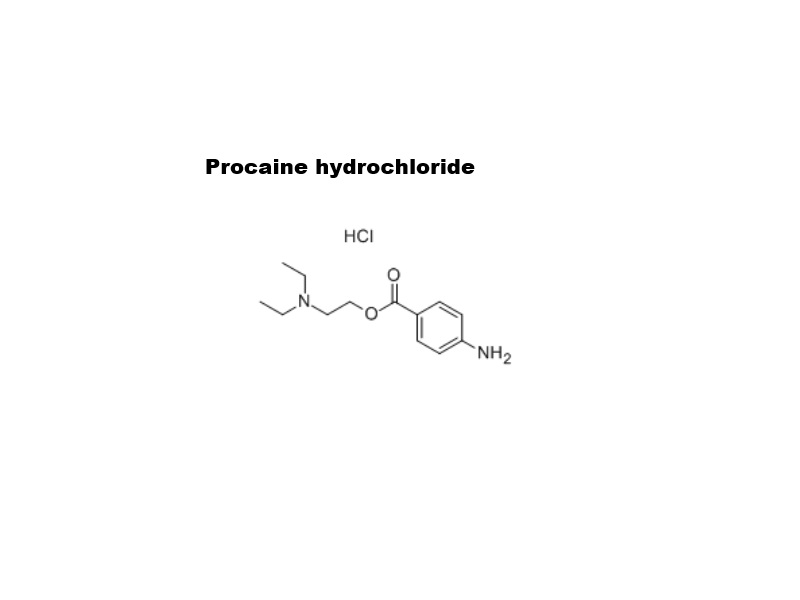
Procaine Hydrochloride CAS 51-05-8 is the water-soluble hydrochloride salt of procaine. It is the specific formulation used in clinical medicine, famously marketed under the brand name Novocain. While its use in mainstream practice has diminished, it remains a historically pivotal drug and is still employed in specific medical and therapeutic contexts.
Details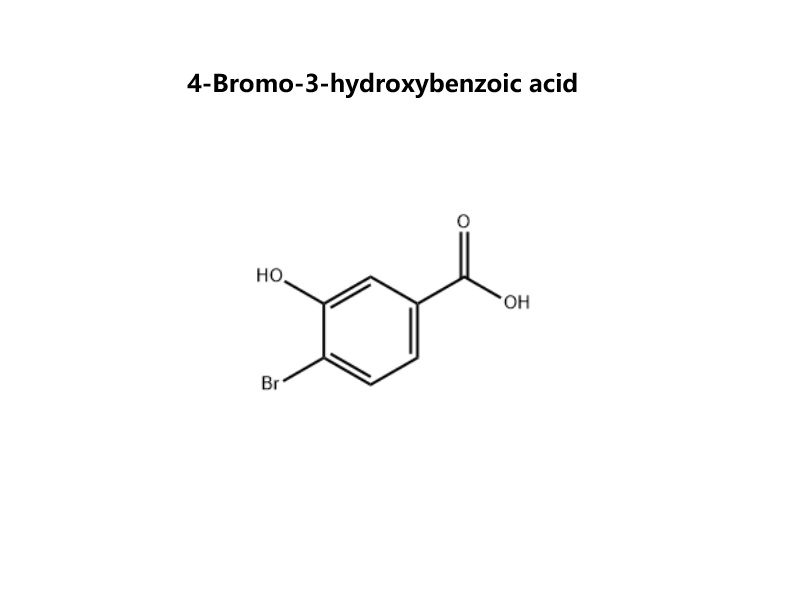
4-Bromo-3-hydroxybenzoic acid CAS 14348-38-0 is a premium, multifunctional aromatic building block engineered for complexity-driven synthesis. Its core value lies in the strategic placement of three distinct, orthogonally reactive functional groups on a benzene ring, making it an indispensable tool for convergent molecular construction in advanced research and development.
Details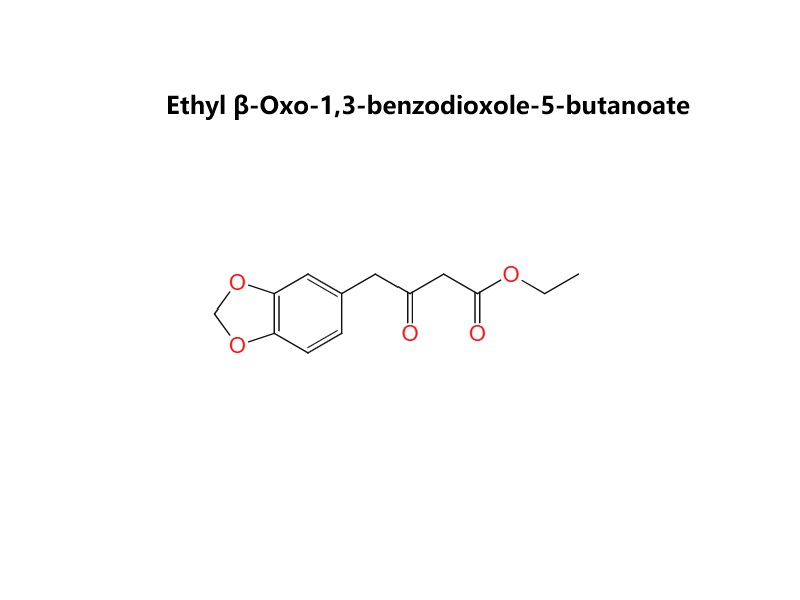
Ethyl β-Oxo-1,3-benzodioxole-5-butanoate CAS 31127-23-8 is a β-ketoester derivative featuring a 1,3-benzodioxole (methylenedioxyphenyl) aromatic system. Structurally, it consists of a benzodioxole ring attached through a three-carbon chain to an ethyl β-ketoester functional group (-CO-CH₂-COOEt). This makes it a versatile bifunctional building block for organic synthesis, combining the electronic properties of the benzodioxole group with the high reactivity of a β-ketoester.
Details![4-Nitrophenyl 3-(Benzo[d][1,3]dioxol-5-yl)-2-methylpropanoate](https://www.qixiolivetol.com/storage/uploads/images/202604/17/1776427287_qZy87IjHSQ.jpg)
4-Nitrophenyl 3-(Benzo[d][1,3]dioxol-5-yl)-2-methylpropanoate is a chirally defined, pre-activated acylating agent that combines a metabolically stable benzo[1,3]dioxole (piperonyl) pharmacophore with the exceptional reactivity of a 4-nitrophenyl ester. It enables the efficient, racemization-free introduction of a complex, chiral acid moiety under mild conditions, making it invaluable for advanced synthetic and bioconjugation chemistry. 4-Nitrophenyl 3-(Benzo[d][1,3]dioxol-5-yl)-2-methylpropanoate is a specialty ester designed as a reactive biochemical or synthetic intermediate. Its structure strategically combines three key units: (1)A 3-(benzo[1,3]dioxol-5-yl)-2-methylpropanoic acid (piperonyl-substituted, chiral acid) moiety. (2)A 4-nitrophenyl ester leaving group. This design makes it an activated ester, where the 4-nitrophenol is an excellent leaving group, facilitating efficient acyl transfer reactions under mild conditions.
Details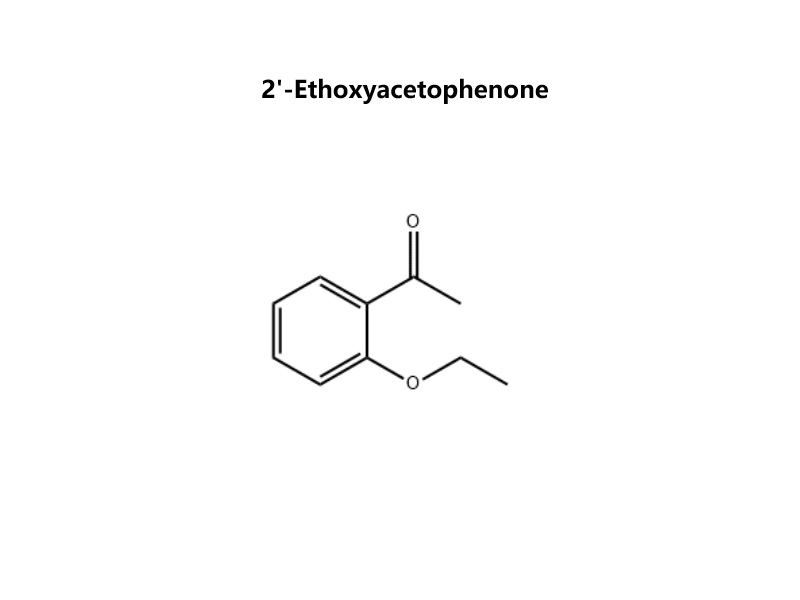
2'-Ethoxyacetophenone CAS 2142-67-8 is a specialized aromatic ketone characterized by an ethoxy substituent at the orthoposition relative to the acetyl group. This structural feature imparts distinct chemical and physical properties, making it a privileged building block for synthesizing complex molecules, particularly in the flavor/fragrance and pharmaceutical sectors.
Details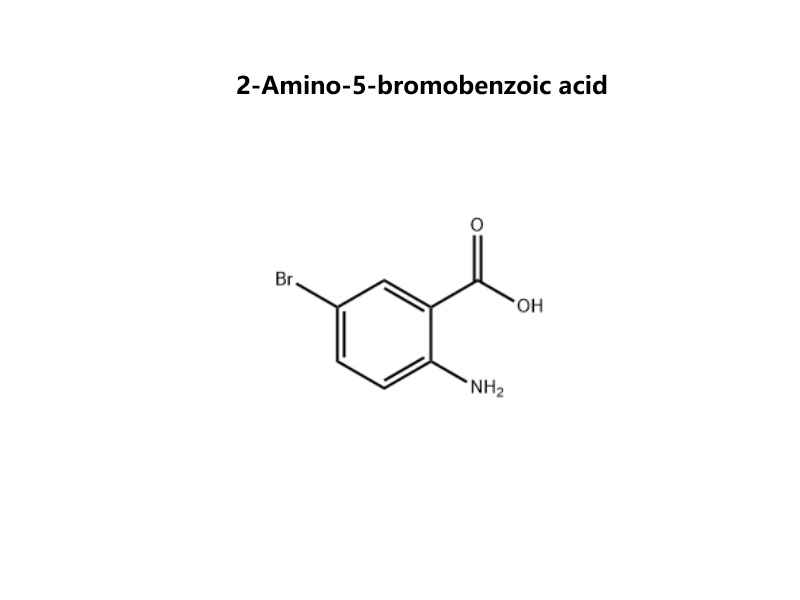
2-Amino-5-bromobenzoic acid CAS 5794-88-7 is a highly versatile aromatic building block that integrates three distinct functional groups—an amine, a carboxylic acid, and an aryl bromide—into a single, synthetically valuable scaffold. This multifunctionality makes it a crucial intermediate in pharmaceutical and advanced materials chemistry.
Details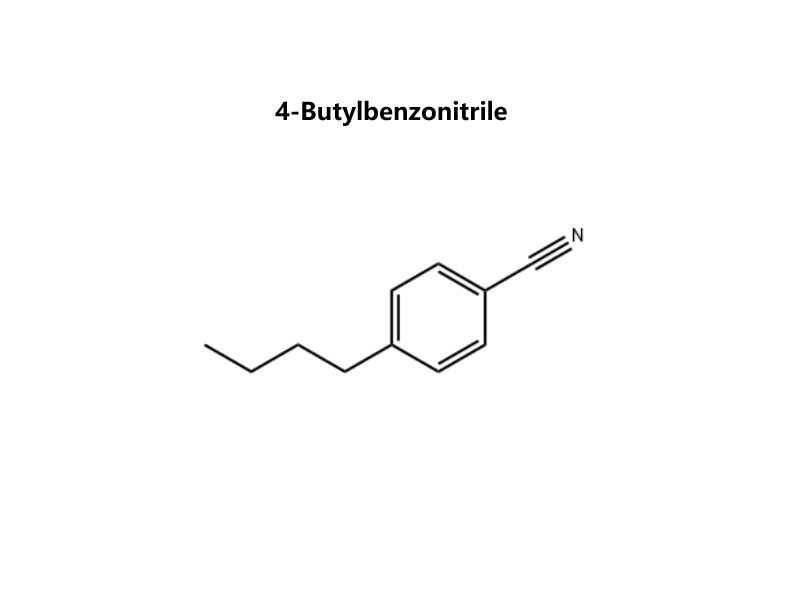
4-Butylbenzonitrile CAS 20651-73-4 is a strategically designed hydrophobic building block that combines a rigid aromatic core with a flexible linear alkyl chain and a highly versatile nitrile functional group. This triad of features makes it an exceptionally valuable intermediate for modulating physicochemical properties and enabling diverse synthetic pathways in advanced material and pharmaceutical and agrochemical research.
Details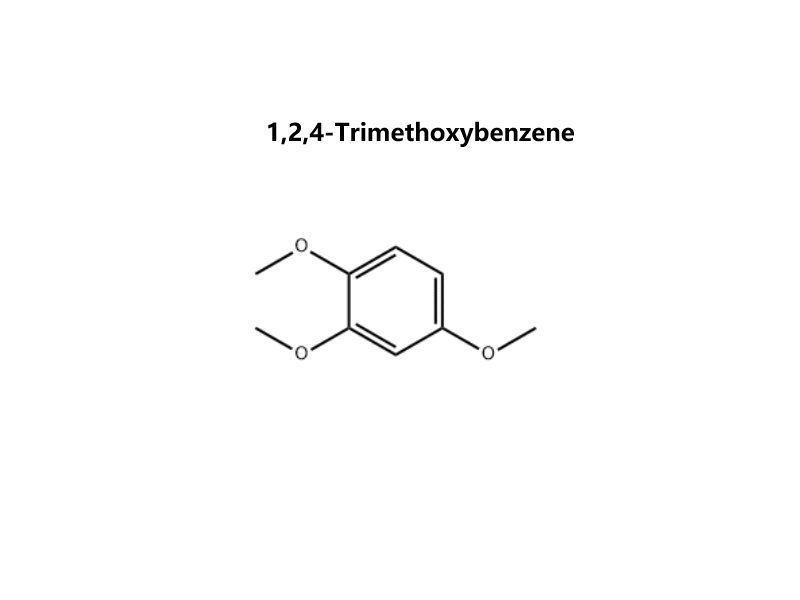
1,2,4-Trimethoxybenzene CAS 135-77-3 is a uniquely versatile, electron-rich aromatic building block. Its core value lies in its unsymmetrical yet highly predictable substitution pattern, which provides exceptional regiocontrol in synthetic chemistry. This makes it a privileged scaffold for constructing complex molecules in pharmaceuticals, agrochemicals, and advanced materials.
Details
 Contact Us
 1st Floor, No. 477, Huancheng West Road, Nanqiao Town, Fengxian District, Shanghai,China
 sales@qxscientific.com
 +86 -13701740203


 IPv6 Network Supported |
Sitemap |
XML |
Blog |
Privacy Policy
IPv6 Network Supported |
Sitemap |
XML |
Blog |
Privacy Policy
Leave A Message
Scan to Wechat/Whatsapp :



 English
 English
 Español
 Português