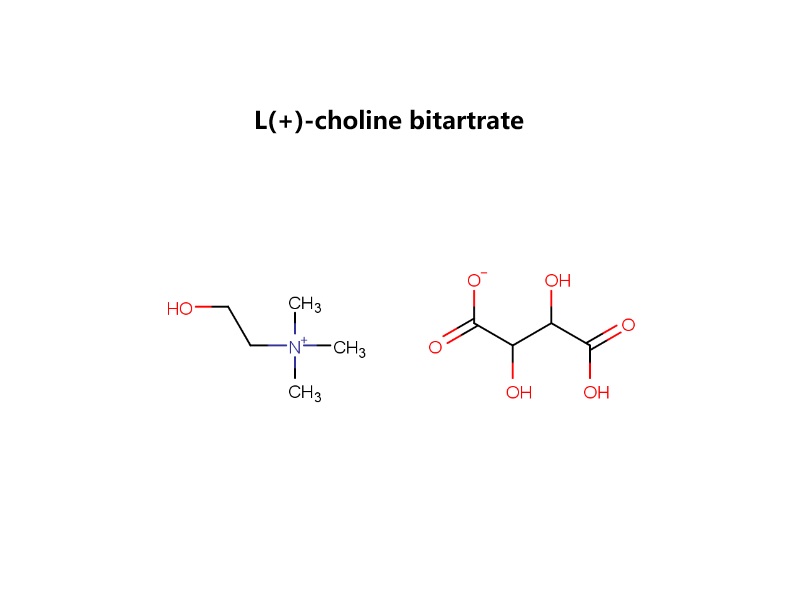
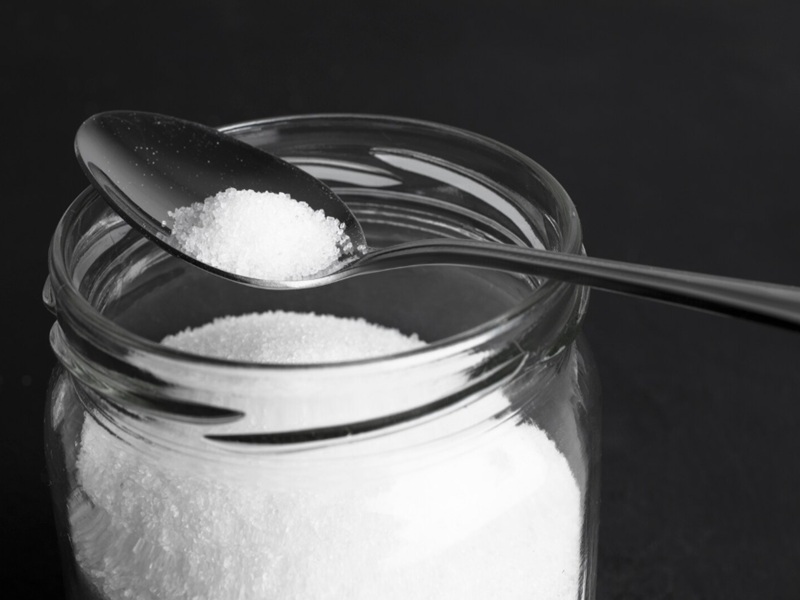
L(+)-Choline bitartrate CAS 87-67-2 is an organic salt compound formed from one molecule of choline (a quaternary ammonium cation and essential nutrient) and one molecule of L(+)-tartaric acid (a natural dicarboxylic acid). It is a specific, enantiomerically pure form of choline salt where the counterion is derived from natural tartaric acid.It is a high-purity, stable, and highly bioavailable source of essential choline, combining the vital nutrient with a natural, food-grade organic acid. It offers a superior balance of safety, solubility, and cost-effectiveness for dietary supplementation and food fortification.
Name :
L(+)-Choline bitartrateCAS No. :
87-67-2MF :
C₉H₁₉NO₇MW :
253.25Purity :
99%Appearance :
White, crystalline, hygroscopic powderStorage Condition :
Store in a tightly sealed container in a cool, dry place.Chemical Properties
IUPAC Name: (2-Hydroxyethyl)trimethylammonium; (2R,3R)-2,3-dihydroxybutanedioate
Chemical Formula: C₉H₁₉NO₇ (C₅H₁₄NO⁺ • C₄H₅O₆⁻)
Molecular Weight: 253.25 g/mol
Structure: Consists of a choline cation [(CH₃)₃N⁺CH₂CH₂OH] ionically bonded to a bitartrate anion [HOOC-CH(OH)-CH(OH)-COOH]. The "L(+)" denotes the specific stereoisomer of tartaric acid used (the naturally occurring form).
Appearance: White, crystalline, hygroscopic powder with a characteristic acidic taste.
Melting Point: Decomposes before melting, typically around 150-160°C.
Solubility: Highly soluble in water (~150 g/100 mL). Sparingly soluble in ethanol and insoluble in non-polar organic solvents (ether, chloroform). The high water solubility is a key functional advantage.
Stability: Stable under normal storage conditions but hygroscopic (absorbs moisture from air). Aqueous solutions are stable at acidic pH but choline can undergo degradation (e.g., to trimethylamine, causing a "fishy" odor) in alkaline conditions or upon prolonged exposure to high heat and moisture.
pH: An aqueous solution is weakly acidic (pH ~3.0-3.5), due to the tartaric acid component.
Choline Content: Contains approximately 41% choline by weight. This is a critical specification for dosage calculations.
Biological Activities
Essential Nutrient Function: Choline is a vital, vitamin-like essential nutrient. It serves as:
1.A precursor for the neurotransmitter acetylcholine, critical for memory, mood, muscle control, and nervous system function.
2.A precursor for phosphatidylcholine, a major structural phospholipid in all cell membranes.
3.A source of methyl groups via its metabolite betaine, involved in homocysteine metabolism and liver health.
Bioavailability: The bitartrate salt provides choline in a highly bioavailable, water-soluble form. The tartaric acid component may aid in absorption and stability.
Deficiency & Health Impact: Inadequate choline intake can lead to fatty liver (hepatic steatosis), muscle damage, and cognitive impairments. It is particularly critical during pregnancy for fetal brain development.
Safety & Toxicity: Very low acute toxicity. The Tolerable Upper Intake Level (UL) for adults is 3.5 g/day of choline. Excessive intake can cause side effects like hypotension, fishy body odor (from trimethylamine), sweating, and gastrointestinal distress.
Biosynthesis
Endogenous Synthesis: The human body synthesizes some choline in the liver via the phosphatidylethanolamine N-methyltransferase (PEMT) pathway, but this is insufficient to meet total needs, making dietary intake essential.
Industrial Synthesis: Produced commercially via chemical synthesis.
1.Choline Production: Typically involves the reaction of trimethylamine with ethylene oxide to form choline base, which is then neutralized.
2.Salt Formation: The choline base (often as choline hydroxide solution) is reacted with a stoichiometric equivalent of L(+)-tartaric acid. The "L(+)" specifies the natural isomer derived from natural sources like grapes.
3.Purification: The resulting salt is crystallized, washed, and dried to a fine powder, meeting food or pharmaceutical grade standards.
Applications



Key Advantages & Benefits
1. Superior Stability & Non-Hygroscopic Handling
Benefit: Unlike choline chloride, which is extremely hygroscopic and corrosive, the bitartrate salt is a dry, free-flowing crystalline powder that is significantly less prone to absorbing moisture. This ensures longer shelf life, easier handling in manufacturing, and prevents caking in encapsulated or tableted products.
Application Scenario: In a high-speed capsule filling operation for a nootropic supplement, L(+)-Choline Bitartrate flows smoothly through powder feeders without clumping, ensuring accurate and consistent dosage in every capsule. This eliminates production downtime caused by equipment corrosion or clogging associated with choline chloride.
2. Excellent Solubility with Palatable Acidity
Benefit: It is highly soluble in water, making it ideal for liquid formulations. The natural tartaric acid component provides a pleasant, tart taste that can be easily masked or leveraged in flavored products, unlike the intensely bitter or salty taste of other choline salts.
Application Scenario: When formulating a caffeine-free, cognitive support drink mix, the product developer uses L(+)-Choline Bitartrate. It dissolves completely in water without sediment, and its mild tartness complements citrus flavor profiles, eliminating the need for additional acidulants and enhancing consumer acceptability.
3. Guaranteed Purity and Defined Composition
Benefit: As a specific chemical entity with a defined molecular weight, it allows for precise dosage calculation (containing ~41% elemental choline by weight). The "L(+)" designation confirms the use of natural tartaric acid, aligning with clean-label trends and avoiding undefined mixtures.
Application Scenario: A pharmaceutical company developing a prenatal vitamin requires exact choline content for clinical dosing and labeling. Using L(+)-Choline Bitartrate provides a reliable and consistent source, simplifying regulatory compliance and ensuring each tablet delivers the specified 250 mg of choline as required for maternal health claims.
4. Cost-Effective Bioavailability
Benefit: It provides bioavailable choline at a significantly lower cost per gram of active nutrient compared to advanced, phospholipid-bound forms like Alpha-GPC or Citicoline, making it the most economical choice for raising systemic choline levels.
Application Scenario: For a mass-market multivitamin or a livestock feed premix where broad-spectrum nutrient sufficiency at scale is the goal, L(+)-Choline Bitartrate delivers the essential choline activity needed to support basic metabolic and neurological functions without the premium cost of specialized delivery systems.
FAQs
Q1: What are the main benefits of taking L(+)-Choline Bitartrate?
A: It is taken primarily to support cognitive functions (memory, focus) by providing the raw material for acetylcholine, to promote liver health by preventing fat accumulation, and to support cellular structure and signaling. For pregnant women, it is crucial for fetal brain development.
Q2: How does it compare to other choline sources like Alpha-GPC or Citicoline (CDP-Choline)?
A: It is a cost-effective, high-purity source of choline but is considered a "base" form. Alpha-GPC and Citicoline are often called "premium" forms because they may cross the blood-brain barrier more efficiently and also provide components that integrate directly into phospholipid metabolism. Bitartrate is excellent for raising overall choline levels; Alpha-GPC/Citicoline may be preferred for targeted cognitive enhancement.
Q3: Is this form suitable for vegans/vegetarians?
A: Typically, yes. Most commercially available L(+)-Choline Bitartrate is synthesized chemically and does not involve animal derivatives. The "L(+)" refers to the stereoisomer of tartaric acid, which is usually produced via microbial fermentation of carbohydrates (e.g., from grapes). However, it's always best to verify with the supplier.
Q4: What is a typical dosage, and are there any side effects?
A:
Dosage: Depends on goals. General supplementation ranges from 250 mg to 1000 mg daily (providing ~100-400 mg of choline). Always follow product labels or a healthcare provider's advice.
Side Effects: At recommended doses, it is very well-tolerated. High doses (near/exceeding the 3.5g UL) can cause fishy body odor, nausea, diarrhea, sweating, or low blood pressure.
Q5: How should it be stored to maintain potency?
A: Due to its hygroscopic nature, store in a tightly sealed container in a cool, dry place. Avoid exposure to high humidity. Properly stored, it has a shelf life of 2-3 years. Discard if it develops a strong fishy odor, indicating degradation.
Q6: Can it be combined with other supplements?
A: Yes, synergistically.
With B Vitamins (especially B5, B9, B12): B5 is a cofactor for acetylcholine synthesis; B9/B12 work with choline/betaine in methylation cycles.
With Nootropics like racetams: Often taken together as choline is a rate-limiting precursor for acetylcholine, which some racetams are believed to modulate.
With Liver support supplements (e.g., milk thistle): For comprehensive liver health.
Q7: Are there any specific populations who should be cautious?
A: Individuals with kidney or liver disease should consult a doctor before use, as altered metabolism may be a concern. Those with trimethylaminuria (disorder causing fishy odor) may experience worsened symptoms. Pregnant and breastfeeding women are encouraged to ensure adequate choline intake but should do so under medical guidance.
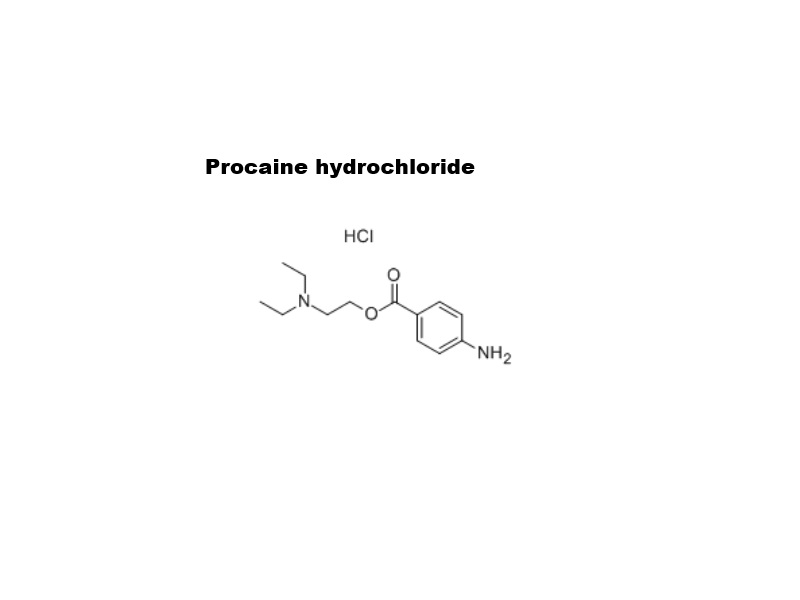
Procaine Hydrochloride CAS 51-05-8 is the water-soluble hydrochloride salt of procaine. It is the specific formulation used in clinical medicine, famously marketed under the brand name Novocain. While its use in mainstream practice has diminished, it remains a historically pivotal drug and is still employed in specific medical and therapeutic contexts.
Details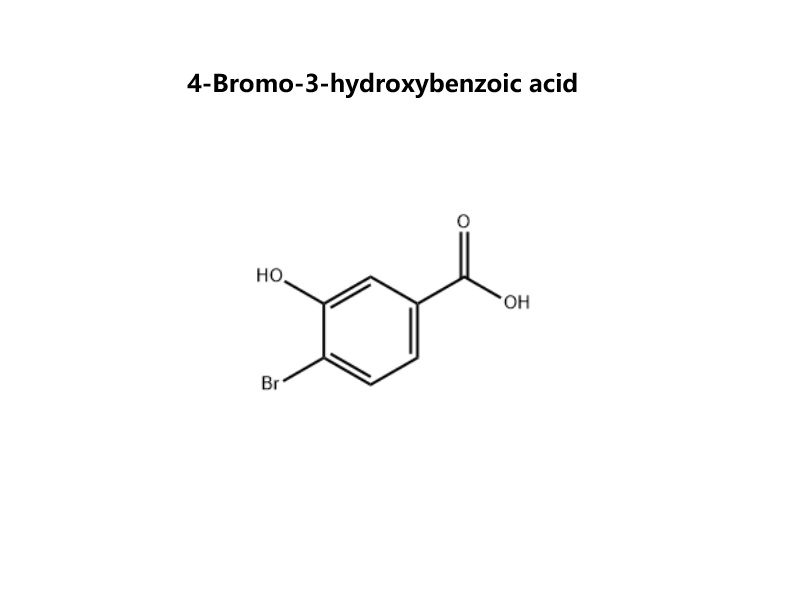
4-Bromo-3-hydroxybenzoic acid CAS 14348-38-0 is a premium, multifunctional aromatic building block engineered for complexity-driven synthesis. Its core value lies in the strategic placement of three distinct, orthogonally reactive functional groups on a benzene ring, making it an indispensable tool for convergent molecular construction in advanced research and development.
Details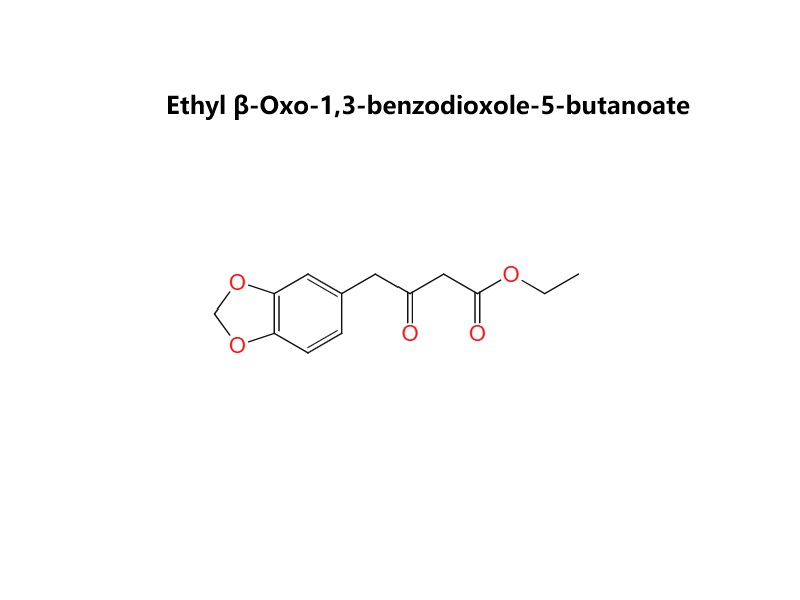
Ethyl β-Oxo-1,3-benzodioxole-5-butanoate CAS 31127-23-8 is a β-ketoester derivative featuring a 1,3-benzodioxole (methylenedioxyphenyl) aromatic system. Structurally, it consists of a benzodioxole ring attached through a three-carbon chain to an ethyl β-ketoester functional group (-CO-CH₂-COOEt). This makes it a versatile bifunctional building block for organic synthesis, combining the electronic properties of the benzodioxole group with the high reactivity of a β-ketoester.
Details![4-Nitrophenyl 3-(Benzo[d][1,3]dioxol-5-yl)-2-methylpropanoate](https://www.qixiolivetol.com/storage/uploads/images/202604/17/1776427287_qZy87IjHSQ.jpg)
4-Nitrophenyl 3-(Benzo[d][1,3]dioxol-5-yl)-2-methylpropanoate is a chirally defined, pre-activated acylating agent that combines a metabolically stable benzo[1,3]dioxole (piperonyl) pharmacophore with the exceptional reactivity of a 4-nitrophenyl ester. It enables the efficient, racemization-free introduction of a complex, chiral acid moiety under mild conditions, making it invaluable for advanced synthetic and bioconjugation chemistry. 4-Nitrophenyl 3-(Benzo[d][1,3]dioxol-5-yl)-2-methylpropanoate is a specialty ester designed as a reactive biochemical or synthetic intermediate. Its structure strategically combines three key units: (1)A 3-(benzo[1,3]dioxol-5-yl)-2-methylpropanoic acid (piperonyl-substituted, chiral acid) moiety. (2)A 4-nitrophenyl ester leaving group. This design makes it an activated ester, where the 4-nitrophenol is an excellent leaving group, facilitating efficient acyl transfer reactions under mild conditions.
Details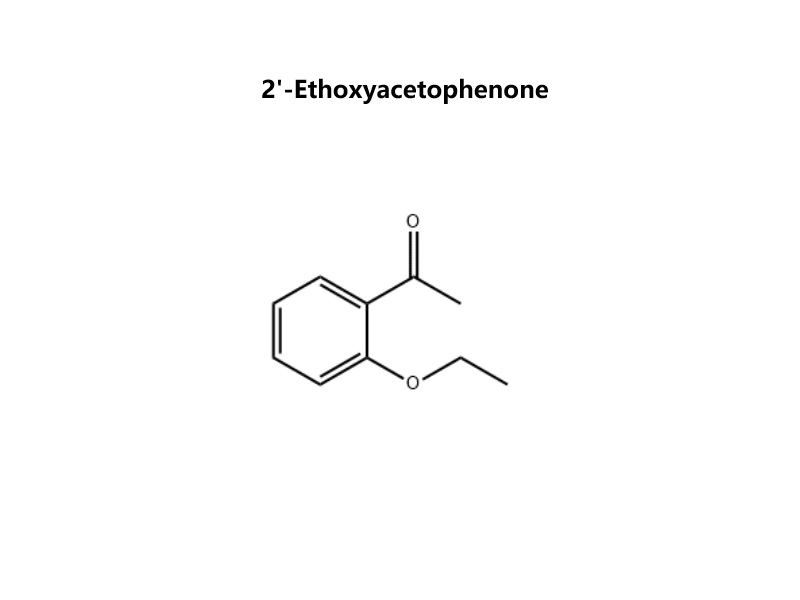
2'-Ethoxyacetophenone CAS 2142-67-8 is a specialized aromatic ketone characterized by an ethoxy substituent at the orthoposition relative to the acetyl group. This structural feature imparts distinct chemical and physical properties, making it a privileged building block for synthesizing complex molecules, particularly in the flavor/fragrance and pharmaceutical sectors.
Details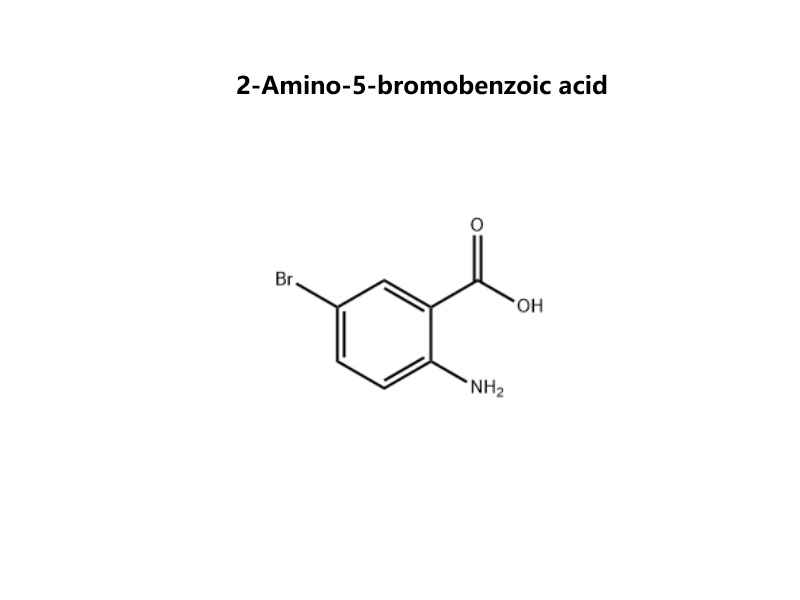
2-Amino-5-bromobenzoic acid CAS 5794-88-7 is a highly versatile aromatic building block that integrates three distinct functional groups—an amine, a carboxylic acid, and an aryl bromide—into a single, synthetically valuable scaffold. This multifunctionality makes it a crucial intermediate in pharmaceutical and advanced materials chemistry.
Details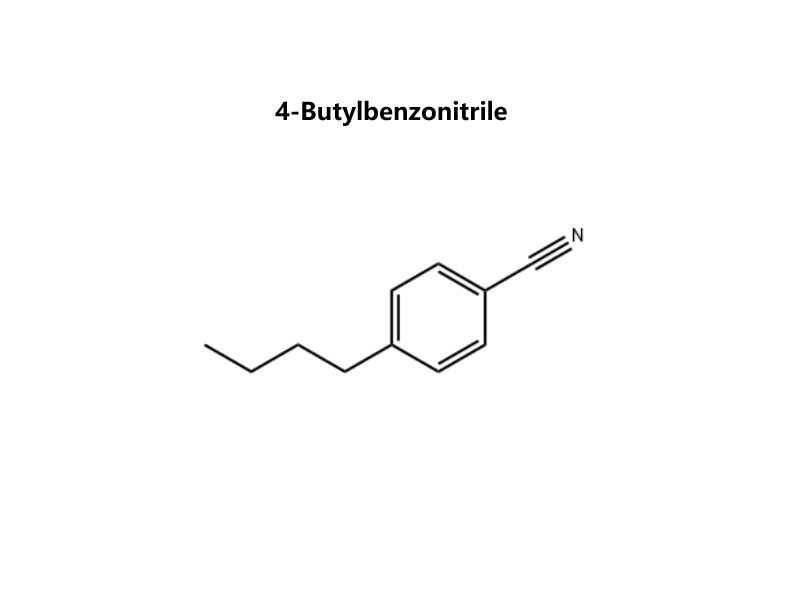
4-Butylbenzonitrile CAS 20651-73-4 is a strategically designed hydrophobic building block that combines a rigid aromatic core with a flexible linear alkyl chain and a highly versatile nitrile functional group. This triad of features makes it an exceptionally valuable intermediate for modulating physicochemical properties and enabling diverse synthetic pathways in advanced material and pharmaceutical and agrochemical research.
Details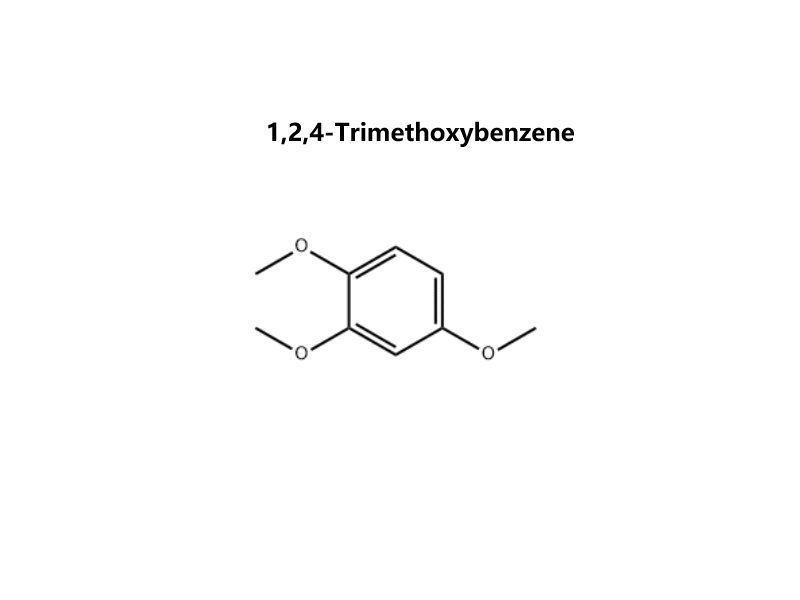
1,2,4-Trimethoxybenzene CAS 135-77-3 is a uniquely versatile, electron-rich aromatic building block. Its core value lies in its unsymmetrical yet highly predictable substitution pattern, which provides exceptional regiocontrol in synthetic chemistry. This makes it a privileged scaffold for constructing complex molecules in pharmaceuticals, agrochemicals, and advanced materials.
Details
 Contact Us
 1st Floor, No. 477, Huancheng West Road, Nanqiao Town, Fengxian District, Shanghai,China
 sales@qxscientific.com
 +86 -13701740203


 IPv6 Network Supported |
Sitemap |
XML |
Blog |
Privacy Policy
IPv6 Network Supported |
Sitemap |
XML |
Blog |
Privacy Policy
Leave A Message
Scan to Wechat/Whatsapp :



 English
 English
 Español
 Português