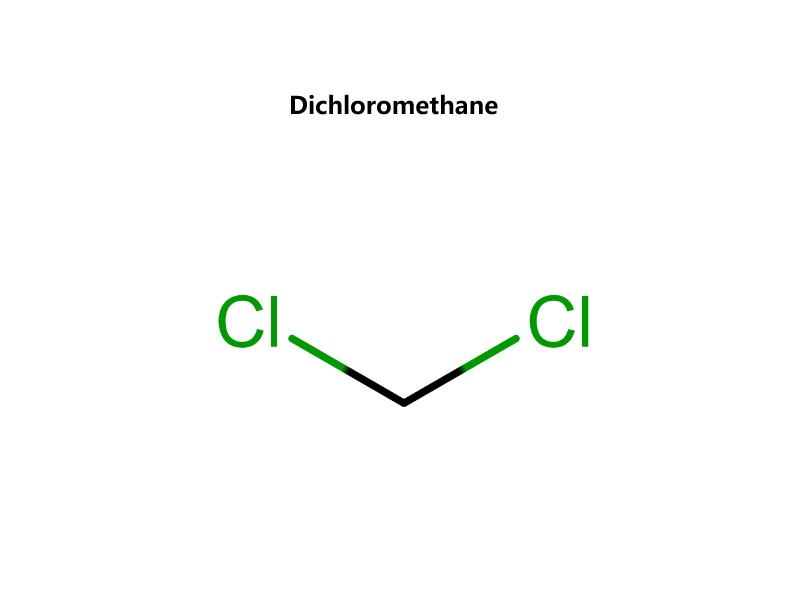
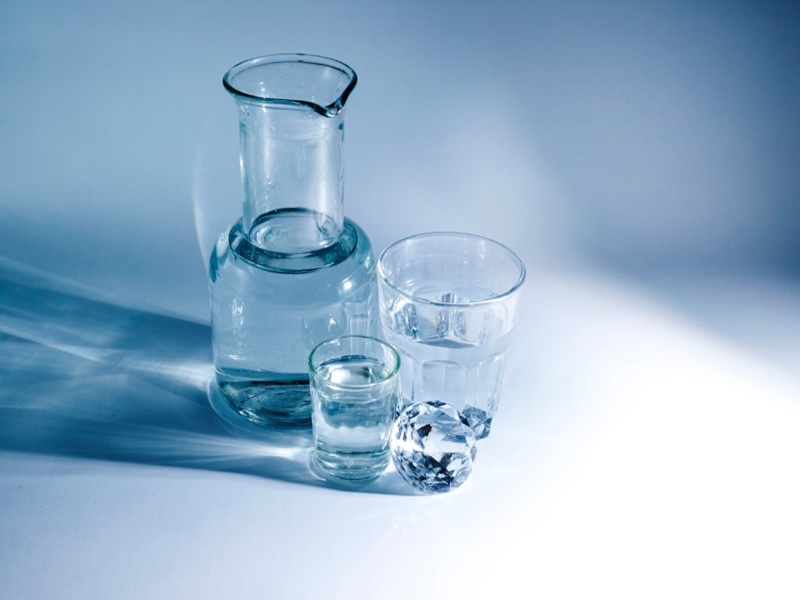
Dichloromethane (DCM) CAS 75-09-2, also known as methylene chloride, is a volatile, chlorinated hydrocarbon. It is a simple molecule consisting of a methane core where two hydrogen atoms are replaced by chlorine atoms. It is one of the most widely used industrial solvents due to its unique combination of properties. Dichloromethane (DCM) is a versatile, high-performance chlorinated solvent that delivers an unparalleled balance of powerful solvency, low boiling point, and non-flammability under standard conditions. Despite increasing regulatory scrutiny, it remains the solvent of choice for applications where its unique combination of properties cannot be matched by alternatives without significant compromise in performance, time, or cost.
Name :
DichloromethaneCAS No. :
75-09-2MF :
CH₂Cl₂MW :
84.93Purity :
99%Appearance :
Clear, colorless, volatile liquid with a sweet, chloroform-like odor.Storage Condition :
Store in a tightly sealed, amber container under an inert atmosphere like nitrogen, in a cool and dark place.Chemical Properties
IUPAC Name: Dichloromethane
Other Common Names: Methylene chloride, Methylene dichloride
Chemical Formula: CH₂Cl₂
Molecular Weight: 84.93 g/mol
Structure: A tetrahedral molecule with H-C-H and Cl-C-Cl bonds.
Appearance: Clear, colorless, volatile liquid with a sweet, chloroform-like odor.
Melting Point: -96.7 °C (-142.1 °F)
Boiling Point: 39.6 °C (103.3 °F) – This low boiling point is a defining characteristic.
Density: 1.33 g/cm³ at 20°C (denser than water).
Vapor Pressure: 47 kPa at 20°C (highly volatile).
Solubility: Partially miscible with water (~13 g/L at 20°C). Miscible with most organic solvents (alcohols, ethers, chlorinated solvents).
Stability: Stable under normal conditions. Non-flammable in air under typical use (has a high flammability limit, but can form flammable mixtures in oxygen-rich or high-temperature environments). Can decompose at very high temperatures (>120°C) to produce phosgene, hydrogen chloride, and chlorine.
Key Reactivity: Relatively inert. It is a polar aprotic solvent, making it excellent for a wide range of reactions. It can be used in extraction, degreasing, and as a reaction medium.
Biological Activities
Acute Toxicity: Low to moderate acute toxicity. Primary risk is central nervous system (CNS) depression, leading to dizziness, nausea, and, at high concentrations, unconsciousness. It is also a skin and eye irritant and can cause dermatitis.
Chronic Toxicity: The major health concern. DCM is metabolized in the body to carbon monoxide, which can lead to carboxyhemoglobinemia, posing a risk to individuals with cardiovascular conditions. It is classified as a probable human carcinogen (Group 2A by IARC) based on animal studies showing increased tumor incidence, particularly in the liver and lungs.
Environmental Fate: Volatilizes quickly from soil and water. It has moderate mobility in soil and low potential for bioaccumulation. It degrades slowly in groundwater, leading to persistence. Toxic to aquatic life.
Biosynthesis
Natural Occurrence: Produced in small quantities by macroalgae and volcanoes, but not commercially significant.
Industrial Production: Produced on a large scale via the chlorination of methane or chloromethane.
Process: Methane (or chloromethane) is reacted with chlorine gas at high temperatures (400–500°C). This free-radical reaction produces a mixture of chloromethanes (CH₃Cl, CH₂Cl₂, CHCl₃, CCl₄), which are then separated by distillation.
Applications
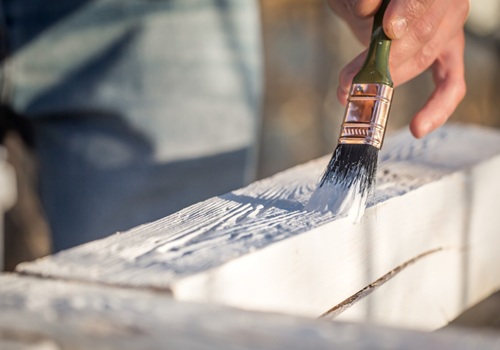
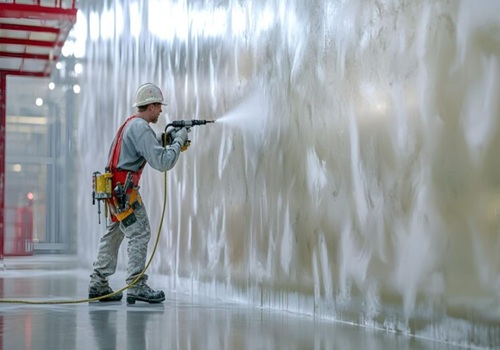
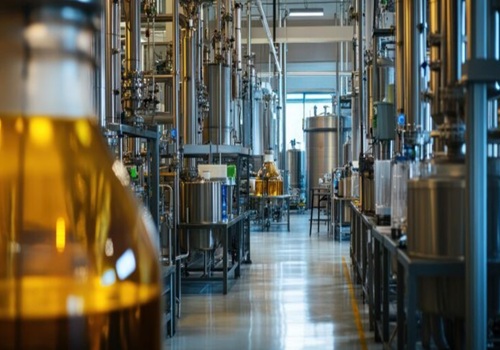

Key Advantages & Benefits
1. Unmatched Solvency Power with Wide Compatibility
Benefit: Possesses a high dipole moment (1.60 D) and a relatively high solubility parameter (δ=20.3 MPa½), making it an excellent solvent for a vast range of organic materials—from polar resins and oils to many polymers and waxes—without damaging most common substrates (plastics, metals, elastomers).
Application Scenario: In the precision cleaning of aerospace components and sensitive electronics, DCM effectively removes fluxes, greases, and particulate contamination from complex assemblies without corroding metals or degrading specialized polymers, ensuring component reliability before final assembly.
2. Rapid Evaporation with Low Latent Heat of Vaporization
Benefit: Its low boiling point (39.6°C) and low latent heat (329 kJ/kg) allow for extremely fast drying at near-ambient temperatures. This minimizes thermal stress on heat-sensitive materials and drastically reduces processing or drying time compared to higher-boiling solvents.
Application Scenario: In a pharmaceutical tablet coating process, DCM is used as the solvent for a functional polymer coating. Its rapid evaporation ensures a smooth, uniform film is deposited on each tablet without excessive heat that could degrade the active ingredient, leading to higher production throughput.
3. Non-Flammability Under Typical Use Conditions
Benefit: Has no flash point in standard closed-cup tests, meaning it does not form flammable vapors in air at room temperature. This eliminates ignition risks in many operational settings, a critical safety advantage over hydrocarbon and oxygenated solvents.
Application Scenario: In large-scale industrial degreasing operations, using DCM in vapor degreasers allows for safe, effective cleaning of metal parts without the explosion hazards associated with solvents like acetone or toluene, even in the presence of electrical equipment or static discharge.
4. High Density and Immiscibility for Efficient Separations
Benefit: Being denser than water (1.33 g/cm³) and only partially miscible with it, DCM is the ideal solvent for liquid-liquid extractions. It forms a distinct, easily separable lower layer, enabling efficient isolation of organic compounds from aqueous reaction mixtures or natural product extracts.
Application Scenario: In the extraction of caffeine to produce decaffeinated coffee, DCM selectively dissolves caffeine from water-moistened green coffee beans. After separation, the caffeine-rich DCM layer is easily drained off, and the solvent is recovered and recycled, making the process highly efficient and economical.
Dichloromethane (DCM, CAS 75-09-2) remains a powerful and efficient industrial tool whose advantages are rooted in its exceptional physical properties. Its role is now defined by specialized, high-value applications where performance is critical and engineering controls are rigorous. In environments where its hazards can be effectively managed through closed systems, expert handling, and solvent recovery, DCM delivers performance that alternatives often cannot match without sacrificing speed, efficacy, or cost-efficiency. For the pharmaceutical chemist performing a critical extraction or the aerospace engineer cleaning a flight-critical component, DCM's unique profile can make it the necessary and justified choice, despite its significant regulatory and safety overhead.
FAQs
Q1: Why is DCM such a popular solvent despite its hazards?
A: It offers a nearly unmatched combination: high solvency power for a vast range of organics, low boiling point for easy recovery, non-flammability (under typical conditions), and miscibility with other solvents. For many industrial processes, finding a drop-in replacement with the same efficiency is difficult and costly.
Q2: What are the most critical safety measures when handling DCM?
A:
1)Ventilation is Paramount: Always use in a well-ventilated area or, preferably, a fume hood. Its high vapor pressure and density mean vapors accumulate in low-lying areas.
2)Skin and Eye Protection: Wear impermeable gloves (e.g., nitrile, Viton), chemical splash goggles, and protective clothing.
3)Respiratory Protection: Use an air-purifying respirator with organic vapor cartridges if engineering controls are insufficient. For high concentrations or confined spaces, a supplied-air respirator is required.
4)Monitor Exposure: Use personal or area monitors to ensure concentration remains below the Permissible Exposure Limit (PEL or OEL).
Q3: Are there safer alternatives to DCM for paint stripping or cleaning?
A: Yes, but with trade-offs.
1)For Paint Stripping: Benzyl alcohol-based gels, soy-based strippers, or infrared heat systems. These are slower, less effective on certain coatings, or more expensive.
2)For Industrial Cleaning: Hydrofluorocarbons (HFCs), hydrofluoroethers (HFEs), or modified alcohols. These often have lower toxicity but may be less effective, more expensive, or have higher Global Warming Potential (GWP).
3)Selection depends on the specific substrate, contaminant, required drying time, and regulatory environment.
Q4: How should DCM waste be disposed of?
A: It is a regulated hazardous waste (U080 under US RCRA).
1)Never pour down the drain or into regular trash.
2)Collect in a dedicated, properly labeled container for halogenated organic solvents.
3)Dispose of through a licensed hazardous waste management company, typically via high-temperature incineration.
Q5: What is driving the global regulatory trend for DCM?
A: The primary drivers are its classification as a probable human carcinogen and significant occupational health risk.Regulations (like the US EPA's Significant New Use Rule or EU REACH restrictions) are phasing out most consumer and many industrial uses, mandating strict engineering controls, and pushing industries toward safer alternatives.
Q6: What should I check when purchasing DCM?
A:
Grade: Technical (for cleaning) vs. HPLC/ACS grade (for synthesis/extraction). Purity and water content are critical for sensitive applications.
Stabilizer: Commercial DCM often contains a small amount (e.g., 50-150 ppm) of a stabilizer like amylene or ethanol to prevent phosgene formation. Ensure the stabilizer is compatible with your intended use (e.g., ethanol can interfere in some reactions).
Supplier SDS: Review the latest Safety Data Sheet for specific handling instructions and hazard classifications.
Q7: Can DCM be recycled or reclaimed?
A: Absolutely, and it is strongly encouraged. Used DCM can be efficiently purified via distillation. On-site solvent recovery systems are common in large-scale operations for economic and environmental reasons. This reduces virgin material use, cuts costs, and minimizes hazardous waste generation.
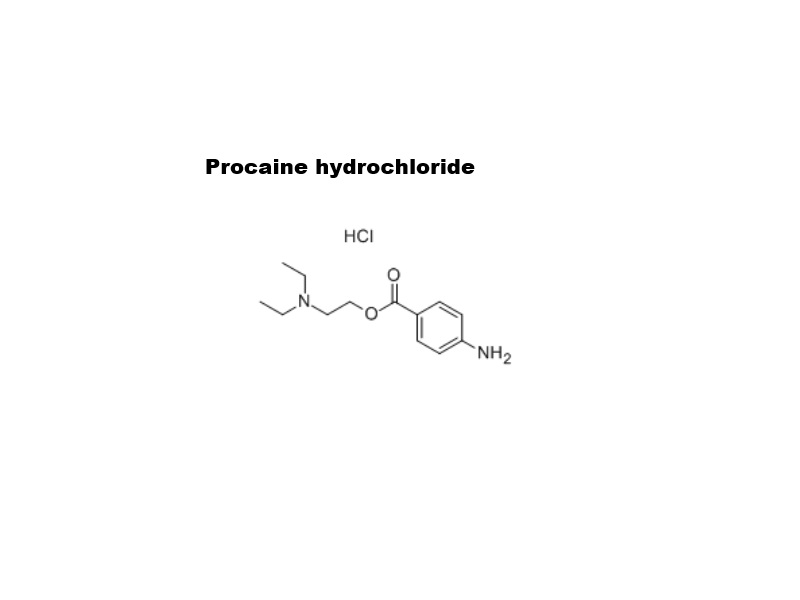
Procaine Hydrochloride CAS 51-05-8 is the water-soluble hydrochloride salt of procaine. It is the specific formulation used in clinical medicine, famously marketed under the brand name Novocain. While its use in mainstream practice has diminished, it remains a historically pivotal drug and is still employed in specific medical and therapeutic contexts.
Details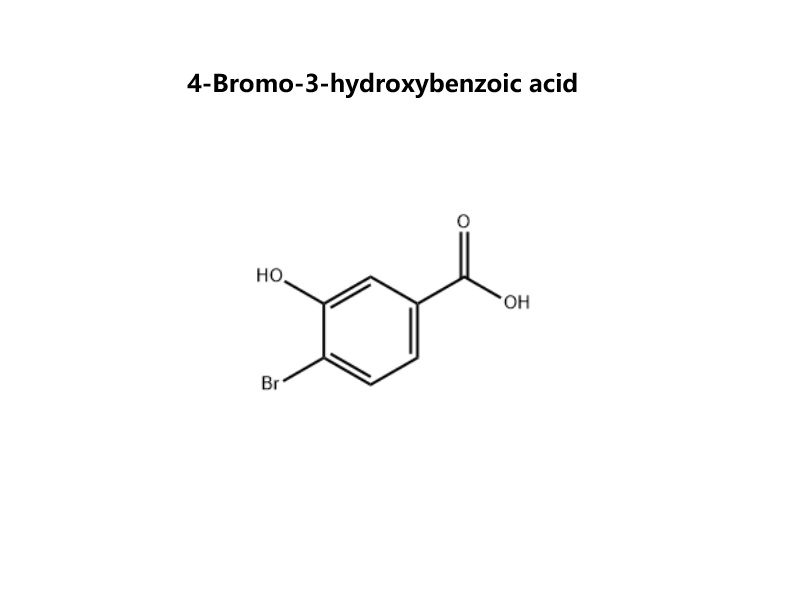
4-Bromo-3-hydroxybenzoic acid CAS 14348-38-0 is a premium, multifunctional aromatic building block engineered for complexity-driven synthesis. Its core value lies in the strategic placement of three distinct, orthogonally reactive functional groups on a benzene ring, making it an indispensable tool for convergent molecular construction in advanced research and development.
Details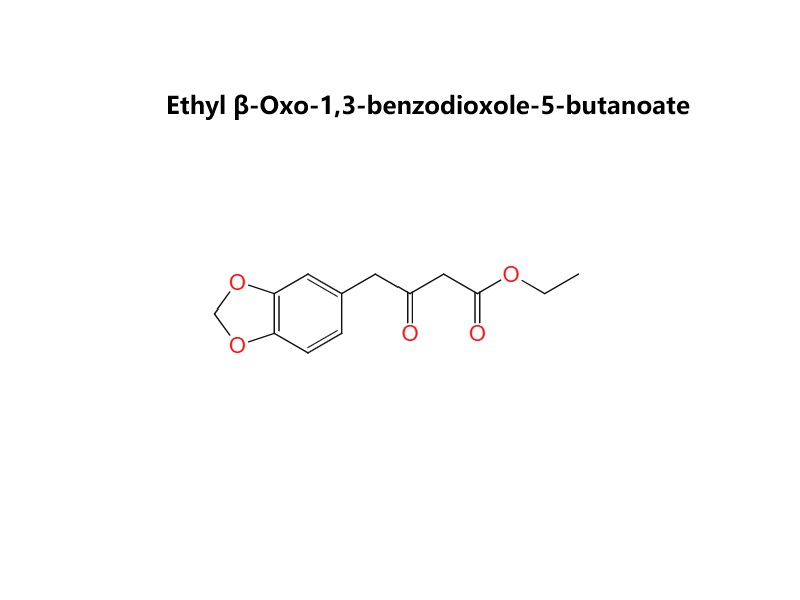
Ethyl β-Oxo-1,3-benzodioxole-5-butanoate CAS 31127-23-8 is a β-ketoester derivative featuring a 1,3-benzodioxole (methylenedioxyphenyl) aromatic system. Structurally, it consists of a benzodioxole ring attached through a three-carbon chain to an ethyl β-ketoester functional group (-CO-CH₂-COOEt). This makes it a versatile bifunctional building block for organic synthesis, combining the electronic properties of the benzodioxole group with the high reactivity of a β-ketoester.
Details![4-Nitrophenyl 3-(Benzo[d][1,3]dioxol-5-yl)-2-methylpropanoate](https://www.qixiolivetol.com/storage/uploads/images/202604/17/1776427287_qZy87IjHSQ.jpg)
4-Nitrophenyl 3-(Benzo[d][1,3]dioxol-5-yl)-2-methylpropanoate is a chirally defined, pre-activated acylating agent that combines a metabolically stable benzo[1,3]dioxole (piperonyl) pharmacophore with the exceptional reactivity of a 4-nitrophenyl ester. It enables the efficient, racemization-free introduction of a complex, chiral acid moiety under mild conditions, making it invaluable for advanced synthetic and bioconjugation chemistry. 4-Nitrophenyl 3-(Benzo[d][1,3]dioxol-5-yl)-2-methylpropanoate is a specialty ester designed as a reactive biochemical or synthetic intermediate. Its structure strategically combines three key units: (1)A 3-(benzo[1,3]dioxol-5-yl)-2-methylpropanoic acid (piperonyl-substituted, chiral acid) moiety. (2)A 4-nitrophenyl ester leaving group. This design makes it an activated ester, where the 4-nitrophenol is an excellent leaving group, facilitating efficient acyl transfer reactions under mild conditions.
Details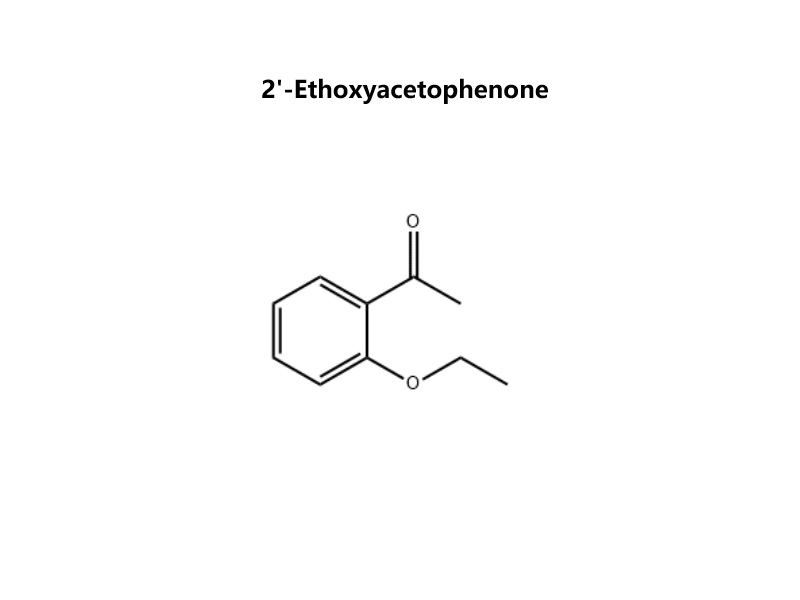
2'-Ethoxyacetophenone CAS 2142-67-8 is a specialized aromatic ketone characterized by an ethoxy substituent at the orthoposition relative to the acetyl group. This structural feature imparts distinct chemical and physical properties, making it a privileged building block for synthesizing complex molecules, particularly in the flavor/fragrance and pharmaceutical sectors.
Details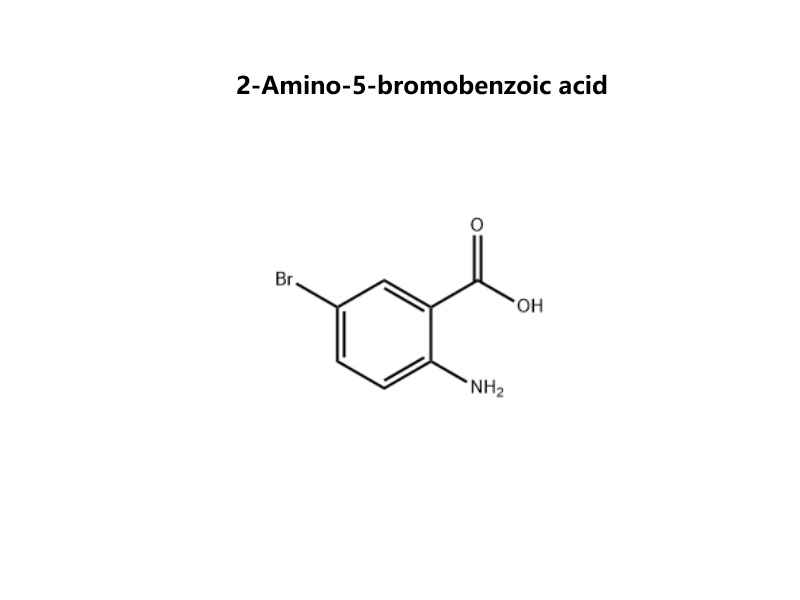
2-Amino-5-bromobenzoic acid CAS 5794-88-7 is a highly versatile aromatic building block that integrates three distinct functional groups—an amine, a carboxylic acid, and an aryl bromide—into a single, synthetically valuable scaffold. This multifunctionality makes it a crucial intermediate in pharmaceutical and advanced materials chemistry.
Details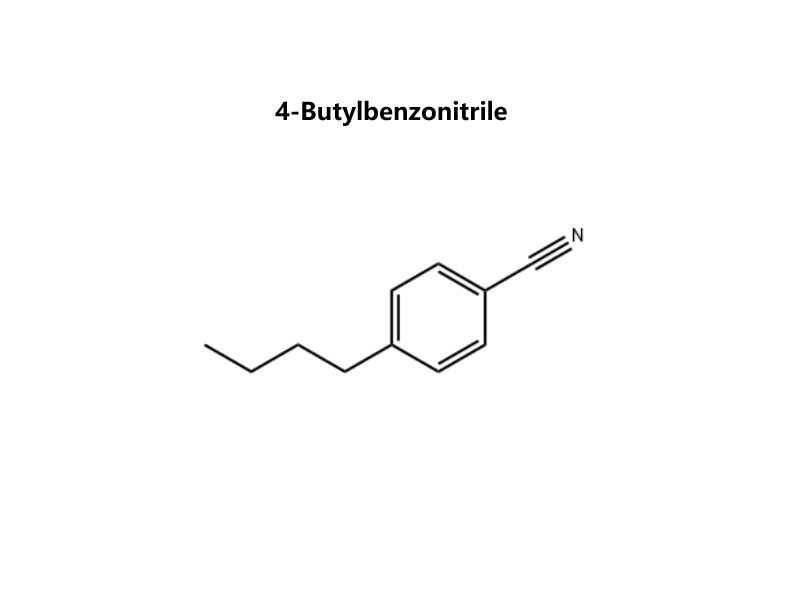
4-Butylbenzonitrile CAS 20651-73-4 is a strategically designed hydrophobic building block that combines a rigid aromatic core with a flexible linear alkyl chain and a highly versatile nitrile functional group. This triad of features makes it an exceptionally valuable intermediate for modulating physicochemical properties and enabling diverse synthetic pathways in advanced material and pharmaceutical and agrochemical research.
Details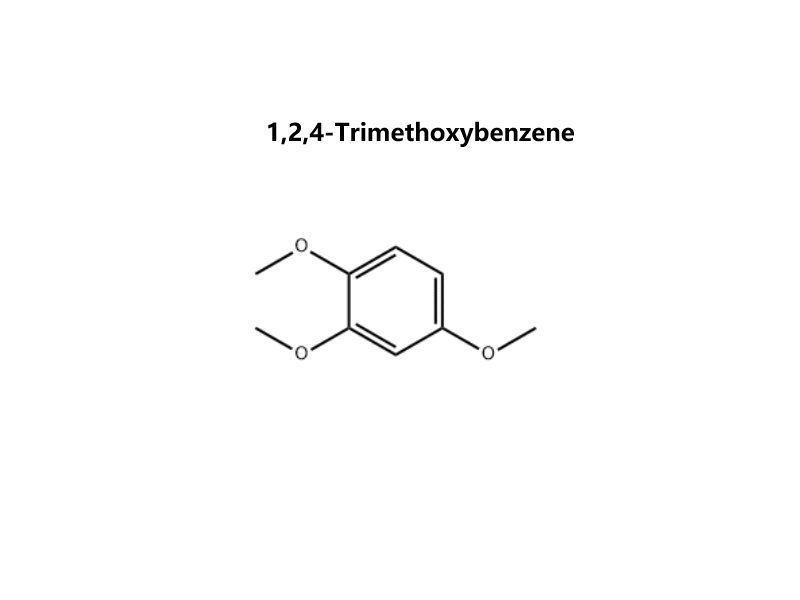
1,2,4-Trimethoxybenzene CAS 135-77-3 is a uniquely versatile, electron-rich aromatic building block. Its core value lies in its unsymmetrical yet highly predictable substitution pattern, which provides exceptional regiocontrol in synthetic chemistry. This makes it a privileged scaffold for constructing complex molecules in pharmaceuticals, agrochemicals, and advanced materials.
Details
 Contact Us
 1st Floor, No. 477, Huancheng West Road, Nanqiao Town, Fengxian District, Shanghai,China
 sales@qxscientific.com
 +86 -13701740203


 IPv6 Network Supported |
Sitemap |
XML |
Blog |
Privacy Policy
IPv6 Network Supported |
Sitemap |
XML |
Blog |
Privacy Policy
Leave A Message
Scan to Wechat/Whatsapp :



 English
 English
 Español
 Português