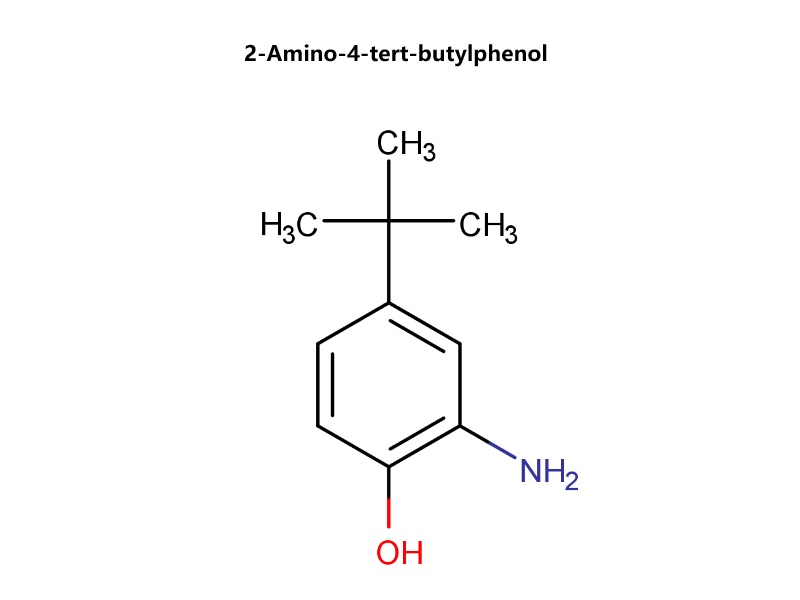
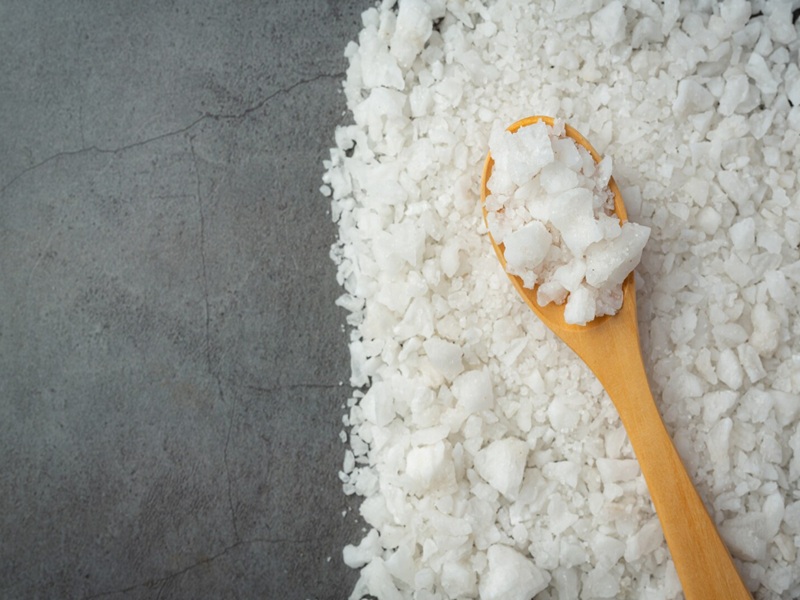
2-Amino-4-tert-butylphenol CAS 1199-46-8 is an aromatic organic compound featuring both an amine and a phenolic hydroxyl group on a benzene ring that is further substituted with a bulky tert-butyl group. It is a versatile sterically hindered aminophenol that serves as a key building block in specialty chemical synthesis. 2-Amino-4-tert-butylphenol is a sterically hindered, amphoteric building block that uniquely combines an electron-rich aromatic amine with a phenolic hydroxyl group, all anchored by a bulky tert-butyl substituent. This specific structure makes it an essential precursor for synthesizing high-performance, non-extractable stabilizers and vivid, lightfast colorants in demanding industrial applications.
Name :
2-Amino-4-tert-butylphenolCAS No. :
1199-46-8MF :
C₁₀H₁₅NOMW :
165.23Purity :
99%Appearance :
White to light tan or pinkish crystalline solid or powder.Storage Condition :
It must be kept in a tightly sealed container under an inert atmosphere (nitrogen or argon), protected from light, and preferably refrigerated.Chemical Properties
IUPAC Name: 4-tert-Butyl-2-aminophenol
Other Common Names: 4-tert-Butyl-2-hydroxyaniline
Chemical Formula: C₁₀H₁₅NO
Molecular Weight: 165.23 g/mol
Structure: HO-C₆H₃-(NH₂)-[C(CH₃)₃] with substituents in 1 (OH), 2 (NH₂), and 4 (t-Bu) positions.
Appearance: White to light tan or pinkish crystalline solid or powder. May darken upon exposure to air and light due to oxidation.
Melting Point: 138 - 142 °C
Boiling Point: Decomposes at elevated temperatures.
Solubility: Soluble in alcohols (ethanol, methanol), ethers, acetone, and chlorinated solvents (dichloromethane). Slightly soluble in hot water, very low solubility in cold water.
Acidity/Basicity: It is an amphoteric molecule. The phenolic -OH is weakly acidic, and the aromatic amine (-NH₂) is weakly basic.
Stability: Air- and light-sensitive. Prone to oxidation, especially in solution, leading to darkening (formation of quinone-type compounds). Should be stored under an inert atmosphere. Incompatible with strong oxidizing agents.
Reactivity:
Amine Group: Can undergo diazotization, acylation, alkylation, reductive alkylation, and condensation reactions. It is a common coupling component for azo dyes.
Phenolic -OH: Can be etherified, esterified, or participate in salt formation.
Electrophilic Substitution: The amine and hydroxyl groups are strong activating, ortho/para-directing groups. However, the positions available for substitution are limited by the existing substituents and the steric bulk of the tert-butyl group.
Biological Activities
Primary Role: Primarily valued as a synthetic intermediate. It is not typically used as a bioactive compound itself.
Toxicity Profile: Expected to exhibit moderate toxicity common to aromatic amines and phenols. May be harmful if swallowed, inhaled, or absorbed through the skin. Potential hazards include skin and eye irritation, and possible sensitization. Aromatic amines, as a class, require careful handling due to potential systemic effects.
Ecotoxicity: Likely toxic to aquatic organisms. Data is limited, but structural alerts suggest potential for environmental concern.
Metabolism: If absorbed, it would likely undergo Phase II conjugation (sulfation, glucuronidation) of the phenolic group and acetylation or oxidation of the amine group.
Biosynthesis
Natural Occurrence: Not a known natural product; it is exclusively synthetic.
Industrial Synthesis: The primary route is the reduction of 4-tert-butyl-2-nitrophenol (CAS 3279-07-0).
Catalytic Hydrogenation: The most common and clean industrial method. 4-tert-Butyl-2-nitrophenol is dissolved in a suitable solvent (e.g., ethanol, ethyl acetate) and hydrogenated under pressure (2-5 bar) in the presence of a catalyst (typically palladium on carbon or Raney nickel) at moderate temperatures (50-80°C).
Chemical Reduction: Alternative methods using iron filings in acidic media or sodium sulfide/hydrosulfide can be used, especially in smaller-scale operations, but these generate more inorganic waste.
Purification: Post-reduction, the catalyst is filtered off, and the product is isolated by crystallization from an appropriate solvent system (e.g., toluene/hexane) to obtain high-purity material.
Applications



Key Advantages & Benefits
1. Optimal Steric Architecture for Polymer Durability
Benefit: The tert-butyl group creates a three-dimensional shield around the reactive -NH₂ and -OH sites. This steric hindrance is directly engineered into final products, preventing their loss through volatilization or extraction from polymer matrices.
Application Scenario: In the synthesis of a hindered phenol antioxidant for polypropylene automotive interior parts, this compound is reacted with an acylating agent. The resulting antioxidant, bearing the bulky tert-butyl group, remains molecularly dispersed within the plastic during high-temperature processing and throughout the product's lifetime, effectively preventing oxidative degradation and brittleness.
2. Dual Reactive Sites for Versatile Molecular Design
Benefit: Provides two orthogonal reaction handles: a nucleophilic aromatic amine for diazotization/condensation and an acidic phenol for etherification/esterification. This allows chemists to build complexity in two directions from a single core.
Application Scenario: A pigment chemist first diazotizes the amine group to create an azo dye precursor, then etherifies the phenol with a long alkyl chain. The result is a high-performance, solvent-resistant orange pigment for automotive coatings, where the tert-butyl group and alkyl chain provide exceptional dispersion stability and weatherability.
3. Enhanced Compatibility and Performance in Non-Polar Systems
Benefit: The highly lipophilic tert-butyl group dramatically increases solubility and compatibility in organic media and polyolefins. This eliminates "blooming" (surface migration) of additives and ensures uniform performance.
Application Scenario: When used to produce a benzotriazole UV absorber for agricultural greenhouse films, the derived stabilizer exhibits perfect compatibility with the low-density polyethylene (LDPE) matrix. This ensures even distribution of UV protection, preventing premature film embrittlement from sun exposure without causing hazing or surface defects.
4. Superior Oxidative Stability (When Properly Handled)
Benefit: While the pure compound is air-sensitive, its hindered structure, once incorporated into a larger molecule, provides exceptional resistance to oxidative and thermal degradation, which is the primary function of its derivative products.
Application Scenario: As a key intermediate for a high-temperature lubricant antioxidant, its structure is built into an additive that must function in engine oils above 150°C. The stabilized phenolic system derived from it effectively scavenges free radicals, extending the oil's service life and protecting engine components.
2-Amino-4-tert-butylphenol (CAS 1199-46-8) is a performance-critical intermediate that enables the synthesis of advanced materials where longevity, stability, and compatibility are non-negotiable. Its value is not in being the cheapest option, but in being the chemically optimal foundation for products that must survive harsh environmental and processing conditions. For formulators in the polymer additive and high-performance pigment industries, it provides a direct path to superior product attributes—preventing plastic failure in automotive parts, ensuring color permanence in coatings, and extending the life of agricultural films. Its specific structure solves the fundamental challenge of additive permanence, making it the preferred choice over simpler, less hindered analogues.
FAQs
Q1: What is the main reason to choose this specific aminophenol over simpler ones like 2-aminophenol?
A: The tert-butyl group is the key differentiator. It provides:
Enhanced Steric Hindrance: Critical for the performance of derived antioxidants and UV absorbers, preventing them from being easily extracted or volatilized from polymers.
Increased Lipophilicity: Improves compatibility with non-polar polymer matrices like polypropylene and polyethylene.
Altered Electronic Properties: Modifies the reactivity and stability of the molecule compared to unsubstituted analogs.
Q2: How critical is protection from air and light during storage and handling?
A: Extremely critical. This compound is highly susceptible to oxidative discoloration. For long-term storage, it must be kept in a tightly sealed container under an inert atmosphere (nitrogen or argon), protected from light, and preferably refrigerated. Opened containers should be purged with inert gas before resealing. Discoloration indicates decomposition and can affect the performance in color-sensitive applications like dye synthesis.
Q3: What purity grade is typically required, and what are the key analytical methods?
A:
Technical Grade (≥97%): Often sufficient for further chemical synthesis where the product will be purified.
High Purity Grade (≥99%): Required for direct use in polymer additive or dye synthesis to ensure consistent color and performance.
Analysis: Purity is typically determined by HPLC or GC. Titration can be used to assay the amine content. Melting point is a quick physical check. The presence of the starting material (nitrophenol) is a key impurity to monitor.
Q4: What are the primary safety and regulatory considerations?
A:
Safety: Handle as a potentially toxic and sensitizing aromatic amine. Use in a fume hood with appropriate PPE: nitrile gloves, safety goggles, and a lab coat. Avoid dust formation.
Regulatory (GHS): Likely classified as Acute Tox. 4 (Oral), Skin Irrit. 2, Eye Irrit. 2, Skin Sens. 1B.
Environmental: Dispose of as hazardous waste. It may be subject to regulations regarding aromatic amines (e.g., REACH, AZO dye regulations in textiles as a potential precursor).
Transport: Check specific regulations; may not be classified as dangerous goods for small quantities, but bulk transport may have requirements.
Q5: What is a typical next-step transformation in antioxidant synthesis?
A: A common reaction is alkylation or acylation. For example, it can be reacted with acrylic acid derivatives to create hindered phenol acrylates, which are then used to produce high-molecular-weight, multifunctional antioxidants (e.g., Irganox-type antioxidants) for plastics. The amine group can also be used to form benzotriazoles via diazotization and cyclization.
Q6: Is it compatible with common industrial processing conditions?
A: Its thermal stability is moderate (stable at typical melting points for polymer processing, e.g., <200°C). However, in molten state or solution, it must be protected from oxygen to prevent degradation. It is compatible with common organic solvents used in chemical synthesis and polymer masterbatch production.
Q7: Who are the typical users/suppliers, and what affects its price?
A:
Users: Specialty chemical companies producing polymer additives (antioxidants, UV stabilizers), dye/pigment manufacturers, and fine chemical companies serving the agrochemical/pharmaceutical sectors.
Suppliers: Fine chemical manufacturers, often those with integrated capabilities in nitration and reduction chemistry, particularly in Asia, Europe, and North America.
Price Drivers: Costs of raw materials (especially 4-tert-butylphenol), energy, environmental compliance costs, and demand from the polymer and dye industries.
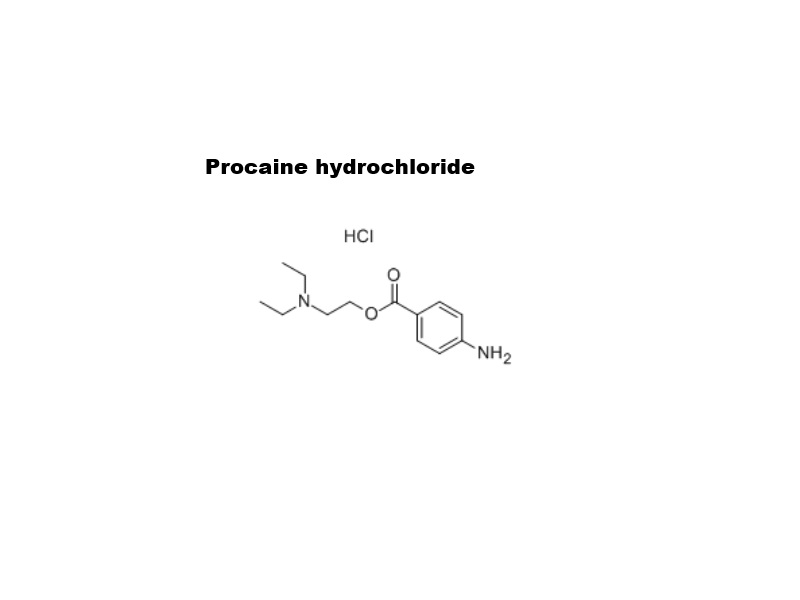
Procaine Hydrochloride CAS 51-05-8 is the water-soluble hydrochloride salt of procaine. It is the specific formulation used in clinical medicine, famously marketed under the brand name Novocain. While its use in mainstream practice has diminished, it remains a historically pivotal drug and is still employed in specific medical and therapeutic contexts.
Details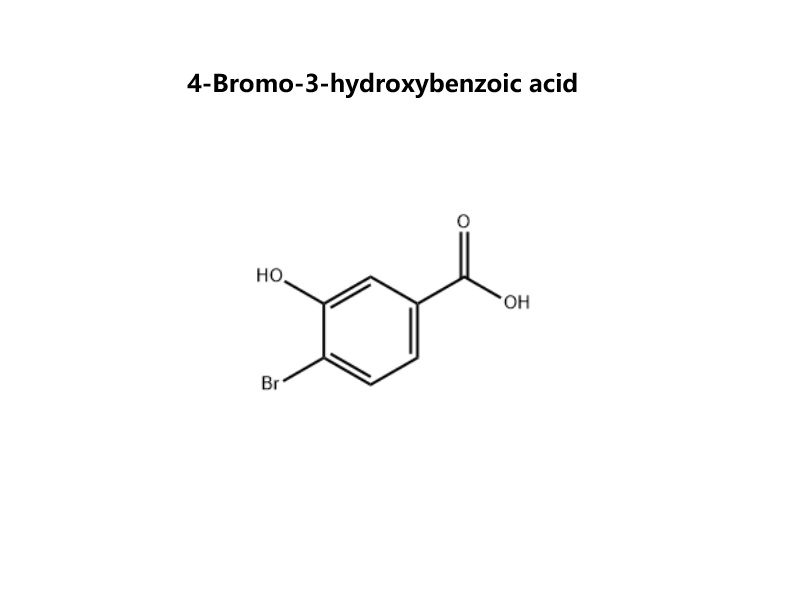
4-Bromo-3-hydroxybenzoic acid CAS 14348-38-0 is a premium, multifunctional aromatic building block engineered for complexity-driven synthesis. Its core value lies in the strategic placement of three distinct, orthogonally reactive functional groups on a benzene ring, making it an indispensable tool for convergent molecular construction in advanced research and development.
Details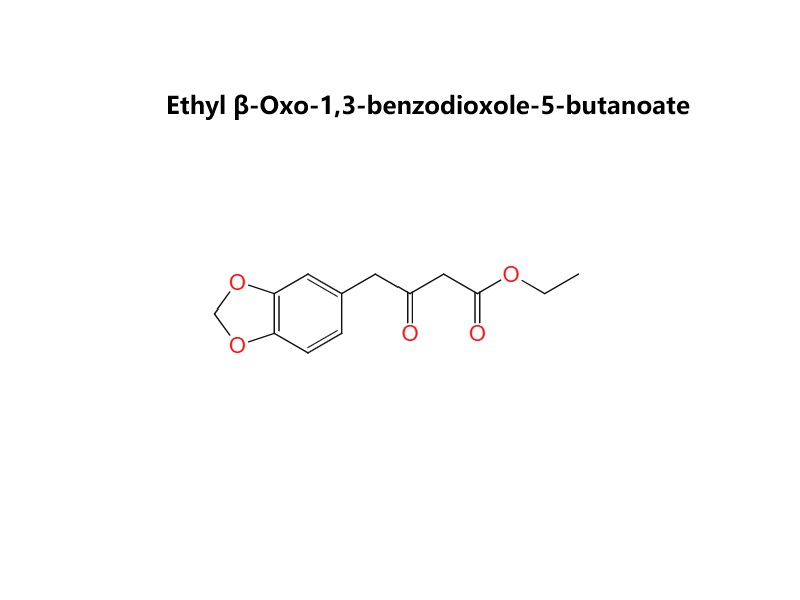
Ethyl β-Oxo-1,3-benzodioxole-5-butanoate CAS 31127-23-8 is a β-ketoester derivative featuring a 1,3-benzodioxole (methylenedioxyphenyl) aromatic system. Structurally, it consists of a benzodioxole ring attached through a three-carbon chain to an ethyl β-ketoester functional group (-CO-CH₂-COOEt). This makes it a versatile bifunctional building block for organic synthesis, combining the electronic properties of the benzodioxole group with the high reactivity of a β-ketoester.
Details![4-Nitrophenyl 3-(Benzo[d][1,3]dioxol-5-yl)-2-methylpropanoate](https://www.qixiolivetol.com/storage/uploads/images/202604/17/1776427287_qZy87IjHSQ.jpg)
4-Nitrophenyl 3-(Benzo[d][1,3]dioxol-5-yl)-2-methylpropanoate is a chirally defined, pre-activated acylating agent that combines a metabolically stable benzo[1,3]dioxole (piperonyl) pharmacophore with the exceptional reactivity of a 4-nitrophenyl ester. It enables the efficient, racemization-free introduction of a complex, chiral acid moiety under mild conditions, making it invaluable for advanced synthetic and bioconjugation chemistry. 4-Nitrophenyl 3-(Benzo[d][1,3]dioxol-5-yl)-2-methylpropanoate is a specialty ester designed as a reactive biochemical or synthetic intermediate. Its structure strategically combines three key units: (1)A 3-(benzo[1,3]dioxol-5-yl)-2-methylpropanoic acid (piperonyl-substituted, chiral acid) moiety. (2)A 4-nitrophenyl ester leaving group. This design makes it an activated ester, where the 4-nitrophenol is an excellent leaving group, facilitating efficient acyl transfer reactions under mild conditions.
Details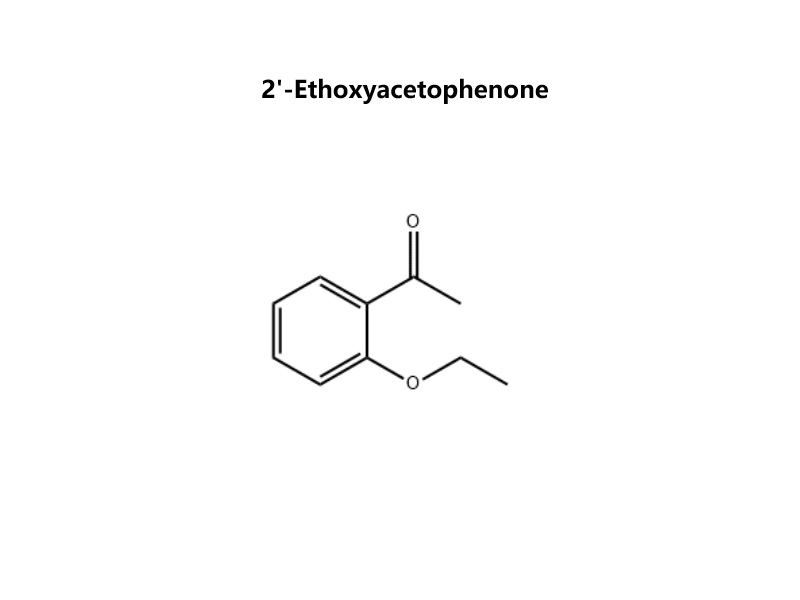
2'-Ethoxyacetophenone CAS 2142-67-8 is a specialized aromatic ketone characterized by an ethoxy substituent at the orthoposition relative to the acetyl group. This structural feature imparts distinct chemical and physical properties, making it a privileged building block for synthesizing complex molecules, particularly in the flavor/fragrance and pharmaceutical sectors.
Details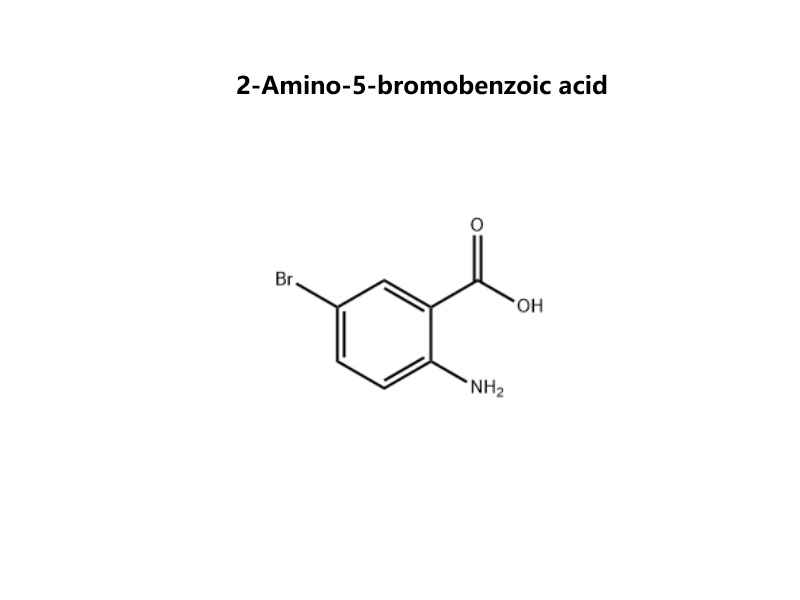
2-Amino-5-bromobenzoic acid CAS 5794-88-7 is a highly versatile aromatic building block that integrates three distinct functional groups—an amine, a carboxylic acid, and an aryl bromide—into a single, synthetically valuable scaffold. This multifunctionality makes it a crucial intermediate in pharmaceutical and advanced materials chemistry.
Details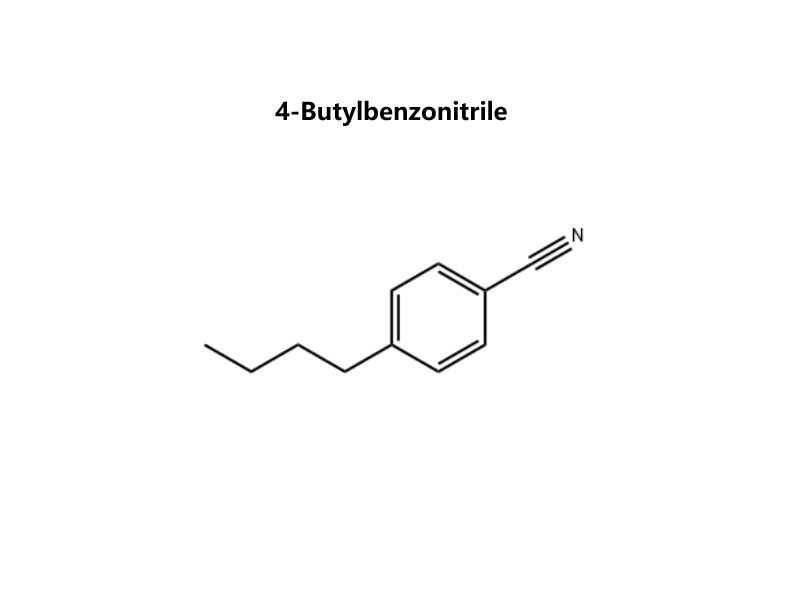
4-Butylbenzonitrile CAS 20651-73-4 is a strategically designed hydrophobic building block that combines a rigid aromatic core with a flexible linear alkyl chain and a highly versatile nitrile functional group. This triad of features makes it an exceptionally valuable intermediate for modulating physicochemical properties and enabling diverse synthetic pathways in advanced material and pharmaceutical and agrochemical research.
Details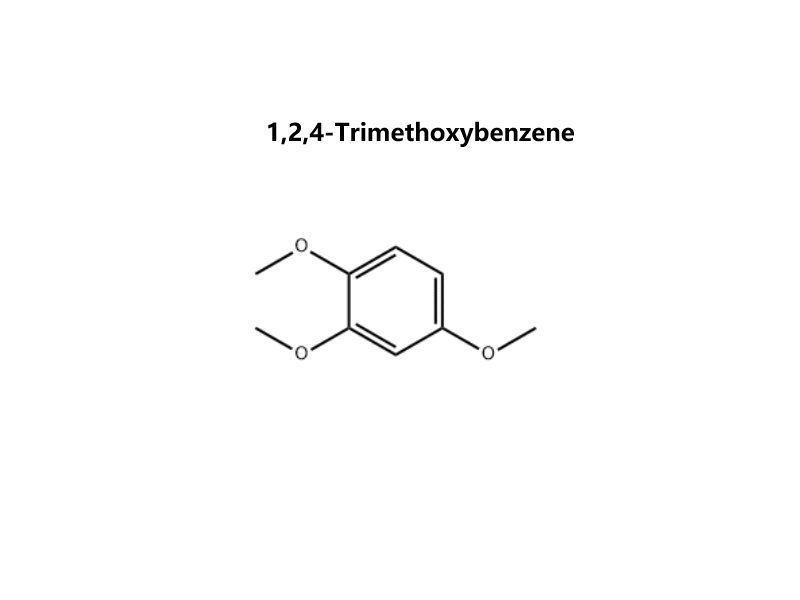
1,2,4-Trimethoxybenzene CAS 135-77-3 is a uniquely versatile, electron-rich aromatic building block. Its core value lies in its unsymmetrical yet highly predictable substitution pattern, which provides exceptional regiocontrol in synthetic chemistry. This makes it a privileged scaffold for constructing complex molecules in pharmaceuticals, agrochemicals, and advanced materials.
Details
 Contact Us
 1st Floor, No. 477, Huancheng West Road, Nanqiao Town, Fengxian District, Shanghai,China
 sales@qxscientific.com
 +86 -13701740203


 IPv6 Network Supported |
Sitemap |
XML |
Blog |
Privacy Policy
IPv6 Network Supported |
Sitemap |
XML |
Blog |
Privacy Policy
Leave A Message
Scan to Wechat/Whatsapp :



 English
 English
 Español
 Português