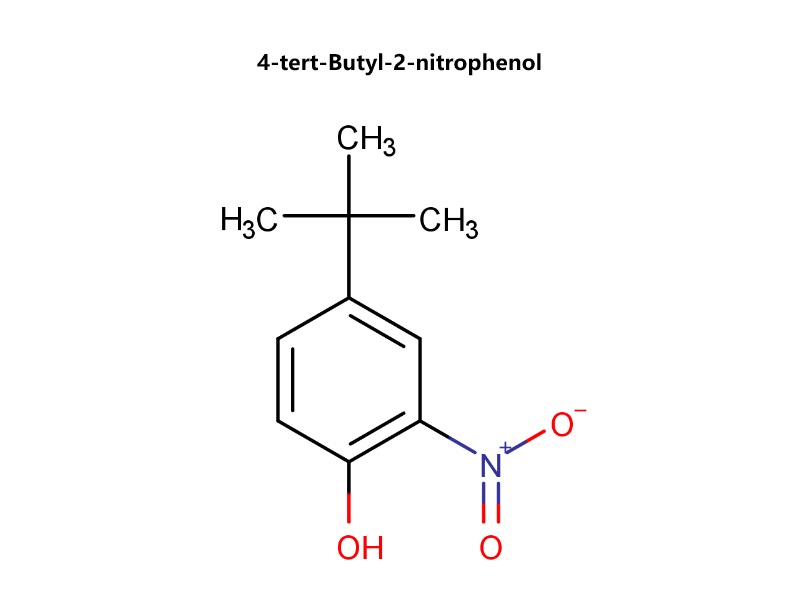

4-tert-Butyl-2-nitrophenol CAS 3279-07-0 is an organic compound belonging to the class of nitrophenols. It features a phenol ring substituted with a strong electron-donating tert-butyl group at the para position and a strong electron-withdrawing nitro group ortho to the hydroxyl group. This combination of substituents creates unique electronic and steric properties.4-tert-Butyl-2-nitrophenol is a strategically substituted phenolic building block whose unique structure—combining a sterically bulky electron-donating group with an ortho-positioned electron-withdrawing nitro group—makes it an indispensable precursor for high-performance, sterically hindered stabilizers and dyes. Its specific substitution pattern enables precise molecular architectures unattainable with simpler phenols.
Name :
4-tert-Butyl-2-nitrophenolCAS No. :
3279-07-0MF :
C₁₀H₁₃NO₃MW :
195.22Purity :
97%Appearance :
Typically a pale yellow to orange crystalline powder or solid.Storage Condition :
Store in a cool, dry, well-ventilated place away from heat and ignition sources. Keep container tightly closed and protected from light (use amber glass or opaque containers).Chemical Properties
IUPAC Name: 4-tert-Butyl-2-nitrophenol
Other Common Names: 2-Nitro-4-tert-butylphenol
Chemical Formula: C₁₀H₁₃NO₃
Molecular Weight: 195.22 g/mol
Structure: HO-C₆H₃-(NO₂)-[C(CH₃)₃] with substituents in 1 (OH), 2 (NO₂), and 4 (t-Bu) positions.
Appearance: Typically a pale yellow to orange crystalline powder or solid.
Melting Point: 54 - 58 °C
Boiling Point: Decomposes at higher temperatures; typically distilled under reduced pressure if needed.
Solubility: Soluble in common organic solvents (alcohols, ethers, acetone, chloroform, benzene). Sparingly soluble in water.
Acidity: The phenolic -OH is moderately acidic (pKa ~7-8), influenced by the strong electron-withdrawing nitro group ortho to it, which stabilizes the phenoxide anion.
Reactivity:
Nitro Group: Can be reduced to an amino group (forming 4-tert-butyl-2-aminophenol, a useful intermediate) using reducing agents like tin/hydrochloric acid or catalytic hydrogenation.
Phenolic -OH: Can undergo typical reactions like etherification, esterification, or salt formation.
Electrophilic Substitution: The strong +I effect of the tert-butyl group directs further electrophilic substitution to the ortho/para positions, but the positions are largely blocked. The nitro group deactivates the ring towards further electrophilic attack.
Stability: Stable under normal storage conditions. Light-sensitive; may darken upon prolonged exposure. Incompatible with strong oxidizing agents and strong bases.
Biological Activities
General Toxicity: Exhibits moderate toxicity characteristic of many nitrophenols. Expected to be harmful if swallowed, inhaled, or absorbed through the skin. Like other nitrophenols, it may interfere with cellular energy production (uncoupler of oxidative phosphorylation).
Antimicrobial Activity: Nitrophenols, in general, possess some bactericidal and fungistatic properties. The specific profile of 4-tert-butyl-2-nitrophenol is not its primary application but may contribute to its utility as a preservative intermediate.
Primary Role: Its biological activity is generally not the main focus. It is valued predominantly as a chemical intermediate. Any observed activity in biological systems is often a secondary consideration to its reactivity in chemical synthesis.
Biosynthesis
Natural Occurrence: Not known to occur naturally; it is a synthetic compound.
Industrial Synthesis: Produced via direct nitration of 4-tert-butylphenol.
1.Process: 4-tert-Butylphenol is treated with a nitrating agent, typically a mixture of nitric and sulfuric acids (nitrating mixture), under controlled temperature conditions (usually cooled to 0-10°C to avoid di-nitration and oxidative side reactions).
2.Regioselectivity: The tert-butyl group is a strong ortho/para-directing activator. Nitration occurs predominantly at the ortho position to the hydroxyl group (C2), yielding the desired 2-nitro isomer. The para position is blocked by the tert-butyl group, and the other ortho position (C6) is sterically hindered, providing good selectivity.
3.Purification: The crude product is isolated by quenching in water, followed by filtration, washing, and often recrystallization from a suitable solvent (e.g., ethanol/water mixture) to obtain the pure compound.
Applications





Key Advantages & Benefits
1. Optimal Steric & Electronic Configuration for UV Absorber Synthesis
Benefit: The tert-butyl group provides powerful steric hindrance and lipophilicity, while the ortho-nitro group is perfectly positioned for facile reduction and cyclization into heterocyclic rings. This combination is critical for synthesizing molecules that absorb UV light efficiently and resist volatilization or extraction.
Application Scenario: In the industrial synthesis of benzotriazole-based UV stabilizers (e.g., Tinuvin® 326), this compound serves as the foundational phenol. It undergoes diazotization and cyclization to form the benzotriazole core. The resulting molecule's performance in protecting automotive polyolefin bumpers and interior trim from color fade and embrittlement is directly derived from the steric shielding and chromophore structure enabled by this specific precursor.
2. Superior Regioselectivity and Synthetic Efficiency
Benefit: Nitration of 4-tert-butylphenol naturally favors the ortho-position to the OH group (C2), yielding the desired 2-nitro isomer with high selectivity. The para-position is blocked, minimizing byproduct formation and simplifying purification.
Application Scenario: For a chemical manufacturer producing a high-volume UV absorber, this inherent regioselectivity translates to a robust, high-yield process. It eliminates costly separation steps required for isomeric mixtures, ensuring consistent quality and predictable economics in large-scale production.
3. Dual-Functionality for Molecular Diversification
Benefit: Possesses two distinct, easily modifiable sites: the acidic phenolic -OH (for etherification, esterification) and the nitro group (for reduction to a versatile aniline). This allows for a wide range of downstream chemical transformations from a single, cost-effective starting point.
Application Scenario: In agrochemical research, chemists first reduce the nitro group to an aniline to create 4-tert-butyl-2-aminophenol. This aniline can then be diazotized and coupled to form azo dyes or transformed into heterocycles, exploring new active ingredients for fungicides with tailored properties of lipophilicity and photostability.
4. Enhanced Performance in Final Formulations
Benefit: The tert-butyl group imparts excellent compatibility with non-polar polymer matrices (like polypropylene and polyethylene) and reduces volatility. Derivatives made from this intermediate exhibit superior persistence and performance in demanding applications.
Application Scenario: A light-stabilizer masterbatch for greenhouse films uses a UV absorber synthesized from this phenol. The tert-butyl-derived stabilizer exhibits minimal bloom or migration to the film surface, ensuring long-term, uniform protection against solar UV radiation that would otherwise degrade the plastic, extending the greenhouse film's functional lifespan.
4-tert-Butyl-2-nitrophenol (CAS 3279-07-0) is a high-value, performance-driven intermediate whose advantages are defined by its specific molecular architecture. It is not a commodity chemical but a specialized enabler of durability and light stability in advanced materials. Its primary role in synthesizing top-tier benzotriazole UV absorbers makes it a critical component in industries where product longevity and appearance are paramount, such as automotive, packaging, and construction plastics. For formulators and polymer engineers, it represents the chemical origin of performance attributes that protect billions of dollars worth of materials from environmental degradation.
FAQs
Q1: What is the main value proposition of this specific isomer?
A: Its value lies in its specific substitution pattern. The tert-butyl group provides significant steric hindrance and lipophilicity, while the ortho-nitro group relative to the phenol is strongly electron-withdrawing and easily reduced. This precise arrangement is essential for synthesizing high-performance, sterically hindered UV absorbers of the benzotriazole class, where these properties confer excellent light stability and compatibility with polymer matrices.
Q2: How should it be stored to ensure long-term stability?
A: Store in a cool, dry, well-ventilated place away from heat and ignition sources. Keep container tightly closed and protected from light (use amber glass or opaque containers). Under these conditions, it typically has a shelf life of 24+ months. It is recommended to store it under an inert atmosphere (nitrogen) for extended periods to prevent oxidation.
Q3: What is its typical purity, and what are common impurities?
A: Commercial material is typically available in ≥97% to ≥99% purity (by GC or HPLC). Common impurities may include:
Starting material: 4-tert-Butylphenol.
Isomeric byproducts: Small amounts of other nitration isomers.
Oxidation products: Quinone-type compounds from over-oxidation.
Moisture: It can be hygroscopic.
For critical synthesis (e.g., UV absorber production), high purity (>99%) is essential to ensure color and performance of the final product.
Q4: What are the critical safety and handling precautions?
A:
PPE: Wear appropriate PPE: chemical-resistant gloves (nitrile/neoprene), safety goggles, and protective clothing.
Ventilation: Use with adequate ventilation or in a fume hood to avoid inhalation of dust.
Health Hazards: Harmful if swallowed, in contact with skin, or inhaled. Causes skin and eye irritation. Dust may form explosive mixtures in air.
Incompatibilities: Avoid contact with strong oxidizers and strong bases.
Spill: Collect spilled material and place in a suitable, labeled container for disposal. Avoid dust formation.
Q5: What are its main uses in polymer stabilization?
A: Its primary role is as the key phenolic precursor for benzotriazole UV absorbers. In this application, it undergoes a diazotization and cyclization reaction to form the benzotriazole ring system. The final product, with its structure derived from 4-tert-butyl-2-nitrophenol, effectively absorbs harmful UV radiation (290-400 nm) and dissipates the energy as heat, protecting polymers from chain scission and color formation.
Q6: Is it compatible with common industrial solvents and resins?
A: Yes, due to its organic nature and solubility profile. It is compatible with most hydrocarbon and chlorinated solvents, alcohols, and ketones used in industry. Its derivatives are specifically designed to be compatible with polyolefins, PVC, coatings, and other polymer systems without causing discoloration or exudation.
Q7: What is the regulatory status for its use and transport?
A:
GHS Classification: Typically classified as Acute Tox. 4 (Oral), Skin Irrit. 2, Eye Irrit. 2, STOT SE 3.
Transport: Usually not classified as a dangerous good for transport in small quantities, but check specific regulations (e.g., UN, IATA) for bulk shipments.
REACH (EU): Registered for its known uses as an intermediate.
Always consult the latest Safety Data Sheet (SDS) and comply with all local and national regulations for handling, storage, and disposal. Disposal must be in accordance with applicable hazardous waste regulations.
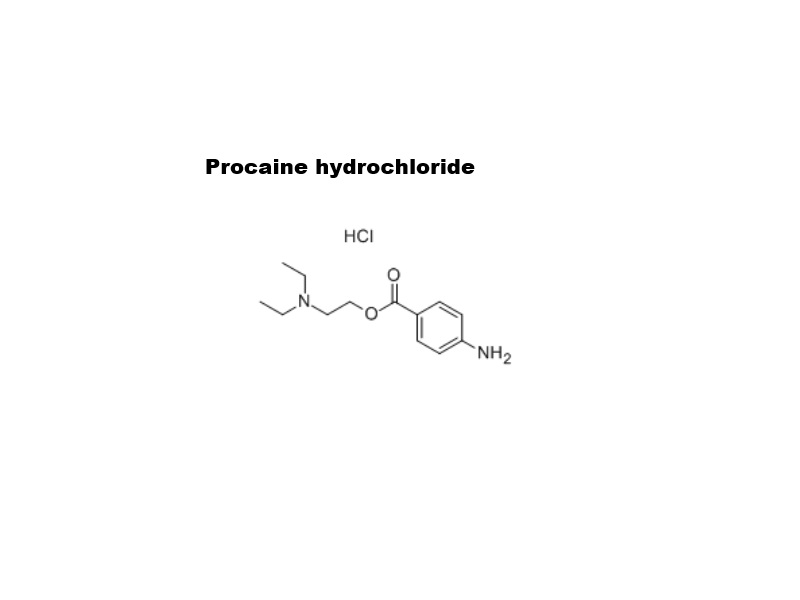
Procaine Hydrochloride CAS 51-05-8 is the water-soluble hydrochloride salt of procaine. It is the specific formulation used in clinical medicine, famously marketed under the brand name Novocain. While its use in mainstream practice has diminished, it remains a historically pivotal drug and is still employed in specific medical and therapeutic contexts.
Details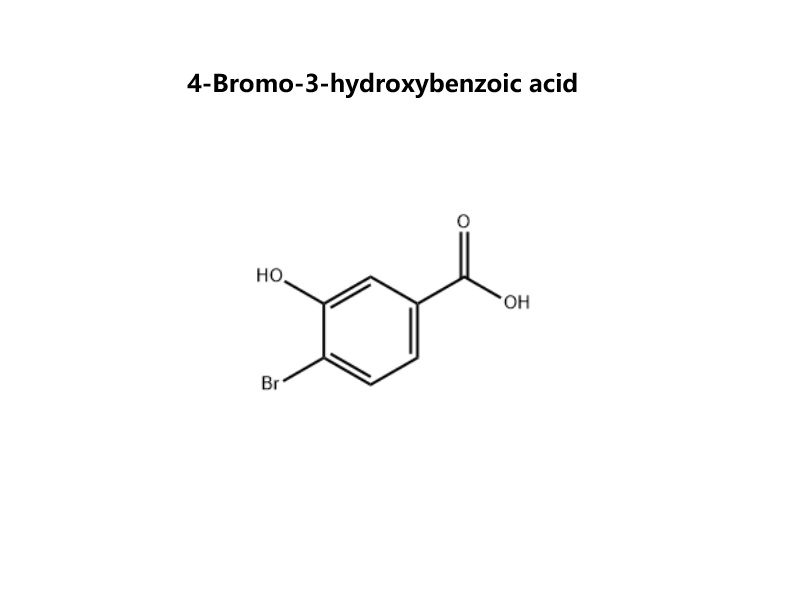
4-Bromo-3-hydroxybenzoic acid CAS 14348-38-0 is a premium, multifunctional aromatic building block engineered for complexity-driven synthesis. Its core value lies in the strategic placement of three distinct, orthogonally reactive functional groups on a benzene ring, making it an indispensable tool for convergent molecular construction in advanced research and development.
Details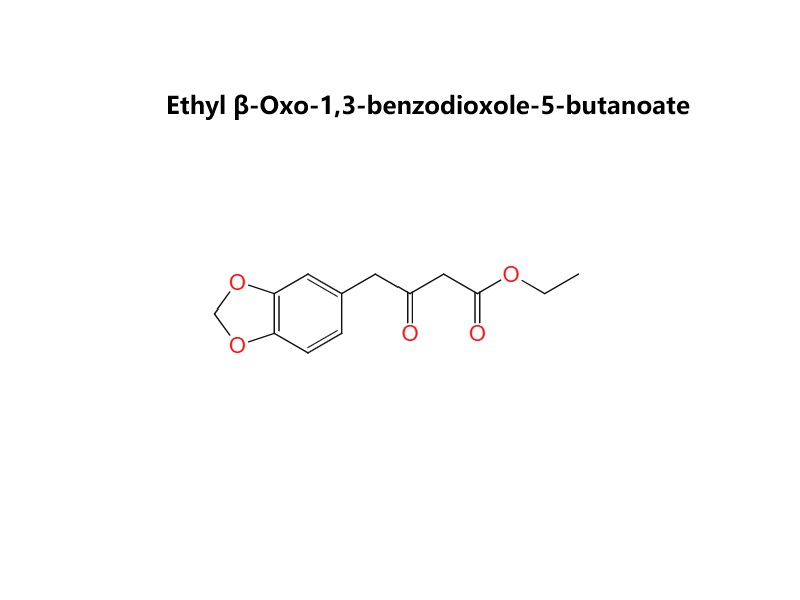
Ethyl β-Oxo-1,3-benzodioxole-5-butanoate CAS 31127-23-8 is a β-ketoester derivative featuring a 1,3-benzodioxole (methylenedioxyphenyl) aromatic system. Structurally, it consists of a benzodioxole ring attached through a three-carbon chain to an ethyl β-ketoester functional group (-CO-CH₂-COOEt). This makes it a versatile bifunctional building block for organic synthesis, combining the electronic properties of the benzodioxole group with the high reactivity of a β-ketoester.
Details![4-Nitrophenyl 3-(Benzo[d][1,3]dioxol-5-yl)-2-methylpropanoate](https://www.qixiolivetol.com/storage/uploads/images/202604/17/1776427287_qZy87IjHSQ.jpg)
4-Nitrophenyl 3-(Benzo[d][1,3]dioxol-5-yl)-2-methylpropanoate is a chirally defined, pre-activated acylating agent that combines a metabolically stable benzo[1,3]dioxole (piperonyl) pharmacophore with the exceptional reactivity of a 4-nitrophenyl ester. It enables the efficient, racemization-free introduction of a complex, chiral acid moiety under mild conditions, making it invaluable for advanced synthetic and bioconjugation chemistry. 4-Nitrophenyl 3-(Benzo[d][1,3]dioxol-5-yl)-2-methylpropanoate is a specialty ester designed as a reactive biochemical or synthetic intermediate. Its structure strategically combines three key units: (1)A 3-(benzo[1,3]dioxol-5-yl)-2-methylpropanoic acid (piperonyl-substituted, chiral acid) moiety. (2)A 4-nitrophenyl ester leaving group. This design makes it an activated ester, where the 4-nitrophenol is an excellent leaving group, facilitating efficient acyl transfer reactions under mild conditions.
Details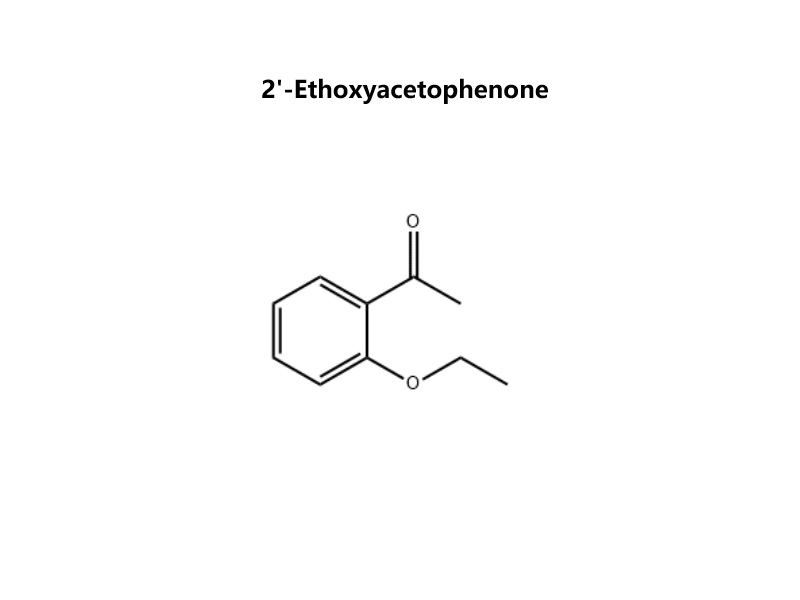
2'-Ethoxyacetophenone CAS 2142-67-8 is a specialized aromatic ketone characterized by an ethoxy substituent at the orthoposition relative to the acetyl group. This structural feature imparts distinct chemical and physical properties, making it a privileged building block for synthesizing complex molecules, particularly in the flavor/fragrance and pharmaceutical sectors.
Details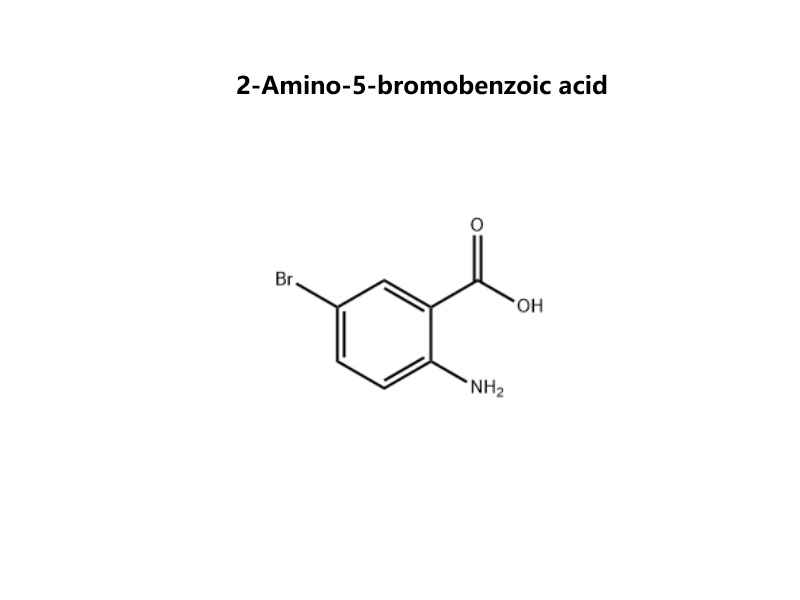
2-Amino-5-bromobenzoic acid CAS 5794-88-7 is a highly versatile aromatic building block that integrates three distinct functional groups—an amine, a carboxylic acid, and an aryl bromide—into a single, synthetically valuable scaffold. This multifunctionality makes it a crucial intermediate in pharmaceutical and advanced materials chemistry.
Details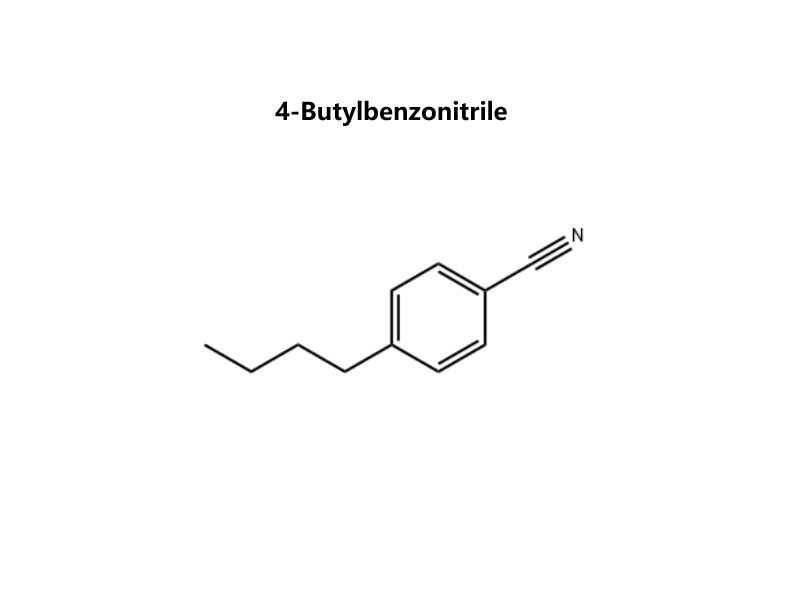
4-Butylbenzonitrile CAS 20651-73-4 is a strategically designed hydrophobic building block that combines a rigid aromatic core with a flexible linear alkyl chain and a highly versatile nitrile functional group. This triad of features makes it an exceptionally valuable intermediate for modulating physicochemical properties and enabling diverse synthetic pathways in advanced material and pharmaceutical and agrochemical research.
Details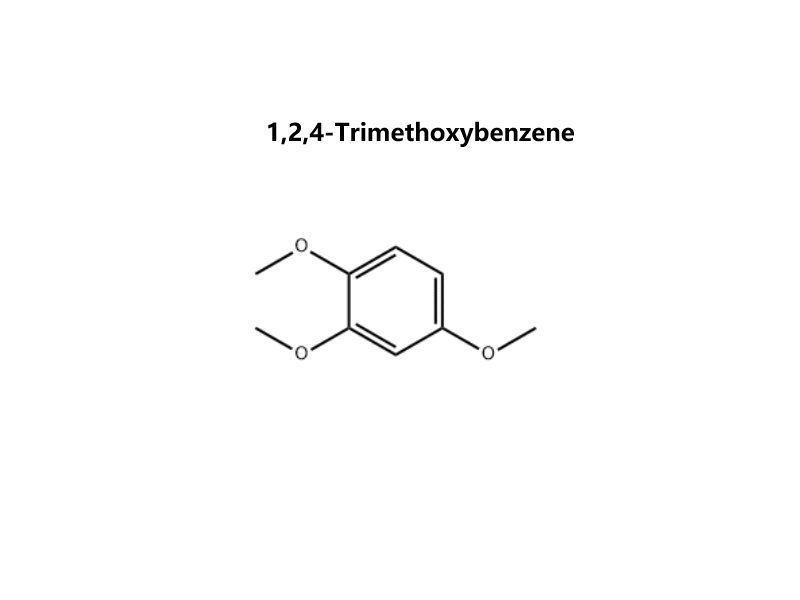
1,2,4-Trimethoxybenzene CAS 135-77-3 is a uniquely versatile, electron-rich aromatic building block. Its core value lies in its unsymmetrical yet highly predictable substitution pattern, which provides exceptional regiocontrol in synthetic chemistry. This makes it a privileged scaffold for constructing complex molecules in pharmaceuticals, agrochemicals, and advanced materials.
Details
 Contact Us
 1st Floor, No. 477, Huancheng West Road, Nanqiao Town, Fengxian District, Shanghai,China
 sales@qxscientific.com
 +86 -13701740203


 IPv6 Network Supported |
Sitemap |
XML |
Blog |
Privacy Policy
IPv6 Network Supported |
Sitemap |
XML |
Blog |
Privacy Policy
Leave A Message
Scan to Wechat/Whatsapp :



 English
 English
 Español
 Português