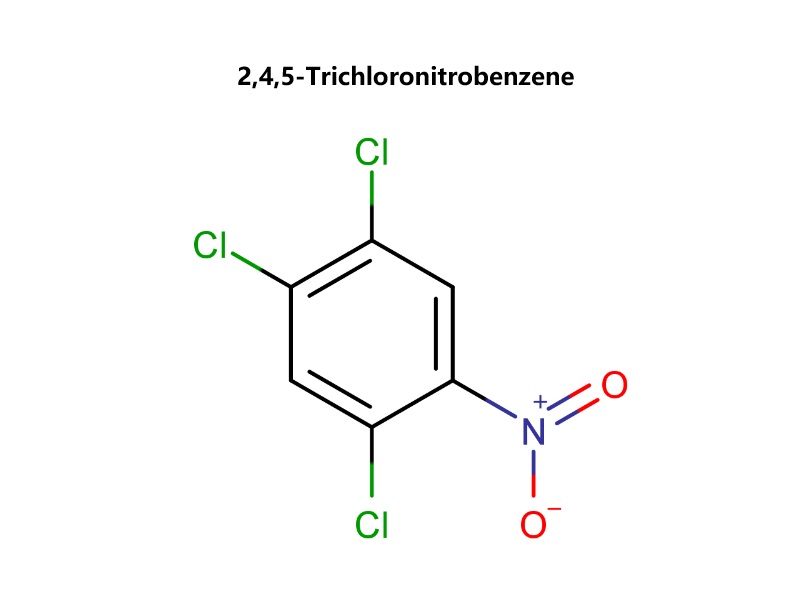
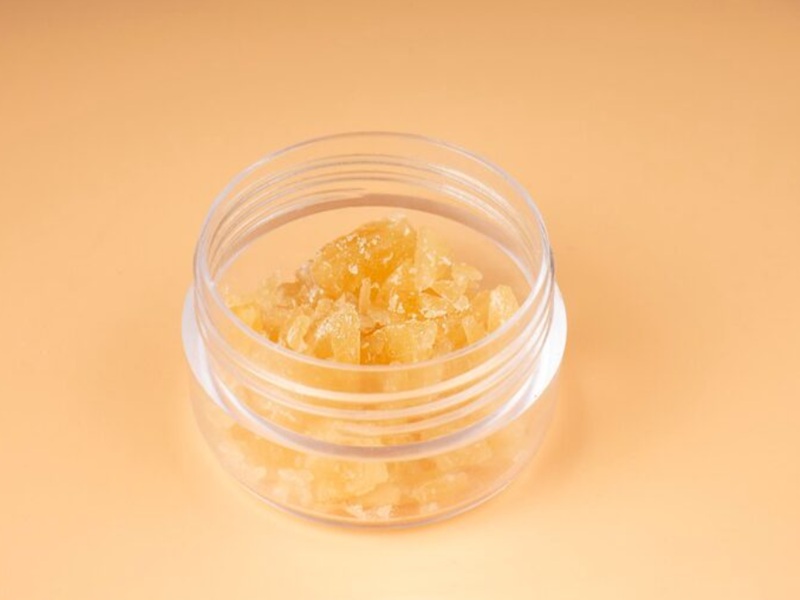
2,4,5-Trichloronitrobenzene CAS 89-69-0 is a chlorinated nitroaromatic compound, consisting of a benzene ring substituted with three chlorine atoms at the 2-, 4-, and 5- positions and a nitro group (-NO₂) at the 1-position. It is a key industrial intermediate with a defined asymmetry due to its specific substitution pattern. 2,4,5-Trichloronitrobenzene is a highly specialized and regiochemically defined synthon for agrochemical synthesis. Its precise arrangement of three chlorine atoms and one powerfully electron-withdrawing nitro group creates a predictable reactivity profile, enabling the efficient, multi-step construction of complex, bioactive molecules, particularly fungicides and herbicides.
Name :
2,4,5-TrichloronitrobenzeneCAS No. :
89-69-0MF :
C₆H₂Cl₃NO₂MW :
226.45Purity :
96%Appearance :
Light yellow to beige crystalline solid.Storage Condition :
Store in a cool, dry, well-ventilated area in tightly closed containers.Chemical Properties
IUPAC Name: 1,2,4-Trichloro-5-nitrobenzene
Chemical Formula: C₆H₂Cl₃NO₂
Molecular Weight: 226.45 g/mol
Structure: A nitrobenzene derivative with chlorine atoms ortho and para to the nitro group. The 5-position chlorine is meta to the nitro group.
Appearance: Light yellow to beige crystalline solid.
Melting Point: 52 - 56 °C
Boiling Point: ~288 °C (with decomposition)
Density: ~1.8 g/cm³ (estimated)
Solubility: Soluble in most organic solvents (benzene, ether, acetone, hot ethanol). Very low solubility in water.
Stability: Stable under normal storage conditions but may decompose at high temperatures. Incompatible with strong reducing agents, strong bases, and powerful oxidizing agents. The nitro group makes the ring susceptible to nucleophilic aromatic substitution, especially at the positions activated by ortho/para chlorine atoms.
Reactivity: The nitro group is strongly electron-withdrawing, making the aromatic ring electron-deficient. This deactivates the ring towards electrophilic attack but activates the chlorine atoms, especially those ortho and para to it, towards nucleophilic substitution (e.g., by amines, alkoxides). The chlorine atom meta to the nitro group is less reactive.
Biological Activities
Toxicity: Classified as harmful. Acute exposure can cause methemoglobinemia (reducing blood's oxygen-carrying capacity), leading to cyanosis, headache, and dizziness. It is also a skin and eye irritant and may cause allergic skin reactions.
Chronic Effects: Potential target organs from repeated exposure include the blood, liver, and spleen. It is considered a potential occupational hazard.
Environmental Fate & Ecotoxicity: Highly persistent in the environment due to its chemical stability and chlorinated structure. It is toxic to aquatic life and has a high potential for bioaccumulation. It adsorbs strongly to soil and sediment.
Carcinogenicity/Mutagenicity: While not formally classified as a human carcinogen by major agencies, some structurally related chloronitrobenzenes are suspected mutagens. It should be treated with caution.
Biosynthesis
Natural Occurrence: Does not occur naturally. It is a xenobiotic compound.
Industrial Synthesis: Produced via electrophilic aromatic substitution.
1.Nitration of 1,2,4-Trichlorobenzene: The primary industrial route. 1,2,4-Trichlorobenzene is reacted with a nitrating mixture (typically a blend of nitric and sulfuric acids) under controlled conditions (temperature, concentration). The strong deactivation by the chlorine atoms requires vigorous conditions. Careful control is needed to minimize the formation of undesired isomers (e.g., 2,3,6-trichloronitrobenzene) and polynitrated byproducts.
2.Purification: The crude product is isolated and purified through techniques such as crystallization or washing to achieve the desired technical or refined grade.
Applications



Key Advantages & Benefits
1. Regioselective Reactivity for Sequential Functionalization
Benefit: The nitro group powerfully activates the chlorine atoms at the ortho (C2) and para (C4) positions toward nucleophilic aromatic substitution (SNAr), while the chlorine at the meta (C5) position remains relatively inert. This allows for controlled, step-wise displacement of specific chlorines with different nucleophiles.
Application Scenario: In the synthesis of a broad-spectrum systemic fungicide like tebuconazole, the C4 chlorine is first displaced with a triazole anion. In a subsequent step, the activated C2 chlorine undergoes a substitution with a different moiety. This precise, sequential functionalization on a single, inexpensive core is the foundation of efficient industrial-scale production.
2. Thermal Stability for Robust Process Chemistry
Benefit: As a crystalline solid with a defined melting point (52-56°C), it is stable under the elevated temperatures and harsh conditions (strong bases, polar aprotic solvents) often required for SNAr reactions, ensuring high yields and minimal degradation during scale-up.
Application Scenario: In a large-scale manufacturing plant, the reaction to displace the first chlorine can be run at 120-150°C in dimethylformamide (DMF) with potassium carbonate. The stability of 2,4,5-Trichloronitrobenzene under these conditions prevents side reactions, leading to a cleaner process and easier purification of the mono-substituted intermediate.
3. Cost-Effective Entry to Complex Agrochemical Scaffolds
Benefit: It is synthesized in one high-yield step from commodity chemicals (1,2,4-Trichlorobenzene via nitration). This provides a low-cost, yet sophisticated, building block that incorporates multiple functional handles (three halogens and a nitro group) for downstream chemistry.
Application Scenario: For a manufacturer developing a new phenyl ether herbicide, using 2,4,5-Trichloronitrobenzene as the starting core avoids the need to build the complex, polysubstituted aromatic ring through more expensive and lower-yielding multi-step sequences, directly impacting the final product's commercial viability.
4. Consistent Impurity Profile for Reliable Production
Benefit: Established industrial nitration processes yield a consistent isomer distribution. High-purity grades (>99%) with a known and controlled profile of minor isomers (e.g., 2,3,6-trichloronitrobenzene) allow process chemists to design purification steps that reliably remove known impurities, ensuring batch-to-batch consistency in the final active ingredient.
Application Scenario: When producing a patented agrochemical, consistent starting material purity is legally and functionally critical. Using a well-defined 2,4,5-isomer ensures the final product meets stringent regulatory specifications for impurity levels, guaranteeing performance and safety.
2,4,5-Trichloronitrobenzene (CAS 89-69-0) is a strategic workhorse intermediate in industrial agrochemistry. Its advantages are not in being a universal building block, but in being the optimized, cost-effective starting point for a specific class of high-value molecules. It offers synthetic chemists a platform with built-in regiochemical control, thermal robustness, and the potential for molecular complexity. In a market driven by the need for efficient, scalable, and patentable synthetic routes to new crop protection agents, it provides a critical competitive edge by enabling the efficient construction of complex active ingredients that would be far more costly to make via alternative pathways.
FAQs
Q1: What is the primary commercial driver for this chemical?
A: Its primary value is as a versatile and specific synthon in agrochemical manufacturing. Its unique substitution pattern (2,4,5-trichloro with a nitro group) allows for selective chemical transformations to create molecules with targeted biological activity against weeds and fungi. The demand is directly tied to the production of specific crop protection agents.
Q2: What are the critical handling and storage requirements?
A: Due to its toxicity and potential for dust formation:
Storage: Store in a cool, dry, well-ventilated area in tightly closed containers. Keep away from heat, sparks, and incompatible materials (strong bases, reducing agents).
Handling: Use with adequate ventilation (fume hood). Wear appropriate PPE: chemical-resistant gloves (nitrile/neoprene), safety goggles, and protective clothing to prevent skin contact and inhalation of dust.
Hygiene: Wash thoroughly after handling. Do not eat, drink, or smoke in areas where it is handled.
Q3: What purity grade is typically required, and how is it analyzed?
A:
Technical Grade (95-98%): Often sufficient for further chemical synthesis where the impurity profile is known and manageable.
Refined Grade (>99%): Required for more sensitive reactions or higher-value end products.
Analysis: Purity is typically determined by Gas Chromatography (GC) or High-Performance Liquid Chromatography (HPLC). Key impurities include other trichloronitrobenzene isomers (like 2,3,6-), dichloronitrobenzenes, and traces of starting material.
Q4: What are the main disposal and environmental considerations?
A: It is classified as a hazardous waste. It must not be disposed of down the drain or in regular trash.
Disposal: Must be incinerated in a licensed, high-temperature hazardous waste incinerator equipped with acid gas (HCl) and NOx scrubbers.
Spill Management: Contain spill, collect material, and place in a suitable container for disposal. Avoid generating dust. Ventilate the area.
Q5: What is the regulatory status for global trade and use?
A: It is subject to strict international regulations due to its hazardous properties.
GHS Classification: Likely includes H302 (Harmful if swallowed), H315 (Causes skin irritation), H319 (Causes serious eye irritation), H335 (May cause respiratory irritation), H411 (Toxic to aquatic life with long-lasting effects).
Transport: Classified under UN 3457 (Chloronitrobenzenes, solid), Class 6.1 (Toxic substances), Packing Group III.
REACH (EU): Subject to registration, evaluation, and potential restriction depending on tonnage and use.
Customers must ensure compliance with all local, national, and international regulations (TSCA, DSL, etc.)
Q6: Can it undergo selective reactions given its three different chlorines?
A: Yes, selectivity is possible and is key to its utility. The nitro group strongly directs nucleophiles. The chlorine atom at the 4-position (para to nitro) is typically the most reactive towards nucleophilic aromatic substitution. The chlorine at the 2-position (ortho to nitro) is also activated but may be sterically hindered. The chlorine at the 5-position (meta to nitro) is significantly less reactive. By controlling reaction conditions (temperature, solvent, catalyst), chemists can often achieve substitution at the desired position.
Q7: Who are the typical suppliers, and what factors affect price and availability?
A: It is produced by specialty chemical manufacturers, often those with integrated chlorination and nitration capabilities in regions with strong agrochemical industries (e.g., China, India, Europe).
Price Drivers: Costs of raw materials (benzene, chlorine, nitric acid), energy, environmental compliance, and demand from the agrochemical sector.
Availability: Typically made to order or held in limited stock due to its niche application. Lead times can vary.
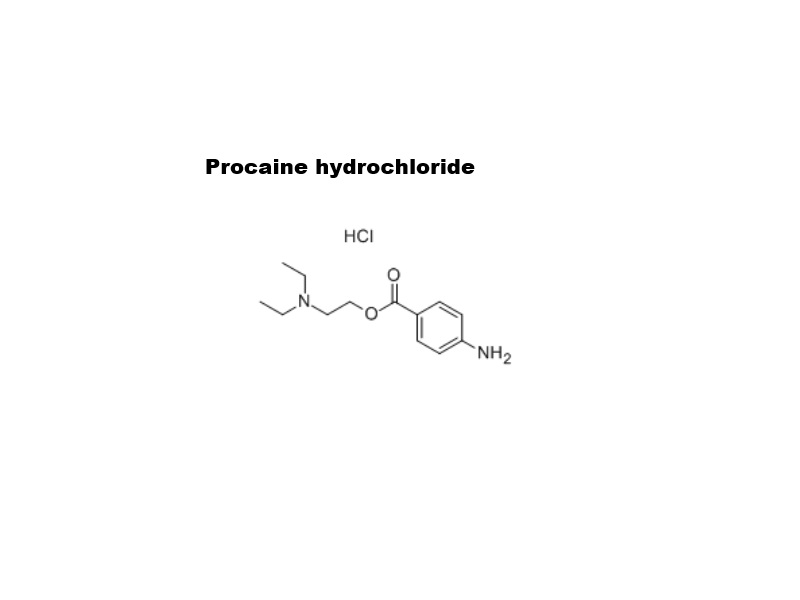
Procaine Hydrochloride CAS 51-05-8 is the water-soluble hydrochloride salt of procaine. It is the specific formulation used in clinical medicine, famously marketed under the brand name Novocain. While its use in mainstream practice has diminished, it remains a historically pivotal drug and is still employed in specific medical and therapeutic contexts.
Details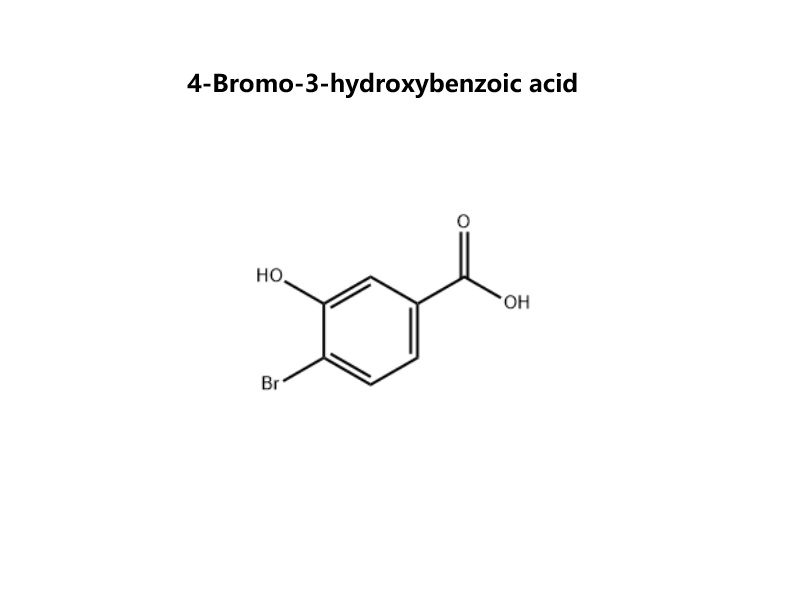
4-Bromo-3-hydroxybenzoic acid CAS 14348-38-0 is a premium, multifunctional aromatic building block engineered for complexity-driven synthesis. Its core value lies in the strategic placement of three distinct, orthogonally reactive functional groups on a benzene ring, making it an indispensable tool for convergent molecular construction in advanced research and development.
Details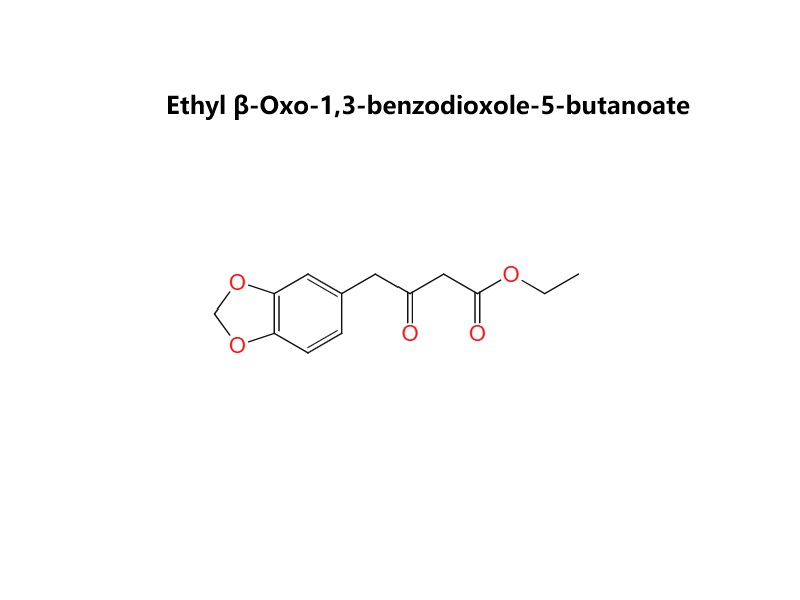
Ethyl β-Oxo-1,3-benzodioxole-5-butanoate CAS 31127-23-8 is a β-ketoester derivative featuring a 1,3-benzodioxole (methylenedioxyphenyl) aromatic system. Structurally, it consists of a benzodioxole ring attached through a three-carbon chain to an ethyl β-ketoester functional group (-CO-CH₂-COOEt). This makes it a versatile bifunctional building block for organic synthesis, combining the electronic properties of the benzodioxole group with the high reactivity of a β-ketoester.
Details![4-Nitrophenyl 3-(Benzo[d][1,3]dioxol-5-yl)-2-methylpropanoate](https://www.qixiolivetol.com/storage/uploads/images/202604/17/1776427287_qZy87IjHSQ.jpg)
4-Nitrophenyl 3-(Benzo[d][1,3]dioxol-5-yl)-2-methylpropanoate is a chirally defined, pre-activated acylating agent that combines a metabolically stable benzo[1,3]dioxole (piperonyl) pharmacophore with the exceptional reactivity of a 4-nitrophenyl ester. It enables the efficient, racemization-free introduction of a complex, chiral acid moiety under mild conditions, making it invaluable for advanced synthetic and bioconjugation chemistry. 4-Nitrophenyl 3-(Benzo[d][1,3]dioxol-5-yl)-2-methylpropanoate is a specialty ester designed as a reactive biochemical or synthetic intermediate. Its structure strategically combines three key units: (1)A 3-(benzo[1,3]dioxol-5-yl)-2-methylpropanoic acid (piperonyl-substituted, chiral acid) moiety. (2)A 4-nitrophenyl ester leaving group. This design makes it an activated ester, where the 4-nitrophenol is an excellent leaving group, facilitating efficient acyl transfer reactions under mild conditions.
Details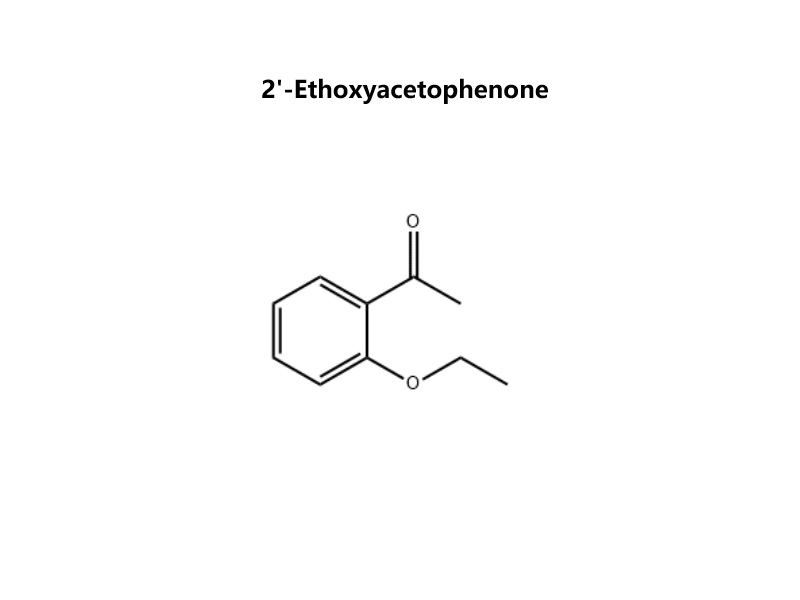
2'-Ethoxyacetophenone CAS 2142-67-8 is a specialized aromatic ketone characterized by an ethoxy substituent at the orthoposition relative to the acetyl group. This structural feature imparts distinct chemical and physical properties, making it a privileged building block for synthesizing complex molecules, particularly in the flavor/fragrance and pharmaceutical sectors.
Details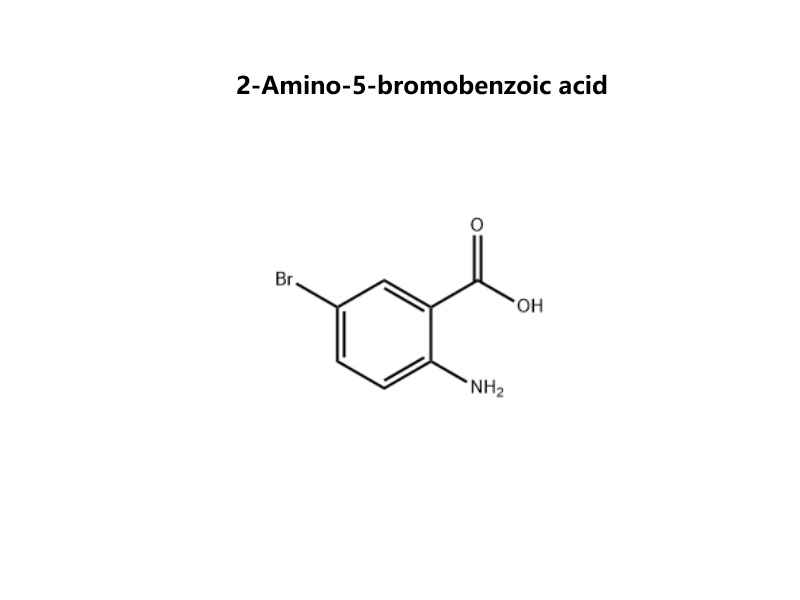
2-Amino-5-bromobenzoic acid CAS 5794-88-7 is a highly versatile aromatic building block that integrates three distinct functional groups—an amine, a carboxylic acid, and an aryl bromide—into a single, synthetically valuable scaffold. This multifunctionality makes it a crucial intermediate in pharmaceutical and advanced materials chemistry.
Details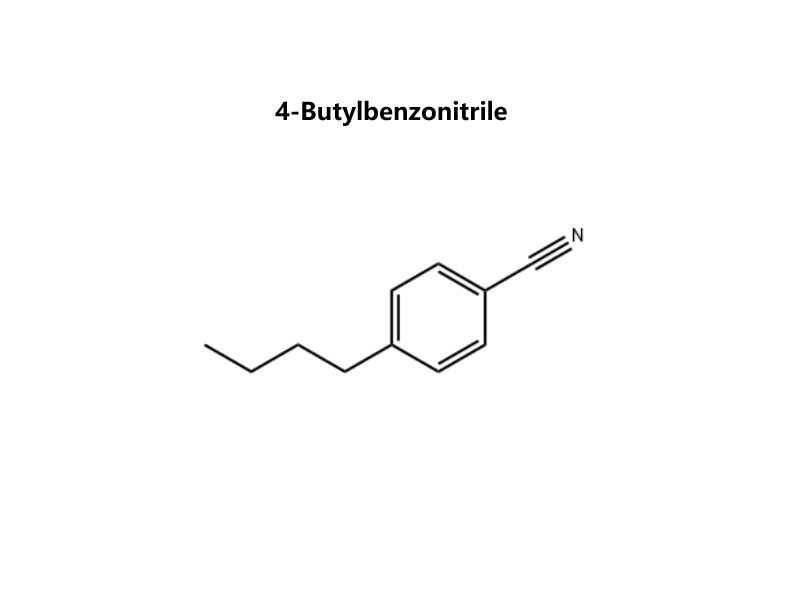
4-Butylbenzonitrile CAS 20651-73-4 is a strategically designed hydrophobic building block that combines a rigid aromatic core with a flexible linear alkyl chain and a highly versatile nitrile functional group. This triad of features makes it an exceptionally valuable intermediate for modulating physicochemical properties and enabling diverse synthetic pathways in advanced material and pharmaceutical and agrochemical research.
Details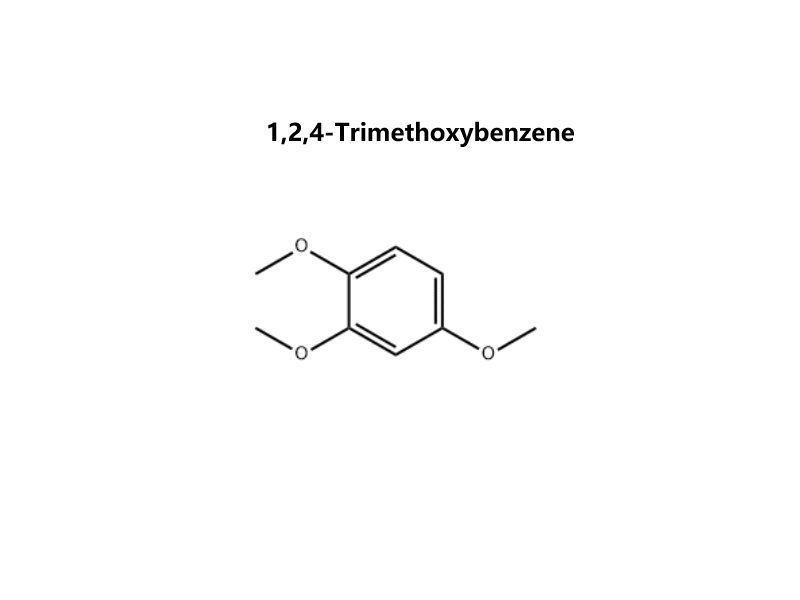
1,2,4-Trimethoxybenzene CAS 135-77-3 is a uniquely versatile, electron-rich aromatic building block. Its core value lies in its unsymmetrical yet highly predictable substitution pattern, which provides exceptional regiocontrol in synthetic chemistry. This makes it a privileged scaffold for constructing complex molecules in pharmaceuticals, agrochemicals, and advanced materials.
Details
 Contact Us
 1st Floor, No. 477, Huancheng West Road, Nanqiao Town, Fengxian District, Shanghai,China
 sales@qxscientific.com
 +86 -13701740203


 IPv6 Network Supported |
Sitemap |
XML |
Blog |
Privacy Policy
IPv6 Network Supported |
Sitemap |
XML |
Blog |
Privacy Policy
Leave A Message
Scan to Wechat/Whatsapp :



 English
 English
 Español
 Português