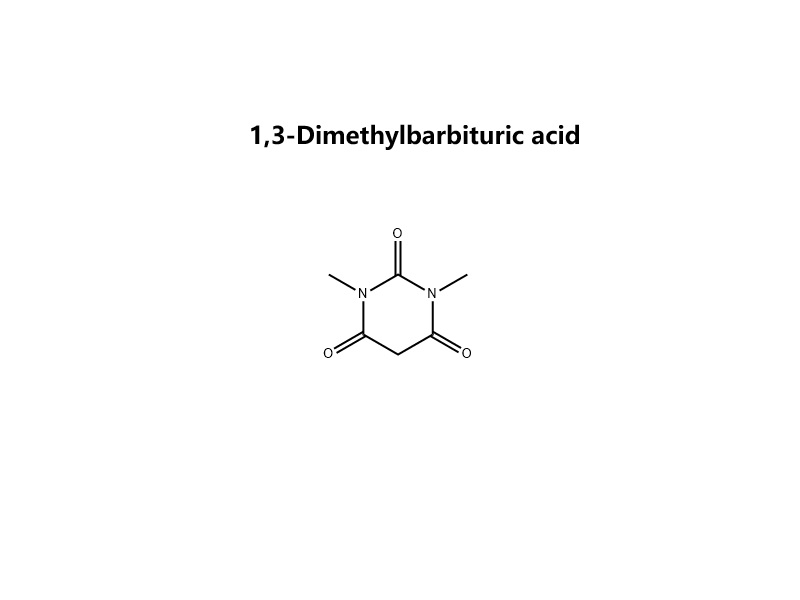
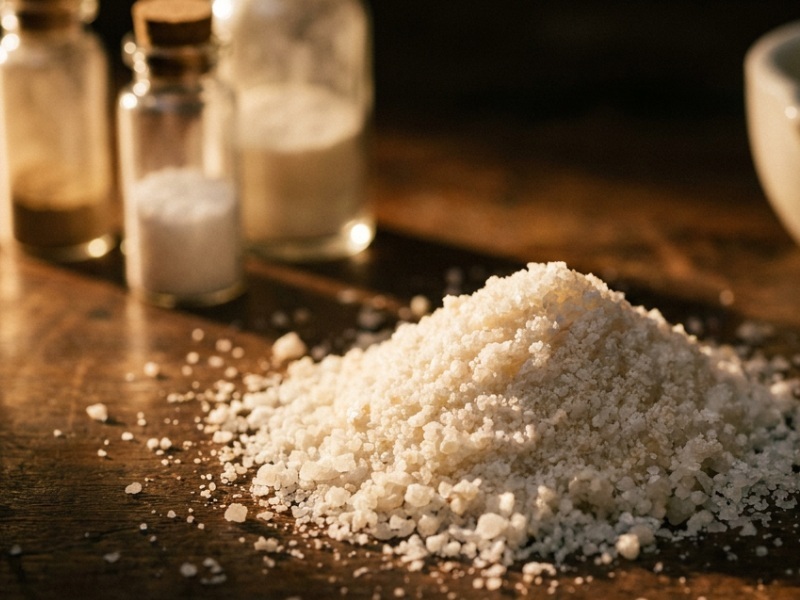
1,3-Dimethylbarbituric acid (CAS 769-42-6) is a N,N-disubstituted barbituric acid derivative and a highly versatile active methylene building block. Its core is a six-membered 1,3-diazinane-2,4,6-trione ring in which the two ring nitrogens are methylated, leaving a single reactive methine (C5) position between two carbonyls.This structural feature makes it a predictable, regioselective nucleophile for carbon-carbon bond formation, while avoiding the complications of N-H tautomerism and N-alkylation side reactions seen with the parent barbituric acid.
Name :
1,3-Dimethylbarbituric acidCAS No. :
769-42-6MF :
C₆H₈N₂O₃MW :
156.14Purity :
99%Appearance :
White to off-white crystalline powderStorage Condition :
Stable as a solid under dry, cool conditions.Chemical Properties
IUPAC Name: 1,3-Dimethyl-2,4,6(1H,3H,5H)-pyrimidinetrione
Synonyms: N,N′-Dimethylbarbituric acid; 1,3-Dimethyl-1,3-diazinane-2,4,6-trione
Molecular Formula: C₆H₈N₂O₃
Molecular Weight: 156.14 g/mol
Appearance: White to off-white / pale cream crystalline powder
Active Methylene Reactivity: The C5 proton is relatively acidic (pKₐ ≈ 4.68) due to flanking carbonyls. Deprotonation gives a stabilized enolate that participates readily in Knoevenagel condensations, Michael additions, and multicomponent cascade reactions.
Regioselectivity: The 1,3-dimethyl groups block nitrogen reactivity, forcing substitutions to occur cleanly at C5. This gives higher yields and simpler purification than unsubstituted barbituric acid.
Thermal & Solubility Profile:
Melting point: 121–123 °C
Solubility: soluble in hot water (~0.5 g/10 mL), water ~60 g/L at 20 °C; also soluble in alcohols, acetone, chlorinated solvents, and DMF
More organo-soluble and less hygroscopic than the parent barbituric acid
Stability: Stable as a solid under dry, cool conditions; not a ketene precursor like Meldrum’s acid, so it tolerates milder thermal profiles.
Biological Activities
This compound is not a classical sedative-hypnotic barbiturate. Clinically relevant barbiturates require 5,5-disubstitution; this molecule retains a free C5-H and is instead used as a synthetic reagent.
It may appear as a reference impurity (e.g., Urapidil Impurity 4) in pharmaceutical analysis.
It has no significant direct CNS activity, but its derived heterocycles (furopyrimidines, pyrimidinediones) are screened for:
Antiviral, anticancer, and anti-inflammatory activities
Enzyme modulation via fused heterocyclic scaffolds
Primary value: enabling synthesis of bioactive molecules, not being one itself.
Biosynthesis
No natural biosynthetic pathway exists; it is produced exclusively by chemical synthesis.
Common scalable route:
Applications

Key Advantages & Benefits
A N-blocked, highly reactive active-methylene building block that delivers clean, regioselective C5 functionalization without the N-alkylation side reactions, tautomerism complications, or poor organic solubility associated with parent barbituric acid. It is the “precision tool” version of the barbituric acid scaffold—ideal for cascade condensations, heterocycle synthesis, and functional materials.
Benefit: The two ring nitrogens are methyl-blocked, so deprotonation and electrophilic capture occur only at the C5 methine. This gives predictable products, higher yields, and simpler purification.
Application Scenario: A medicinal chemist runs a Knoevenagel condensation with an aldehyde to build a 5-arylidene-pyrimidinedione fluorescent probe. Unlike barbituric acid (which can N-alkylate or tautomerize), this substrate gives a single, clean alkene product in >90% yield after filtration—no chromatographic cleanup needed.
Benefit: pKₐ ~4.7 means the C5 proton is acidic enough for mild-base deprotonation (DBU, piperidine, Et₃N) yet stable enough to handle safely. The resulting enolate is highly nucleophilic for Michael additions and domino cascades.
Application Scenario: In a multicomponent cascade reaction to synthesize furo[2,3-d]pyrimidines, the enolate adds to an activated alkene, then cyclizes with an amine—all in one pot. The reagent’s balanced reactivity drives the cascade without competing decomposition.
Benefit: N-methylation boosts lipophilicity and organic solvency (ethanol, DMF, acetone, chlorinated solvents) while reducing hygroscopicity. It handles better in dry synthesis and scale-up.
Application Scenario: In a continuous-flow dye intermediate synthesis, the compound dissolves cleanly in warm ethanol/DMF mixes, feeds consistently through the reactor, and crystallizes on cooling—enabling reproducible gram-to-kilo output with low impurity carryover.
Benefit: The pyrimidinedione core is electron-rich, planar, and hydrogen-bond-capable. Functionalizing C5 creates molecules relevant to pharma screening, nonlinear optics, redox sensors, and organic electronics.
Application Scenario: A materials lab uses 5-arylidene derivatives as nonlinear optical (NLO) chromophores. The dimethyl-barbituric acceptor end enhances push-pull character with a stable, crystallizable backbone—superior to more labile malonate donors.
Benefit: Unlike Meldrum’s acid (which decarboxylates/cleaves aggressively), this ring is thermally robust and storable. You get active-methylene chemistry without in situ gas release or tight temperature control.
Application Scenario: A process chemist substitutes a Meldrum-derived intermediate with this barbituric analog to build a pyrimidinedione API intermediate—gaining better batch stability, easier workup, and no CO₂/acetone venting constraints.
1,3-Dimethylbarbituric acid (CAS 769-42-6) is the “engineered” member of the barbituric acid family:
Blocks nitrogen to force chemistry where you want it (C5)
Dissolves better, stores better, and purifies easier
Enables one-pot cascades toward high-value heteroaromatics
Bridges pharmaceutical discovery, dye/materials science, and organocatalytic cascade chemistry
If your workflow needs reliable active-methylene condensation with zero N-side-reaction noise, this reagent outperforms both parent barbituric acid and more fragile surrogates like Meldrum’s acid.
FAQs
Q1: Is this the same as a “barbiturate drug”?
A: No. Although it belongs to the barbituric acid family, it lacks the 5,5-dialkyl substitution required for CNS depressant activity. It is sold and used as a research-grade synthetic intermediate/active methylene reagent, not a pharmaceutical active ingredient.
Q2: Why choose 1,3-dimethylbarbituric acid over plain barbituric acid?
A: The N-methyl groups improve organic solubility and eliminate competitive N-alkylation. You get cleaner C5 functionalization, better reproducibility, and fewer side products in condensations.
Q3: What solvents should I use?
A: It dissolves in hot water, ethanol, methanol, acetone, DMF, DMSO, and chlorinated solvents. For most condensations, dry DMF, ethanol, or toluene with a mild base (piperidine, DBU, Et₃N) works well.
Q4: How should I store it?
A: Keep in a tightly closed container, protected from moisture and light, at 2–8 °C (or –20 °C for long-term storage). It is a combustible solid and an eye/skin irritant.
Q5: What hazards should I be aware of?
A: GHS classification includes:
H302: Harmful if swallowed
H318: Causes serious eye damage
Use gloves, safety goggles, and a lab coat; handle in a fume hood and consult the SDS.
Q6: Can it be used in chiral synthesis?
A: Yes. Although the C5 position is prochiral, asymmetric catalysts or chiral amines can be used to build stereocenters in cascade products (e.g., enantioselective isochromene-pyrimidinediones).
Q7: What purity is typically available?
A: Commercial research grades are commonly ≥98–99%, verified by HPLC and ¹H NMR. Higher purity can be achieved by recrystallization from water or mixed chlorinated solvents.
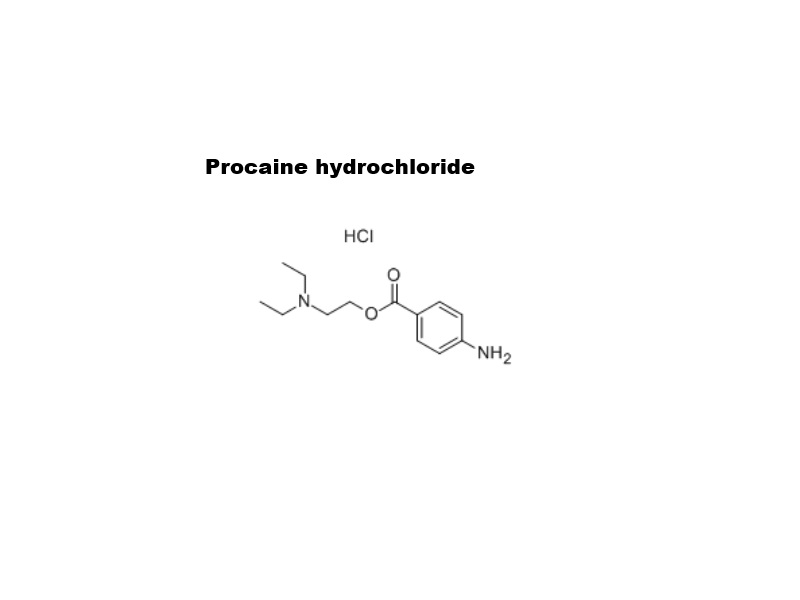
Procaine Hydrochloride CAS 51-05-8 is the water-soluble hydrochloride salt of procaine. It is the specific formulation used in clinical medicine, famously marketed under the brand name Novocain. While its use in mainstream practice has diminished, it remains a historically pivotal drug and is still employed in specific medical and therapeutic contexts.
Details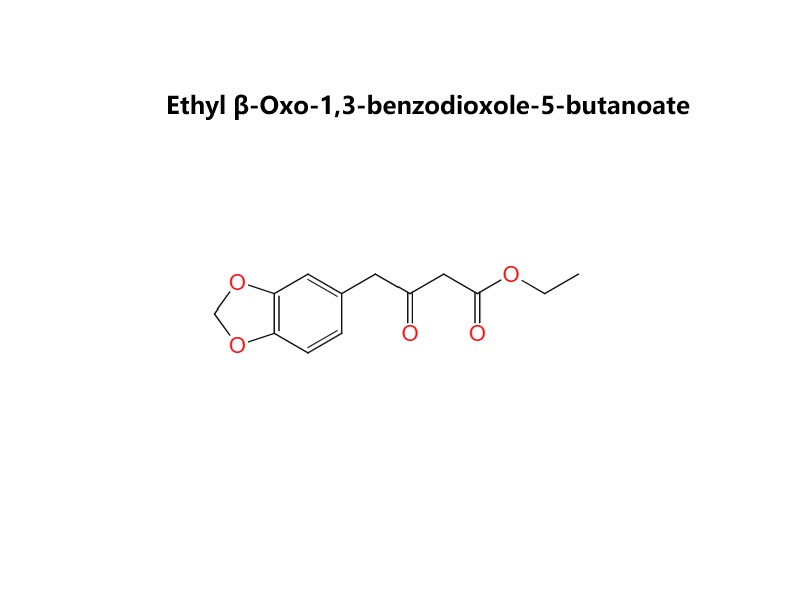
Ethyl β-Oxo-1,3-benzodioxole-5-butanoate CAS 31127-23-8 is a β-ketoester derivative featuring a 1,3-benzodioxole (methylenedioxyphenyl) aromatic system. Structurally, it consists of a benzodioxole ring attached through a three-carbon chain to an ethyl β-ketoester functional group (-CO-CH₂-COOEt). This makes it a versatile bifunctional building block for organic synthesis, combining the electronic properties of the benzodioxole group with the high reactivity of a β-ketoester.
Details
4-Nitrophenyl 3-(Benzo[d][1,3]dioxol-5-yl)-2-methylpropanoate is a chirally defined, pre-activated acylating agent that combines a metabolically stable benzo[1,3]dioxole (piperonyl) pharmacophore with the exceptional reactivity of a 4-nitrophenyl ester. It enables the efficient, racemization-free introduction of a complex, chiral acid moiety under mild conditions, making it invaluable for advanced synthetic and bioconjugation chemistry. 4-Nitrophenyl 3-(Benzo[d][1,3]dioxol-5-yl)-2-methylpropanoate is a specialty ester designed as a reactive biochemical or synthetic intermediate. Its structure strategically combines three key units: (1)A 3-(benzo[1,3]dioxol-5-yl)-2-methylpropanoic acid (piperonyl-substituted, chiral acid) moiety. (2)A 4-nitrophenyl ester leaving group. This design makes it an activated ester, where the 4-nitrophenol is an excellent leaving group, facilitating efficient acyl transfer reactions under mild conditions.
Details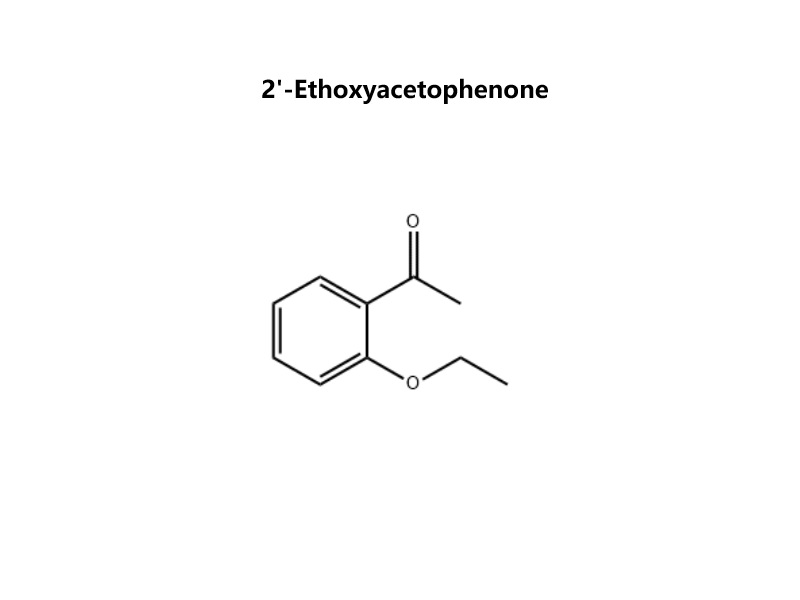
2'-Ethoxyacetophenone CAS 2142-67-8 is a specialized aromatic ketone characterized by an ethoxy substituent at the orthoposition relative to the acetyl group. This structural feature imparts distinct chemical and physical properties, making it a privileged building block for synthesizing complex molecules, particularly in the flavor/fragrance and pharmaceutical sectors.
Details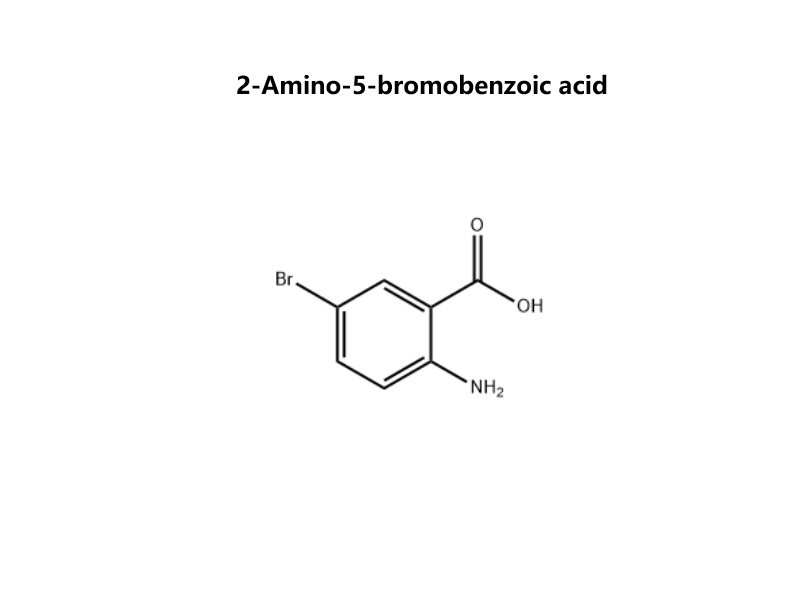
2-Amino-5-bromobenzoic acid CAS 5794-88-7 is a highly versatile aromatic building block that integrates three distinct functional groups—an amine, a carboxylic acid, and an aryl bromide—into a single, synthetically valuable scaffold. This multifunctionality makes it a crucial intermediate in pharmaceutical and advanced materials chemistry.
Details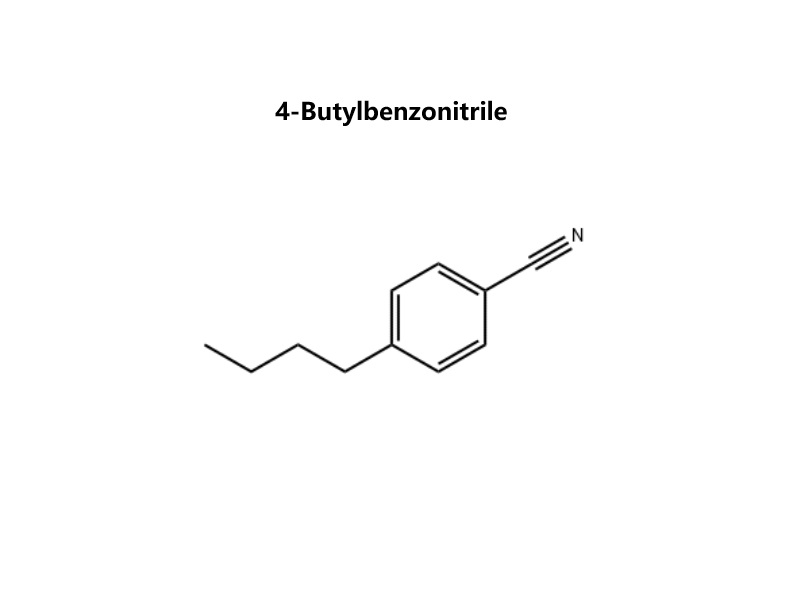
4-Butylbenzonitrile CAS 20651-73-4 is a strategically designed hydrophobic building block that combines a rigid aromatic core with a flexible linear alkyl chain and a highly versatile nitrile functional group. This triad of features makes it an exceptionally valuable intermediate for modulating physicochemical properties and enabling diverse synthetic pathways in advanced material and pharmaceutical and agrochemical research.
Details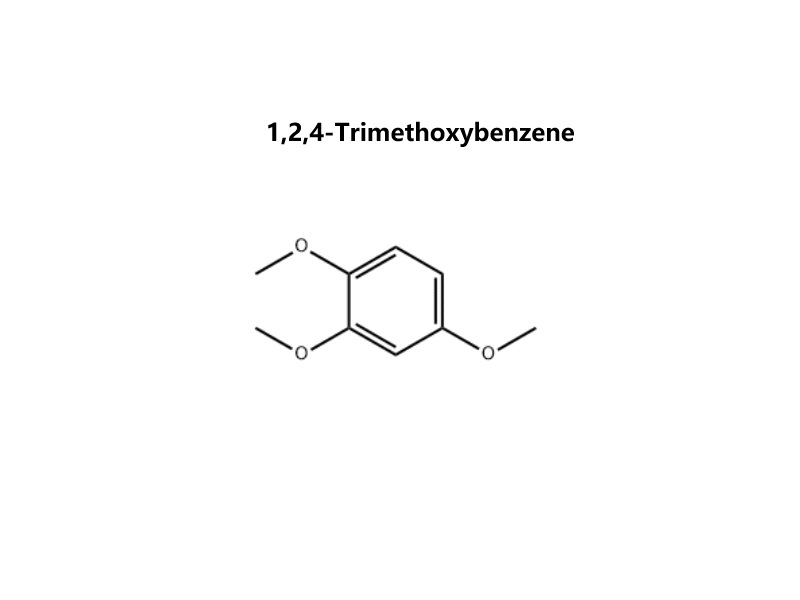
1,2,4-Trimethoxybenzene CAS 135-77-3 is a uniquely versatile, electron-rich aromatic building block. Its core value lies in its unsymmetrical yet highly predictable substitution pattern, which provides exceptional regiocontrol in synthetic chemistry. This makes it a privileged scaffold for constructing complex molecules in pharmaceuticals, agrochemicals, and advanced materials.
Details
1,3-Dimethylbarbituric acid (CAS 769-42-6) is a N,N-disubstituted barbituric acid derivative and a highly versatile active methylene building block. Its core is a six-membered 1,3-diazinane-2,4,6-trione ring in which the two ring nitrogens are methylated, leaving a single reactive methine (C5) position between two carbonyls.This structural feature makes it a predictable, regioselective nucleophile for carbon-carbon bond formation, while avoiding the complications of N-H tautomerism and N-alkylation side reactions seen with the parent barbituric acid.
Details
 Contact Us
 1st Floor, No. 477, Huancheng West Road, Nanqiao Town, Fengxian District, Shanghai,China
 sales@qxscientific.com
 +86 -13701740203


 IPv6 Network Supported |
Sitemap |
XML |
Blog |
Privacy Policy
Leave A Message
Scan to Wechat/Whatsapp :



 English
 English
 Español
 Português