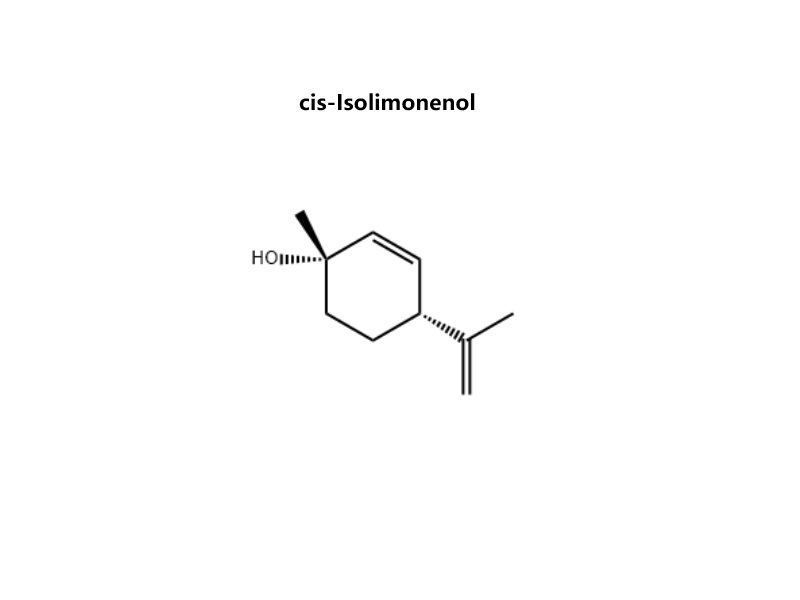

cis-Isolimonenol CAS 22972-51-6 is a monocyclic monoterpenoid alcohol belonging to the carveol family. It features a cyclohexene ring with a hydroxyl group at position 2, a methyl group at position 1, and an isopropenyl group at position 4. The specified stereochemistry (1S,4R) indicates the absolute configuration of the two chiral centers, making it the (+)-cis isomer of carveol. The "cis" designation refers to the relative orientation of the hydroxyl and isopropenyl groups being on the same side of the cyclohexene ring plane. The molecule contains a conjugated system between the cyclohexene double bond and the hydroxyl group, influencing its chemical reactivity.
Name :
cis-IsolimonenolCAS No. :
22972-51-6MF :
C₁₀H₁₆OMW :
152.23Purity :
99%Appearance :
Colorless to pale yellow viscous liquidStorage Condition :
Should be stored away from oxidizers and handled with proper ventilation.Chemical Properties
IUPAC Name: (1S,4R)-1-methyl-4-(prop-1-en-2-yl)cyclohex-2-enol
Common Name: cis-Isolimonenol
CAS Registry Number: 22972-51-6
Molecular Formula: C₁₀H₁₆O
Molecular Weight: 152.23 g/mol
Physical State: Colorless to pale yellow viscous liquid
Boiling Point: 216.8C at 760 mmHg
Flash Point: 87 °C
Density: 0.9398g/cm3
Solubility:
Soluble in ethanol, diethyl ether, chloroform, and most organic solvents
Slightly soluble in water (~0.5 g/L at 20°C)
Miscible with fixed oils
Stability: Sensitive to air and light; may oxidize to carvone on prolonged exposure to air
Biological Activities
1. Antimicrobial Properties:
Exhibits moderate antibacterial activity against Gram-positive bacteria (Staphylococcus aureus, Bacillus subtilis) with MIC values ranging from 125-500 μg/mL
Shows antifungal activity against Candida species and dermatophytes
Mechanism involves disruption of microbial cell membranes
2. Antioxidant Activity:
Demonstrates moderate free radical scavenging ability in DPPH and ABTS assays (IC₅₀ ~150-200 μM)
Protects against lipid peroxidation in biological membranes
3. Anti-inflammatory Effects:
Inhibits COX-2 expression and prostaglandin E2 production in vitro
Modulates NF-κB signaling pathway at concentrations of 50-100 μM
4. Odorant Properties:
Strong herbaceous, green, caraway-like odor with minty undertones
Odor threshold: approximately 5 ppb in water
Acts as an insect semiochemical in certain plant species
5. Enzymatic Interactions:
Substrate for alcohol dehydrogenases (converts to carvone)
Inhibits certain cytochrome P450 enzymes at high concentrations
Biosynthesis
Natural Occurrence: Found in essential oils of caraway (Carum carvi), dill (Anethum graveolens), spearmint (Mentha spicata), and various citrus species.
Biosynthetic Pathway:
1.Precursor Formation: Synthesis begins with geranyl diphosphate (GPP) derived from the methylerythritol phosphate (MEP) pathway in plastids.
2.Cyclization: GPP undergoes enzymatic cyclization by limonene synthase to form (4S)-limonene.
3.Hydroxylation: Position-specific hydroxylation at C6 of limonene by cytochrome P450 enzymes (CYP71D subfamily) yields trans-carveol.
4.Isomerization: Enzymatic isomerization results in the cis-carveol isomers, with the specific (1S,4R) configuration determined by stereospecific isomerases.
5.Regulation: Biosynthesis is influenced by plant developmental stage, environmental factors, and herbivory, often increasing in response to mechanical damage.
Alternative Route: Can also be produced via microbial biotransformation of limonene using specific bacterial strains (Rhodococcus, Pseudomonas species).
Applications





FAQs
Q1: What is the relationship between this compound and limonene?
A: This carveol isomer is a direct hydroxylation product of limonene. The enzyme limonene-6-hydroxylase catalyzes the conversion of (4S)-limonene to trans-carveol, which can then isomerize to various cis-carveol isomers including the (1S,4R) configuration.
Q2: How does the stereochemistry affect its properties?
A: The (1S,4R) configuration significantly influences:
Odor profile and threshold (each stereoisomer has distinct olfactory characteristics)
Biological activity (enantioselective interactions with enzymes and receptors)
Chemical reactivity in stereoselective transformations
Physical properties like optical rotation and crystallization behavior
Q3: Is this compound safe for use in consumer products?
A: When used within established limits:
Generally Recognized as Safe (GRAS) for food use (FEMA No. 4222)
IFRA-approved for use in fragrances with recommended maximum dermal exposure limits
May cause sensitization in susceptible individuals at high concentrations
Should be stored away from oxidizers and handled with proper ventilation
Q4: How is it typically isolated and purified?
A: Common methods include:
Fractional distillation of essential oils under reduced pressure
Preparative gas chromatography for high-purity samples
Chiral chromatography for enantiomeric separation
Crystallization of derivatives (e.g., urethanes) followed by regeneration
Q5: What are the main stability concerns?
A: Primary degradation pathways:
Air oxidation to carvone (accelerated by light and heat)
Acid-catalyzed dehydration to p-cymene derivatives
Polymerization upon prolonged storage
Recommended storage: under inert atmosphere (N₂/Ar), at 2-8°C, in amber glass containers.
Q6: Where can this specific stereoisomer be sourced?
A: Available from:
Specialty chemical suppliers (Sigma-Aldrich, TCI, Alfa Aesar)
Natural product extract suppliers
Custom synthesis laboratories
Purity typically ranges from 95% to >99% enantiomeric excess, with prices varying from $50-500 per gram depending on purity and quantity.
Q7: What analytical methods are used for quality control?
A: Standard methods include:
Chiral GC or HPLC for enantiomeric purity determination
¹H NMR for structural confirmation and isomer ratio
Specific rotation measurement for optical purity
GC-MS for identification and impurity profiling
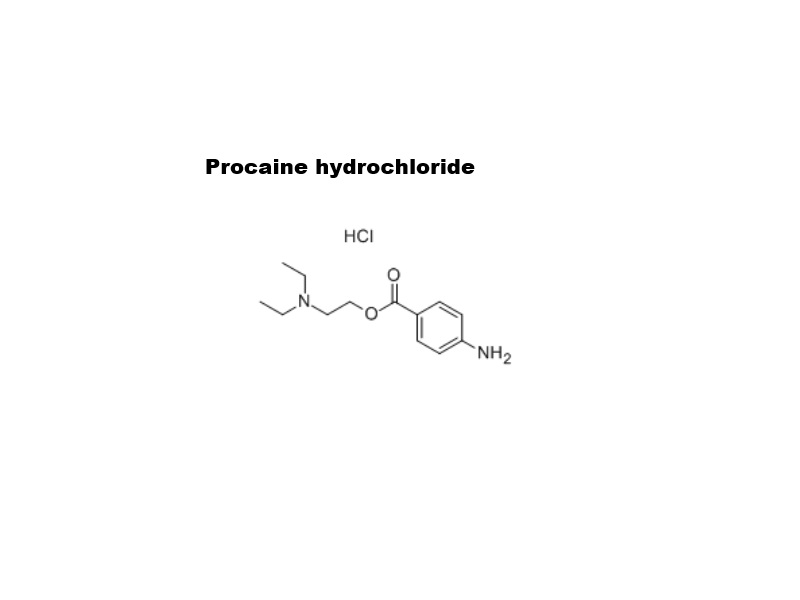
Procaine Hydrochloride CAS 51-05-8 is the water-soluble hydrochloride salt of procaine. It is the specific formulation used in clinical medicine, famously marketed under the brand name Novocain. While its use in mainstream practice has diminished, it remains a historically pivotal drug and is still employed in specific medical and therapeutic contexts.
Details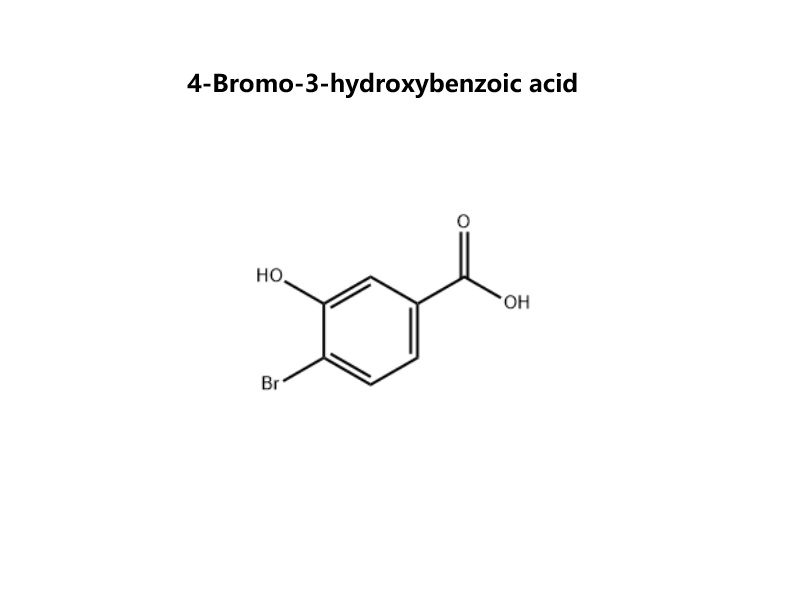
4-Bromo-3-hydroxybenzoic acid CAS 14348-38-0 is a premium, multifunctional aromatic building block engineered for complexity-driven synthesis. Its core value lies in the strategic placement of three distinct, orthogonally reactive functional groups on a benzene ring, making it an indispensable tool for convergent molecular construction in advanced research and development.
Details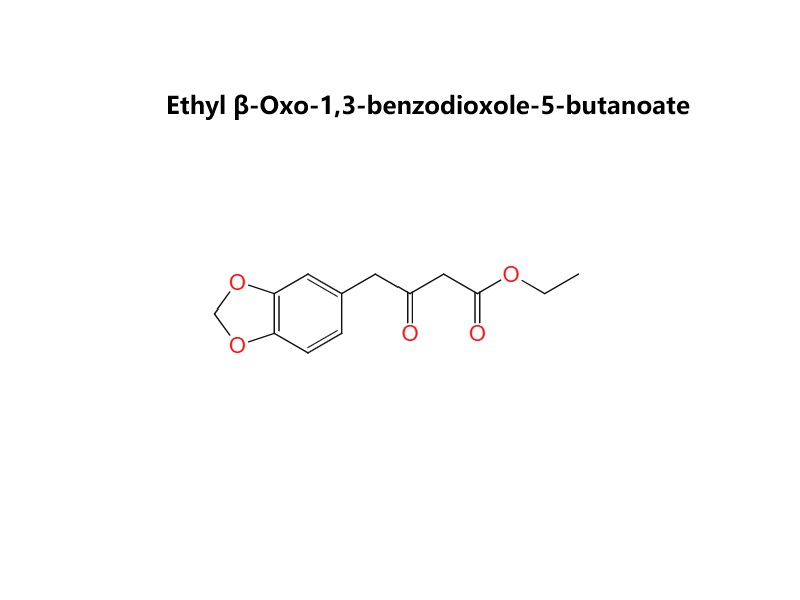
Ethyl β-Oxo-1,3-benzodioxole-5-butanoate CAS 31127-23-8 is a β-ketoester derivative featuring a 1,3-benzodioxole (methylenedioxyphenyl) aromatic system. Structurally, it consists of a benzodioxole ring attached through a three-carbon chain to an ethyl β-ketoester functional group (-CO-CH₂-COOEt). This makes it a versatile bifunctional building block for organic synthesis, combining the electronic properties of the benzodioxole group with the high reactivity of a β-ketoester.
Details![4-Nitrophenyl 3-(Benzo[d][1,3]dioxol-5-yl)-2-methylpropanoate](https://www.qixiolivetol.com/storage/uploads/images/202604/17/1776427287_qZy87IjHSQ.jpg)
4-Nitrophenyl 3-(Benzo[d][1,3]dioxol-5-yl)-2-methylpropanoate is a chirally defined, pre-activated acylating agent that combines a metabolically stable benzo[1,3]dioxole (piperonyl) pharmacophore with the exceptional reactivity of a 4-nitrophenyl ester. It enables the efficient, racemization-free introduction of a complex, chiral acid moiety under mild conditions, making it invaluable for advanced synthetic and bioconjugation chemistry. 4-Nitrophenyl 3-(Benzo[d][1,3]dioxol-5-yl)-2-methylpropanoate is a specialty ester designed as a reactive biochemical or synthetic intermediate. Its structure strategically combines three key units: (1)A 3-(benzo[1,3]dioxol-5-yl)-2-methylpropanoic acid (piperonyl-substituted, chiral acid) moiety. (2)A 4-nitrophenyl ester leaving group. This design makes it an activated ester, where the 4-nitrophenol is an excellent leaving group, facilitating efficient acyl transfer reactions under mild conditions.
Details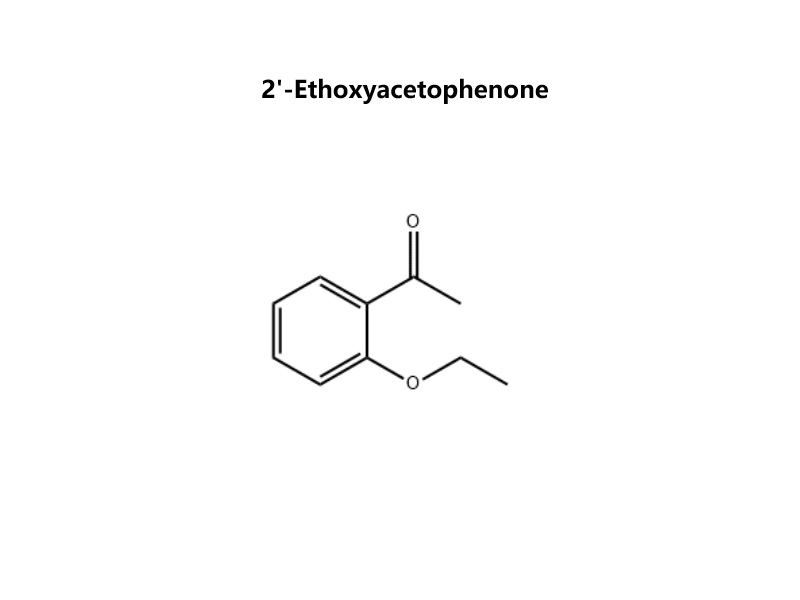
2'-Ethoxyacetophenone CAS 2142-67-8 is a specialized aromatic ketone characterized by an ethoxy substituent at the orthoposition relative to the acetyl group. This structural feature imparts distinct chemical and physical properties, making it a privileged building block for synthesizing complex molecules, particularly in the flavor/fragrance and pharmaceutical sectors.
Details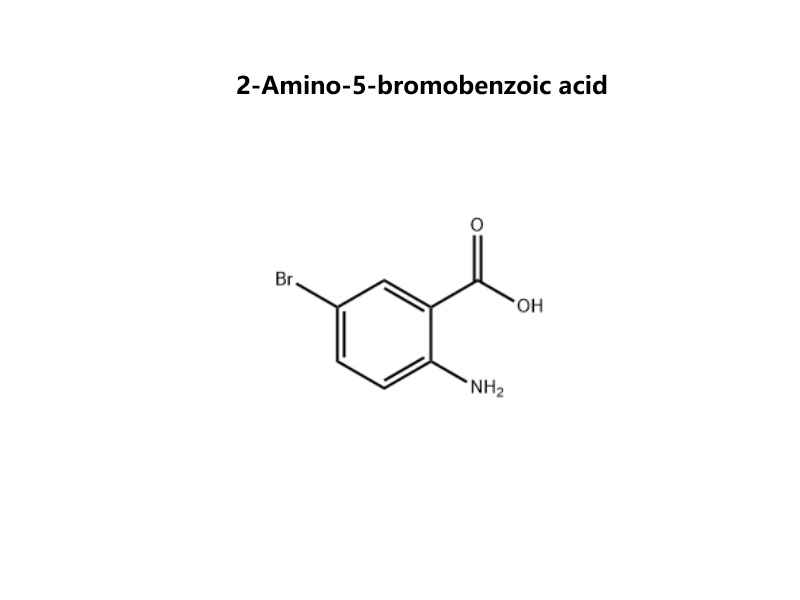
2-Amino-5-bromobenzoic acid CAS 5794-88-7 is a highly versatile aromatic building block that integrates three distinct functional groups—an amine, a carboxylic acid, and an aryl bromide—into a single, synthetically valuable scaffold. This multifunctionality makes it a crucial intermediate in pharmaceutical and advanced materials chemistry.
Details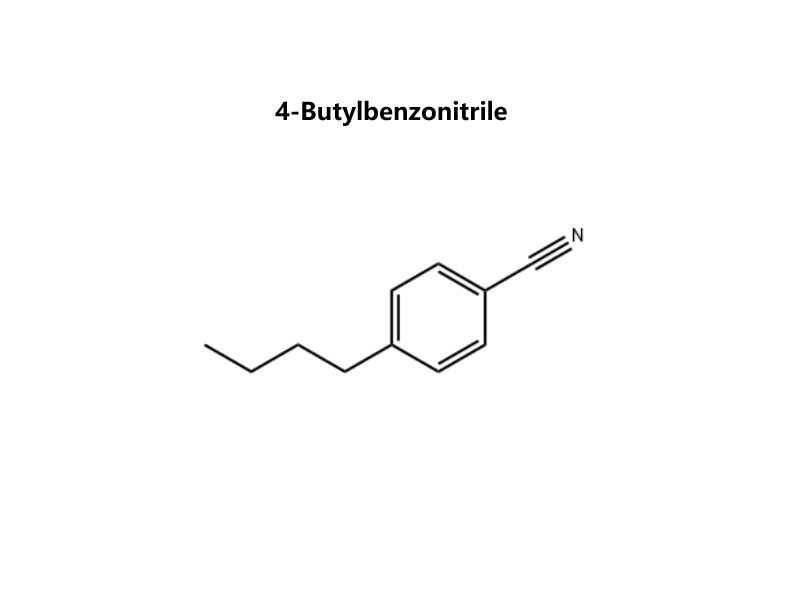
4-Butylbenzonitrile CAS 20651-73-4 is a strategically designed hydrophobic building block that combines a rigid aromatic core with a flexible linear alkyl chain and a highly versatile nitrile functional group. This triad of features makes it an exceptionally valuable intermediate for modulating physicochemical properties and enabling diverse synthetic pathways in advanced material and pharmaceutical and agrochemical research.
Details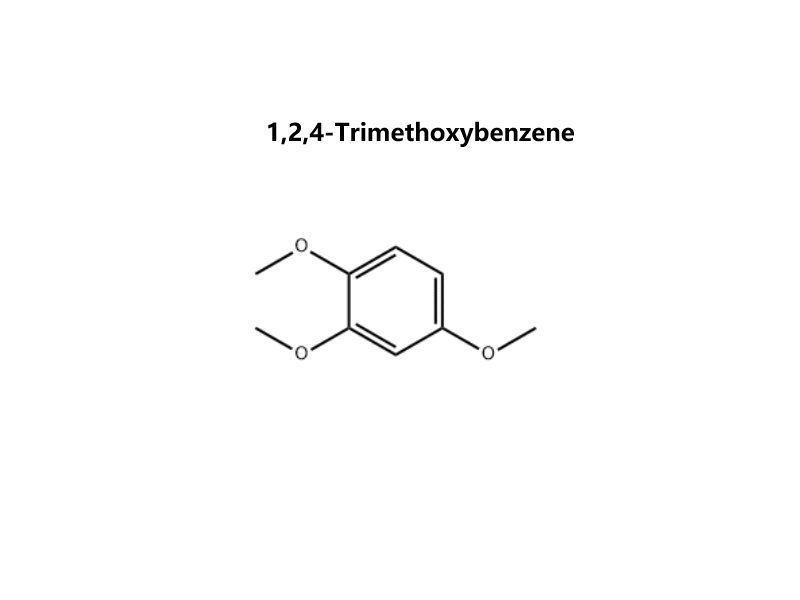
1,2,4-Trimethoxybenzene CAS 135-77-3 is a uniquely versatile, electron-rich aromatic building block. Its core value lies in its unsymmetrical yet highly predictable substitution pattern, which provides exceptional regiocontrol in synthetic chemistry. This makes it a privileged scaffold for constructing complex molecules in pharmaceuticals, agrochemicals, and advanced materials.
Details
 Contact Us
 1st Floor, No. 477, Huancheng West Road, Nanqiao Town, Fengxian District, Shanghai,China
 sales@qxscientific.com
 +86 -13701740203


 IPv6 Network Supported |
Sitemap |
XML |
Blog |
Privacy Policy
IPv6 Network Supported |
Sitemap |
XML |
Blog |
Privacy Policy
Leave A Message
Scan to Wechat/Whatsapp :



 English
 English
 Español
 Português