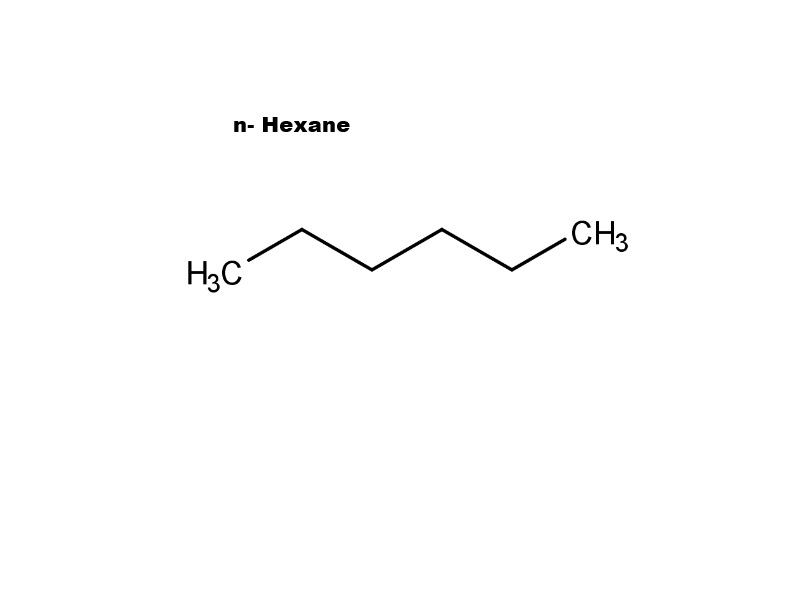

n-Hexane CAS 110-54-3 is a straight-chain, saturated aliphatic hydrocarbon (an alkane) consisting of six carbon atoms. It is a volatile, colorless liquid that is a major component of petroleum ether and gasoline fractions. As a non-polar solvent, it is widely used in industrial applications, but it is also known for its potential neurotoxicity with prolonged exposure.
Name :
n- HexaneCAS No. :
110-54-3MF :
C₆H₁₄MW :
86.18Purity :
99%Appearance :
Clear, colorless, highly volatile liquidStorage Condition :
Store in a cool, well-ventilated area away from ignition sources, heat, and oxidizers. Use approved flammable liquid cabinets. Containers must be grounded to prevent static discharge. Dispose as hazardous waste through licensed handlers; never pour down tChemical Properties
CAS Number: 110-54-3
Molecular Formula: C₆H₁₄
Molecular Weight: 86.18 g/mol
Structural Formula: CH₃(CH₂)₄CH₃
IUPAC Name: Hexane
Synonyms:
n-Hexane
Dipropyl
Hexyl hydride
(Commercial "Hexane" is often a mixture of hexane isomers and other hydrocarbons
Physical State: Clear, colorless, highly volatile liquid.
Odor: Mild, gasoline-like odor.
Boiling Point: 68.7 °C (155.7 °F)
Melting Point: -95.3 °C (-139.5 °F)
Density: 0.659 g/mL at 25 °C
Vapor Pressure: 124 mmHg at 20 °C (high volatility)
Flash Point: -23 °C (-9 °F) – Highly Flammable.
Auto-Ignition Temperature: ~225 °C (437 °F)
Solubility: Immiscible with water. Miscible with alcohol, acetone, chloroform, and most other organic solvents. Excellent solvent for many non-polar compounds (oils, fats, waxes, some polymers).
Stability: Stable under normal conditions. Highly flammable; vapors can form explosive mixtures with air. Incompatible with strong oxidizing agents. May accumulate static charge.
Biological Activities
Toxicology (Primary Concern): n-Hexane is notable for its chronic neurotoxicity, which is not shared by most other alkane isomers.
Metabolism: It is metabolized in the body to 2,5-hexanedione, the primary toxicant.
Mechanism: 2,5-Hexanedione reacts with neurofilament proteins, forming cross-links that disrupt axonal transport in peripheral nerves, leading to degeneration. This results in a sensorimotor peripheral neuropathy, characterized by numbness, tingling, and muscle weakness in the extremities, potentially progressing to paralysis.
Acute Effects: Inhalation can cause dizziness, nausea, headache, and respiratory irritation. High concentrations can lead to CNS depression and unconsciousness. Skin contact causes defatting and dermatitis.
Occupational Exposure: Chronic, low-level exposure in industrial settings (e.g., shoe manufacturing, furniture finishing, textile gluing) is linked to "hexane neuropathy."
Environmental Fate: Volatilizes readily into the atmosphere, where it reacts with photochemically produced hydroxyl radicals. It is not considered persistent or bioaccumulative.
Biosynthesis
Natural Occurrence: Not biosynthesized by living organisms in significant quantities. Trace amounts can be found in natural gas, crude oil, and some plant volatiles.
Industrial Production/Origin: n-Hexane is not "biosynthesized" but is derived exclusively from petroleum refining.
1.It is obtained from the light gasoline fraction of crude oil during fractional distillation.
2.The mixed stream of C6 isomers (hexanes) is further processed via catalytic isomerization and selective fractionation to increase the concentration of the linear n-hexane isomer for commercial use. High-purity n-hexane (often >95%) is produced for specific applications.
Applications


FAQs
Q1: What is the main safety concern when handling n-hexane?
A1: The two primary hazards are its extreme flammability (low flash point) and its chronic neurotoxicity from inhalation exposure. Proper ventilation (preferably engineered controls like local exhaust), protective equipment (gloves, respirators where needed), and strict hygiene practices are mandatory.
Q2: How is n-hexane different from "commercial hexane"?
A2: n-Hexane refers specifically to the straight-chain isomer. Commercial or Laboratory-Grade Hexane is typically a mixture containing n-hexane along with other C6 isomers (e.g., methylcyclopentane, 2-methylpentane, 3-methylpentane). The neurotoxic effect is primarily associated with n-hexane, though other isomers can have similar acute hazards.
Q3: What are the occupational exposure limits for n-hexane?
A3: Limits vary by country. Key examples:
OSHA PEL (USA): Time-Weighted Average (TWA) of 500 ppm (1800 mg/m³).
NIOSH REL (USA): Recommended TWA of 50 ppm (180 mg/m³) to prevent neuropathy.
ACGIH TLV (Global): TWA of 20 ppm.
Q4: Are there safer alternatives to n-hexane?
A4: Yes, depending on the application. Heptane is often a less toxic (though still flammable) alternative with a higher boiling point. Cyclohexane or isohexane mixtures may be used, though toxicity profiles differ. For extractions, supercritical CO₂ is a non-flammable, non-toxic alternative, though with higher capital cost.
Q5: How should n-hexane be stored and disposed of?
A5: Store in a cool, well-ventilated area away from ignition sources, heat, and oxidizers. Use approved flammable liquid cabinets. Containers must be grounded to prevent static discharge. Dispose as hazardous waste through licensed handlers; never pour down the drain or into soil.
Q6: What are the signs of overexposure?
A6: Acute: Dizziness, giddiness, nausea, headache. Chronic: Gradual onset of numbness, tingling ("pins and needles"), and weakness in the hands and feet (stocking-glove neuropathy). Muscle weakness and vision problems may follow.
Q7: What purity grades are available?
A7: Common grades include:
Technical Grade (~60% n-hexane): For industrial applications.
Commercial Grade (~85% n-hexane): For general use.
Pure or Reagent Grade (>95% n-hexane): For laboratories and critical applications.
HPLC/GC Grade (>99%): For chromatography, with low UV absorbance.
Q8: Is it regulated?
A8: Yes. It is regulated as a hazardous substance for transportation, workplace safety (OSHA, others), and environmental release. In the workplace, air monitoring, medical surveillance for exposed workers, and proper hazard communication (GHS labeling, SDS) are required.
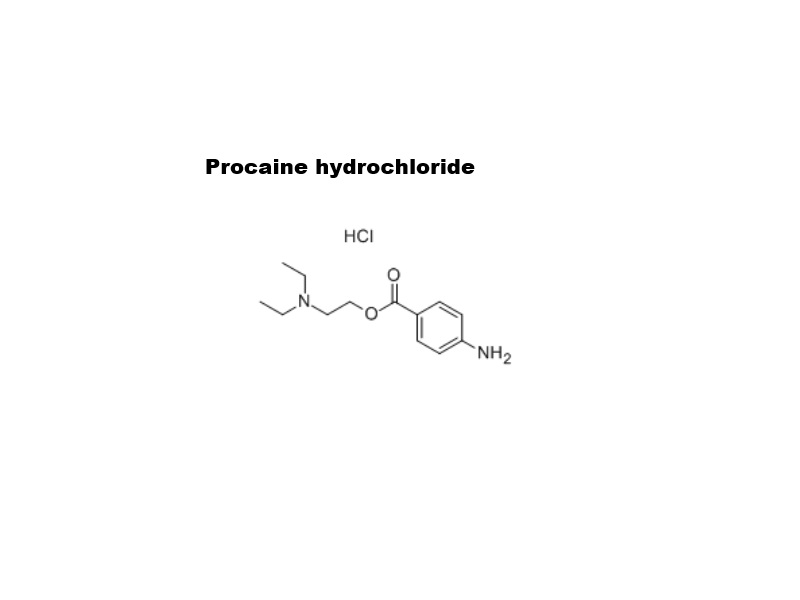
Procaine Hydrochloride CAS 51-05-8 is the water-soluble hydrochloride salt of procaine. It is the specific formulation used in clinical medicine, famously marketed under the brand name Novocain. While its use in mainstream practice has diminished, it remains a historically pivotal drug and is still employed in specific medical and therapeutic contexts.
Details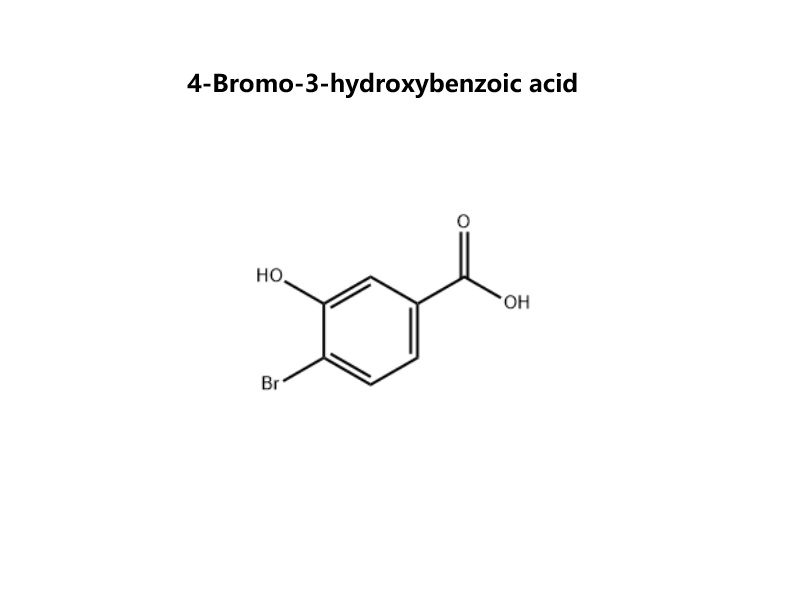
4-Bromo-3-hydroxybenzoic acid CAS 14348-38-0 is a premium, multifunctional aromatic building block engineered for complexity-driven synthesis. Its core value lies in the strategic placement of three distinct, orthogonally reactive functional groups on a benzene ring, making it an indispensable tool for convergent molecular construction in advanced research and development.
Details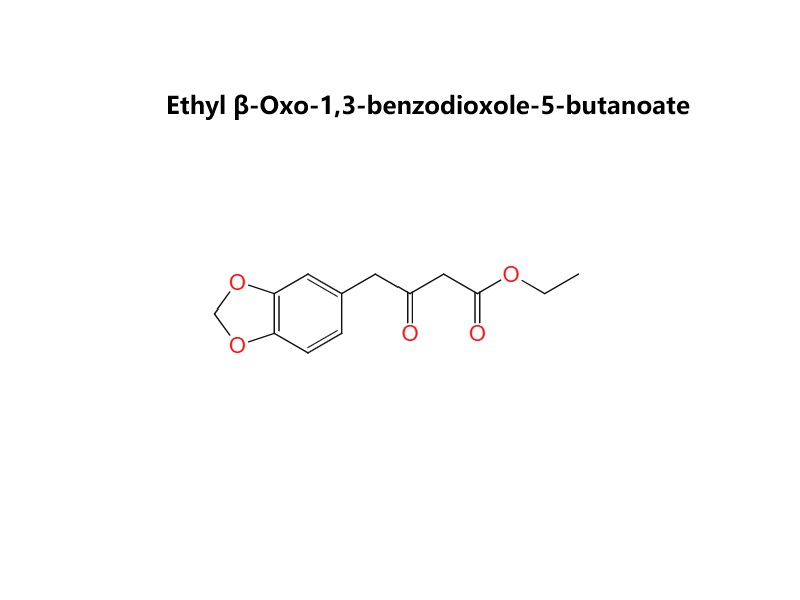
Ethyl β-Oxo-1,3-benzodioxole-5-butanoate CAS 31127-23-8 is a β-ketoester derivative featuring a 1,3-benzodioxole (methylenedioxyphenyl) aromatic system. Structurally, it consists of a benzodioxole ring attached through a three-carbon chain to an ethyl β-ketoester functional group (-CO-CH₂-COOEt). This makes it a versatile bifunctional building block for organic synthesis, combining the electronic properties of the benzodioxole group with the high reactivity of a β-ketoester.
Details![4-Nitrophenyl 3-(Benzo[d][1,3]dioxol-5-yl)-2-methylpropanoate](https://www.qixiolivetol.com/storage/uploads/images/202604/17/1776427287_qZy87IjHSQ.jpg)
4-Nitrophenyl 3-(Benzo[d][1,3]dioxol-5-yl)-2-methylpropanoate is a chirally defined, pre-activated acylating agent that combines a metabolically stable benzo[1,3]dioxole (piperonyl) pharmacophore with the exceptional reactivity of a 4-nitrophenyl ester. It enables the efficient, racemization-free introduction of a complex, chiral acid moiety under mild conditions, making it invaluable for advanced synthetic and bioconjugation chemistry. 4-Nitrophenyl 3-(Benzo[d][1,3]dioxol-5-yl)-2-methylpropanoate is a specialty ester designed as a reactive biochemical or synthetic intermediate. Its structure strategically combines three key units: (1)A 3-(benzo[1,3]dioxol-5-yl)-2-methylpropanoic acid (piperonyl-substituted, chiral acid) moiety. (2)A 4-nitrophenyl ester leaving group. This design makes it an activated ester, where the 4-nitrophenol is an excellent leaving group, facilitating efficient acyl transfer reactions under mild conditions.
Details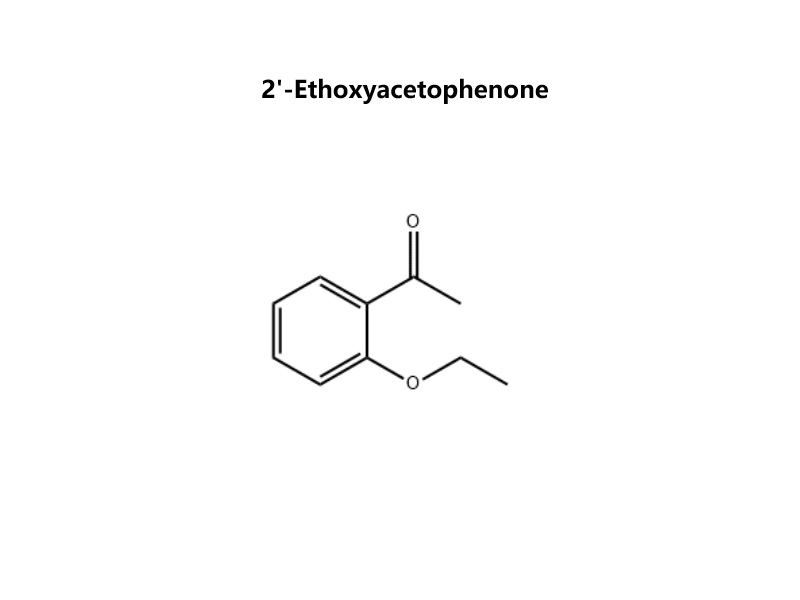
2'-Ethoxyacetophenone CAS 2142-67-8 is a specialized aromatic ketone characterized by an ethoxy substituent at the orthoposition relative to the acetyl group. This structural feature imparts distinct chemical and physical properties, making it a privileged building block for synthesizing complex molecules, particularly in the flavor/fragrance and pharmaceutical sectors.
Details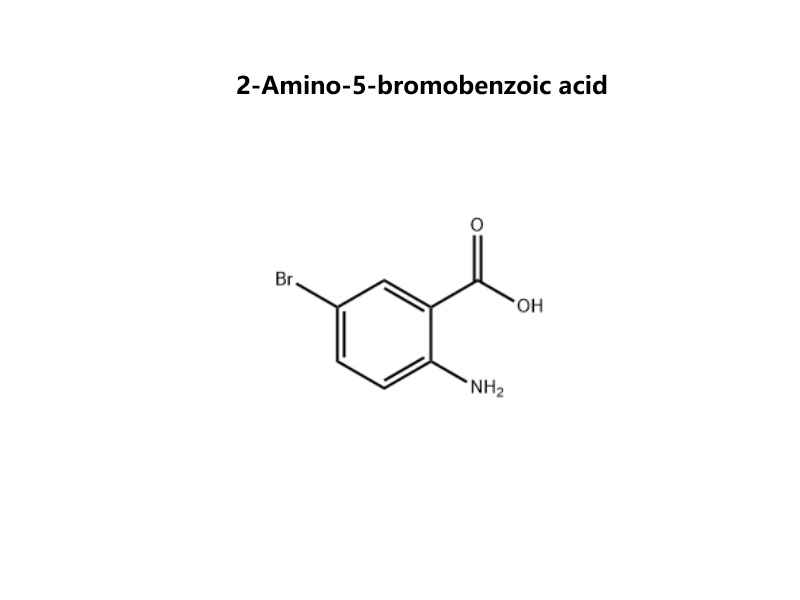
2-Amino-5-bromobenzoic acid CAS 5794-88-7 is a highly versatile aromatic building block that integrates three distinct functional groups—an amine, a carboxylic acid, and an aryl bromide—into a single, synthetically valuable scaffold. This multifunctionality makes it a crucial intermediate in pharmaceutical and advanced materials chemistry.
Details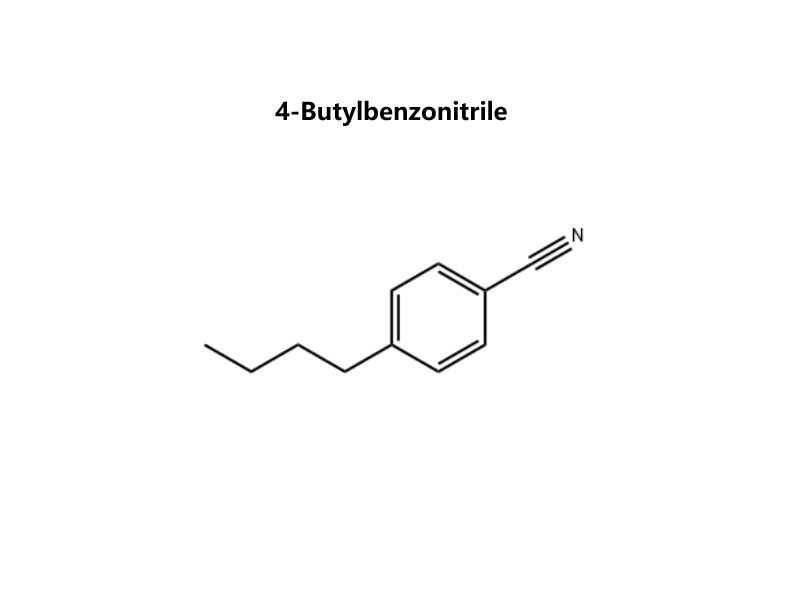
4-Butylbenzonitrile CAS 20651-73-4 is a strategically designed hydrophobic building block that combines a rigid aromatic core with a flexible linear alkyl chain and a highly versatile nitrile functional group. This triad of features makes it an exceptionally valuable intermediate for modulating physicochemical properties and enabling diverse synthetic pathways in advanced material and pharmaceutical and agrochemical research.
Details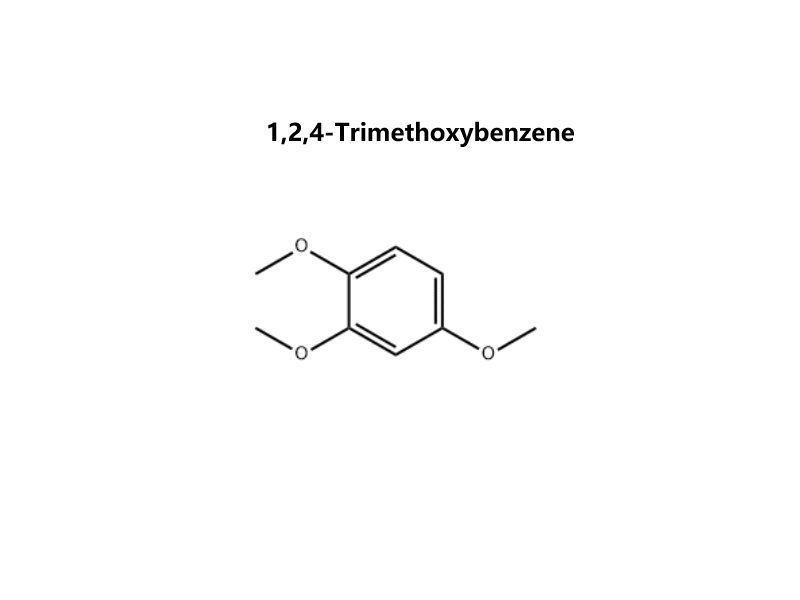
1,2,4-Trimethoxybenzene CAS 135-77-3 is a uniquely versatile, electron-rich aromatic building block. Its core value lies in its unsymmetrical yet highly predictable substitution pattern, which provides exceptional regiocontrol in synthetic chemistry. This makes it a privileged scaffold for constructing complex molecules in pharmaceuticals, agrochemicals, and advanced materials.
Details
 Contact Us
 1st Floor, No. 477, Huancheng West Road, Nanqiao Town, Fengxian District, Shanghai,China
 sales@qxscientific.com
 +86 -13701740203


 IPv6 Network Supported |
Sitemap |
XML |
Blog |
Privacy Policy
IPv6 Network Supported |
Sitemap |
XML |
Blog |
Privacy Policy
Leave A Message
Scan to Wechat/Whatsapp :



 English
 English
 Español
 Português