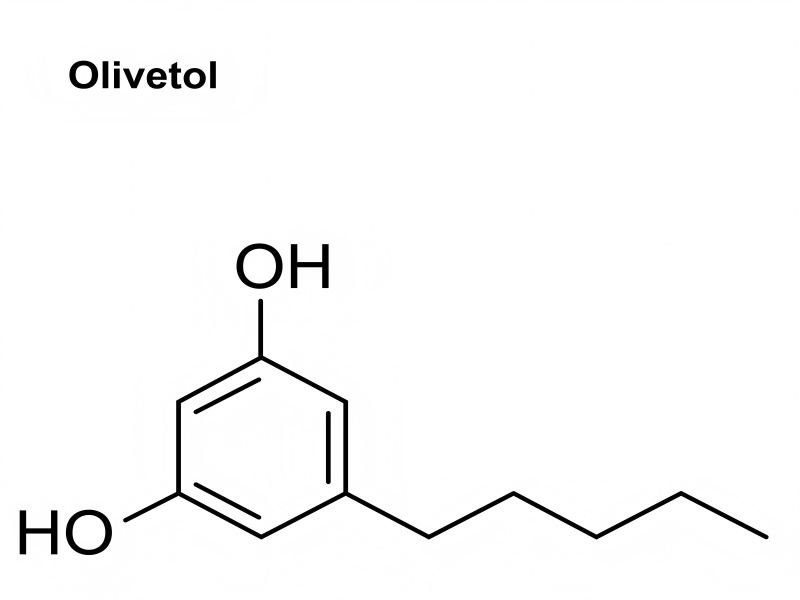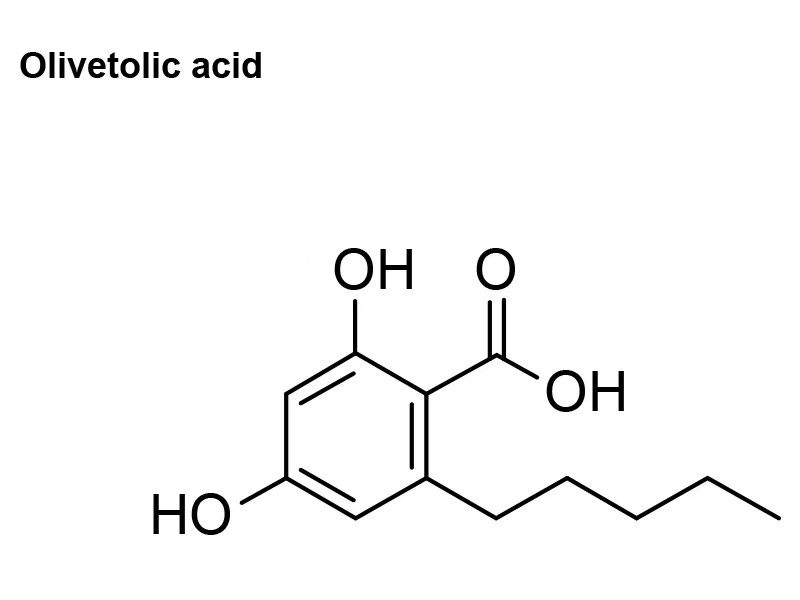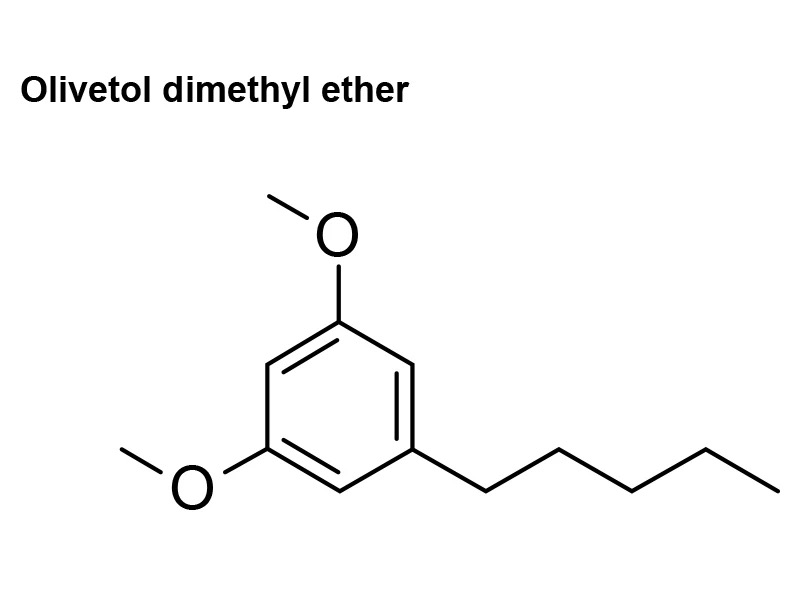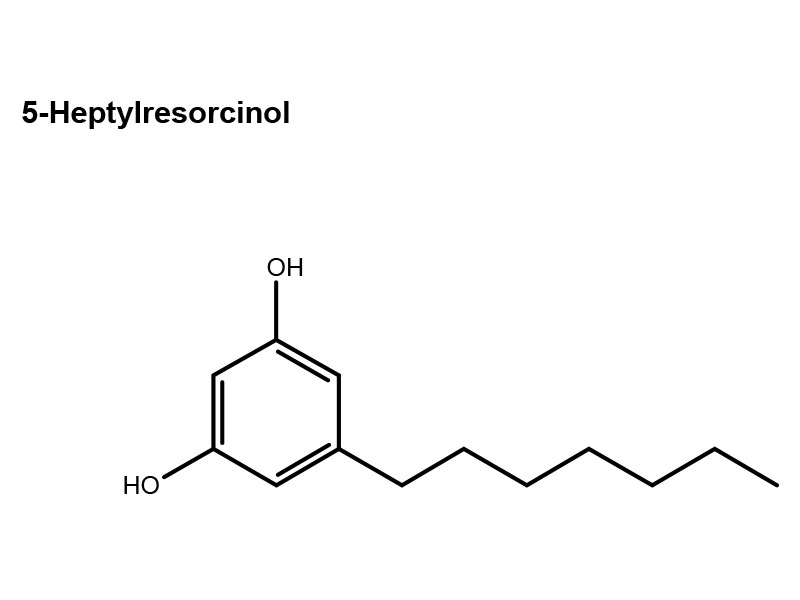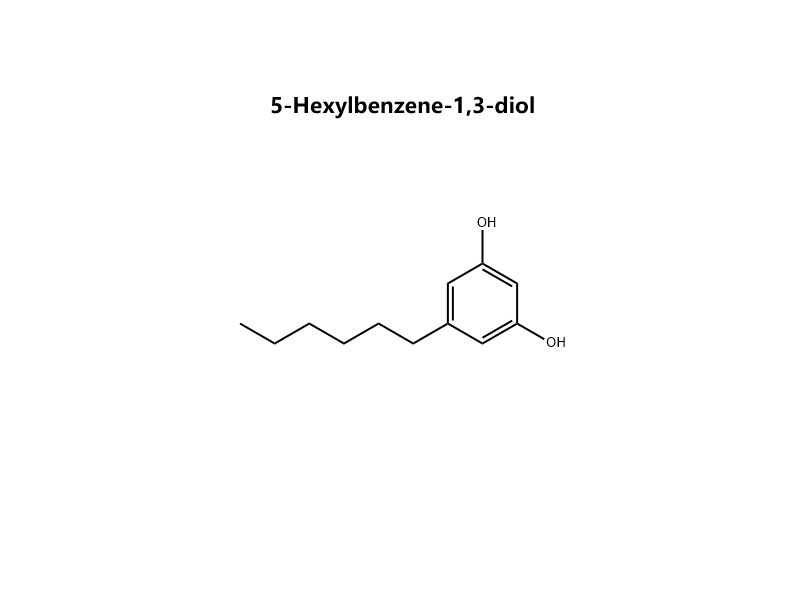
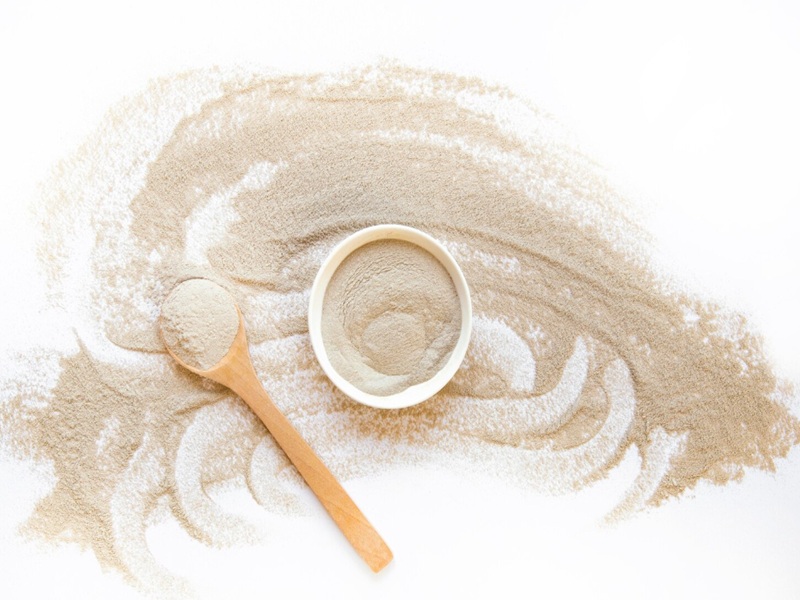
5-Hexylbenzene-1,3-diol CAS 5465-20-3(5-Hexylresorcinol) is a versatile amphiphilic phenolic compound prized for its strong tyrosinase inhibition, antimicrobial, and antioxidant properties. It serves critical roles in cosmetic skin-lightening agents, food preservatives, and pharmaceutical antiseptics. Its value lies in its dual functionality, bridging efficacy with formulation flexibility.
Name :
5-Hexylbenzene-1,3-diolCAS No. :
5465-20-3MF :
C₁₂H₁₈O₂MW :
194.27Purity :
99%Appearance :
Typically appears as white to light-beige crystalline flakes or powderStorage Condition :
Store in a cool, dry place (2-8°C recommended) in airtight, light-resistant containers.
Chemical Properties
IUPAC Name: 5-Hexylbenzene-1,3-diol
Common Name: 5-Hexylresorcinol
CAS Registry Number: 5465-20-3
Molecular Formula: C₁₂H₁₈O₂
Molecular Weight: 194.27 g/mol
Chemical Structure: A resorcinol (1,3-dihydroxybenzene) derivative with a linear hexyl chain (-C₆H₁₃) substituted at the 5-position of the aromatic ring.
Appearance: Typically appears as white to light-beige crystalline flakes or powder.
Key Features: Combines the aromatic diol reactivity of resorcinol with the lipophilic character of a hexyl chain, making it amphiphilic.
Melting Point: ~68-72 °C.
Solubility: Moderately soluble in organic solvents (ethanol, acetone, ether, chloroform). Very low solubility in water.
Reactivity:
Acidic Phenolic Groups: Can form salts, esters, and ethers.
Electrophilic Substitution: The aromatic ring is activated for substitution (e.g., halogenation, acylation) due to the two electron-donating hydroxyl groups.
Chelation Potential: Can act as a bidentate ligand for metal ions.
Antioxidant Activity: Acts as a radical scavenger, inhibiting oxidation processes.
Stability: Stable under ambient conditions but may darken upon prolonged exposure to air and light. Should be stored in a cool, dark place in airtight containers.
Biological Activities
This compound exhibits a range of bioactive properties, primarily attributed to the resorcinol core and its alkyl chain:
Antimicrobial/Antiseptic: Effective against bacteria, fungi, and parasites. The mechanism involves disrupting microbial cell membranes and enzyme inhibition.
Anthelmintic: Used as a treatment for certain parasitic worm (e.g., tapeworm) infections in medicine.
Tyrosinase Inhibition: Acts as a competitive inhibitor of the enzyme tyrosinase, which is involved in melanin production. This forms the basis for its use in skin-lightening cosmetics.
Antioxidant: Scavenges free radicals, providing protective effects against oxidative stress.
Local Anesthetic & Analgesic: Has mild numbing properties on mucous membranes.
Biosynthesis
5-Hexylresorcinol is not a major natural product but is related to alkylresorcinols, which are naturally synthesized in plants (e.g., in cereal bran like wheat and rye) and some bacteria and fungi.
Natural Pathway (Alkylresorcinols): In plants, biosynthesis typically involves a type III polyketide synthase. A starter fatty acyl-CoA (e.g., hexanoyl-CoA) undergoes sequential malonyl-CoA additions, cyclization, and aromatization to form the alkylresorcinol structure.
Commercial Production: It is primarily manufactured via chemical synthesis for industrial use, not through biosynthesis. Common synthetic routes involve the Friedel-Crafts acylation of resorcinol followed by reduction, or other alkylation methods.
Applications




FAQs
Q1: What is the main selling point of 5-Hexylresorcinol for cosmetic formulations?
A: Its primary advantage is its powerful and well-documented tyrosinase-inhibiting activity, making it one of the most effective non-hydroquinone ingredients for skin whitening, brightening, and treating hyperpigmentation (e.g., melasma, age spots).
Q2: What purity grades do you offer, and how is quality ensured?
A: We supply High Purity Grade (≥99%, HPLC) for cosmetic/pharmaceutical R&D and Technical Grade (≥95%) for industrial applications. Every batch is accompanied by a comprehensive Certificate of Analysis (CoA) including HPLC purity, melting point, and heavy metals testing.
Q3: Is this compound safe (GRAS) for use in food or topical products?
A: It is approved for use as a food additive (color stabilizer) in certain jurisdictions (e.g., for shrimp treatment) at specified levels. For cosmetics, it is generally recognized as safe when formulated within recommended concentrations (typically 0.1%-1%). Always conduct patch tests and comply with regional regulations (e.g., FDA, EU CosIng).
Q4: How should it be stored to maintain stability?
A: Store in a cool, dry place (2-8°C recommended) in airtight, light-resistant containers under an inert atmosphere (e.g., nitrogen) for long-term storage to prevent oxidation and discoloration.
Q5: Can you provide formulation guidance for cosmetic creams?
A: Yes. Our technical support team can provide basic guidelines. It is often solubilized in the oil phase or using solvents like propylene glycol. A typical effective concentration in the final product ranges from 0.2% to 0.5%. We recommend combining it with other antioxidants (e.g., Vitamin E) for enhanced stability.
Q6: Do you offer custom synthesis or derivative production?
A: Absolutely. We provide custom synthesis services for:
Scale-up production from gram to kilogram scales.
Structural analogs (e.g., different alkyl chain lengths).
Derivatization into esters or other protected forms for specific application needs.
Q7: What is the typical lead time and minimum order quantity (MOQ)?
A:
R&D Samples (1-25g): Shipped within 3-5 business days.
Bulk Orders (≥1kg): Lead time of 2-3 weeks.
MOQ: 10g for the High Purity Grade; 100g for the Technical Grade.
Q8: Is it compatible with common cosmetic ingredients?
A: Generally, yes. It is compatible with most oils, surfactants, and emollients. Incompatibility may occur with strong oxidizing agents, strong bases, and heavy metal ions (which may cause chelation/discoloration). Pre-formulation compatibility testing is advised.
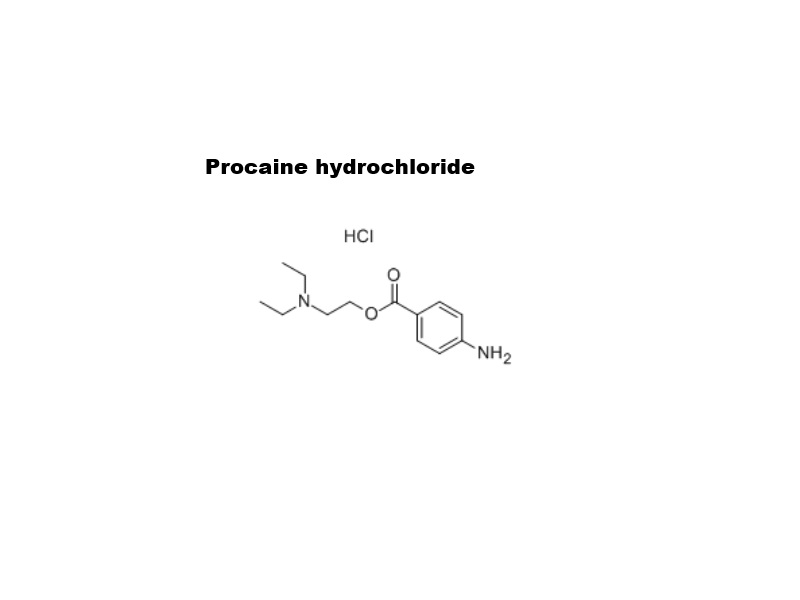
Procaine Hydrochloride CAS 51-05-8 is the water-soluble hydrochloride salt of procaine. It is the specific formulation used in clinical medicine, famously marketed under the brand name Novocain. While its use in mainstream practice has diminished, it remains a historically pivotal drug and is still employed in specific medical and therapeutic contexts.
Details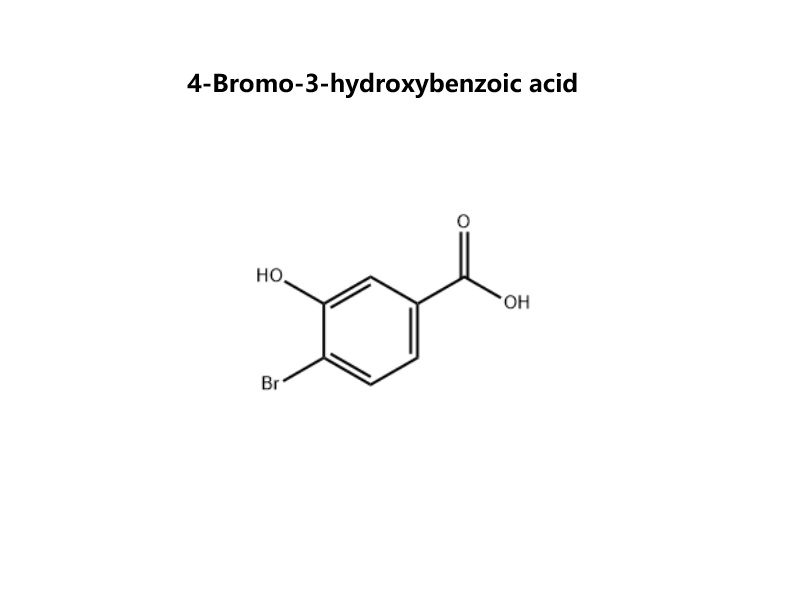
4-Bromo-3-hydroxybenzoic acid CAS 14348-38-0 is a premium, multifunctional aromatic building block engineered for complexity-driven synthesis. Its core value lies in the strategic placement of three distinct, orthogonally reactive functional groups on a benzene ring, making it an indispensable tool for convergent molecular construction in advanced research and development.
Details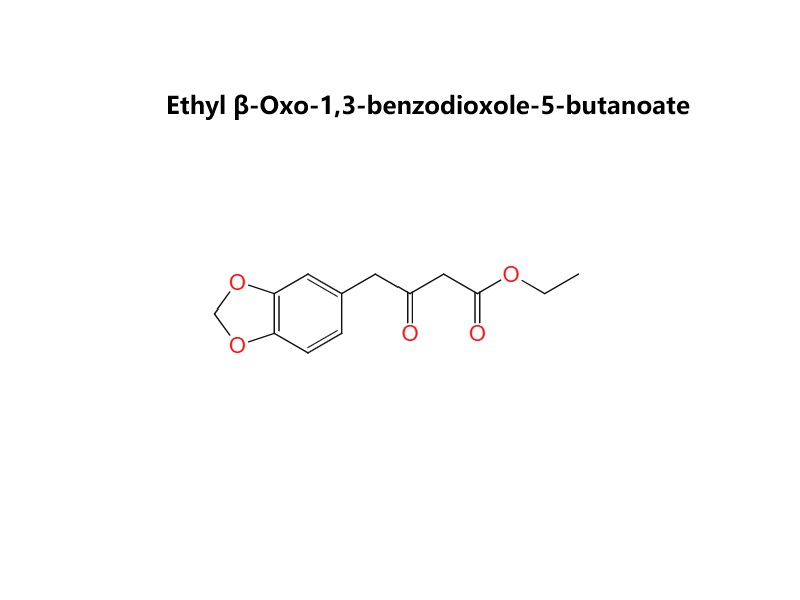
Ethyl β-Oxo-1,3-benzodioxole-5-butanoate CAS 31127-23-8 is a β-ketoester derivative featuring a 1,3-benzodioxole (methylenedioxyphenyl) aromatic system. Structurally, it consists of a benzodioxole ring attached through a three-carbon chain to an ethyl β-ketoester functional group (-CO-CH₂-COOEt). This makes it a versatile bifunctional building block for organic synthesis, combining the electronic properties of the benzodioxole group with the high reactivity of a β-ketoester.
Details![4-Nitrophenyl 3-(Benzo[d][1,3]dioxol-5-yl)-2-methylpropanoate](https://www.qixiolivetol.com/storage/uploads/images/202604/17/1776427287_qZy87IjHSQ.jpg)
4-Nitrophenyl 3-(Benzo[d][1,3]dioxol-5-yl)-2-methylpropanoate is a chirally defined, pre-activated acylating agent that combines a metabolically stable benzo[1,3]dioxole (piperonyl) pharmacophore with the exceptional reactivity of a 4-nitrophenyl ester. It enables the efficient, racemization-free introduction of a complex, chiral acid moiety under mild conditions, making it invaluable for advanced synthetic and bioconjugation chemistry. 4-Nitrophenyl 3-(Benzo[d][1,3]dioxol-5-yl)-2-methylpropanoate is a specialty ester designed as a reactive biochemical or synthetic intermediate. Its structure strategically combines three key units: (1)A 3-(benzo[1,3]dioxol-5-yl)-2-methylpropanoic acid (piperonyl-substituted, chiral acid) moiety. (2)A 4-nitrophenyl ester leaving group. This design makes it an activated ester, where the 4-nitrophenol is an excellent leaving group, facilitating efficient acyl transfer reactions under mild conditions.
Details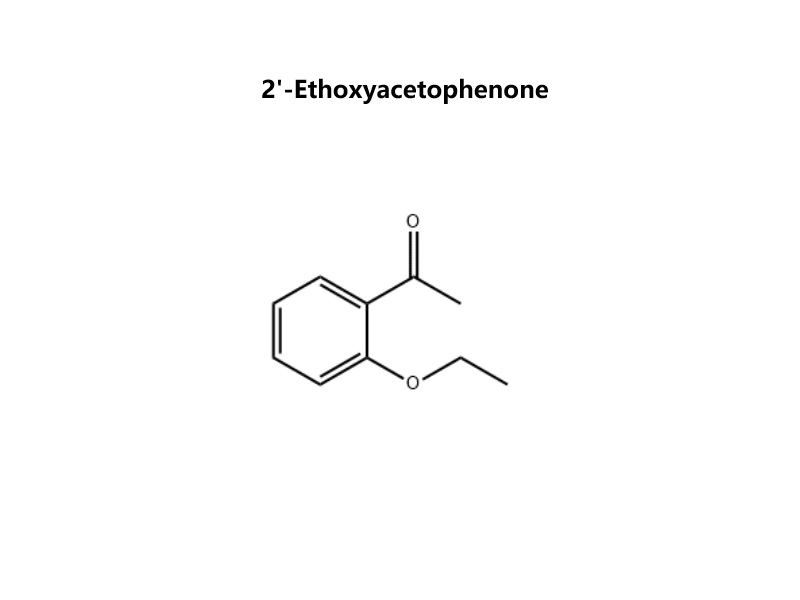
2'-Ethoxyacetophenone CAS 2142-67-8 is a specialized aromatic ketone characterized by an ethoxy substituent at the orthoposition relative to the acetyl group. This structural feature imparts distinct chemical and physical properties, making it a privileged building block for synthesizing complex molecules, particularly in the flavor/fragrance and pharmaceutical sectors.
Details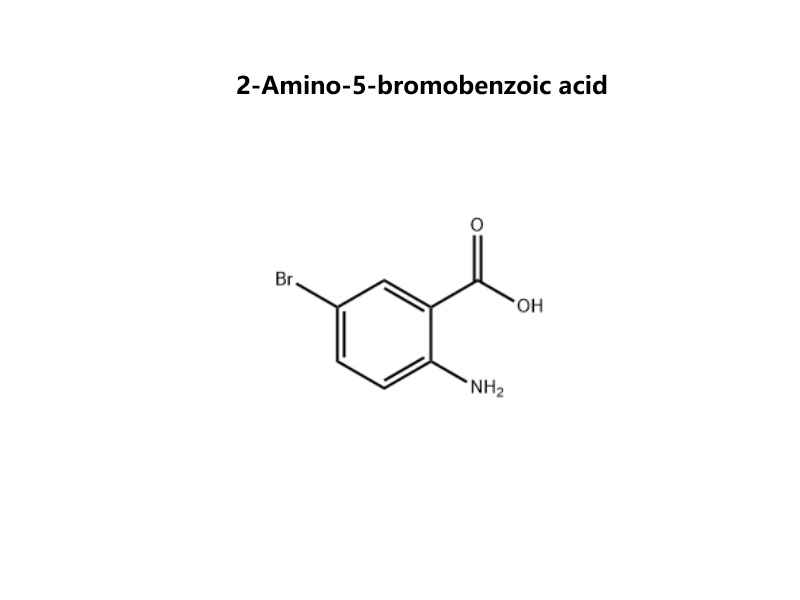
2-Amino-5-bromobenzoic acid CAS 5794-88-7 is a highly versatile aromatic building block that integrates three distinct functional groups—an amine, a carboxylic acid, and an aryl bromide—into a single, synthetically valuable scaffold. This multifunctionality makes it a crucial intermediate in pharmaceutical and advanced materials chemistry.
Details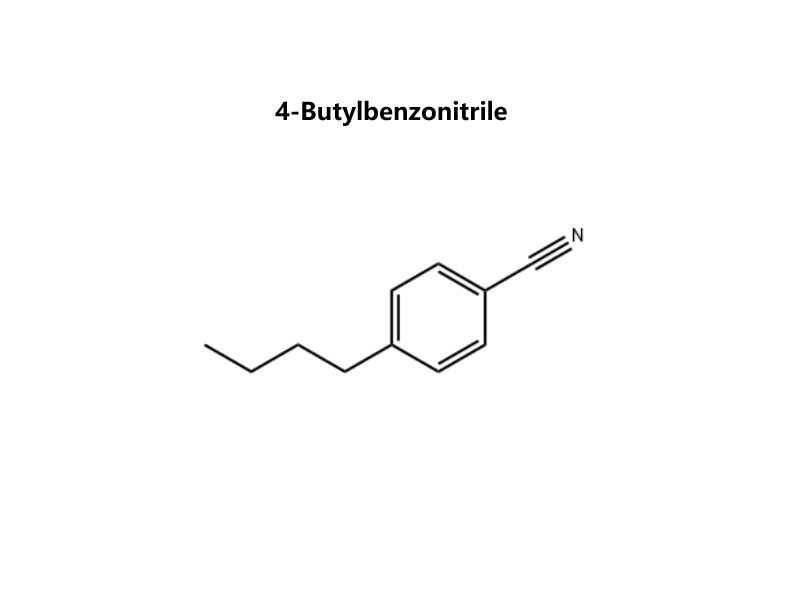
4-Butylbenzonitrile CAS 20651-73-4 is a strategically designed hydrophobic building block that combines a rigid aromatic core with a flexible linear alkyl chain and a highly versatile nitrile functional group. This triad of features makes it an exceptionally valuable intermediate for modulating physicochemical properties and enabling diverse synthetic pathways in advanced material and pharmaceutical and agrochemical research.
Details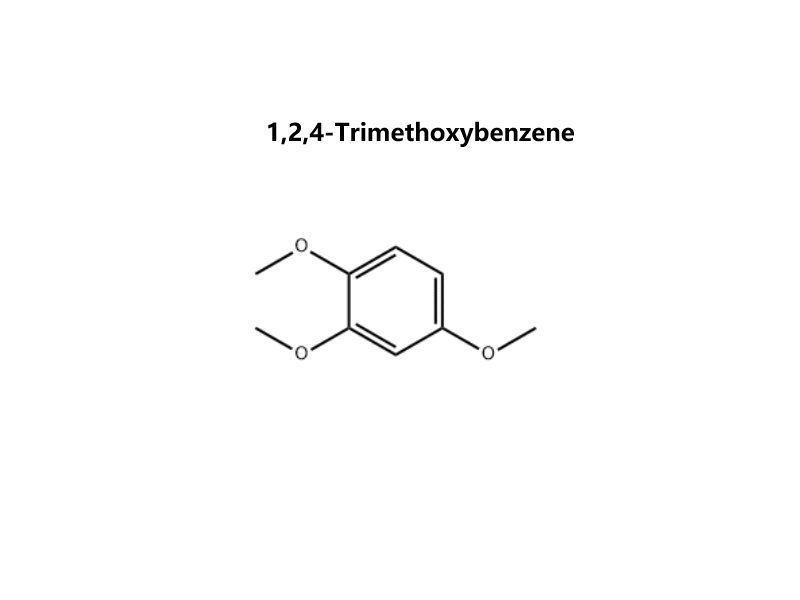
1,2,4-Trimethoxybenzene CAS 135-77-3 is a uniquely versatile, electron-rich aromatic building block. Its core value lies in its unsymmetrical yet highly predictable substitution pattern, which provides exceptional regiocontrol in synthetic chemistry. This makes it a privileged scaffold for constructing complex molecules in pharmaceuticals, agrochemicals, and advanced materials.
Details
 Contact Us
 1st Floor, No. 477, Huancheng West Road, Nanqiao Town, Fengxian District, Shanghai,China
 sales@qxscientific.com
 +86 -13701740203


 IPv6 Network Supported |
Sitemap |
XML |
Blog |
Privacy Policy
IPv6 Network Supported |
Sitemap |
XML |
Blog |
Privacy Policy
Leave A Message
Scan to Wechat/Whatsapp :



 English
 English
 Español
 Português