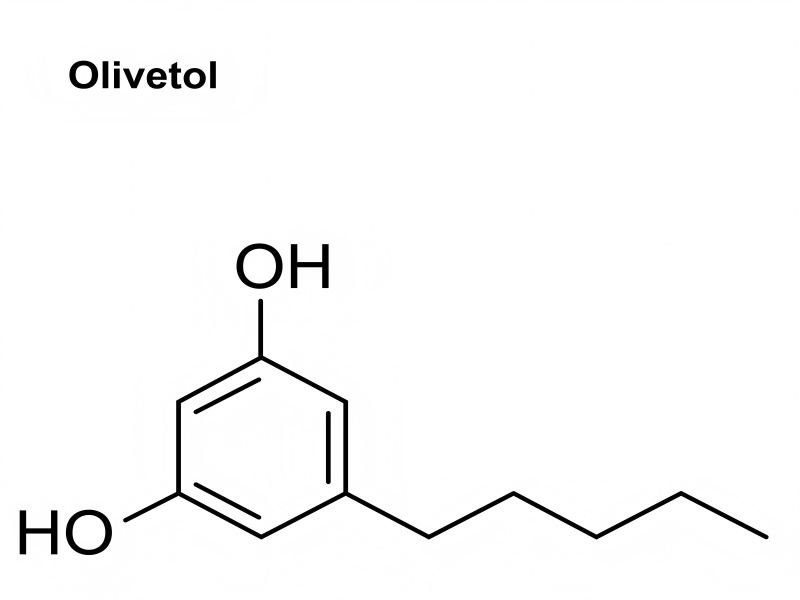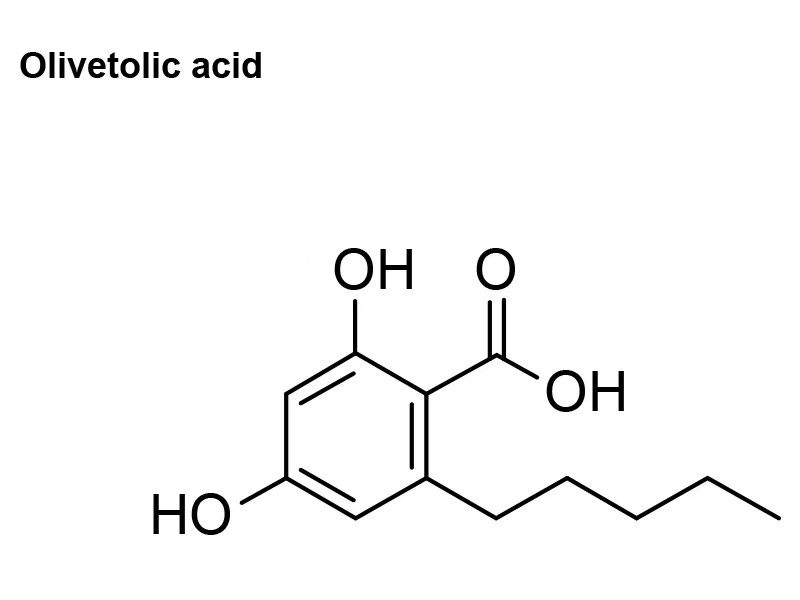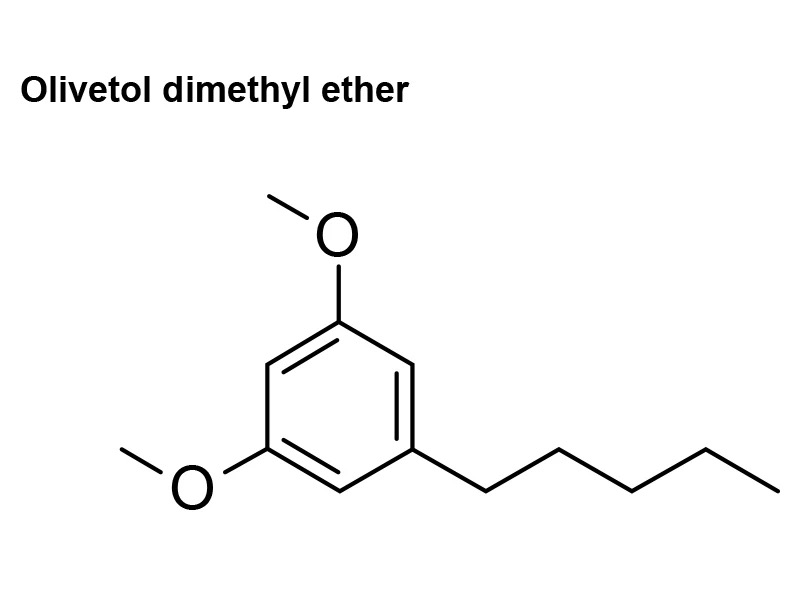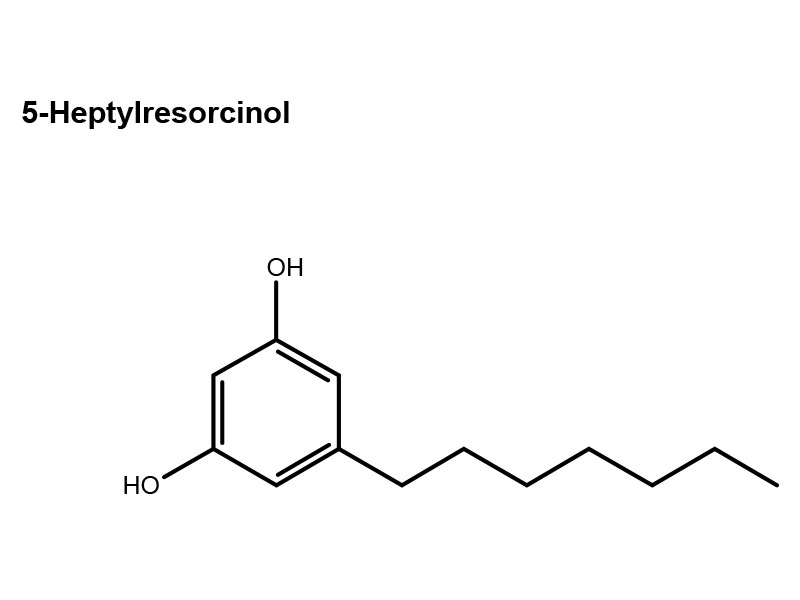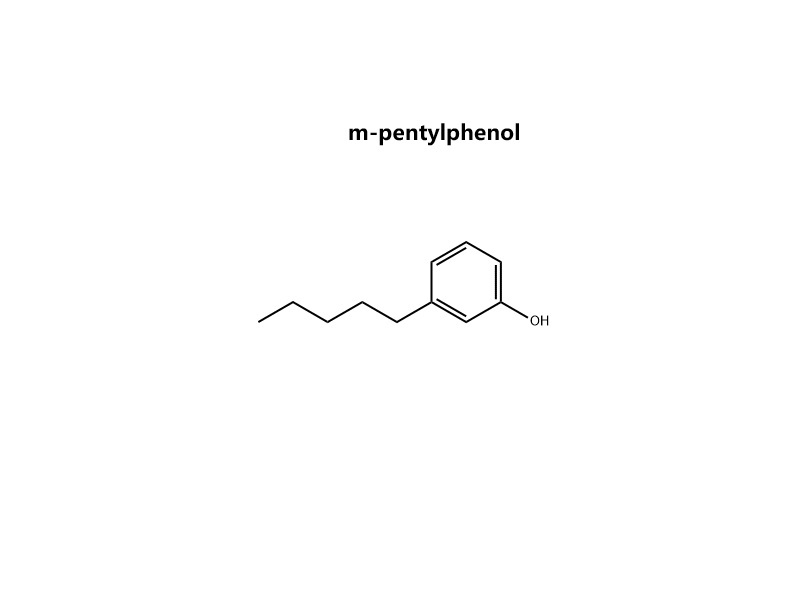
m-Pentylphenol CAS 20056-66-0 (also known as 3-Pentylphenol or 3-Amylphenol) is an organic compound belonging to the class of alkylphenols. Its molecular structure consists of a phenol ring (a benzene ring with a hydroxyl group [-OH]) substituted with a linear pentyl chain (-C₅H₁₁) at the meta position (carbon number 3).m-Pentylphenol is a meta-specific alkylphenol synthon that provides a unique combination of phenolic reactivity and a linear C5 alkyl chain in a sterically and electronically distinct configuration. This makes it a superior building block for applications where specific molecular architecture dictates performance.
Name :
m-PentylphenolCAS No. :
20056-66-0MF :
C₁₁H₁₆OMW :
164.24Purity :
99%Appearance :
Typically a colorless to pale yellow liquid or low-melting solid.Storage Condition :
Store in a cool, well-ventilated placeChemical Properties
Chemical Formula: C₁₁H₁₆O
Molecular Weight: 164.24 g/mol
Structure: HO–C₆H₄–(C₅H₁₁) where the pentyl group is attached to the 3rd carbon of the phenol ring.
Appearance: Typically a colorless to pale yellow liquid or low-melting solid with a characteristic phenolic odor.
It is an isomer of other pentylphenols (such as o-pentylphenol and p-pentylphenol), with the position of the alkyl chain significantly influencing its physical properties and chemical reactivity.
Melting Point: ~ 20-24 °C (can appear as a low-melting solid or viscous liquid at room temperature).
Boiling Point: ~ 260-265 °C at atmospheric pressure.
Density: Approximately 0.96 g/cm³.
Solubility: Soluble in common organic solvents (e.g., ethanol, ether, acetone, benzene). Very slightly soluble in water due to the hydrophobic pentyl chain.
Acidity: Weakly acidic (pKa ~10-11, similar to phenol). The pentyl group has a minor, slightly electron-donating effect, making it a very slightly weaker acid than phenol itself.
Reactivity: Exhibits typical phenol reactions:
Electrophilic Aromatic Substitution: The hydroxyl group activates the ring, making substitutions at the orthoand parapositions favored.
Ether/Ester Formation: The hydroxyl group can be alkylated or acylated.
Complexation: Can act as a ligand for certain metal ions.
Oxidation: Susceptible to oxidation, especially under harsh conditions.
Biological Activities
The biological profile of m-pentylphenol is less extensively documented than its more common isomer, p-pentylphenol.
Antimicrobial Activity: Alkylphenols generally exhibit some degree of bactericidal and fungicidal activity, which tends to increase with alkyl chain length up to a certain point (C5-C8 often optimal). m-Pentylphenol likely possesses moderate antimicrobial properties.
Endocrine Disruption Potential: As an alkylphenol, it is structurally scrutinized for potential weak estrogenic activity (ability to mimic estrogen by binding to estrogen receptors), though its potency is significantly lower than established endocrine disruptors like nonylphenol. The metasubstitution may reduce this activity compared to the paraisomer.
Ecotoxicity: Expected to be toxic to aquatic life with long-lasting effects, a common trait of phenolic compounds with hydrophobic alkyl chains. It can bioaccumulate.
Metabolism: In biological systems, it would likely undergo Phase I (oxidation of the alkyl chain or aromatic ring) and Phase II (conjugation via sulfation or glucuronidation of the phenolic OH) detoxification pathways.
Biosynthesis
In Nature: Alkylphenols are not major natural products but can be found as minor components or degradation products in some plants, microorganisms, and fossil fuels. There is no well-characterized major biosynthetic pathway specifically for m-pentylphenol.
Industrial Synthesis: It is produced synthetically via several methods:
1.Friedel-Crafts Alkylation: Phenol is alkylated with a pentyl chloride (or similar pentylating agent) in the presence of a Lewis acid catalyst (e.g., AlCl₃). This reaction typically yields a mixture of ortho, meta, and paraisomers, which must be separated by fractional distillation or other techniques.
2.Other Routes: May involve Grignard reactions or hydroalkylation of phenol with pentene.
Applications


Key Advantages & Benefits
1. Unique Meta-Substitution Pattern for Directed Synthesis
Benefit: The pentyl group at the metaposition creates a predictable and less congested site for further electrophilic substitution (e.g., sulfonation, halogenation, alkylation) primarily at the orthoand parapositions relative to the OH group.
Application Scenario: In the custom synthesis of complex antioxidant molecules, this allows chemists to sequentially attach specific functional groups (like thioethers or acrylate chains) to the less hindered orthoposition, creating tailored hindered phenol antioxidants with optimized steric protection for polymers like polyolefins and lubricants.
2. Optimal Alkyl Chain Length for Balance of Properties
Benefit: The linear pentyl (C5) chain provides an ideal balance of hydrophobicity and solubility—long enough to impart significant lipid solubility and disrupt microbial membranes, but short enough to avoid excessive viscosity or very low water solubility.
Application Scenario: As a precursor for specialty surfactants or corrosion inhibitors, this chain length effectively integrates into oil-water interfaces or metal surfaces, while maintaining adequate compatibility in formulation matrices without gelling.
3. Performance as a Specialty Reactive Intermediate
Benefit: Serves as a high-purity, structurally defined starting material for synthesizing performance chemicals where consistency is critical.
Application Scenario: In pharmaceutical and agrochemical research, it is used to construct molecular scaffolds where the meta-alkyl phenol moiety is a core pharmacophore. For instance, it can be used to synthesize analogs for studying enzyme inhibition or receptor binding where the spatial orientation of the alkyl group is crucial.
4. Differentiated Biological & Chemical Profile
Benefit: Exhibits a distinct toxicological and reactivity profile compared to its orthoand paraisomers, which can be advantageous for both performance and regulatory strategies.
Application Scenario: In developing new preservatives or antimicrobial agents for industrial fluids, the metaisomer may offer a different spectrum of efficacy or lower aquatic toxicity, providing an alternative to navigate regulatory restrictions on other alkylphenols.
m-Pentylphenol (CAS 20056-66-0) is not a commodity chemical but a strategic, high-value intermediate. Its key advantage lies in its unique meta-substituted geometry, which provides synthetic chemists with a predictable and versatile platform for constructing sophisticated molecules. It excels in applications requiring customized antioxidant synthesis, specialized surfactant cores, and tailored bioactive compounds, offering a clear performance distinction from its more common orthoand paraisomers. For formulators and researchers, it represents a tool for innovating at the molecular level to solve specific performance challenges in advanced materials, pharmaceuticals, and specialty chemicals.
FAQs
Q1: What is the main difference between m-pentylphenol and the more common p-pentylphenol?
A: The key difference is the position of the pentyl chain on the phenol ring. This affects physical properties (melting/boiling point), chemical reactivity (different sites available for further substitution), and biological activity. p-Pentylphenol (linear para isomer) is often more widely studied and used, while the metaisomer is a specialty product with distinct reactivity.
Q2: Is m-pentylphenol safe to handle?
A: No, it requires careful handling. It is harmful if swallowed, in contact with skin, or inhaled. It causes skin and serious eye irritation. Appropriate personal protective equipment (PPE) including gloves, goggles, and ventilation is mandatory. Safety Data Sheet (SDS) must be consulted prior to use.
Q3: How should m-pentylphenol be stored?
A: Store in a cool, well-ventilated place, in a tightly closed, chemically resistant container. Keep away from heat, sparks, and strong oxidizing agents (like peroxides) due to its combustible nature and potential for oxidation. Store separately from bases and foodstuffs.
Q4: What are the major environmental concerns?
A: It is hazardous to the aquatic environment. It is not readily biodegradable and can be toxic to fish, algae, and other organisms. Spills must be contained and prevented from entering drains, sewers, or waterways. Proper waste disposal according to local regulations is crucial.
Q5: Where can I purchase m-pentylphenol, and what is its typical purity?
A: It is not a standard stock item in general chemical catalogs. It is typically supplied by specialty and fine chemical manufacturers or custom synthesis companies. Typical commercial purity ranges from 95% to 98%, with the main impurities being other pentylphenol isomers and unreacted starting materials. Purchasing often requires direct inquiry.
Q6: Can it be used as a direct replacement for phenol or other alkylphenols in a formulation?
A: Not directly. Due to its different steric and electronic properties (meta-substitution), it will have different reactivity rates, solubility profiles, and performance characteristics. Any substitution requires careful reformulation and testing to ensure the desired outcome.
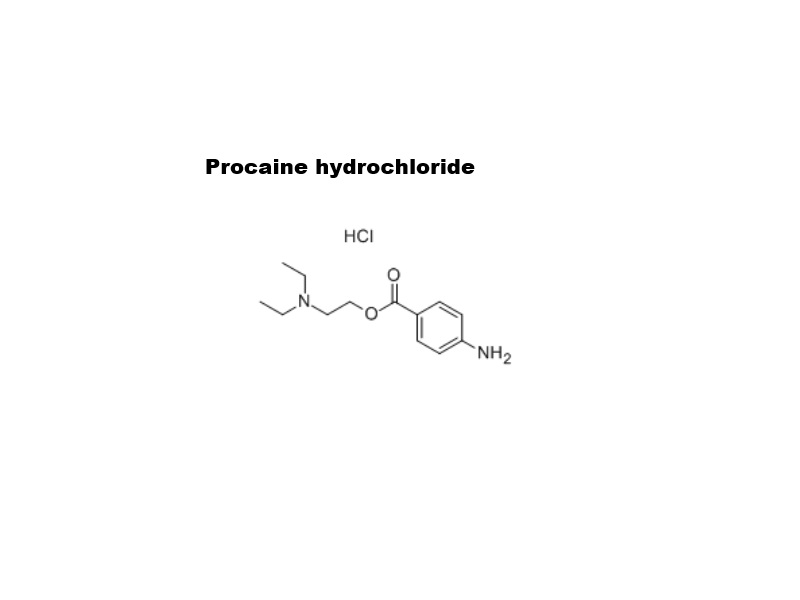
Procaine Hydrochloride CAS 51-05-8 is the water-soluble hydrochloride salt of procaine. It is the specific formulation used in clinical medicine, famously marketed under the brand name Novocain. While its use in mainstream practice has diminished, it remains a historically pivotal drug and is still employed in specific medical and therapeutic contexts.
Details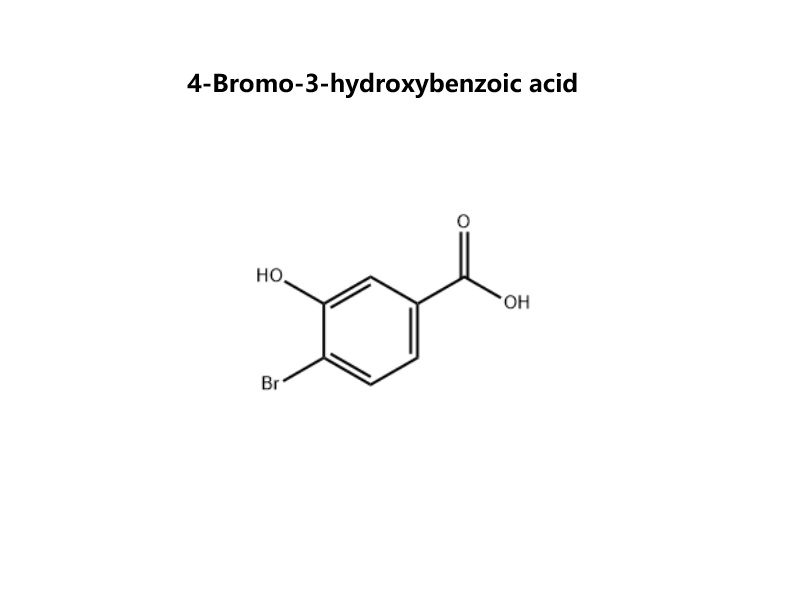
4-Bromo-3-hydroxybenzoic acid CAS 14348-38-0 is a premium, multifunctional aromatic building block engineered for complexity-driven synthesis. Its core value lies in the strategic placement of three distinct, orthogonally reactive functional groups on a benzene ring, making it an indispensable tool for convergent molecular construction in advanced research and development.
Details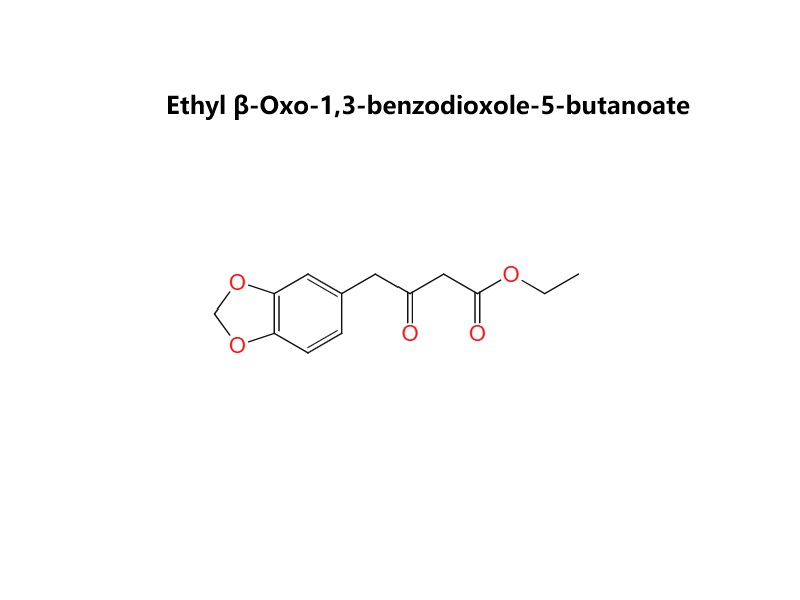
Ethyl β-Oxo-1,3-benzodioxole-5-butanoate CAS 31127-23-8 is a β-ketoester derivative featuring a 1,3-benzodioxole (methylenedioxyphenyl) aromatic system. Structurally, it consists of a benzodioxole ring attached through a three-carbon chain to an ethyl β-ketoester functional group (-CO-CH₂-COOEt). This makes it a versatile bifunctional building block for organic synthesis, combining the electronic properties of the benzodioxole group with the high reactivity of a β-ketoester.
Details![4-Nitrophenyl 3-(Benzo[d][1,3]dioxol-5-yl)-2-methylpropanoate](https://www.qixiolivetol.com/storage/uploads/images/202604/17/1776427287_qZy87IjHSQ.jpg)
4-Nitrophenyl 3-(Benzo[d][1,3]dioxol-5-yl)-2-methylpropanoate is a chirally defined, pre-activated acylating agent that combines a metabolically stable benzo[1,3]dioxole (piperonyl) pharmacophore with the exceptional reactivity of a 4-nitrophenyl ester. It enables the efficient, racemization-free introduction of a complex, chiral acid moiety under mild conditions, making it invaluable for advanced synthetic and bioconjugation chemistry. 4-Nitrophenyl 3-(Benzo[d][1,3]dioxol-5-yl)-2-methylpropanoate is a specialty ester designed as a reactive biochemical or synthetic intermediate. Its structure strategically combines three key units: (1)A 3-(benzo[1,3]dioxol-5-yl)-2-methylpropanoic acid (piperonyl-substituted, chiral acid) moiety. (2)A 4-nitrophenyl ester leaving group. This design makes it an activated ester, where the 4-nitrophenol is an excellent leaving group, facilitating efficient acyl transfer reactions under mild conditions.
Details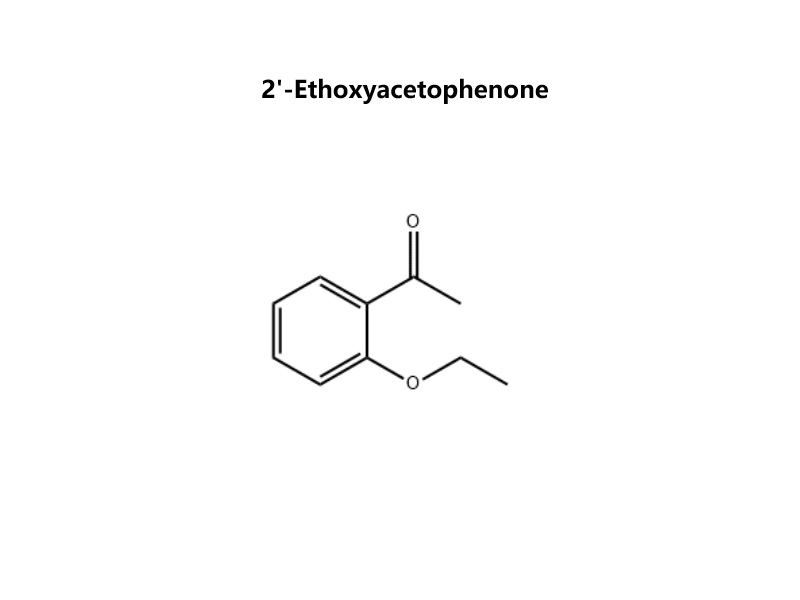
2'-Ethoxyacetophenone CAS 2142-67-8 is a specialized aromatic ketone characterized by an ethoxy substituent at the orthoposition relative to the acetyl group. This structural feature imparts distinct chemical and physical properties, making it a privileged building block for synthesizing complex molecules, particularly in the flavor/fragrance and pharmaceutical sectors.
Details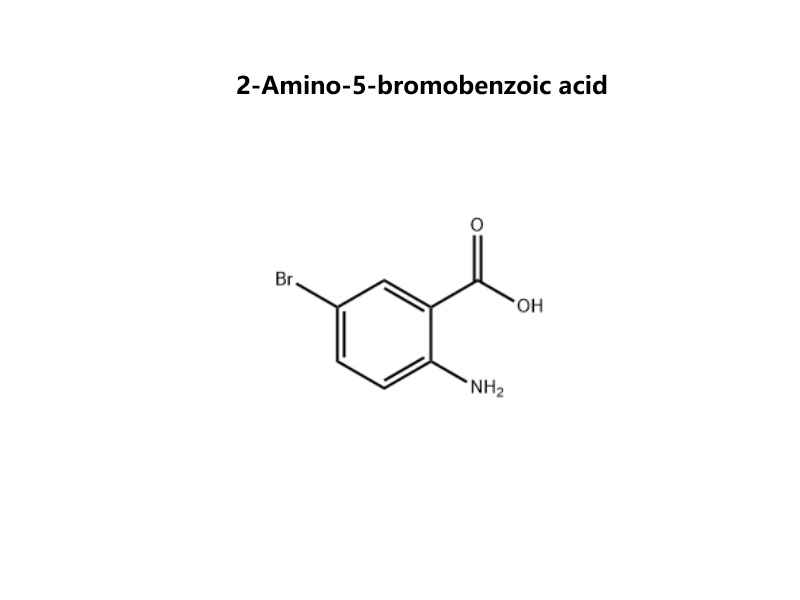
2-Amino-5-bromobenzoic acid CAS 5794-88-7 is a highly versatile aromatic building block that integrates three distinct functional groups—an amine, a carboxylic acid, and an aryl bromide—into a single, synthetically valuable scaffold. This multifunctionality makes it a crucial intermediate in pharmaceutical and advanced materials chemistry.
Details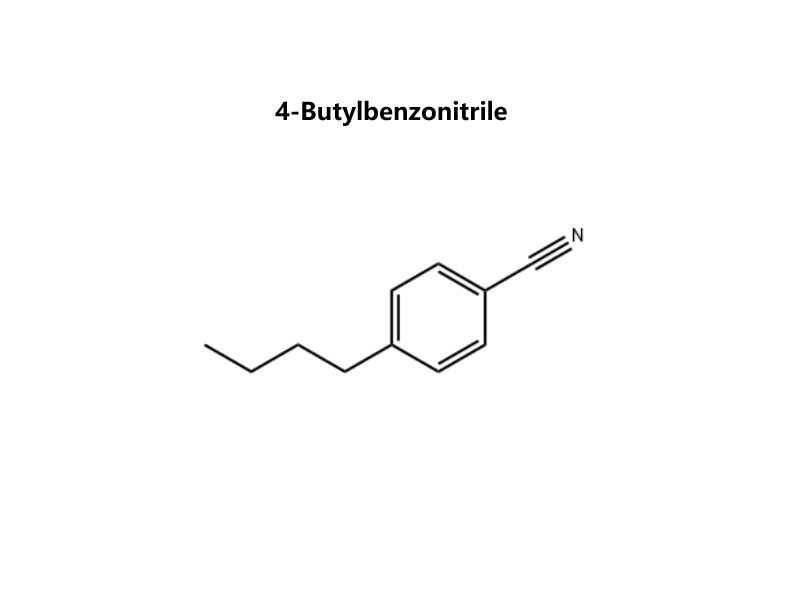
4-Butylbenzonitrile CAS 20651-73-4 is a strategically designed hydrophobic building block that combines a rigid aromatic core with a flexible linear alkyl chain and a highly versatile nitrile functional group. This triad of features makes it an exceptionally valuable intermediate for modulating physicochemical properties and enabling diverse synthetic pathways in advanced material and pharmaceutical and agrochemical research.
Details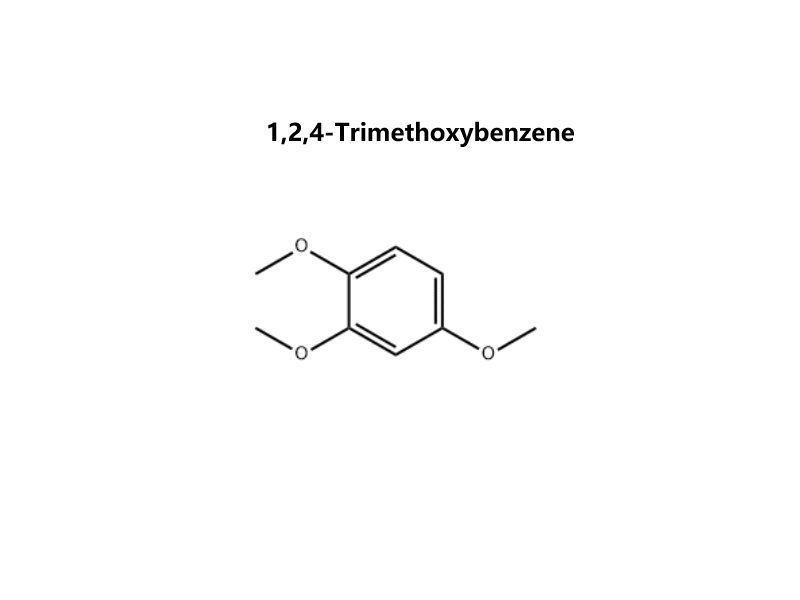
1,2,4-Trimethoxybenzene CAS 135-77-3 is a uniquely versatile, electron-rich aromatic building block. Its core value lies in its unsymmetrical yet highly predictable substitution pattern, which provides exceptional regiocontrol in synthetic chemistry. This makes it a privileged scaffold for constructing complex molecules in pharmaceuticals, agrochemicals, and advanced materials.
Details
 Contact Us
 1st Floor, No. 477, Huancheng West Road, Nanqiao Town, Fengxian District, Shanghai,China
 sales@qxscientific.com
 +86 -13701740203


 IPv6 Network Supported |
Sitemap |
XML |
Blog |
Privacy Policy
IPv6 Network Supported |
Sitemap |
XML |
Blog |
Privacy Policy
Leave A Message
Scan to Wechat/Whatsapp :



 English
 English
 Español
 Português