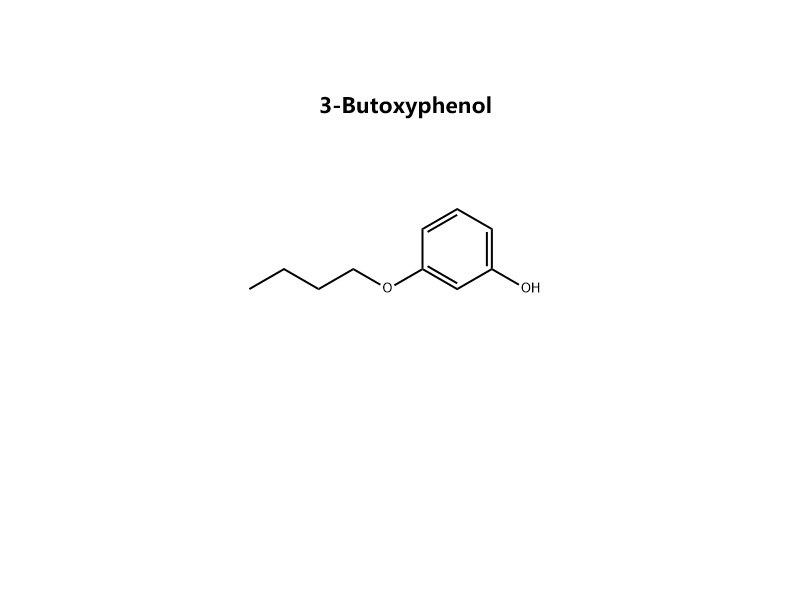
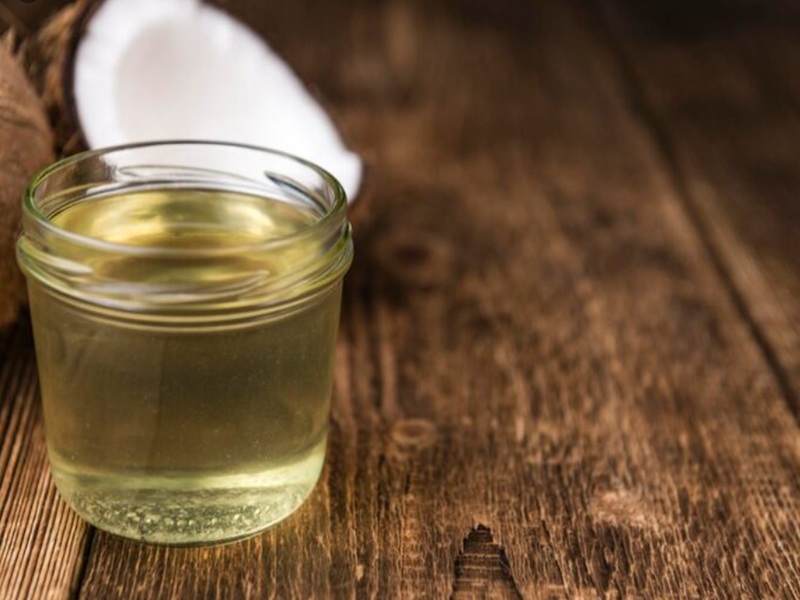
3-Butoxyphenol CAS 18979-72-1 is a synthetic aromatic ether and a monoalkyl ether derivative of resorcinol (1,3-dihydroxybenzene). Its structure consists of a phenol ring with a hydroxyl group (-OH) and a butoxy group (-O-CH₂-CH₂-CH₂-CH₃) both attached in a meta relationship to each other (positions 1 and 3).3-Butoxyphenol is a bifunctional meta-substituted phenolic ether that uniquely combines the antioxidant and reactive properties of a phenol with the solubilizing power and stability of an alkyl ether. This makes it an exceptional synergistic stabilizer and versatile chemical building block for performance-critical formulations.
Name :
3-ButoxyphenolCAS No. :
18979-72-1MF :
C₁₀H₁₄O₂MW :
166.22Purity :
99%Appearance :
Typically a clear, colorless to pale yellow viscous liquid.Storage Condition :
Store in a cool, dry, well-ventilated area in tightly sealed, corrosion-resistant containers.Chemical Properties
IUPAC Name: 3-Butoxyphenol
Other Common Names: Resorcinol monobutyl ether; 1-Hydroxy-3-butoxybenzene
Chemical Formula: C₁₀H₁₄O₂
Molecular Weight: 166.22 g/mol
Structure: HO–C₆H₄–O–C₄H₉ (meta substitution)
Appearance: Typically a clear, colorless to pale yellow viscous liquid.
This compound combines the reactivity of a phenolic hydroxyl group with the hydrophobicity and solvent properties of a butyl ether chain, making it a versatile bifunctional intermediate.
Melting Point: < 25 °C (Often a liquid at room temperature)
Boiling Point: ~ 245-250 °C (at atmospheric pressure)
Density: Approximately 1.02 - 1.04 g/cm³
Solubility: Soluble in most organic solvents (ethanol, ether, acetone, chloroform, benzene). Very slightly soluble in water due to the hydrophobic butoxy chain.
Acidity: The phenolic -OH is weakly acidic (pKa ~9.5-10.5), but less acidic than resorcinol itself due to the electron-donating effect of the alkoxy group.
Reactivity:
Phenol-like: Can undergo reactions typical of phenols, such as esterification, etherification (of the -OH), and electrophilic aromatic substitution (directed by the powerful activating -OH group to positions ortho and para to it, primarily positions 2, 4, and 6).
Ether-like: The butoxy ether linkage is generally stable but can be cleaved under strong acidic conditions (e.g., HI, HBr).
Biological Activities
Antioxidant Activity: The phenolic structure provides inherent radical-scavenging potential, making it a mild antioxidant. It can inhibit autoxidation in susceptible systems.
Antimicrobial Activity: Exhibits mild to moderate bacteriostatic and fungistatic properties, common to many phenolic compounds. Its efficacy is enhanced by the lipid-soluble butoxy group, which aids in disrupting microbial membranes.
Skin-related Effects: As a derivative of resorcinol—a known keratolytic and antiseptic agent—it may share some mild, localized topical activity. However, its etherification significantly modifies its potency and absorption compared to resorcinol.
Toxicity Profile: Generally considered low to moderate toxicity. It is expected to be irritating to eyes, skin, and mucous membranes. Like many phenols, it may be harmful if swallowed or absorbed through the skin in significant quantities. Comprehensive toxicological data is more limited than for commodity chemicals.
Biosynthesis
Natural Occurrence: Not known as a significant natural product.
Industrial Synthesis: Produced almost exclusively via chemical synthesis.
1.Williamson Ether Synthesis: The primary industrial route involves the reaction of resorcinol with butyl halide (e.g., n-butyl chloride or bromide) in the presence of a base (e.g., K₂CO₃, NaOH). This reaction can yield a mixture of monoalkylated (3-butoxy and 4-butoxy) and dialkylated products, which are separated via distillation and purification.
2.Alternative Route: Alkylation of resorcinol with butanol in the presence of an acid catalyst, though this method can be less selective.
Applications



Key Advantages & Benefits
1. Dual-Functionality: Reactive Phenol + Solubilizing Ether
Benefit: Provides inherent radical-scavenging antioxidant activity from its phenolic -OH group, while the butoxy chain enhances solubility in organic matrices and acts as a mild hydrophobicity modifier.
Application Scenario: In high-stability sunscreen formulations (SPF 50+ lotions), it protects organic UV filters (like avobenzone) from oxidative degradation, while its ether structure ensures it remains fully soluble in the oil phase, preventing crystallization or phase separation. This extends the product's shelf life and maintains protective efficacy.
2. Enhanced Stability Over Plain Phenols
Benefit: The ether linkage significantly reduces susceptibility to oxidation and color formation (yellowing) compared to parent compounds like resorcinol, ensuring long-term clarity and performance in finished products.
Application Scenario: As a stabilizer in clear polyurethane coatings or adhesives, it prevents resin yellowing caused by heat and UV exposure without introducing discoloration of its own, maintaining aesthetic quality.
3. Precise Synthon for Advanced UV Absorbers
Benefit: The meta-positioned -OH group is highly reactive and perfectly oriented for cyclization reactions, making it a key precursor for high-performance benzotriazole and triazine-class UV absorbers.
Application Scenario: In the synthesis of broad-spectrum light stabilizers for automotive coatings and engineering plastics, it provides the specific molecular backbone that maximizes UV absorption efficiency and thermal stability in the final additive.
4. Favorable Toxicological & Handling Profile
Benefit: Offers a safer, less irritating alternative to resorcinol and many volatile phenolic solvents. It has lower dermal absorption and reduced volatility (higher boiling point), improving workplace safety.
Application Scenario: In hair dye and colorant formulations where phenolic compounds are used as couplers or stabilizers, 3-butoxyphenol can provide antioxidant benefits with a significantly reduced risk of skin sensitization, contributing to a milder product profile.
3-Butoxyphenol (CAS 18979-72-1) is a high-value, multifunctional specialty chemical whose strength lies in its hybrid structure. It is not a commodity antioxidant but a strategic tool for solving specific challenges. It excels where solubility, stability, and phenolic functionality must converge, such as in stabilizing high-performance sun care products, synthesizing advanced light stabilizers, or boosting antioxidant systems in demanding industrial applications. For formulators and chemists, it provides a superior balance of performance, safety, and versatility compared to more reactive phenols or inert ethers alone.
FAQs
Q1: What is the main value proposition of 3-Butoxyphenol for formulators?
A: It offers a unique dual-functionality: the reactive site of a phenol (for antioxidant activity or further synthesis) combined with the solubilizing and hydrophobicity-modifying power of a butyl ether. This makes it an effective bridging molecule to improve compatibility between polar and non-polar phases in formulations and a precise synthon for creating meta-substituted aromatic target molecules.
Q2: How does it compare to Resorcinol itself?
A: Key Advantages over Resorcinol:
Stability: Much less prone to oxidation and discoloration.
Reduced Skin Penetration & Irritation: The etherification dramatically lowers its dermal absorption and associated skin sensitization potential.
Lipophilicity: The butoxy group grants significant oil solubility, making it easier to incorporate into fat-based formulations.
Disadvantage: Lacks the strong keratolytic and antiseptic potency of resorcinol. They are not direct substitutes but tools for different purposes.
Q3: What are the critical handling and storage requirements?
A: Store in a cool, dry, well-ventilated area in tightly sealed, corrosion-resistant containers (stainless steel or lined drums). Protect from light, heat, and moisture to prevent degradation. It has a flash point > 100°C, but as an organic liquid, it should be kept away from ignition sources. Shelf life is typically 24 months under proper conditions.
Q4: Can it be used as a standalone preservative in cosmetic products?
A: No, it is not a broad-spectrum preservative. While it exhibits mild antimicrobial activity, it is not sufficient to meet preservation efficacy testing standards (e.g., USP <51>, EP, or CTFA) alone. It should be used as a supplement or co-preservative within a robust, approved preservative system, primarily contributing antioxidant functionality.
Q5: Is it compatible with common formulation ingredients?
A: Yes, it has excellent compatibility with a wide range of:
Oils & Esters: (e.g., Caprylic/capric triglyceride, isopropyl myristate).
Emulsifiers: (e.g., Polysorbates, cetearyl alcohol).
Common Organic Solvents.
Use with Caution: With strong oxidizing agents and strong bases, which may cause decomposition or reaction. Always conduct compatibility tests in the final formulation matrix.
Q6: What is its regulatory status for use in cosmetics or consumer products?
A: It is not specifically listed on major positive lists (like the EU Annexes), but it is also not banned. Its use falls under the general safety provisions of regulations (like the EU Cosmetics Regulation 1223/2009). Safety assessments by a qualified toxicologist are required for final product notification. It is not CMR (Carcinogenic, Mutagenic, or Reprotoxic) classified under current GHS.
Q7: Where can we source it, and what are typical specifications?
A: It is a specialty chemical available from fine chemical suppliers and manufacturers in Asia, Europe, and North America. Typical specifications include:
Purity: ≥ 98.0% (GC)
Appearance: Colorless to light yellow clear liquid
Water Content: ≤ 0.5% (Karl Fischer)
Resorcinol Content: ≤ 0.5% (as a key impurity to control)
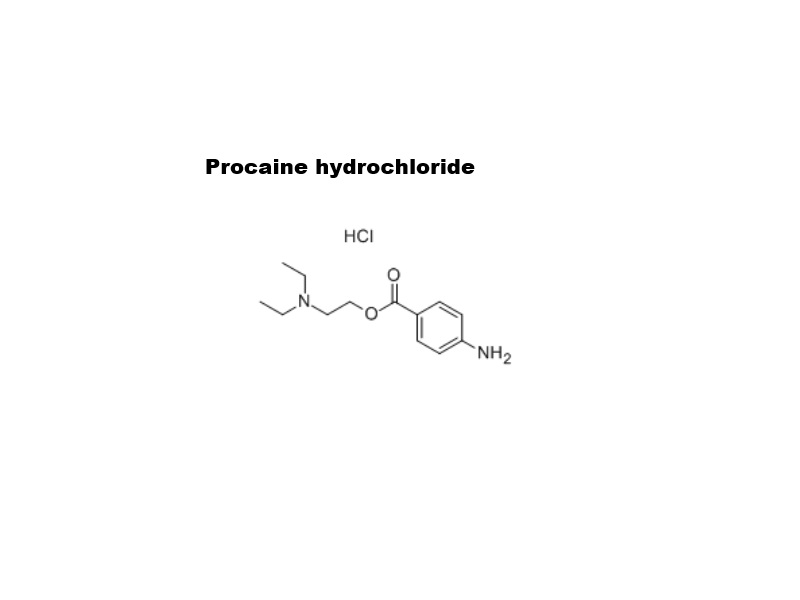
Procaine Hydrochloride CAS 51-05-8 is the water-soluble hydrochloride salt of procaine. It is the specific formulation used in clinical medicine, famously marketed under the brand name Novocain. While its use in mainstream practice has diminished, it remains a historically pivotal drug and is still employed in specific medical and therapeutic contexts.
Details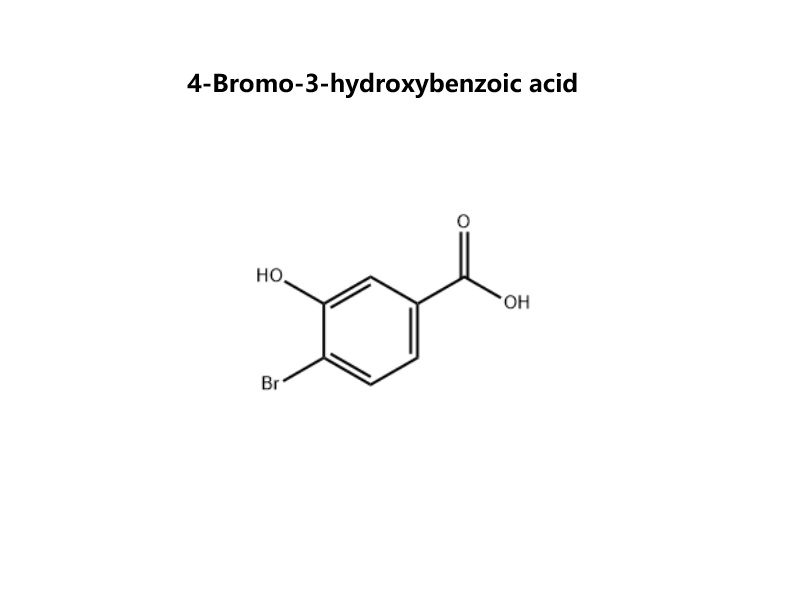
4-Bromo-3-hydroxybenzoic acid CAS 14348-38-0 is a premium, multifunctional aromatic building block engineered for complexity-driven synthesis. Its core value lies in the strategic placement of three distinct, orthogonally reactive functional groups on a benzene ring, making it an indispensable tool for convergent molecular construction in advanced research and development.
Details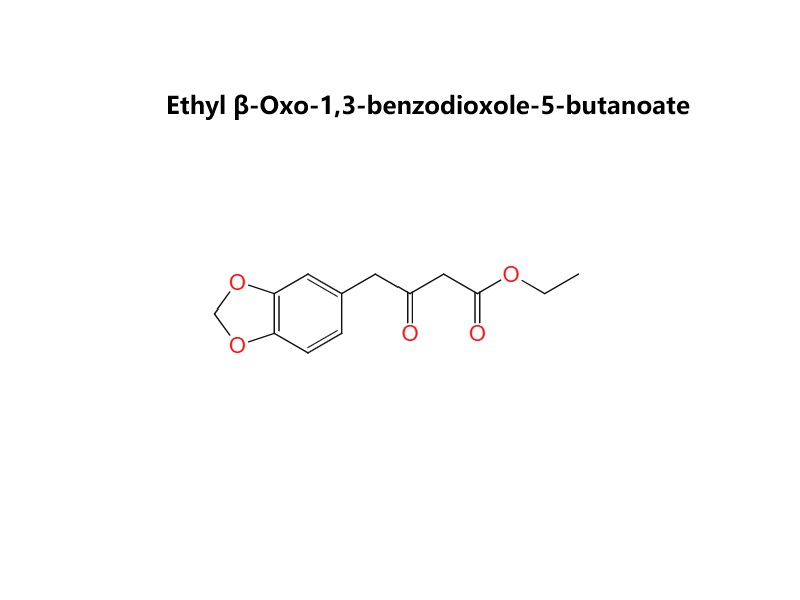
Ethyl β-Oxo-1,3-benzodioxole-5-butanoate CAS 31127-23-8 is a β-ketoester derivative featuring a 1,3-benzodioxole (methylenedioxyphenyl) aromatic system. Structurally, it consists of a benzodioxole ring attached through a three-carbon chain to an ethyl β-ketoester functional group (-CO-CH₂-COOEt). This makes it a versatile bifunctional building block for organic synthesis, combining the electronic properties of the benzodioxole group with the high reactivity of a β-ketoester.
Details![4-Nitrophenyl 3-(Benzo[d][1,3]dioxol-5-yl)-2-methylpropanoate](https://www.qixiolivetol.com/storage/uploads/images/202604/17/1776427287_qZy87IjHSQ.jpg)
4-Nitrophenyl 3-(Benzo[d][1,3]dioxol-5-yl)-2-methylpropanoate is a chirally defined, pre-activated acylating agent that combines a metabolically stable benzo[1,3]dioxole (piperonyl) pharmacophore with the exceptional reactivity of a 4-nitrophenyl ester. It enables the efficient, racemization-free introduction of a complex, chiral acid moiety under mild conditions, making it invaluable for advanced synthetic and bioconjugation chemistry. 4-Nitrophenyl 3-(Benzo[d][1,3]dioxol-5-yl)-2-methylpropanoate is a specialty ester designed as a reactive biochemical or synthetic intermediate. Its structure strategically combines three key units: (1)A 3-(benzo[1,3]dioxol-5-yl)-2-methylpropanoic acid (piperonyl-substituted, chiral acid) moiety. (2)A 4-nitrophenyl ester leaving group. This design makes it an activated ester, where the 4-nitrophenol is an excellent leaving group, facilitating efficient acyl transfer reactions under mild conditions.
Details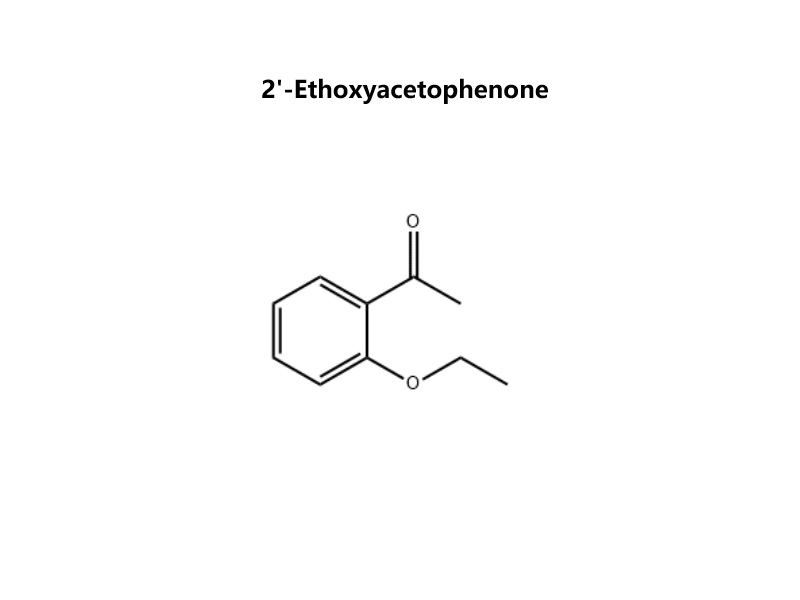
2'-Ethoxyacetophenone CAS 2142-67-8 is a specialized aromatic ketone characterized by an ethoxy substituent at the orthoposition relative to the acetyl group. This structural feature imparts distinct chemical and physical properties, making it a privileged building block for synthesizing complex molecules, particularly in the flavor/fragrance and pharmaceutical sectors.
Details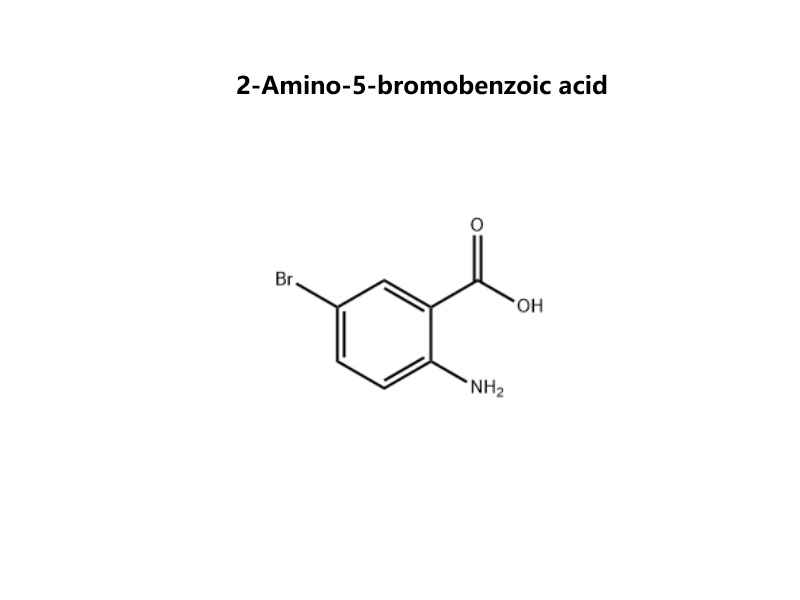
2-Amino-5-bromobenzoic acid CAS 5794-88-7 is a highly versatile aromatic building block that integrates three distinct functional groups—an amine, a carboxylic acid, and an aryl bromide—into a single, synthetically valuable scaffold. This multifunctionality makes it a crucial intermediate in pharmaceutical and advanced materials chemistry.
Details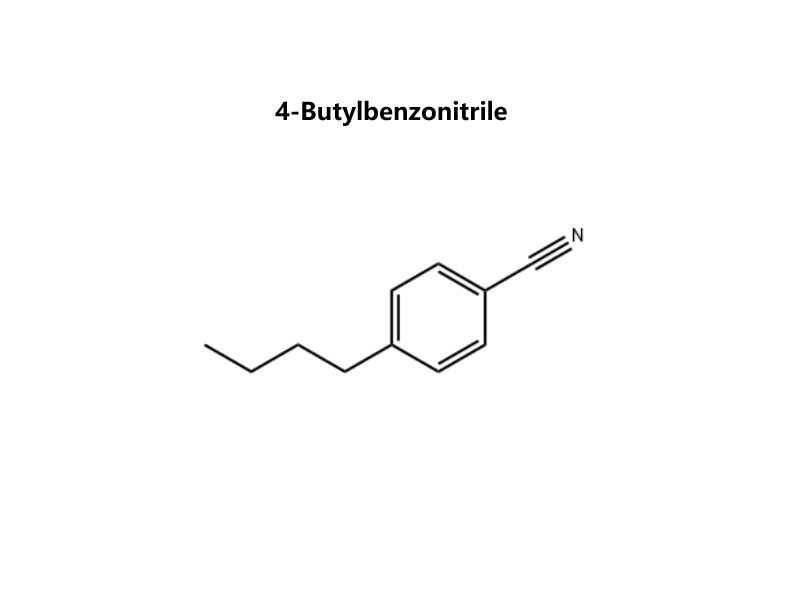
4-Butylbenzonitrile CAS 20651-73-4 is a strategically designed hydrophobic building block that combines a rigid aromatic core with a flexible linear alkyl chain and a highly versatile nitrile functional group. This triad of features makes it an exceptionally valuable intermediate for modulating physicochemical properties and enabling diverse synthetic pathways in advanced material and pharmaceutical and agrochemical research.
Details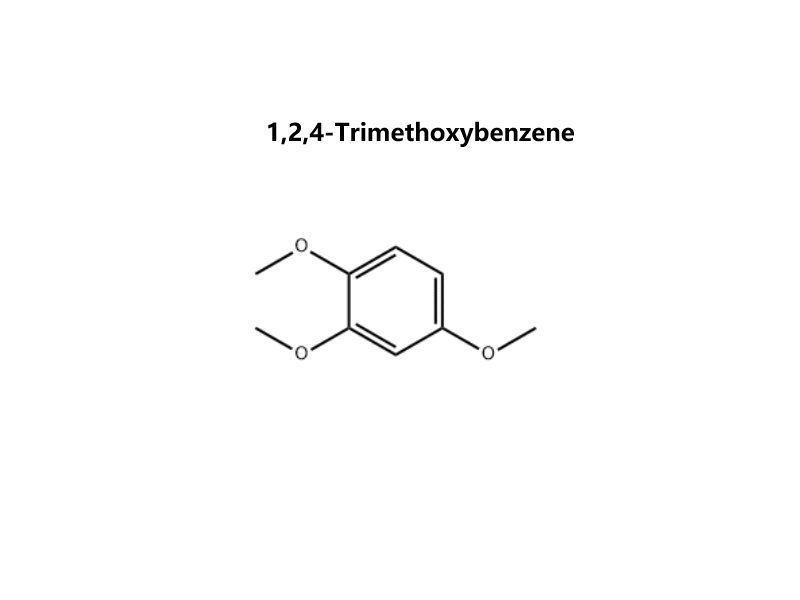
1,2,4-Trimethoxybenzene CAS 135-77-3 is a uniquely versatile, electron-rich aromatic building block. Its core value lies in its unsymmetrical yet highly predictable substitution pattern, which provides exceptional regiocontrol in synthetic chemistry. This makes it a privileged scaffold for constructing complex molecules in pharmaceuticals, agrochemicals, and advanced materials.
Details
 Contact Us
 1st Floor, No. 477, Huancheng West Road, Nanqiao Town, Fengxian District, Shanghai,China
 sales@qxscientific.com
 +86 -13701740203


 IPv6 Network Supported |
Sitemap |
XML |
Blog |
Privacy Policy
IPv6 Network Supported |
Sitemap |
XML |
Blog |
Privacy Policy
Leave A Message
Scan to Wechat/Whatsapp :



 English
 English
 Español
 Português