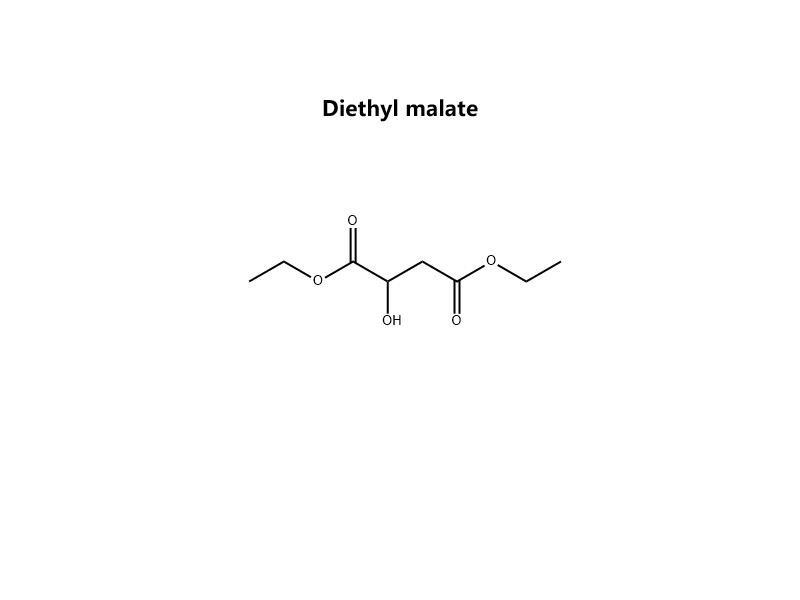
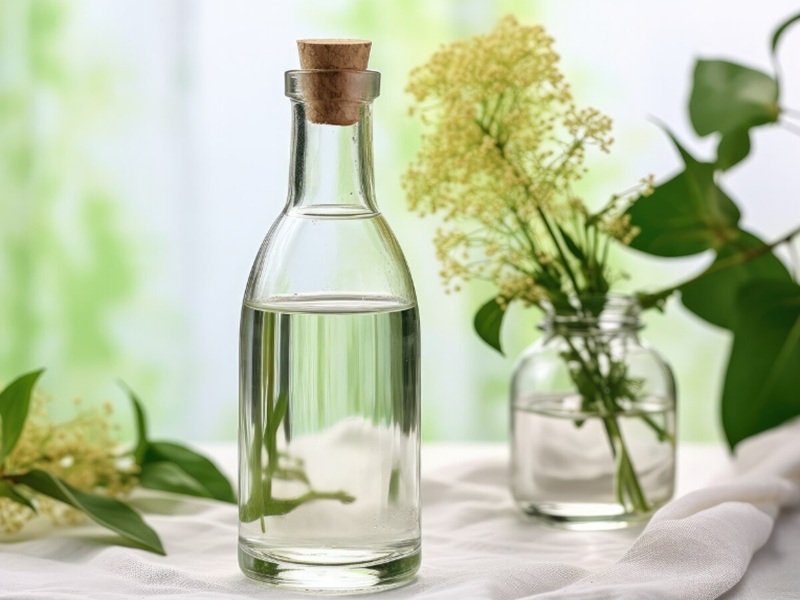
Diethyl malate CAS 7554-12-3 is the diethyl ester of malic acid, a naturally occurring dicarboxylic acid. It is a clear, colorless to pale yellow liquid ester with a characteristic, mild fruity odor. Its structure consists of a four-carbon malate backbone (HOOC-CH2-CH(OH)-COOH) where both carboxylic acid groups are esterified with ethanol.Diethyl Malate is a multifunctional, bio-based ester that uniquely serves as a high-performance green solvent, a pleasant flavor/fragrance precursor, and a versatile chemical building block. Its combination of safety, sustainability, and dual functional group reactivity makes it a superior choice for modern, eco-conscious formulations.
Name :
Diethyl malateCAS No. :
7554-12-3MF :
C₈H₁₄O₅MW :
190.19Purity :
98%Appearance :
Clear, colorless to pale yellow liquid.Storage Condition :
Store in a cool, dry, well-ventilated place in tightly closed, corrosion-resistant containers.Chemical Properties
IUPAC Name: Diethyl 2-hydroxybutanedioate
Other Names: Diethyl hydroxy succinate; Ethyl malate
Chemical Formula: C₈H₁₄O₅
Molecular Weight: 190.19 g/mol
Structure: C₂H₅OOC-CH₂-CH(OH)-COOC₂H₅
Appearance: Clear, colorless to pale yellow liquid.
Boiling Point: ~ 240-245 °C (at atmospheric pressure)
Melting Point: Not typical; liquid at room temperature.
Density: ~1.12 g/cm³ at 20°C
Refractive Index: ~1.435 - 1.445 (n20/D)
Solubility: Miscible with most common organic solvents (ethanol, diethyl ether, ethyl acetate). Slightly soluble in water (~10-20 g/L at 20°C) due to its ester groups and the polar hydroxyl group.
Stability: Stable under normal storage conditions. Hydrolyzes slowly in the presence of strong acids or bases to form malic acid and ethanol. Sensitive to strong oxidizing agents.
Key Feature: Possesses both an ester and a secondary alcohol functional group, allowing for diverse chemical reactivity (e.g., transesterification, ester hydrolysis, oxidation of the alcohol).
Biological Activities
Metabolism: As an ester of malic acid (a key intermediate in the Krebs cycle), it is expected to be metabolized in biological systems via esterases to yield ethanol and malic acid, which can enter normal metabolic pathways.
Toxicity: Generally considered low toxicity based on its components. Expected to be low in acute oral and dermal toxicity, but may cause mild eye or skin irritation. No significant evidence of mutagenicity or carcinogenicity. Full toxicological assessment is required for specific applications.
Antimicrobial Activity: Not a primary function. Esters can exhibit mild preservative effects at high concentrations, but it is not a reliable standalone preservative.
Odor & Flavor: Contributes a mild, fruity, wine-like odor, making it suitable for flavor and fragrance applications.
Biosynthesis
Natural Occurrence: Not commonly found in significant quantities in nature, though malic acid is ubiquitous in fruits (especially apples).
Industrial Production: Produced synthetically via esterification.
Primary Route: Fischer esterification of malic acid with excess ethanol in the presence of a catalytic acid (e.g., sulfuric acid or p-toluenesulfonic acid). The reaction mixture is heated, and water is removed (azeotropically) to drive the equilibrium toward the diester.
Purification: The crude product is neutralized, washed, and purified by distillation under reduced pressure to obtain high-purity diethyl malate.
Applications


Key Advantages & Benefits
1. High-Performance "Green" Solvent with Added Benefits
Benefit: Provides excellent solvency for polar and semi-polar compounds with very low irritation potential and low volatility. Its hydroxyl group offers mild humectancy, improving skin feel.
Application Scenario: As the primary solvent for botanical extracts (e.g., green tea, licorice root) in clear facial serums, it effectively dissolves active polyphenols, ensures formulation clarity, and contributes a non-greasy, smoothing skin feel without the drying effects of alcohol.
2. Built-in Organoleptic Properties
Benefit: Imparts a mild, natural fruity (apple/wine-like) odor and flavor, reducing the need for additional masking agents or flavor additives.
Application Scenario: In "clean-label" or natural personal care products like lip balms and moisturizers, it functions as both a solvent for actives and a subtle fragrance component that aligns with fruit-derived marketing claims, enhancing consumer appeal.
3. Excellent Safety & Regulatory Profile
Benefit: Derived from naturally occurring malic acid, it is not a phthalate, glycol ether, or halogenated solvent. It is generally recognized as safe (GRAS) for flavor use and has a favorable toxicological profile for cosmetic applications.
Application Scenario: In children's products or sensitive skin formulations where ingredient scrutiny is high, it provides a demonstrably safer alternative to traditional synthetic solvents, aiding in marketing and compliance.
4. Versatile Bifunctional Chemical Intermediate
Benefit: Possesses two hydrolysable ester groups and one hydroxyl group, allowing for flexible chemical modifications such as transesterification, polymerization, or synthesis of more complex malate derivatives.
Application Scenario: In the synthesis of biodegradable polymers or specialty plasticizers, it serves as a renewable starting material that can be tailored to create products with specific performance and environmental profiles.
Diethyl Malate (CAS 7554-12-3) is a next-generation specialty ester that addresses the growing demand for safer, sustainable, and multifunctional ingredients. It transcends the role of a simple solvent by integrating solvency, sensory appeal, and a green chemistry narrative. For formulators in cosmetics, flavors, and performance materials, it provides a technically sound and market-responsive alternative to petrochemical solvents and restricted plasticizers, enabling innovation in product development and brand positioning.
FAQs
Q1: What are the main selling points of Diethyl Malate compared to common solvents like PG or DEP?
A: Its key advantages are its biobased origin (derived from apple-derived malic acid), low irritation potential, and favorable safety profile. Unlike Propylene Glycol (PG), it is less hygroscopic and carries a different regulatory perception. Compared to Diethyl Phthalate (DEP), it is not a phthalate and is viewed as a more sustainable, environmentally friendly option.
Q2: Is Diethyl Malate considered "natural" for cosmetic labeling?
A: This depends on the certifying body. As a synthesized ester of a natural acid, it is often accepted as a natural-derived ingredient under standards like ISO 16128 (where it can achieve a high Natural Origin Index). However, for strict "certified organic" claims, the source of ethanol and production process must be evaluated.
Q3: How should it be stored to ensure maximum shelf life?
A: Store in a cool, dry, well-ventilated place in tightly closed, corrosion-resistant containers (stainless steel or HDPE). Protect from moisture and extreme heat. Under these conditions, shelf life is typically 24 months from production. Exposure to high humidity can lead to slow hydrolysis over time.
Q4: What is its compatibility with common formulation ingredients?
A: It has excellent compatibility with most oils, esters, and organic solvents. It is also compatible with many surfactants and resins. Conduct compatibility tests with specific active ingredients, as its polarity and hydroxyl group can interact with some compounds. Avoid storing in contact with strong mineral acids or bases.
Q5: What is its regulatory status (REACH, FDA, Cosmetics)?
A:
REACH: Fully registered for commercial use in the EU.
FDA: Approved as a synthetic flavoring substance (21 CFR 172.515). For cosmetics, it is considered safe when used as intended.
Cosmetics (EU): Not restricted under Annexes II/III of EC 1223/2009. It is listed in the CosIng database with functions as a fragrance and skin conditioning agent.
GHS Classification: Typically not classified as hazardous, but supplier SDS should be consulted.
Q6: Can it be used as a primary solvent for botanicals or extracts?
A: Yes, it is an excellent choice. Its moderate polarity makes it effective for solubilizing a wide range of polar and semi-polar plant constituents (phenolics, flavonoids). It is often preferred for creating clear, stable botanical solutions for cosmetics due to its low irritation and pleasant odor profile.
Q7: Where can we source it, and what are typical quality specifications?
A: Available from specialty ester manufacturers and fine chemical distributors globally, particularly in regions with strong flavors/fragrances and green chemistry sectors. Key specifications to request:
Assay (GC): ≥ 98.0%
Acid Value: ≤ 1.0 mg KOH/g (indicative of low free acid content)
Water Content (Karl Fischer): ≤ 0.1%
Specific Gravity & Refractive Index: To confirm purity and consistency.
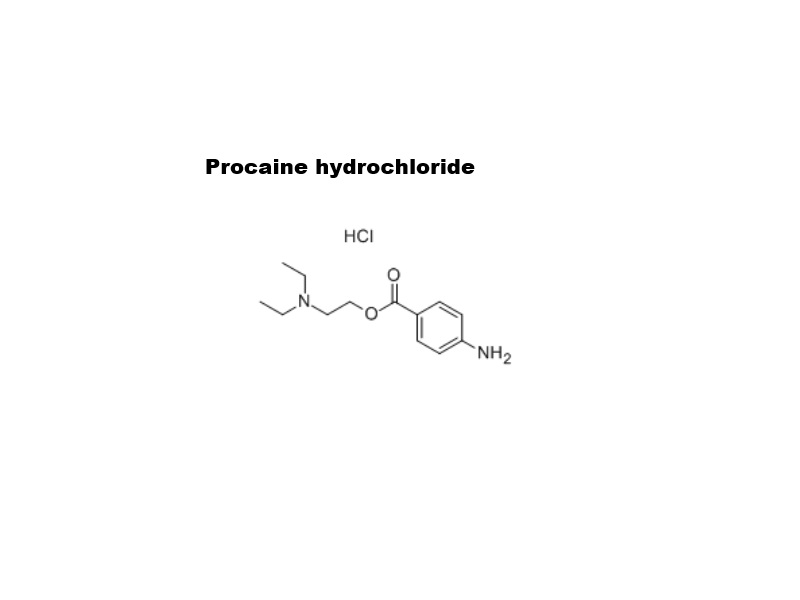
Procaine Hydrochloride CAS 51-05-8 is the water-soluble hydrochloride salt of procaine. It is the specific formulation used in clinical medicine, famously marketed under the brand name Novocain. While its use in mainstream practice has diminished, it remains a historically pivotal drug and is still employed in specific medical and therapeutic contexts.
Details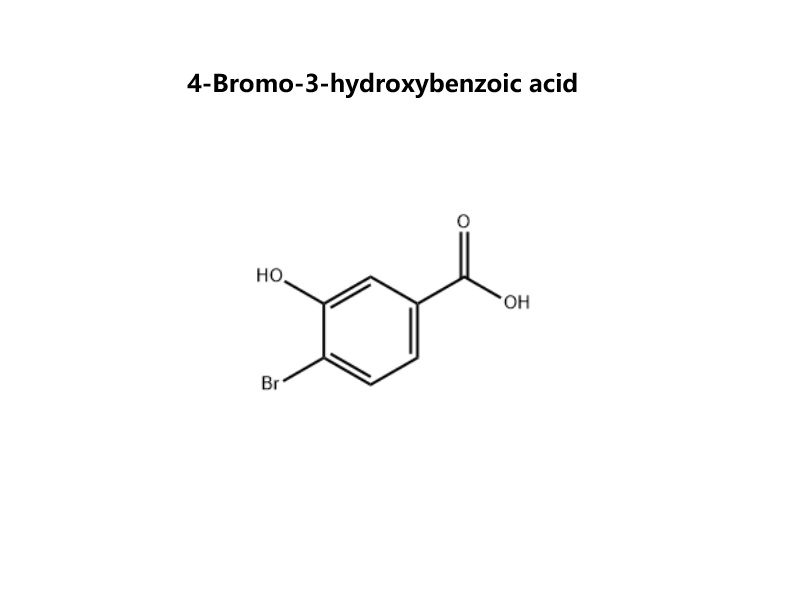
4-Bromo-3-hydroxybenzoic acid CAS 14348-38-0 is a premium, multifunctional aromatic building block engineered for complexity-driven synthesis. Its core value lies in the strategic placement of three distinct, orthogonally reactive functional groups on a benzene ring, making it an indispensable tool for convergent molecular construction in advanced research and development.
Details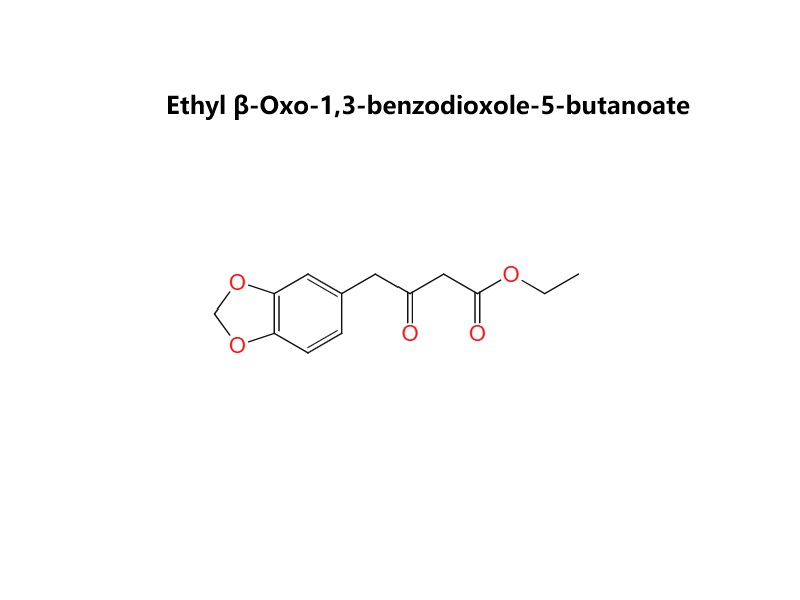
Ethyl β-Oxo-1,3-benzodioxole-5-butanoate CAS 31127-23-8 is a β-ketoester derivative featuring a 1,3-benzodioxole (methylenedioxyphenyl) aromatic system. Structurally, it consists of a benzodioxole ring attached through a three-carbon chain to an ethyl β-ketoester functional group (-CO-CH₂-COOEt). This makes it a versatile bifunctional building block for organic synthesis, combining the electronic properties of the benzodioxole group with the high reactivity of a β-ketoester.
Details![4-Nitrophenyl 3-(Benzo[d][1,3]dioxol-5-yl)-2-methylpropanoate](https://www.qixiolivetol.com/storage/uploads/images/202604/17/1776427287_qZy87IjHSQ.jpg)
4-Nitrophenyl 3-(Benzo[d][1,3]dioxol-5-yl)-2-methylpropanoate is a chirally defined, pre-activated acylating agent that combines a metabolically stable benzo[1,3]dioxole (piperonyl) pharmacophore with the exceptional reactivity of a 4-nitrophenyl ester. It enables the efficient, racemization-free introduction of a complex, chiral acid moiety under mild conditions, making it invaluable for advanced synthetic and bioconjugation chemistry. 4-Nitrophenyl 3-(Benzo[d][1,3]dioxol-5-yl)-2-methylpropanoate is a specialty ester designed as a reactive biochemical or synthetic intermediate. Its structure strategically combines three key units: (1)A 3-(benzo[1,3]dioxol-5-yl)-2-methylpropanoic acid (piperonyl-substituted, chiral acid) moiety. (2)A 4-nitrophenyl ester leaving group. This design makes it an activated ester, where the 4-nitrophenol is an excellent leaving group, facilitating efficient acyl transfer reactions under mild conditions.
Details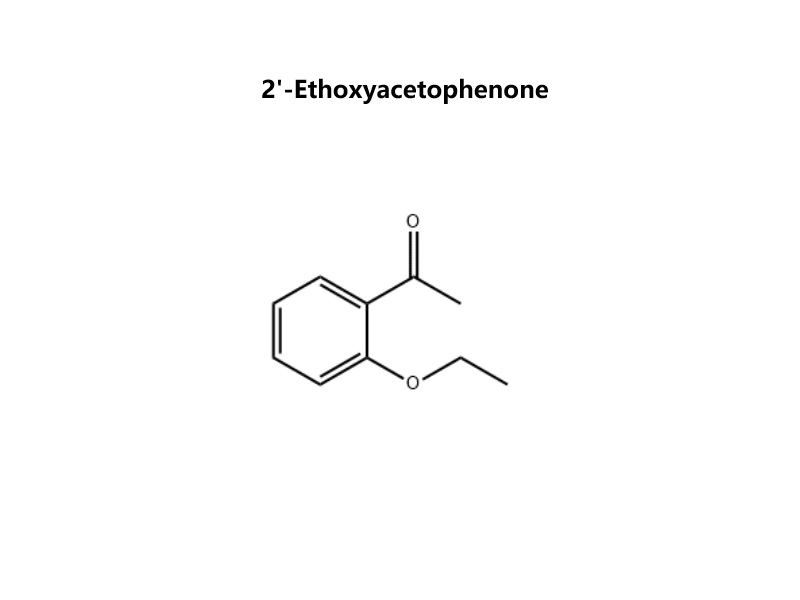
2'-Ethoxyacetophenone CAS 2142-67-8 is a specialized aromatic ketone characterized by an ethoxy substituent at the orthoposition relative to the acetyl group. This structural feature imparts distinct chemical and physical properties, making it a privileged building block for synthesizing complex molecules, particularly in the flavor/fragrance and pharmaceutical sectors.
Details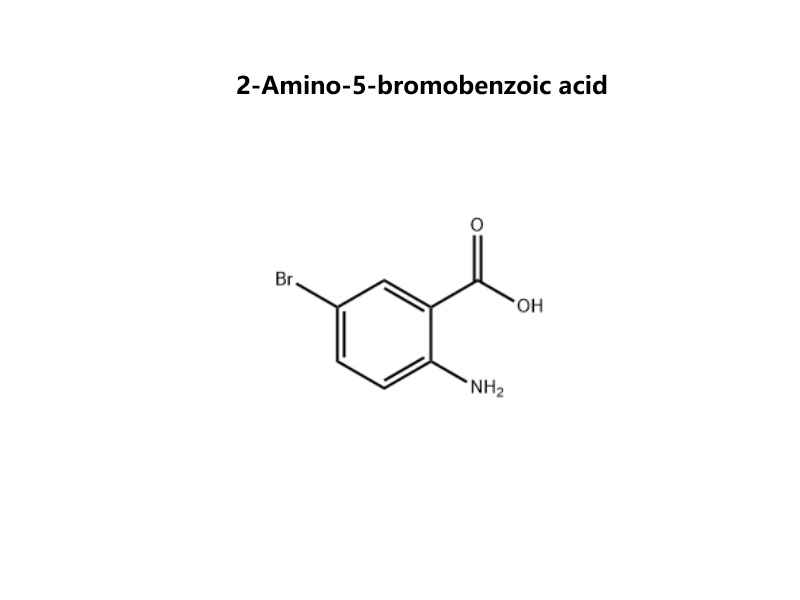
2-Amino-5-bromobenzoic acid CAS 5794-88-7 is a highly versatile aromatic building block that integrates three distinct functional groups—an amine, a carboxylic acid, and an aryl bromide—into a single, synthetically valuable scaffold. This multifunctionality makes it a crucial intermediate in pharmaceutical and advanced materials chemistry.
Details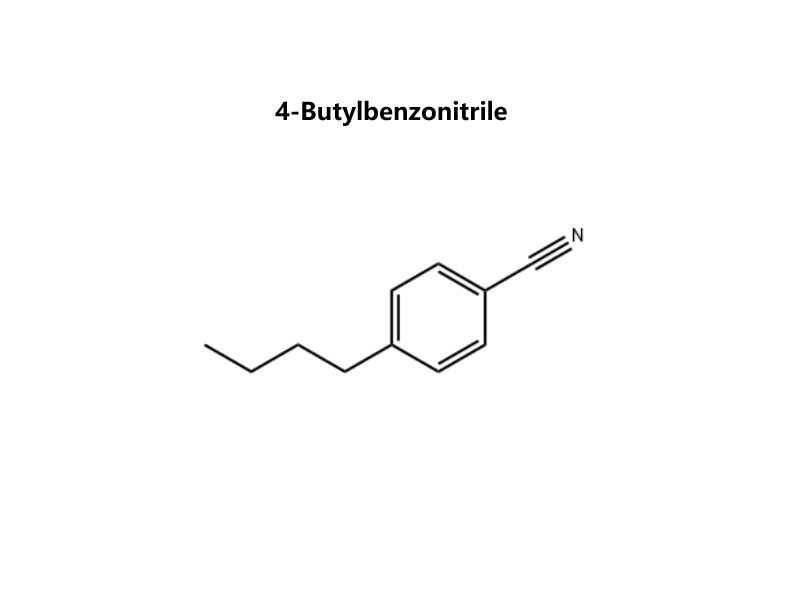
4-Butylbenzonitrile CAS 20651-73-4 is a strategically designed hydrophobic building block that combines a rigid aromatic core with a flexible linear alkyl chain and a highly versatile nitrile functional group. This triad of features makes it an exceptionally valuable intermediate for modulating physicochemical properties and enabling diverse synthetic pathways in advanced material and pharmaceutical and agrochemical research.
Details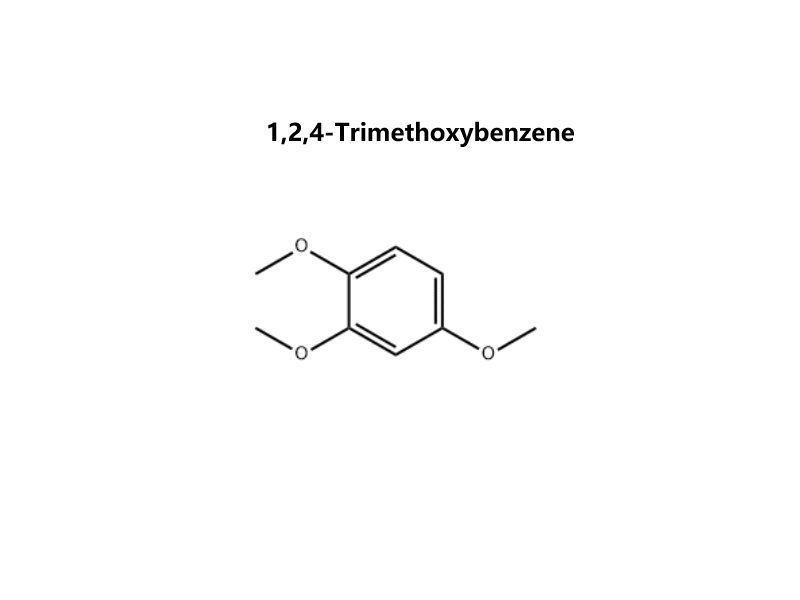
1,2,4-Trimethoxybenzene CAS 135-77-3 is a uniquely versatile, electron-rich aromatic building block. Its core value lies in its unsymmetrical yet highly predictable substitution pattern, which provides exceptional regiocontrol in synthetic chemistry. This makes it a privileged scaffold for constructing complex molecules in pharmaceuticals, agrochemicals, and advanced materials.
Details
 Contact Us
 1st Floor, No. 477, Huancheng West Road, Nanqiao Town, Fengxian District, Shanghai,China
 sales@qxscientific.com
 +86 -13701740203


 IPv6 Network Supported |
Sitemap |
XML |
Blog |
Privacy Policy
IPv6 Network Supported |
Sitemap |
XML |
Blog |
Privacy Policy
Leave A Message
Scan to Wechat/Whatsapp :



 English
 English
 Español
 Português