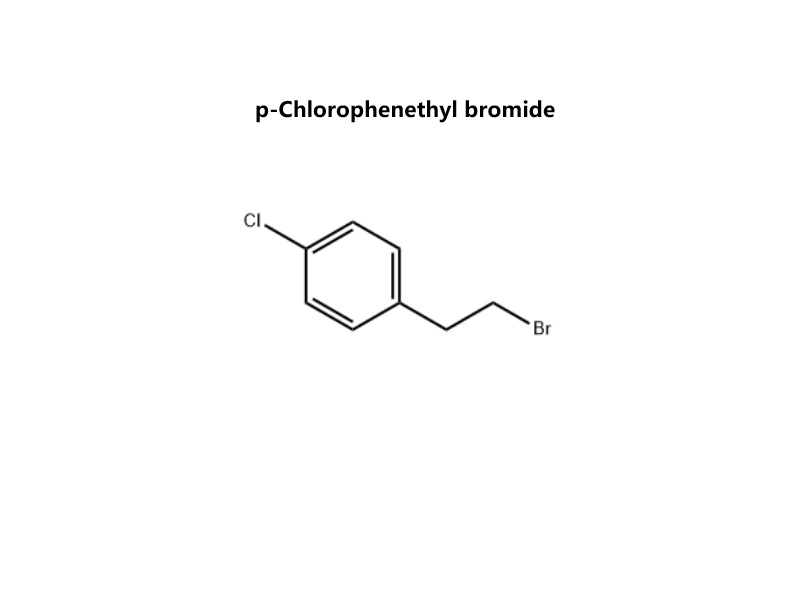
p-Chlorophenethyl bromide CAS 6529-53-9 is a halogenated organic compound belonging to the class of arylalkyl bromides. It consists of a phenethyl group (a benzene ring with a two-carbon ethylene spacer) substituted with a chlorine atom at the paraposition and a bromine atom on the terminal carbon of the ethylene chain. This structure makes it a valuable electrophilic alkylating agent and a versatile bifunctional building block in synthetic organic chemistry.
Name :
p-Chlorophenethyl BromideCAS No. :
6529-53-9MF :
C₈H₈BrClMW :
219.51Purity :
98%Appearance :
Typically a clear, colorless to pale yellow liquid.Storage Condition :
Store under an inert atmosphere (N₂ or Argon) in a tightly sealed, dark container in a freezer (e.g., 2-8°C or below 0°C for long-term storage). Regularly check container integrity.Chemical Properties
IUPAC Name: 1-(4-Chlorophenyl)-2-bromoethane
Other Common Names: 2-(4-Chlorophenyl)ethyl bromide; 4-Chlorophenethyl bromide
Chemical Formula: C₈H₈BrCl
Molecular Weight: 219.51 g/mol
Structure: 4-Cl-C₆H₄-CH₂-CH₂-Br
Appearance: Typically a clear, colorless to pale yellow liquid. May darken upon storage due to light exposure and potential decomposition.
Boiling Point: ~ 125-130 °C at 10 mmHg (decomposes at atmospheric pressure)
Density: ~1.52 g/cm³ at 25°C
Refractive Index: ~1.563 - 1.565 (n²⁰/D)
Solubility: Soluble in most common organic solvents (ether, acetone, chloroform, DMF, THF). Insoluble in water.
Stability: Moisture-sensitive and light-sensitive. Can decompose upon prolonged exposure to air/light, releasing HBr. The bromide is a good leaving group, making the compound highly reactive as an electrophile. Incompatible with strong bases, strong oxidizing agents, and strong nucleophiles.
Key Reactivity: Primarily undergoes Sɴ2 nucleophilic substitution reactions where the bromine is displaced by a nucleophile (e.g., amines, alkoxides, thiols, cyanide, stabilized carbanions) to form new C-N, C-O, C-S, C-C, etc., bonds. The aromatic chlorine is relatively inert under these conditions but can be further functionalized via metal-catalyzed cross-coupling (e.g., Suzuki, Buchwald-Hartwig reactions).
Biological Activities
Toxicity: Expected to be toxic and corrosive. It is a potent alkylating agent and can alkylate biological macromolecules like DNA and proteins, leading to cellular damage. Details on chronic toxicity are limited.
Irritancy: Severely irritating to eyes, skin, and mucous membranes. It is a lachrymator (causes tearing).
No Known Therapeutic Activity: Its value is purely as a synthetic intermediate. Any biological activity in assays would likely be non-specific and related to its alkylating properties.
Biosynthesis
Natural Occurrence: This compound is not known to occur naturally.
Industrial Synthesis: It is produced synthetically via several routes:
1.Free Radical Bromination: The most common method involves the bromination of 4-chlorophenethyl alcohol using phosphorus tribromide (PBr₃) or hydrobromic acid (HBr) under controlled conditions.
2.From 4-Chlorostyrene: Via anti-Markovnikov hydrobromination (radical addition of HBr) to the double bond.
3.From 4-Chlorophenylacetic Acid: Via a Hell–Volhard–Zelinsky reaction followed by decarboxylation, or via reduction to the alcohol and subsequent bromination.
Applications


Key Advantages & Benefits
1. Dual-Functionality for Sequential Modular Synthesis
Benefit: Enables a "divergent synthesis" strategy where one inexpensive starting material can be rapidly elaborated into a library of complex molecules through selective reactions at each site.
Application Scenario: In medicinal chemistry lead optimization, a researcher can first perform a high-yield Sᴺ2 reaction of the bromide with a piperazine scaffold to install a basic amine side chain, then in a subsequent step use palladium-catalyzed Suzuki coupling on the aryl chloride to introduce a diverse array of boronic acids, rapidly generating dozens of analogs for structure-activity relationship (SAR) testing.
2. Superior Bromide Reactivity for Efficient Alkylation
Benefit: The primary benzylic-type bromide is an excellent electrophile, facilitating rapid and high-yield alkylation reactions under milder conditions compared to chlorides or mesylates.
Application Scenario: In the scale-up synthesis of an agrochemical intermediate, reacting p-chlorophenethyl bromide with a sodium thiolate in acetone proceeds cleanly and quickly at 0-25°C to form the thioether linkage, minimizing side-product formation and reducing process time versus using the less reactive chloride analog.
3. Chemoselective Control for Unparalleled Synthetic Flexibility
Benefit: The significant reactivity gap between the aliphatic C-Br bond and the aromatic C-Cl bond allows for perfectly selective modification of one site in the presence of the other, a critical feature for complex synthesis.
Application Scenario: When synthesizing a functionalized liquid crystal material, a chemist can first use the bromide to attach a flexible alkyl chain via a nucleophile, then employ a Buchwald-Hartwig amination on the preserved aryl chloride to install a specific aromatic amine group, all without protecting group chemistry.
4. Cost-Effective Introduction of Key Pharmacophore
Benefit: Provides an economical route to incorporate the 4-chlorophenethyl moiety, a common lipophilic aromatic group found in numerous bioactive molecules, enhancing binding affinity and metabolic stability.
Application Scenario: As a key raw material in the synthesis of a generic antidepressant drug, it allows for the efficient, large-scale production of the core phenethylamine structure, maintaining low production costs while ensuring consistent purity and yield.
p-Chlorophenethyl Bromide (CAS 6529-53-9) is a strategically superior synthetic intermediate prized for its perfectly tuned dual reactivity. It solves a fundamental challenge in organic synthesis by providing a highly reactive "first click" site (the bromide) and a stable, yet versatile "second click" site (the aryl chloride). This makes it an indispensable tool for efficient parallel library synthesis in pharmaceutical R&D and for the streamlined, cost-effective production of complex active ingredients. For chemists, it represents a reliable and flexible building block that accelerates innovation and simplifies route design compared to less differentiated analogs.
FAQs
Q1: What is the main value of p-Chlorophenethyl Bromide for a synthetic chemist?
A: Its core value lies in its dual functionality and reactivity profile. The primary bromide is a highly reactive handle for Sɴ2 alkylation to install the 2-arylethyl group onto a nucleophile. The para-chlorine is an orthogonal reactive site for subsequent palladium-catalyzed cross-coupling reactions (e.g., Suzuki, amination). This allows for efficient, sequential diversification to build complex molecules from a single, readily available starting point.
Q2: How critical is handling and storage? What are the specific risks?
A: Extremely critical. This compound is moisture-sensitive, light-sensitive, and corrosive. It can decompose, releasing hydrogen bromide (HBr) gas, which is toxic and corrosive. It is also a potent lachrymator and skin irritant.
Handling: Must be handled in a fume hood with appropriate PPE: nitrile or neoprene gloves, chemical splash goggles, and a lab coat. Avoid inhalation and contact.
Storage: Store under an inert atmosphere (N₂ or Argon) in a tightly sealed, dark container in a freezer (e.g., 2-8°C or below 0°C for long-term storage). Regularly check container integrity.
Q3: What purity grade should I request for my application, and how is stability assured?
A: For synthetic applications, ≥97% purity (by GC or HPLC) is standard. For critical steps (e.g., final API stage), ≥99% may be required.
Stability: Reputable suppliers ship the compound under inert gas, in amber vials or bottles, and with cold packs. Upon receipt, transfer it to a proper storage environment immediately. Acid scavengers like molecular sieves are NOT recommended in the primary container as they may cause localized reactions.
Q4: What are common impurity profiles, and how do they affect reactions?
A: Common impurities include:
4-Chlorophenethyl alcohol (from incomplete bromination or hydrolysis).
1,2-Bis(4-chlorophenyl)ethane (from Wurtz-type coupling side reactions).
Discoloration products (from decomposition).
Impurities can act as inhibitors, poisons for catalysts (especially in cross-coupling), or lead to low yields and difficult purifications. Always assess purity by NMR or GC before critical steps.
Q5: Can the bromine be selectively displaced in the presence of the chlorine?
A: Yes, absolutely. This is a key advantage. The primary alkyl bromide (benzylic/allylic type activation) is vastly more reactive toward Sɴ2 conditions (soft nucleophiles) than the aryl chloride. The aryl chloride requires transition metal catalysis (Pd, Ni, Cu) or very harsh conditions for displacement, allowing for excellent chemoselectivity in sequential functionalization.
Q6: Is it regulated under controlled substance or precursor laws?
A: Generally, it is not listed as a controlled substance or drug precursor. However, it is classified as a hazardous chemical (Acute Tox., Skin Corr., Eye Damage). Always check local and destination country regulations (e.g., REACH, TSCA) for specific reporting or restrictions related to its transportation, use, and disposal.
Q7: What are its main competitors or alternatives in synthesis?
A: Alternatives depend on the target.
p-Chlorophenethyl Chloride: Less reactive and cheaper, but reactions are slower and may require catalysts/phase-transfer agents.
p-Chlorophenethyl Methanesulfonate (Mesylate) or Tosylate: Similar reactivity, often crystalline solids (easier to handle), but more expensive to produce.
p-Chlorobenzyl Bromide: More reactive (benzylic vs. primary alkyl), but yields a different linker (one-carbon vs. two-carbon spacer), which changes the pharmacology and properties of the final molecule significantly.
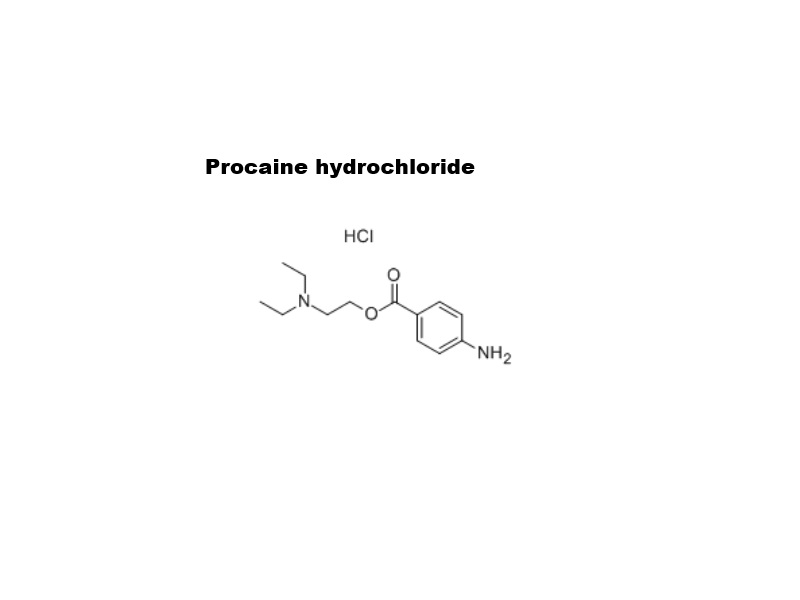
Procaine Hydrochloride CAS 51-05-8 is the water-soluble hydrochloride salt of procaine. It is the specific formulation used in clinical medicine, famously marketed under the brand name Novocain. While its use in mainstream practice has diminished, it remains a historically pivotal drug and is still employed in specific medical and therapeutic contexts.
Details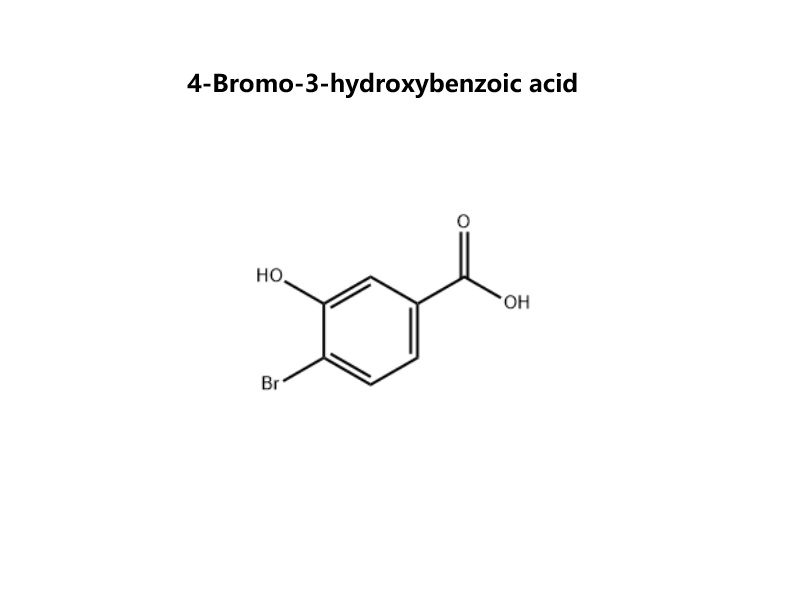
4-Bromo-3-hydroxybenzoic acid CAS 14348-38-0 is a premium, multifunctional aromatic building block engineered for complexity-driven synthesis. Its core value lies in the strategic placement of three distinct, orthogonally reactive functional groups on a benzene ring, making it an indispensable tool for convergent molecular construction in advanced research and development.
Details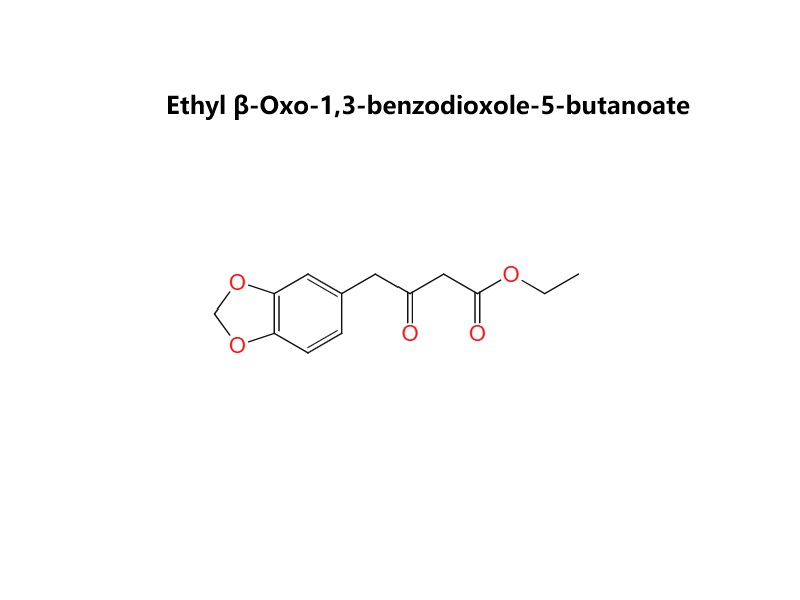
Ethyl β-Oxo-1,3-benzodioxole-5-butanoate CAS 31127-23-8 is a β-ketoester derivative featuring a 1,3-benzodioxole (methylenedioxyphenyl) aromatic system. Structurally, it consists of a benzodioxole ring attached through a three-carbon chain to an ethyl β-ketoester functional group (-CO-CH₂-COOEt). This makes it a versatile bifunctional building block for organic synthesis, combining the electronic properties of the benzodioxole group with the high reactivity of a β-ketoester.
Details![4-Nitrophenyl 3-(Benzo[d][1,3]dioxol-5-yl)-2-methylpropanoate](https://www.qixiolivetol.com/storage/uploads/images/202604/17/1776427287_qZy87IjHSQ.jpg)
4-Nitrophenyl 3-(Benzo[d][1,3]dioxol-5-yl)-2-methylpropanoate is a chirally defined, pre-activated acylating agent that combines a metabolically stable benzo[1,3]dioxole (piperonyl) pharmacophore with the exceptional reactivity of a 4-nitrophenyl ester. It enables the efficient, racemization-free introduction of a complex, chiral acid moiety under mild conditions, making it invaluable for advanced synthetic and bioconjugation chemistry. 4-Nitrophenyl 3-(Benzo[d][1,3]dioxol-5-yl)-2-methylpropanoate is a specialty ester designed as a reactive biochemical or synthetic intermediate. Its structure strategically combines three key units: (1)A 3-(benzo[1,3]dioxol-5-yl)-2-methylpropanoic acid (piperonyl-substituted, chiral acid) moiety. (2)A 4-nitrophenyl ester leaving group. This design makes it an activated ester, where the 4-nitrophenol is an excellent leaving group, facilitating efficient acyl transfer reactions under mild conditions.
Details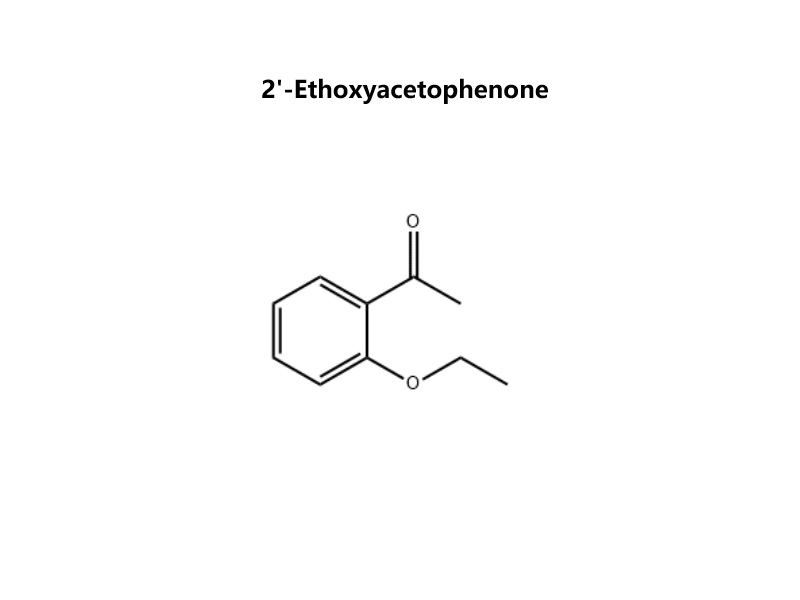
2'-Ethoxyacetophenone CAS 2142-67-8 is a specialized aromatic ketone characterized by an ethoxy substituent at the orthoposition relative to the acetyl group. This structural feature imparts distinct chemical and physical properties, making it a privileged building block for synthesizing complex molecules, particularly in the flavor/fragrance and pharmaceutical sectors.
Details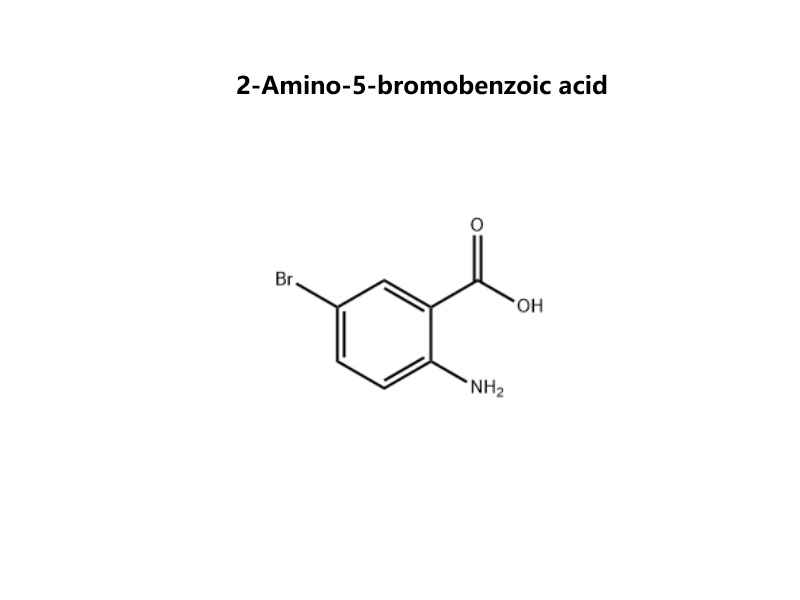
2-Amino-5-bromobenzoic acid CAS 5794-88-7 is a highly versatile aromatic building block that integrates three distinct functional groups—an amine, a carboxylic acid, and an aryl bromide—into a single, synthetically valuable scaffold. This multifunctionality makes it a crucial intermediate in pharmaceutical and advanced materials chemistry.
Details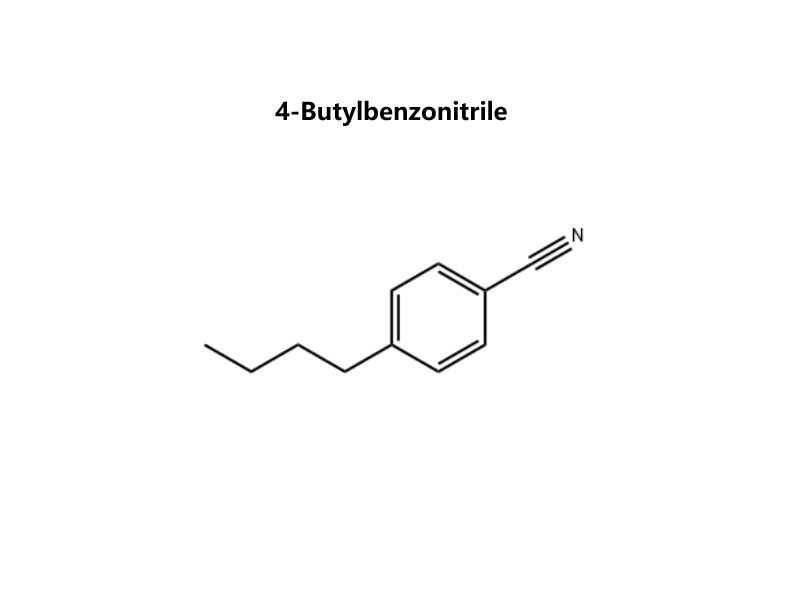
4-Butylbenzonitrile CAS 20651-73-4 is a strategically designed hydrophobic building block that combines a rigid aromatic core with a flexible linear alkyl chain and a highly versatile nitrile functional group. This triad of features makes it an exceptionally valuable intermediate for modulating physicochemical properties and enabling diverse synthetic pathways in advanced material and pharmaceutical and agrochemical research.
Details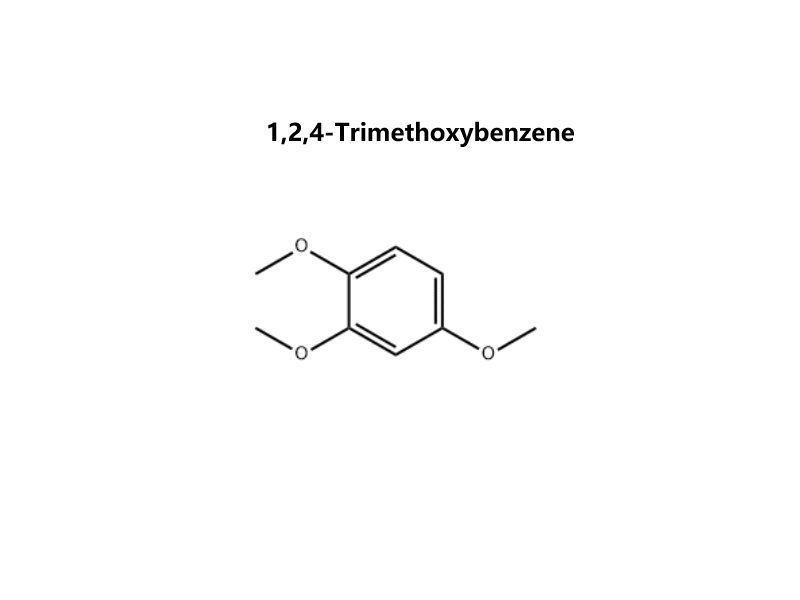
1,2,4-Trimethoxybenzene CAS 135-77-3 is a uniquely versatile, electron-rich aromatic building block. Its core value lies in its unsymmetrical yet highly predictable substitution pattern, which provides exceptional regiocontrol in synthetic chemistry. This makes it a privileged scaffold for constructing complex molecules in pharmaceuticals, agrochemicals, and advanced materials.
Details
 Contact Us
 1st Floor, No. 477, Huancheng West Road, Nanqiao Town, Fengxian District, Shanghai,China
 sales@qxscientific.com
 +86 -13701740203


 IPv6 Network Supported |
Sitemap |
XML |
Blog |
Privacy Policy
IPv6 Network Supported |
Sitemap |
XML |
Blog |
Privacy Policy
Leave A Message
Scan to Wechat/Whatsapp :



 English
 English
 Español
 Português