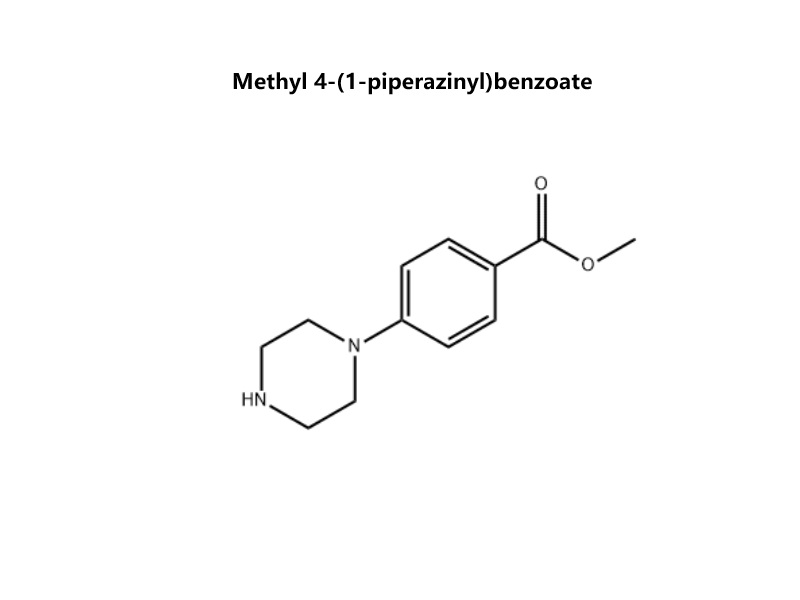

Methyl 4-(1-piperazinyl)benzoate CAS 163210-97-7 is a synthetic organic compound belonging to the class of piperazine-containing benzoate esters. It consists of a benzoate ester core (methyl para-aminobenzoate derivative) where the amino group is part of a piperazine ring. This structure makes it a versatile pharmacophore and key synthetic intermediate.Methyl 4-(1-piperazinyl)benzoate is a privileged pharmaceutical building block that combines a synthetically versatile benzoate ester with a piperazine ring—a ubiquitous pharmacophore in CNS-active drugs. Its primary advantage lies in being the definitive, high-value intermediate in the synthesis of blockbuster antipsychotics, while also serving as a versatile scaffold for novel drug discovery.
Name :
Methyl 4-(1-piperazinyl)benzoateCAS No. :
163210-97-7MF :
C₁₂H₁₆N₂O₂MW :
220.27Purity :
96%Appearance :
Typically a white to off-white crystalline powder.Storage Condition :
It must be stored in a tightly sealed container under an inert atmosphere (nitrogen) in a cool, dry place. For long-term storage, a refrigerator (2-8°C) is recommended.Chemical Properties
IUPAC Name: Methyl 4-(piperazin-1-yl)benzoate
Other Common Names: 4-(1-Piperazinyl)benzoic acid methyl ester; Methyl 4-piperazin-1-ylbenzoate
Chemical Formula: C₁₂H₁₆N₂O₂
Molecular Weight: 220.27 g/mol
Structure: Methyl ester of 4-(piperazin-1-yl)benzoic acid. Features a para-substituted benzene ring with an ester (COOCH₃) and a piperazinyl group connected via a nitrogen atom.
Appearance: Typically a white to off-white crystalline powder.
Melting Point: ~115-120 °C
Solubility: Soluble in common organic solvents (DCM, DMF, DMSO, methanol, ethanol). Sparingly soluble or slightly soluble in water.
Stability: Stable under normal storage conditions. Hygroscopic. May decompose under strong acidic or basic conditions via hydrolysis of the ester group.
Reactivity: The molecule contains two primary sites for chemical modification:
Secondary Amines on the Piperazine Ring: Can undergo acylation, alkylation, sulfonylation, or reductive amination to create diverse derivatives.
Ester Group (COOCH₃): Can be hydrolyzed to the corresponding carboxylic acid, which can then be further functionalized (e.g., amide coupling).
LogP (Predicted): ~2.0-2.5, indicating moderate lipophilicity.
Biological Activities
Primary Role: This compound is primarily valued as a building block rather than as a drug substance itself. Its biological activity is generally not its primary attribute, but it inherits a framework common to many bioactive molecules.
Pharmacophore Relevance: The 4-(piperazin-1-yl)phenyl moiety is a privileged scaffold in medicinal chemistry, frequently found in compounds that interact with central nervous system (CNS) receptors, particularly dopamine and serotonin receptors.
Potential Activity: As a core fragment, it may exhibit weak, non-selective receptor binding. Any significant biological activity is typically engineered through further functionalization of the piperazine nitrogen(s) and/or modification of the ester group.
Toxicity Profile: Specific data is limited. As with many pharmaceutical intermediates, it should be treated with caution, assuming potential irritant effects and general toxicity from any uncharacterized biological activity.
Biosynthesis
Natural Occurrence: Not a natural product; it is a wholly synthetic molecule.
Industrial/Chemical Synthesis: The most common synthetic route involves a nucleophilic aromatic substitution (SɴAr) reaction.
Typical Route: Methyl 4-fluorobenzoate (or a similar activated aryl halide like the chloro derivative) is reacted with piperazine in the presence of a base (e.g., potassium carbonate, DIPEA) and often in a polar aprotic solvent (e.g., DMSO, NMP, DMF) at elevated temperatures (80-120°C).
Alternative Route: Can also be synthesized via Buchwald-Hartwig amination of methyl 4-bromobenzoate with piperazine using a palladium catalyst.
Purification: The product is isolated by standard work-up (e.g., aqueous wash, extraction) and purified by recrystallization (from solvents like ethanol or ethyl acetate/hexane) or column chromatography.
Applications


Key Advantages & Benefits
1. Critical Intermediate for Blockbuster API Synthesis
Benefit: Serves as the essential and direct precursor in the established commercial synthesis of Aripiprazole, a first-line atypical antipsychotic with multi-billion dollar annual sales. Its reliable supply and consistent quality are directly linked to global API manufacturing.
Application Scenario: In the large-scale, GMP production of Aripiprazole, this compound undergoes sequential N-alkylation of the piperazine ring, followed by ester hydrolysis or transformation. Its well-defined reactivity and crystalline purity ensure high yields and minimize purification challenges during scale-up, securing the supply chain for a critical mental health medication.
2. Dual-Functional, Orthogonally Reactive Scaffold
Benefit: Offers two distinct and easily modifiable reaction sites: the secondary amines on the piperazine (for N-alkylation/acylation) and the methyl ester (for hydrolysis to acid or amide formation). This allows for rapid, parallel generation of diverse compound libraries.
Application Scenario: In medicinal chemistry programs targeting CNS disorders, researchers use this scaffold to quickly generate analogs. For example, they might first perform reductive amination on one piperazine nitrogen to introduce various lipophilic groups, then hydrolyze the ester and couple it to diverse amine fragments via amide bond formation, efficiently exploring chemical space around a proven core structure.
3. Embodies a "Privileged Structure" with Favorable DMPK Properties
Benefit: The 4-(piperazin-1-yl)phenyl moiety is a classic "privileged structure" known to confer favorable blood-brain barrier permeability, target affinity (especially for GPCRs like 5-HT1A and D2 receptors), and metabolic stability.
Application Scenario: When used as a starting point in early-stage neuropharmacology discovery, incorporating this fragment into new chemical entities provides a higher probability of achieving brain exposure and desired receptor engagement, de-risking the initial hit-to-lead process.
4. High Crystallinity for Superior Purification & Handling
Benefit: Exists as a stable, crystalline solid (unlike many oily or low-melting piperazine derivatives), which facilitates easy purification by recrystallization, ensures accurate weighing, improves long-term stability, and simplifies logistical handling and storage.
Application Scenario: For a contract research organization (CRO) synthesizing custom libraries, the solid form allows for straightforward bench-top handling, precise automated dispensing for parallel synthesis, and easy removal of excess reagents via simple filtration after recrystallization from ethanol or ethyl acetate.
Methyl 4-(1-piperazinyl)benzoate (CAS 163210-97-7) is far more than a simple chemical intermediate; it is a validated, strategic asset in pharmaceutical chemistry. Its unparalleled advantage is its proven track record as the cornerstone of a major therapeutic API, coupled with its inherent design as a highly tunable scaffold for discovery. For process chemists, it guarantees efficiency in commercial manufacturing. For medicinal chemists, it offers a launchpad for innovation with a built-in profile for success in CNS drug development. It represents the optimal intersection of synthetic utility, proven biological relevance, and physical handling properties.
FAQs
Q1: What is the main commercial and synthetic significance of this compound?
A: It is most significant as the essential penultimate or key intermediate in the industrial synthesis of the blockbuster drug Aripiprazole. Its reliable, high-yield production is directly linked to the supply chain of this important medication. For researchers, it is a perfect divergent building block for creating novel bioactive molecules targeting GPCRs.
Q2: What are the critical quality control specifications to request from a supplier?
A: For use in API synthesis, high purity is non-negotiable.
Purity (HPLC/GC): Minimum ≥98.5%, preferably ≥99.0%.
Related Substances: Specific limits for potential impurities like starting materials (methyl 4-fluorobenzoate), piperazine, and di-substituted byproducts.
Residual Solvents: Must comply with ICH guidelines, especially for solvents like DMF, DMSO, or NMP used in its synthesis.
Assay (on dried basis): Typically specified as 98.0-102.0%.
Q3: How should it be stored to maintain stability, and what is its typical shelf life?
A: Due to its hygroscopic nature and potential for ester hydrolysis, it must be stored in a tightly sealed container under an inert atmosphere (nitrogen) in a cool, dry place. For long-term storage, a refrigerator (2-8°C) is recommended. Under these conditions, the shelf life is typically 24-36 months. Always allow the sealed container to reach room temperature before opening to prevent moisture condensation.
Q4: What are the key synthetic transformations it is most commonly used for?
A: Its two functional groups allow for orthogonal chemistry:
Piperazine N-Alkylation/Acylation: The most common next step. For example, reacting it with 1,4-dibromobutane or 7-bromo-3,4-dihydro-2(1H)-quinolinone (in the case of Aripiprazole synthesis) to alkylate one nitrogen of the piperazine.
Ester Hydrolysis/Transformation: The methyl ester can be saponified to the carboxylic acid (using LiOH/NaOH) and then converted to an amide, or directly subjected to aminolysis with a strong nucleophilic amine.
Q5: Is it subject to any stringent regulatory controls or licensing requirements?
A: Generally, it is not a controlled substance itself. However, because it is a known direct precursor to a prescription drug (Aripiprazole), its sale and transport may be subject to increased scrutiny depending on the jurisdiction and quantity. Reputable suppliers will have appropriate compliance procedures. Buyers should be prepared to provide legitimate end-use information.
Q6: What are the primary handling hazards and necessary safety precautions?
A: While a full hazard assessment depends on the specific batch, treat it as a potentially harmful chemical.
PPE: Use appropriate nitrile gloves, safety goggles, and a lab coat.
Engineering Controls: Handle in a well-ventilated area or fume hood, especially when handling powder to avoid inhalation.
Hygroscopicity: Protect from moisture to maintain chemical integrity and avoid clumping.
Always consult the Safety Data Sheet (SDS) provided by the supplier before use.
Q7: What is a key analytical technique for verifying its identity and purity?
A: ¹H Nuclear Magnetic Resonance (NMR) Spectroscopy is the most definitive technique. Key diagnostic signals include: the singlet for the ester methyl group (~3.8 ppm), the characteristic AA'XX' pattern (doublets) for the para-disubstituted benzene ring (~6.9 and ~7.8 ppm), and the broad singlet/multiplet for the piperazine ring protons (~2.8-3.4 ppm). HPLC is used for purity and related substance analysis.
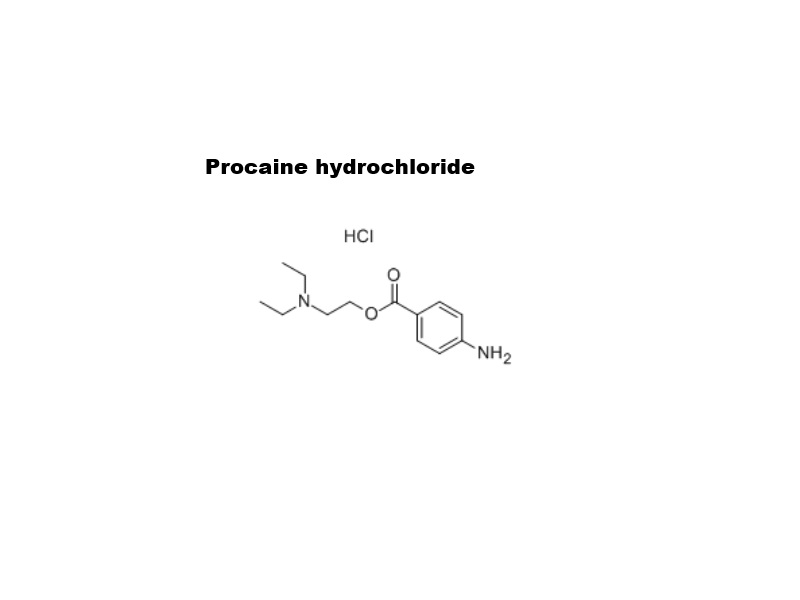
Procaine Hydrochloride CAS 51-05-8 is the water-soluble hydrochloride salt of procaine. It is the specific formulation used in clinical medicine, famously marketed under the brand name Novocain. While its use in mainstream practice has diminished, it remains a historically pivotal drug and is still employed in specific medical and therapeutic contexts.
Details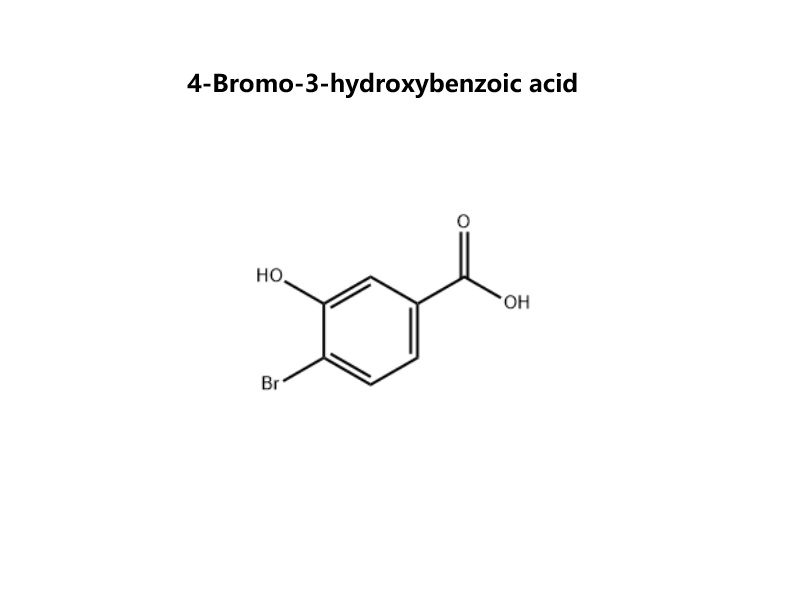
4-Bromo-3-hydroxybenzoic acid CAS 14348-38-0 is a premium, multifunctional aromatic building block engineered for complexity-driven synthesis. Its core value lies in the strategic placement of three distinct, orthogonally reactive functional groups on a benzene ring, making it an indispensable tool for convergent molecular construction in advanced research and development.
Details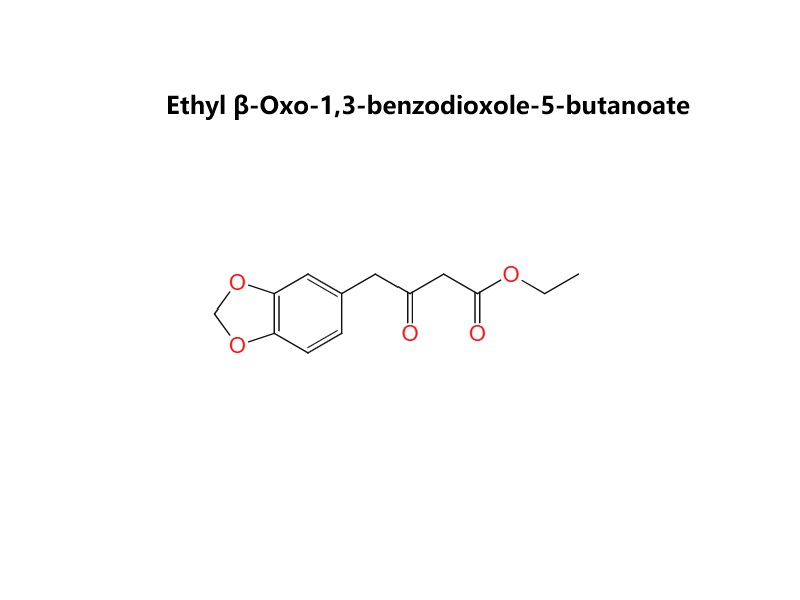
Ethyl β-Oxo-1,3-benzodioxole-5-butanoate CAS 31127-23-8 is a β-ketoester derivative featuring a 1,3-benzodioxole (methylenedioxyphenyl) aromatic system. Structurally, it consists of a benzodioxole ring attached through a three-carbon chain to an ethyl β-ketoester functional group (-CO-CH₂-COOEt). This makes it a versatile bifunctional building block for organic synthesis, combining the electronic properties of the benzodioxole group with the high reactivity of a β-ketoester.
Details![4-Nitrophenyl 3-(Benzo[d][1,3]dioxol-5-yl)-2-methylpropanoate](https://www.qixiolivetol.com/storage/uploads/images/202604/17/1776427287_qZy87IjHSQ.jpg)
4-Nitrophenyl 3-(Benzo[d][1,3]dioxol-5-yl)-2-methylpropanoate is a chirally defined, pre-activated acylating agent that combines a metabolically stable benzo[1,3]dioxole (piperonyl) pharmacophore with the exceptional reactivity of a 4-nitrophenyl ester. It enables the efficient, racemization-free introduction of a complex, chiral acid moiety under mild conditions, making it invaluable for advanced synthetic and bioconjugation chemistry. 4-Nitrophenyl 3-(Benzo[d][1,3]dioxol-5-yl)-2-methylpropanoate is a specialty ester designed as a reactive biochemical or synthetic intermediate. Its structure strategically combines three key units: (1)A 3-(benzo[1,3]dioxol-5-yl)-2-methylpropanoic acid (piperonyl-substituted, chiral acid) moiety. (2)A 4-nitrophenyl ester leaving group. This design makes it an activated ester, where the 4-nitrophenol is an excellent leaving group, facilitating efficient acyl transfer reactions under mild conditions.
Details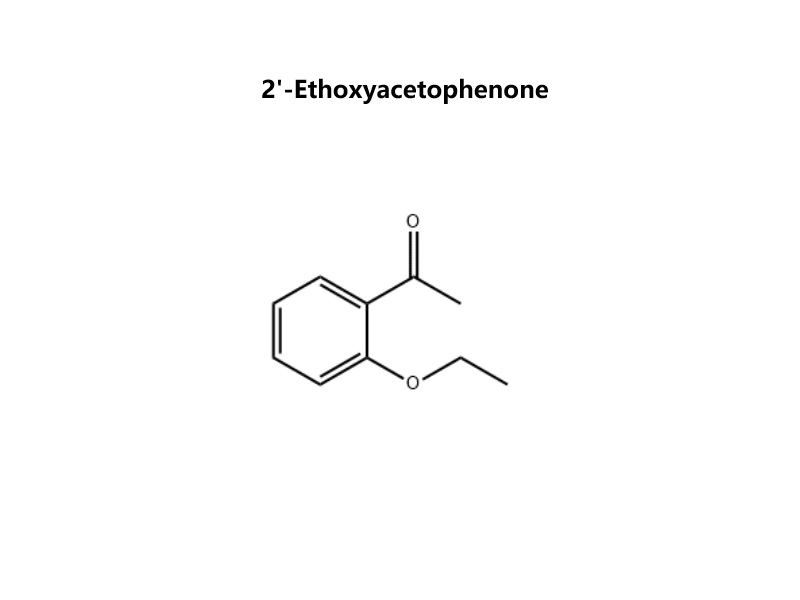
2'-Ethoxyacetophenone CAS 2142-67-8 is a specialized aromatic ketone characterized by an ethoxy substituent at the orthoposition relative to the acetyl group. This structural feature imparts distinct chemical and physical properties, making it a privileged building block for synthesizing complex molecules, particularly in the flavor/fragrance and pharmaceutical sectors.
Details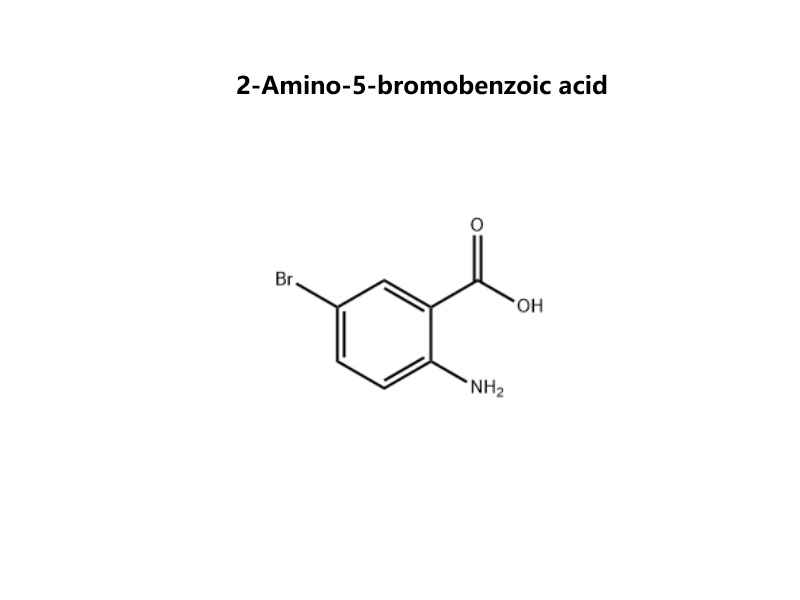
2-Amino-5-bromobenzoic acid CAS 5794-88-7 is a highly versatile aromatic building block that integrates three distinct functional groups—an amine, a carboxylic acid, and an aryl bromide—into a single, synthetically valuable scaffold. This multifunctionality makes it a crucial intermediate in pharmaceutical and advanced materials chemistry.
Details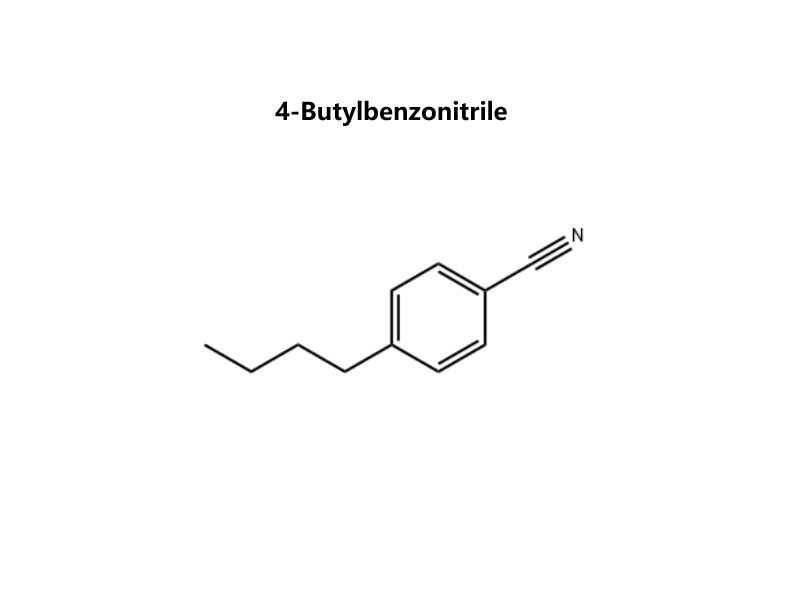
4-Butylbenzonitrile CAS 20651-73-4 is a strategically designed hydrophobic building block that combines a rigid aromatic core with a flexible linear alkyl chain and a highly versatile nitrile functional group. This triad of features makes it an exceptionally valuable intermediate for modulating physicochemical properties and enabling diverse synthetic pathways in advanced material and pharmaceutical and agrochemical research.
Details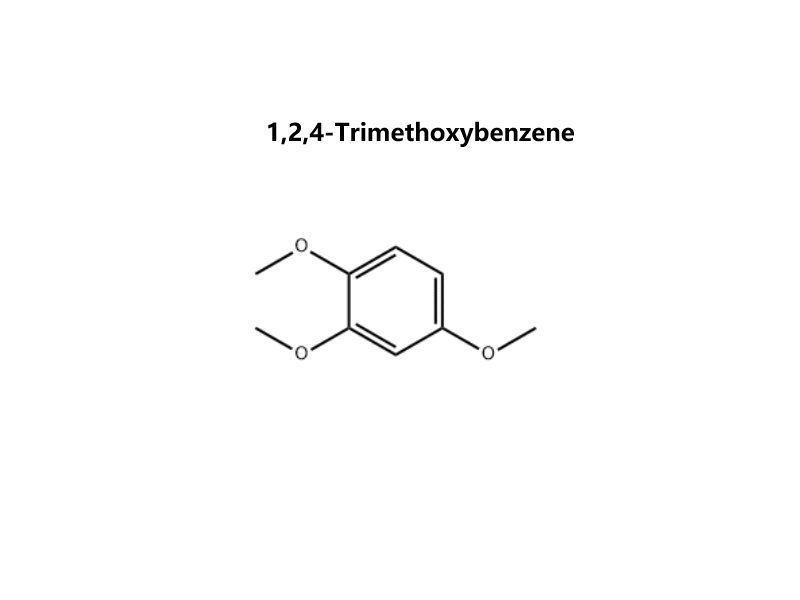
1,2,4-Trimethoxybenzene CAS 135-77-3 is a uniquely versatile, electron-rich aromatic building block. Its core value lies in its unsymmetrical yet highly predictable substitution pattern, which provides exceptional regiocontrol in synthetic chemistry. This makes it a privileged scaffold for constructing complex molecules in pharmaceuticals, agrochemicals, and advanced materials.
Details
 Contact Us
 1st Floor, No. 477, Huancheng West Road, Nanqiao Town, Fengxian District, Shanghai,China
 sales@qxscientific.com
 +86 -13701740203


 IPv6 Network Supported |
Sitemap |
XML |
Blog |
Privacy Policy
IPv6 Network Supported |
Sitemap |
XML |
Blog |
Privacy Policy
Leave A Message
Scan to Wechat/Whatsapp :



 English
 English
 Español
 Português