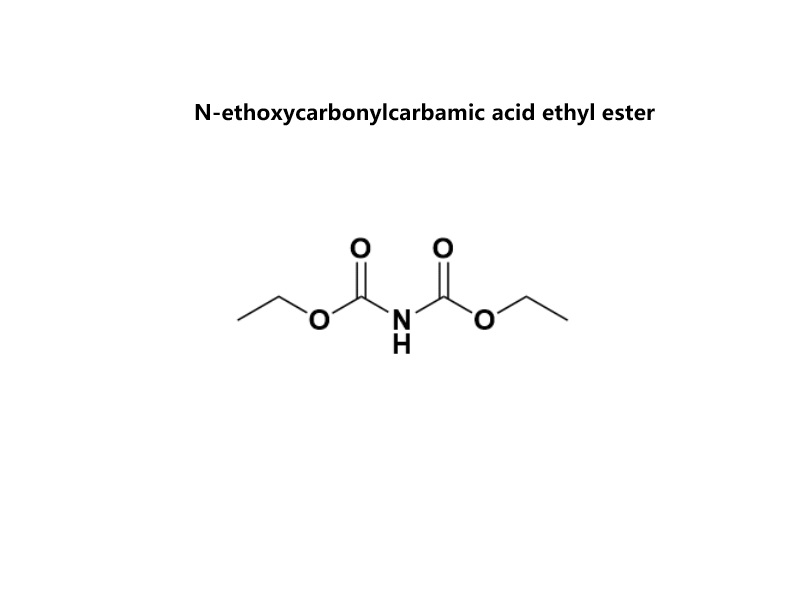

N-Ethoxycarbonylcarbamic Acid Ethyl Ester CAS 19617-44-8 is a versatile and efficient symmetrical diethyl dicarbonate reagent primarily used as a compact, mild protecting group agent and heterocyclic building block in organic synthesis.A specialized, symmetrical diethyl dicarbonate reagent serving as a compact protecting group agent and versatile heterocyclic synthesis building block.
Name :
N-Ethoxycarbonylcarbamic Acid Ethyl EsterCAS No. :
19617-44-8MF :
C₆H₁₁NO₄MW :
161.16Purity :
97%Appearance :
Typically a colorless to pale yellow liquid.Storage Condition :
Store under an inert atmosphere (e.g., nitrogen or argon) in a cool, dry place (typically 2-8°C or as recommended by the supplier). Keep the container tightly sealed.Chemical Properties
IUPAC Name: Ethyl N-(ethoxycarbonyl)carbamate
Common Names: (Ethoxycarbonyl)urethane; Diethyl imidodicarbonate
Molecular Formula: C₆H₁₁NO₄
CAS Registry Number: 19617-44-8
Molecular Weight: 161.16 g/mol
Chemical Structure: It is a symmetrical molecule best described as a dicarbonate derivative of ammonia. The core structure is H₂N–C(O)–, but both hydrogens on the nitrogen are substituted with –C(O)OCH₂CH₃ (ethoxycarbonyl) groups. Its simplified formula is often written as (EtOCO)₂NH (where Et = Ethyl).
Appearance: Typically a colorless to pale yellow liquid.
Physical State: Liquid at room temperature.
Solubility: Soluble in common organic solvents (e.g., dichloromethane, chloroform, ethyl acetate, alcohols). It has low solubility in water.
Stability & Reactivity: It is hydrolytically unstable, especially under acidic or basic conditions, decomposing to ethanol, carbon dioxide, and potentially urea derivatives. It is sensitive to heat and moisture. As a bis-electrophile, it reacts with nucleophiles like amines and alcohols.
Key Characteristic: Serves as a convenient, in situsource of the "ethoxycarbonyl" group (–CO₂Et), which is less sterically hindered than the common tert-butoxycarbonyl (Boc) group.
Biological Activities
This compound itself is not typically used as a bioactive molecule or drug. Its primary significance lies in its role as a synthetic intermediate and protecting group reagent in the preparation of biologically active compounds. It is used to introduce protective groups onto amino groups during the synthesis of:
Amino acids and peptides
Nucleosides and nucleotides
Various heterocyclic compounds with potential pharmaceutical activity.
Note: Appropriate safety measures should be taken when handling, as with all laboratory chemicals.
Biosynthesis
N-ethoxycarbonylcarbamic acid ethyl ester is not a natural product and is not produced via biological biosynthesis. It is exclusively synthesized through chemical methods in a laboratory or industrial setting.
Applications



Key Advantages & Benefits
1. Compact & Sterically Undemanding Protecting Group
Benefit: Introduces the ethoxycarbonyl (EOC) group, which is significantly smaller than the common tert-butoxycarbonyl (Boc) group.
Application Scenario: Ideal for protecting amines in the synthesis of sterically crowded peptides or complex natural products, where bulkier groups might hinder subsequent coupling or cyclization reactions. Enables higher yields in constrained molecular environments.
2. Mild and Orthogonal Deprotection
Benefit: The EOC group is cleaved under mild acidic conditions (e.g., dilute HCl, TFA in DCM at 0°C to rt), which are notably gentler than those needed for Boc removal (stronger TFA, often heated).
Application Scenario: Essential for multi-step synthesis featuring acid-sensitive functionalities (e.g., tert-butyl esters, certain glycosidic bonds, or delicate heterocycles). Allows for selective deprotection in the presence of other acid-labile groups.
3. Superior Safety Profile as an Isocyanate Surrogate
Benefit: Serves as a stable, liquid alternative to highly toxic and volatile ethyl isocyanate.
Application Scenario: Enables safe, scalable synthesis of ureas, carbamates, and hydantoins in pharmaceutical and agrochemical R&D without requiring specialized equipment to handle gaseous or highly toxic isocyanates. This improves lab safety and process controllability.
4. Versatile Building Block for Heterocycle Synthesis
Benefit: Its bis-electrophilic nature (two reactive carbonyls) makes it an efficient one- or two-atom donor for nitrogen-containing rings.
Application Scenario: Widely used in the efficient, one-pot synthesis of hydantoins (imidazolidine-2,4-diones) and barbiturate analogs—core structures in medicinal chemistry for neurological and anti-infective agents—via reactions with diamines or di-active methylene compounds.
5. Cost-Effective and Accessible
Benefit: Typically more economical than many specialized protecting group reagents (e.g., Fmoc-OSu, certain Boc derivatives).
Application Scenario: A practical choice for early-stage R&D and large-scale intermediate preparation where cost sensitivity is a factor, without sacrificing performance for its intended uses.
N-Ethoxycarbonylcarbamic Acid Ethyl Ester (CAS 19617-44-8) fills a specific niche where its small size and mild deprotection conditions are critical. It is not a universal replacement for Boc or Cbz but is the superior choice when minimizing steric hindrance or preserving acid-labile frameworks is paramount. Its role as a safe, synthetic equivalent of ethyl isocyanate provides a unique and valuable function in heterocycle and urea formation.
FAQs
Q1: What is the main purpose of this chemical for a synthetic chemist?
A: Its primary use is as a protecting group reagent and a versatile synthetic building block. If you need to temporarily mask an amine function with a moderately sized, acid-labile protecting group, or if you are constructing specific nitrogen heterocycles, this reagent is often an excellent choice.
Q2: How should I store it, and what is its shelf life?
A: Store under an inert atmosphere (e.g., nitrogen or argon) in a cool, dry place (typically 2-8°C or as recommended by the supplier). Keep the container tightly sealed. Due to its sensitivity to moisture, its effective shelf life can be limited; it's best used soon after purchase or after opening. Always check for signs of decomposition (e.g., discoloration, gas pressure).
Q3: What are the key safety considerations?
A: Consult the Safety Data Sheet (SDS) before use. General hazards may include:
Irritant: Can cause skin, eye, and respiratory irritation.
Moisture Sensitivity: Reacts with water/humidity, which may release gases.
Always use in a well-ventilated fume hood, wear appropriate PPE (safety goggles, gloves, lab coat), and avoid inhalation or contact.
Q4: How does it compare to the more common Boc anhydride (Di-tert-butyl dicarbonate)?
A: While both are carbonate-based protecting reagents, the ethoxycarbonyl (EOC) group from this ester is smaller and more labile than the tert-butoxycarbonyl (Boc) group. Deprotection of the EOC group requires milder acidic conditions. The choice depends on your synthesis strategy and the stability needed for other functional groups in your molecule.
Q5: Can you recommend a standard procedure for using it as a protecting agent?
A: A common procedure involves reacting it with the target amine in an inert solvent (like dichloromethane or THF), often in the presence of a mild base (such as 4-dimethylaminopyridine, DMAP, or triethylamine) to scavenge the acid generated. Reaction conditions (temperature, time) should be optimized for your specific substrate.
Q6: Where can I purchase it, and what purity is available?
A: It is available from specialized fine chemical and laboratory supply companies (e.g., Sigma-Aldrich, TCI, Combi-Blocks, Alfa Aesar). It is typically offered in research quantities (e.g., 1g, 5g, 25g, 100g) with standard purities of 95% to 98%. Higher purities may be available upon request.
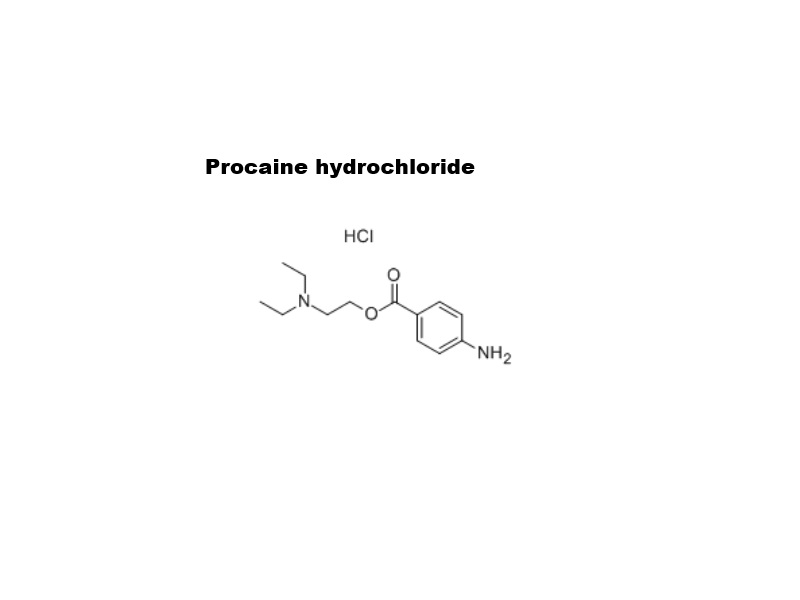
Procaine Hydrochloride CAS 51-05-8 is the water-soluble hydrochloride salt of procaine. It is the specific formulation used in clinical medicine, famously marketed under the brand name Novocain. While its use in mainstream practice has diminished, it remains a historically pivotal drug and is still employed in specific medical and therapeutic contexts.
Details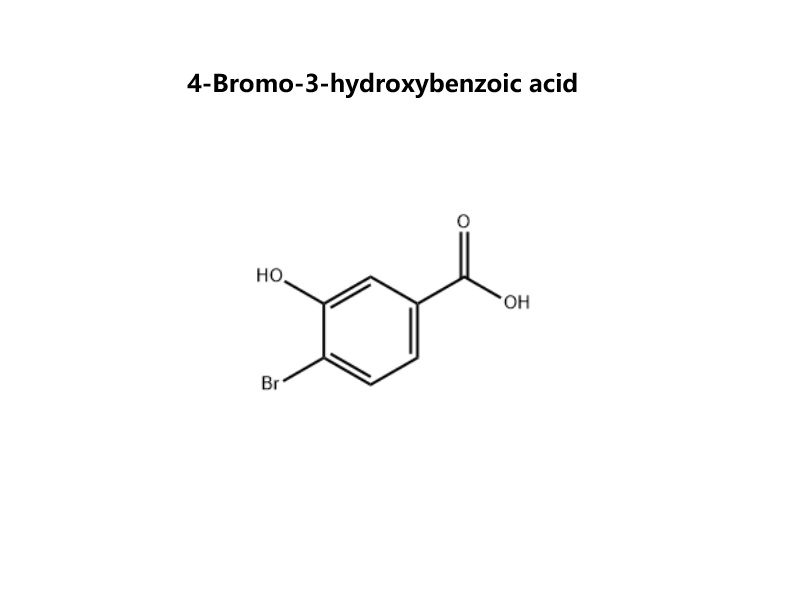
4-Bromo-3-hydroxybenzoic acid CAS 14348-38-0 is a premium, multifunctional aromatic building block engineered for complexity-driven synthesis. Its core value lies in the strategic placement of three distinct, orthogonally reactive functional groups on a benzene ring, making it an indispensable tool for convergent molecular construction in advanced research and development.
Details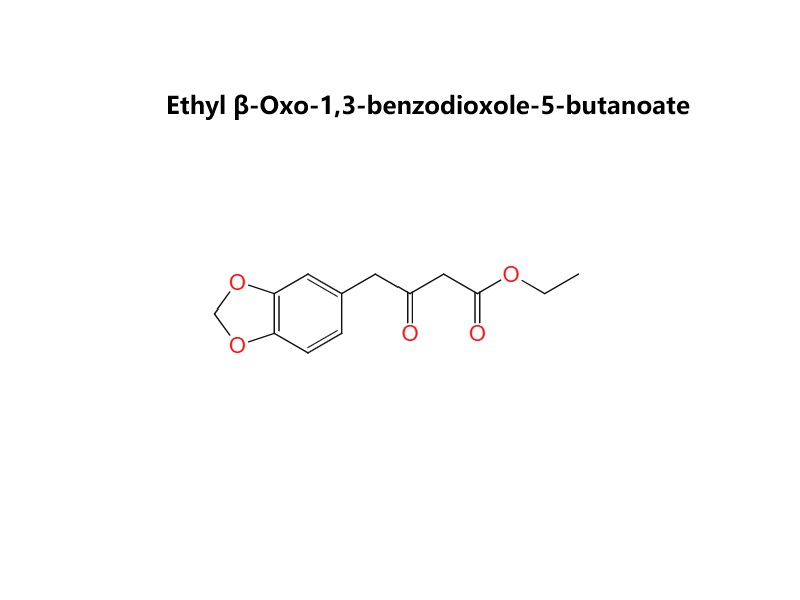
Ethyl β-Oxo-1,3-benzodioxole-5-butanoate CAS 31127-23-8 is a β-ketoester derivative featuring a 1,3-benzodioxole (methylenedioxyphenyl) aromatic system. Structurally, it consists of a benzodioxole ring attached through a three-carbon chain to an ethyl β-ketoester functional group (-CO-CH₂-COOEt). This makes it a versatile bifunctional building block for organic synthesis, combining the electronic properties of the benzodioxole group with the high reactivity of a β-ketoester.
Details![4-Nitrophenyl 3-(Benzo[d][1,3]dioxol-5-yl)-2-methylpropanoate](https://www.qixiolivetol.com/storage/uploads/images/202604/17/1776427287_qZy87IjHSQ.jpg)
4-Nitrophenyl 3-(Benzo[d][1,3]dioxol-5-yl)-2-methylpropanoate is a chirally defined, pre-activated acylating agent that combines a metabolically stable benzo[1,3]dioxole (piperonyl) pharmacophore with the exceptional reactivity of a 4-nitrophenyl ester. It enables the efficient, racemization-free introduction of a complex, chiral acid moiety under mild conditions, making it invaluable for advanced synthetic and bioconjugation chemistry. 4-Nitrophenyl 3-(Benzo[d][1,3]dioxol-5-yl)-2-methylpropanoate is a specialty ester designed as a reactive biochemical or synthetic intermediate. Its structure strategically combines three key units: (1)A 3-(benzo[1,3]dioxol-5-yl)-2-methylpropanoic acid (piperonyl-substituted, chiral acid) moiety. (2)A 4-nitrophenyl ester leaving group. This design makes it an activated ester, where the 4-nitrophenol is an excellent leaving group, facilitating efficient acyl transfer reactions under mild conditions.
Details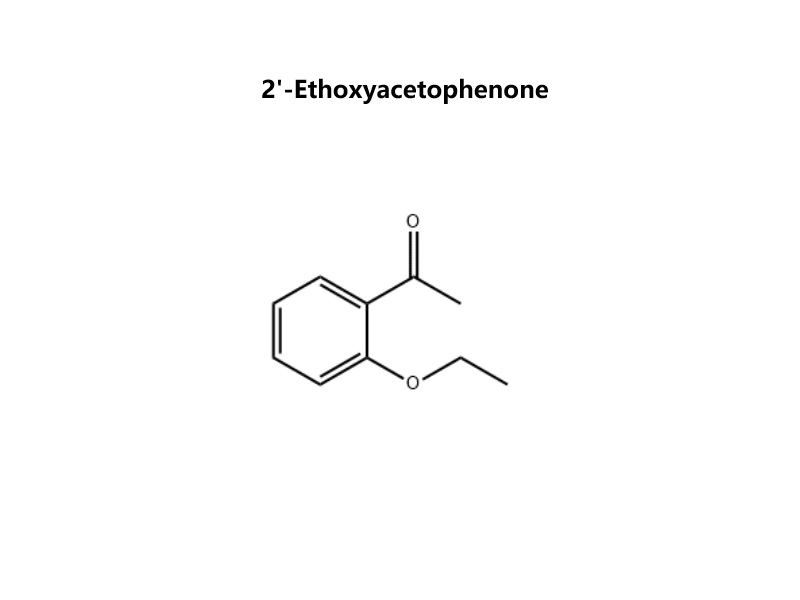
2'-Ethoxyacetophenone CAS 2142-67-8 is a specialized aromatic ketone characterized by an ethoxy substituent at the orthoposition relative to the acetyl group. This structural feature imparts distinct chemical and physical properties, making it a privileged building block for synthesizing complex molecules, particularly in the flavor/fragrance and pharmaceutical sectors.
Details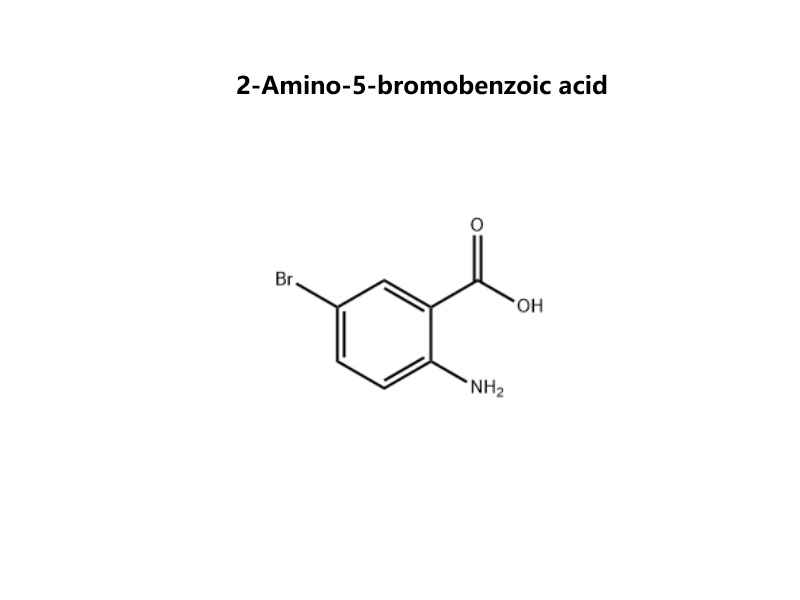
2-Amino-5-bromobenzoic acid CAS 5794-88-7 is a highly versatile aromatic building block that integrates three distinct functional groups—an amine, a carboxylic acid, and an aryl bromide—into a single, synthetically valuable scaffold. This multifunctionality makes it a crucial intermediate in pharmaceutical and advanced materials chemistry.
Details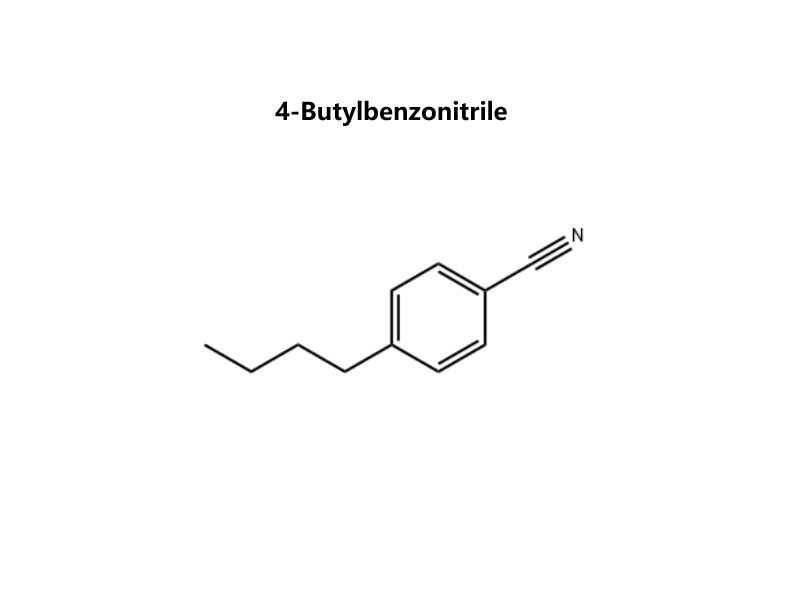
4-Butylbenzonitrile CAS 20651-73-4 is a strategically designed hydrophobic building block that combines a rigid aromatic core with a flexible linear alkyl chain and a highly versatile nitrile functional group. This triad of features makes it an exceptionally valuable intermediate for modulating physicochemical properties and enabling diverse synthetic pathways in advanced material and pharmaceutical and agrochemical research.
Details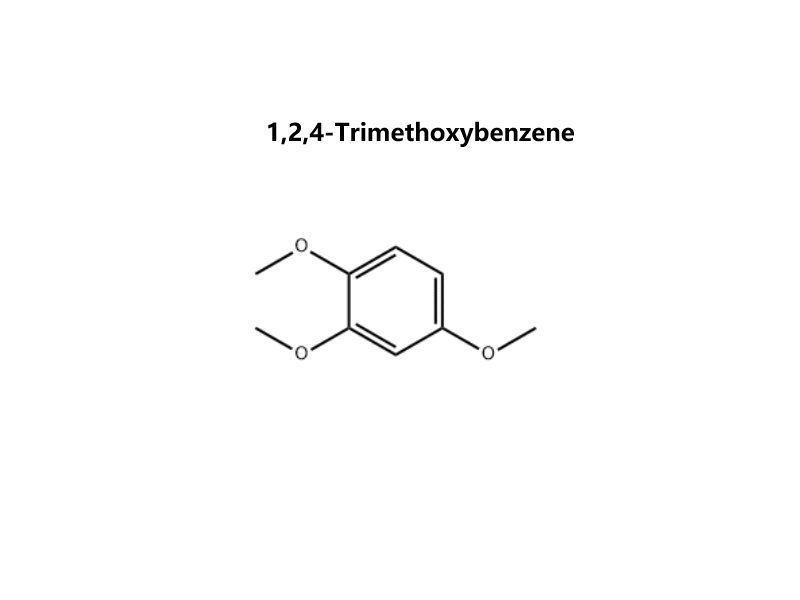
1,2,4-Trimethoxybenzene CAS 135-77-3 is a uniquely versatile, electron-rich aromatic building block. Its core value lies in its unsymmetrical yet highly predictable substitution pattern, which provides exceptional regiocontrol in synthetic chemistry. This makes it a privileged scaffold for constructing complex molecules in pharmaceuticals, agrochemicals, and advanced materials.
Details
 Contact Us
 1st Floor, No. 477, Huancheng West Road, Nanqiao Town, Fengxian District, Shanghai,China
 sales@qxscientific.com
 +86 -13701740203


 IPv6 Network Supported |
Sitemap |
XML |
Blog |
Privacy Policy
IPv6 Network Supported |
Sitemap |
XML |
Blog |
Privacy Policy
Leave A Message
Scan to Wechat/Whatsapp :



 English
 English
 Español
 Português