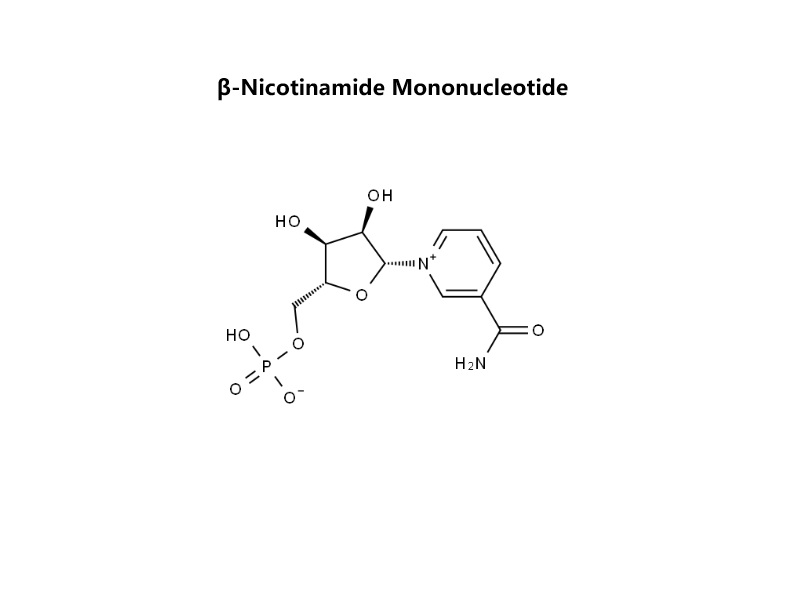

β-Nicotinamide Mononucleotide (NMN) CAS 1094-61-7 is a biologically essential nucleotide and the direct biosynthetic precursor to nicotinamide adenine dinucleotide (NAD+). It consists of a nicotinamide base, a ribose sugar, and a phosphate group, forming a mononucleotide. The "β" designation refers to the specific stereochemical configuration of the glycosidic bond between the nicotinamide and the ribose, which is the naturally occurring and biologically active form.NMN is the direct, rate-limiting biochemical precursor to Nicotinamide Adenine Dinucleotide (NAD+), a fundamental coenzyme central to cellular energy production, DNA repair, and genetic expression. Its primary advantage is the efficient and rapid restoration of declining NAD+ levels, a hallmark of aging and metabolic dysfunction, thereby targeting the root cause of age-associated cellular decline.
Name :
β-Nicotinamide MononucleotideCAS No. :
1094-61-7MF :
C₁₁H₁₅N₂O₈PMW :
334.22Purity :
98%Appearance :
Typically a white to off-white crystalline or amorphous powder.Storage Condition :
Store in a sealed container, protected from moisture and light, in a freezer (-20°C) for long-term stability (years).Chemical Properties
IUPAC Name: 3-Carbamoyl-1-[(2R,3R,4S,5R)-3,4-dihydroxy-5-(phosphonooxymethyl)oxolan-2-yl]pyridin-1-ium
Other Common Names: Nicotinamide ribonucleotide; NMN
Chemical Formula: C₁₁H₁₅N₂O₈P
Molecular Weight: 334.22 g/mol
Structure: Composed of a nicotinamide moiety linked via a β-glycosidic bond to the anomeric carbon of ribose, which is phosphorylated at the 5'-hydroxyl position.
Appearance: Typically a white to off-white crystalline or amorphous powder. The commercially available form is often the sodium salt (β-NMN-Na), which has higher solubility.
Melting Point: Decomposes before melting (typically > 150°C).
Solubility: The free acid form is sparingly soluble in water. The sodium salt (NMN-Na) is highly soluble in water (> 500 mg/mL) and slightly soluble in ethanol. It is insoluble in non-polar organic solvents.
Stability: Hygroscopic and sensitive to light, heat, and pH. It is most stable in solid form when stored dry, cold, and protected from light. In aqueous solution, it degrades over time, especially under acidic or basic conditions and at elevated temperatures.
Optical Activity: The biologically active form is the β-anomer, as defined by the stereochemistry at the glycosidic bond. Alpha-anomers are inactive.
Chemical Reactivity: The phosphate group can participate in enzymatic reactions (e.g., conversion to NAD+ by NMNAT enzymes). The amide group on the nicotinamide is relatively stable but can be hydrolyzed under extreme conditions.
Biological Activities
Primary Role: Direct NAD+ Precursor: NMN's fundamental biological activity is to serve as the immediate substrate for NAD+ biosynthesis via the enzyme nicotinamide mononucleotide adenylyltransferase (NMNAT). Elevating NMN levels directly boosts intracellular NAD+ pools.
NAD+-Dependent Processes: By increasing NAD+ levels, NMN influences a wide array of critical cellular processes:
Energy Metabolism: Acts as a crucial cofactor in mitochondrial ATP production (glycolysis, TCA cycle, oxidative phosphorylation).
Activation of Sirtuins (SIRT1-7): NAD+ is an essential co-substrate for sirtuins, a class of deacetylase enzymes regulating cellular senescence, DNA repair, stress resistance, and metabolic homeostasis.
PARP Activation: Fuels poly(ADP-ribose) polymerases (PARPs), enzymes vital for DNA repair and genomic stability.
CD38/CD157 Activity: Serves as a substrate for the NAD+-glycohydrolase CD38, a major consumer of NAD+ implicated in aging.
Observed Effects: Preclinical studies in animal models have shown that NMN supplementation can improve age-associated physiological decline, including enhanced insulin sensitivity, mitochondrial function, neuronal health, and lifespan extension in some models. Human clinical trials are ongoing to validate these benefits.
Biosynthesis
In Vivo Biosynthesis: In mammals, NMN is primarily synthesized via the salvage pathway. The key enzyme is nicotinamide phosphoribosyltransferase (NAMPT), which catalyzes the rate-limiting step: the condensation of nicotinamide (NAM) with phosphoribosyl pyrophosphate (PRPP) to form NMN.
Commercial Production: NMN for research and supplements is produced via:
Enzymatic Synthesis: Utilizing immobilized NAMPT or other enzymes in a bioreactor. This method yields high-purity, bio-identical β-NMN but can be costly.
Fermentation: Using genetically engineered microbial strains (e.g., E. coli, B. subtilis) to produce NMN from simple carbon sources. This is a scalable and increasingly common method.
Chemical Synthesis: Traditional organic synthesis routes are employed, requiring careful control to ensure the correct β-anomer is produced and to remove chemical byproducts.
Applications



Key Advantages & Benefits
1. Most Direct and Efficient NAD+ Biosynthetic Precursor
Benefit: NMN requires only a single enzymatic step (catalyzed by NMNAT) to form NAD+, bypassing the rate-limiting NAMPT enzyme in the salvage pathway. This allows for faster and more efficient NAD+ repletion compared to other precursors that require multiple conversion steps.
Application Scenario: In a clinical research setting studying age-related mitochondrial decline, oral NMN supplementation is used to rapidly elevate NAD+ levels in elderly participants' skeletal muscle. This direct pathway is hypothesized to improve the efficiency of mitochondrial ATP production, with measurable outcomes in physical endurance tests and metabolic markers.
2. Clinically Supported Bioavailability and Efficacy
Benefit: A growing body of human clinical trials demonstrates that NMN is well-absorbed, safe, and effective at raising NAD+ levels and improving key health parameters, including insulin sensitivity, vascular function, and muscular strength.
Application Scenario: A nutraceutical company formulates a sublingual NMN tablet based on pharmacokinetic studies showing rapid absorption into the bloodstream. This product is targeted at health-conscious middle-aged consumers, with marketing supported by published human data showing improved NAD+ status and cardiometabolic health markers within weeks.
3. Multi-Targeted Systemic Support for Core Anti-Aging Pathways
Benefit: By boosting NAD+, NMN concurrently activates three critical longevity-related enzyme families: sirtuins (SIRT1-7) for gene regulation and stress resistance, PARPs for DNA repair, and CD38 for immune function. This provides broad-spectrum cellular support.
Application Scenario: In a premium "cellular rejuvenation" skincare serum, topical NMN is included to activate SIRT1 in skin cells. This enhances cellular repair mechanisms, promotes collagen production, and improves barrier function, addressing wrinkles and loss of elasticity at a metabolic level, as validated by in vitro studies on human fibroblasts.
4. Critical Research Tool with High Translational Value
Benefit: NMN serves as the gold-standard intervention in preclinical aging research to establish causal links between NAD+ levels and physiology. Findings directly inform human trial design and therapeutic development.
Application Scenario: A biotech research group uses high-purity (>99%), analytically verified NMN in a mouse model of Alzheimer's disease. They demonstrate that chronic NMN administration restores brain NAD+ levels, reduces neuroinflammation, and improves cognitive performance, providing robust proof-of-concept for advancing an NMN-based therapeutic candidate into human trials.
β-Nicotinamide Mononucleotide (NMN) (CAS 1094-61-7) represents the pinnacle of NAD+ precursor science, offering a direct, efficient, and clinically substantiated path to restore a fundamental pillar of cellular health. Its advantages are rooted in biochemistry—as the immediate substrate for NAD+ synthesis—and are increasingly validated by human evidence. For consumers, it offers a targeted, high-efficacy supplement option; for researchers, it is an indispensable tool; and for formulators, it provides a potent, science-backed active ingredient. While cost and stability are considerations, its position as the most direct precursor with robust translational data makes it the compound of choice for serious intervention in age-related metabolic decline.
FAQs
Q1: What is the difference between NMN and NR (Nicotinamide Riboside)?
A: Both are NAD+ precursors. NR is the nucleoside form (lacks the phosphate group). It must be phosphorylated to NMN inside the cell before converting to NAD+. NMN is the direct downstream molecule. Debate exists on their transport mechanisms, but both effectively raise NAD+ levels. NMN is often seen as a more direct precursor, while NR is marketed for its potential cell entry advantages.
Q2: How do I verify the purity and authenticity of NMN powder?
A: Reputable suppliers provide a Certificate of Analysis (CoA). Key tests include:
HPLC Purity: Should be ≥98% for the β-NMN form.
Nuclear Magnetic Resonance (NMR): Confirms molecular structure and the critical β-anomer configuration.
Mass Spectrometry (MS): Verifies molecular weight.
Heavy Metals & Microbiological Tests: Ensure safety for consumption. Be wary of products without transparent CoAs.
Q3: What is the recommended storage condition to maintain potency?
A: NMN is highly susceptible to degradation. Store in a sealed container, protected from moisture and light, in a freezer (-20°C) for long-term stability (years). For daily use, a small aliquot can be kept in a cool, dark, dry place (like a refrigerator) for up to a few months. Avoid humid environments.
Q4: What are the common side effects and safety considerations?
A: Current human clinical trials (up to ~1 gram/day) have shown it to be generally well-tolerated. Minor reported side effects can include mild flushing, stomach discomfort, or nausea. As a precaution, pregnant/nursing women and individuals on medication should consult a healthcare professional before use. Long-term safety data in humans is still being collected.
Q5: Is the NMN on the market synthetic or natural?
A: Most commercially available NMN is produced via fermentation or enzymatic processes, which are considered "bio-identical"—the final molecule is chemically identical to that produced in the body, regardless of the production method. Truly "natural" extraction from food sources (like edamame, broccoli) is not commercially viable due to extremely low yields.
Q6: Why is the "β-form" specification so important?
A: Only the β-anomer is recognized and utilized by human enzymes (like NMNAT) to synthesize NAD+. The α-anomer is biologically inactive. High-quality NMN must be verified as the pure β-form to ensure efficacy. Inferior products may contain mixtures or be entirely the wrong form.
Q7: How is bioavailability addressed, given NMN's charged phosphate group?
A: This is an active area of research. Proposed mechanisms include:
Potential conversion to NR at the gut lining via enzymes (e.g., CD73).
Existence of specific, but not fully characterized, transporters (like Slc12a8 in mice).
Use of sublingual or liposomal delivery forms to enhance absorption.
Despite the phosphate, numerous studies report increased NAD+ levels in tissues following oral administration of NMN.
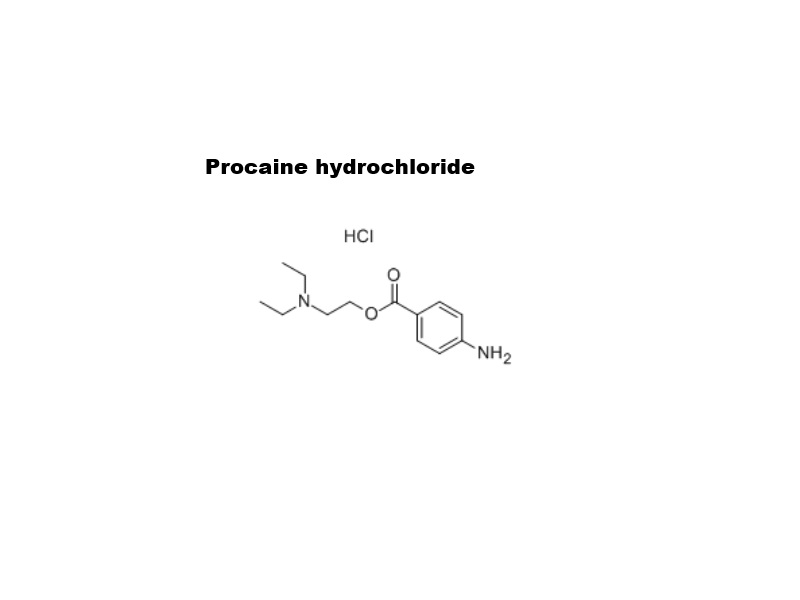
Procaine Hydrochloride CAS 51-05-8 is the water-soluble hydrochloride salt of procaine. It is the specific formulation used in clinical medicine, famously marketed under the brand name Novocain. While its use in mainstream practice has diminished, it remains a historically pivotal drug and is still employed in specific medical and therapeutic contexts.
Details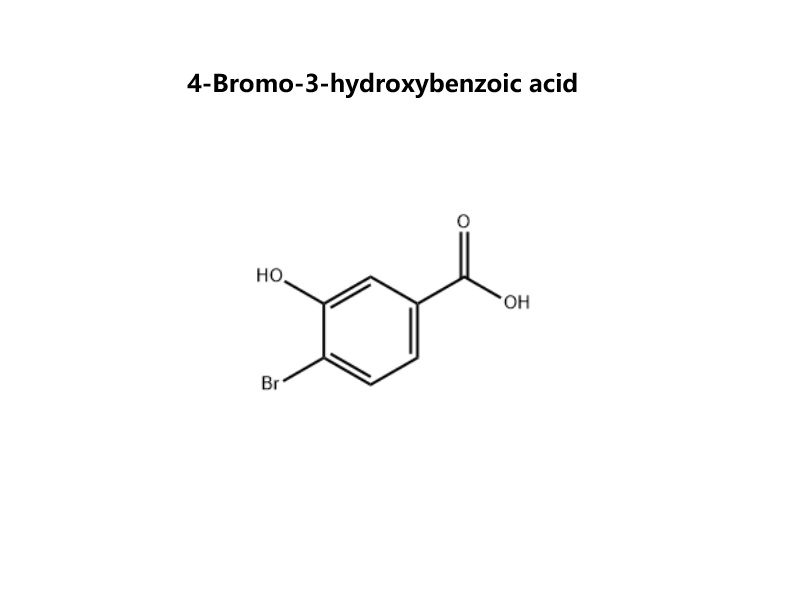
4-Bromo-3-hydroxybenzoic acid CAS 14348-38-0 is a premium, multifunctional aromatic building block engineered for complexity-driven synthesis. Its core value lies in the strategic placement of three distinct, orthogonally reactive functional groups on a benzene ring, making it an indispensable tool for convergent molecular construction in advanced research and development.
Details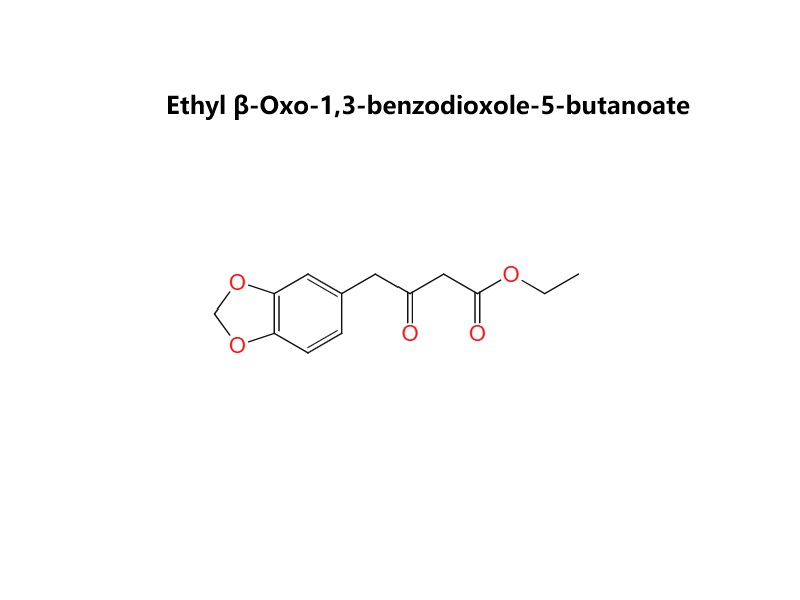
Ethyl β-Oxo-1,3-benzodioxole-5-butanoate CAS 31127-23-8 is a β-ketoester derivative featuring a 1,3-benzodioxole (methylenedioxyphenyl) aromatic system. Structurally, it consists of a benzodioxole ring attached through a three-carbon chain to an ethyl β-ketoester functional group (-CO-CH₂-COOEt). This makes it a versatile bifunctional building block for organic synthesis, combining the electronic properties of the benzodioxole group with the high reactivity of a β-ketoester.
Details![4-Nitrophenyl 3-(Benzo[d][1,3]dioxol-5-yl)-2-methylpropanoate](https://www.qixiolivetol.com/storage/uploads/images/202604/17/1776427287_qZy87IjHSQ.jpg)
4-Nitrophenyl 3-(Benzo[d][1,3]dioxol-5-yl)-2-methylpropanoate is a chirally defined, pre-activated acylating agent that combines a metabolically stable benzo[1,3]dioxole (piperonyl) pharmacophore with the exceptional reactivity of a 4-nitrophenyl ester. It enables the efficient, racemization-free introduction of a complex, chiral acid moiety under mild conditions, making it invaluable for advanced synthetic and bioconjugation chemistry. 4-Nitrophenyl 3-(Benzo[d][1,3]dioxol-5-yl)-2-methylpropanoate is a specialty ester designed as a reactive biochemical or synthetic intermediate. Its structure strategically combines three key units: (1)A 3-(benzo[1,3]dioxol-5-yl)-2-methylpropanoic acid (piperonyl-substituted, chiral acid) moiety. (2)A 4-nitrophenyl ester leaving group. This design makes it an activated ester, where the 4-nitrophenol is an excellent leaving group, facilitating efficient acyl transfer reactions under mild conditions.
Details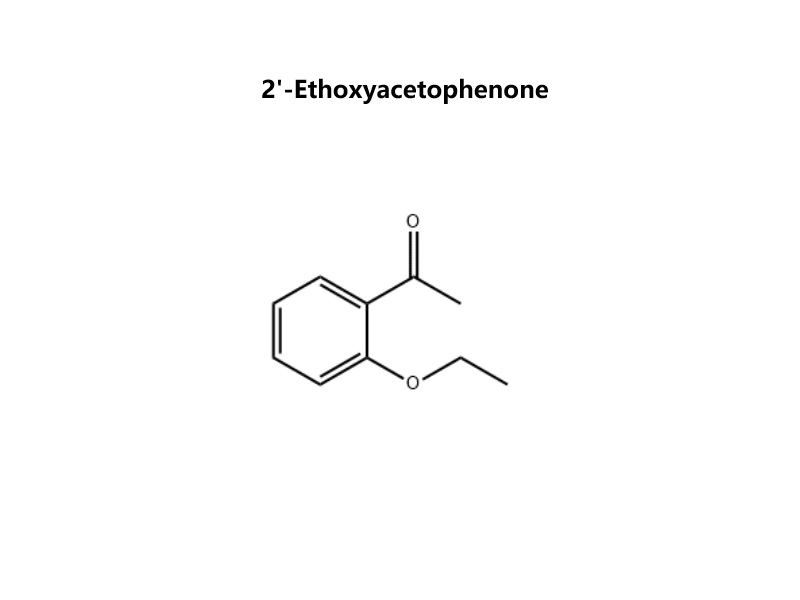
2'-Ethoxyacetophenone CAS 2142-67-8 is a specialized aromatic ketone characterized by an ethoxy substituent at the orthoposition relative to the acetyl group. This structural feature imparts distinct chemical and physical properties, making it a privileged building block for synthesizing complex molecules, particularly in the flavor/fragrance and pharmaceutical sectors.
Details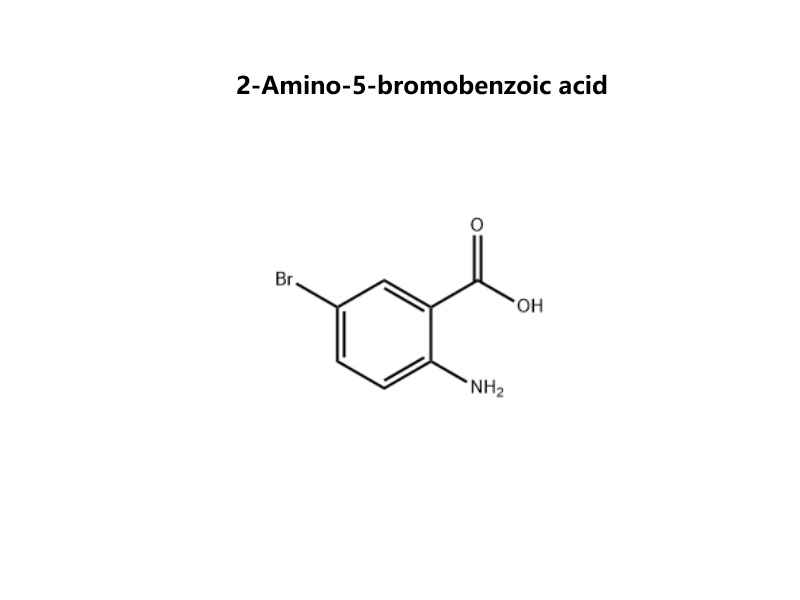
2-Amino-5-bromobenzoic acid CAS 5794-88-7 is a highly versatile aromatic building block that integrates three distinct functional groups—an amine, a carboxylic acid, and an aryl bromide—into a single, synthetically valuable scaffold. This multifunctionality makes it a crucial intermediate in pharmaceutical and advanced materials chemistry.
Details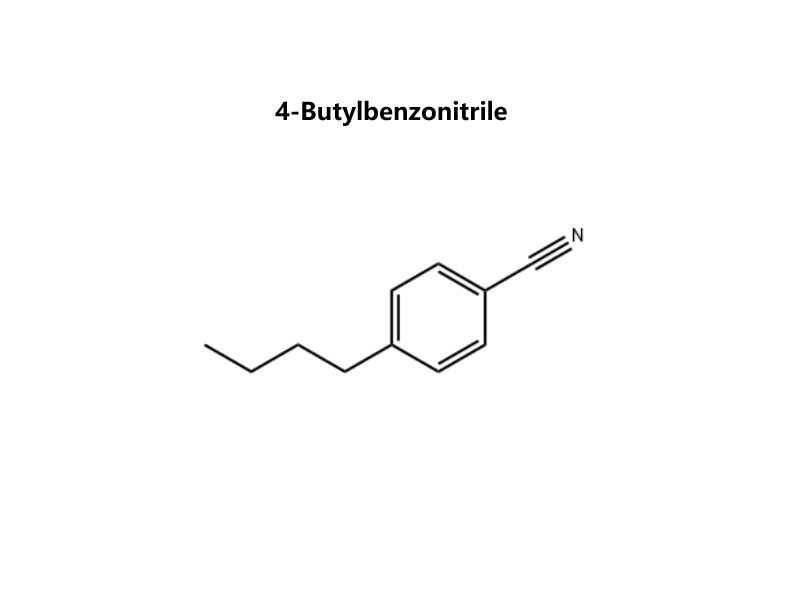
4-Butylbenzonitrile CAS 20651-73-4 is a strategically designed hydrophobic building block that combines a rigid aromatic core with a flexible linear alkyl chain and a highly versatile nitrile functional group. This triad of features makes it an exceptionally valuable intermediate for modulating physicochemical properties and enabling diverse synthetic pathways in advanced material and pharmaceutical and agrochemical research.
Details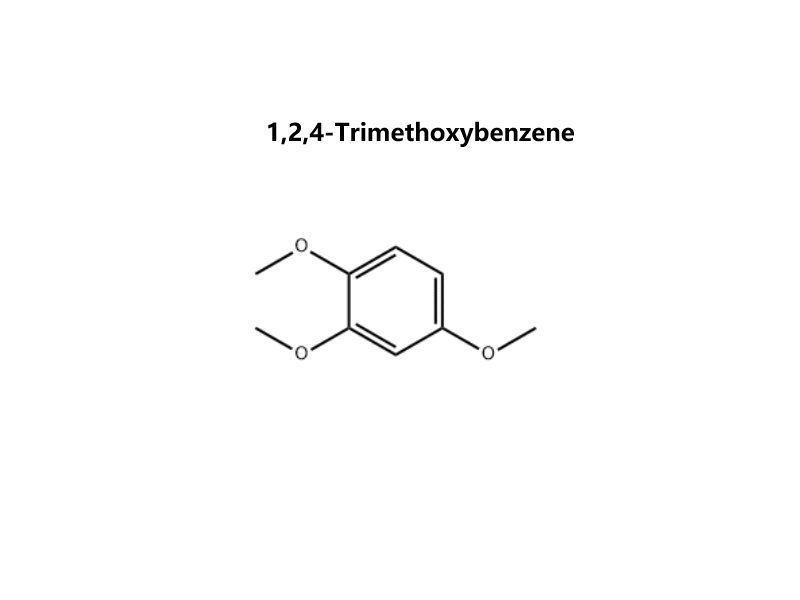
1,2,4-Trimethoxybenzene CAS 135-77-3 is a uniquely versatile, electron-rich aromatic building block. Its core value lies in its unsymmetrical yet highly predictable substitution pattern, which provides exceptional regiocontrol in synthetic chemistry. This makes it a privileged scaffold for constructing complex molecules in pharmaceuticals, agrochemicals, and advanced materials.
Details
 Contact Us
 1st Floor, No. 477, Huancheng West Road, Nanqiao Town, Fengxian District, Shanghai,China
 sales@qxscientific.com
 +86 -13701740203


 IPv6 Network Supported |
Sitemap |
XML |
Blog |
Privacy Policy
IPv6 Network Supported |
Sitemap |
XML |
Blog |
Privacy Policy
Leave A Message
Scan to Wechat/Whatsapp :



 English
 English
 Español
 Português