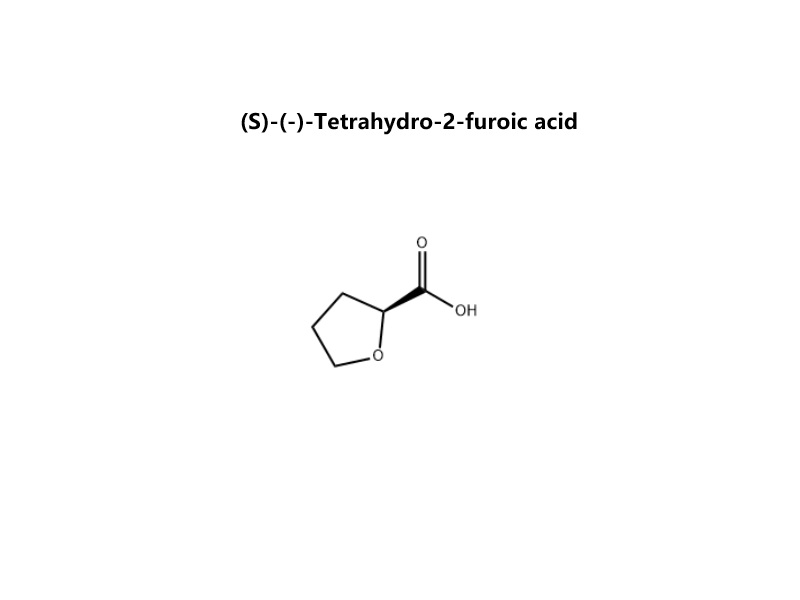
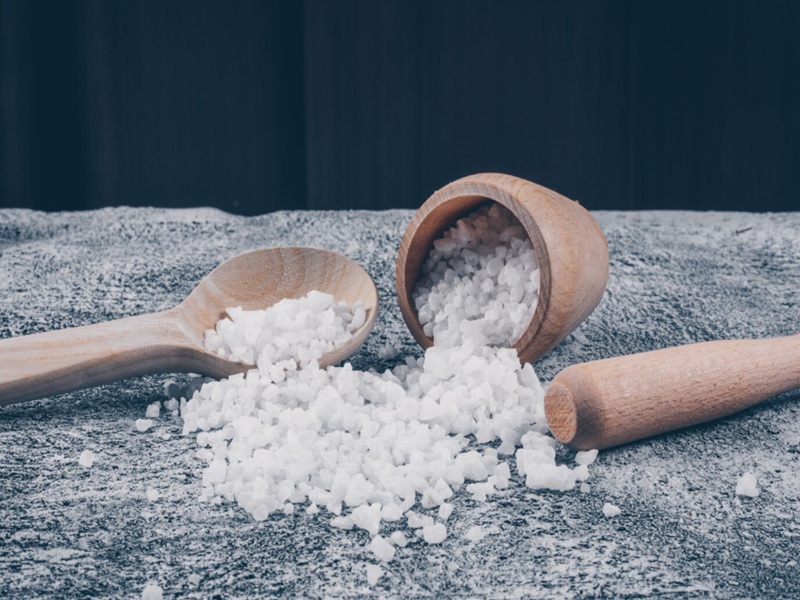
(S)-(−)-Tetrahydro-2-furoic acid CAS 87392-07-2 is a chiral, non-proteinogenic carboxylic acid featuring a saturated furan ring (tetrahydrofuran, THF) with a carboxylic acid group at the 2-position. It is the single (S)-enantiomer of 2-tetrahydrofuroic acid, a valuable chiral building block in organic synthesis. This compound is a high-value, enantiomerically pure chiral building block that provides a ready-to-use, metabolically stable, and conformationally constrained tetrahydrofuran (THF) carboxylic acid scaffold in the (S)-configuration. Its primary value lies in enabling efficient, stereocontrolled synthesis of complex molecules for life sciences.
Name :
(S)-(-)-Tetrahydro-2-furoic acidCAS No. :
87392-07-2MF :
C₅H₈O₃MW :
116.12Purity :
98%Appearance :
Typically a white to off-white crystalline powder or low-melting solid.Storage Condition :
Store in a tightly sealed container in a cool, dry place. For long-term storage ( > 6 months), a refrigerator (2-8°C) is recommended.Chemical Properties
IUPAC Name: (S)-Tetrahydrofuran-2-carboxylic acid
Other Common Names: (S)-2-Carboxytetrahydrofuran; L-Tetrahydro-2-furoic acid (historical, non-standard)
Chemical Formula: C₅H₈O₃
Molecular Weight: 116.12 g/mol
Specific Rotation: [α]²⁰_D ≈ -15° to -20° (c=1 in H₂O or other solvent, exact value varies)
Structure: A five-membered tetrahydrofuran ring with an (S)-configured stereocenter at the carbon alpha to the carboxylic acid group (C2).
Appearance: Typically a white to off-white crystalline powder or low-melting solid.
Melting Point: ~ 35-40 °C (can vary based on purity and crystalline form)
Boiling Point: Decomposes upon distillation; typically used below 150°C.
Solubility: Soluble in water, lower alcohols (methanol, ethanol), and polar organic solvents (THF, ethyl acetate). Sparingly soluble in non-polar solvents like hexane.
Acidity: pKa ~3.5-4.0, typical for an aliphatic carboxylic acid.
Stability: Stable under normal storage conditions. The ester and amide derivatives are often more stable and commonly used in synthesis.
Reactivity: Exhibits standard carboxylic acid reactivity:
Esterification/Amidation: Can form esters and amides.
Reduction: Can be reduced to the corresponding alcohol, (S)-tetrahydrofurfuryl alcohol.
Decarboxylation: Under specific conditions, can undergo decarboxylation.
Chiral Pool Synthon: The chiral THF ring is retained and used to transfer chirality to more complex molecules.
Biological Activities
Natural Occurrence & Metabolism: Not a major natural metabolite but may occur as a minor component or degradation product. It is structurally related to furanoid fatty acid metabolites and may serve as a precursor or analog in certain biochemical pathways.
Biological Activity: No significant, well-characterized intrinsic pharmacological activity as a standalone compound. Its primary importance is as a metabolically stable isostere or conformationally constrained scaffold in medicinal chemistry.
Isostere: The THF ring can serve as a bioisostere for a cyclopentane or a saturated ribose moiety.
Toxicity: Expected to have low acute toxicity but may be irritating to eyes, skin, and mucous membranes. No specific severe hazards are widely reported, but it should be handled as a standard laboratory chemical.
Biosynthesis
Natural Biosynthesis: Not a primary natural product; no major dedicated biosynthetic pathway is known.
Industrial/Chemical Synthesis: Produced via asymmetric synthesis or chiral resolution.
1.Asymmetric Hydrogenation: A key industrial route involves the asymmetric hydrogenation of commercially available furan-2-carboxylic acid or its derivatives using chiral ruthenium or rhodium catalysts, directly yielding the enantiomerically enriched product.
2.Chiral Pool Starting Materials: Synthesis from other chiral natural products (e.g., sugars like ribose) is possible but less common for large-scale production.
3.Enzymatic Resolution: Kinetic resolution of racemic tetrahydro-2-furoic acid (or its esters) using lipases or esterases can yield the desired (S)-enantiomer.
Applications


Key Advantages & Benefits
1. Ready-to-Use Chiral Pool Synthon with High Stereochemical Integrity
Benefit: Provides immediate access to a defined (S)-configured stereocenter attached to a versatile carboxylic acid handle, eliminating the need for costly and inefficient chiral resolutions or asymmetric transformations later in a synthesis.
Application Scenario: In the late-stage diversification of a drug candidate library targeting a protease, medicinal chemists can directly couple this acid to various amine cores using standard amide coupling reagents. This rapidly generates a series of analogs with a conserved, chiral, rigid side chain, allowing for precise SAR studies around the lipophilic binding pocket without racemization risks.
2. Ideal Bioisostere and Conformationally Constrained Scaffold
Benefit: The saturated THF ring acts as a stable, non-planar bioisostere for other cyclic systems (like cyclopentane) or as a constrained analog of flexible butyric acid chains. It imposes specific three-dimensional geometry, improving target binding affinity and metabolic stability.
Application Scenario: When developing a novel GABAergic modulator, replacing a flexible alkyl chain in a lead compound with the (S)-THF scaffold locks the carboxylate group in a specific orientation. This dramatically increases potency and reduces off-target effects by preventing unproductive conformations, while the ether oxygen can provide subtle hydrogen-bonding interactions.
3. Dual Functional Group for Facile Diversification
Benefit: The carboxylic acid group is a universal linchpin for synthetic elaboration (amidation, esterification, reduction), while the THF ether offers additional sites for functionalization (e.g., C-H activation at adjacent positions) or influences physicochemical properties.
Application Scenario: In synthesizing a chiral ligand for asymmetric catalysis, the acid is first converted to an amide with a chiral amine. The THF ring's oxygen can then be used to tether additional coordinating groups (like phosphines), creating a privileged P,O-ligand class used in enantioselective hydrogenation reactions for pharmaceutical manufacturing.
4. Favorable Physicochemical Profile
Benefit: Contributes to an improved balance of lipophilicity and solubility. The THF ring increases lipophilicity (LogP) versus a linear chain, aiding membrane permeability, while the ether oxygen and acid group provide points for solvation and salt formation.
Application Scenario: In optimizing the oral bioavailability of a peptide mimetic, incorporating (S)-tetrahydro-2-furoic acid as a proline replacement at a critical position enhances cell permeability by masking polar character, without resorting to fully non-polar groups that would kill aqueous solubility necessary for formulation.
(S)-(−)-Tetrahydro-2-furoic Acid (CAS 87392-07-2) is a strategic, high-purity chiral building block that offers a unique combination of stereochemical definition, structural rigidity, and synthetic versatility. It is not a commodity chemical but a precision tool for drug discoverers and synthetic chemists. Its greatest strength is the ability to impart optimal three-dimensional shape and improved drug-like properties into a target molecule from the earliest stages of design. For projects requiring a metabolically stable, non-basic, and spatially defined carboxylic acid component, it provides a superior and often irreplaceable solution compared to more common chiral acids like proline or linear chains, accelerating the path to optimized leads and final active ingredients.
FAQs
Q1: What is the key value proposition of the (S)-enantiomer specifically?
A: The (S)-configuration is a specific, defined spatial arrangement required for the biological activity or stereochemical outcome in the final target molecule. Using the single enantiomer ensures:
Predictable pharmacology in drug candidates.
High enantioselectivity when used to make chiral catalysts or ligands.
Regulatory compliance for pharmaceutical development, where racemates are often undesirable.
Q2: What is the critical specification to confirm when ordering for chiral synthesis?
A: Enantiomeric Excess (e.e.) is paramount. For most synthetic applications, a minimum of >98% e.e. is required, with >99% e.e. being the standard for advanced intermediates. Always request a certificate of analysis (CoA) with the specific optical rotation and e.e. value (typically determined by chiral HPLC or GC).
Q3: How should it be stored to maintain stability and chiral purity?
A: Store in a tightly sealed container in a cool, dry place. For long-term storage ( > 6 months), a refrigerator (2-8°C) is recommended. While it is not particularly prone to racemization under standard conditions, protecting it from heat and moisture preserves both chemical and chiral purity.
Q4: What are the most common next-step transformations performed with this acid?
A: It is most frequently converted into more robust and versatile derivatives:
Activated Esters: Conversion to the acid chloride, or formation of pentafluorophenyl (PFP) or N-hydroxysuccinimide (NHS) esters for efficient amide coupling.
Direct Amide Coupling: Using peptide coupling reagents (e.g., HATU, EDC) with amines to form chiral amides.
Esterification: To form methyl or ethyl esters for use as intermediates or for chiral GC analysis.
Q5: Can it be used as a direct substitute for proline or other cyclic amino acids?
A: Not directly, but it is a valuable bioisostere. It lacks the amine group of proline but offers a metabolically stable, conformationally constrained carboxylic acid. It is used in drug design to replace other cyclic structures to modulate properties like polarity, metabolic stability, and 3D shape without basic nitrogen's pharmacology.
Q6: What are typical impurity profiles, and how do they affect synthesis?
A: Key impurities to monitor include:
The (R)-enantiomer: The primary concern. Even 1-2% can significantly impact the e.e. of downstream products.
Furan-2-carboxylic acid: A potential starting material.
Over-reduction products or dimers.
Impurities can lower yields, complicate purifications, and critically, compromise the stereochemical integrity of the final product.
Q7: What is the primary competitive advantage over the racemic mixture?
A: Using the enantiopure (S)-form eliminates the need for a costly and wasteful resolution step later in the synthesis. It provides immediate stereochemical control, streamlining the synthetic route, improving overall yield, and reducing waste—key principles of efficient and green chiral synthesis. It is a cost-saver in the total synthesis of complex chiral molecules.
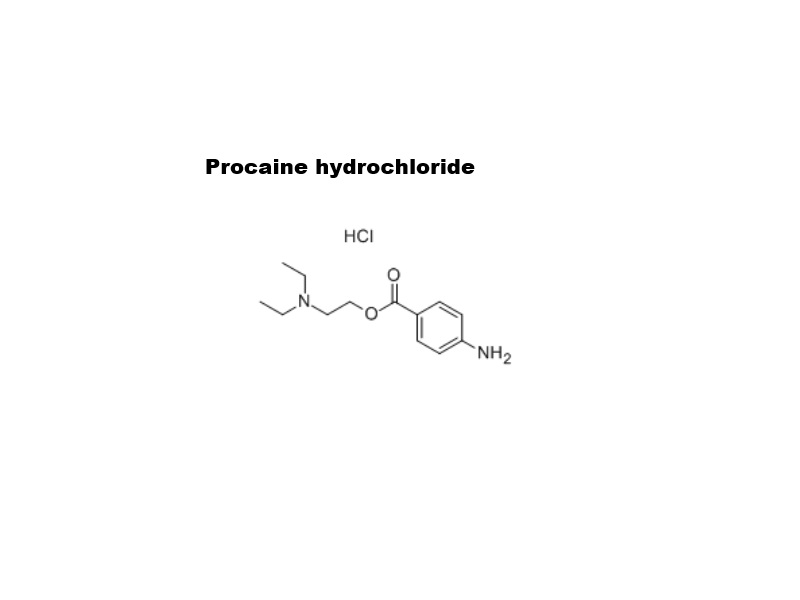
Procaine Hydrochloride CAS 51-05-8 is the water-soluble hydrochloride salt of procaine. It is the specific formulation used in clinical medicine, famously marketed under the brand name Novocain. While its use in mainstream practice has diminished, it remains a historically pivotal drug and is still employed in specific medical and therapeutic contexts.
Details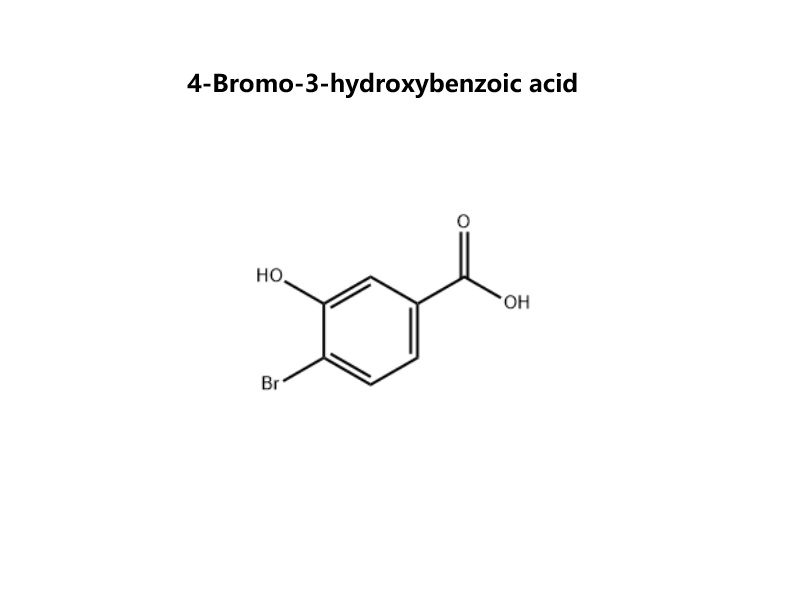
4-Bromo-3-hydroxybenzoic acid CAS 14348-38-0 is a premium, multifunctional aromatic building block engineered for complexity-driven synthesis. Its core value lies in the strategic placement of three distinct, orthogonally reactive functional groups on a benzene ring, making it an indispensable tool for convergent molecular construction in advanced research and development.
Details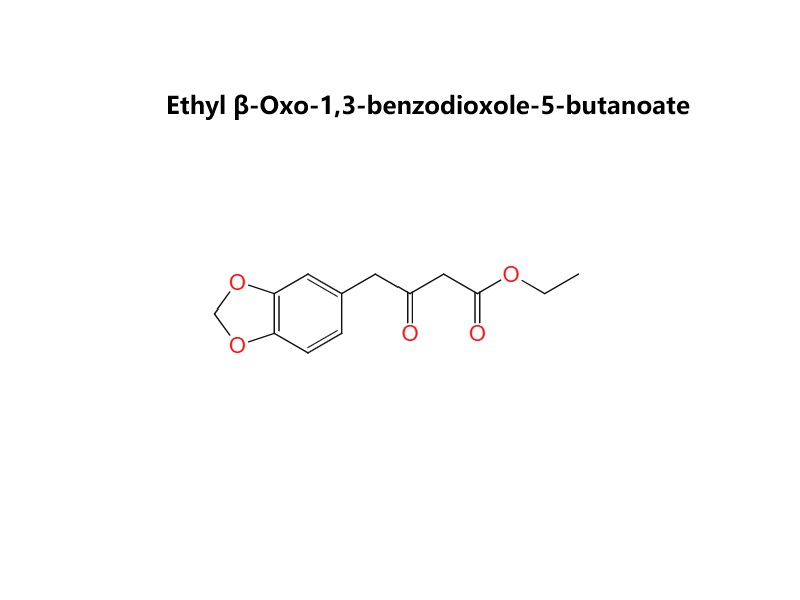
Ethyl β-Oxo-1,3-benzodioxole-5-butanoate CAS 31127-23-8 is a β-ketoester derivative featuring a 1,3-benzodioxole (methylenedioxyphenyl) aromatic system. Structurally, it consists of a benzodioxole ring attached through a three-carbon chain to an ethyl β-ketoester functional group (-CO-CH₂-COOEt). This makes it a versatile bifunctional building block for organic synthesis, combining the electronic properties of the benzodioxole group with the high reactivity of a β-ketoester.
Details![4-Nitrophenyl 3-(Benzo[d][1,3]dioxol-5-yl)-2-methylpropanoate](https://www.qixiolivetol.com/storage/uploads/images/202604/17/1776427287_qZy87IjHSQ.jpg)
4-Nitrophenyl 3-(Benzo[d][1,3]dioxol-5-yl)-2-methylpropanoate is a chirally defined, pre-activated acylating agent that combines a metabolically stable benzo[1,3]dioxole (piperonyl) pharmacophore with the exceptional reactivity of a 4-nitrophenyl ester. It enables the efficient, racemization-free introduction of a complex, chiral acid moiety under mild conditions, making it invaluable for advanced synthetic and bioconjugation chemistry. 4-Nitrophenyl 3-(Benzo[d][1,3]dioxol-5-yl)-2-methylpropanoate is a specialty ester designed as a reactive biochemical or synthetic intermediate. Its structure strategically combines three key units: (1)A 3-(benzo[1,3]dioxol-5-yl)-2-methylpropanoic acid (piperonyl-substituted, chiral acid) moiety. (2)A 4-nitrophenyl ester leaving group. This design makes it an activated ester, where the 4-nitrophenol is an excellent leaving group, facilitating efficient acyl transfer reactions under mild conditions.
Details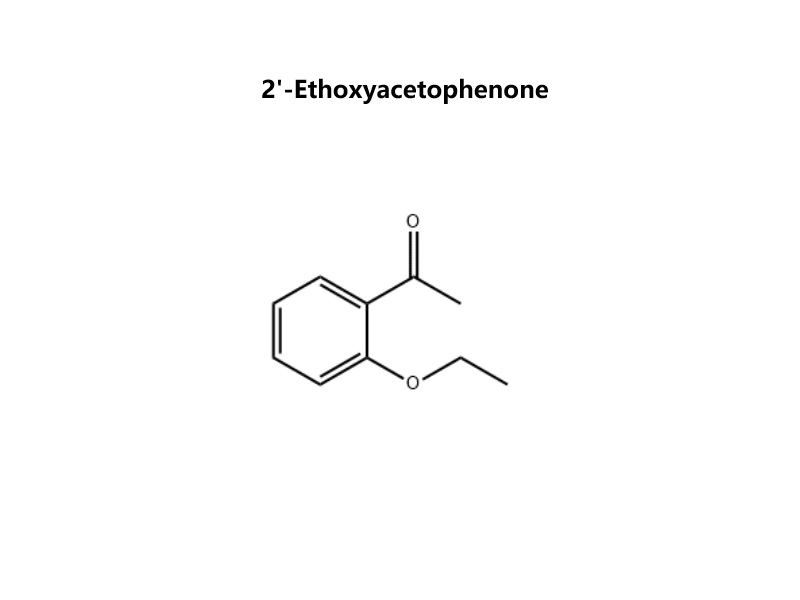
2'-Ethoxyacetophenone CAS 2142-67-8 is a specialized aromatic ketone characterized by an ethoxy substituent at the orthoposition relative to the acetyl group. This structural feature imparts distinct chemical and physical properties, making it a privileged building block for synthesizing complex molecules, particularly in the flavor/fragrance and pharmaceutical sectors.
Details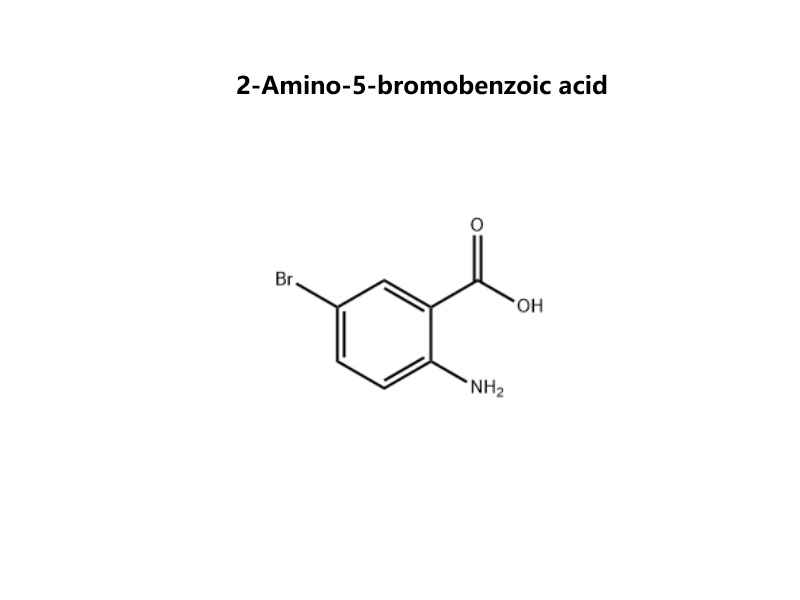
2-Amino-5-bromobenzoic acid CAS 5794-88-7 is a highly versatile aromatic building block that integrates three distinct functional groups—an amine, a carboxylic acid, and an aryl bromide—into a single, synthetically valuable scaffold. This multifunctionality makes it a crucial intermediate in pharmaceutical and advanced materials chemistry.
Details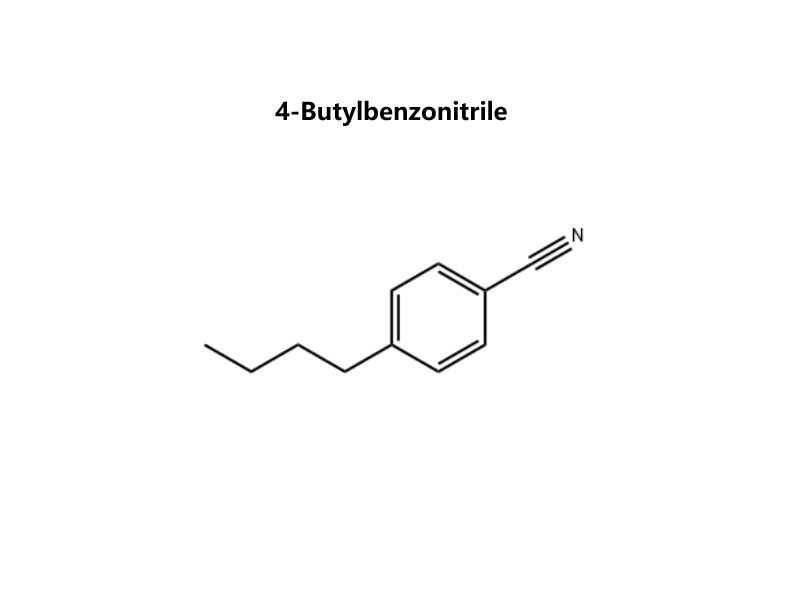
4-Butylbenzonitrile CAS 20651-73-4 is a strategically designed hydrophobic building block that combines a rigid aromatic core with a flexible linear alkyl chain and a highly versatile nitrile functional group. This triad of features makes it an exceptionally valuable intermediate for modulating physicochemical properties and enabling diverse synthetic pathways in advanced material and pharmaceutical and agrochemical research.
Details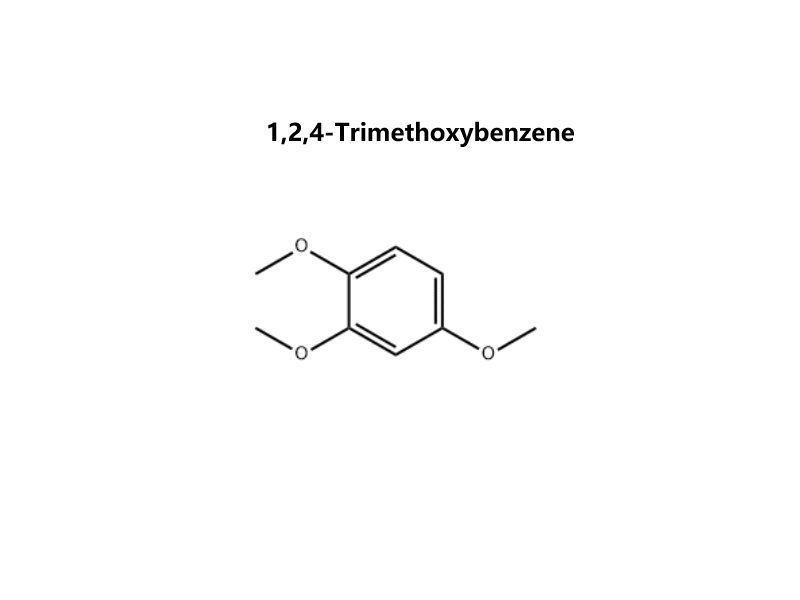
1,2,4-Trimethoxybenzene CAS 135-77-3 is a uniquely versatile, electron-rich aromatic building block. Its core value lies in its unsymmetrical yet highly predictable substitution pattern, which provides exceptional regiocontrol in synthetic chemistry. This makes it a privileged scaffold for constructing complex molecules in pharmaceuticals, agrochemicals, and advanced materials.
Details
 Contact Us
 1st Floor, No. 477, Huancheng West Road, Nanqiao Town, Fengxian District, Shanghai,China
 sales@qxscientific.com
 +86 -13701740203


 IPv6 Network Supported |
Sitemap |
XML |
Blog |
Privacy Policy
IPv6 Network Supported |
Sitemap |
XML |
Blog |
Privacy Policy
Leave A Message
Scan to Wechat/Whatsapp :



 English
 English
 Español
 Português