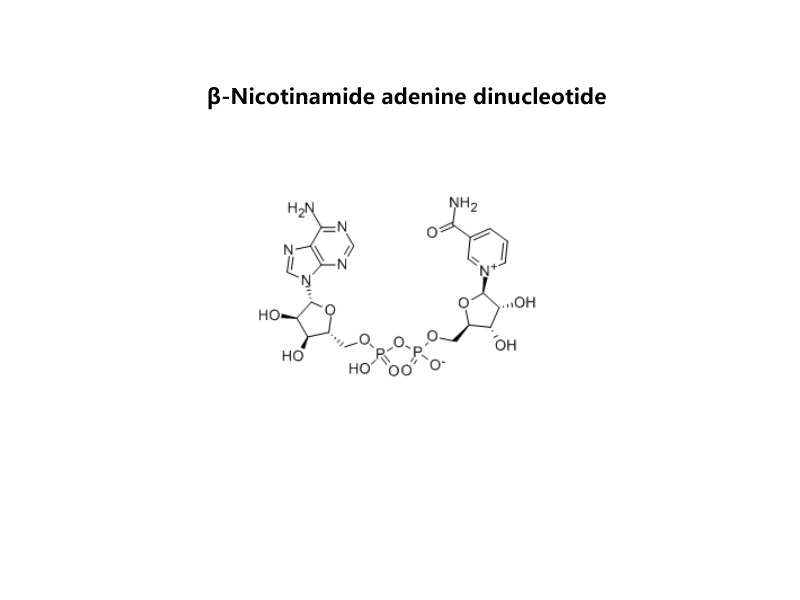
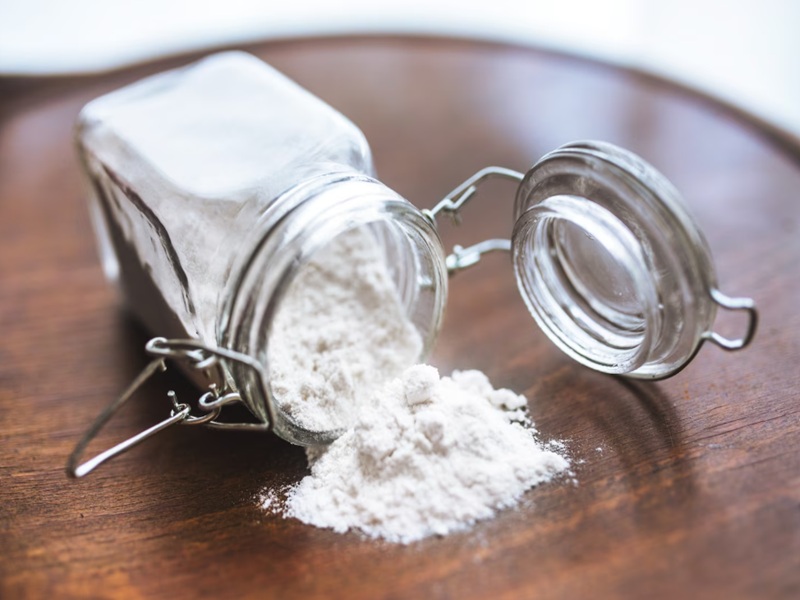
β-Nicotinamide Adenine Dinucleotide CAS 53-84-9 is a fundamental biological coenzyme found in all living cells. It is a dinucleotide consisting of two nucleotides joined through their phosphate groups: one nucleotide contains an adenine base (adenosine monophosphate, AMP), and the other contains a nicotinamide base (nicotinamide mononucleotide, NMN). The "β" denotes the stereospecific configuration of the glycosidic bond in the nicotinamide riboside moiety, which is essential for biological activity. NAD+ exists in two interconvertible redox states: the oxidized form (NAD+) and the reduced form (NADH).β-Nicotinamide Adenine Dinucleotide is the universal and indispensable redox coenzyme central to cellular metabolism and signaling. It is not merely a supplement but the active, endpoint molecule itself, serving as the direct co-substrate for hundreds of enzymes that govern energy production, genomic repair, and epigenetic regulation.
Name :
β-Nicotinamide adenine dinucleotideCAS No. :
53-84-9MF :
C₂₁H₂₇N₇O₁₄P₂MW :
663.43Purity :
98%Appearance :
White to light yellow, hygroscopic powder.Storage Condition :
Store at -20°C or below, desiccated, and protected from light.Chemical Properties
IUPAC Name: 1-[(2R,3R,4S,5R)-5-[({({[(2R,3S,4R,5R)-5-(6-aminopurin-9-yl)-3,4-dihydroxyoxolan-2-yl]methoxy}(hydroxy)phosphoryl)oxyphosphoryl}oxy)methyl]-3,4-dihydroxyoxolan-2-yl]-3-carbamoylpyridin-1-ium
Common Names: NAD; Coenzyme I; Diphosphopyridine nucleotide (DPN, obsolete)
Chemical Formula: C₂₁H₂₇N₇O₁₄P₂
Molecular Weight: 663.43 g/mol
Structure: Adenine-ribose-phosphate-phosphate-ribose-nicotinamide. The key functional group is the pyridinium ring on the nicotinamide, which accepts a hydride ion (H⁻) during reduction to form NADH.
Appearance: White to light yellow, hygroscopic powder.
Solubility: Freely soluble in water. Practically insoluble in most organic solvents like acetone or ethanol.
Stability: Highly unstable in solution. Degraded by heat, light, and extremes of pH. In neutral aqueous solutions, it undergoes gradual hydrolysis, especially at higher temperatures. The solid form is more stable but remains hygroscopic and sensitive to long-term storage.
Absorption Maxima:
NAD+: 259 nm (characteristic of adenine)
NADH: 259 nm and 340 nm (the 340 nm peak is used to spectrophotometrically monitor reduction reactions).
Redox Potential: The NAD⁺/NADH redox couple has a standard reduction potential (E°') of -0.32 V, making it a strong biological reducing agent.
Biological Activities
NAD+ is not merely a molecule but a central redox currency and signaling substrate for the cell.
Primary Role: Redox Cofactor
Catabolism: Serves as an essential hydride (H⁻) acceptor in catabolic pathways (e.g., glycolysis, TCA cycle, fatty acid β-oxidation), becoming reduced to NADH. This NADH then donates electrons to the electron transport chain to drive ATP synthesis.
Anabolism: Acts as a hydride donor in reductive biosyntheses (e.g., fatty acid and steroid synthesis).
Signaling Substrate for NAD+-Consuming Enzymes:
Sirtuins (SIRT1-7): NAD+ is an obligatory co-substrate for these deacetylase/deacylase enzymes. Sirtuins regulate gene silencing, DNA repair, metabolic control, and aging. Their activity is directly coupled to cellular NAD+ availability.
Poly(ADP-ribose) Polymerases (PARPs): Consume NAD+ to synthesize poly(ADP-ribose) (PAR) chains on target proteins, primarily involved in the detection and repair of DNA damage.
CD38/CD157: Major NAD+-consuming ectoenzymes that generate second messengers like cyclic ADP-ribose (cADPR), regulating calcium signaling and immune function. Their activity increases with age, contributing to NAD+ decline.
Role in Aging: Cellular NAD+ levels decline significantly with age across multiple tissues. This decline is believed to contribute to age-related pathologies by impairing mitochondrial function, DNA repair, and stress resistance. Restoring NAD+ levels is a major focus of aging research.
Biosynthesis
Cells maintain NAD+ pools through several de novoand salvage biosynthesis pathways:
1.De Novo Pathway (from Tryptophan): The longest pathway, starting with the amino acid tryptophan (Vitamin B3-independent).
2.Preiss-Handler Pathway (from Nicotinic Acid, NA): NA → NaMN → NaAD → NAD+.
3.Salvage Pathways (Primary in Mammals):
From Nicotinamide (NAM): NAM is recycled via the rate-limiting enzyme NAMPT to produce NMN, which is then converted to NAD+ by NMNAT.
From Nicotinamide Riboside (NR): NR is phosphorylated by NR kinases to NMN, then to NAD+.
From Nicotinic Acid Riboside (NAR): A less common salvage route.
Applications

Key Advantages & Benefits
1. Direct and Immediate Cofactor for Critical Enzymatic Assays
Benefit: Provides the definitive, unmodified substrate required for in vitroactivity of dehydrogenases, reductases, sirtuins, and PARPs. Its use guarantees assay validity and reproducibility, as it is the molecule natively recognized by these enzymes.
Application Scenario: In drug discovery for oncology, researchers screen compound libraries against purified PARP-1 enzyme. High-purity NAD+ is essential for the assay to identify inhibitors that block PARP's activity by competing for the NAD+ binding site, a mechanism used by PARP inhibitor cancer drugs like olaparib.
2. The Definitive Biochemical Standard for Metabolic Research
Benefit: Serves as the absolute reference compound for quantifying metabolic flux. Measuring the NAD+/NADH ratio is a critical indicator of cellular redox state and mitochondrial health.
Application Scenario: A research team studying mitochondrial dysfunction in neurodegenerative disease uses precise enzymatic cycling assays with NAD+ as the core reagent. They measure the NAD+/NADH ratio in neuronal cell lines treated with experimental compounds to determine if the therapy can restore a more youthful, energetically favorable redox balance.
3. Unmatched Purity for Signaling Studies
Benefit: High-purity, enzymatically verified NAD+ is required to study its non-redox, signaling functions without artifacts from contaminants that could activate or inhibit sensitive enzymes like sirtuins and CD38.
Application Scenario: In a study on caloric restriction and longevity, scientists use ultra-pure NAD+ to demonstrate direct activation of SIRT1 deacetylase activity in cell culture. Contaminant-free NAD+ is critical to conclusively prove that increased NAD+ levels are the mechanistic link between nutrient sensing and gene expression changes.
4. Gold Standard for In-Vitro Diagnostic (IVD) Kits
Benefit: Its well-defined reaction kinetics with specific dehydrogenases makes it the reliable core component in clinical diagnostic kits (e.g., for measuring lactate, ethanol, or glycerol).
Application Scenario: In a hospital clinical lab, an automated analyzer runs a lactate dehydrogenase (LDH) test on a patient's serum to assess tissue damage. The test relies on a stable, formulated NAD+ reagent to catalyze the conversion of lactate to pyruvate, generating a measurable signal proportional to LDH concentration.
β-Nicotinamide Adenine Dinucleotide (NAD+, CAS 53-84-9) is the non-negotiable, active biochemical currency of the cell. Its principal advantage is not as a direct dietary supplement but as the irreplaceable core reagent for science and diagnostics. For researchers, it is the gold-standard tool for probing metabolism and enzymology. For diagnostic manufacturers, it is the critical, validated component of clinical assays. While NAD+ precursors like NMN and NR are superior for in vivosupplementation due to bioavailability, NAD+ itself remains the ultimate reference molecule and the direct effector of cellular function. Its value lies in its definitive biological activity and its role as the essential standard against which all precursors are measured.
FAQs
Q1: Why is the "β-" form specified, and does it matter?
A: Absolutely. The "β-" refers to the specific three-dimensional orientation of the bond connecting the nicotinamide to the ribose sugar. This is the only stereochemical form recognized and utilized by human enzymes. The alpha (α-) anomer is biologically inactive. High-quality NAD+ must be verified as the pure β-form for reliable research or product efficacy.
Q2: Can I take oral NAD+ supplements to boost my cellular levels?
A: Direct oral NAD+ supplementation is considered highly inefficient. NAD+ is a large, charged molecule that is rapidly degraded in the digestive system by enzymes and gut bacteria before it can be absorbed intact. The established strategy is to supplement with precursors like NMN (Nicotinamide Mononucleotide) or NR (Nicotinamide Riboside), which are smaller, more stable, and efficiently converted into NAD+ inside cells.
Q3: What are the critical storage and handling requirements?
A: NAD+ is notoriously unstable. For the solid:
Store at -20°C or below, desiccated, and protected from light.
For solutions: Always prepare fresh in cold, neutral-pH buffer (e.g., 50-100 mM Tris or phosphate buffer, pH ~7.5). Do not freeze-thaw solutions. Use immediately or store at 0-4°C for a few hours only.
Never autoclave or heat solutions.
Q4: How do I verify the purity and activity of NAD+?
A: Request a Certificate of Analysis (CoA) from the supplier. Key quality indicators:
HPLC Purity: ≥95% for research, ≥98% for critical applications.
Enzymatic Activity Assay: The gold standard. Purity is confirmed by its ability to serve as a cofactor in a standardized dehydrogenase reaction (e.g., with alcohol dehydrogenase), measured by the specific increase in absorbance at 340 nm upon reduction to NADH.
Water Content (Karl Fischer): Should be low (<2%) due to hygroscopicity.
Q5: What's the difference between NAD+ and NADH supplements?
A: They represent different redox states and have different proposed mechanisms.
NAD+: The oxidized form. In supplements (typically sublingual/IV), it's proposed to provide the raw signaling substrate for sirtuins and PARPs.
NADH: The reduced form. Marketed for rapid cellular "energy" support, as it is the direct electron donor for ATP synthesis. It is extremely unstable in gastric acid.
Neither is efficiently absorbed orally compared to precursors like NMN/NR.
Q6: Is NAD+ used in IV therapy, and is there evidence?
A: Yes, it is a component of some IV "wellness" or "anti-aging" drips. Proponents claim direct delivery to the bloodstream bypasses gut degradation, potentially raising plasma NAD+ levels. While plausible mechanistically, robust, peer-reviewed clinical trials demonstrating significant and sustained tissue-level benefits from IV NAD+ are currently lacking. It remains an area of anecdotal reporting and ongoing research.
Q7: What is the main commercial source of NAD+?
A: Most commercial NAD+ is produced via fermentation using specially engineered yeast or bacterial strains. This biological production ensures the correct stereochemistry (β-form). Chemical synthesis is possible but more complex and costly for large-scale production of the correct isomer.
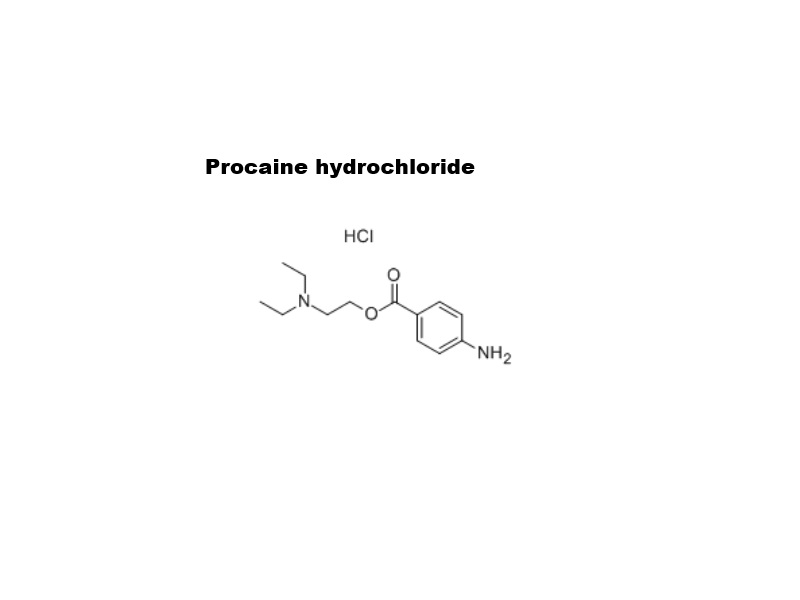
Procaine Hydrochloride CAS 51-05-8 is the water-soluble hydrochloride salt of procaine. It is the specific formulation used in clinical medicine, famously marketed under the brand name Novocain. While its use in mainstream practice has diminished, it remains a historically pivotal drug and is still employed in specific medical and therapeutic contexts.
Details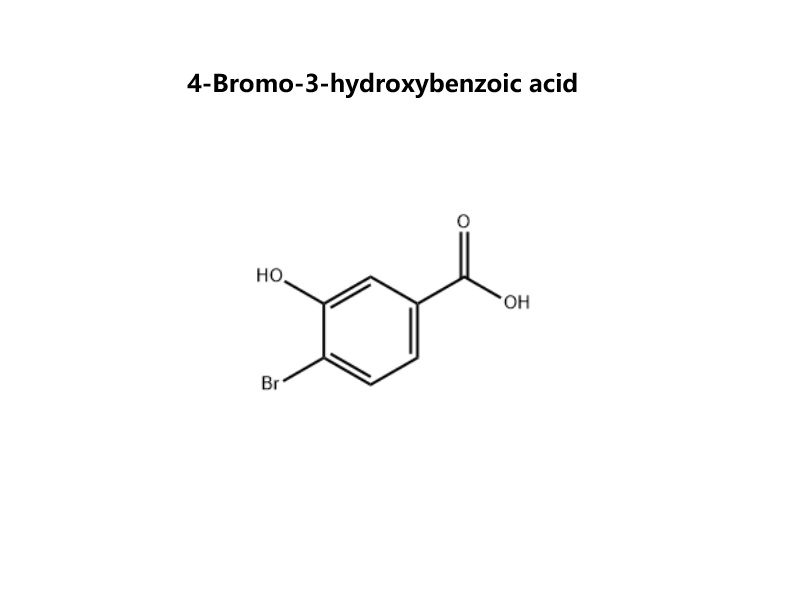
4-Bromo-3-hydroxybenzoic acid CAS 14348-38-0 is a premium, multifunctional aromatic building block engineered for complexity-driven synthesis. Its core value lies in the strategic placement of three distinct, orthogonally reactive functional groups on a benzene ring, making it an indispensable tool for convergent molecular construction in advanced research and development.
Details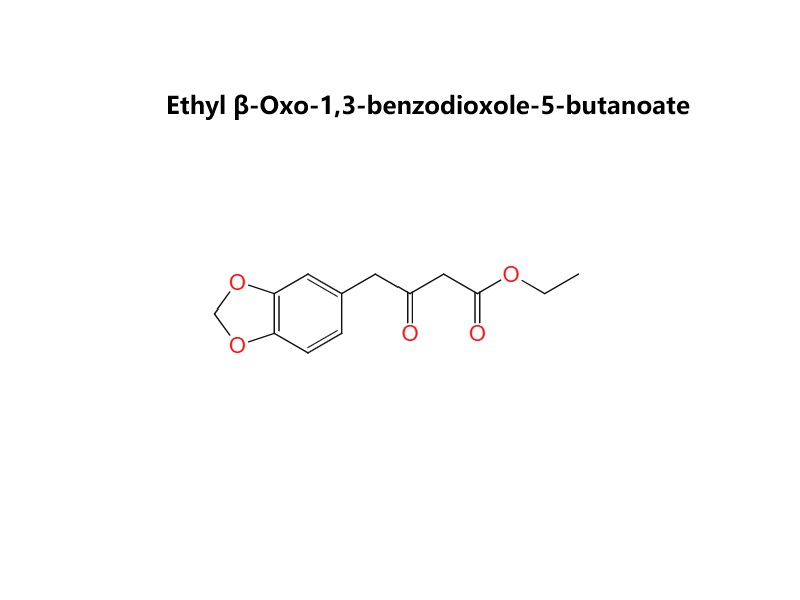
Ethyl β-Oxo-1,3-benzodioxole-5-butanoate CAS 31127-23-8 is a β-ketoester derivative featuring a 1,3-benzodioxole (methylenedioxyphenyl) aromatic system. Structurally, it consists of a benzodioxole ring attached through a three-carbon chain to an ethyl β-ketoester functional group (-CO-CH₂-COOEt). This makes it a versatile bifunctional building block for organic synthesis, combining the electronic properties of the benzodioxole group with the high reactivity of a β-ketoester.
Details![4-Nitrophenyl 3-(Benzo[d][1,3]dioxol-5-yl)-2-methylpropanoate](https://www.qixiolivetol.com/storage/uploads/images/202604/17/1776427287_qZy87IjHSQ.jpg)
4-Nitrophenyl 3-(Benzo[d][1,3]dioxol-5-yl)-2-methylpropanoate is a chirally defined, pre-activated acylating agent that combines a metabolically stable benzo[1,3]dioxole (piperonyl) pharmacophore with the exceptional reactivity of a 4-nitrophenyl ester. It enables the efficient, racemization-free introduction of a complex, chiral acid moiety under mild conditions, making it invaluable for advanced synthetic and bioconjugation chemistry. 4-Nitrophenyl 3-(Benzo[d][1,3]dioxol-5-yl)-2-methylpropanoate is a specialty ester designed as a reactive biochemical or synthetic intermediate. Its structure strategically combines three key units: (1)A 3-(benzo[1,3]dioxol-5-yl)-2-methylpropanoic acid (piperonyl-substituted, chiral acid) moiety. (2)A 4-nitrophenyl ester leaving group. This design makes it an activated ester, where the 4-nitrophenol is an excellent leaving group, facilitating efficient acyl transfer reactions under mild conditions.
Details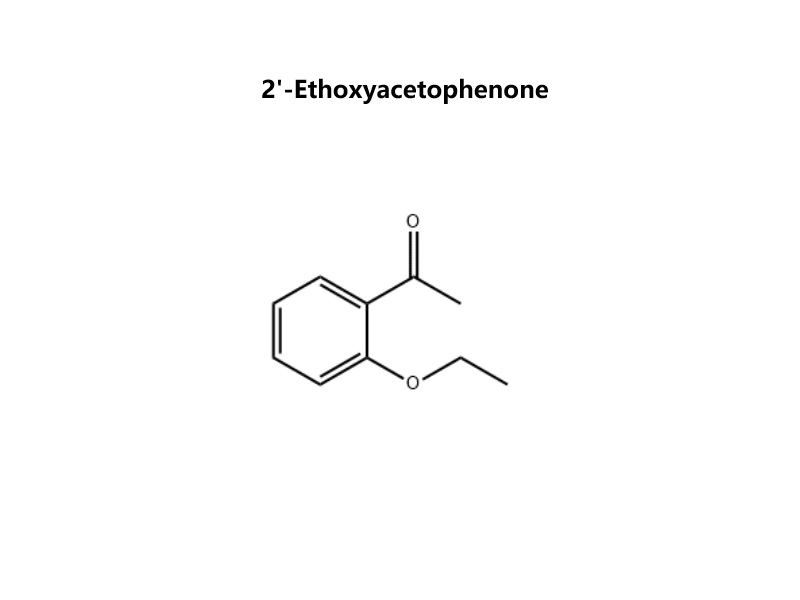
2'-Ethoxyacetophenone CAS 2142-67-8 is a specialized aromatic ketone characterized by an ethoxy substituent at the orthoposition relative to the acetyl group. This structural feature imparts distinct chemical and physical properties, making it a privileged building block for synthesizing complex molecules, particularly in the flavor/fragrance and pharmaceutical sectors.
Details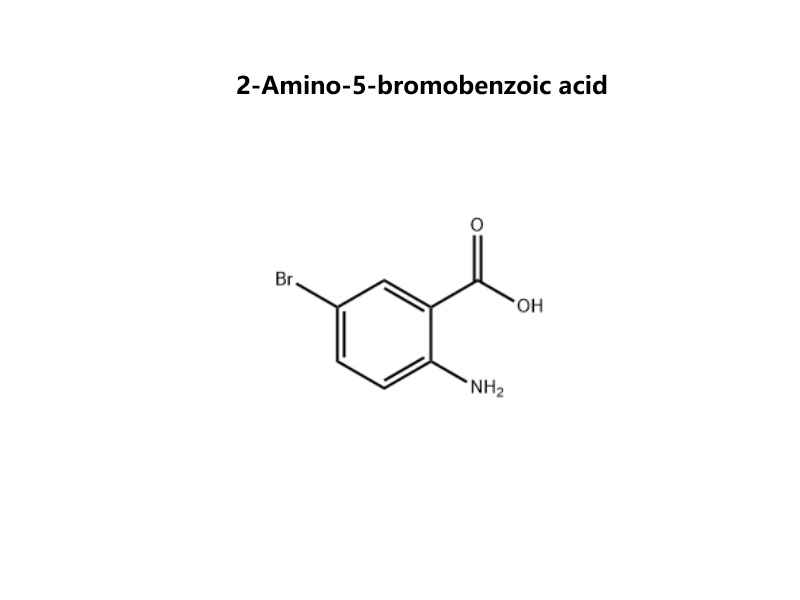
2-Amino-5-bromobenzoic acid CAS 5794-88-7 is a highly versatile aromatic building block that integrates three distinct functional groups—an amine, a carboxylic acid, and an aryl bromide—into a single, synthetically valuable scaffold. This multifunctionality makes it a crucial intermediate in pharmaceutical and advanced materials chemistry.
Details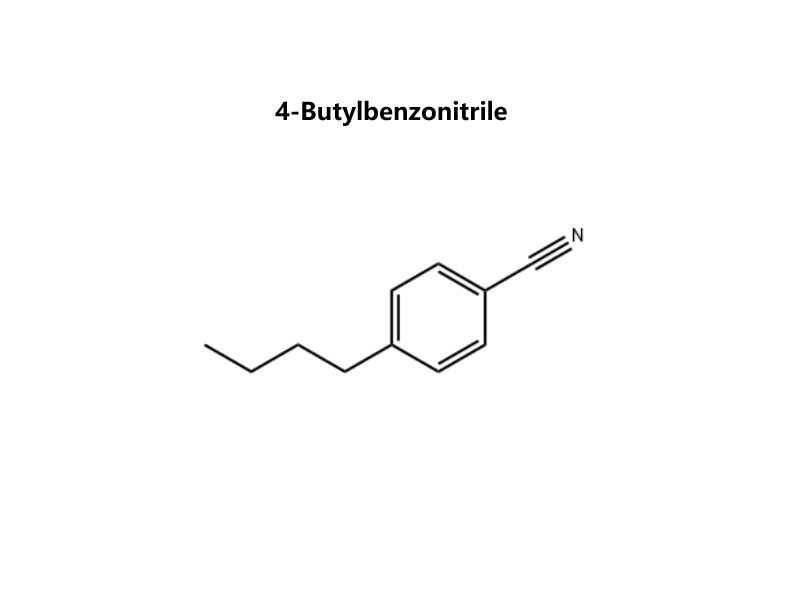
4-Butylbenzonitrile CAS 20651-73-4 is a strategically designed hydrophobic building block that combines a rigid aromatic core with a flexible linear alkyl chain and a highly versatile nitrile functional group. This triad of features makes it an exceptionally valuable intermediate for modulating physicochemical properties and enabling diverse synthetic pathways in advanced material and pharmaceutical and agrochemical research.
Details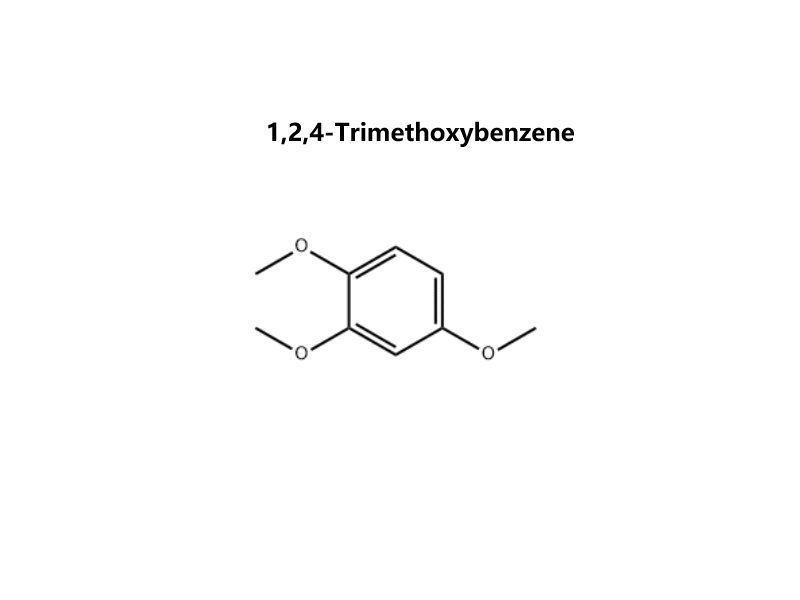
1,2,4-Trimethoxybenzene CAS 135-77-3 is a uniquely versatile, electron-rich aromatic building block. Its core value lies in its unsymmetrical yet highly predictable substitution pattern, which provides exceptional regiocontrol in synthetic chemistry. This makes it a privileged scaffold for constructing complex molecules in pharmaceuticals, agrochemicals, and advanced materials.
Details
 Contact Us
 1st Floor, No. 477, Huancheng West Road, Nanqiao Town, Fengxian District, Shanghai,China
 sales@qxscientific.com
 +86 -13701740203


 IPv6 Network Supported |
Sitemap |
XML |
Blog |
Privacy Policy
IPv6 Network Supported |
Sitemap |
XML |
Blog |
Privacy Policy
Leave A Message
Scan to Wechat/Whatsapp :



 English
 English
 Español
 Português