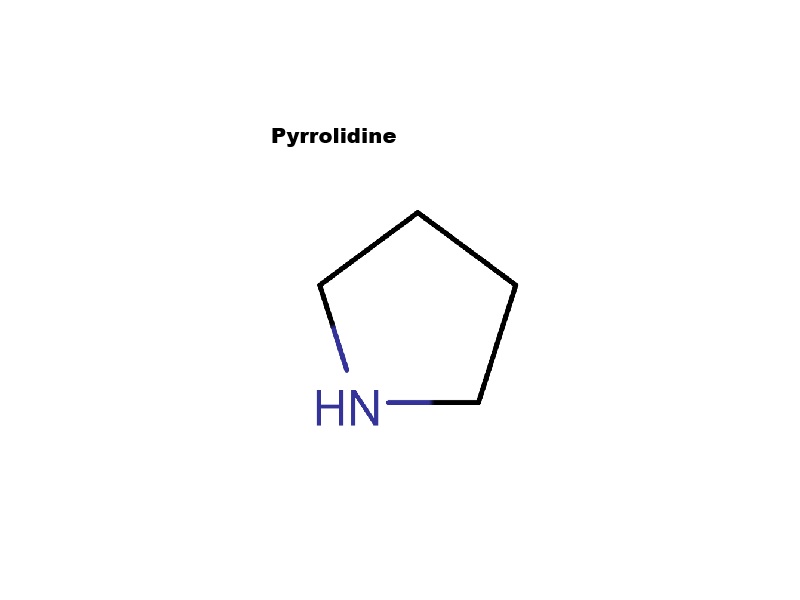
Pyrrolidine CAS 123-75-1 is a saturated, five-membered heterocyclic organic compound containing a secondary amine group. It is a cyclic secondary amine and the simplest saturated azacyclopentane, serving as the structural core for numerous alkaloids and pharmaceuticals. The molecule is fully hydrogenated relative to pyrrole, giving it basic properties.
Name :
PyrrolidineCAS No. :
123-75-1MF :
C₄H₉NMW :
71.12Purity :
99%Appearance :
Colorless to light yellow liquidStorage Condition :
Store under inert atmosphere (nitrogen/argon).Chemical Properties
CAS Number: 123-75-1
Molecular Formula: C₄H₉N
Molecular Weight: 71.12 g/mol
Structural Formula: A five-membered ring with four CH₂ groups and one NH group.
IUPAC Name: Pyrrolidine
Synonyms:
Tetrahydropyrrole
Azacyclopentane
Key Characteristics: Strongly basic (pKb ~2.7), volatile, colorless to pale yellow liquid with an ammoniacal, fish-like odor.
Physical State: Colorless to light yellow liquid; tends to darken upon exposure to air and light.
Boiling Point: 87-88 °C (at 760 mmHg)
Melting Point: -57 to -63 °C
Density: 0.852-0.854 g/cm³ at 25 °C
Refractive Index: n²⁰/D ~1.443
Flash Point: 3 °C (closed cup) – Highly Flammable.
Solubility: Miscible with water and most organic solvents (ethanol, ether, chloroform, benzene). Acts as a good solvent for many organic and inorganic compounds.
Stability: Stable under recommended storage conditions. Hygroscopic (absorbs moisture and CO₂ from air, forming a carbonate). Incompatible with strong oxidizing agents, acids, and acid chlorides. May form explosive peroxides upon prolonged storage. Store under inert atmosphere (nitrogen/argon).
Odor: Strong, unpleasant, ammoniacal odor.
Biological Activities
Pharmacology/Toxicology: Primarily an intermediate; not used directly as a drug.
Toxicity: Corrosive and toxic. Causes severe skin burns, eye damage, and respiratory tract irritation. Harmful if swallowed or inhaled. Effects may include central nervous system depression.
Metabolism: Can serve as a precursor in the biosynthesis of various natural alkaloids (e.g., nicotine, hygrine). In the body, it may be metabolized and incorporated into more complex structures.
Mode of Action: As a strong base, it can disrupt cellular functions. Its main hazard is its corrosive nature and reactivity.
Natural Occurrence: Found as a structural component in many alkaloids (e.g., in Nicotianaspecies, coca leaves) but not typically as a free base in significant quantities.
Biosynthesis
Natural Biosynthesis: In plants and microorganisms, pyrrolidine rings are biosynthesized primarily from ornithine or proline. Ornithine is decarboxylated to putrescine, which can then be incorporated into pyrrolidine-containing alkaloids through enzymatic transformations (e.g., methylation, oxidation, and cyclization).
Industrial Synthesis: Not biosynthesized industrially. Produced via chemical methods:
1.Catalytic Hydrogenation of Pyrrole: The most common industrial route, involving hydrogenation of pyrrole over a catalyst like Raney nickel or palladium.
2.Reduction of Succinimide or Succinonitrile.
3.From 1,4-Dihalobutanes: Reaction with ammonia or amines.
Applications




FAQs
Q1: What are the primary hazards associated with pyrrolidine?
A1: It is highly flammable, corrosive, and toxic. Primary hazards include severe skin/eye burns, respiratory irritation, and potential peroxide formation upon aging. It must be handled in a fume hood with proper PPE (gloves, goggles, lab coat) and away from ignition sources.
Q2: How should pyrrolidine be stored safely?
A2: Store in a tightly sealed, air-tight container under an inert atmosphere (nitrogen or argon), in a cool, dry, well-ventilated place away from heat and light. Refrigeration is recommended. Add an inhibitor (like sodium hydroxide or BHT) to prevent peroxide formation for long-term storage, and test for peroxides regularly.
Q3: What is it commonly used for?
A3: Its most significant use is as a key building block in pharmaceutical synthesis, particularly for drugs containing a pyrrolidine ring. It is also used as a solvent, catalyst, and precursor for other industrial chemicals like NMP.
Q4: Is pyrrolidine a controlled substance?
A4: No, pyrrolidine itself is not a controlled substance. However, it is a List I Chemical Precursor in some jurisdictions (e.g., regulated by the U.S. DEA) because it can be used in the illicit manufacture of controlled substances (e.g., certain stimulants). Its sale and use are monitored, and users must comply with all applicable regulations.
Q5: What should be done in case of a spill?
A5: Evacuate the area. Wear full protective gear. Contain the spill with inert material (sand, vermiculite). Neutralize with a dilute acid (like acetic acid) and collect for disposal. Ventilate the area thoroughly. Do not flush to sewer. Follow all local hazardous waste regulations.
Q6: What is the difference between pyrrole, pyrrolidine, and pyrrolidone?
A6: Pyrrole is an aromatic, 5-membered ring with two double bonds and is weakly acidic. Pyrrolidine is the saturated, fully hydrogenated version of pyrrole and is a strong base. Pyrrolidone (2-pyrrolidone) is a lactam derived from pyrrolidine, containing a carbonyl group (amide).
Q7: What are suitable alternatives for less hazardous handling?
A7: Depending on the application, less volatile/flammable cyclic amines like piperidine (higher boiling point) or protected forms like N-Boc-pyrrolidine might be considered. For use as a base, triethylamine or DIPEA may be alternatives, though they lack the ring structure for synthesis.
Q8: How is product quality typically assessed?
A8: By Gas Chromatography (GC) for purity and assay, Karl Fischer titration for water content, and peroxide test strips for peroxide formation. Refractive index and NMR are also used for identification.
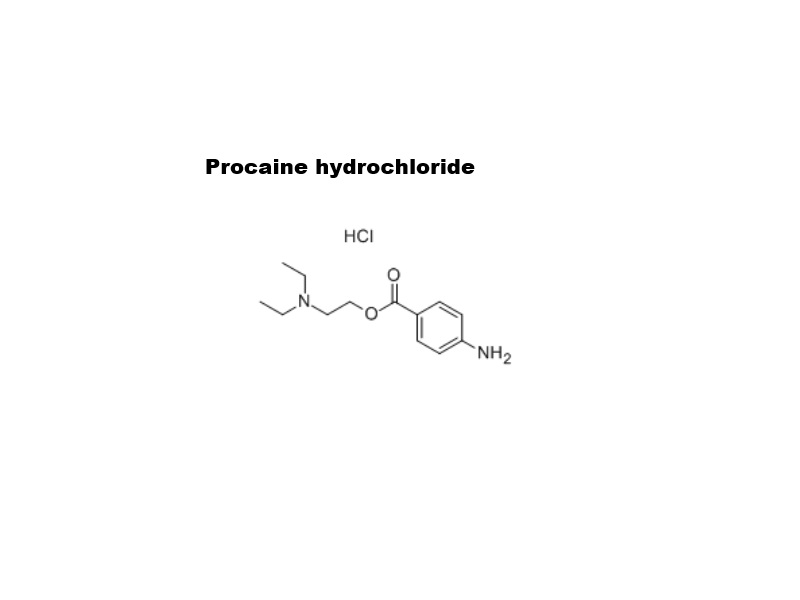
Procaine Hydrochloride CAS 51-05-8 is the water-soluble hydrochloride salt of procaine. It is the specific formulation used in clinical medicine, famously marketed under the brand name Novocain. While its use in mainstream practice has diminished, it remains a historically pivotal drug and is still employed in specific medical and therapeutic contexts.
Details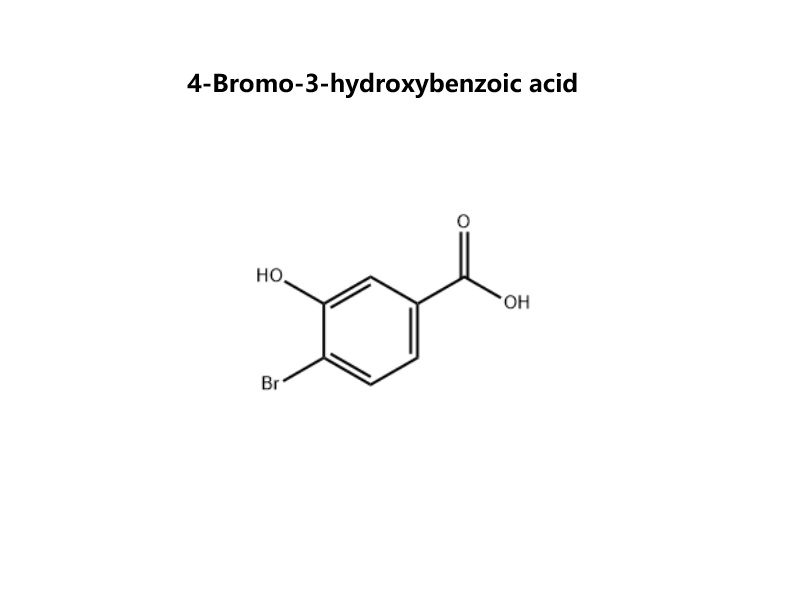
4-Bromo-3-hydroxybenzoic acid CAS 14348-38-0 is a premium, multifunctional aromatic building block engineered for complexity-driven synthesis. Its core value lies in the strategic placement of three distinct, orthogonally reactive functional groups on a benzene ring, making it an indispensable tool for convergent molecular construction in advanced research and development.
Details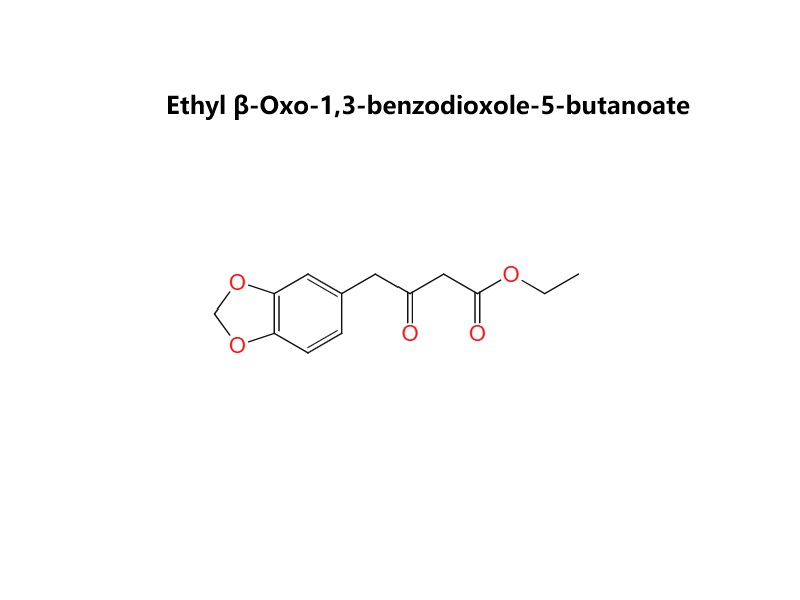
Ethyl β-Oxo-1,3-benzodioxole-5-butanoate CAS 31127-23-8 is a β-ketoester derivative featuring a 1,3-benzodioxole (methylenedioxyphenyl) aromatic system. Structurally, it consists of a benzodioxole ring attached through a three-carbon chain to an ethyl β-ketoester functional group (-CO-CH₂-COOEt). This makes it a versatile bifunctional building block for organic synthesis, combining the electronic properties of the benzodioxole group with the high reactivity of a β-ketoester.
Details![4-Nitrophenyl 3-(Benzo[d][1,3]dioxol-5-yl)-2-methylpropanoate](https://www.qixiolivetol.com/storage/uploads/images/202604/17/1776427287_qZy87IjHSQ.jpg)
4-Nitrophenyl 3-(Benzo[d][1,3]dioxol-5-yl)-2-methylpropanoate is a chirally defined, pre-activated acylating agent that combines a metabolically stable benzo[1,3]dioxole (piperonyl) pharmacophore with the exceptional reactivity of a 4-nitrophenyl ester. It enables the efficient, racemization-free introduction of a complex, chiral acid moiety under mild conditions, making it invaluable for advanced synthetic and bioconjugation chemistry. 4-Nitrophenyl 3-(Benzo[d][1,3]dioxol-5-yl)-2-methylpropanoate is a specialty ester designed as a reactive biochemical or synthetic intermediate. Its structure strategically combines three key units: (1)A 3-(benzo[1,3]dioxol-5-yl)-2-methylpropanoic acid (piperonyl-substituted, chiral acid) moiety. (2)A 4-nitrophenyl ester leaving group. This design makes it an activated ester, where the 4-nitrophenol is an excellent leaving group, facilitating efficient acyl transfer reactions under mild conditions.
Details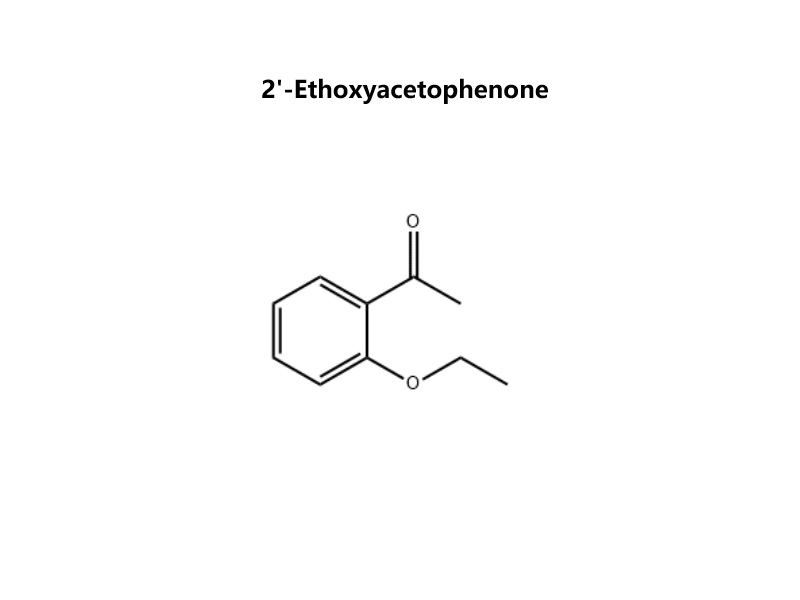
2'-Ethoxyacetophenone CAS 2142-67-8 is a specialized aromatic ketone characterized by an ethoxy substituent at the orthoposition relative to the acetyl group. This structural feature imparts distinct chemical and physical properties, making it a privileged building block for synthesizing complex molecules, particularly in the flavor/fragrance and pharmaceutical sectors.
Details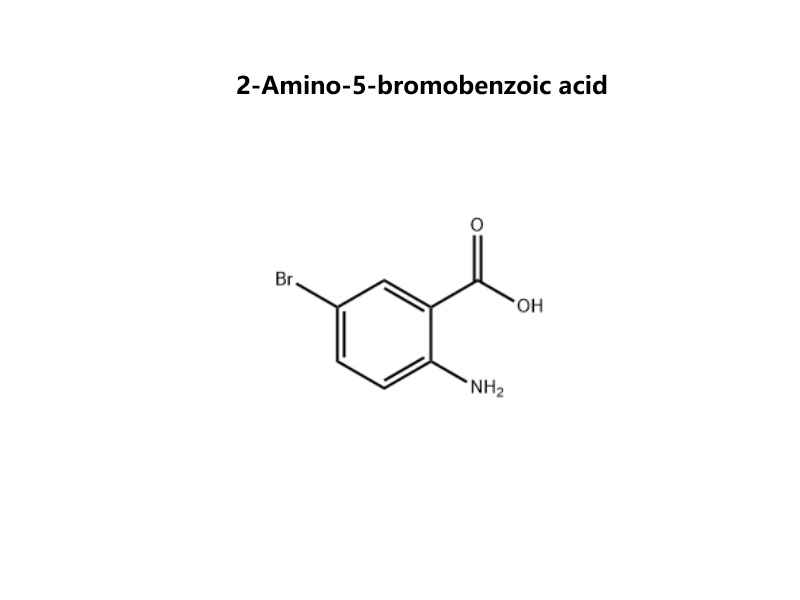
2-Amino-5-bromobenzoic acid CAS 5794-88-7 is a highly versatile aromatic building block that integrates three distinct functional groups—an amine, a carboxylic acid, and an aryl bromide—into a single, synthetically valuable scaffold. This multifunctionality makes it a crucial intermediate in pharmaceutical and advanced materials chemistry.
Details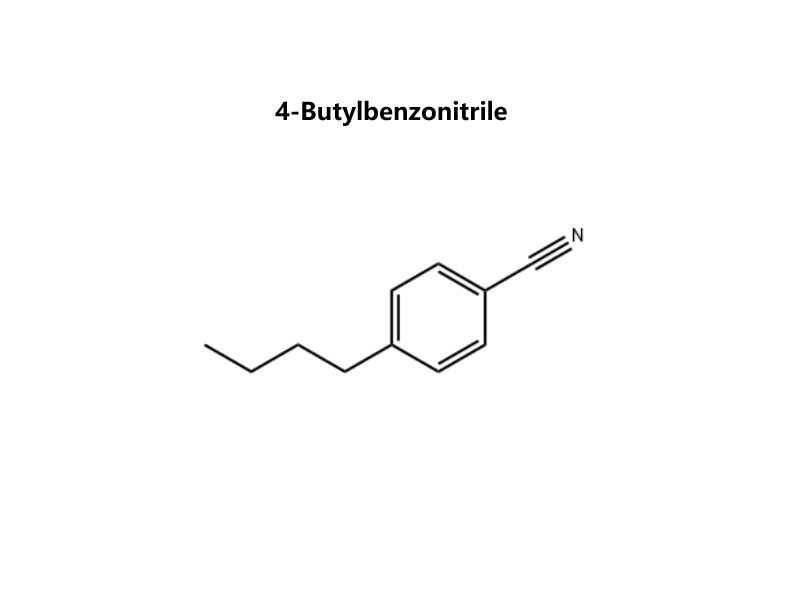
4-Butylbenzonitrile CAS 20651-73-4 is a strategically designed hydrophobic building block that combines a rigid aromatic core with a flexible linear alkyl chain and a highly versatile nitrile functional group. This triad of features makes it an exceptionally valuable intermediate for modulating physicochemical properties and enabling diverse synthetic pathways in advanced material and pharmaceutical and agrochemical research.
Details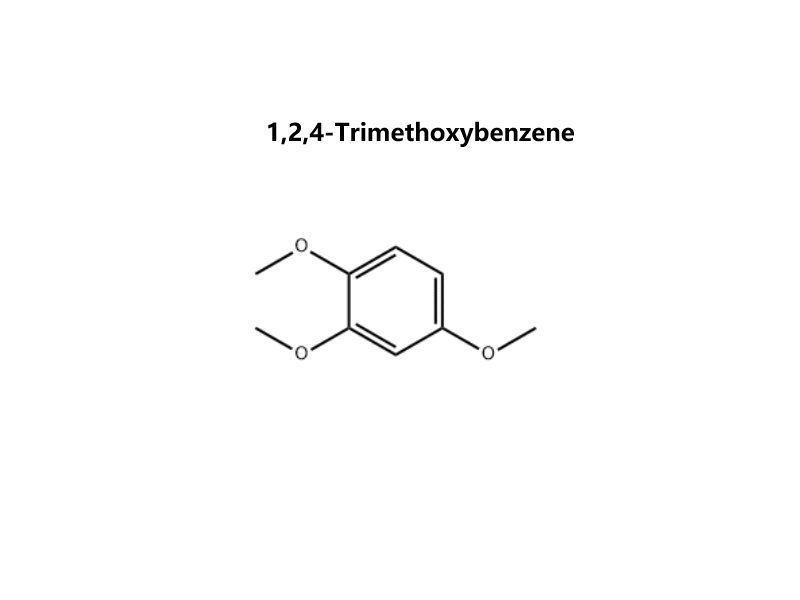
1,2,4-Trimethoxybenzene CAS 135-77-3 is a uniquely versatile, electron-rich aromatic building block. Its core value lies in its unsymmetrical yet highly predictable substitution pattern, which provides exceptional regiocontrol in synthetic chemistry. This makes it a privileged scaffold for constructing complex molecules in pharmaceuticals, agrochemicals, and advanced materials.
Details
 Contact Us
 1st Floor, No. 477, Huancheng West Road, Nanqiao Town, Fengxian District, Shanghai,China
 sales@qxscientific.com
 +86 -13701740203


 IPv6 Network Supported |
Sitemap |
XML |
Blog |
Privacy Policy
IPv6 Network Supported |
Sitemap |
XML |
Blog |
Privacy Policy
Leave A Message
Scan to Wechat/Whatsapp :



 English
 English
 Español
 Português