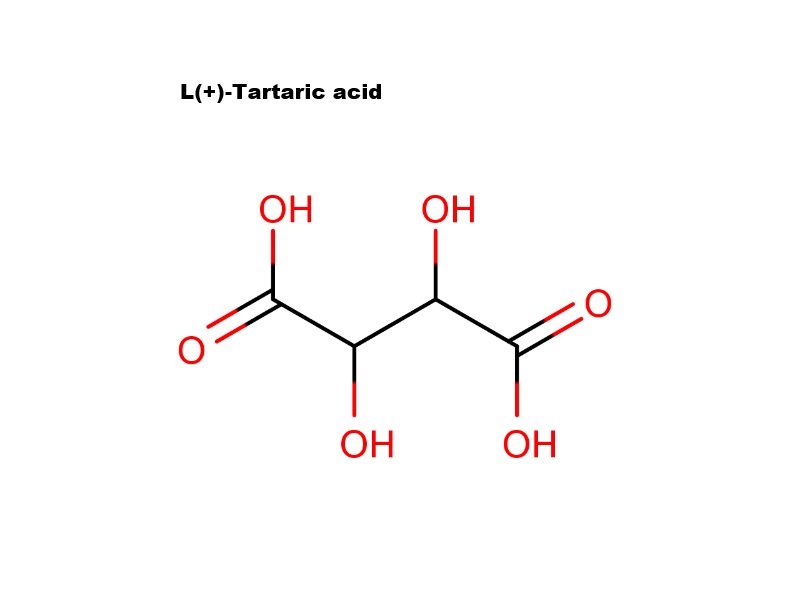
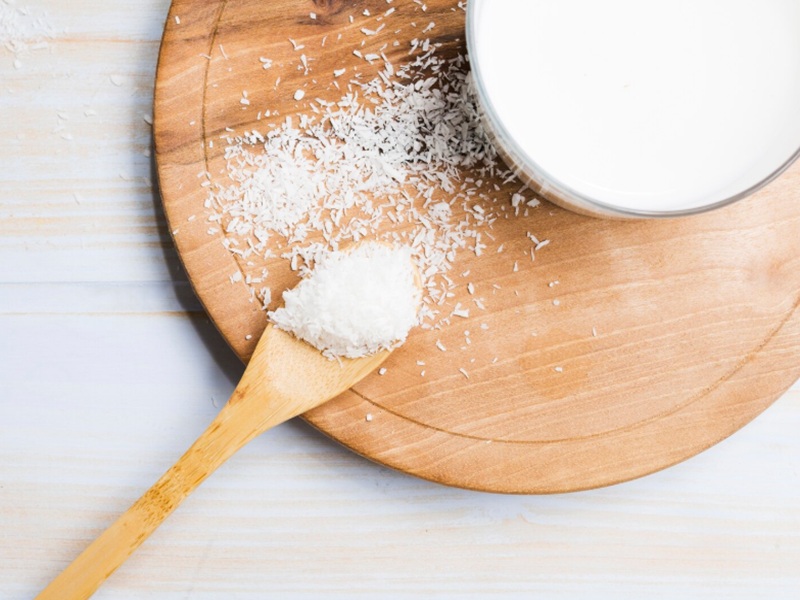
L-(+)-Tartaric acid CAS 87-69-4 is a naturally occurring organic acid belonging to the class of α-hydroxycarboxylic acids. It is one of the four stereoisomers of tartaric acid, specifically the L-(+) enantiomer, which is the form commonly found in nature. It is a white, crystalline solid widely present in many plants, particularly in grapes, bananas, tamarinds, and citrus fruits. In wine-making, it is a primary acid found in grape must and plays a crucial role in the taste and stability of wine.
Name :
L(+)-Tartaric acidCAS No. :
87-69-4MF :
C₄H₆O₆MW :
150.09Purity :
99.5%Appearance :
White crystalline powder or colorless crystalsChemical Properties
CAS Number: 87-69-4
Molecular Formula: C₄H₆O₆
Molecular Weight: 150.09 g/mol
Structural Formula: HOOC-CH(OH)-CH(OH)-COOH
IUPAC Name: (2R,3R)-2,3-Dihydroxybutanedioic acid
Key Characteristics: Possesses two chiral carbon atoms, making it optically active. The L-(+) enantiomer rotates plane-polarized light in the (+) direction (dextrorotatory).
Synonyms:
L-(+)-Tartaric acid
Natural tartaric acid
(2R,3R)-Tartaric acid
Dihydroxysuccinic acid
Threaric acid
E334 (when used as a food additive)
Physical State: White crystalline powder or colorless crystals.
Melting Point: 171-174 °C (decomposes upon further heating).
Optical Rotation: [α]²⁰D = +12.0° to +13.0° (c = 20 in H₂O).
Solubility: Highly soluble in water (139 g/100 mL at 20°C), soluble in ethanol, slightly soluble in ether, and practically insoluble in chloroform and benzene.
Acidity: A strong diprotic acid with two carboxylic acid groups (pKa₁ = 2.98, pKa₂ = 4.34). The hydroxyl groups can also participate in complex formation.
Stability: Stable under normal temperatures and pressures. It is hygroscopic and may absorb moisture from the air. Incompatible with strong oxidizing agents, bases, and reducing agents.
Taste: A strongly acidic taste.
Biological Activities
Natural Role: A key metabolite in many plants, contributing to fruit acidity. In humans, it is metabolized and does not accumulate, generally recognized as safe (GRAS).
Pharmacological/Toxicological Profile:
Safety: Generally non-toxic and approved as a food additive. The human body can metabolize small amounts efficiently. However, very high oral doses can act as a purgative and may cause renal toxicity due to crystal formation.
Chelating Agent: Its hydroxyl groups allow it to chelate metal ions (e.g., calcium, magnesium, copper), which is the basis for its use as a sequestrant and in some cleaning applications.
Antioxidant Activity: Exhibits mild antioxidant properties, primarily in food systems, by chelating pro-oxidant metal ions.
Biosynthesis
Natural Biosynthesis: Produced in plants via several biochemical pathways. A primary route in grapes involves the conversion of ascorbic acid (Vitamin C). Another pathway originates from carbohydrate metabolism via glyoxylic acid. The L-(+) form is the exclusive product of enzymatic synthesis in nature.
Industrial Production: Historically isolated from wine-making by-products (argol—potassium bitartrate deposits formed during wine fermentation). The modern primary source is the chemical synthesis from maleic anhydride. Maleic anhydride is oxidized with hydrogen peroxide in the presence of a tungsten catalyst, yielding a racemic mixture (DL-tartaric acid), which is then resolved to obtain the desired L-(+) isomer, often using chiral amines. Biotechnological fermentation methods are also an area of development.
Applications




FAQs
Q1: What is the difference between L-(+)-Tartaric Acid, D-(-)-Tartaric Acid, and Racemic Acid?
A1: They are stereoisomers. L-(+)-Tartaric acid (natural form) is dextrorotatory. Its mirror image, D-(-)-Tartaric acid, is levorotatory. A 50:50 mixture of the D and L forms is called racemic acid (DL-tartaric acid) or Racemic Acid, which is optically inactive. A fourth isomer, meso-tartaric acid, is internally compensated and also optically inactive.
Q2: Is it safe for consumption?
A2: Yes, it is Generally Recognized As Safe (GRAS) by the FDA and approved as a food additive (E334) worldwide. It is a natural component of many fruits.
Q3: Why is it so important in wine making?
A3: It is the primary acid in grapes. Winemakers add it to:
Adjust Acidity: To balance flavor and enhance microbial stability.
Influence Taste: Provides a crisp, tart sensation.
Prevent Precipitation: Its potassium salt (cream of tartar) can crystallize in wine bottles; controlling its levels is crucial.
Q4: How should it be stored?
A4: Store in a tightly closed container in a cool, dry, well-ventilated place away from incompatible materials (strong bases, oxidizers). Due to its hygroscopic nature, keep it away from moisture.
Q5: What are the main handling precautions?
A5: While low in toxicity, it is a strong organic acid. Use with adequate ventilation. Avoid creating dust. Wear protective gloves, eye protection, and clothing to prevent irritation. Dust can irritate the respiratory tract, eyes, and skin. In case of contact, wash thoroughly with water.
Q6: Can it be used as a substitute for citric acid?
A6: In some applications (e.g., as an acidulant), yes, but the taste profile is different (tartaric acid has a sharper, more astringent taste). Functionally, in applications like chelation or leavening, it can sometimes be substituted, but formulation adjustments are often needed.
Q7: What is the primary source for commercial production?
A7: While it can be recovered from wine industry by-products, the vast majority is now produced synthetically from maleic anhydride, which provides a more consistent and scalable supply.
Q8: What is its shelf life?
A8: When stored properly in its original, unopened packaging, it typically has a shelf life of 3-5 years. Once opened, it should be kept sealed to prevent moisture absorption and caking.
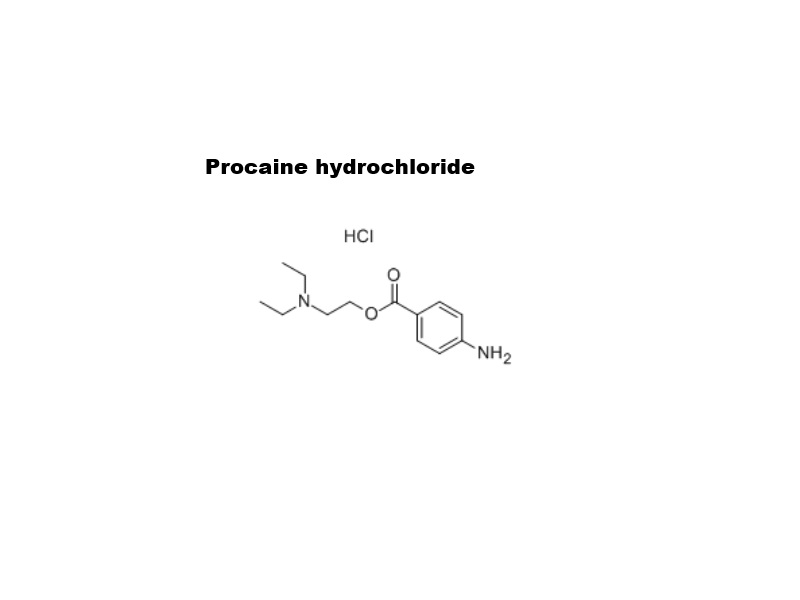
Procaine Hydrochloride CAS 51-05-8 is the water-soluble hydrochloride salt of procaine. It is the specific formulation used in clinical medicine, famously marketed under the brand name Novocain. While its use in mainstream practice has diminished, it remains a historically pivotal drug and is still employed in specific medical and therapeutic contexts.
Details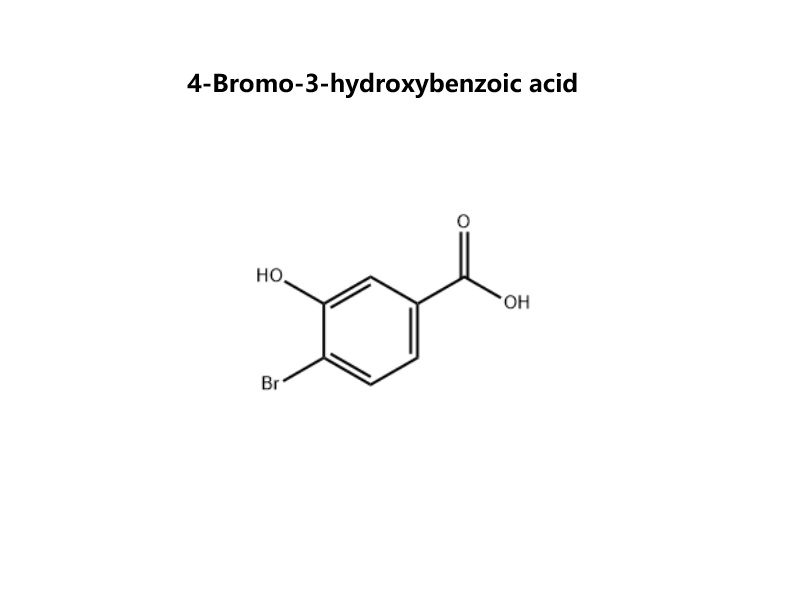
4-Bromo-3-hydroxybenzoic acid CAS 14348-38-0 is a premium, multifunctional aromatic building block engineered for complexity-driven synthesis. Its core value lies in the strategic placement of three distinct, orthogonally reactive functional groups on a benzene ring, making it an indispensable tool for convergent molecular construction in advanced research and development.
Details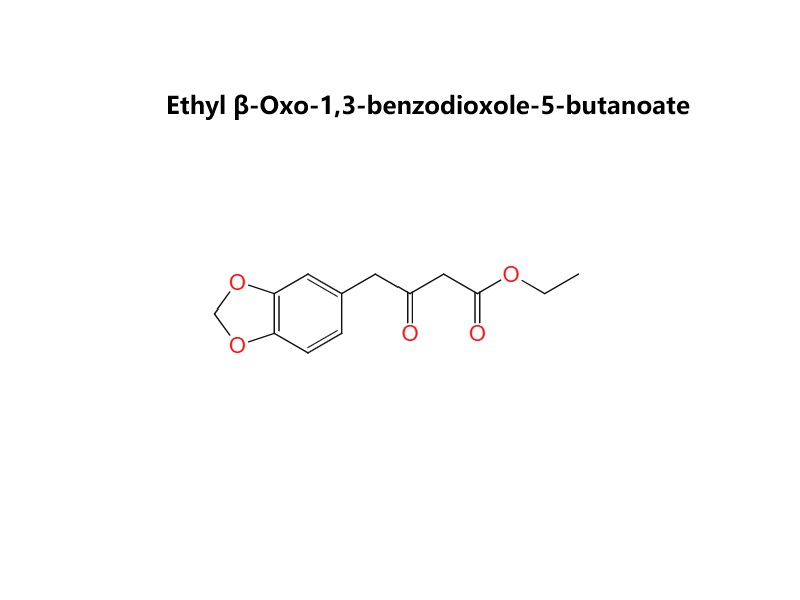
Ethyl β-Oxo-1,3-benzodioxole-5-butanoate CAS 31127-23-8 is a β-ketoester derivative featuring a 1,3-benzodioxole (methylenedioxyphenyl) aromatic system. Structurally, it consists of a benzodioxole ring attached through a three-carbon chain to an ethyl β-ketoester functional group (-CO-CH₂-COOEt). This makes it a versatile bifunctional building block for organic synthesis, combining the electronic properties of the benzodioxole group with the high reactivity of a β-ketoester.
Details![4-Nitrophenyl 3-(Benzo[d][1,3]dioxol-5-yl)-2-methylpropanoate](https://www.qixiolivetol.com/storage/uploads/images/202604/17/1776427287_qZy87IjHSQ.jpg)
4-Nitrophenyl 3-(Benzo[d][1,3]dioxol-5-yl)-2-methylpropanoate is a chirally defined, pre-activated acylating agent that combines a metabolically stable benzo[1,3]dioxole (piperonyl) pharmacophore with the exceptional reactivity of a 4-nitrophenyl ester. It enables the efficient, racemization-free introduction of a complex, chiral acid moiety under mild conditions, making it invaluable for advanced synthetic and bioconjugation chemistry. 4-Nitrophenyl 3-(Benzo[d][1,3]dioxol-5-yl)-2-methylpropanoate is a specialty ester designed as a reactive biochemical or synthetic intermediate. Its structure strategically combines three key units: (1)A 3-(benzo[1,3]dioxol-5-yl)-2-methylpropanoic acid (piperonyl-substituted, chiral acid) moiety. (2)A 4-nitrophenyl ester leaving group. This design makes it an activated ester, where the 4-nitrophenol is an excellent leaving group, facilitating efficient acyl transfer reactions under mild conditions.
Details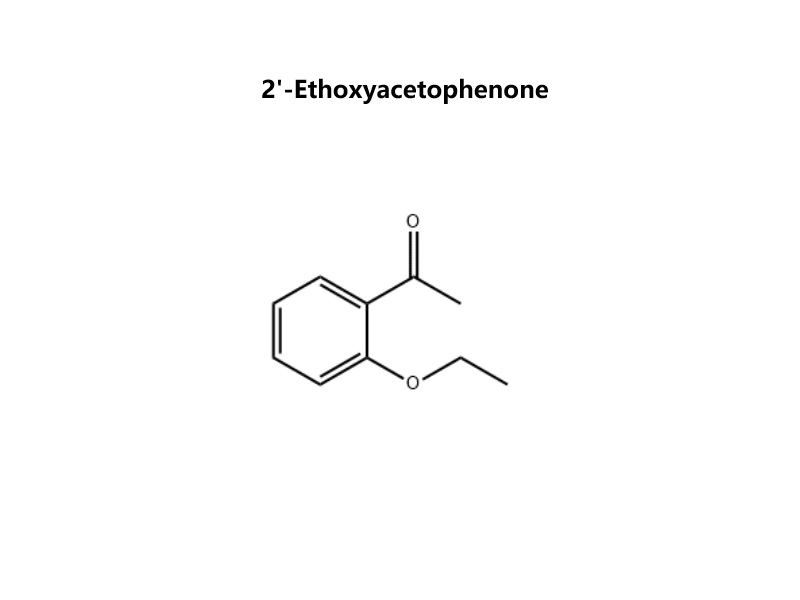
2'-Ethoxyacetophenone CAS 2142-67-8 is a specialized aromatic ketone characterized by an ethoxy substituent at the orthoposition relative to the acetyl group. This structural feature imparts distinct chemical and physical properties, making it a privileged building block for synthesizing complex molecules, particularly in the flavor/fragrance and pharmaceutical sectors.
Details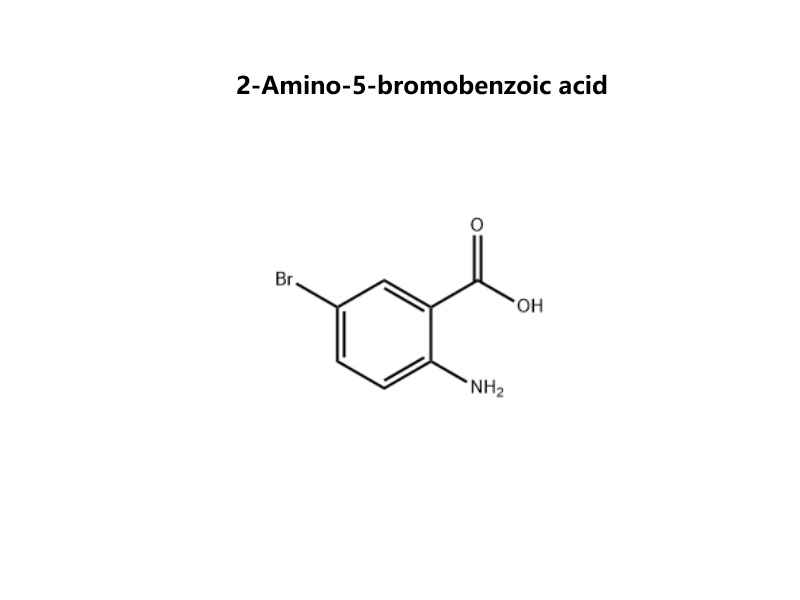
2-Amino-5-bromobenzoic acid CAS 5794-88-7 is a highly versatile aromatic building block that integrates three distinct functional groups—an amine, a carboxylic acid, and an aryl bromide—into a single, synthetically valuable scaffold. This multifunctionality makes it a crucial intermediate in pharmaceutical and advanced materials chemistry.
Details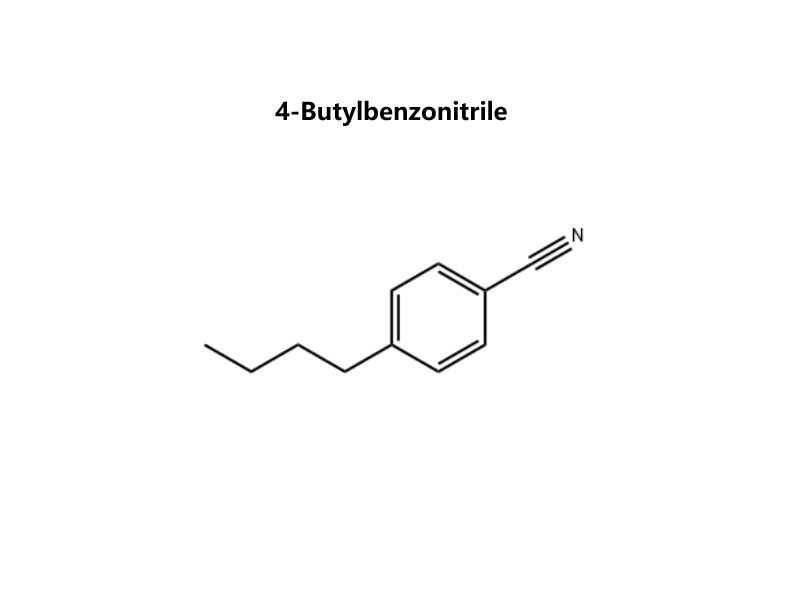
4-Butylbenzonitrile CAS 20651-73-4 is a strategically designed hydrophobic building block that combines a rigid aromatic core with a flexible linear alkyl chain and a highly versatile nitrile functional group. This triad of features makes it an exceptionally valuable intermediate for modulating physicochemical properties and enabling diverse synthetic pathways in advanced material and pharmaceutical and agrochemical research.
Details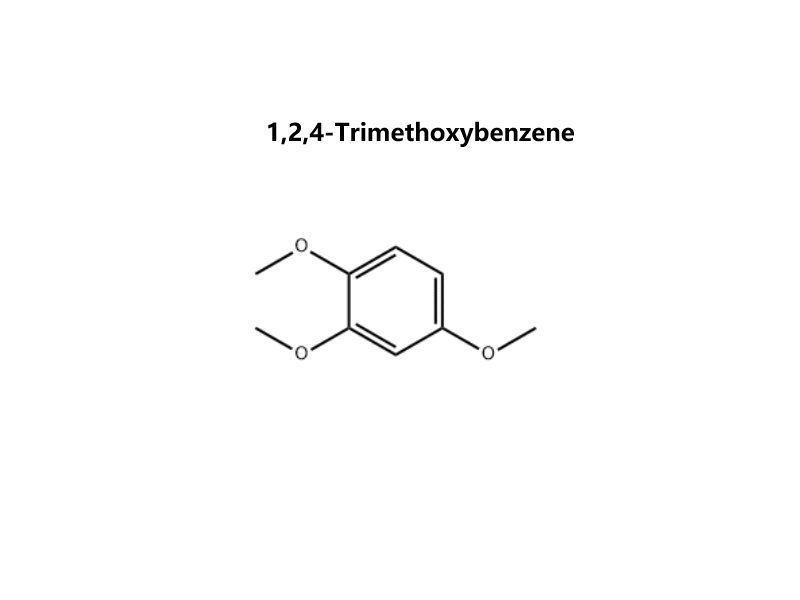
1,2,4-Trimethoxybenzene CAS 135-77-3 is a uniquely versatile, electron-rich aromatic building block. Its core value lies in its unsymmetrical yet highly predictable substitution pattern, which provides exceptional regiocontrol in synthetic chemistry. This makes it a privileged scaffold for constructing complex molecules in pharmaceuticals, agrochemicals, and advanced materials.
Details
 Contact Us
 1st Floor, No. 477, Huancheng West Road, Nanqiao Town, Fengxian District, Shanghai,China
 sales@qxscientific.com
 +86 -13701740203


 IPv6 Network Supported |
Sitemap |
XML |
Blog |
Privacy Policy
IPv6 Network Supported |
Sitemap |
XML |
Blog |
Privacy Policy
Leave A Message
Scan to Wechat/Whatsapp :



 English
 English
 Español
 Português