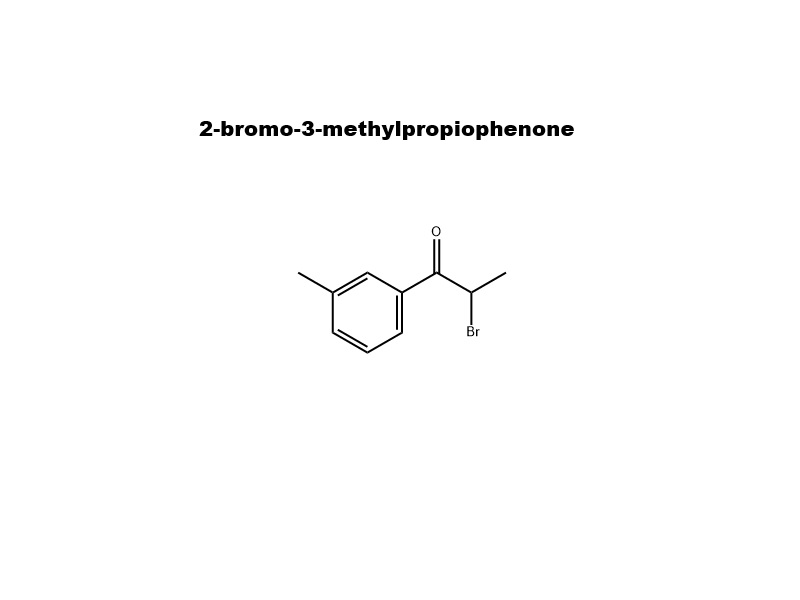
2-Bromo-1-(3-methylphenyl)propan-1-one CAS 1451-83-8, commonly referred to as 2-bromo-3´-methylpropiophenone or 2-bromo-3-methylpropiophenone, is an α-brominated ketone. It is an aryl alkyl ketone derivative where a bromine atom is substituted at the alpha-carbon of the propiophenone chain, and a methyl group is present on the phenyl ring at the meta position. This structure makes it a valuable alkylating agent and electrophilic building block in organic synthesis.
Name :
2-Bromo-1-(3-methylphenyl)propan-1-oneCAS No. :
1451-83-8MF :
C₁₀H₁₁BrOMW :
227.10Purity :
95%Appearance :
Colorless to pale yellow liquid or low-melting solidStorage Condition :
Must be stored under an inert atmosphere (N₂/Ar), in a cool, dark place, and sealed tightly.Chemical Properties Biological Activities
CAS Number: 1451-83-8
Molecular Formula: C₁₀H₁₁BrO
Molecular Weight: 227.10 g/mol
IUPAC Name: 2-Bromo-1-(3-methylphenyl)propan-1-one
Synonyms:
2-Bromo-3'-methylpropiophenone
3'-Methyl-2-bromopropiophenone
1-(3-Methylphenyl)-2-bromopropan-1-one
o-Bromo-3-methylpropiophenone
Physical State: Colorless to pale yellow liquid or low-melting solid.
Boiling Point: ~120-125 °C at reduced pressure (e.g., 10 mmHg). Exact value varies.
Melting Point: May solidify at low temperatures; specific mp data limited.
Density: ~1.4 g/cm³ (estimated).
Refractive Index: Data not widely reported.
Solubility: Soluble in common organic solvents (e.g., dichloromethane, chloroform, acetone, ethanol, ethyl acetate). Insoluble in water.
Stability: Highly Lachrymatory (Tear Gas Agent). Alpha-halo ketones are generally moisture-sensitive and can decompose upon prolonged exposure to light, air, or humidity. They are also prone to nucleophilic substitution and elimination reactions. Must be stored under an inert atmosphere (N₂/Ar), in a cool, dark place, and sealed tightly.
Reactivity: The bromine at the α-position is an excellent leaving group, making the compound a strong alkylating agent and electrophile. It readily participates in nucleophilic substitution reactions (e.g., with amines, thiols, enolates) and can be used in various condensation and cyclization reactions.
Biological Activities Biological Activities
Direct Bioactivity: Primarily valued as a synthetic intermediate. Alpha-halo ketones are known to be reactive alkylating agents that can interact with biological nucleophiles (e.g., thiols, amines on proteins and DNA), leading to potential cytotoxicity, irritation, and mutagenicity.
Toxicity & Hazards:
Highly Irritant: Severe irritant to eyes, skin, and respiratory tract (powerful lachrymator).
Toxic: Harmful if inhaled, ingested, or absorbed through skin.
Sensitizer: May cause allergic reactions.
Biological Relevance of Derivatives: Serves as a precursor to various biologically active molecules, including potential pharmaceutical agents and agrochemicals, through further functionalization of the reactive α-bromo ketone moiety.
Biosynthesis
Natural Occurrence: Does not occur naturally; it is a synthetic compound.
Laboratory/Industrial Synthesis: Typically prepared via the bromination of the corresponding propiophenone.
1.Friedel-Crafts Acylation: 3-Methylbenzene (m-xylene) is acylated with propionyl chloride in the presence of a Lewis acid catalyst (e.g., AlCl₃) to yield 3-methylpropiophenone.
2.Alpha-Bromination: 3-Methylpropiophenone is then treated with a brominating agent (e.g., bromine (Br₂) in acetic acid or with N-bromosuccinimide (NBS)) under controlled conditions to introduce the bromine atom at the α-position, yielding the title compound.
Applications




FAQs
Q1: What is the primary hazard of this compound?
A1: Its primary hazard is being a powerful lachrymator (tear-inducing agent) and a severe irritant. It requires handling in a certified fume hood with appropriate personal protective equipment (PPE: gloves, goggles, lab coat).
Q2: How should it be stored?
A2: Store under an inert atmosphere (nitrogen or argon), in a tightly sealed, light-resistant container, in a freezer (e.g., -20°C or below). Desiccants are recommended to exclude moisture.
Q3: Is this compound controlled or regulated?
A3: Yes, in many jurisdictions. Due to its potential use as a precursor in the illicit synthesis of controlled substances (e.g., certain cathinones or amphetamine-type stimulants), its sale, possession, and use are often strictly regulated. Suppliers and users must comply with all local, national, and international chemical control laws (e.g., DEA regulations in the USA, precursor regulations in the EU).
Q4: What are common analytical methods for purity confirmation?
A4: Common methods include Gas Chromatography (GC) or HPLC for purity, ¹H and ¹³C NMR for structural confirmation, and IR spectroscopy to confirm carbonyl and aromatic functionalities.
Q5: What solvents are suitable for reactions with this compound?
A5: Anhydrous, aprotic solvents are preferred to minimize hydrolysis, such as dichloromethane (DCM), acetonitrile (MeCN), tetrahydrofuran (THF), dimethylformamide (DMF), or dimethyl sulfoxide (DMSO). All solvents should be dried and deoxygenated for sensitive reactions.
Q6: What is a common impurity?
A6: Common impurities may include the starting material (3-methylpropiophenone), dibrominated by-products, or hydrolysis/decomposition products like 3-methylbenzoic acid.
Q7: Can it be shipped internationally?
A7: International shipping is heavily restricted. It typically requires special permits, detailed end-use declarations, and compliance with international dangerous goods regulations. It is classified as a hazardous material for transport.
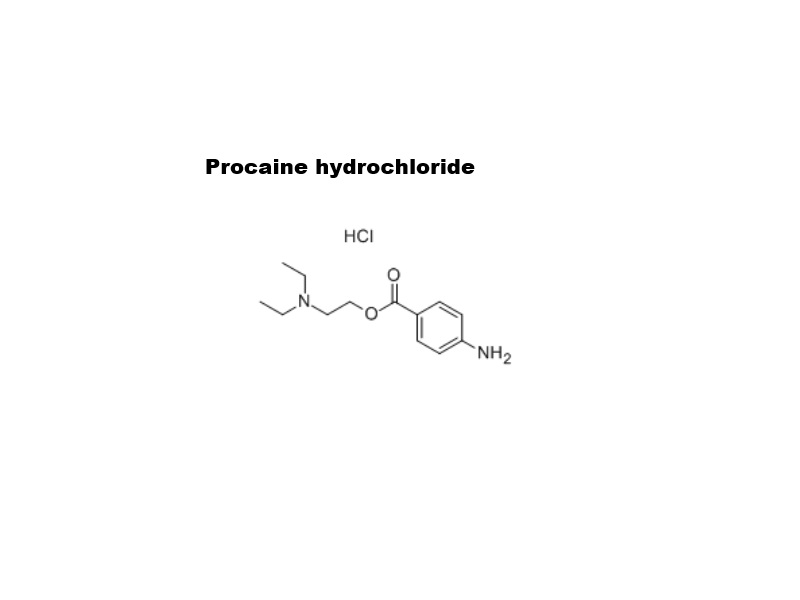
Procaine Hydrochloride CAS 51-05-8 is the water-soluble hydrochloride salt of procaine. It is the specific formulation used in clinical medicine, famously marketed under the brand name Novocain. While its use in mainstream practice has diminished, it remains a historically pivotal drug and is still employed in specific medical and therapeutic contexts.
Details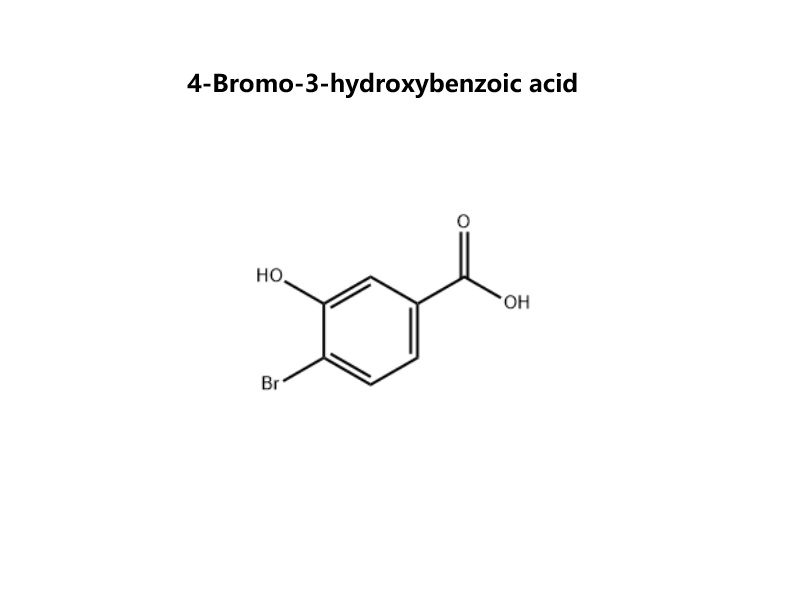
4-Bromo-3-hydroxybenzoic acid CAS 14348-38-0 is a premium, multifunctional aromatic building block engineered for complexity-driven synthesis. Its core value lies in the strategic placement of three distinct, orthogonally reactive functional groups on a benzene ring, making it an indispensable tool for convergent molecular construction in advanced research and development.
Details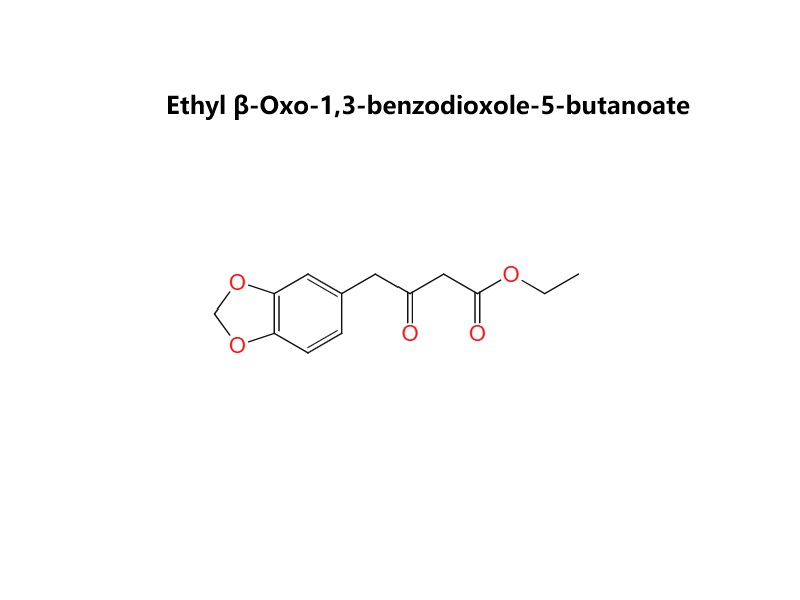
Ethyl β-Oxo-1,3-benzodioxole-5-butanoate CAS 31127-23-8 is a β-ketoester derivative featuring a 1,3-benzodioxole (methylenedioxyphenyl) aromatic system. Structurally, it consists of a benzodioxole ring attached through a three-carbon chain to an ethyl β-ketoester functional group (-CO-CH₂-COOEt). This makes it a versatile bifunctional building block for organic synthesis, combining the electronic properties of the benzodioxole group with the high reactivity of a β-ketoester.
Details![4-Nitrophenyl 3-(Benzo[d][1,3]dioxol-5-yl)-2-methylpropanoate](https://www.qixiolivetol.com/storage/uploads/images/202604/17/1776427287_qZy87IjHSQ.jpg)
4-Nitrophenyl 3-(Benzo[d][1,3]dioxol-5-yl)-2-methylpropanoate is a chirally defined, pre-activated acylating agent that combines a metabolically stable benzo[1,3]dioxole (piperonyl) pharmacophore with the exceptional reactivity of a 4-nitrophenyl ester. It enables the efficient, racemization-free introduction of a complex, chiral acid moiety under mild conditions, making it invaluable for advanced synthetic and bioconjugation chemistry. 4-Nitrophenyl 3-(Benzo[d][1,3]dioxol-5-yl)-2-methylpropanoate is a specialty ester designed as a reactive biochemical or synthetic intermediate. Its structure strategically combines three key units: (1)A 3-(benzo[1,3]dioxol-5-yl)-2-methylpropanoic acid (piperonyl-substituted, chiral acid) moiety. (2)A 4-nitrophenyl ester leaving group. This design makes it an activated ester, where the 4-nitrophenol is an excellent leaving group, facilitating efficient acyl transfer reactions under mild conditions.
Details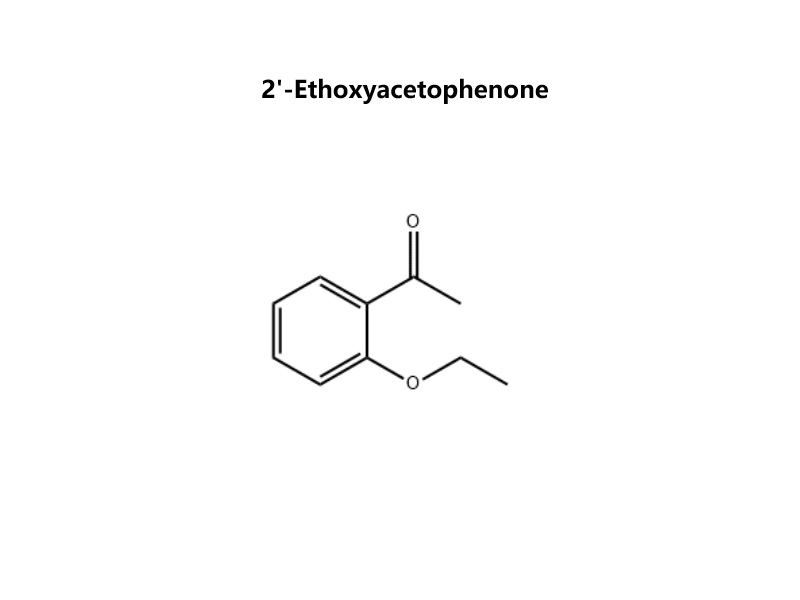
2'-Ethoxyacetophenone CAS 2142-67-8 is a specialized aromatic ketone characterized by an ethoxy substituent at the orthoposition relative to the acetyl group. This structural feature imparts distinct chemical and physical properties, making it a privileged building block for synthesizing complex molecules, particularly in the flavor/fragrance and pharmaceutical sectors.
Details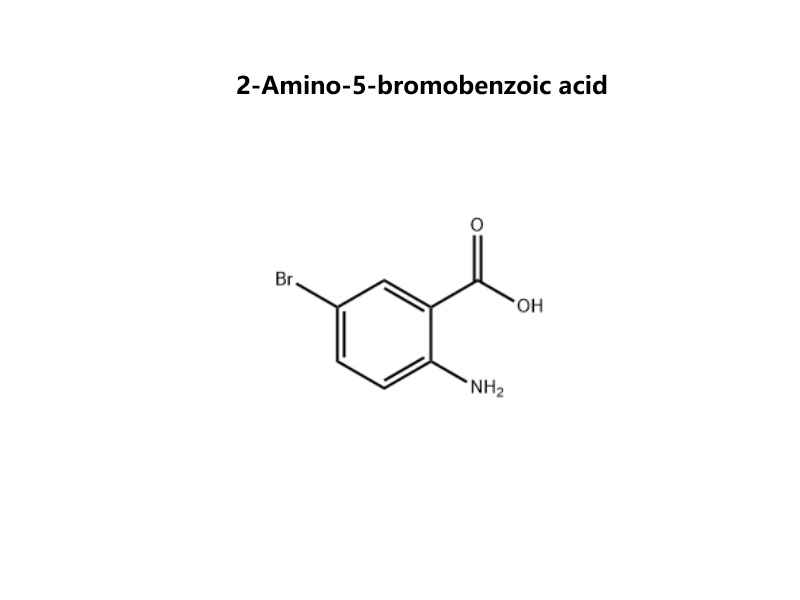
2-Amino-5-bromobenzoic acid CAS 5794-88-7 is a highly versatile aromatic building block that integrates three distinct functional groups—an amine, a carboxylic acid, and an aryl bromide—into a single, synthetically valuable scaffold. This multifunctionality makes it a crucial intermediate in pharmaceutical and advanced materials chemistry.
Details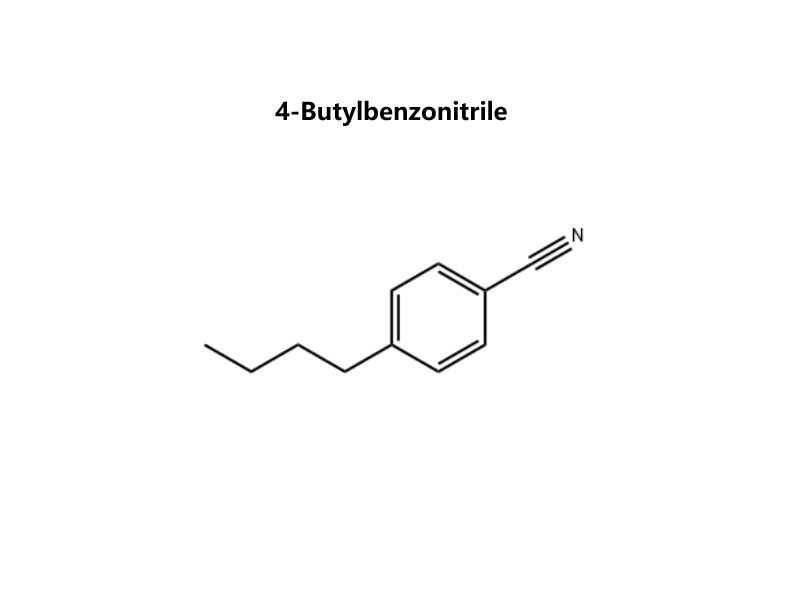
4-Butylbenzonitrile CAS 20651-73-4 is a strategically designed hydrophobic building block that combines a rigid aromatic core with a flexible linear alkyl chain and a highly versatile nitrile functional group. This triad of features makes it an exceptionally valuable intermediate for modulating physicochemical properties and enabling diverse synthetic pathways in advanced material and pharmaceutical and agrochemical research.
Details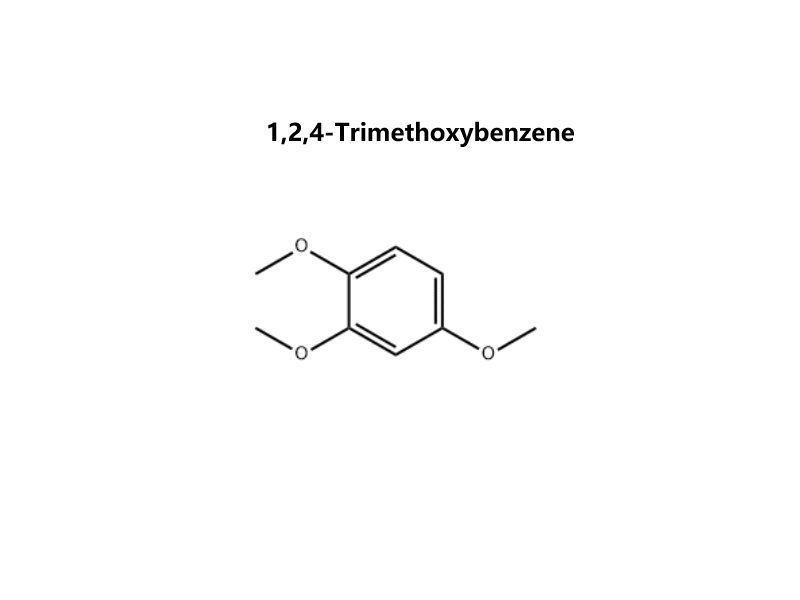
1,2,4-Trimethoxybenzene CAS 135-77-3 is a uniquely versatile, electron-rich aromatic building block. Its core value lies in its unsymmetrical yet highly predictable substitution pattern, which provides exceptional regiocontrol in synthetic chemistry. This makes it a privileged scaffold for constructing complex molecules in pharmaceuticals, agrochemicals, and advanced materials.
Details
 Contact Us
 1st Floor, No. 477, Huancheng West Road, Nanqiao Town, Fengxian District, Shanghai,China
 sales@qxscientific.com
 +86 -13701740203


 IPv6 Network Supported |
Sitemap |
XML |
Blog |
Privacy Policy
IPv6 Network Supported |
Sitemap |
XML |
Blog |
Privacy Policy
Leave A Message
Scan to Wechat/Whatsapp :



 English
 English
 Español
 Português