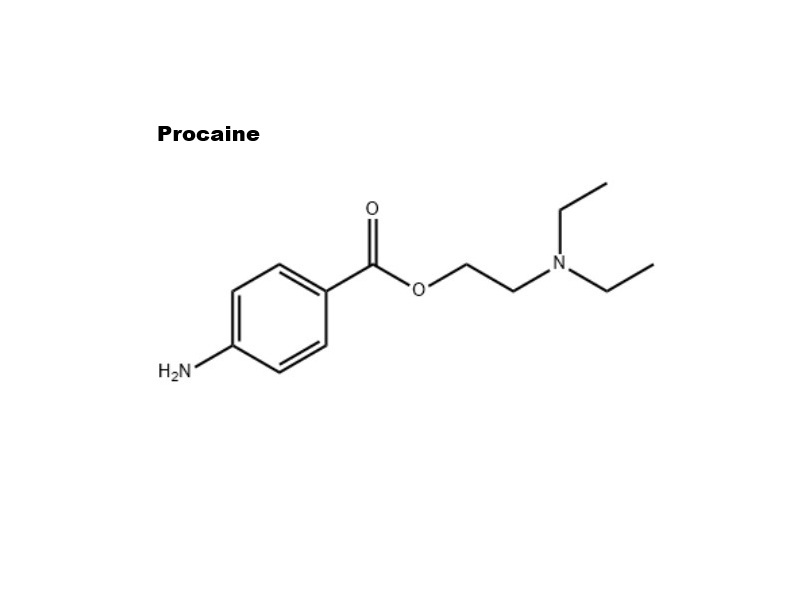

Procaine CAS 59-46-1 is a local anesthetic of the ester type, structurally related to amino benzoic acid. Its chemical formula is C₁₃H₂₀N₂O₂, and its IUPAC name is 2-(diethylamino)ethyl 4-aminobenzoate. This compound typically appears as a white, crystalline powder that is soluble in water.
Name :
ProcaineCAS No. :
59-46-1MF :
C₁₃H₂₀N₂O₂MW :
236.32Purity :
≥98%Appearance :
a white, crystalline powderStorage Condition :
Stored in a cool, dry place away from lightChemical Properties
Chemical Name: 2-(Diethylamino)ethyl 4-aminobenzoate
IUPAC Name: 4-Aminobenzoic acid 2-(diethylamino)ethyl ester
CAS Number: 59-46-1
Molecular Formula: C₁₃H₂₀N₂O₂
Molecular Weight: 236.32 g/mol
Melting Point: Approximately 150-155°C
Solubility: Soluble in water, alcohol, and chloroform; practically insoluble in ether.
pH: Procaine hydrochloride typically has a pH range of 4.5 to 6.5 in solution, making it suitable for injection.
Biological Activities
Procaine functions primarily as a local anesthetic. It works by blocking sodium ion channels, preventing the initiation and conduction of nerve impulses. In addition to its anesthetic properties, Procaine has been shown to exert:
Anti-inflammatory effects: It can reduce inflammation in local tissues.
Antimicrobial properties: It has been studied for its potential effects against certain bacterial strains.
Potential for cognitive enhancement: Some studies suggest it may have mild stimulatory effects on mood and cognition.
Biosynthesis
Procaine is synthesized through the reaction of p-aminobenzoic acid and diethylamine, followed by the esterification with 2-bromoethanol or similar compounds. This process allows for the formation of the desired procaine structure from simpler chemical precursors.
Procaine is not a naturally occurring compound; it is synthesized entirely in the laboratory.
The classic synthesis involves the esterification of 4-aminobenzoic acid (PABA) with 2-chloroethanol to form the ester intermediate, which is then reacted with diethylamine to yield procaine.
This synthetic pathway is straightforward and cost-effective, which contributed to its widespread historical use.
Applications




FAQs
1. Is Procaine safe to use?
Yes, when used appropriately under professional supervision, Procaine is considered safe. However, like any medication, it can have side effects and contraindications.
2. Can Procaine be used in children?
Yes, Procaine can be used in pediatric patients, but dosages must be carefully considered based on weight and medical condition.
3. How is Procaine administered?
Procaine is typically administered via injection in the desired area, often using a syringe for local anesthesia in dental procedures or minor surgeries.
4. What are common side effects of Procaine?
Some side effects may include allergic reactions, nausea, dizziness, and hypotension, particularly if overdosed.
5. Is Procaine addictive?
Procaine is not considered addictive and does not produce a euphoric effect like other substances that can lead to dependency.
6.Is procaine still used in modern dentistry and medicine?
Its use has declined significantly. In most developed countries, it has been largely replaced by amide-type anesthetics like lidocaine, articaine, and bupivacaine, which are more potent, have a longer duration, and a lower risk of allergic reactions.
7.What are the main side effects or risks?
Common local reactions include pain at the injection site. Systemic reactions (from high doses or intravascular injection) can include dizziness, tremors, or, in severe cases, CNS excitation followed by depression and cardiovascular collapse. Allergic reactions can occur, often directed not at procaine itself but at its PABA metabolite.
8. Why is the "ester" classification important?
The ester linkage dictates its metabolism and allergy profile. Ester anesthetics are metabolized in the plasma by pseudocholinesterase, producing PABA, a known allergen. This contrasts with amide anesthetics, which are metabolized in the liver and have a different, less common allergy profile.
9.What is the difference between Procaine, Procaine HCl, and Novocain?
Procaine is the name of the base compound. Procaine Hydrochloride (HCl) is the water-soluble salt form used in pharmaceutical preparations. Novocain (or Novocaine) is the original brand name trademarked by Bayer, which has become a genericized term.
10.Is it legal and controlled?
Procaine is a regulated pharmaceutical substance. It is not typically classified as a controlled substance (like narcotics) because it has negligible potential for abuse or addiction. It requires a prescription for medical use.
11.Can I buy pure procaine (CAS 59-46-1) for research?
Yes, it is available from genuine chemical and pharmaceutical suppliers for legitimate research purposes. Buyers must provide appropriate documentation and use it in compliance with all applicable local, national, and international regulations. It is not for human or veterinary use unless properly formulated and approved.
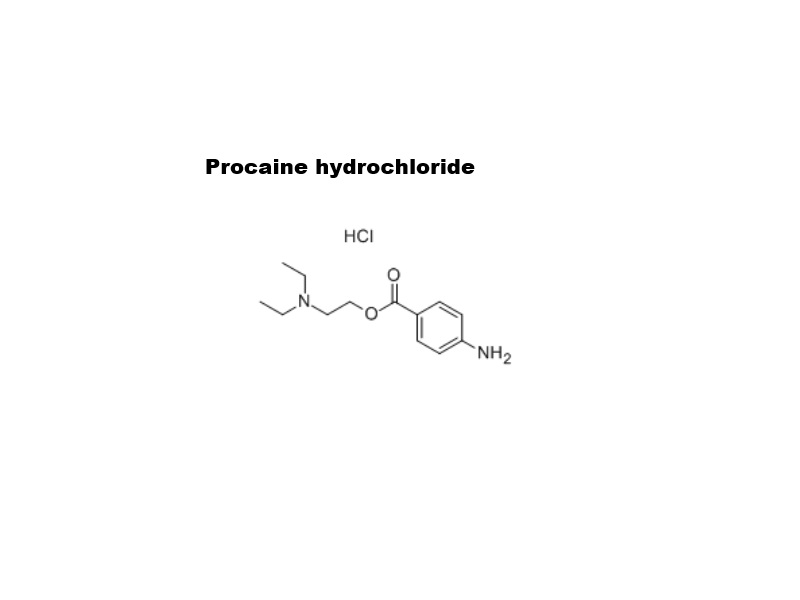
Procaine Hydrochloride CAS 51-05-8 is the water-soluble hydrochloride salt of procaine. It is the specific formulation used in clinical medicine, famously marketed under the brand name Novocain. While its use in mainstream practice has diminished, it remains a historically pivotal drug and is still employed in specific medical and therapeutic contexts.
Details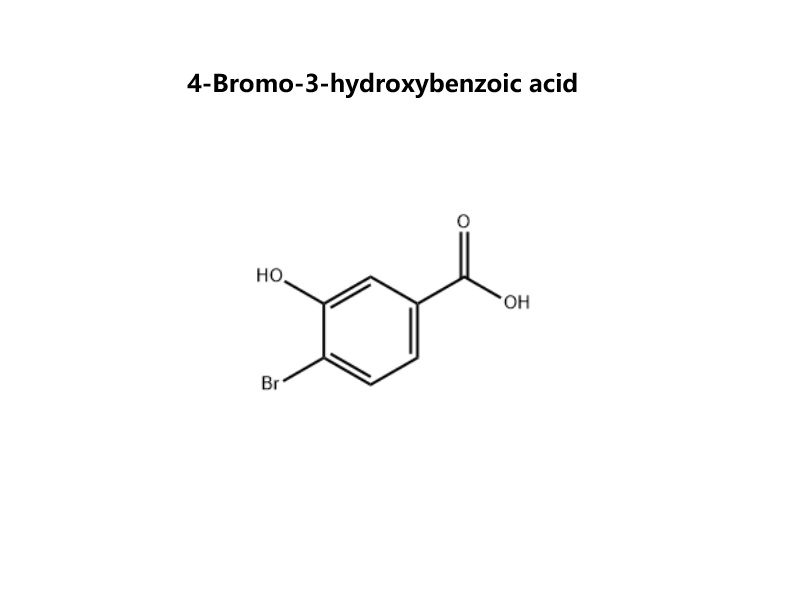
4-Bromo-3-hydroxybenzoic acid CAS 14348-38-0 is a premium, multifunctional aromatic building block engineered for complexity-driven synthesis. Its core value lies in the strategic placement of three distinct, orthogonally reactive functional groups on a benzene ring, making it an indispensable tool for convergent molecular construction in advanced research and development.
Details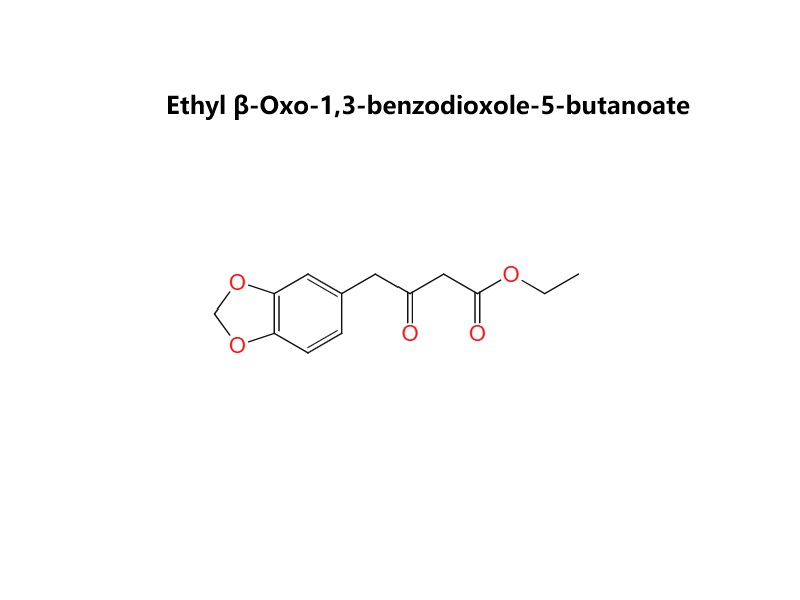
Ethyl β-Oxo-1,3-benzodioxole-5-butanoate CAS 31127-23-8 is a β-ketoester derivative featuring a 1,3-benzodioxole (methylenedioxyphenyl) aromatic system. Structurally, it consists of a benzodioxole ring attached through a three-carbon chain to an ethyl β-ketoester functional group (-CO-CH₂-COOEt). This makes it a versatile bifunctional building block for organic synthesis, combining the electronic properties of the benzodioxole group with the high reactivity of a β-ketoester.
Details![4-Nitrophenyl 3-(Benzo[d][1,3]dioxol-5-yl)-2-methylpropanoate](https://www.qixiolivetol.com/storage/uploads/images/202604/17/1776427287_qZy87IjHSQ.jpg)
4-Nitrophenyl 3-(Benzo[d][1,3]dioxol-5-yl)-2-methylpropanoate is a chirally defined, pre-activated acylating agent that combines a metabolically stable benzo[1,3]dioxole (piperonyl) pharmacophore with the exceptional reactivity of a 4-nitrophenyl ester. It enables the efficient, racemization-free introduction of a complex, chiral acid moiety under mild conditions, making it invaluable for advanced synthetic and bioconjugation chemistry. 4-Nitrophenyl 3-(Benzo[d][1,3]dioxol-5-yl)-2-methylpropanoate is a specialty ester designed as a reactive biochemical or synthetic intermediate. Its structure strategically combines three key units: (1)A 3-(benzo[1,3]dioxol-5-yl)-2-methylpropanoic acid (piperonyl-substituted, chiral acid) moiety. (2)A 4-nitrophenyl ester leaving group. This design makes it an activated ester, where the 4-nitrophenol is an excellent leaving group, facilitating efficient acyl transfer reactions under mild conditions.
Details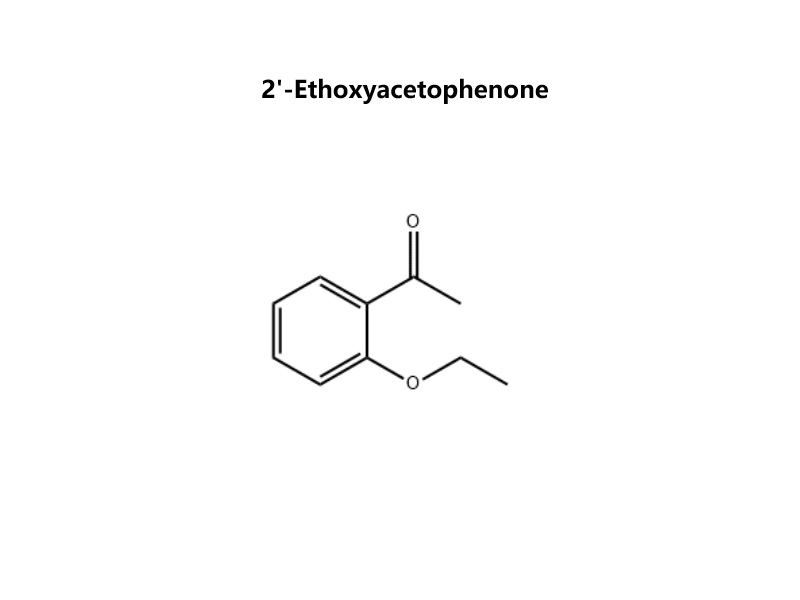
2'-Ethoxyacetophenone CAS 2142-67-8 is a specialized aromatic ketone characterized by an ethoxy substituent at the orthoposition relative to the acetyl group. This structural feature imparts distinct chemical and physical properties, making it a privileged building block for synthesizing complex molecules, particularly in the flavor/fragrance and pharmaceutical sectors.
Details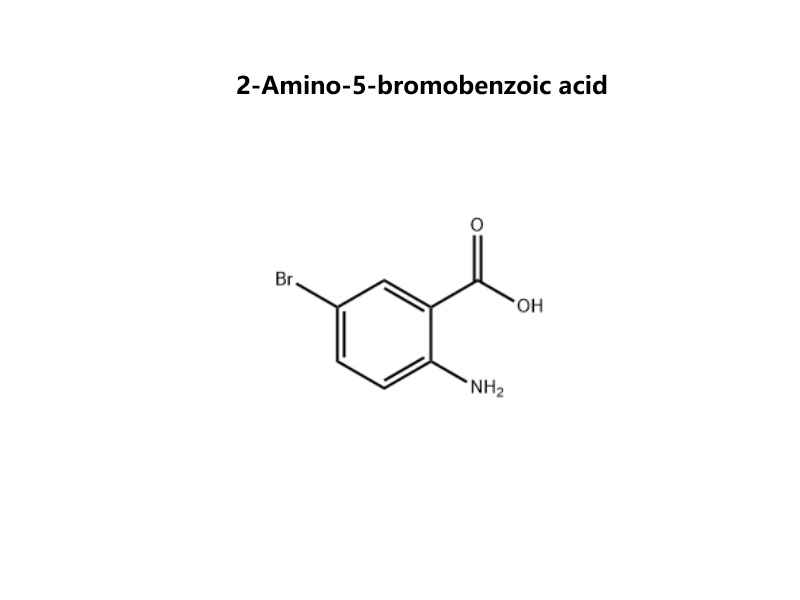
2-Amino-5-bromobenzoic acid CAS 5794-88-7 is a highly versatile aromatic building block that integrates three distinct functional groups—an amine, a carboxylic acid, and an aryl bromide—into a single, synthetically valuable scaffold. This multifunctionality makes it a crucial intermediate in pharmaceutical and advanced materials chemistry.
Details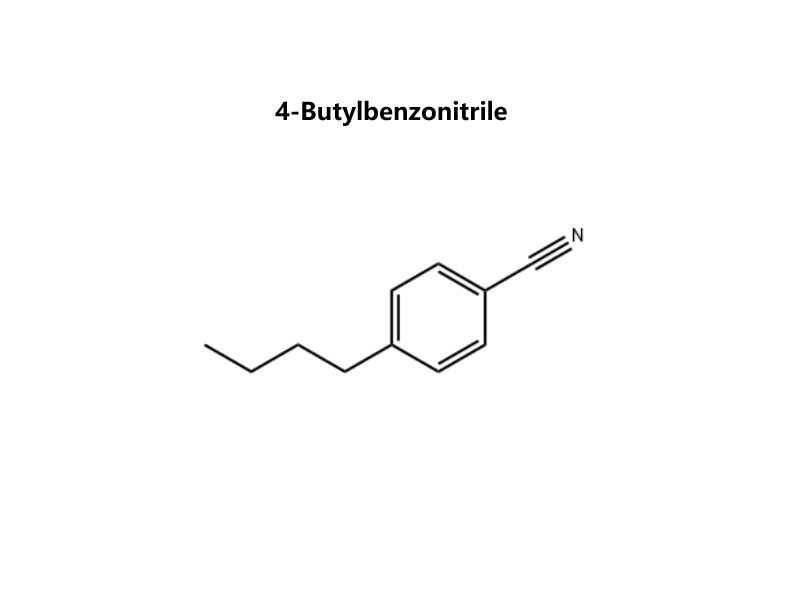
4-Butylbenzonitrile CAS 20651-73-4 is a strategically designed hydrophobic building block that combines a rigid aromatic core with a flexible linear alkyl chain and a highly versatile nitrile functional group. This triad of features makes it an exceptionally valuable intermediate for modulating physicochemical properties and enabling diverse synthetic pathways in advanced material and pharmaceutical and agrochemical research.
Details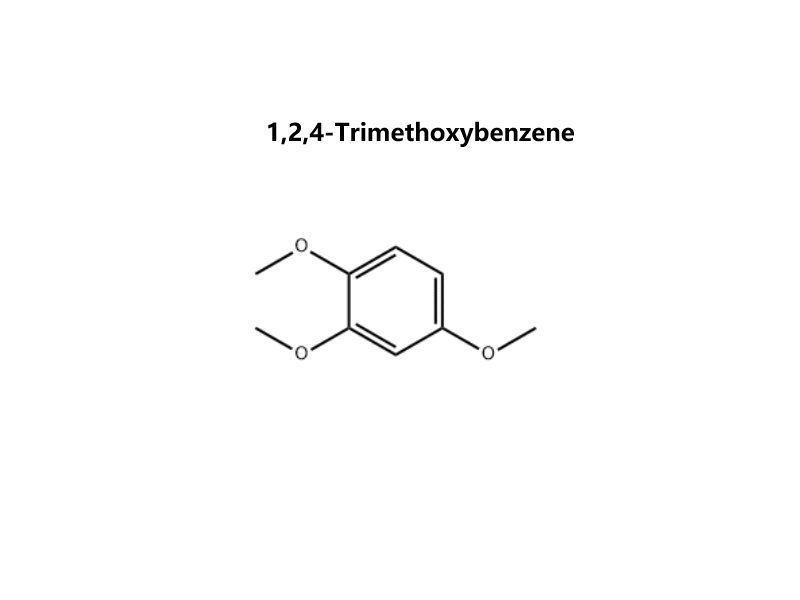
1,2,4-Trimethoxybenzene CAS 135-77-3 is a uniquely versatile, electron-rich aromatic building block. Its core value lies in its unsymmetrical yet highly predictable substitution pattern, which provides exceptional regiocontrol in synthetic chemistry. This makes it a privileged scaffold for constructing complex molecules in pharmaceuticals, agrochemicals, and advanced materials.
Details
 Contact Us
 1st Floor, No. 477, Huancheng West Road, Nanqiao Town, Fengxian District, Shanghai,China
 sales@qxscientific.com
 +86 -13701740203


 IPv6 Network Supported |
Sitemap |
XML |
Blog |
Privacy Policy
IPv6 Network Supported |
Sitemap |
XML |
Blog |
Privacy Policy
Leave A Message
Scan to Wechat/Whatsapp :



 English
 English
 Español
 Português