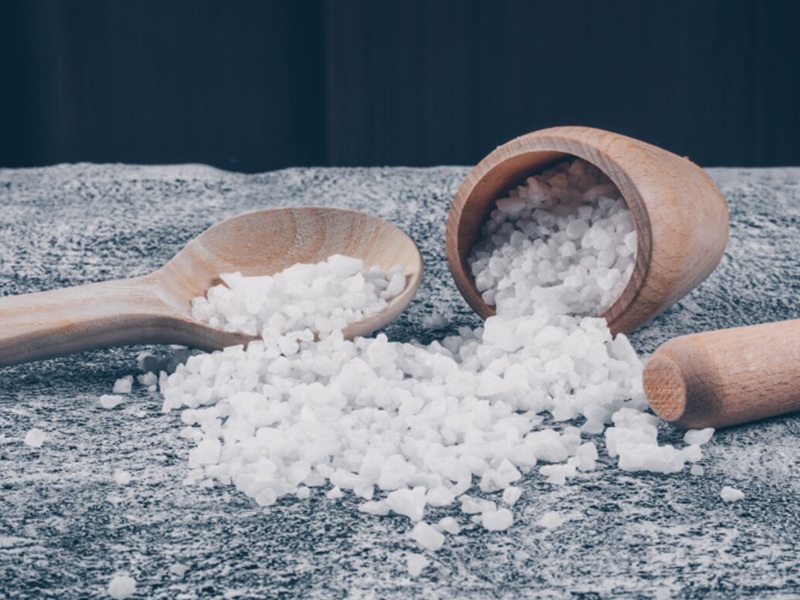
Procainamide (CAS 51-06-9) is a class Ia antiarrhythmic medication used primarily to treat and prevent abnormal heart rhythms. Chemically, it is the amide analogue of the local anesthetic procaine, with significantly different pharmacological properties that make it valuable in cardiology. It is known for its therapeutic efficacy and a distinct side effect profile, particularly its association with drug-induced lupus.
Name :
ProcainamideCAS No. :
51-06-9MF :
C₁₃H₂₁N₃OMW :
235.33Purity :
97%Appearance :
a white to tan crystalline powderStorage Condition :
Solutions should be protected from light.Chemical Properties
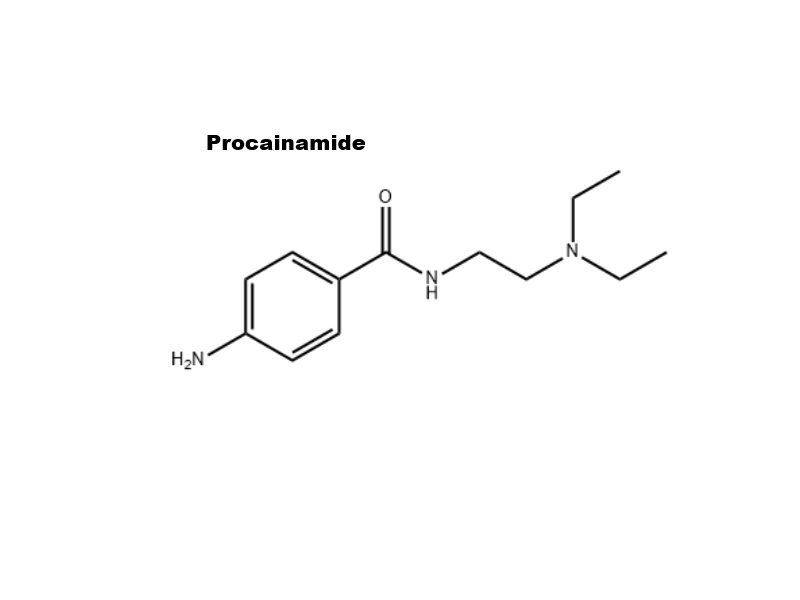
Chemical Name: 4-Amino-N-(2-diethylaminoethyl)benzamide
IUPAC Name: 4-Amino-N-[2-(diethylamino)ethyl]benzamide
CAS Registry Number: 51-06-9
Molecular Formula: C₁₃H₂₁N₃O
Molecular Weight: 235.33 g/mol
Chemical Structure: Procainamide consists of a benzene ring substituted with an amino group (para-position) and an amide (–CONH–) linker connected to a diethylaminoethyl side chain. This amide bond, in contrast to the ester bond in procaine, confers greater metabolic stability and is key to its antiarrhythmic action.
Appearance: Typically a white to tan crystalline powder. The pharmaceutical product is commonly available as the hydrochloride salt (Procainamide HCl).
Solubility: Freely soluble in water and soluble in ethanol. The hydrochloride salt is highly water-soluble, which is suitable for intravenous formulation.
Stability: Stable under standard conditions. The amide bond is more resistant to hydrolysis than the ester bond in procaine, but it can degrade under extreme pH, temperature, or light exposure. Solutions should be protected from light.
Melting Point: The hydrochloride salt melts at approximately 165-169 °C.
pKa: Approximately 9.2 (for the alkylamino group), which influences its ionization state and pharmacokinetics.
Biological Activities
Primary Activity: Class Ia Antiarrhythmic Agent. Its main mechanism is the blockade of cardiac voltage-gated sodium channels, particularly in their open/activated state. This action:
1.Decreases conduction velocity in the atria, ventricles, and Purkinje fibers.
2.Prolongs the action potential duration and effective refractory period.
3.Suppresses abnormal automaticity (e.g., in ectopic foci).
Metabolism and Active Metabolite: It is acetylated in the liver by the enzyme N-acetyltransferase 2 (NAT2) to form N-Acetylprocainamide (NAPA), which is also pharmacologically active (a Class III antiarrhythmic, primarily prolonging repolarization). The acetylation rate is genetically determined, leading to "fast" and "slow" acetylator phenotypes, which influences dosing and side effect risk.
Pharmacokinetics: Well-absorbed orally (~75-90%), with a relatively short half-life (2-4 hours for the parent drug; 6-10 hours for NAPA), necessitating frequent dosing or use of sustained-release formulations. It is excreted renally (50-60% unchanged).
Side Effects/Adverse Activities:
Cardiovascular: Hypotension (especially with IV use), QT prolongation, torsades de pointes (a life-threatening arrhythmia).
Immunological: Drug-induced lupus erythematosus (dILE) is a well-known adverse effect, especially in slow acetylators. Symptoms may include arthralgia, myalgia, pleuritis, and rash. Unlike systemic lupus, renal and CNS involvement is rare, and symptoms typically resolve upon drug discontinuation.
Other: Nausea, rash, agranulocytosis (rare but serious).
Biosynthesis
Procainamide is not biosynthesized by living organisms; it is produced by chemical synthesis.
The classic synthetic route involves the condensation of 4-aminobenzoic acid (PABA) with N,N-diethylethylenediamine in the presence of a coupling agent to form the amide bond.
Alternatively, it can be synthesized by modifying procaine, replacing the ester linkage with an amide group, which aligns with its historical discovery as a more stable, cardiologically active analogue.
Applications



FAQs
Q1: What is the main difference between procaine and procainamide?
A1: Procaine is an ester-based local anesthetic with a very short duration due to rapid plasma hydrolysis. Procainamide is an amide-based compound designed to resist hydrolysis. Its primary action is as a Class I antiarrhythmic drug for the heart, not as a local anesthetic. The amide group provides metabolic stability and different target organ effects.
Q2: Why is monitoring important during procainamide therapy?
A2: Close therapeutic drug monitoring (TDM) of both procainamide and its metabolite NAPA is essential to:
Ensure therapeutic levels (procainamide: 4-10 µg/mL; combined procainamide + NAPA: 10-30 µg/mL).
Minimize toxicity risks, especially life-threatening cardiac effects like QT prolongation and torsades de pointes.
Guide dosing in patients with renal impairment, as both parent drug and NAPA are renally excreted.
Q3: What is procainamide-induced lupus, and who is at risk?
A3: It is an autoimmune syndrome caused by the drug, mimicking symptoms of systemic lupus erythematosus (e.g., joint pain, fever, rash, pleurisy). Slow acetylators (individuals with low NAT2 enzyme activity) are at higher risk because they metabolize the drug more slowly, leading to higher exposure and the formation of reactive metabolites that may trigger the autoimmune response. Symptoms usually resolve after stopping the drug.
Q4: Is procainamide still used today?
A4: Yes, but its use has become more selective. It remains an important therapeutic option, particularly for:
Acute treatment of hemodynamically stable ventricular tachycardia.
Management of arrhythmias in specific contexts (e.g., in Wolff-Parkinson-White syndrome).
Due to its side effect profile (especially lupus and proarrhythmia), it is often not a first-line long-term therapy, with drugs like amiodarone or sotalol being preferred in many cases.
Q5: Can I buy procainamide (CAS 51-06-9) for research?
A5: Yes, it is available from reputable chemical and pharmaceutical reference standard suppliers for legitimate research and development purposes. It is sold as a chemical or pharmaceutical standard. Important: Procainamide is a prescription drug strictly regulated for human and veterinary therapeutic use. Research purchases require appropriate institutional documentation and must comply with all applicable regulations, with no intent for unauthorized human or animal administration.
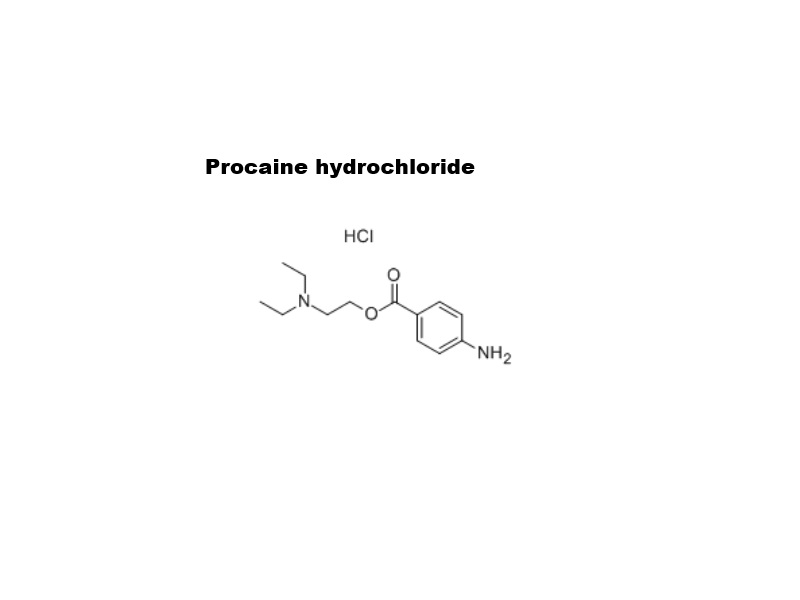
Procaine Hydrochloride CAS 51-05-8 is the water-soluble hydrochloride salt of procaine. It is the specific formulation used in clinical medicine, famously marketed under the brand name Novocain. While its use in mainstream practice has diminished, it remains a historically pivotal drug and is still employed in specific medical and therapeutic contexts.
Details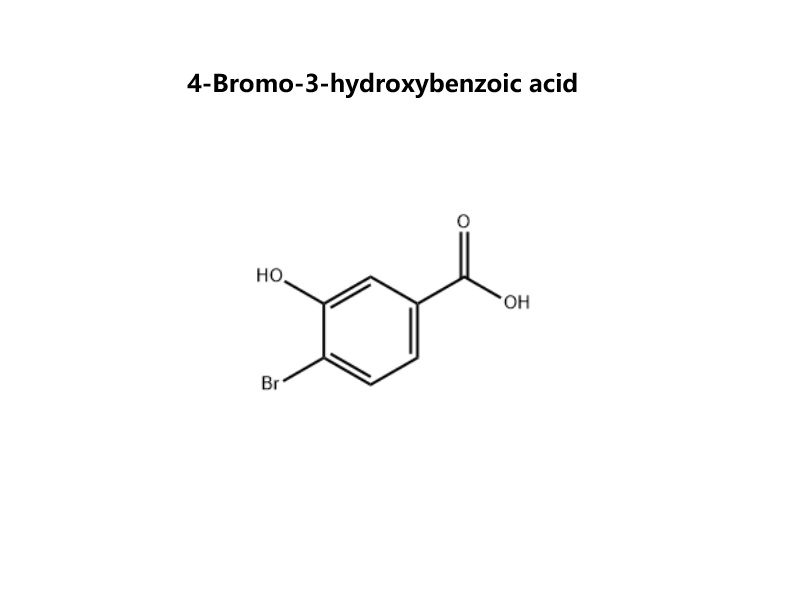
4-Bromo-3-hydroxybenzoic acid CAS 14348-38-0 is a premium, multifunctional aromatic building block engineered for complexity-driven synthesis. Its core value lies in the strategic placement of three distinct, orthogonally reactive functional groups on a benzene ring, making it an indispensable tool for convergent molecular construction in advanced research and development.
Details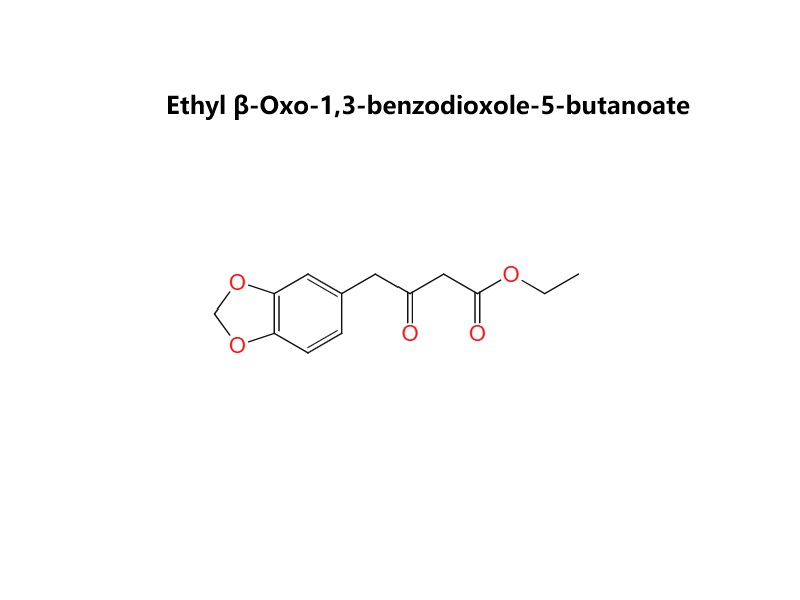
Ethyl β-Oxo-1,3-benzodioxole-5-butanoate CAS 31127-23-8 is a β-ketoester derivative featuring a 1,3-benzodioxole (methylenedioxyphenyl) aromatic system. Structurally, it consists of a benzodioxole ring attached through a three-carbon chain to an ethyl β-ketoester functional group (-CO-CH₂-COOEt). This makes it a versatile bifunctional building block for organic synthesis, combining the electronic properties of the benzodioxole group with the high reactivity of a β-ketoester.
Details![4-Nitrophenyl 3-(Benzo[d][1,3]dioxol-5-yl)-2-methylpropanoate](https://www.qixiolivetol.com/storage/uploads/images/202604/17/1776427287_qZy87IjHSQ.jpg)
4-Nitrophenyl 3-(Benzo[d][1,3]dioxol-5-yl)-2-methylpropanoate is a chirally defined, pre-activated acylating agent that combines a metabolically stable benzo[1,3]dioxole (piperonyl) pharmacophore with the exceptional reactivity of a 4-nitrophenyl ester. It enables the efficient, racemization-free introduction of a complex, chiral acid moiety under mild conditions, making it invaluable for advanced synthetic and bioconjugation chemistry. 4-Nitrophenyl 3-(Benzo[d][1,3]dioxol-5-yl)-2-methylpropanoate is a specialty ester designed as a reactive biochemical or synthetic intermediate. Its structure strategically combines three key units: (1)A 3-(benzo[1,3]dioxol-5-yl)-2-methylpropanoic acid (piperonyl-substituted, chiral acid) moiety. (2)A 4-nitrophenyl ester leaving group. This design makes it an activated ester, where the 4-nitrophenol is an excellent leaving group, facilitating efficient acyl transfer reactions under mild conditions.
Details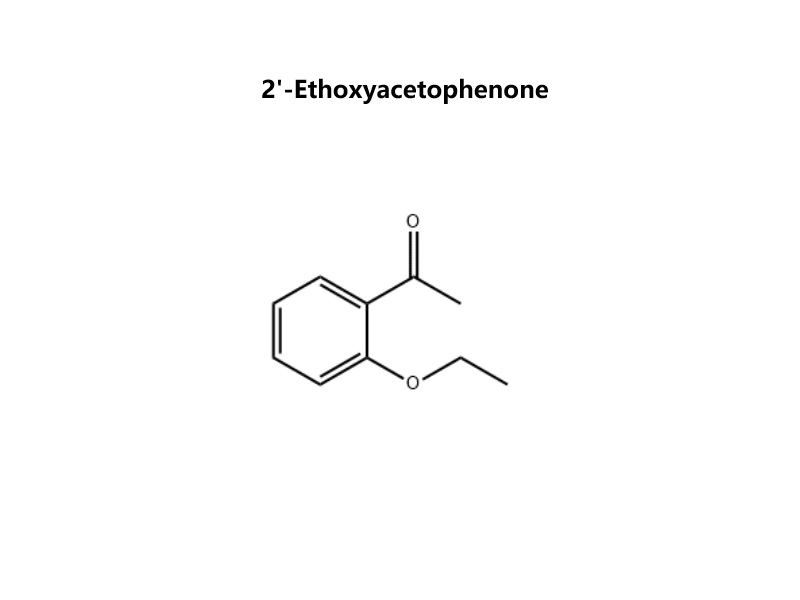
2'-Ethoxyacetophenone CAS 2142-67-8 is a specialized aromatic ketone characterized by an ethoxy substituent at the orthoposition relative to the acetyl group. This structural feature imparts distinct chemical and physical properties, making it a privileged building block for synthesizing complex molecules, particularly in the flavor/fragrance and pharmaceutical sectors.
Details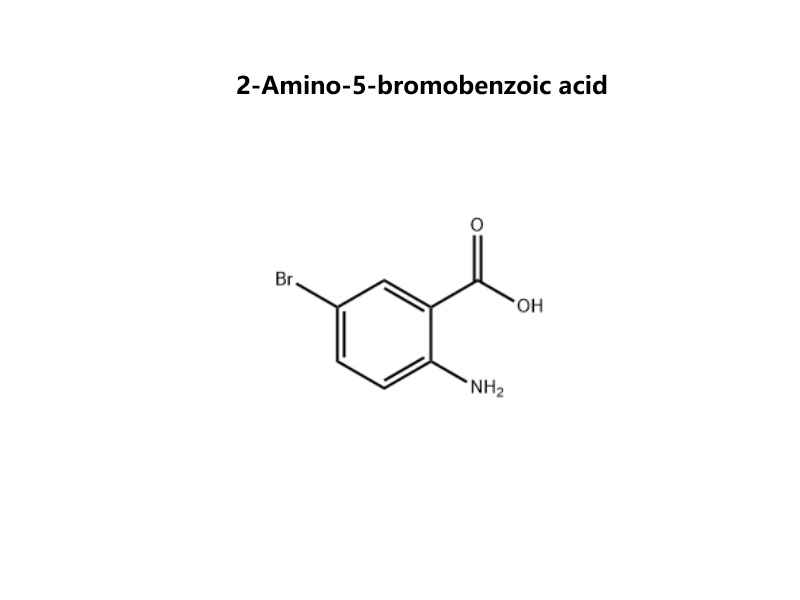
2-Amino-5-bromobenzoic acid CAS 5794-88-7 is a highly versatile aromatic building block that integrates three distinct functional groups—an amine, a carboxylic acid, and an aryl bromide—into a single, synthetically valuable scaffold. This multifunctionality makes it a crucial intermediate in pharmaceutical and advanced materials chemistry.
Details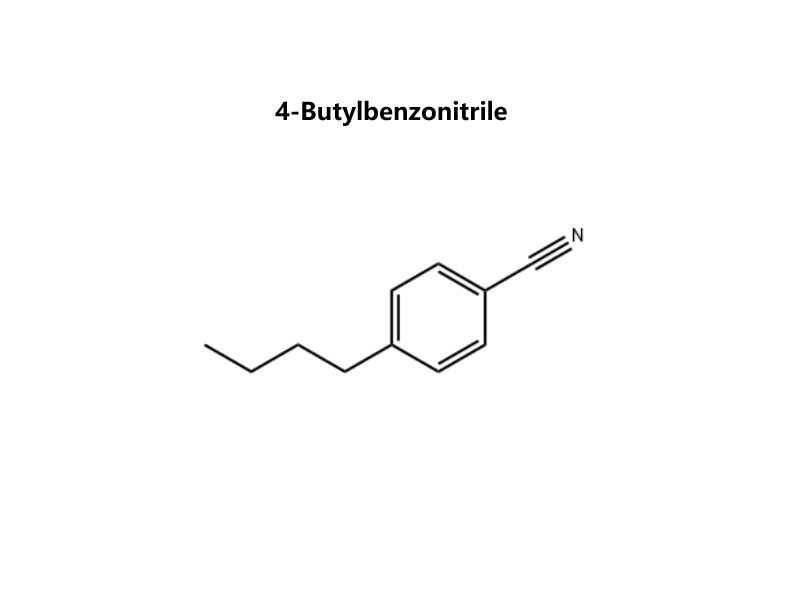
4-Butylbenzonitrile CAS 20651-73-4 is a strategically designed hydrophobic building block that combines a rigid aromatic core with a flexible linear alkyl chain and a highly versatile nitrile functional group. This triad of features makes it an exceptionally valuable intermediate for modulating physicochemical properties and enabling diverse synthetic pathways in advanced material and pharmaceutical and agrochemical research.
Details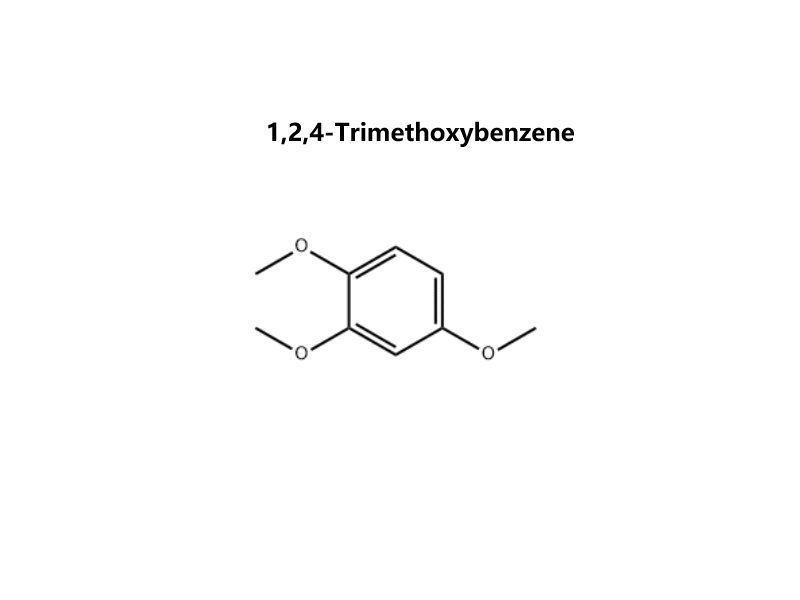
1,2,4-Trimethoxybenzene CAS 135-77-3 is a uniquely versatile, electron-rich aromatic building block. Its core value lies in its unsymmetrical yet highly predictable substitution pattern, which provides exceptional regiocontrol in synthetic chemistry. This makes it a privileged scaffold for constructing complex molecules in pharmaceuticals, agrochemicals, and advanced materials.
Details
 Contact Us
 1st Floor, No. 477, Huancheng West Road, Nanqiao Town, Fengxian District, Shanghai,China
 sales@qxscientific.com
 +86 -13701740203


 IPv6 Network Supported |
Sitemap |
XML |
Blog |
Privacy Policy
IPv6 Network Supported |
Sitemap |
XML |
Blog |
Privacy Policy
Leave A Message
Scan to Wechat/Whatsapp :



 English
 English
 Español
 Português