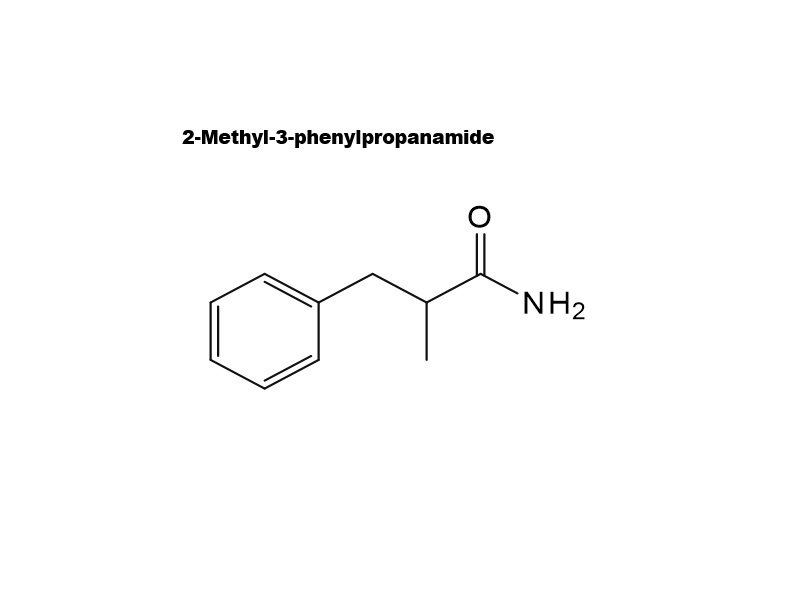
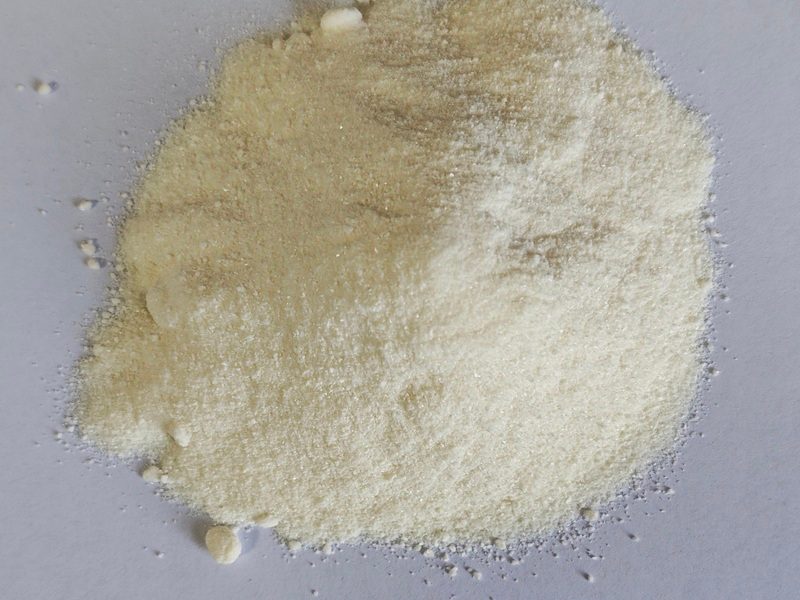
2-Methyl-3-phenylpropanamide CAS 7499-19-6 is a chiral organic compound primarily recognized as a key synthetic intermediate in pharmaceutical manufacturing. Its structure, featuring a phenylpropionate backbone with a methyl side chain and an amide terminal, makes it a valuable building block, most notably for the synthesis of the Class III antiarrhythmic drug Ibutilide.
Name :
2-methyl-3-phenylpropanamideCAS No. :
7499-19-6MF :
C₁₀H₁₃NOMW :
163.22Purity :
97%Appearance :
a white to off-white crystalline powderStorage Condition :
Store in a tightly sealed container in a cool, dry, and well-ventilated place at room temperature.Chemical Properties
Chemical Name: 2-Methyl-3-phenylpropanamide
IUPAC Name: 2-Methyl-3-phenylpropanamide
Common Synonyms: α-Methyl-3-phenylpropionamide; (RS)-2-Methyl-3-phenylpropionamide
CAS Registry Number: 7499-19-6
Molecular Formula: C₁₀H₁₃NO
Molecular Weight: 163.22 g/mol
Chemical Structure: It consists of a three-carbon propanoic acid chain (propanamide) substituted with a phenyl group at the 3-position and a methyl group at the 2-position (the alpha carbon relative to the amide). The presence of a chiral center at the 2-carbon means it can exist as (R)- and (S)- enantiomers. The commercial material is often supplied as the racemate.
Appearance: Typically a white to off-white crystalline powder.
Solubility: Soluble in common organic solvents (e.g., methanol, ethanol, ethyl acetate, dichloromethane). Sparingly soluble or insoluble in water.
Melting Point: ~116-118 °C
Optical Rotation: For enantiopure forms, specific optical rotation values would be defined (e.g., for (S)-enantiomer).
Stability: Stable under normal storage conditions. As an amide, it is more stable to hydrolysis than esters but can be hydrolyzed under strongly acidic or basic conditions at elevated temperatures.
Biological Activities
2-Methyl-3-phenylpropanamide itself is not a therapeutically active drug substance. Its primary biological and pharmacological significance is exclusively as a precursor.
Role as a Critical Intermediate: It is an essential chiral intermediate in the multi-step synthesis of Ibutilide fumarate, a potent Class III antiarrhythmic agent used for the rapid conversion of atrial fibrillation and flutter.
Mechanism Relevance: The structure of 2-methyl-3-phenylpropanamide forms the core moiety of Ibutilide, which is responsible for the drug's activity as a potassium channel blocker, prolonging the cardiac action potential and refractory period.
Biosynthesis
This compound is not produced via biological fermentation or enzymatic pathways on an industrial scale. It is manufactured through chemical synthesis. Common synthetic routes involve:
1.From 3-Phenylpropionic Acid Derivatives: Starting from ethyl 3-phenylpropionate, alpha-alkylation to introduce the methyl group, followed by hydrolysis and amidation.
2.Via Grignard or Reformatsky-Type Reactions: Reaction of benzyl halides with alpha-methylated acrylate or nitrile derivatives, followed by functional group transformation to the amide.
3.Asymmetric Synthesis: For producing enantiomerically pure material, methods may employ chiral auxiliaries, asymmetric hydrogenation, or enzymatic resolution.
Applications



Key Advantages & Benefits
1. Dual-Functionality for Molecular Diversification
Benefit: Contains two key reactive sites: the primary amide group (which can be hydrolyzed, dehydrated, reduced, or used in condensation reactions) and the benzylic/alpha-branched carbon chain (susceptible to functionalization or serving as a lipophilic spacer). This allows for sequential modifications to build complexity.
Application Scenario: In medicinal chemistry, this compound can serve as the starting point for a library of kinase inhibitor candidates. The amide can be reduced to a primary amine for coupling to a heterocyclic carboxylic acid, while the phenyl and methyl groups provide optimal lipophilicity and stereochemical bulk to fit a hydrophobic pocket in the target enzyme's active site.
2. Chiral Pool Potential for Enantioselective Synthesis
Benefit: The presence of a stereocenter (in the enantiomerically pure form) makes it a potential chiral building block (chiral pool) for the asymmetric synthesis of bioactive molecules, avoiding the need for external chiral auxiliaries or catalysts in early steps.
Application Scenario: A manufacturer of a chiral herbicide uses (R)- or (S)-2-methyl-3-phenylpropanamide as a starting material. The pre-existing chirality is carried through the synthesis to produce the final active ingredient with the required enantiopurity, ensuring high biological activity and meeting regulatory standards for isomerically pure agrochemicals.
3. Structural Mimic and Bioisostere
Benefit: Its phenylpropionamide backbone is a common pharmacophore and bioisostere found in neurotransmitters (e.g., GABA analogs) and various active pharmaceutical ingredients (APIs). It serves as an ideal core for structure-activity relationship (SAR) studies.
Application Scenario: Researchers developing a new series of GABA-modulating analgesics use this amide as a core scaffold. It mimics the structure of endogenous neurotransmitters, allowing them to systematically modify the amide and alkyl regions to optimize binding affinity, metabolic stability, and blood-brain barrier penetration.
4. Favorable Physicochemical Properties
Benefit: As a solid, crystalline amide, it generally exhibits good stability, manageable solubility in organic solvents, and lower hygroscopicity compared to corresponding carboxylic acids or amine salts, facilitating handling and purification in process chemistry.
Application Scenario: In a scale-up process for an antidepressant intermediate, the use of 2-methyl-3-phenylpropanamide, rather than the free amine or acid, prevents issues like emulsification during workup and simplifies isolation by filtration. Its consistent quality ensures reproducible yields in the coupling step to form the final drug scaffold.
2-Methyl-3-phenylpropanamide (CAS 7499-19-6) is a highly functionalized and strategic intermediate in fine chemical synthesis. Its advantages stem from its well-defined molecular architecture that incorporates lipophilicity, chirality, and a reactive amide group in one scaffold. For researchers in pharmaceutical and agrochemical development, it provides a reliable and versatile starting point for constructing complex target molecules, especially those requiring a sterically defined phenylalkyl moiety. While simpler analogs like 3-phenylpropionamide are more economical for some applications, the presence of the α-methyl group in this compound is a critical differentiator, offering enhanced stereochemical control, metabolic stability, and the ability to fine-tune the steric profile of the final active ingredient. Its value is realized in the synthesis of enantiomerically pure, biologically active compounds.
FAQs
Q1: What is the main application of this compound?
A1: Its exclusive and main industrial application is as a high-value intermediate in the synthesis of the antiarrhythmic drug Ibutilide fumarate. Its quality and chiral purity directly impact the efficacy and safety of the final Active Pharmaceutical Ingredient (API).
Q2: Do you supply the racemic mixture or the single enantiomer?
A2: We can supply both based on your synthetic needs. The racemic mixture (CAS 7499-19-6) is commonly used. For asymmetric synthesis requiring high enantiomeric excess (e.e.), we provide the (R)- or (S)-2-Methyl-3-phenylpropanamide under separate specifications. Please inquire for specific chiral purity and pricing.
Q3: What documentation do you provide with the product?
A3: We provide a comprehensive Certificate of Analysis (CoA) detailing batch number, purity (by HPLC/NMR), chiral purity (if applicable), melting point, residual solvents, and heavy metals analysis. A Material Safety Data Sheet (MSDS/SDS) is always included.
Q4: Is this compound a controlled substance or have any special regulatory requirements?
A4: 2-Methyl-3-phenylpropanamide itself is not a controlled substance on major international lists (e.g., UN, INCB). However, as a direct precursor to a prescription drug (Ibutilide), transactions are subject to responsible vetting. We sell only to legitimate and verified companies for approved research or manufacturing purposes under strict compliance with applicable laws.
Q5: Can you provide custom synthesis or scale-up services for this intermediate?
A5: Yes. Custom synthesis is a core service. We can optimize routes, perform kilogram-scale synthesis under cGMP guidelines if required for pharmaceutical registration, and tailor specifications (purity, particle size, polymorphic form) to meet your exact process development and production needs.
Q6: How should it be stored, and what is the typical shelf life?
A6: Store in a tightly sealed container in a cool, dry, and well-ventilated place at room temperature or as specified. Protect from moisture and light. Under these conditions, the material is typically stable for at least 2-3 years. Long-term storage under inert atmosphere (e.g., nitrogen) is recommended for optimal stability.
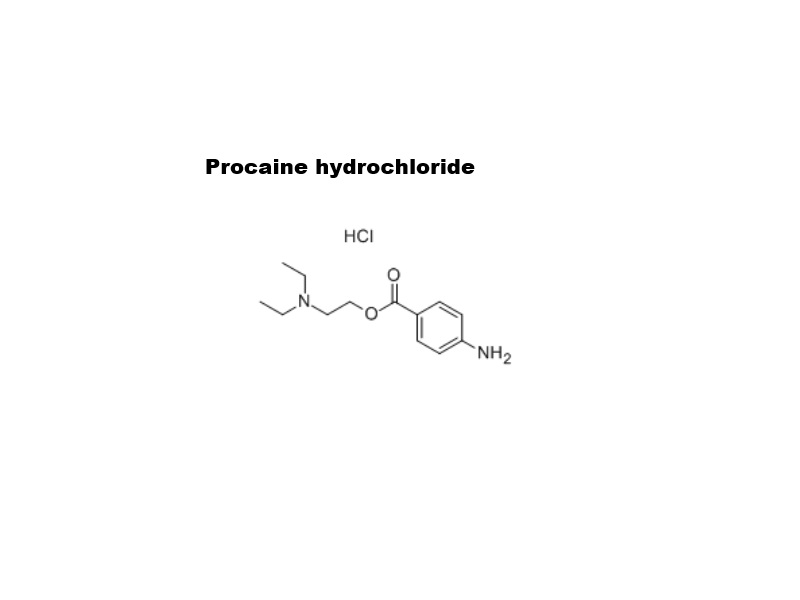
Procaine Hydrochloride CAS 51-05-8 is the water-soluble hydrochloride salt of procaine. It is the specific formulation used in clinical medicine, famously marketed under the brand name Novocain. While its use in mainstream practice has diminished, it remains a historically pivotal drug and is still employed in specific medical and therapeutic contexts.
Details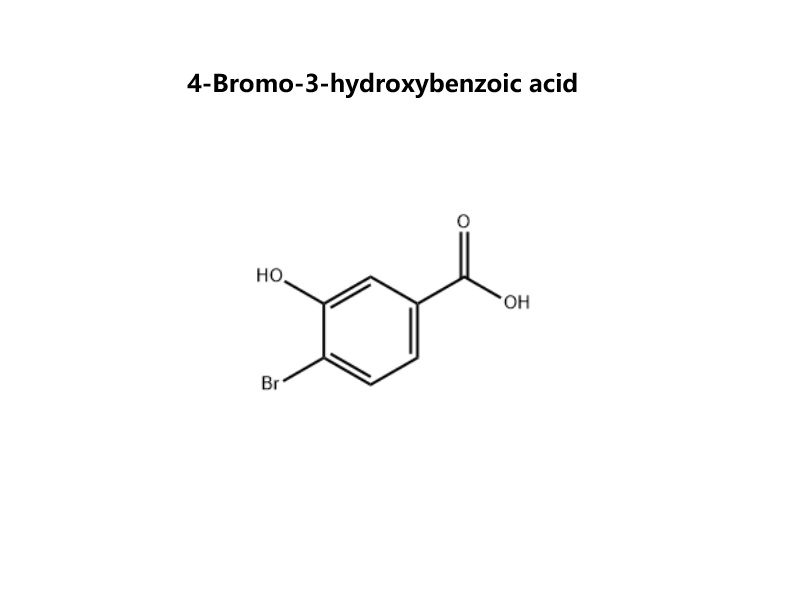
4-Bromo-3-hydroxybenzoic acid CAS 14348-38-0 is a premium, multifunctional aromatic building block engineered for complexity-driven synthesis. Its core value lies in the strategic placement of three distinct, orthogonally reactive functional groups on a benzene ring, making it an indispensable tool for convergent molecular construction in advanced research and development.
Details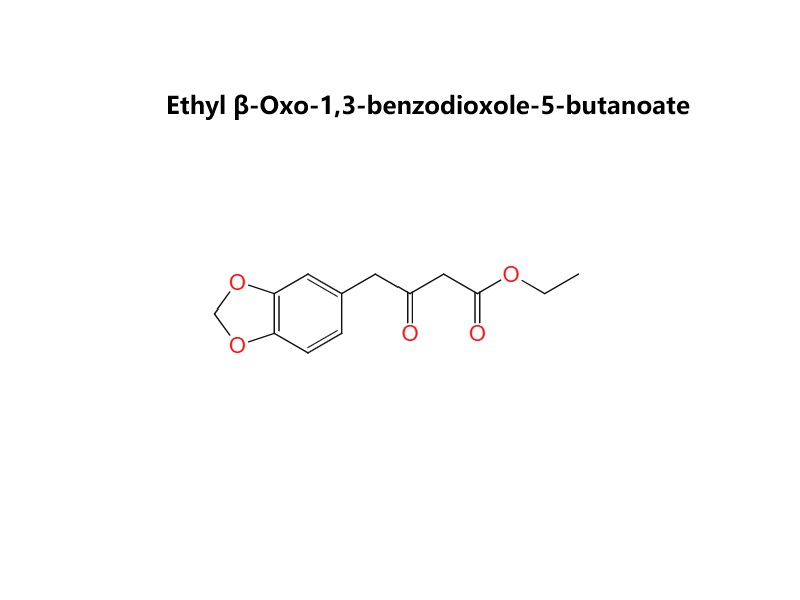
Ethyl β-Oxo-1,3-benzodioxole-5-butanoate CAS 31127-23-8 is a β-ketoester derivative featuring a 1,3-benzodioxole (methylenedioxyphenyl) aromatic system. Structurally, it consists of a benzodioxole ring attached through a three-carbon chain to an ethyl β-ketoester functional group (-CO-CH₂-COOEt). This makes it a versatile bifunctional building block for organic synthesis, combining the electronic properties of the benzodioxole group with the high reactivity of a β-ketoester.
Details![4-Nitrophenyl 3-(Benzo[d][1,3]dioxol-5-yl)-2-methylpropanoate](https://www.qixiolivetol.com/storage/uploads/images/202604/17/1776427287_qZy87IjHSQ.jpg)
4-Nitrophenyl 3-(Benzo[d][1,3]dioxol-5-yl)-2-methylpropanoate is a chirally defined, pre-activated acylating agent that combines a metabolically stable benzo[1,3]dioxole (piperonyl) pharmacophore with the exceptional reactivity of a 4-nitrophenyl ester. It enables the efficient, racemization-free introduction of a complex, chiral acid moiety under mild conditions, making it invaluable for advanced synthetic and bioconjugation chemistry. 4-Nitrophenyl 3-(Benzo[d][1,3]dioxol-5-yl)-2-methylpropanoate is a specialty ester designed as a reactive biochemical or synthetic intermediate. Its structure strategically combines three key units: (1)A 3-(benzo[1,3]dioxol-5-yl)-2-methylpropanoic acid (piperonyl-substituted, chiral acid) moiety. (2)A 4-nitrophenyl ester leaving group. This design makes it an activated ester, where the 4-nitrophenol is an excellent leaving group, facilitating efficient acyl transfer reactions under mild conditions.
Details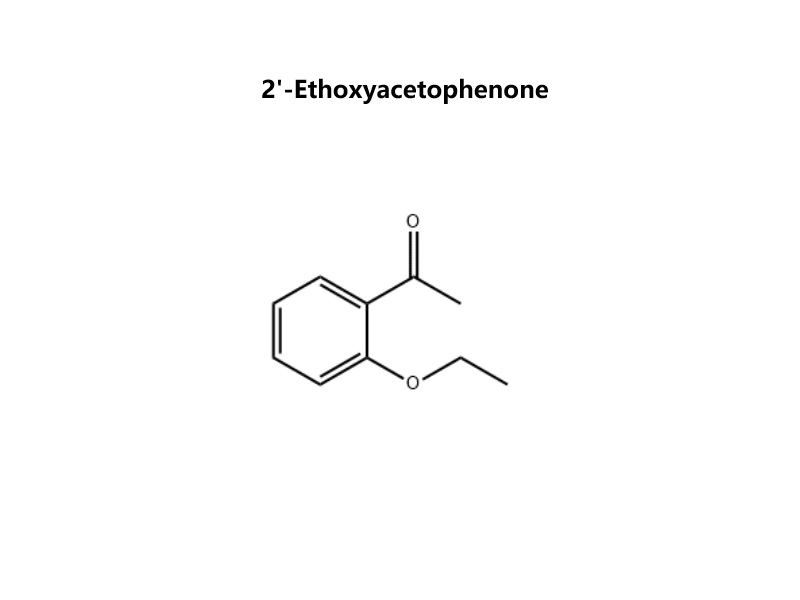
2'-Ethoxyacetophenone CAS 2142-67-8 is a specialized aromatic ketone characterized by an ethoxy substituent at the orthoposition relative to the acetyl group. This structural feature imparts distinct chemical and physical properties, making it a privileged building block for synthesizing complex molecules, particularly in the flavor/fragrance and pharmaceutical sectors.
Details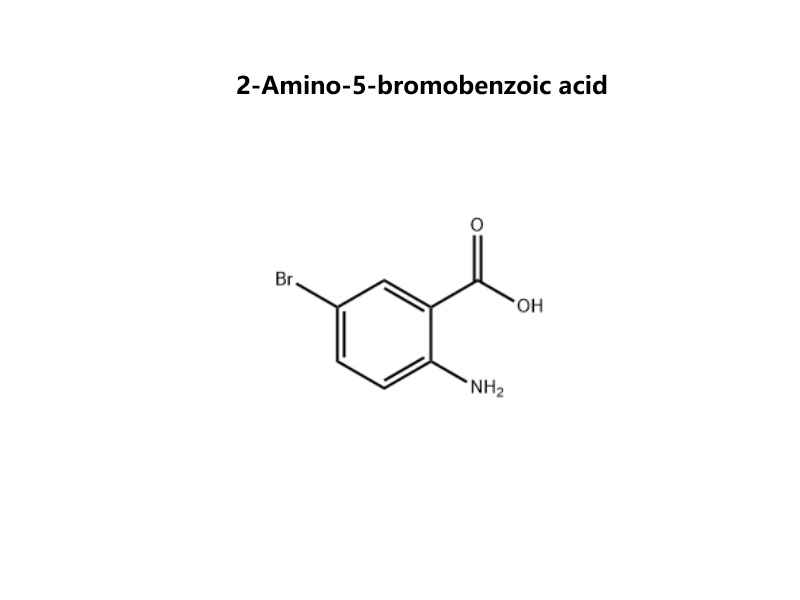
2-Amino-5-bromobenzoic acid CAS 5794-88-7 is a highly versatile aromatic building block that integrates three distinct functional groups—an amine, a carboxylic acid, and an aryl bromide—into a single, synthetically valuable scaffold. This multifunctionality makes it a crucial intermediate in pharmaceutical and advanced materials chemistry.
Details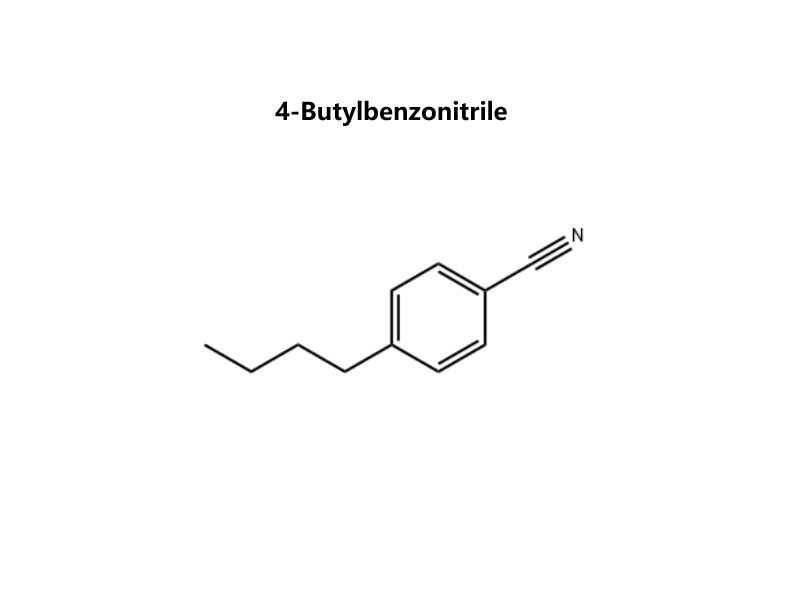
4-Butylbenzonitrile CAS 20651-73-4 is a strategically designed hydrophobic building block that combines a rigid aromatic core with a flexible linear alkyl chain and a highly versatile nitrile functional group. This triad of features makes it an exceptionally valuable intermediate for modulating physicochemical properties and enabling diverse synthetic pathways in advanced material and pharmaceutical and agrochemical research.
Details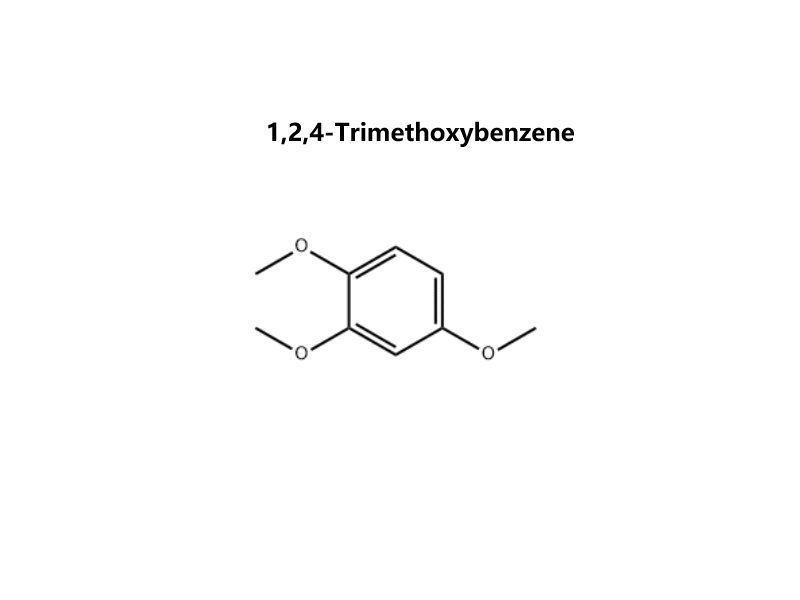
1,2,4-Trimethoxybenzene CAS 135-77-3 is a uniquely versatile, electron-rich aromatic building block. Its core value lies in its unsymmetrical yet highly predictable substitution pattern, which provides exceptional regiocontrol in synthetic chemistry. This makes it a privileged scaffold for constructing complex molecules in pharmaceuticals, agrochemicals, and advanced materials.
Details
 Contact Us
 1st Floor, No. 477, Huancheng West Road, Nanqiao Town, Fengxian District, Shanghai,China
 sales@qxscientific.com
 +86 -13701740203


 IPv6 Network Supported |
Sitemap |
XML |
Blog |
Privacy Policy
IPv6 Network Supported |
Sitemap |
XML |
Blog |
Privacy Policy
Leave A Message
Scan to Wechat/Whatsapp :



 English
 English
 Español
 Português