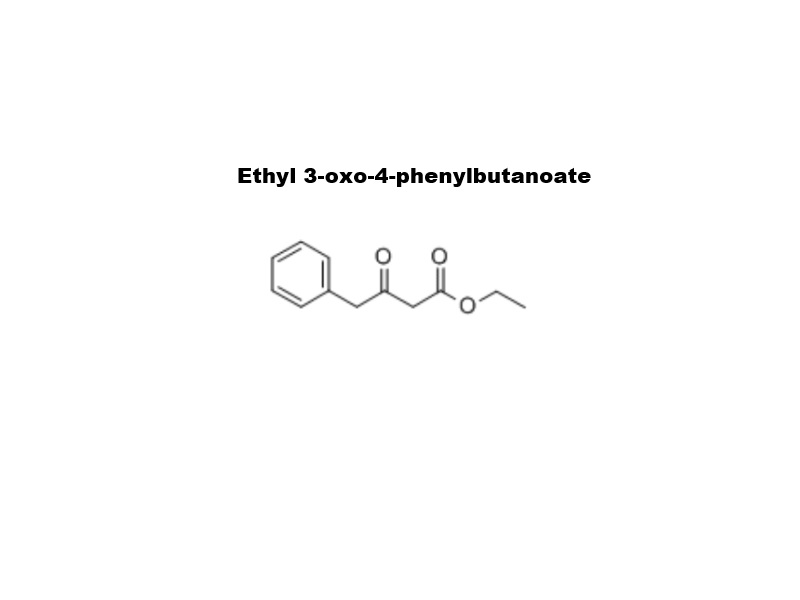
Ethyl 3-oxo-4-phenylbutanoate CAS 718-08-1 (also known as ethyl 4-phenyl-3-oxobutanoate or ethyl benzylacetoacetate) is an organic compound belonging to the class of β-keto esters. It features both a ketone and an ester functional group, with a phenyl substituent at the 4-position. Its structure makes it a versatile building block in organic synthesis, particularly in pharmaceutical and fine chemical manufacturing.
Name :
Ethyl 3-oxo-4-phenylbutanoateCAS No. :
718-08-1MF :
C₁₂H₁₄O₃MW :
206.24Purity :
97%Appearance :
Colorless to pale yellow liquidChemical Properties
CAS Number: 718-08-1
Molecular Formula: C₁₂H₁₄O₃
Molecular Weight: 206.24 g/mol
IUPAC Name: Ethyl 4-phenyl-3-oxobutanoate
Synonyms:
Ethyl benzylacetoacetate
Ethyl 4-phenyl-3-oxobutyrate
3-Oxo-4-phenylbutanoic acid ethyl ester
Physical State: Colorless to pale yellow liquid
Boiling Point: ~150–155 °C at 12 mmHg (may vary with purity)
Density: ~1.1 g/cm³ at 20 °C
Refractive Index: n20/D ~1.51–1.515
Solubility: Soluble in common organic solvents (e.g., ethanol, ethyl acetate, dichloromethane, acetone); insoluble in water.
Stability: Stable under normal storage conditions but may decompose under strong oxidizing or reducing conditions. Should be protected from moisture and stored in a cool, dry place.
Characteristic: Exhibits keto-enol tautomerism typical of β-keto esters.
Biological Activities
Pharmacological Role: Primarily used as a synthetic intermediate; not typically employed as an active pharmaceutical ingredient itself.
Biological Relevance: Serves as a precursor for compounds with potential biological activities, such as:
Antihypertensive agents (e.g., in the synthesis of certain ACE inhibitors or related heterocycles)
Anti-inflammatory or analgesic compounds (via conversion to pyrazole or isoxazole derivatives)
Chiral intermediates for drugs like statins (cholesterol-lowering agents) after further chemical modification.
Toxicity: Limited specific data, but β-keto esters generally require careful handling. May cause irritation to skin, eyes, and respiratory system. Standard laboratory precautions (gloves, goggles, ventilation) are recommended.
Biosynthesis
Natural Occurrence: Not known as a natural product; it is a synthetic compound.
Laboratory/Industrial Synthesis: Typically prepared via:
1.Claisen condensation of ethyl acetoacetate with benzyl halides in the presence of a base (e.g., sodium ethoxide).
2.Alternative methods may involve acylation of phenylacetone with diethyl carbonate or transesterification approaches.
Biosynthetic Pathways (in engineered systems): Not common, but theoretically feasible via metabolic engineering of microbial pathways (e.g., using ketoacid and CoA intermediates), though not commercially practiced for this compound.
Applications




FAQs
Q1: What is the primary use of ethyl 3-oxo-4-phenylbutanoate?
A1: It is mainly used as a chemical intermediate in the synthesis of pharmaceuticals (especially antihypertensive and anti-inflammatory drugs) and fine chemicals.
Q2: How should this compound be stored?
A2: Store in a tightly sealed container, under an inert atmosphere (e.g., nitrogen), in a cool, dry place away from light and moisture. Recommended temperature: 2–8 °C for long-term storage.
Q3: Is it hazardous?
A3: It may cause skin/eye irritation and respiratory discomfort. Always refer to the Safety Data Sheet (SDS) for specific hazards and handling instructions. Use personal protective equipment (PPE) and work in a fume hood.
Q4: Can it be used in asymmetric synthesis?
A4: Yes, the chiral center at the 4-position (if introduced) or the prochiral ketone allows for asymmetric transformations, e.g., enzymatic reductions or chiral catalyst-mediated reactions.
Q5: What are common impurities in commercial samples?
A5: Possible impurities include starting materials (ethyl acetoacetate, benzyl halides), decarboxylation products, or enol isomers. Purity is typically ≥95% (GC/HPLC), with higher grades available.
Q6: Where can I find spectral data (NMR, IR, MS)?
A6: Spectral data are often available in commercial catalogs (e.g., Sigma-Aldrich, TCI) or databases like SciFinder, Reaxys, or NIST.
Q7: Is it compatible with green chemistry protocols?
A7: Yes, it has been used in studies involving solvent-free reactions, biocatalysis, and recyclable catalysts to improve sustainability.
Q8: What are typical packaging options?
A8: Available from milligram to kilogram quantities, often in glass bottles or metal cans for larger volumes. Custom packaging may be available from suppliers.
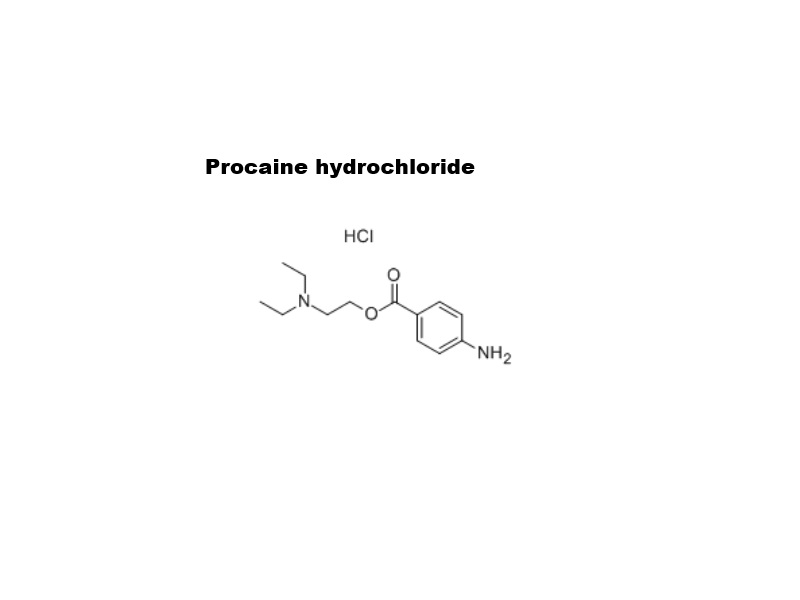
Procaine Hydrochloride CAS 51-05-8 is the water-soluble hydrochloride salt of procaine. It is the specific formulation used in clinical medicine, famously marketed under the brand name Novocain. While its use in mainstream practice has diminished, it remains a historically pivotal drug and is still employed in specific medical and therapeutic contexts.
Details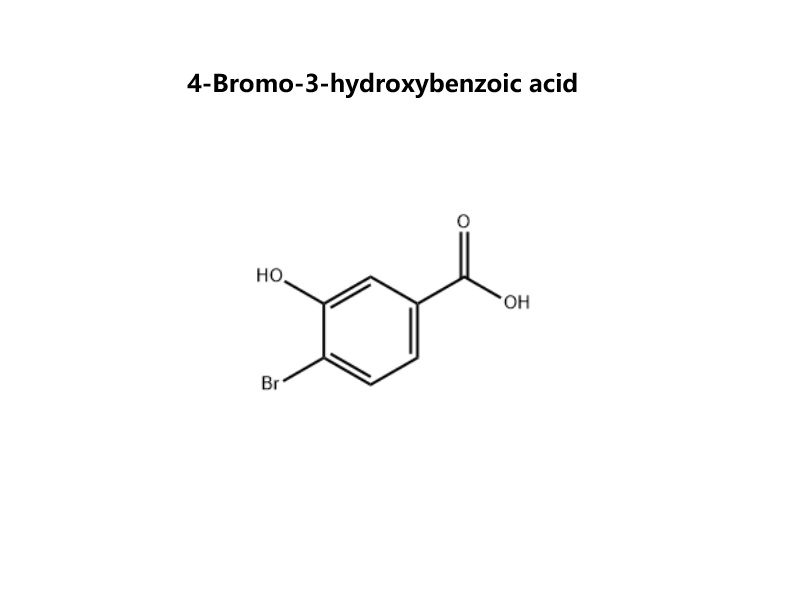
4-Bromo-3-hydroxybenzoic acid CAS 14348-38-0 is a premium, multifunctional aromatic building block engineered for complexity-driven synthesis. Its core value lies in the strategic placement of three distinct, orthogonally reactive functional groups on a benzene ring, making it an indispensable tool for convergent molecular construction in advanced research and development.
Details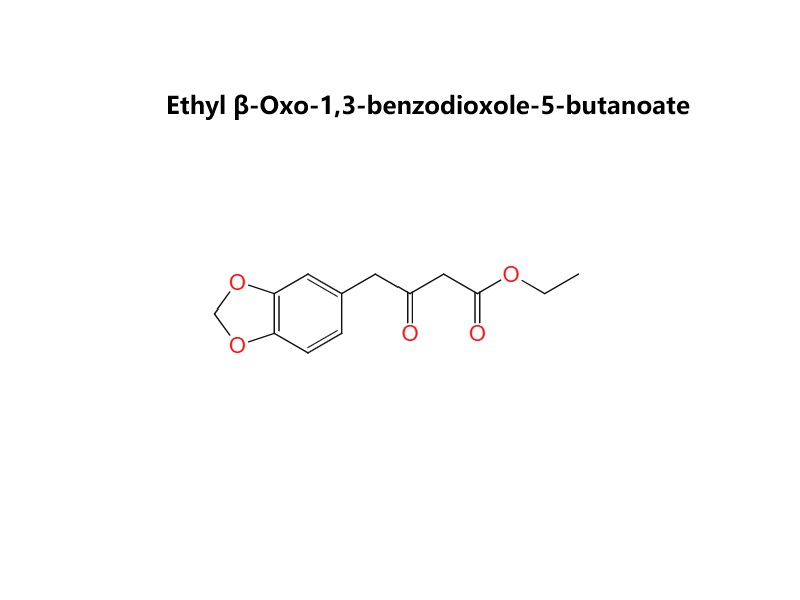
Ethyl β-Oxo-1,3-benzodioxole-5-butanoate CAS 31127-23-8 is a β-ketoester derivative featuring a 1,3-benzodioxole (methylenedioxyphenyl) aromatic system. Structurally, it consists of a benzodioxole ring attached through a three-carbon chain to an ethyl β-ketoester functional group (-CO-CH₂-COOEt). This makes it a versatile bifunctional building block for organic synthesis, combining the electronic properties of the benzodioxole group with the high reactivity of a β-ketoester.
Details![4-Nitrophenyl 3-(Benzo[d][1,3]dioxol-5-yl)-2-methylpropanoate](https://www.qixiolivetol.com/storage/uploads/images/202604/17/1776427287_qZy87IjHSQ.jpg)
4-Nitrophenyl 3-(Benzo[d][1,3]dioxol-5-yl)-2-methylpropanoate is a chirally defined, pre-activated acylating agent that combines a metabolically stable benzo[1,3]dioxole (piperonyl) pharmacophore with the exceptional reactivity of a 4-nitrophenyl ester. It enables the efficient, racemization-free introduction of a complex, chiral acid moiety under mild conditions, making it invaluable for advanced synthetic and bioconjugation chemistry. 4-Nitrophenyl 3-(Benzo[d][1,3]dioxol-5-yl)-2-methylpropanoate is a specialty ester designed as a reactive biochemical or synthetic intermediate. Its structure strategically combines three key units: (1)A 3-(benzo[1,3]dioxol-5-yl)-2-methylpropanoic acid (piperonyl-substituted, chiral acid) moiety. (2)A 4-nitrophenyl ester leaving group. This design makes it an activated ester, where the 4-nitrophenol is an excellent leaving group, facilitating efficient acyl transfer reactions under mild conditions.
Details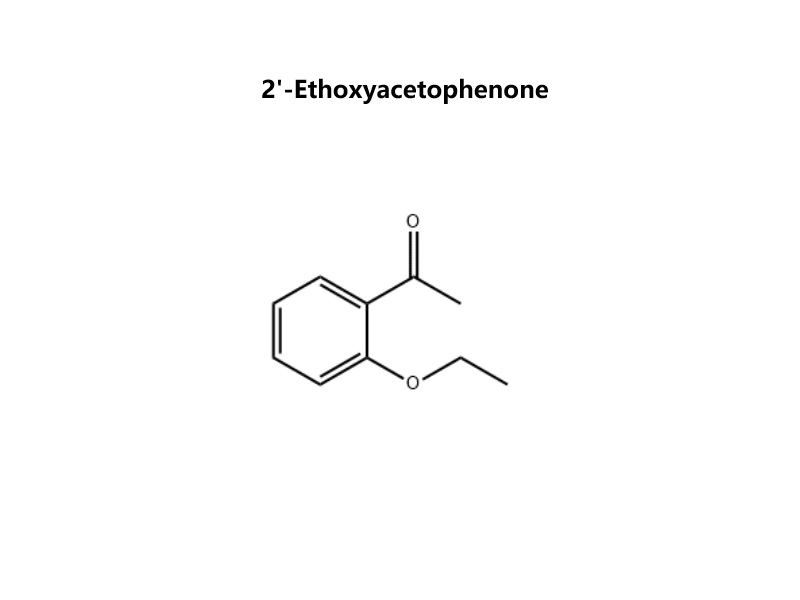
2'-Ethoxyacetophenone CAS 2142-67-8 is a specialized aromatic ketone characterized by an ethoxy substituent at the orthoposition relative to the acetyl group. This structural feature imparts distinct chemical and physical properties, making it a privileged building block for synthesizing complex molecules, particularly in the flavor/fragrance and pharmaceutical sectors.
Details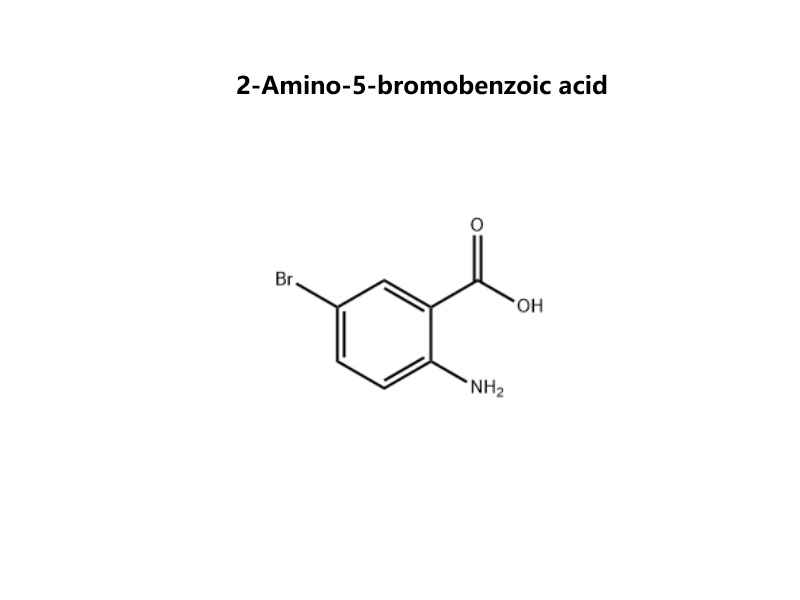
2-Amino-5-bromobenzoic acid CAS 5794-88-7 is a highly versatile aromatic building block that integrates three distinct functional groups—an amine, a carboxylic acid, and an aryl bromide—into a single, synthetically valuable scaffold. This multifunctionality makes it a crucial intermediate in pharmaceutical and advanced materials chemistry.
Details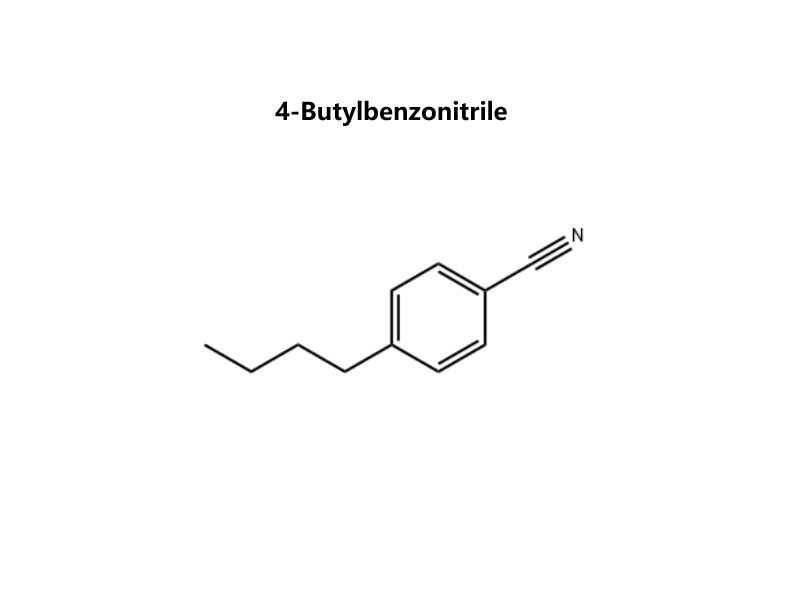
4-Butylbenzonitrile CAS 20651-73-4 is a strategically designed hydrophobic building block that combines a rigid aromatic core with a flexible linear alkyl chain and a highly versatile nitrile functional group. This triad of features makes it an exceptionally valuable intermediate for modulating physicochemical properties and enabling diverse synthetic pathways in advanced material and pharmaceutical and agrochemical research.
Details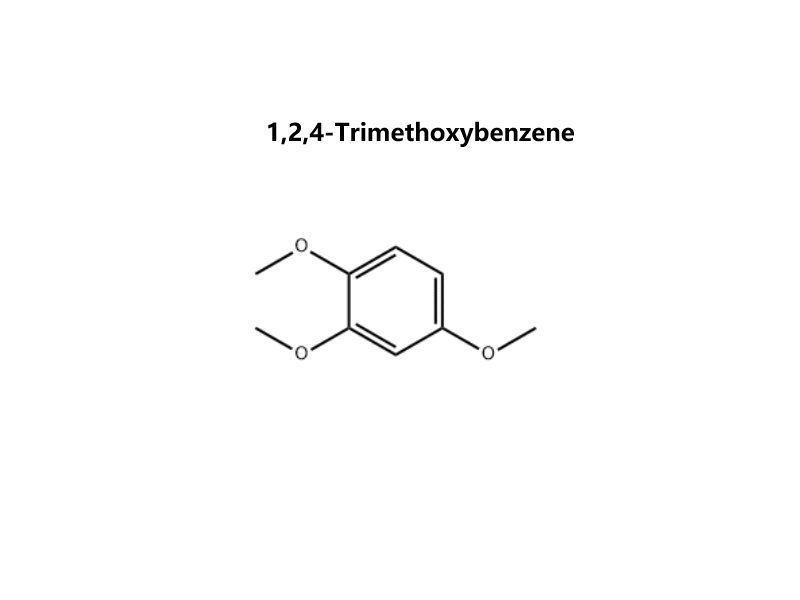
1,2,4-Trimethoxybenzene CAS 135-77-3 is a uniquely versatile, electron-rich aromatic building block. Its core value lies in its unsymmetrical yet highly predictable substitution pattern, which provides exceptional regiocontrol in synthetic chemistry. This makes it a privileged scaffold for constructing complex molecules in pharmaceuticals, agrochemicals, and advanced materials.
Details
 Contact Us
 1st Floor, No. 477, Huancheng West Road, Nanqiao Town, Fengxian District, Shanghai,China
 sales@qxscientific.com
 +86 -13701740203


 IPv6 Network Supported |
Sitemap |
XML |
Blog |
Privacy Policy
IPv6 Network Supported |
Sitemap |
XML |
Blog |
Privacy Policy
Leave A Message
Scan to Wechat/Whatsapp :



 English
 English
 Español
 Português